


































"Alpha" by Julia Ducournau is the disappointment of this Cannes 2025 After Titane, the director and screenwriter presents her film about a mysterious disease that turns people into statues
The Cannes Palme d’Or for Titane won by Julia Ducournau in 2021 caused quite a stir. The second female director in history to win the coveted Croisette prize – in “just” seventy-five years of the festival – the director and screenwriter brought renewed attention to body horror, which would be revisited in 2024 with The Substance, sparking debate over the centrality of genre in prestigious events and even prompting Nanni Moretti to post on social media expressing (ironically) his disagreement with the award. It was therefore undeniable that expectations for her third film were high, as was the fact that the only suitable stage to present it could be the festival that launched her. Performance anxiety, however, was palpable, and its title is Alpha, a feature in which a mysterious illness turns people’s skin into marble and is transmitted in the same way as AIDS.
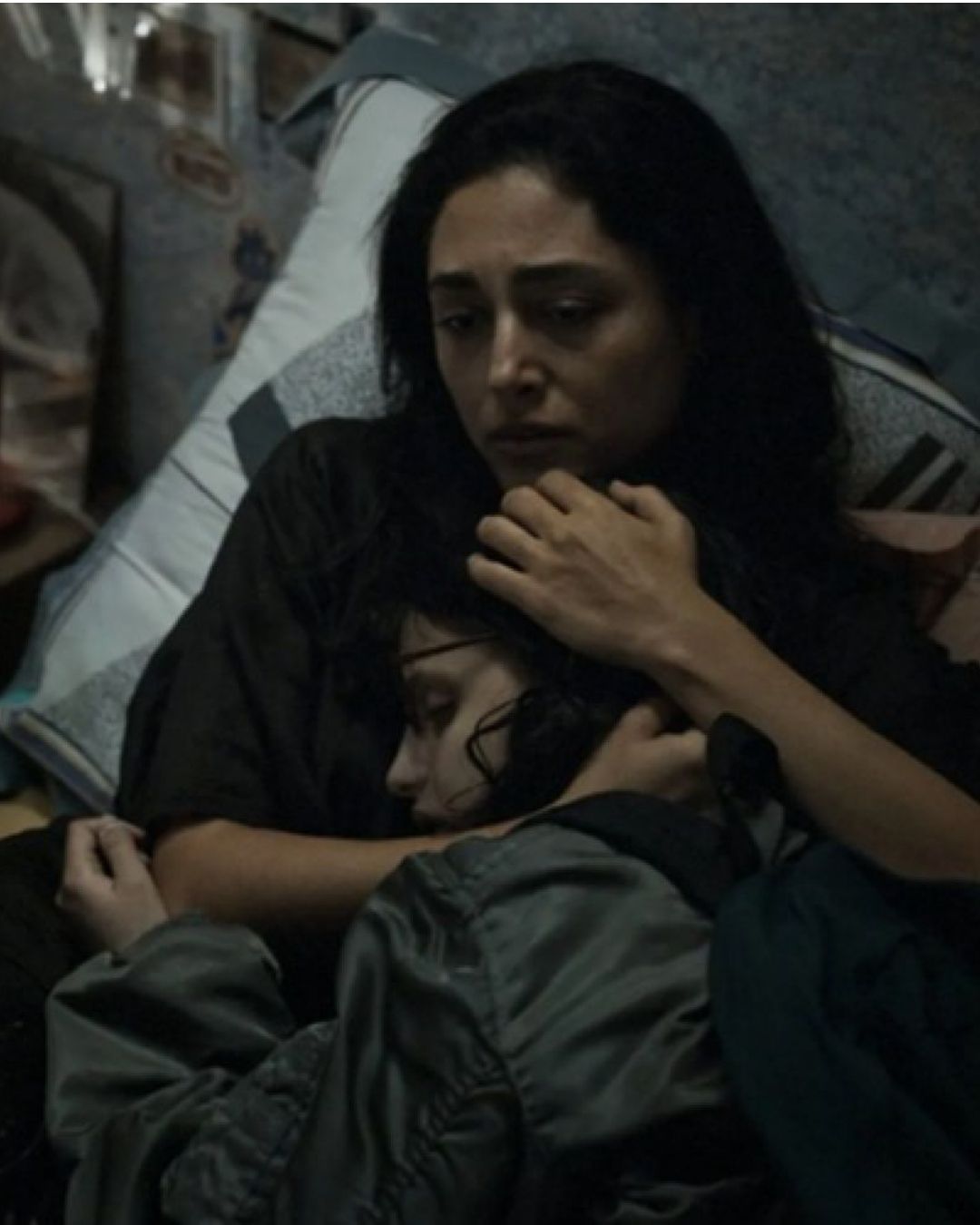
Alpha is also the film’s protagonist, played by actress Mélissa Boros, a restless thirteen-year-old who returns home after a night out with a tattoo and the fear of having been infected. A fear also shared by her mother, played by Golshifteh Farahani, who must care for her daughter while their life is disrupted by the return of addicted brother Amin, actor Tahar Rahim. If the focus on bodies is clearly Ducournau’s immediate concern – as it was with the machine-human incest in Titane and the flesh-seeking debut Raw – the narrative soon shifts into what becomes a full-blown family drama, gradually losing the direction of a work that always seems on the verge of exploding but never does. Nothing Ducournau sows ends up serving a purpose. The disease that changes the body remains the spark for the real field of analysis: if in Raw the physical – and especially the blood – was the symbolic representation of sex, in Alpha it is the fear of death the film chases to the end. But bodies are forgotten by the director, the contagion is a device – and it would be fine if the story didn’t get lost in Ducournau’s excessive need to shock. The director aimed high, but as if her only task was now to provoke, she forgot that shocking doesn’t require sudden flashes or disjointed sequences to hypothetically disturb the viewer.
The cinematic frenzy bubbling in Alpha slips from the director’s hands, who even abandons her voracious, physical touch, her stylistic fury dissolving like the red dust swirling through the film to create an apocalyptic atmosphere. The only strong visual element lies in the cinematography (by Ruben Impens), alternating between a brighter past and a gray, metallic, alienating present, cold even in its emotional impact. Alpha wants more, always more, but the disease remains a distant backdrop, its victims mere statues to be looked at (“You’re beautiful,” the protagonist says to a sick person), and the boundary between life and death struggles between Amin’s desire for oblivion and his sister’s forced resilience – Tahar Rahim is excellent, more than the film deserves. And when it’s time to tie everything together, Alpha ends up disintegrating. Logic collapses, cinema briefly reappears, but there’s no one controlling the portal shifting the film from the present to the past, from the clarity of medical – or anesthetizing – procedures, like Amin’s heroin use, to the ascetic form that dominates the finale. And thus, what we tangibly loved about Julia Ducournau’s cinema suddenly becomes inconsistent. Leaving no scars on the viewer, slipping away like ash between the fingers.
