































The story of the woman's face that made Fornasetti iconic Made famous by the renowned Milanese designer Piero Fornasetti
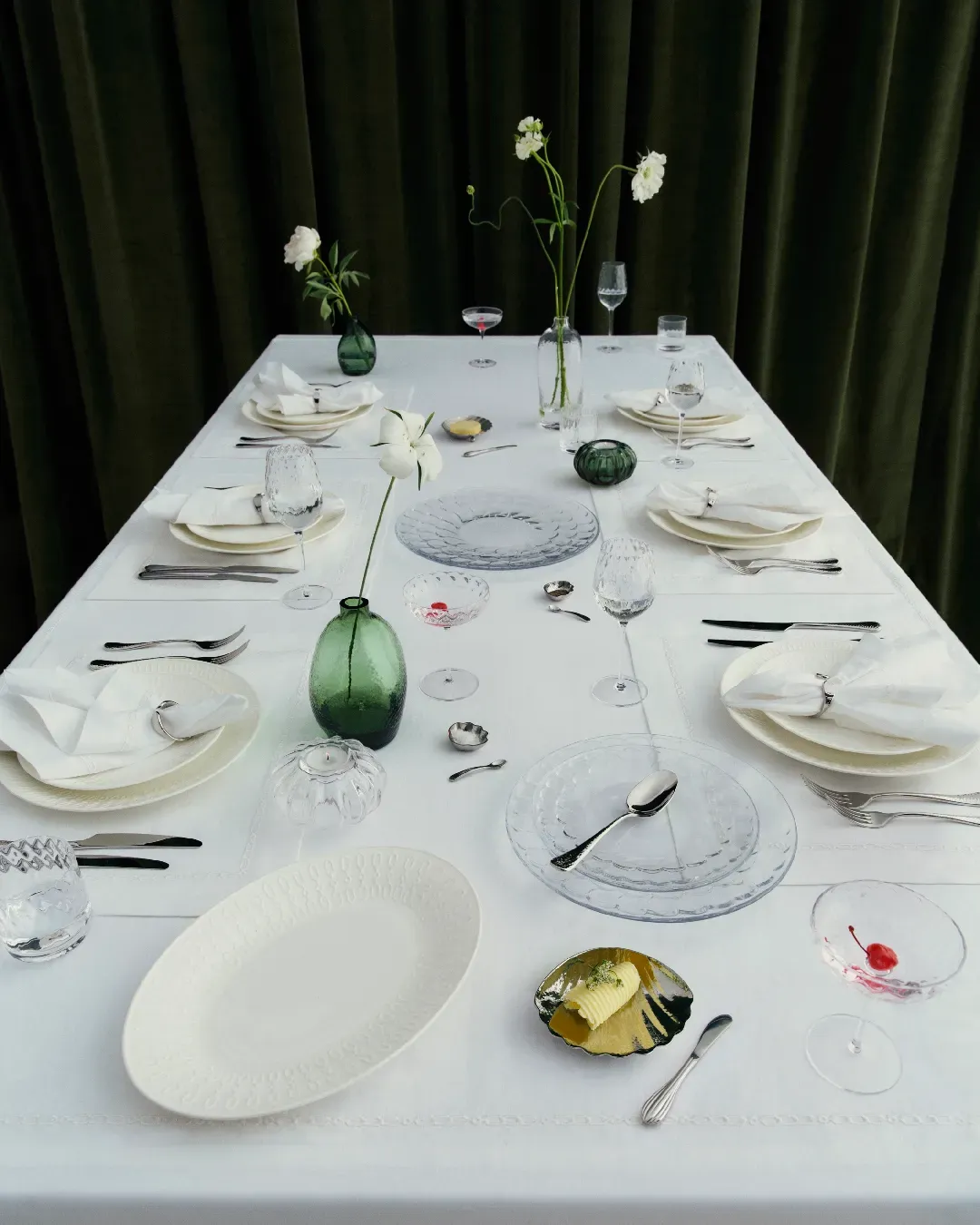
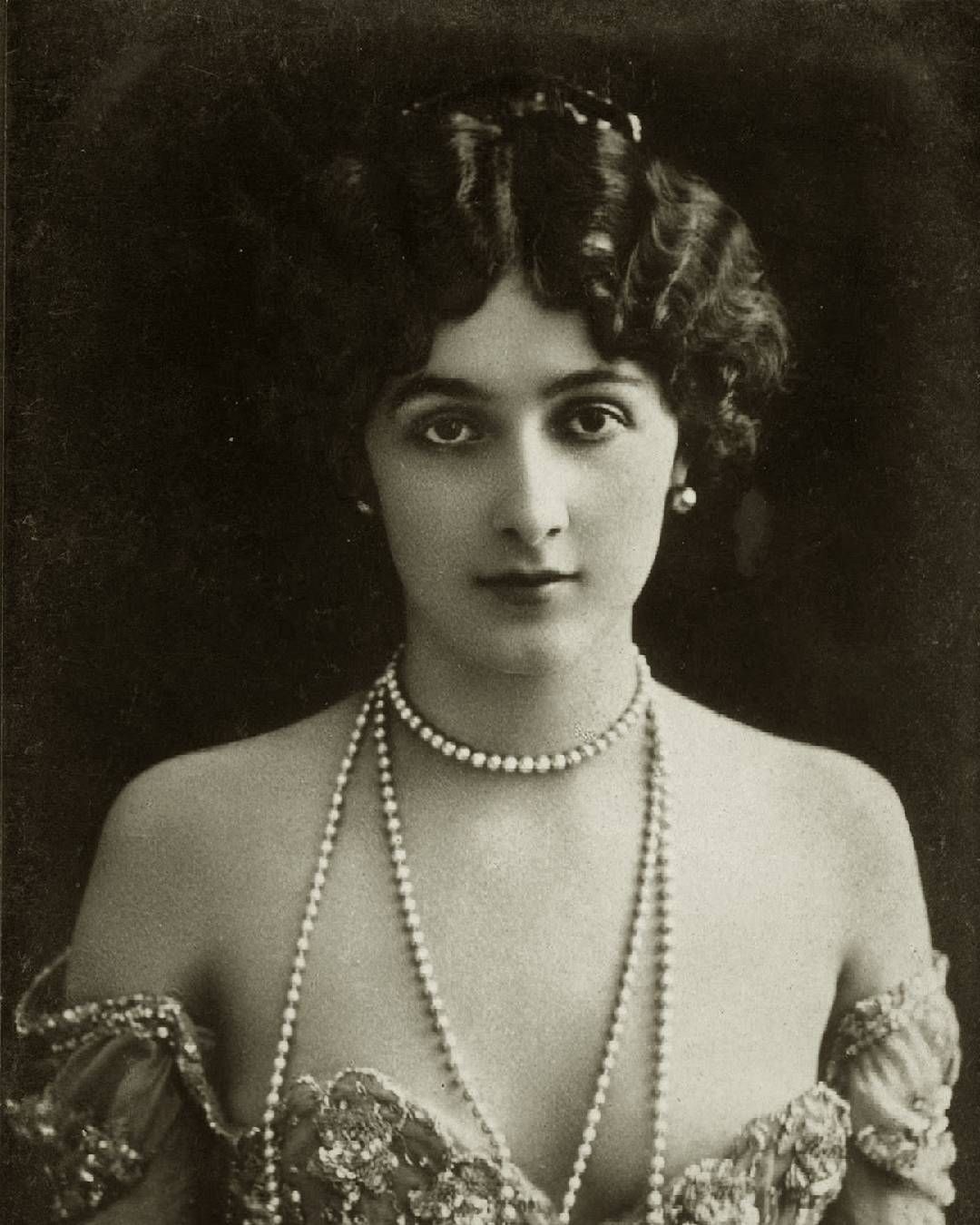
Ten years ago, on March 11, 2015, a major retrospective dedicated to Piero Fornasetti, the important Milanese designer, was inaugurated in Paris. The exhibition remains the most significant ever held abroad about the Italian artist. In 2013, another very ambitious one was organized at the Triennale in Milan. The Parisian initiative featured over 1400 pieces, including lithographs, posters, magazines, and iconic objects. Piero Fornasetti was many things, including a painter, designer, and stylist. Overall, he signed about 13,000 productions, many of which became timeless objects still appreciated and influential. Fornasetti's most recognizable and popular work remains his plates, which feature – in different versions – the face of opera singer Lina Cavalieri. Although she was a very famous personality during the Belle Époque, her face wouldn’t be so widely known if, in the 1950s, Piero Fornasetti had not seen it by chance while flipping through a 19th-century magazine. Fascinated by her features, the Milanese designer began using Lina Cavalieri's face as the central element of his "Tema e Variazioni" series, which today includes about 400 variations. "We're talking about Fornasetti's most enduring theme. What triggered this creativity were her golden proportions, like a Greek statue, and her enigmatic expression," explains Barnaba Fornasetti, the son of the Italian artist and current curator of the brand, as well as its archive. Transformed and inserted into always new artistic contexts, the illustration depicting Cavalieri's face continues to be reimagined and explored, adapting it to modern times through references to current events and pop culture. At the upcoming Milano Design Week, for example, new pieces from the "Tema e Variazioni" collection will be presented, including clocks and a new set of eight plates.
The Story of Lina Cavalieri
But despite the fact that Cavalieri’s face continues to appear in many works from the famous design brand, few know her story. Yet it is "incredible," points out Barnaba Fornasetti. The singer, originally from Rome, made her debut on the stage of the San Carlo Theater in Naples in 1900, and later played the most famous female characters in opera. "At the height of her fame, she was considered the 'most beautiful woman in the world' and – celebrated for her porcelain skin and doll-like features – she was called 'the ultimate proof of the existence of Venus on Earth' by poet and playboy Gabriele D'Annunzio," writes WWD, describing her as a "superstar" of the Belle Époque. Cavalieri – born in Rome on December 25, 1875 – even managed to obtain the title of princess through her first marriage to the Russian nobleman Alexander Vladimirovich Baryatinsky in 1899. However, realizing that court life did not align with her artistic ambitions, she decided to move to the United States, where she married American artist Robert Winthrop Chanler. That marriage was followed by one with French actor and tenor Lucien Muratore and, later, with opera singer and race car driver Giuseppe Campari.
@indiascarlett5 Pause to read and follow for more like this #linacavalieri #operasinger #cavalieri #opera #1900s #edwardian #edwardianera #1900saesthetic #vintage #silentera soundcloud is crazed - .
The most fascinating element of Lina Cavalieri’s story, reflects author Franco Di Tizio, who has written two books about her life, is her extraordinary biography. "It’s important to remember that she started from nothing and became known as the most fascinating woman in the world, becoming the best version of herself." Despite her fame, Lina Cavalieri’s memory is less rooted in Italy than abroad. Her last descendants, her granddaughters Oretta and Sabrina Cavalieri, confirm in an interview with WWD that the singer is now more known and admired in the United States and France than in her home country. Even Barnaba Fornasetti admitted that, paradoxically, few people inquire about the face that continues to characterize many of the plates and objects of his company.
What to read next
Interior design has become performative too
On why the homes of people with good taste all look the same