
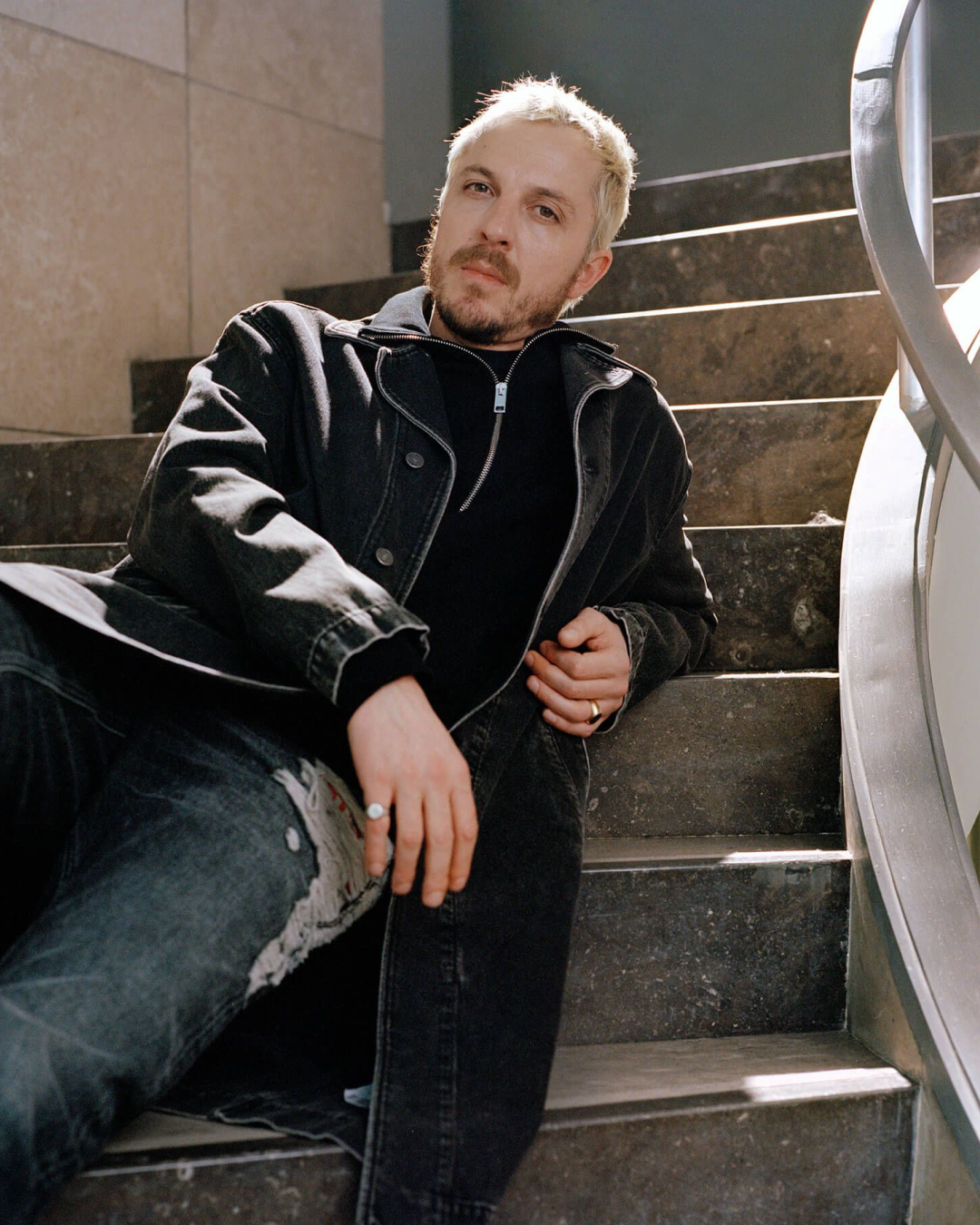
Glenn Martens has left Diesel Now all his energy will be dedicated to Maison Margiela
The news has been circulating for just a few hours and, truth be told, it surprises almost no one. Glenn Martens has left Diesel. After six brilliant years at the creative helm of Renzo Rosso's brand, the Belgian designer has decided to focus his energies on Maison Margiela, where he has been creative director since January 2025. The news had been in the air: managing two such demanding brands — one a denim-lifestyle label, the other a conceptual couture and prêt-à-porter house — was never going to last forever.
Martens joined Diesel in October 2020, having collaborated with Diesel Red Tag since 2018. The brand had been in a holding pattern, without a true creative director since 2017. He, however, managed to transform it into a goldmine for the OTB Group. Within just a few years, Martens breathed new life into the "For Successful Living" spirit through an approach built on experimental denim, sculptural silhouettes, distressed textures and an aesthetic inspired by the rave scene. The success was enormous, making his one of the most successful revamps in recent fashion history.
His creative tenure was marked by no shortage of iconic moments. The SS22 debut reignited the brand, whose logo began appearing everywhere again, worn by a generation of new and voracious fans. Martens pioneered the concept of democratic shows open to the public, created looks worn by Rihanna, Michelle Obama, Kylie Minogue and Damiano David, launched provocative campaigns and worked on street activations such as the egg hunt in Milan for the SS26 season. The FW26 show, featuring 50,000 pieces of Diesel memorabilia arranged like a contemporary Bosch garden, celebrated almost fifty years of the brand's history with wit and upcycling — but it will not be his last: Martens's farewell to the brand will take place next week, with Diesel's SS27 show, which is already eagerly anticipated.
Over these years, Martens transformed Diesel into a generational phenomenon, bringing it back to the centre of the fashion conversation and pop culture. Now, freed from that dual commitment, he will be able to push the Margiela language even further: anonymity, deconstruction, craftsmanship and that sartorial poetry which, already in his first Artisanal and prêt-à-porter shows, won over critics and audiences alike.