
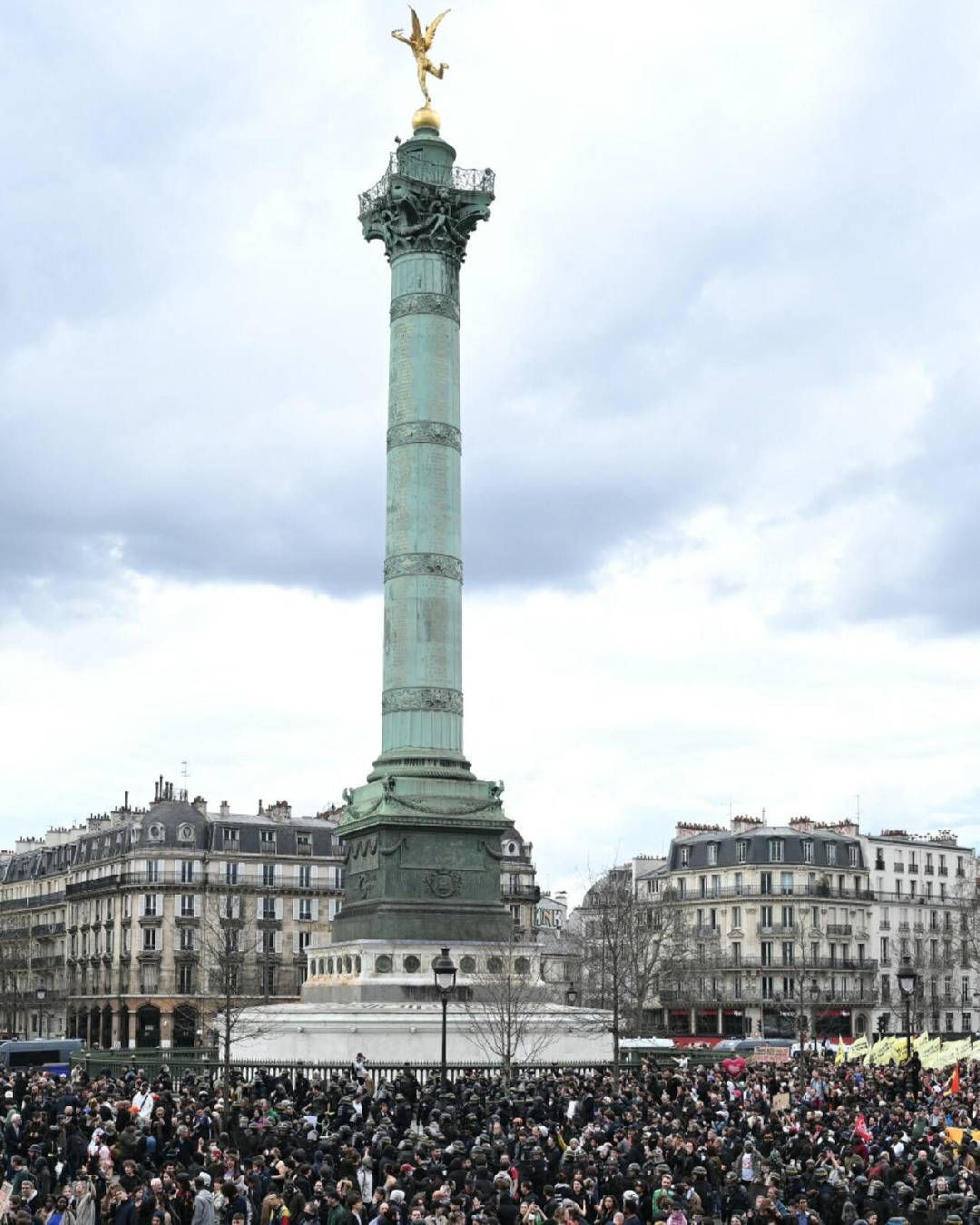
France prepares for a general strike this thursday, November 5 Toward a convergence between youth and the workforce
Following the weekend of October 31, which saw strong youth turnout and a massive police response, social unrest in France is reaching a new milestone. On Thursday, November 5, 2026, a unified front of trade unions is calling on both the public and private sectors to join a nationwide day of general strikes and protests. Driven by frustration over inflation and economic insecurity, the potential convergence of students, workers, retirees, and Yellow Vests could establish a major new power dynamic against the government.
500,000 protesters turn out for October 31 demonstrations
According to the inter-union youth coalition, over 500,000 people took to the streets across the country on Saturday, October 31, despite an exceptionally strict security apparatus. On the ground, prefectures and the Ministry of the Interior deployed substantial forces to contain the marches, forcing demonstrations away from city centers, deploying 70,000 police officers and gendarmes backed by armored vehicles and anti-terrorist units, and carrying out nearly 40,000 identity checks that led to almost 300 arrests. At the same time, route restrictions and reports of increased censorship or moderation on social media platforms like TikTok sought to limit the scale of the gatherings.
Despite this tight security cordon, turnout remained high in major urban centers. In Paris, over 200,000 people marched between Porte de Bagnolet and Porte de Charenton. Defying bans on city-center demonstrations, several hundred students responding to a call from the Île-de-France Regional Student Coordination pushed past police barricades to join the main procession, while spontaneous actions also flared up in the 9th arrondissement and Montmartre. In Rennes, the inter-union coalition counted 20,000 participants in the city center. In Marseille, protesters marched in defiance of prefectural bans along key avenues, while in Le Mans, demonstrators gathered outside the local hospital for a general assembly to plan upcoming actions.
Falling on Halloween, this third day of protest took on a distinct atmosphere. Numerous calls across social media urged participants to show up in costume. For organizers and marchers, this festive twist was intended to diffuse fears of escalation while highlighting the peaceful, grassroots nature of the movement.
However, the festive mood early in the day gave way to tensions in the capital. Around 5:00 PM, while the Parisian demonstration was officially authorized until 6:00 PM, several marchers within the declared procession were roughly shoved and jostled by law enforcement as they arrived at Porte de Charenton.
The workforce joins the movement
Attention now turns to Thursday, November 5, 2026, which is shaping up to be the first major cross-sector strike of the autumn season. Initially launched in early October by an inter-union coalition including the CFDT, CGT, FO, Unsa, and FSU, the call has progressively expanded to almost every major labor organization, with the CFE-CGC joining as well.
For the first time since high school and university protests began, private and public sector employees are being urged to strike simultaneously. Demands now extend far beyond initial student grievances to encompass a sweeping overhaul of economic and social policy - focusing on across-the-board wage and pension increases, boosted funding for public services, and reinforced social security financing. Major disruptions are expected across key sectors, including rail transport at SNCF, public and private education, banking, insurance, and healthcare. Beyond traditional union structures, the November 5 mobilization is also backed by Yellow Vest groups calling for a "People's November 5."
The explicit goal of these grassroots collectives is to forge a bridge between youth activist momentum, worker grievances, and households struggling with inflation. As the government signals its intent to hold the line on its budget plans, organizers are betting that only a combined front of workers, students, and retirees can build the leverage needed to force concessions from both executive leadership and business owners.
What to read next

For Halloween, the director of "Obsession" gifted us a new short film
It's called "Mama Bear", it's on YouTube, and it was written, directed, and edited by Curry Barker
This Halloween, dress up as a creative director
5 designers to dress up as for the scariest night of the year