






















Why Restaurant Merch is the New Football Jersey Forget jerseys. Today’s ultimate status symbol is a screen-printed tee from the bistro around the corner

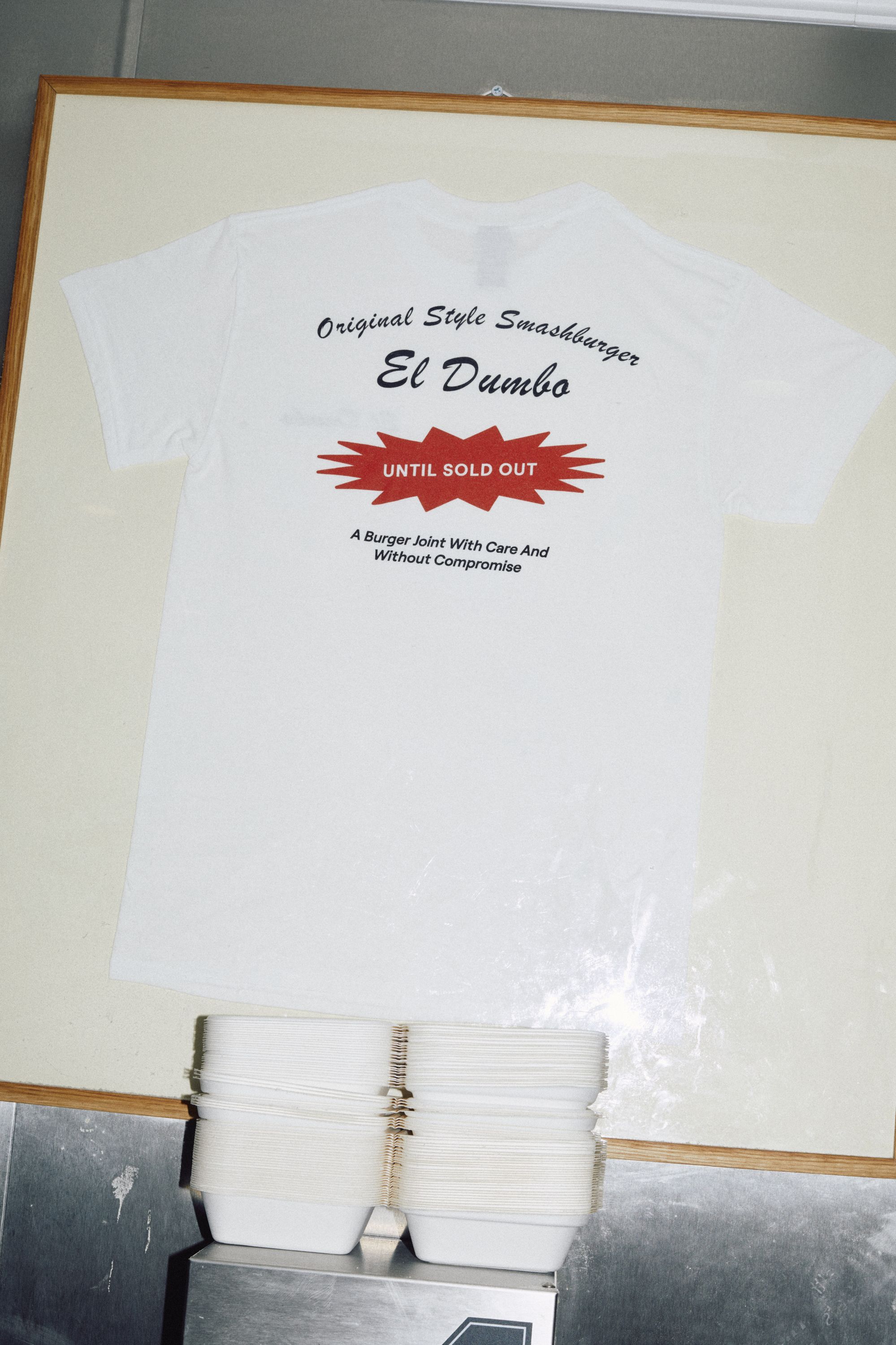
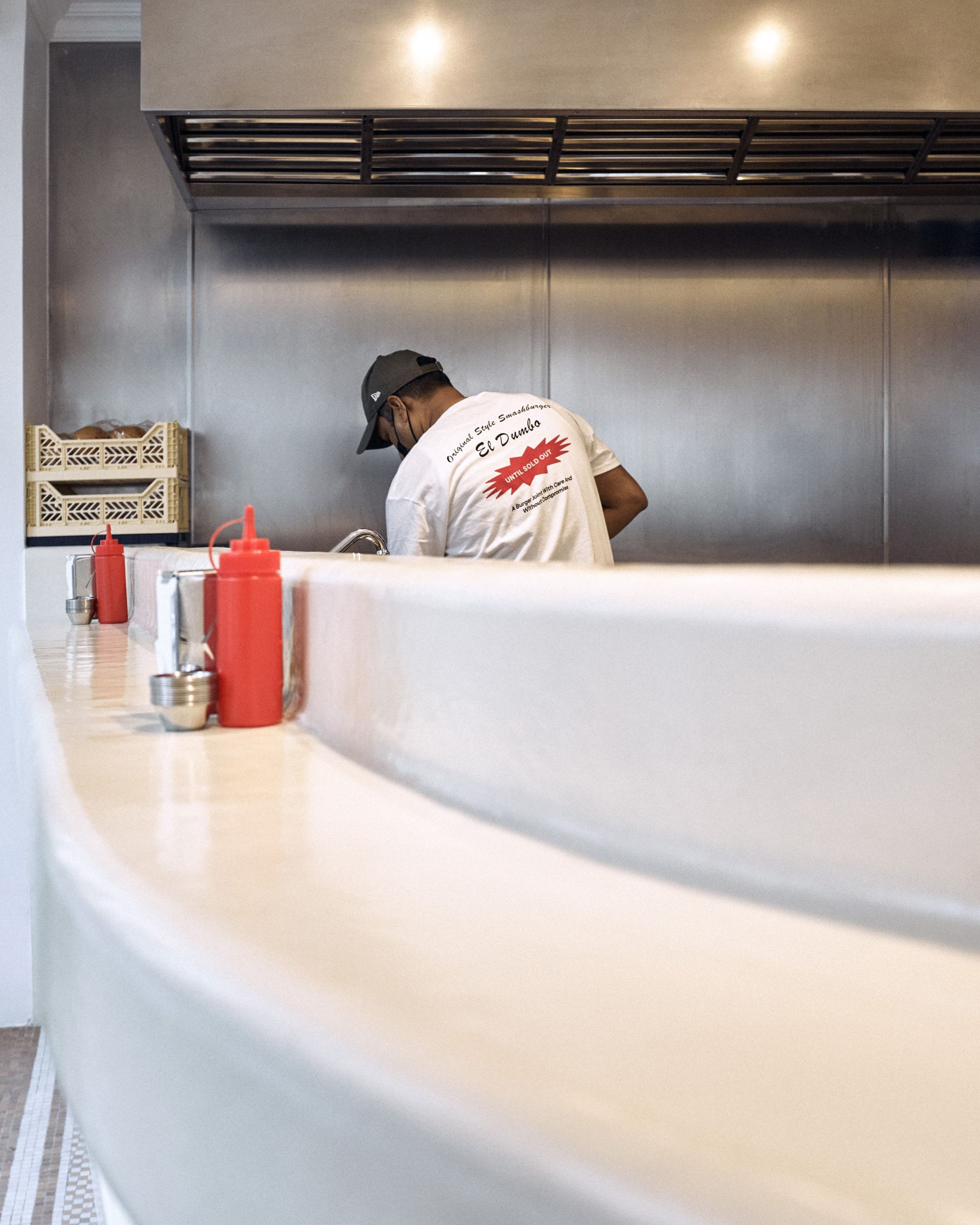
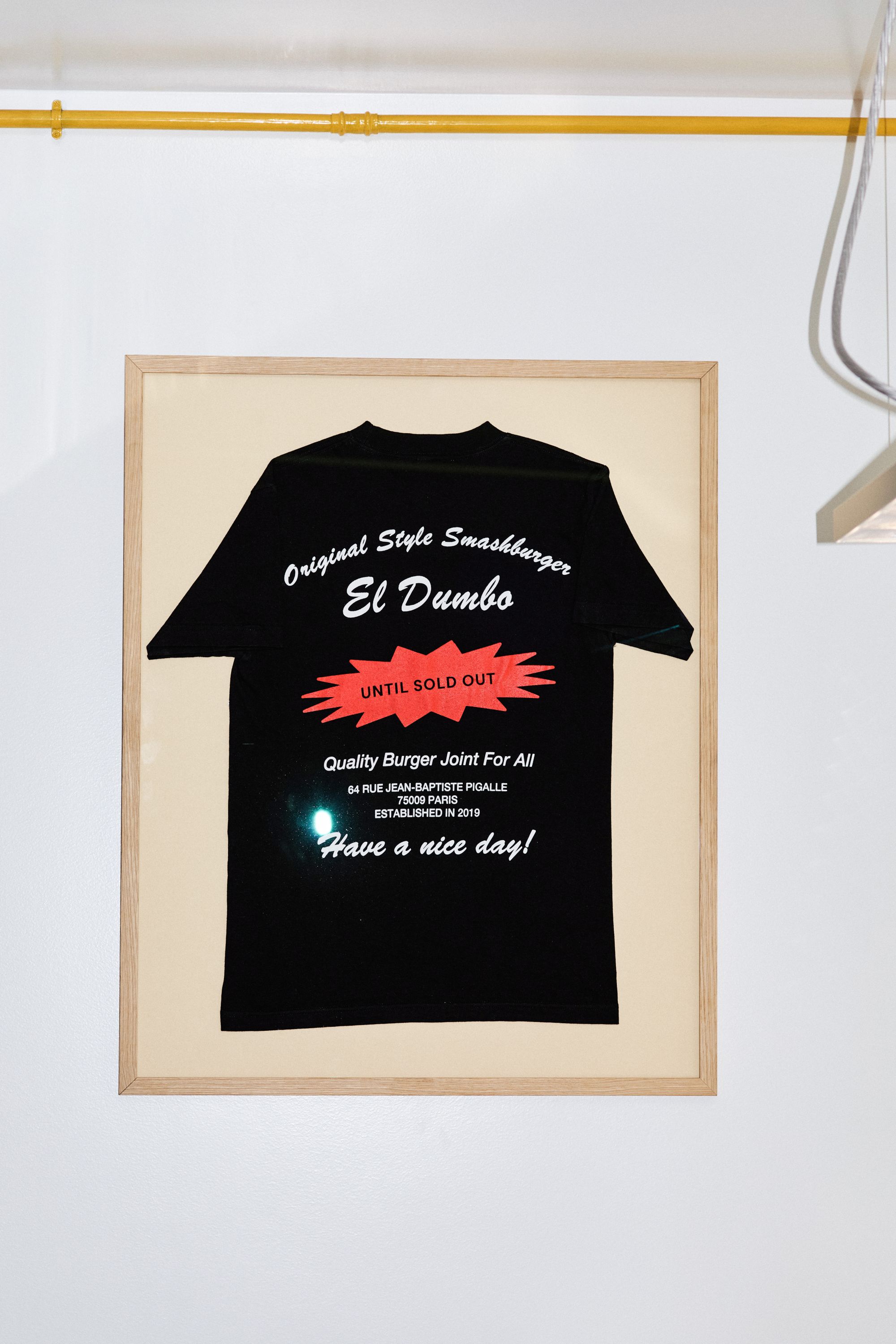
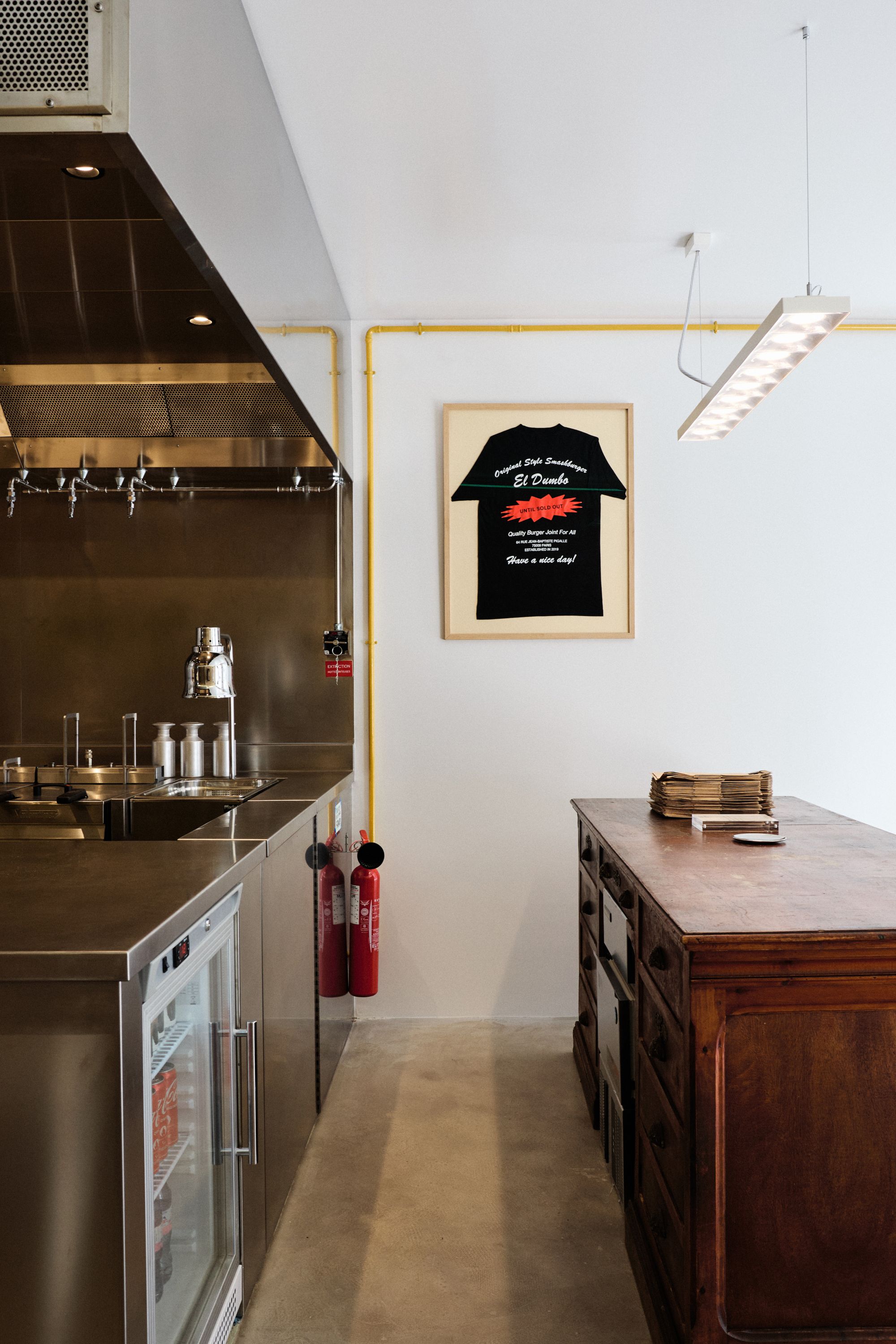
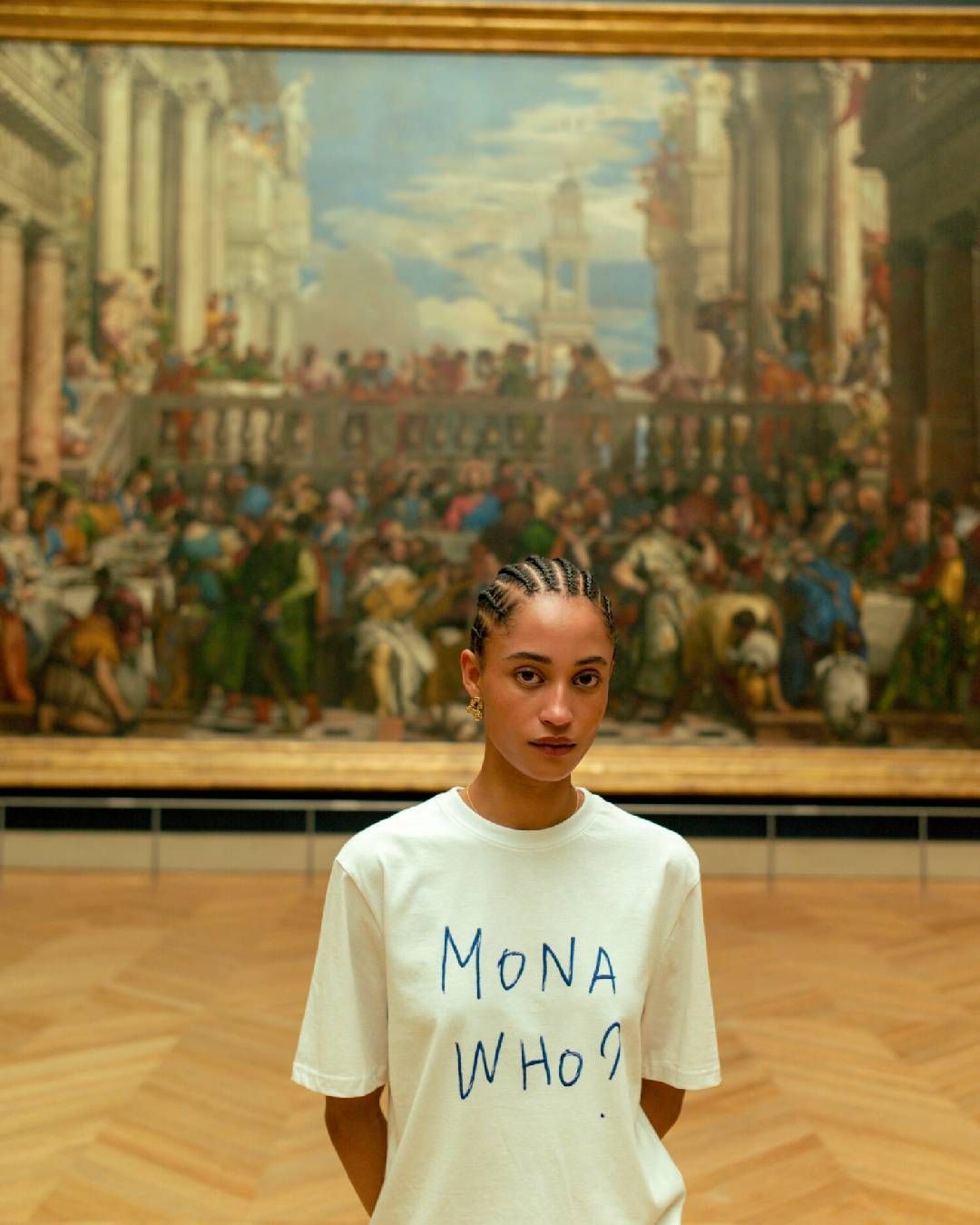
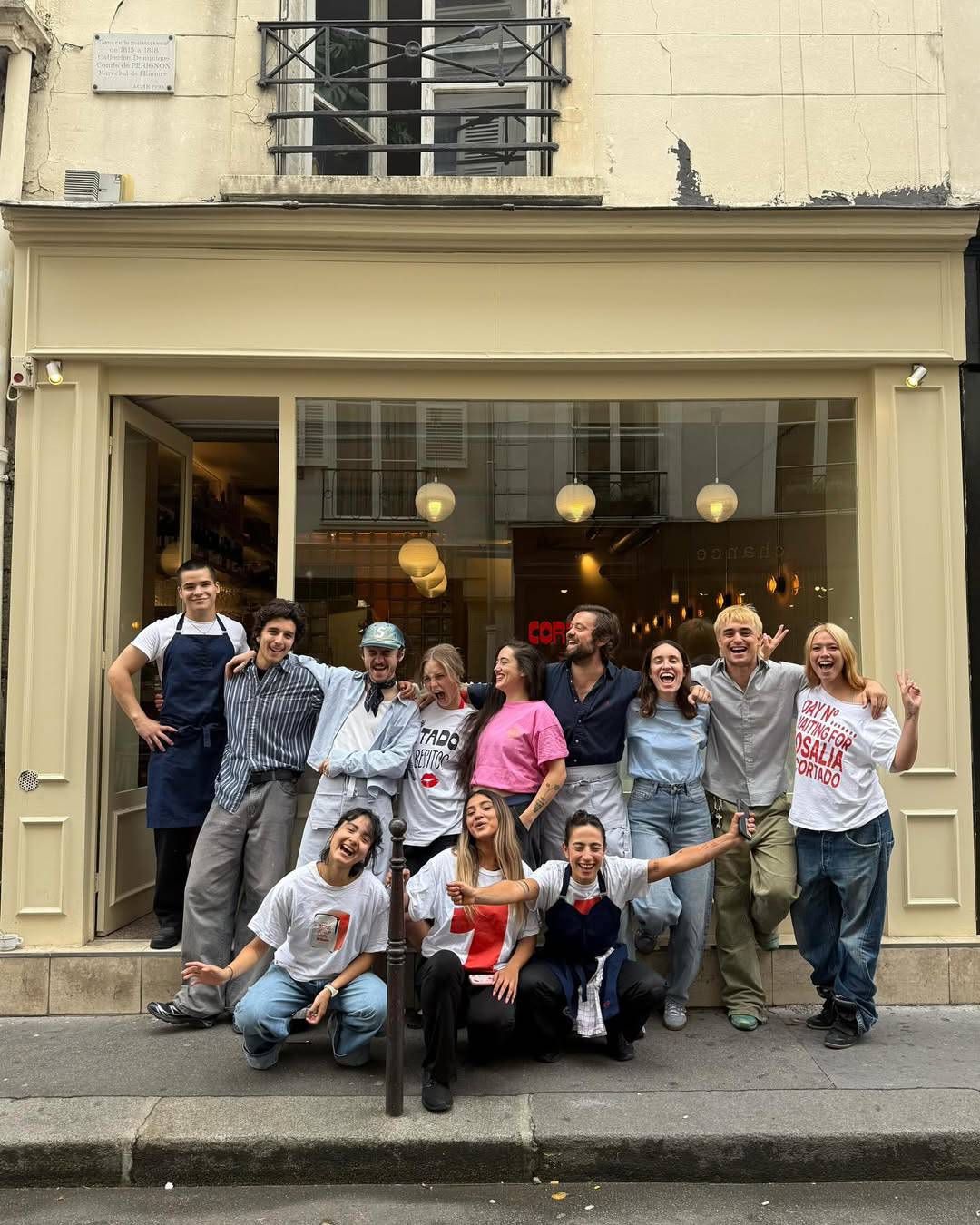
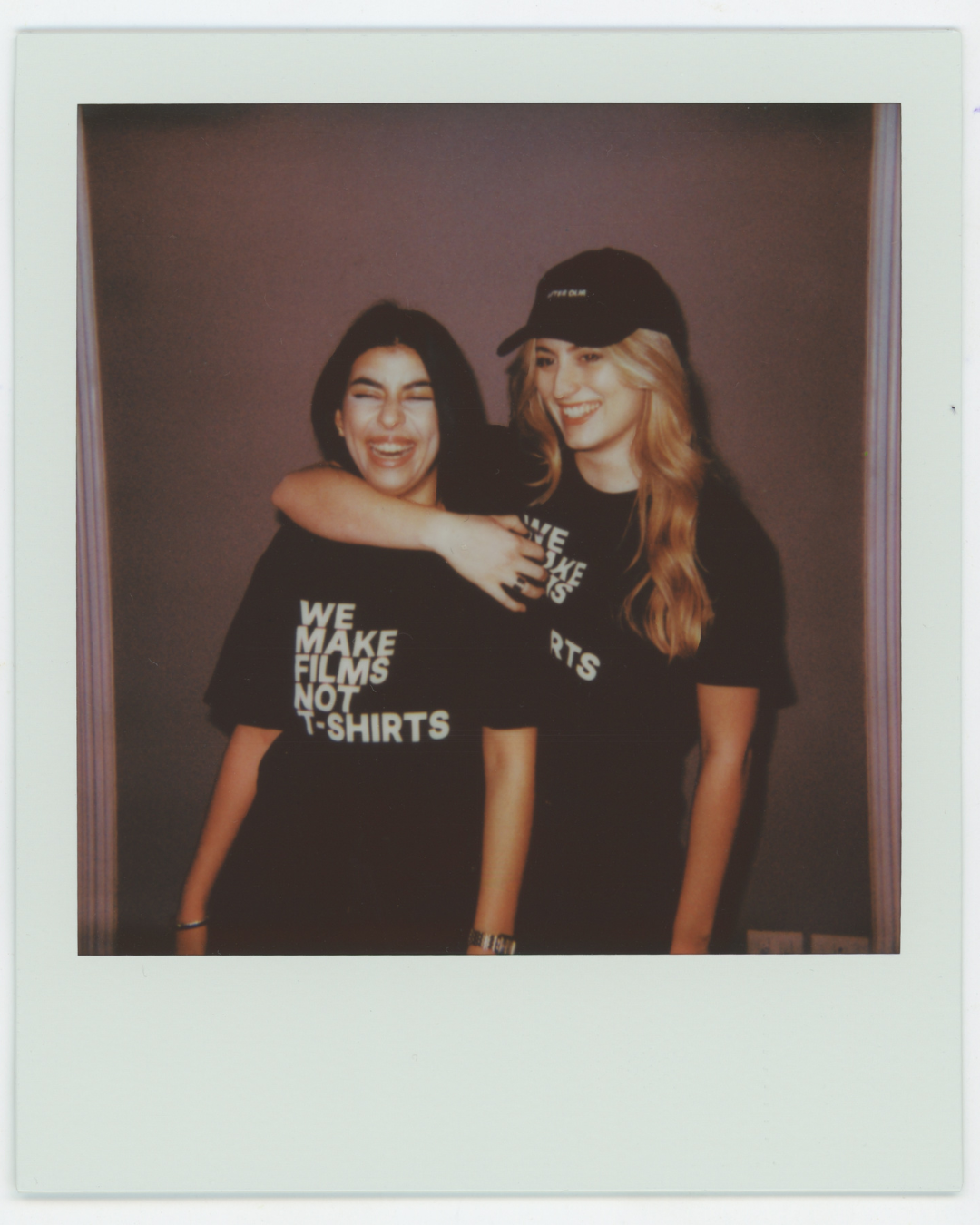
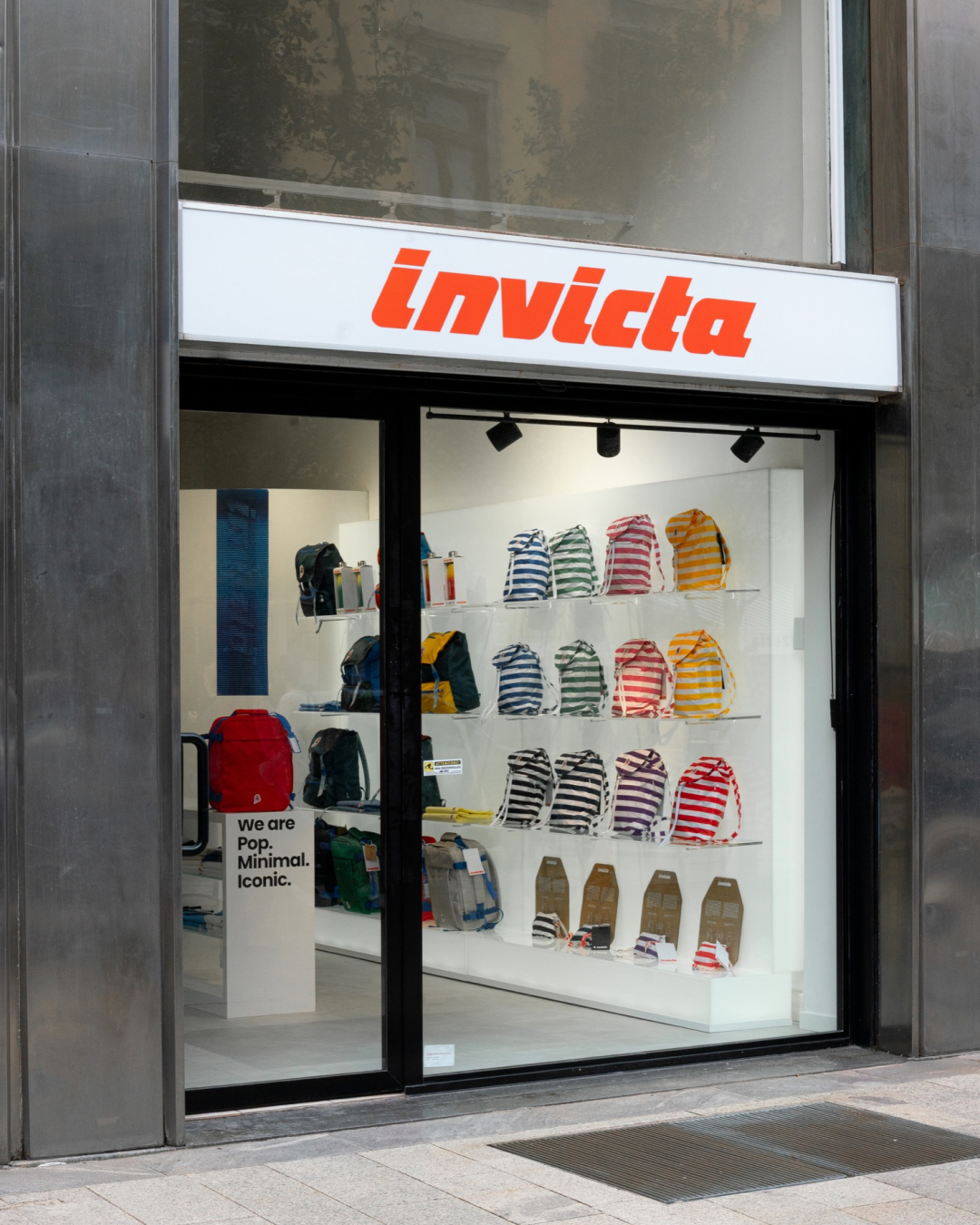
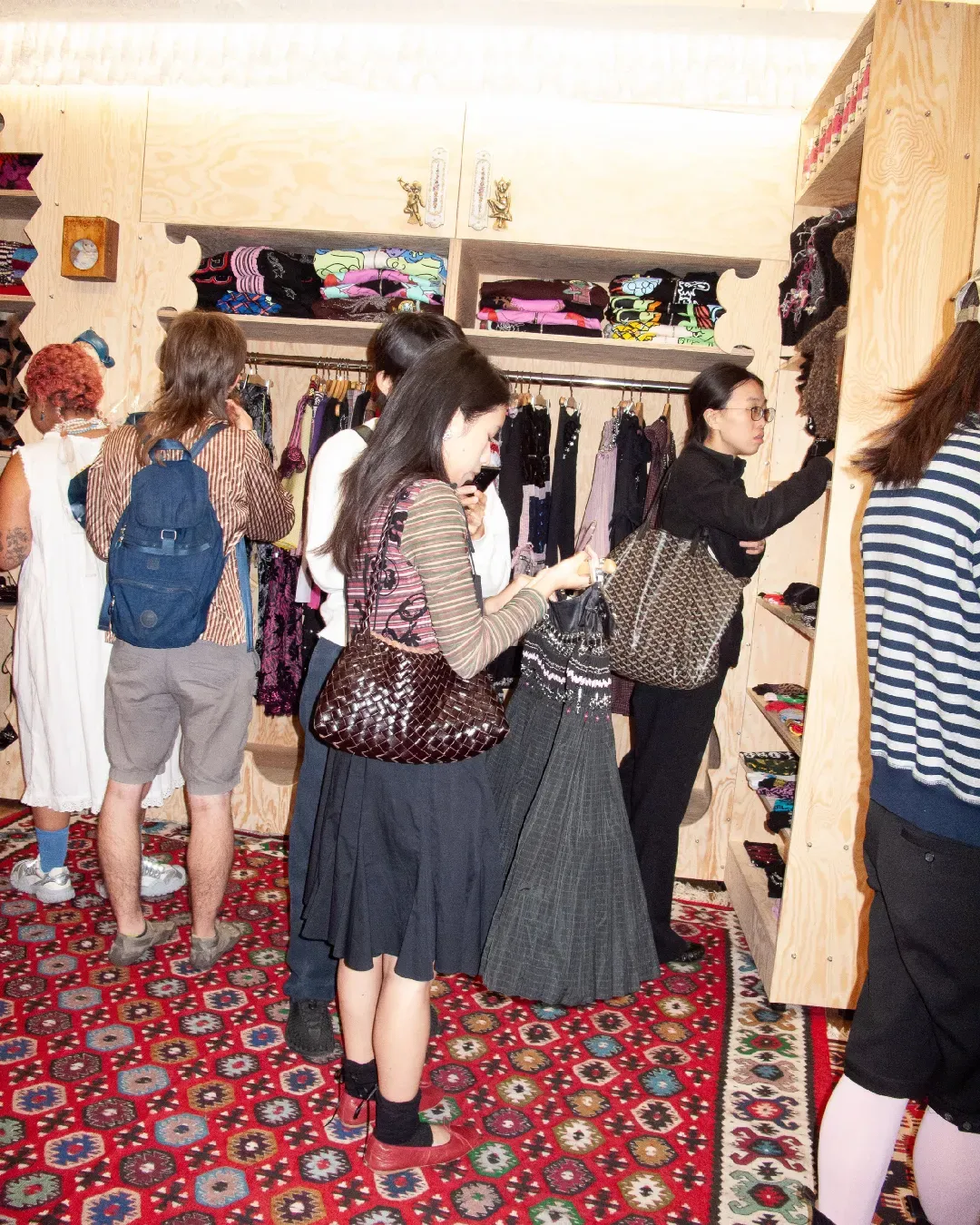
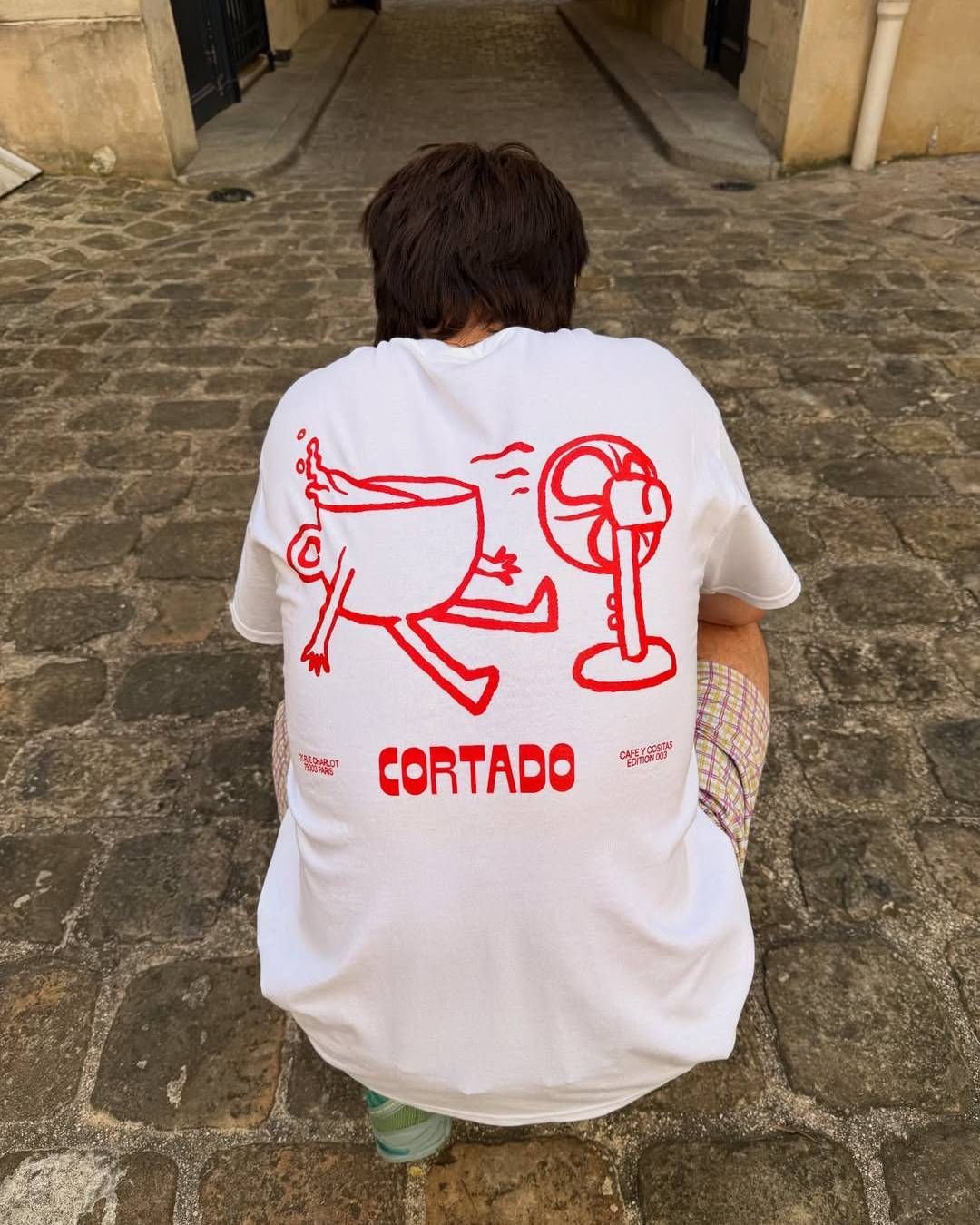
For a long time, restaurant merchandising was primarily functional. It served to distinguish staff from customers, create a coherent visual identity, and make a venue immediately recognizable. Today, the T-shirt is no longer just a uniform; it takes pride of place on the wall as decor. At Dumbo, for example, branded T-shirts occupy a prominent spot, framed and displayed above the counter like genuine artifacts. This staging caters to an increasingly discerning eye. In an era where every address aspires to be "Instagrammable," a venue's identity must be able to circulate beyond its walls. Merchandising extends this visibility. It allows the restaurant to exist on social feeds, in the street, at the office, and in the daily lives of its regulars. Wearing your favorite spot’s T-shirt is almost like flaunting a form of cultural capital: the pride of knowing the right places, mastering their codes, and sharing their aesthetic.
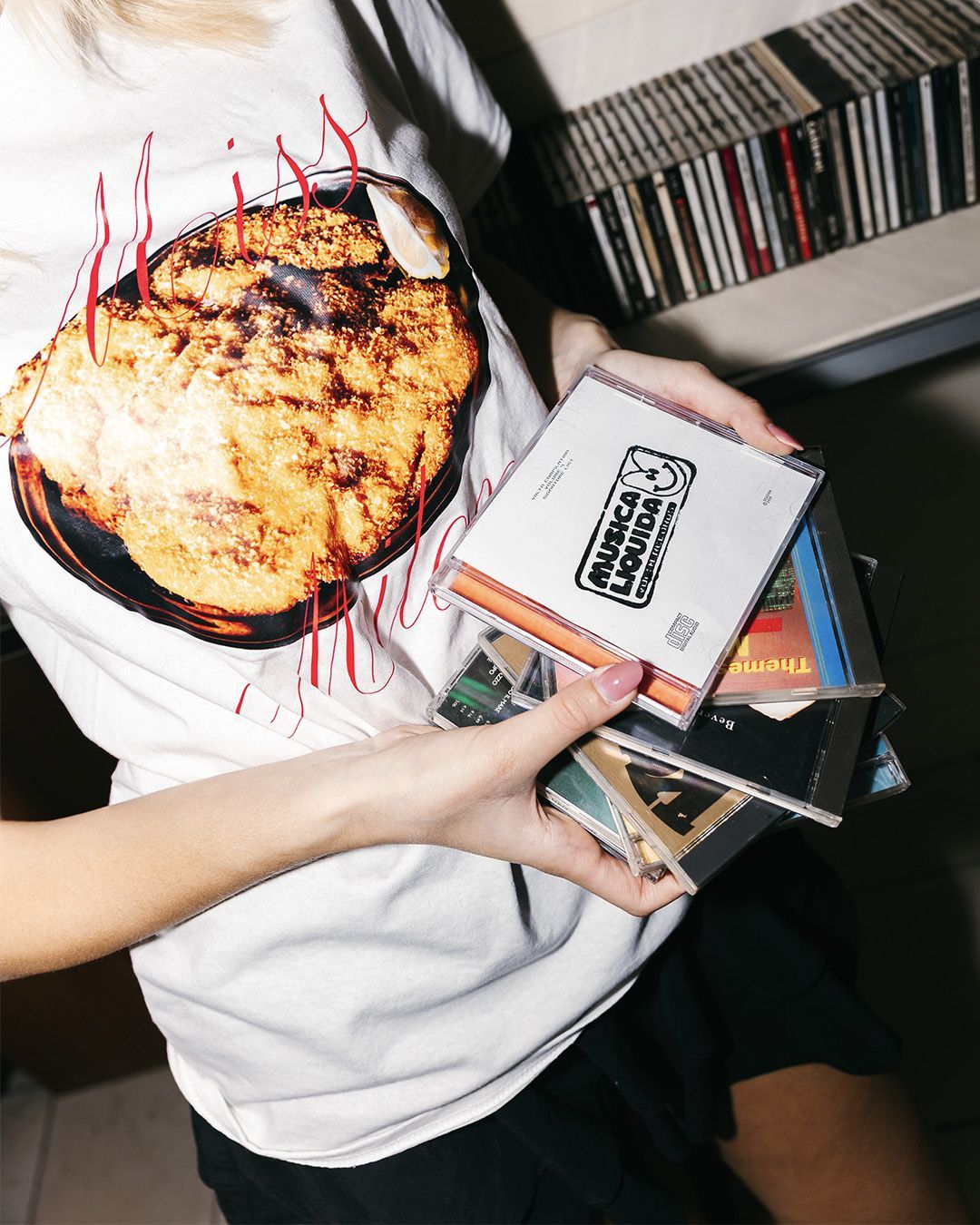
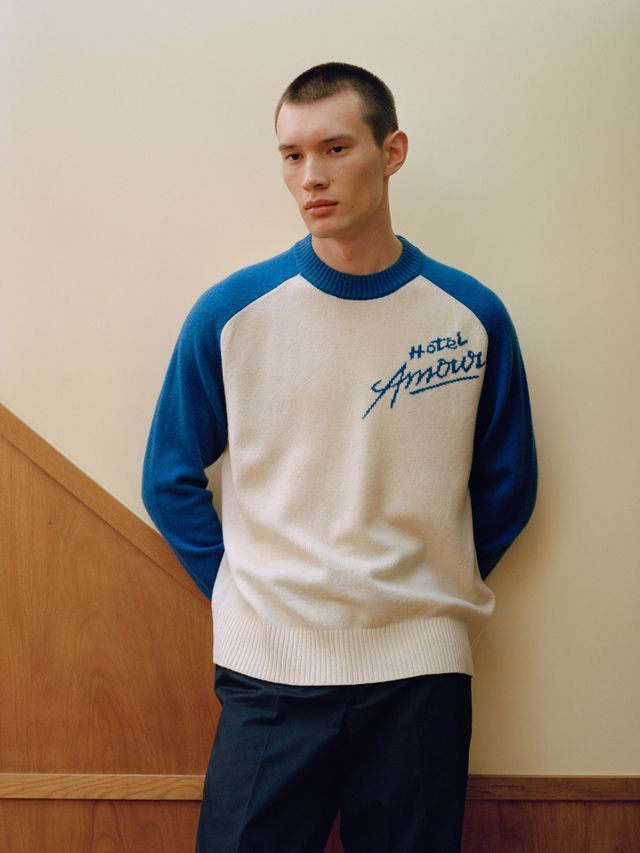
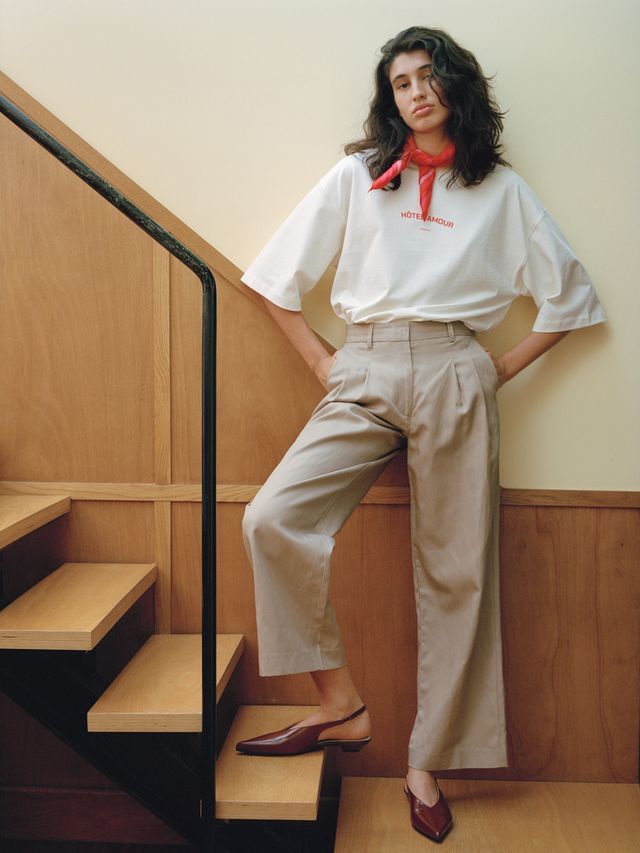
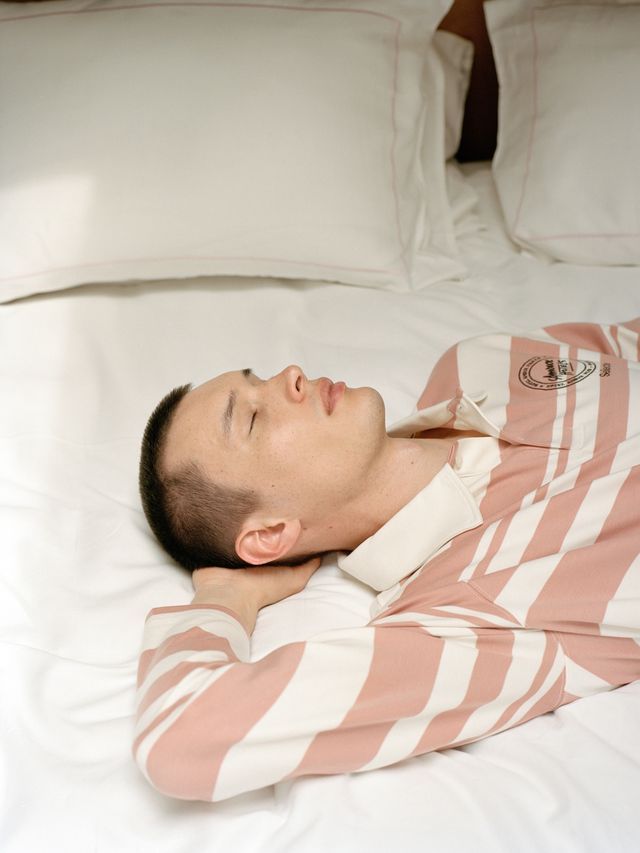
A prime example is the French brand Claudie Pierlot, which recently collaborated with Copains Studio, a rapidly expanding coffee shop. More than just a PR stunt, this type of alliance reflects a deep-seated shift: today, fashion, food, and visual culture are in a permanent dialogue. But beyond style, it is also about taking a piece of the place home -a non-perishable version of the experience. Where the meal ends, the garment takes over. A tangible souvenir that can even be given as a gift. During a stay at the Hôtel Grand Amour, it is now possible to leave with a piece from its collaboration with the brand Selected. More than a simple derivative product, this wardrobe evokes an entire lifestyle: a lie-in in a hushed room, the sweet smell of coffee drifting from the lobby, a stroll on the terrace, or an urban escape before a candlelit dinner. With this collection, we move beyond the simple logo T-shirt. A full wardrobe, for both men and women, is unfolding. Some pieces play it obvious -a screen-printed visual inspired by a signature dish, for instance- while others display the collaboration more discreetly, such as a dual-branded label sewn onto the sleeve of a blazer.
Whether explicit or suggested, this brand stamped on our shoulders changes the very nature of the garment: it transforms a fashion item into a banner. The question then arises: are we wearing our favorite venue's merch today the same way we would wear a football jersey? There is an obvious logic of affiliation in this practice. Supporting a place where you have your habits, displaying loyalty to a restaurant or a coffee shop, and claiming belonging to a certain Parisian map of nightlife. Rivalries between spots can even, in a way, extend onto the printed cotton. For venues already well-established in the Parisian landscape, it is also a way to expand their sphere of influence. The restaurant is no longer just a destination; it becomes a cultural brand in its own righ -a strategy mirrored in the fashion world, where everything is designed to encourage the organic circulation of images and conversations around a launch, a pop-up, or a capsule collection.
In reality, the phenomenon is not entirely new. As early as the 2010s, chains like Starbucks or Hard Rock Cafe had already heavily invested in branded merchandise. Mugs, reusable cups, hoodies, or logo T-shirts: this visual arsenal already served as a social signal, marking an adherence to a lifestyle or the memory of a visit. What has changed today is that the restaurant no longer settles for selling a souvenir: it integrates itself into the wardrobe. By becoming true lifestyle platforms, coffee shops offer fashion brands an unprecedented gateway into their customers' intimacy. For these labels, partnering with a trendy address is no longer a simple product placement; it is a way to anchor themselves in the daily life of a specific, hyper-connected, and, above all, trend-setting community.
In our digital-first world, wearing the printed cotton of your local spot is perhaps the most tangible form of loyalty we have left. It is a modern totem that says: "I was there, I am part of this." In this urban jungle of logos, sporting your favorite coffee shop is less about fashion and more about territory. It is a way of recognizing fellow insiders at a pedestrian crossing, and a reminder that behind every brand, there is first and foremost a community, a counter, and a memory.