
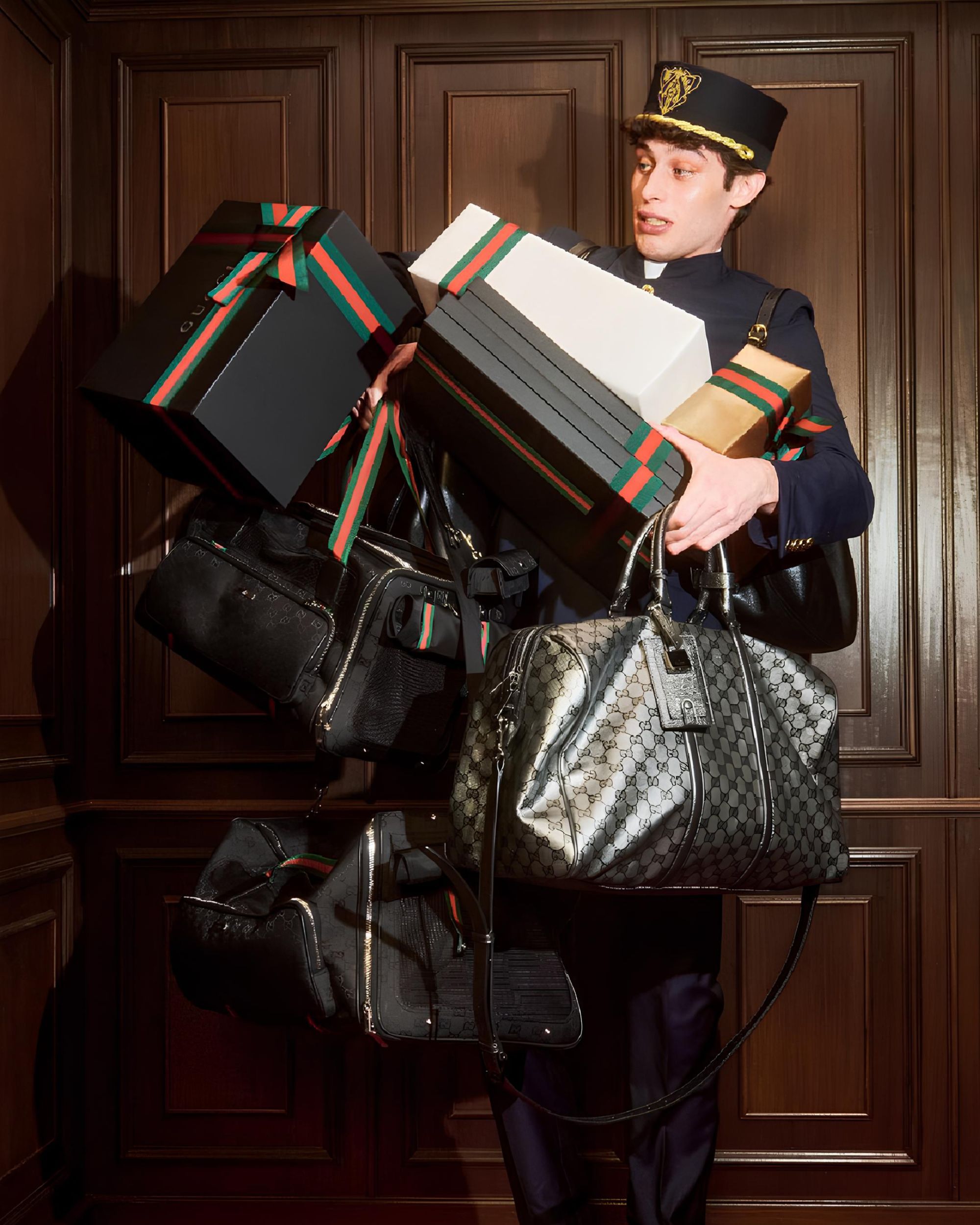
How did we go from decluttering to chaos? Minimalism has disappeared, but not entirely
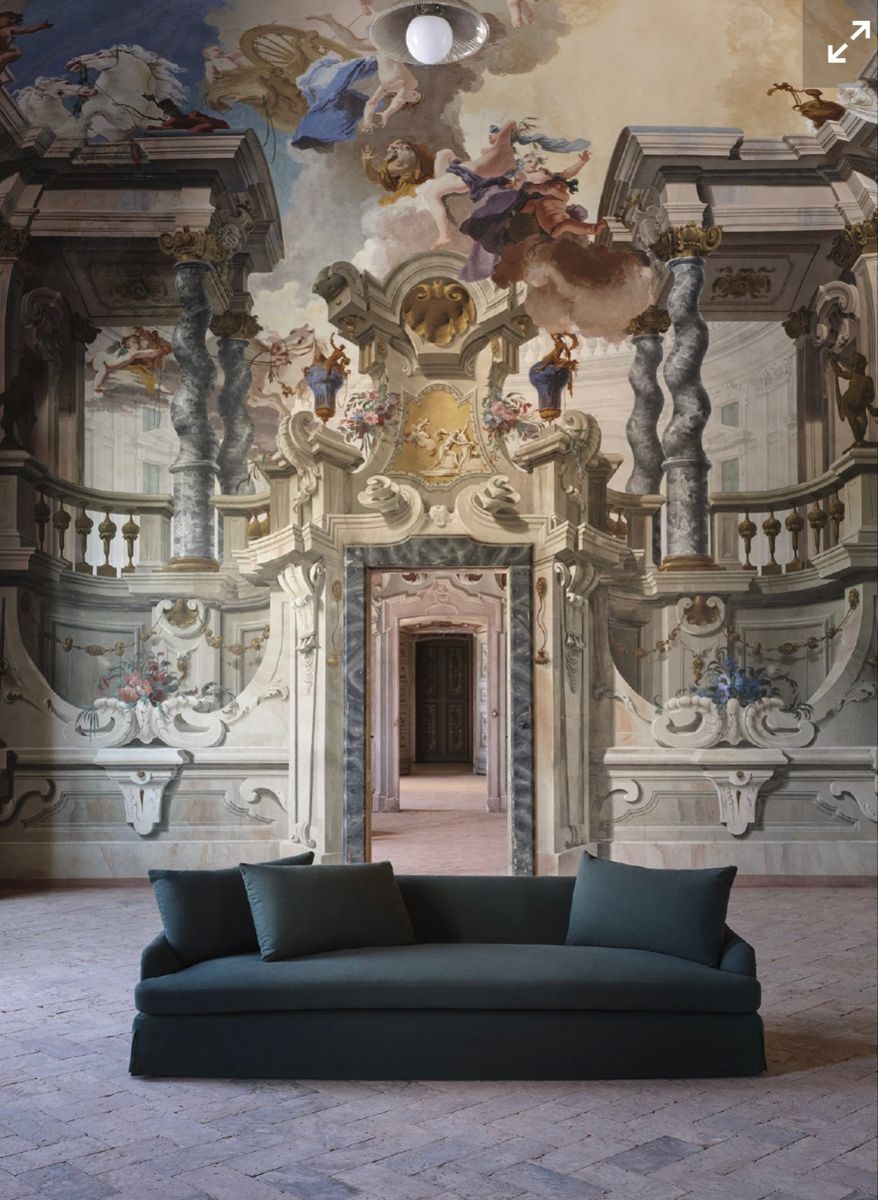
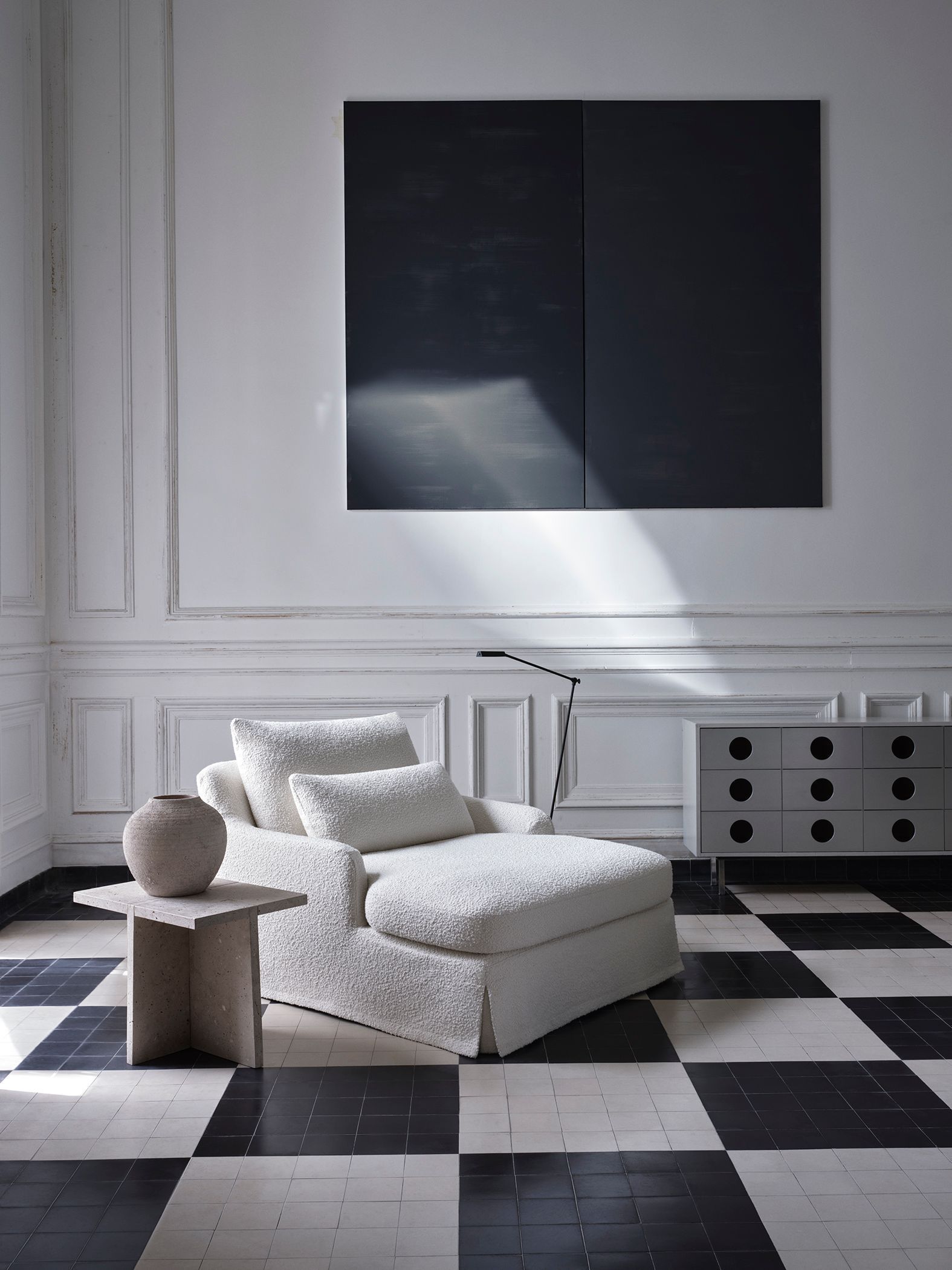
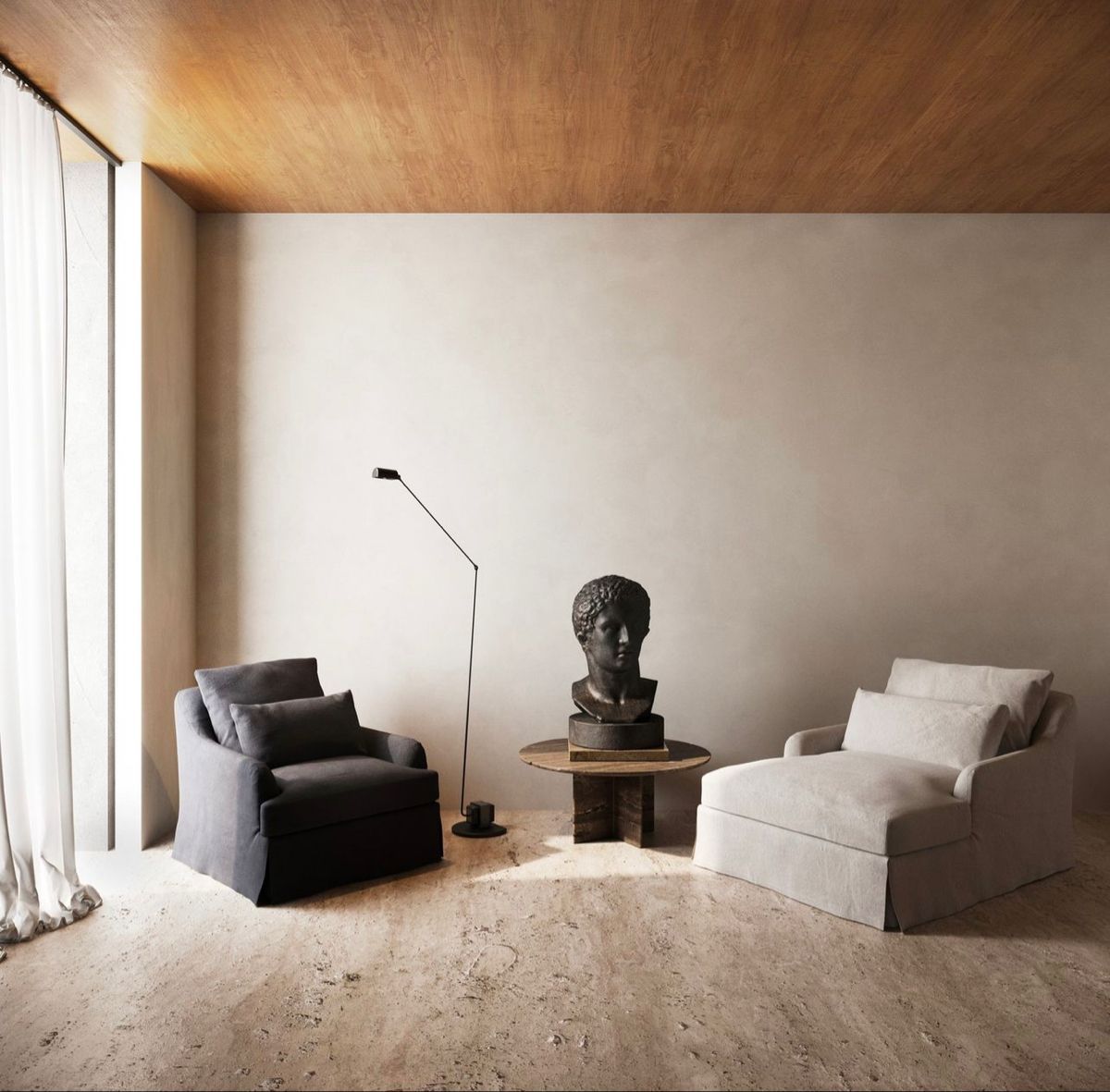
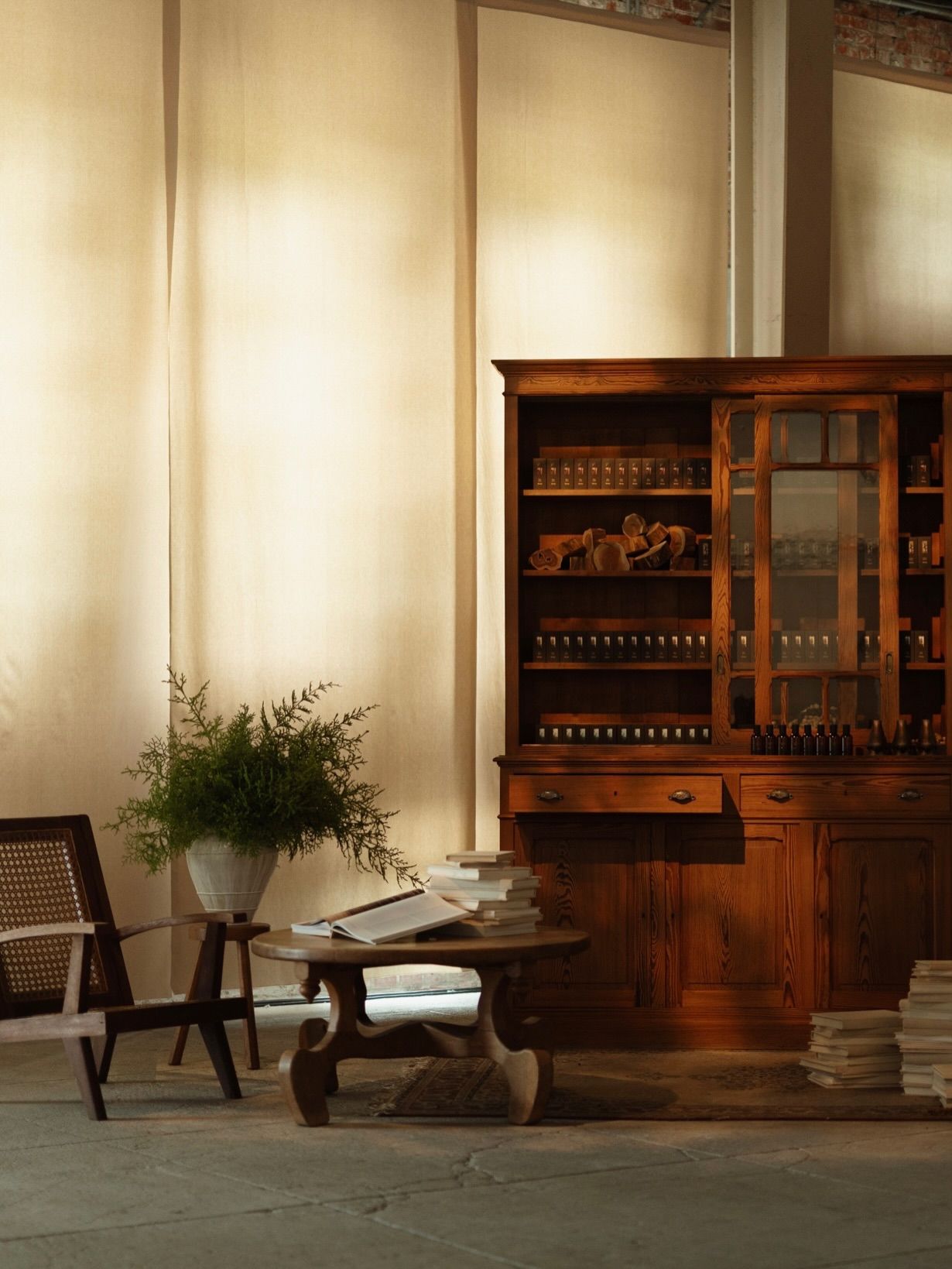
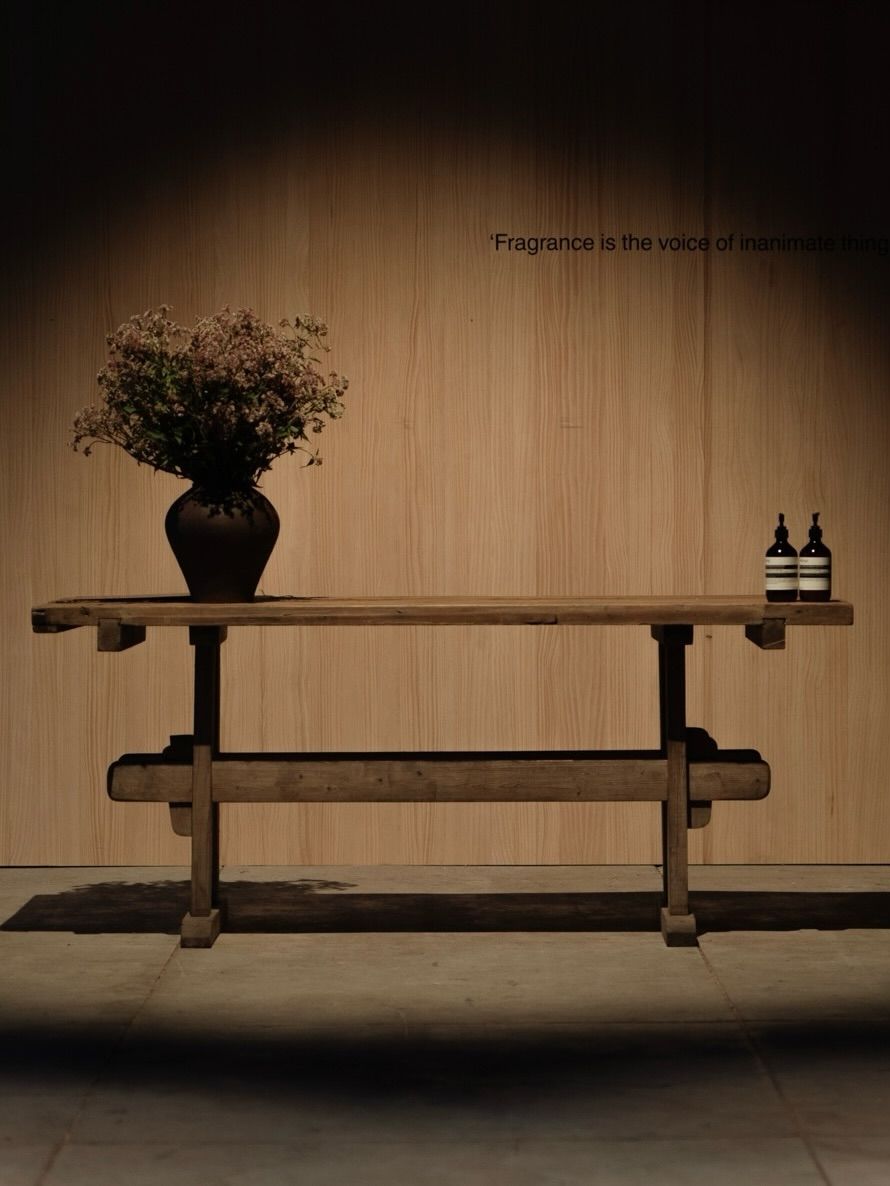
Minimalism has been not merely an aesthetic choice, but a genuine cultural grammar: from fashion to interior design, the idea of allowing form, light, and material to breathe has redefined the way we inhabit spaces and present ourselves to the world. An aesthetic born from a need for clarity, slowdown, and visual silence in an age perpetually saturated with stimuli.
And yet, something in the collective perception has shifted. When, last November 11th, a report by the EFE agency turned the spotlight on the return of more maximalist aesthetics and logos in the world of luxury, citing Gucci and Demna's creative vision, it raised a question: what remains of minimalism when it stops being a rigid rule and becomes an attitude once more?
According to EFE, Gucci's SS27 (but also Prada's and Chanel's) provided one of the most concrete examples of minimalism's disappearance from the runways. All the maximalist prints and accessories presented on the Gucci runway, the agency stated, appear to bet everything on brand recognisability. A concept that, in the era of post quiet luxury, marks an aesthetic and commercial turning point in the luxury landscape. Consumers have already taken notice: according to Google Trends, as reported by EFE, searches for statement belts have already increased by 350% in recent months, and those for oversized necklaces by 250%.
Marie Kondo and the decluttering trend
To understand why minimalism has exerted such lasting appeal, one must start from its most intimate value: the pursuit of lightness. With the spread of the Marie Kondo method, which gained global fame from 2014 onwards thanks to the book's publishing success and, in 2019, following the release of the Netflix series, the act of carefully selecting what surrounds us and freeing our space from anything that does not spark joy transformed domestic order into an almost meditative experience, capable of restoring mindfulness to our everyday relationship with objects.
The fact that Marie Kondo, leader of millennials who were taught (by her) to only keep things that spark joy, has given up on tidying up her house now that she has 3 kids, is really sending me
— Southeast Bayesian (@melatinungsari) January 28, 2023
Kondo's lesson left a deep mark on the way we conceive of the home: no longer a mere container for accumulation, but an ecosystem in which every element has a precise function, space around it, and a calibrated visual weight. Over time, however, this pursuit of purity crystallised into a highly recognisable aesthetic code — one of clear surfaces, neutral palettes, and rigorous geometries — which itself ended up becoming a shared model to follow. A reassuring discipline that, taken to the extreme, risked leaving little room for the spontaneity of real life, to the point that even Marie Kondo herself openly recounted, in a 2023 blog post that subsequently went viral, that she had let go of the absolute rigour of perfect tidying.
The Row and the muted sensibility
In the contemporary wardrobe, minimalist philosophy found an equally powerful translation. The approach of brands such as The Row demonstrated how the absence of decoration is by no means a lack of character, but rather a shift in focus. A sensibility that intertwines naturally with the muted aesthetic of the Olsen twins' brand, composed of subdued tones, enveloping volumes, and a discretion that refuses superfluous noise.
The widespread diffusion of this silent language, however, brought a complementary need to the surface: how to maintain that formal cleanliness without sacrificing personal narrative? It is from this question that, among creatives and consumers alike, the desire emerged in 2026 to bring a touch of warmth back into impeccable spaces and wardrobes.
Warm minimalism is born
Even before fashion, minimalism began to transform within interior design. In recent years we have witnessed a shift from a cold, almost museum-like minimalism to a more organic and sensory interpretation, often referred to as warm minimalism, in which the simplicity of lines is paired with the tactile richness of materials.
This approach is embodied in the work of Belgian architect and designer Vincent Van Duysen, who was also the protagonist of a celebrated collaboration with Zara Home that brought this aesthetic beyond more exclusive circles. Raw plaster, travertine, untreated woods, bouclé fabrics, and artisanal ceramics have restored depth and warmth to rooms that might otherwise have risked appearing somewhat sterile.
How to combine minimalism and eclecticism?
In light of the warm minimalism trend, a new aesthetic is emerging — one in which minimalist rigour and eclecticism begin to collaborate. The architectural shell remains clean, while inside, objects that carry a story come back to life. Minimalism provides the structure and the breathing room, while eclecticism introduces rhythm and surprise.
In everyday practice, this dialogue is recognisable in small compositional gestures: a vintage 1970s lamp resting on a monolithic table; a hand-woven rug with an irregular weave warming a neutral floor; a contemporary artwork or a flea-market find that breaks the symmetry of a pale wall. In essence, eclecticism serves to humanise minimalism. The perfect home, identical to a thousand others online, finally begins to fill once more with personality.
What to read next

Milan hosts the first photography exhibition by Giovanni La Monaca
"COMPARE" celebrates the photographer's life through his shots
Among young people, the Bayeux Tapestry outperformed the new Spider-Man
Monzo research reveals that 55% of tickets sold in the first hour were purchased by under-35s
Why does design keep redesigning furniture that already exists?
Chairs from the '60s and lamps from the '70s are making their way back into catalogues