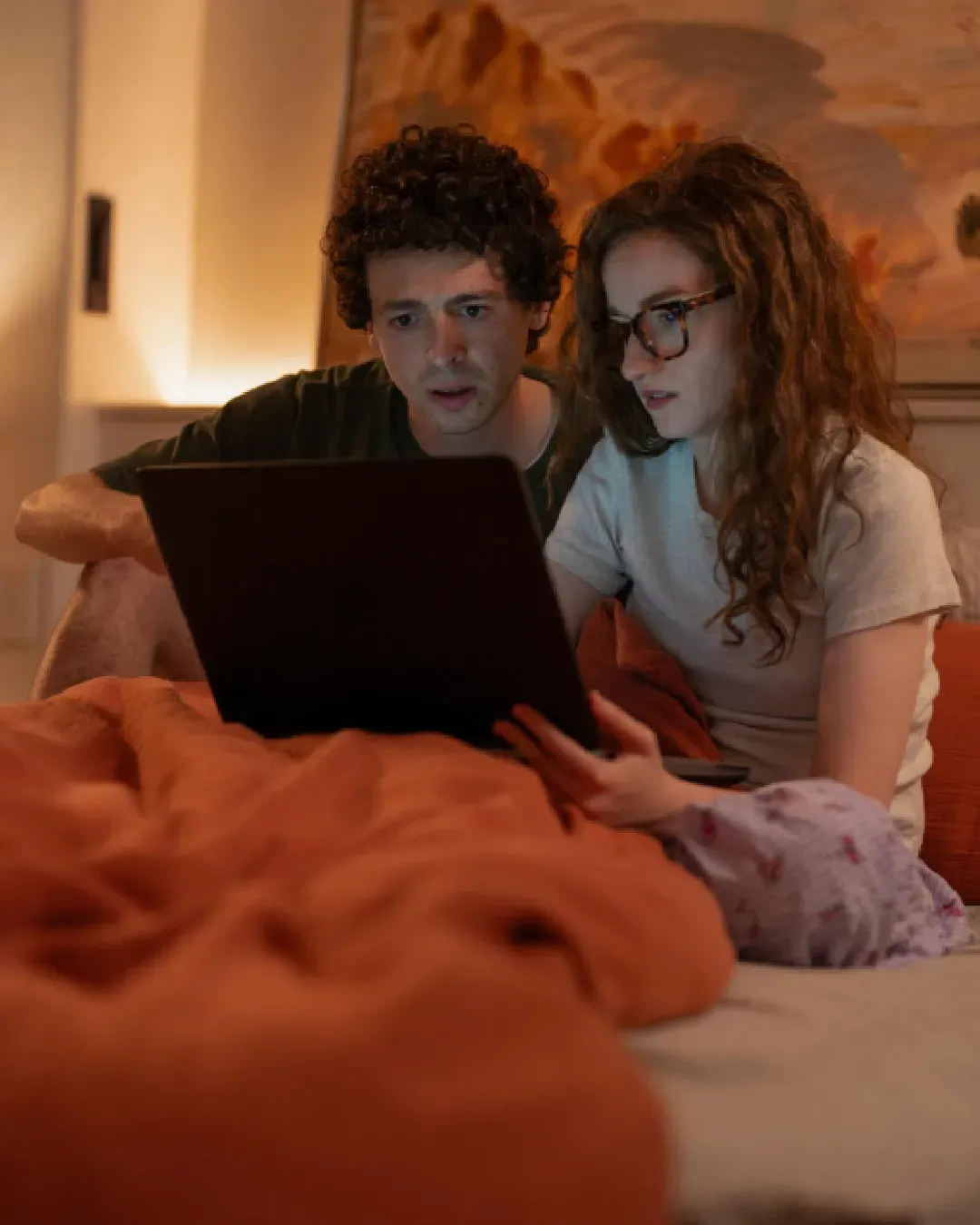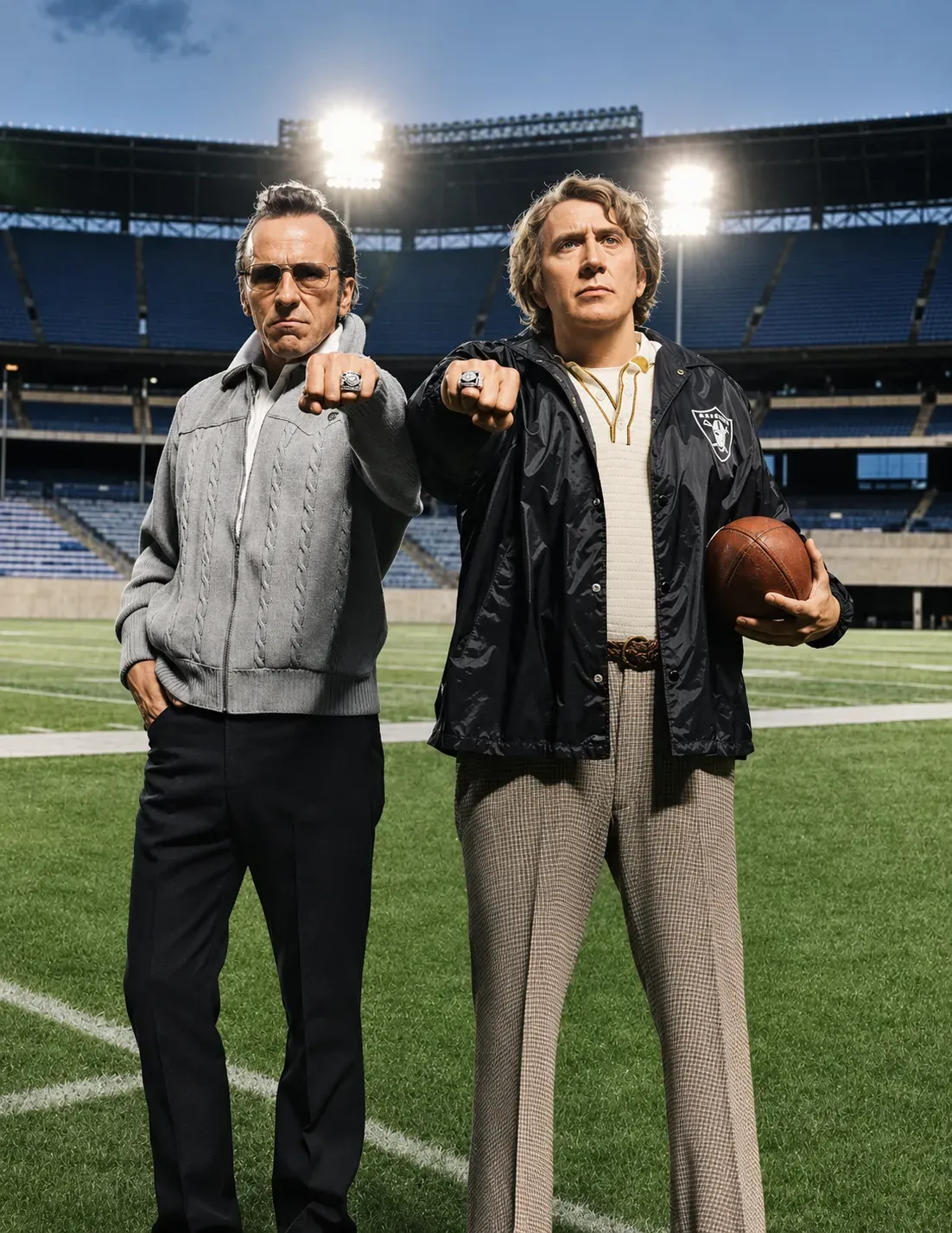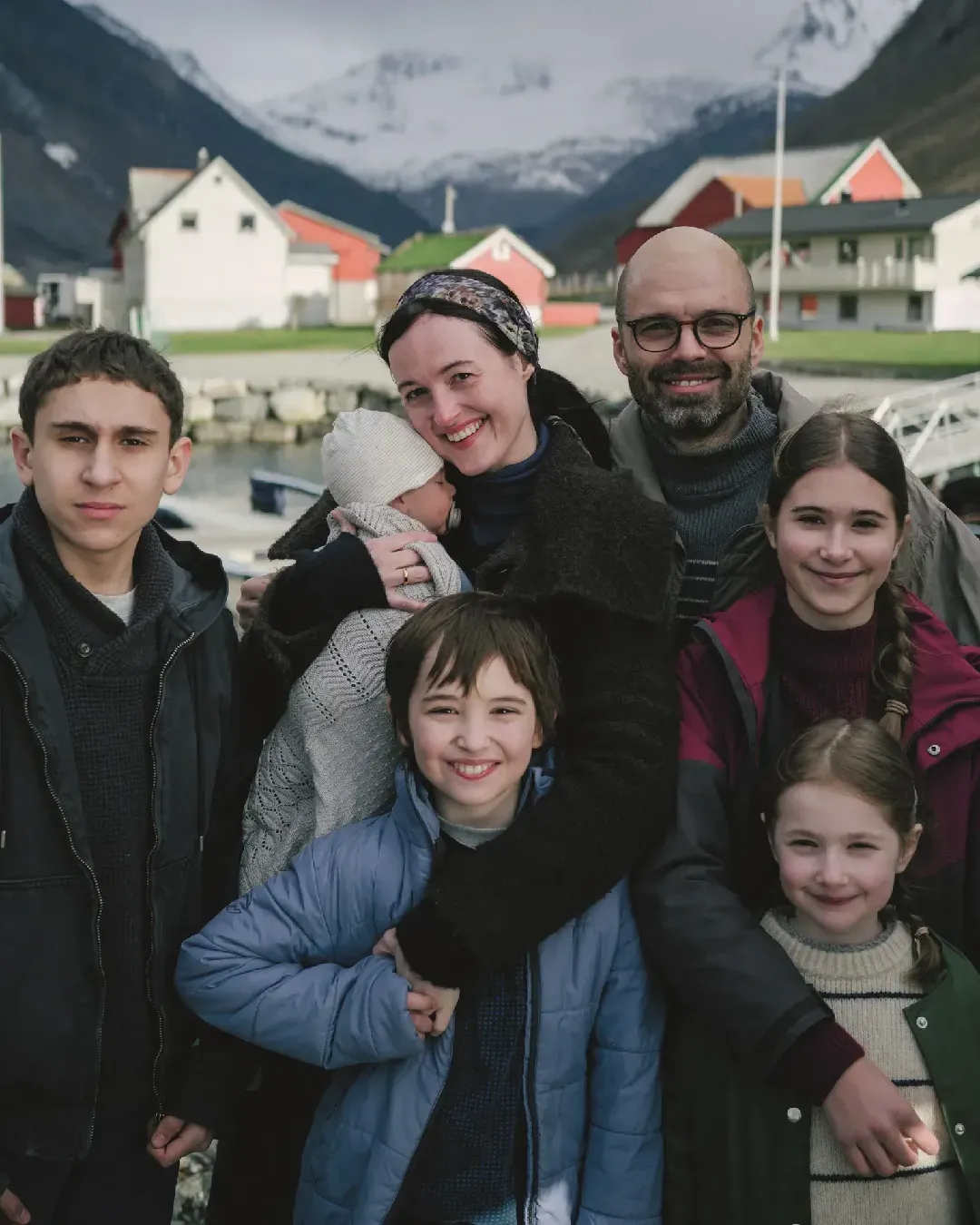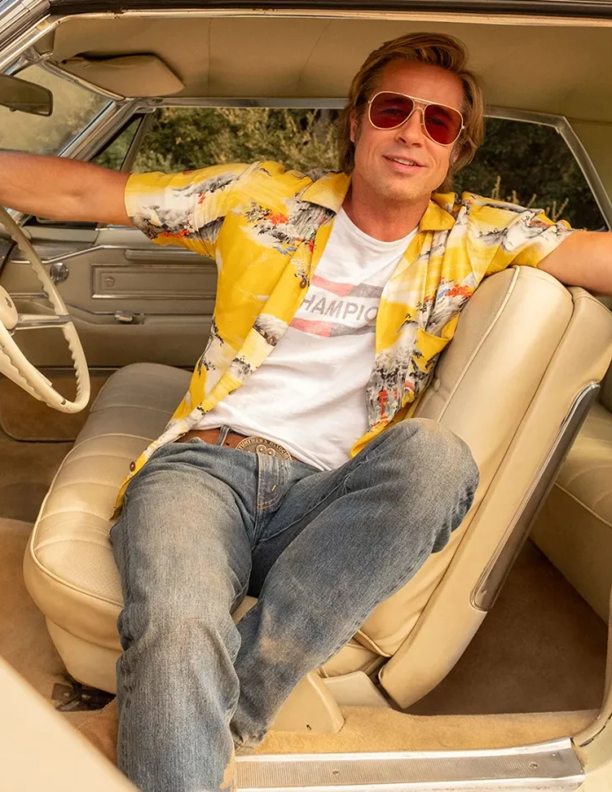
"The Misadventures of Cliff Booth" crumbles the myth of Brad Pitt's character The film, in cinemas from November 26 and then on Netflix, is at the center of an AI controversy
The Misadventures of Cliff Booth, a film directed by David Fincher from a screenplay by Quentin Tarantino and a sequel to Once Upon a Time… in Hollywood, takes a very long time to get going. It is only in the final section that the film delivers the turning point of what is supposed to be its plot, while everything before that merely drifts vaguely around it — much as Netflix stories tend to do, especially series. The platform thus adds another prestigious title to its roster, but if one thinks about the deal between the streaming giant and Fincher, there is cause for celebration: not because the film was made, but because after thirteen years the director has finally fulfilled his contract with Netflix and decided not to renew it.
All we ever wanted from the collaboration between the platform and the director was a third season of Mindhunter, which never materialised and is now a distant dream. Its absence was partly compensated for in 2020 by the most admirable film of David Fincher's Netflix collaboration, Mank, followed by the less focused yet at times interesting — for its relationship with contemporary life — The Killer. By the third feature film, however, it is clear that the auteur needs to explore new territory, and that an outstanding collaboration with a kindred spirit like Tarantino does not automatically come with a quality guarantee.
The End of the Legend
If Once Upon a Time… in Hollywood had managed to build a mythology around the character played by Brad Pitt, who returns to slip back into the laid-back skin of stuntman Cliff Booth, the film dedicated to him should have enriched it. Instead, one comes to realise that the aura of legend is sometimes better left unexplored, kept within the realm of the imagination and allowing fantasy to remain the most powerful lens through which to think about a character. The opposite of what The Misadventures of Cliff Booth does, taking us to the protagonist's father's home (Peter Weller), through his various jobs as a bartender and projectionist (no less than one of the occupations of Pitt and Fincher's Tyler Durden in Fight Club), and through the romantic conquests in which Elizabeth Debicki's talent agent becomes entangled this time around.
Getting to know a character better does not mean loving them more. And given that the appeal of Cliff Booth in the 2019 film lay precisely in his being a very physical man of few words, seeing him forced to take centre stage and attempt to embody on one hand the buffoonery of Tarantino's deliberately grotesque and over-the-top characters, and on the other the composure of Fincher, ends up distorting his essence and turning him into something else entirely. Someone you can spend time with, be entertained by, even enjoy. But someone you feel sorry for, having been forced to become yet another character compelled to serve the demands of the market more than those of the audience and the filmmakers. Despite the great affection that Quentin Tarantino has shown for the character since the release of Once Upon a Time… in Hollywood, and despite always having claimed he wanted to see the story continued — only to step back when the moment came to actually do it.
AI Misadventures
After all, Brad Pitt too had expressed a desire to reprise the role that earned him his second Oscar in 2020 (the first had come in 2014 as a producer of 12 Years a Slave), thereby setting in motion the production machinery that shifted the Tarantino universe from Sony to Netflix. But the echoes of the Seventies feel far away, even with the story set in 1977, as does the veneer of truth and myth, and nothing can compare to Margot Robbie's Sharon Tate enjoying a film at the cinema or living safe and sound within the threads of the historical revisionism woven by Tarantino.
What is currently generating the most buzz around The Misadventures of Cliff Booth is the question of whether or not David Fincher used artificial intelligence for certain scenes that have raised suspicions. An accusation neither confirmed nor denied by the director. His only statement on the matter shows him as not necessarily opposed to technological progress, leaving open the suspicion that he may indeed have made use of it. Furthermore, it was reported months ago that he had turned to the technology of InterPositive, the AI company for cinema founded by Ben Affleck, which suggests he may have applied it to the post-production of the film with Pitt. If that isn't a misadventure, what is.
What to read next
"Blade Runner 2099" is a job well done, perhaps too well
The series, available on Prime Video, stars Hunter Schafer and Michelle Yeoh
"Meet the Fotters" is a nostalgic throwback that works
Plus it has a secret weapon: Ariana Grande
Lance Oppenheim and Nathan Fielder talk about "You Can See Everything"
The directors presented the documentary in Rome, but we had to take notes the old-fashioned way with pen and paper