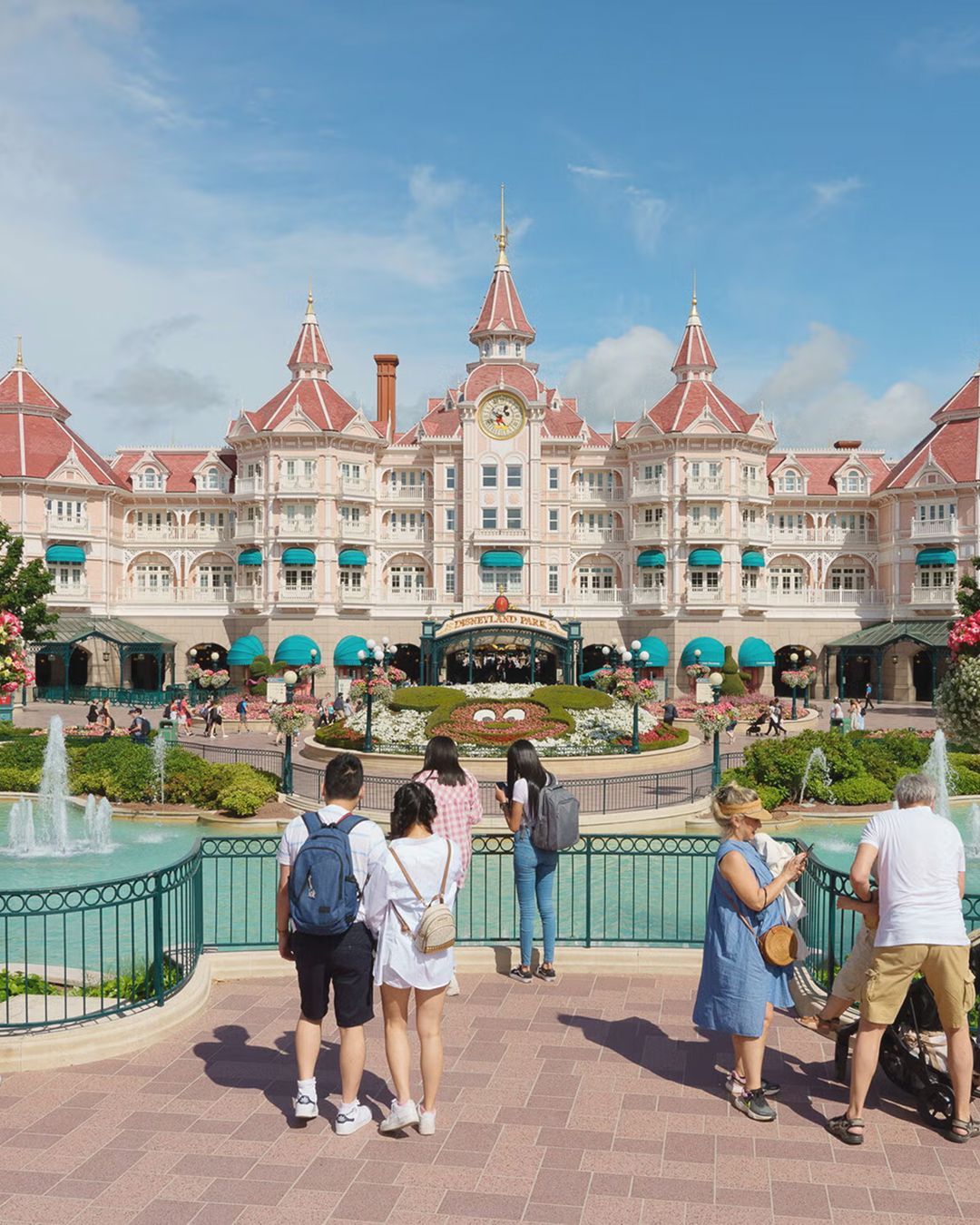
Is the theme park craze about to make a comeback? From Disney layoffs to competition from Universal and Netflix, a new strategy for immersive experiences
Disney has recently launched a series of layoffs within the company's Experiences division, which encompasses theme parks, resorts, and cruise ships. But according to US magazine Deadline, this is not an isolated case: since Josh D'Amaro replaced Bob Iger as the company's CEO last March, Disney has planned several rounds of staff cuts.
The news has sparked considerable debate because the Experiences division is the group's most profitable segment. In the last quarter, its profits grew by 20%, and visitor numbers also increased — Disneyland Paris, for example, has become even more popular following the opening of the area dedicated to Frozen. So what is driving the layoffs? Among the reasons cited are project reorganization and, more broadly, a push toward the automation of certain business processes.
The new structure of Disney's theme parks
D'Amaro's appointment as Disney's new CEO had already foreshadowed, at least in part, the strategic direction the group would take. Before taking the helm of the company, the American executive had led the Experiences division, having spent over 25 years within the organization. In recent years, as Disney+ has gradually lost relevance, theme parks, hotels, and cruises have become the group's primary source of revenue. Doubling down on the Experiences division, however, does not necessarily mean increasing headcount. The recent layoffs show that even the creative and design activities of individual theme parks are being organized increasingly around specific projects, with teams expanding or contracting according to needs and operational phases, aided in part by new technologies and automation.
This approach is also partly explained by the division's financial strength: building and expanding a theme park requires substantial investment, but generates consistent revenue over time. Disney can leverage narrative universes and fictional characters that are already well known and beloved by audiences, transforming them into live experiences that vast numbers of people are willing to pay for. At a time of greater uncertainty for cinema and streaming, theme parks therefore represent a more reliably secure source of income for the company — one that Disney seeks to protect through tighter control of costs and hiring.
Competition from Universal and Netflix
Disney's position in the theme park market is being tested by the expansion of competitors such as Universal: the American entertainment company opened Epic Universe in Orlando, Florida in 2025 — the first major theme park to open in the United States since 2001. The project cost over 7 billion dollars and required five years of construction. The company also plans to open its first European theme park by 2031, in Bedford, north of London: many observers believe it could become a direct competitor to Disneyland Paris.
Netflix has also recently entered the sector, opening its first Netflix House at the end of 2025 inside a shopping mall in Philadelphia, in the United States. This is not a traditional theme park, but an indoor space featuring interactive attractions inspired by series including Wednesday and One Piece, set recreations, themed restaurants, virtual reality experiences, and even a mini-golf course. Entry is free, while certain activities are ticketed. Following the Philadelphia location, a second Netflix House has opened in Dallas, with a third planned for Las Vegas in 2027.
Netflix's model is more modest in terms of cost and scale, designed to build loyalty among subscribers by giving them the chance to physically step inside the narrative universes of their favorite TV series. This approach partly reflects the evolution of the industry: theme parks remain one of the most resilient businesses in modern entertainment, but companies appear to be moving toward developing them through leaner structures and with a lower deployment of resources.
What to read next


France prepares for a general strike this thursday, November 5
Toward a convergence between youth and the workforce

Understanding the rise of tech-bro language in marketing
Have you ever heard of an "IRL engineer" or an "Inbound engineer"?