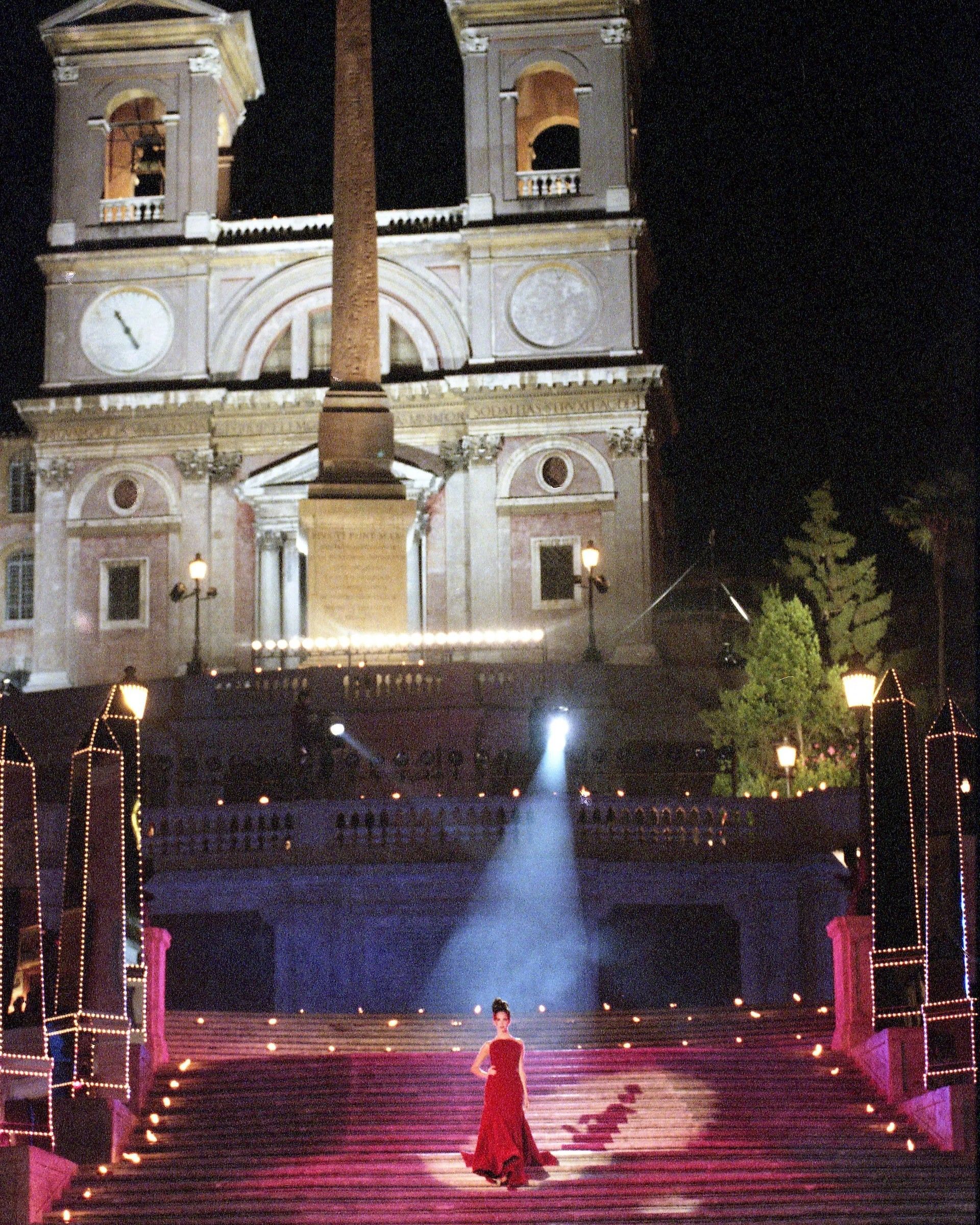
'Donna sotto le stelle' was the tv show that brought high fashion to the Italian audience The show broadcasted from Trinità dei Monti in Rome marked a specific period of time
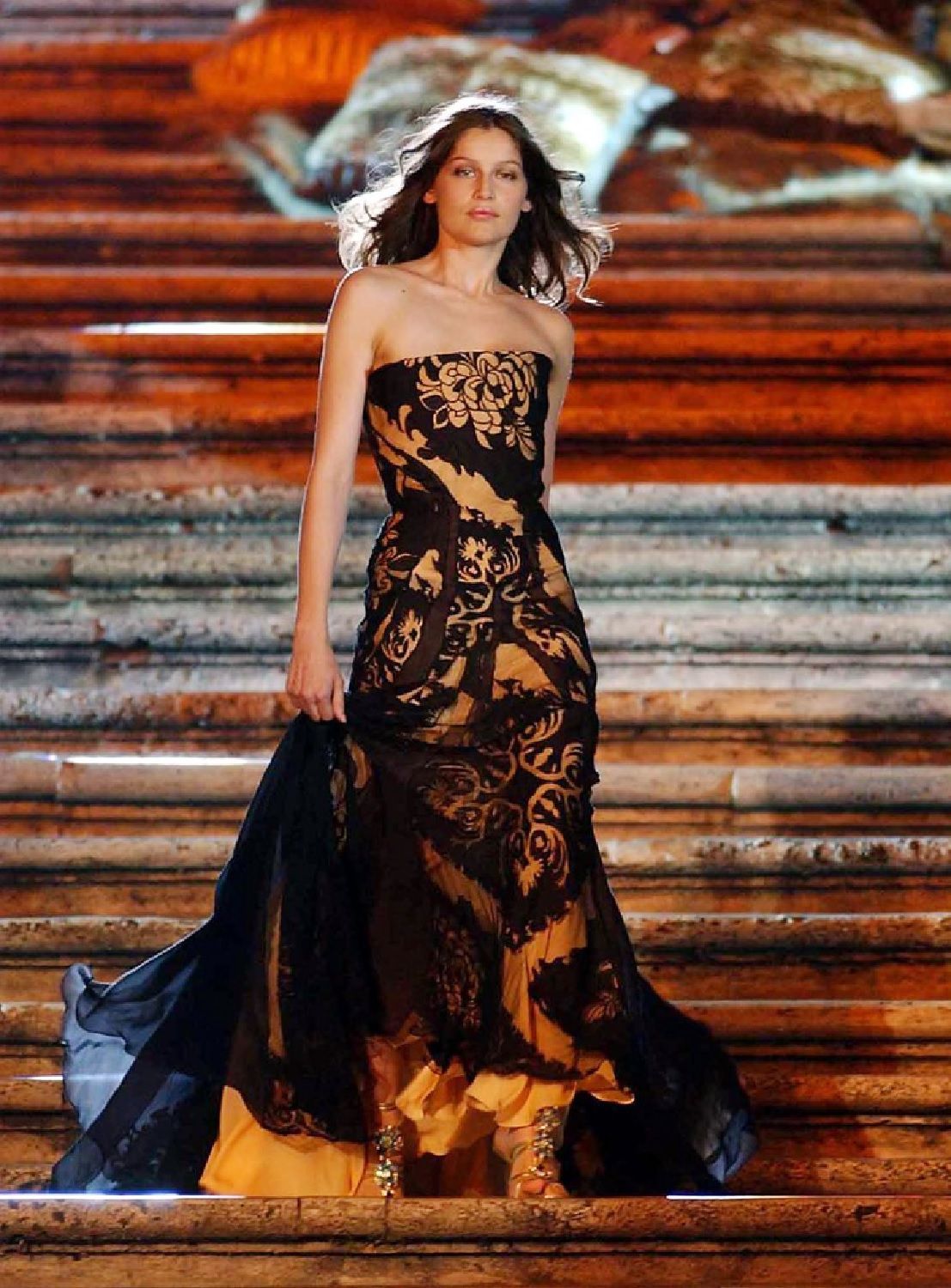
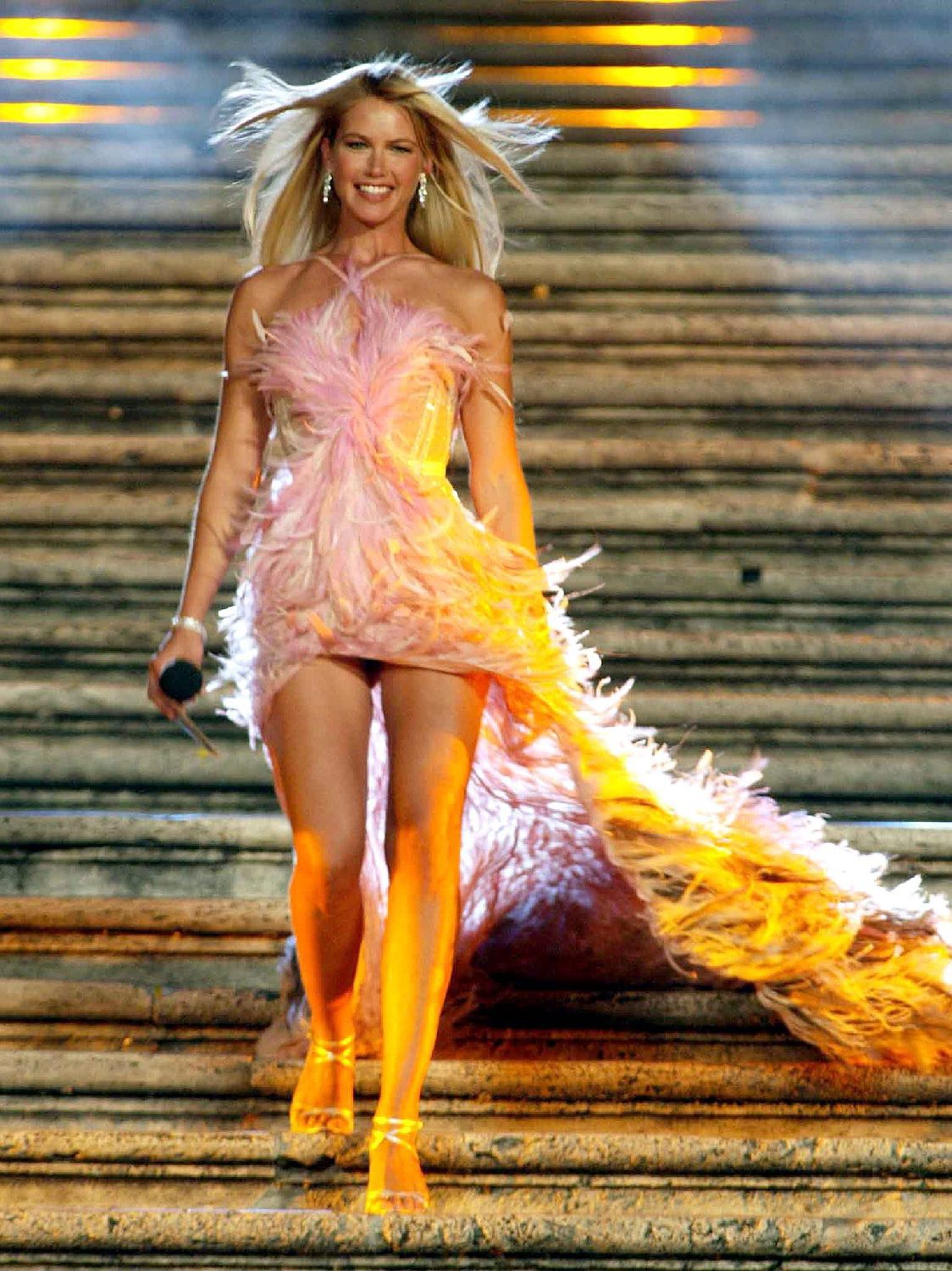
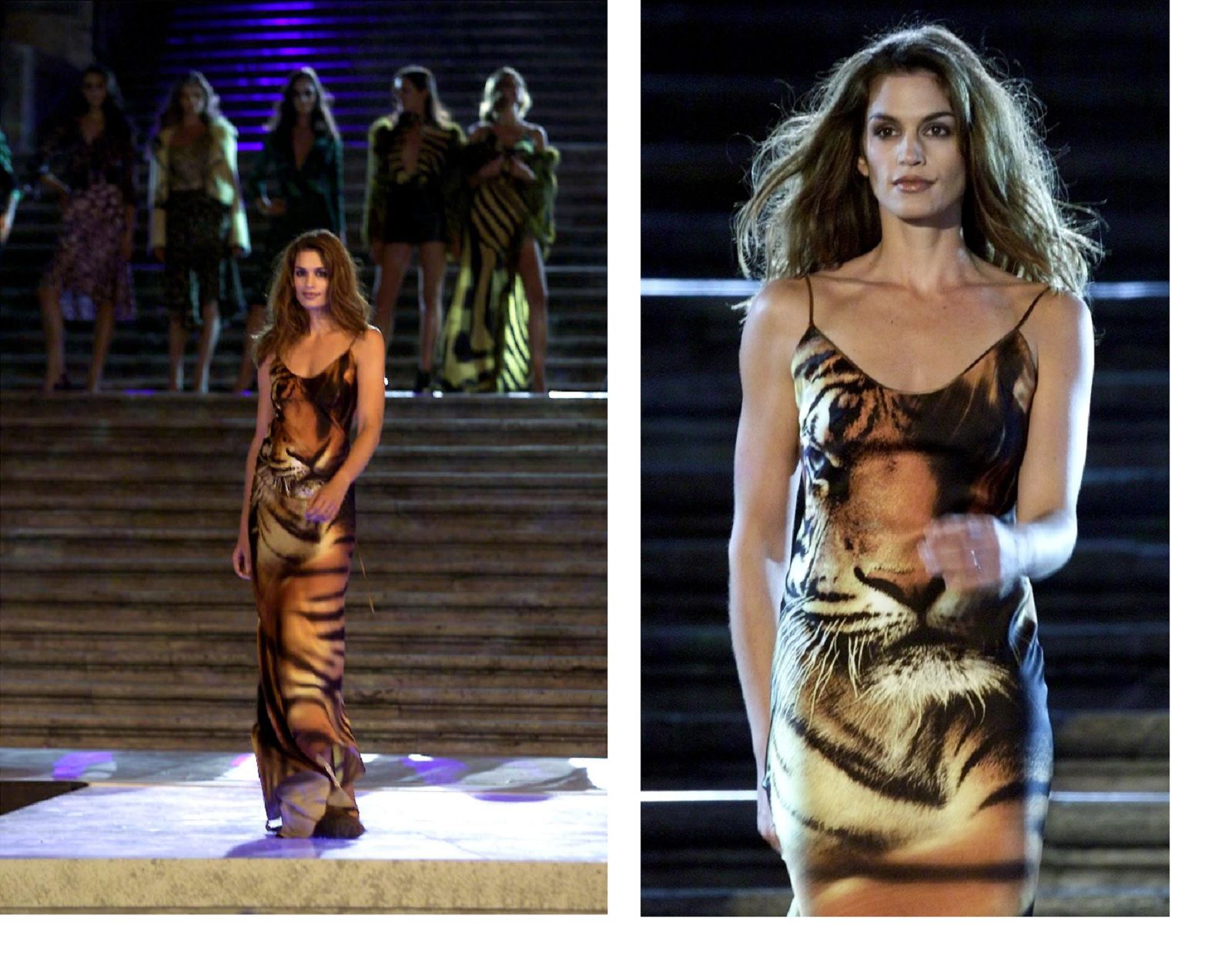
If you grew up in a small town, you know it well: the arrival of every summer coincides with a cycle of events organized by the local council to entertain its residents. These range from amateur theatre to cover band concerts, from open-air cinema to under-the-stars fashion parades where the town's hairdressers showcase their finest creations, paired with outfits cobbled together from local shops or some budget chain store, while in the audience, seated on plastic chairs, a group of elderly people and ladies complain about the heat.
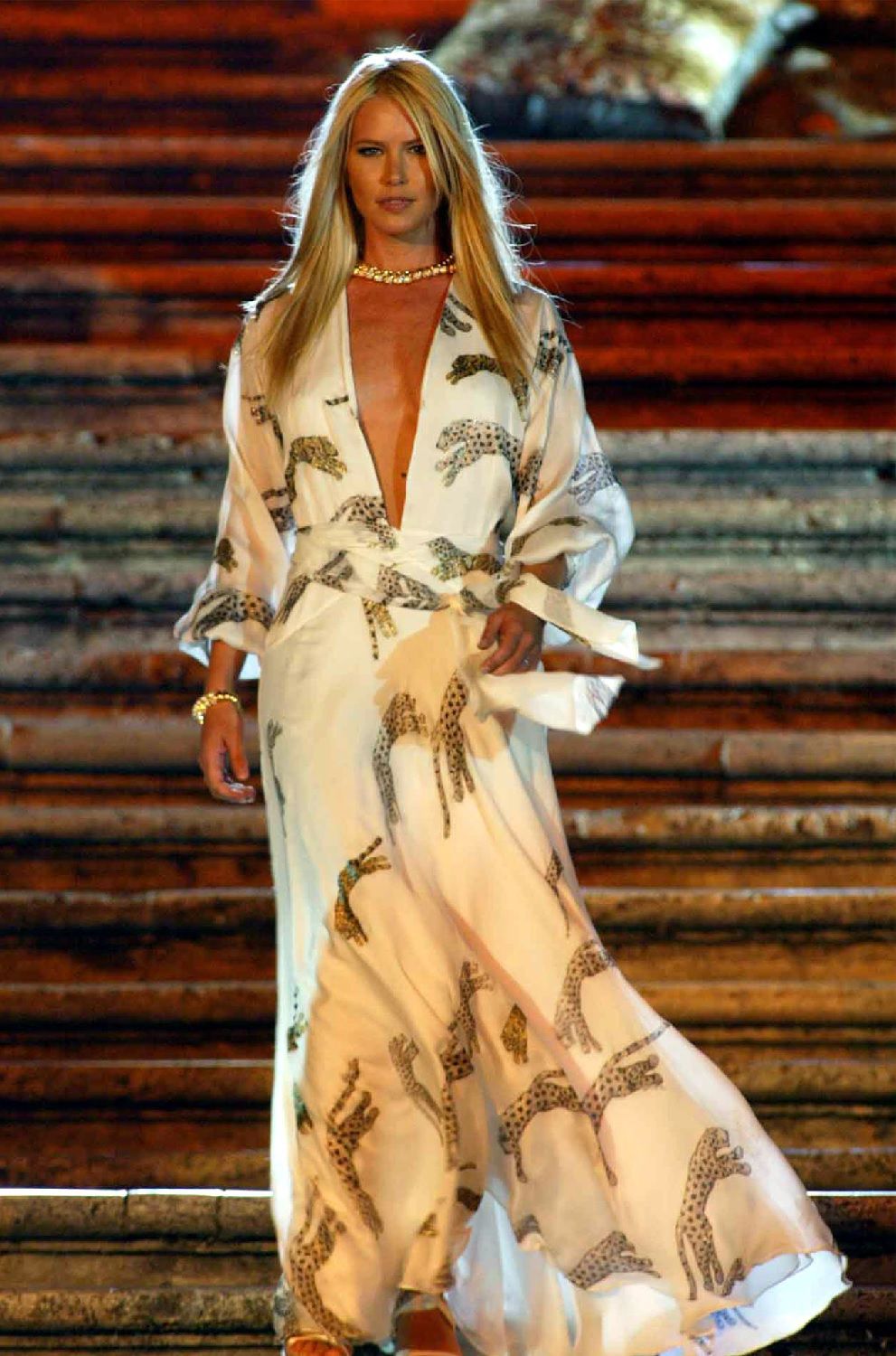
Before social media and live streaming, this was one of only two ways an ordinary person could attend a fashion show. The other was watching Donna sotto le stelle on TV — essentially an upgraded version of your childhood memories spent in the Italian suburbs. The ingredients remained more or less the same; you just had to swap the façade of some random town hall for the far more striking steps of Trinità dei Monti at Piazza di Spagna in Rome, and add a handful of prestigious brands like Dolce & Gabbana, Armani, Versace, or Cavalli.
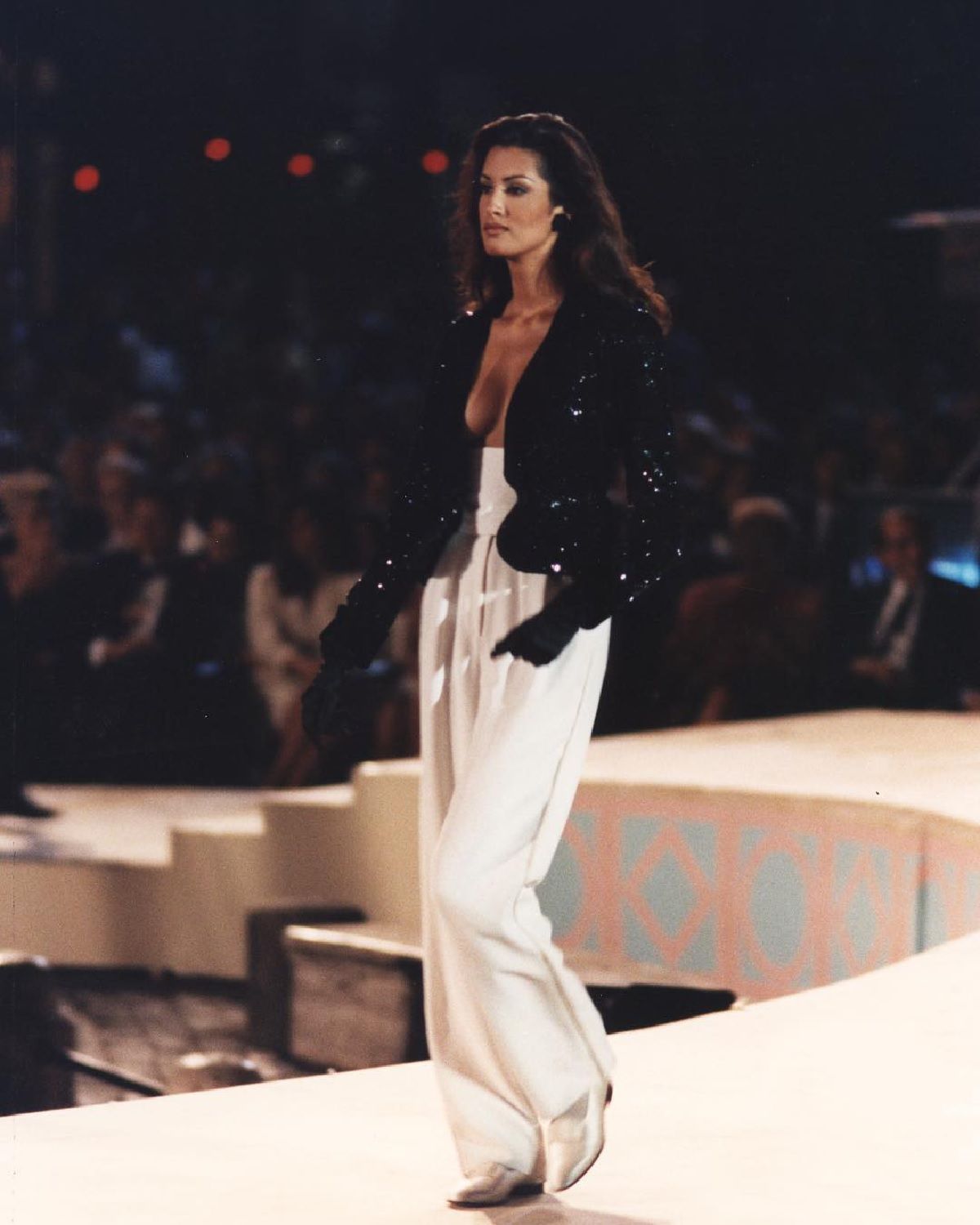
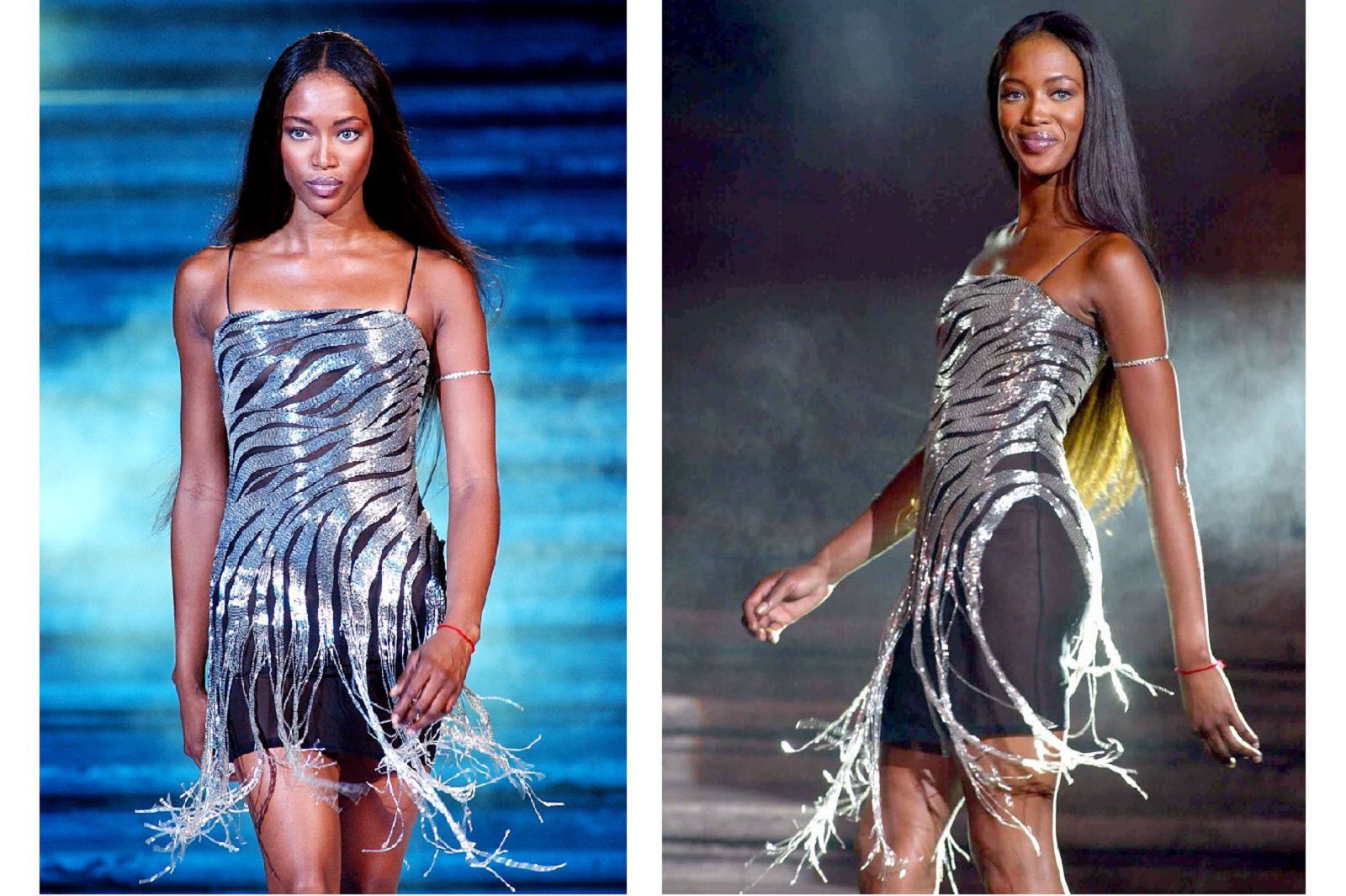
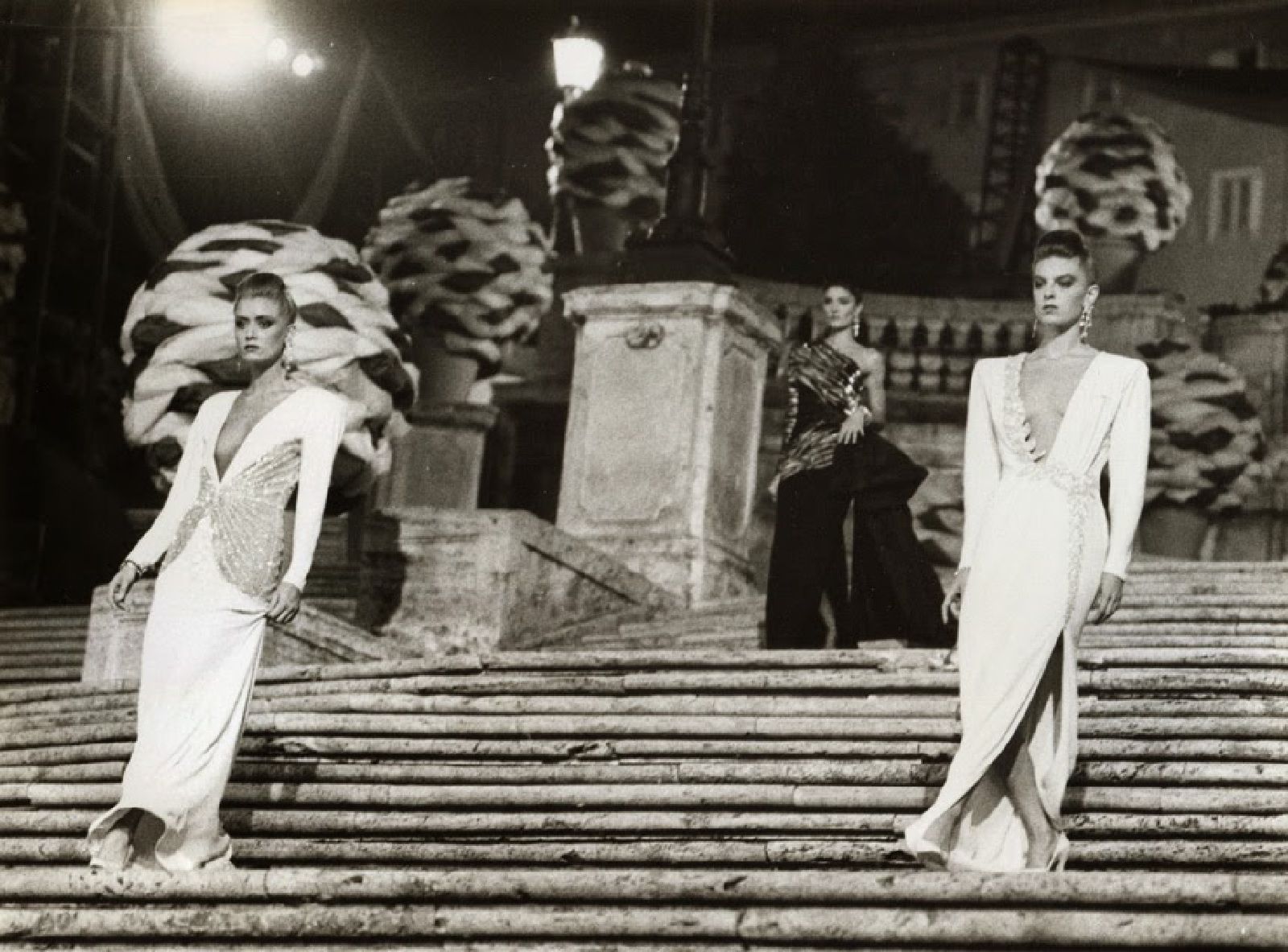
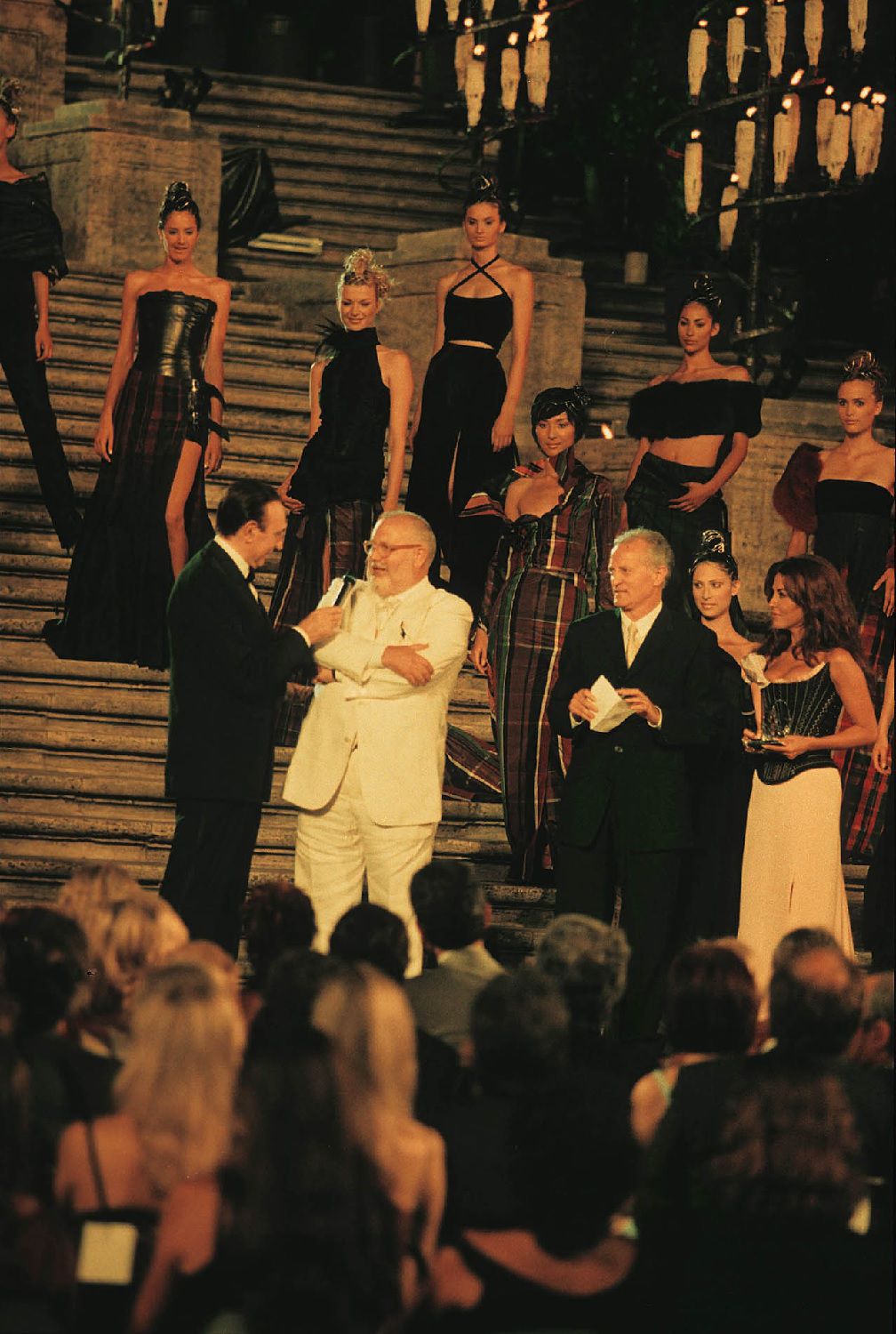
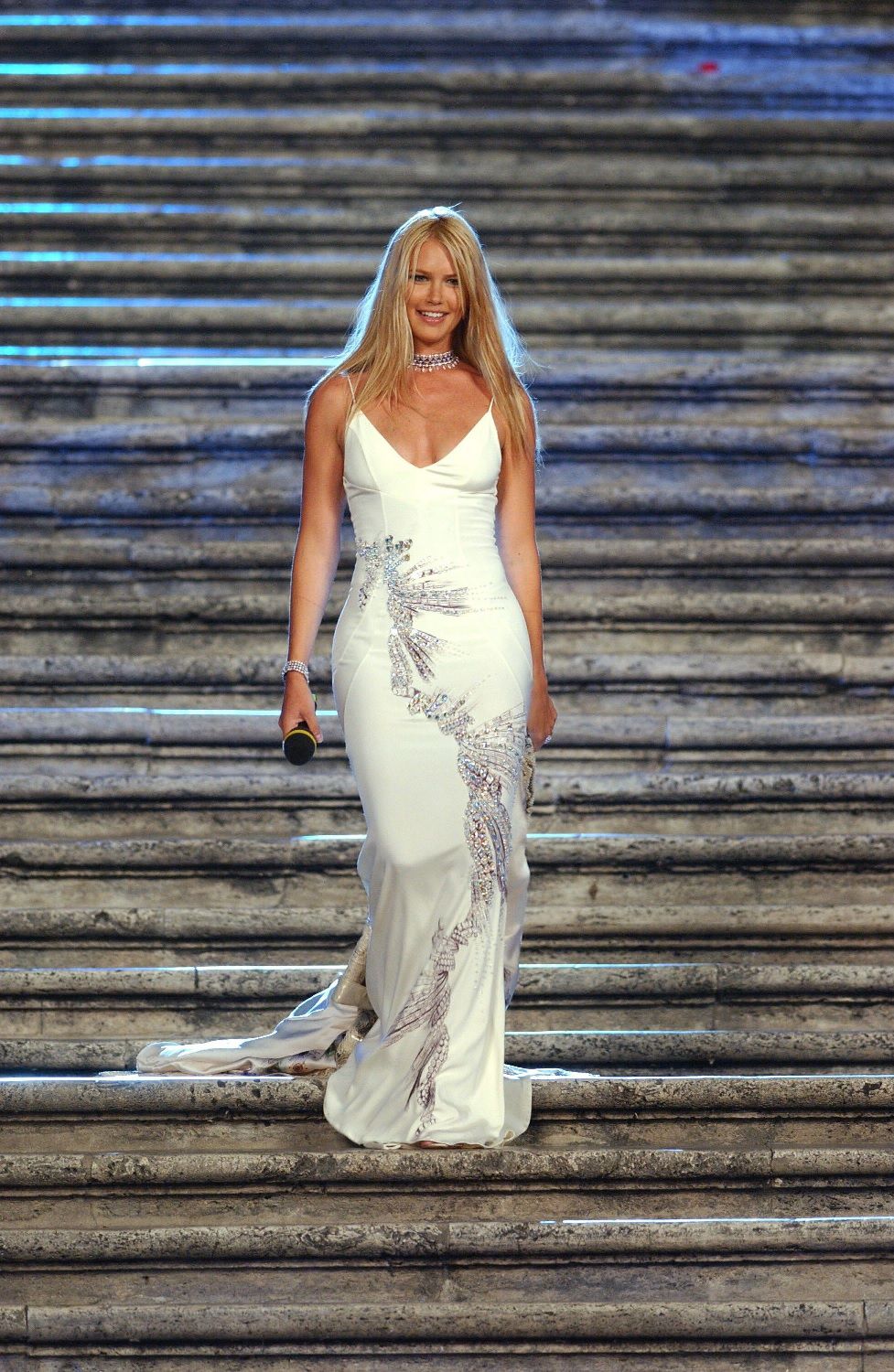
The event, organized by the Camera Nazionale della Moda Italiana to close Rome's Haute Couture week, aired every summer, broadcast on Rai 1 from 1986 to 1992 and subsequently on Canale 5 until 2003. The format was very classic: the host of the moment — Milly Carlucci, Gerry Scotti, Cristina Parodi, Pippo Baudo, Mara Venier, Sabrina Ferilli, and others — would briefly introduce the designer and the collection before stepping aside to let the creations take centre stage, worn by young up-and-coming girls like Mariacarla Boscono and established stars still beloved today such as Carla Bruni, Linda Evangelista, Christy Turlington, Naomi Campbell, Claudia Schiffer, Cindy Crawford, Laetitia Casta, and Valeria Mazza.
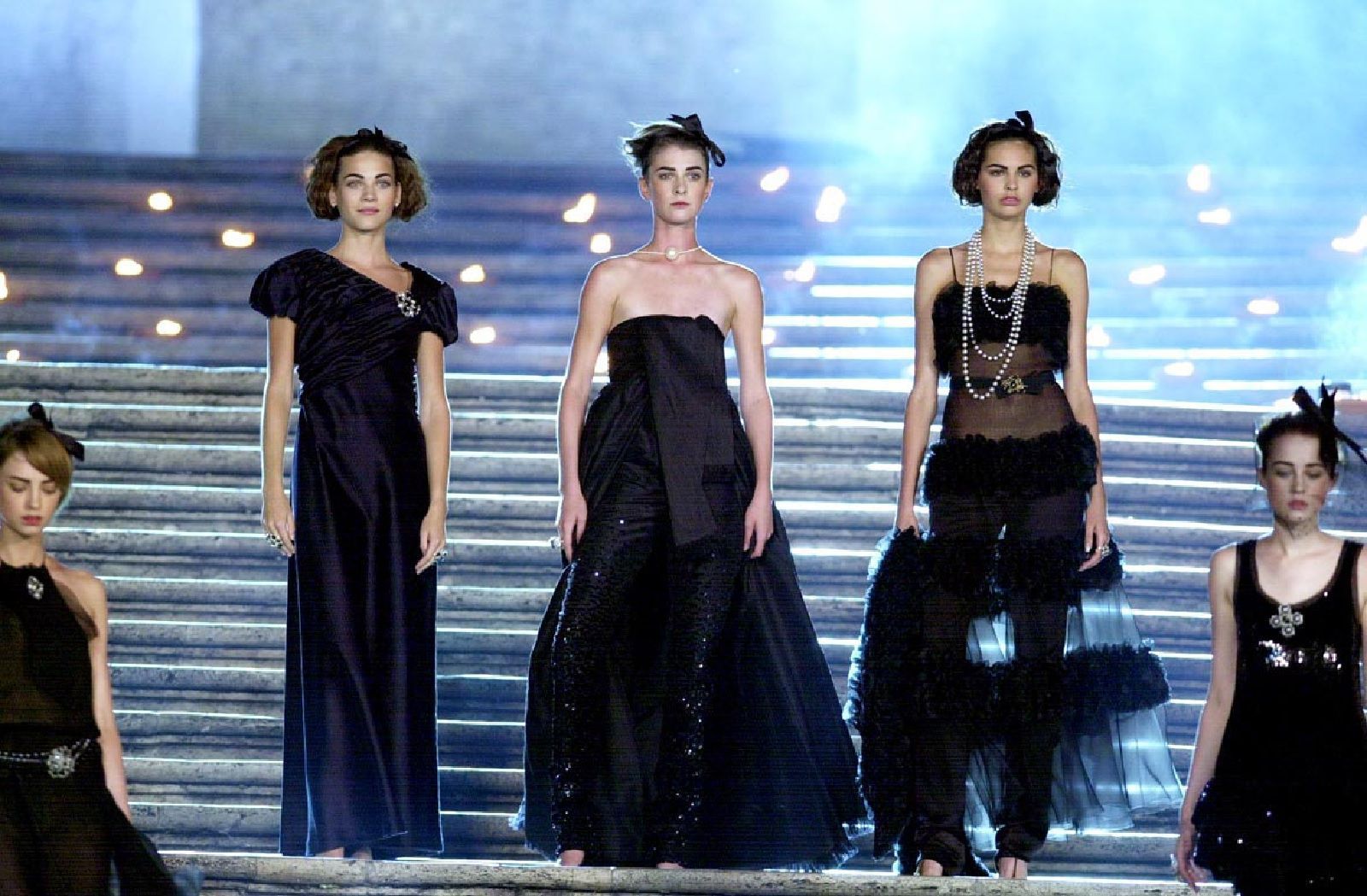
One by one, the models descended the steep 136 travertine steps of Trinità dei Monti, concealing among them a special guest, usually chosen from the television personalities of the moment — from Ambra to Sophia Loren, from Valeria Marini to the latest winner of Grande Fratello. Rounding out the televisual ritual were several musical performances interspersed between one show and the next.
And so, for one evening a year, Italian families savoured — between an Algida Cornetto and a slice of watermelon — a touch of glamour, and dreamed as they watched Valentino pay homage to the Ziegfeld Follies or the architectural constructions of Gianfranco Ferré.
A few years ago, when asked about a possible return of Donna sotto le Stelle, Silvia Venturini Fendi, president of AltaRoma, ruled it out:
It was a television spectacle, an image tied to the past. Rome has extraordinary locations (remember the Fendi show at the Trevi Fountain?), but using them requires a great deal of money that we don't have. We limit ourselves to offering "technical" shows like those in London or New York, where the runways are "blank-slate venues" for industry insiders and only the garment is visible.
If the adventure of fashion on television from Rome's iconic steps seems to be over for good, overtaken by the more immediate and informal experience offered by the web, nss is here to remind you of three cult moments from the show.
Dolce & Gabbana, 1995
Dolce & Gabbana at their peak. In the '90s, the scandals and troubles with China are still a long way off, and the designer duo is more skilled than anyone at bringing a Mediterranean style to the runway that blends sensuality and tradition. To represent their aesthetic and introduce it to the television audience as well, Domenico and Stefano call upon two of their favourite stars, both embodiments of their ideal woman: Isabella Rossellini and Monica Bellucci.
Valentino, 1995
Twenty years later, in 2017, the black Valentino gown worn by Claudia Schiffer during an edition of Donna sotto le Stelle returned to the spotlight. The creation went up for auction at a record estimated price of between €40,000 and €50,000. What made it so valuable? A black silk velvet bodice, lined and structured interior with boning, velvet shoulder straps with elastic and bows, a full skirt with four stiff underskirts, eight layers of pleated tulle ruffles gathered in various tiers with nine large velvet flowers.
Versace, 1997
15 July 1997. At 9:05 in the morning, in Miami, Gianni Versace was murdered by Andrew Cunanan. Santo and Donatella, the designer's brother and sister, are in Rome for the final preparations for Donna sotto le Stelle. Beppe Modenese, then president of the Camera Nazionale della Moda Italiana, vividly recalls that day:
I was walking along Via Sistina when I noticed a crowd of people in front of the Hotel de Ville. Among them I recognised people from the fashion world, and I took the opportunity to ask what had happened. "They've killed Versace," they told me. I went into the hotel and asked the front desk who was in the Versace suite." — Modenese goes up and is confronted with a heartbreaking scene — "Donatella and Naomi Campbell were crying and screaming. Santo was standing there, frozen. As soon as he saw me he said: "No. Gianni can't be dead, Gianni doesn't die."
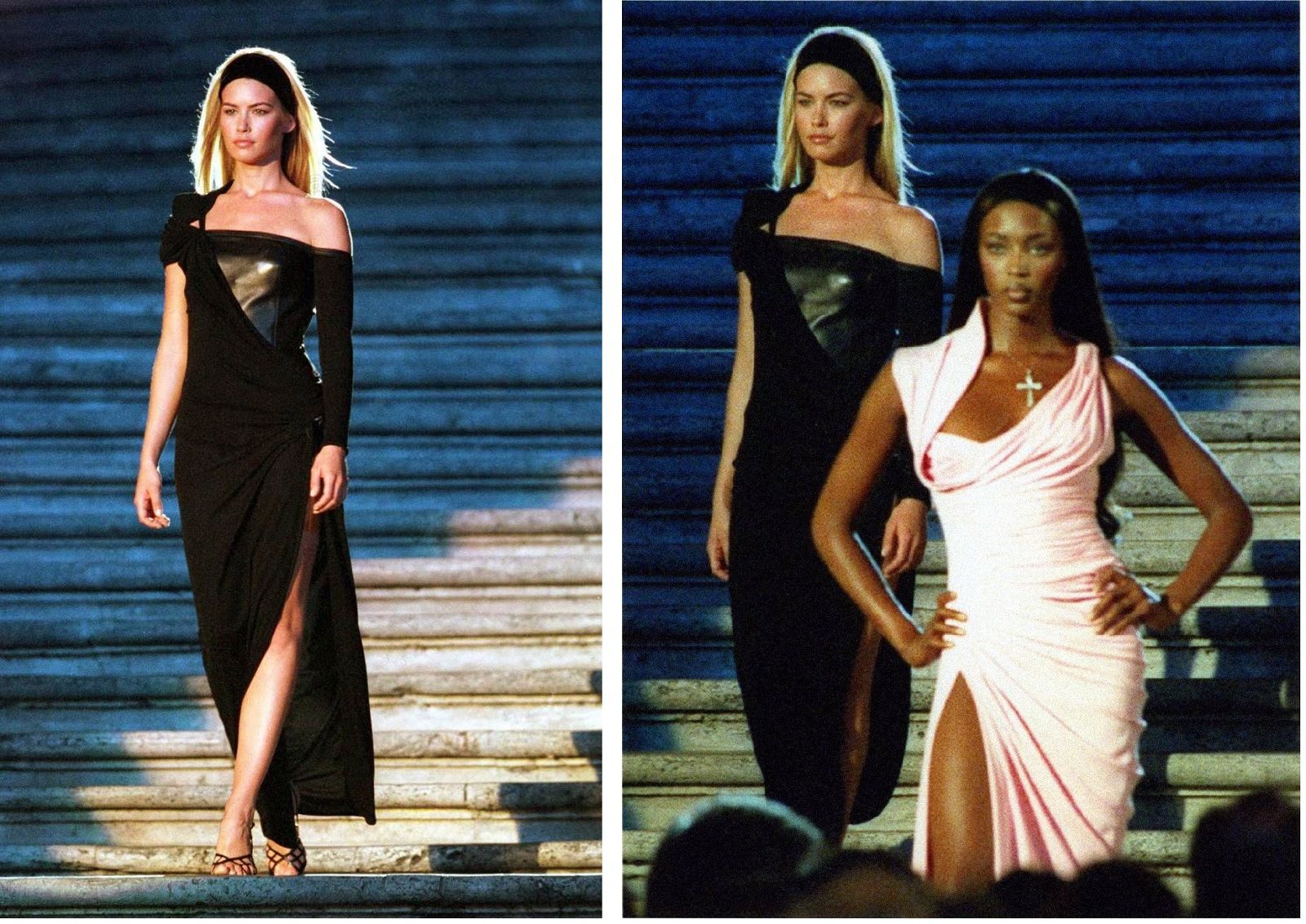
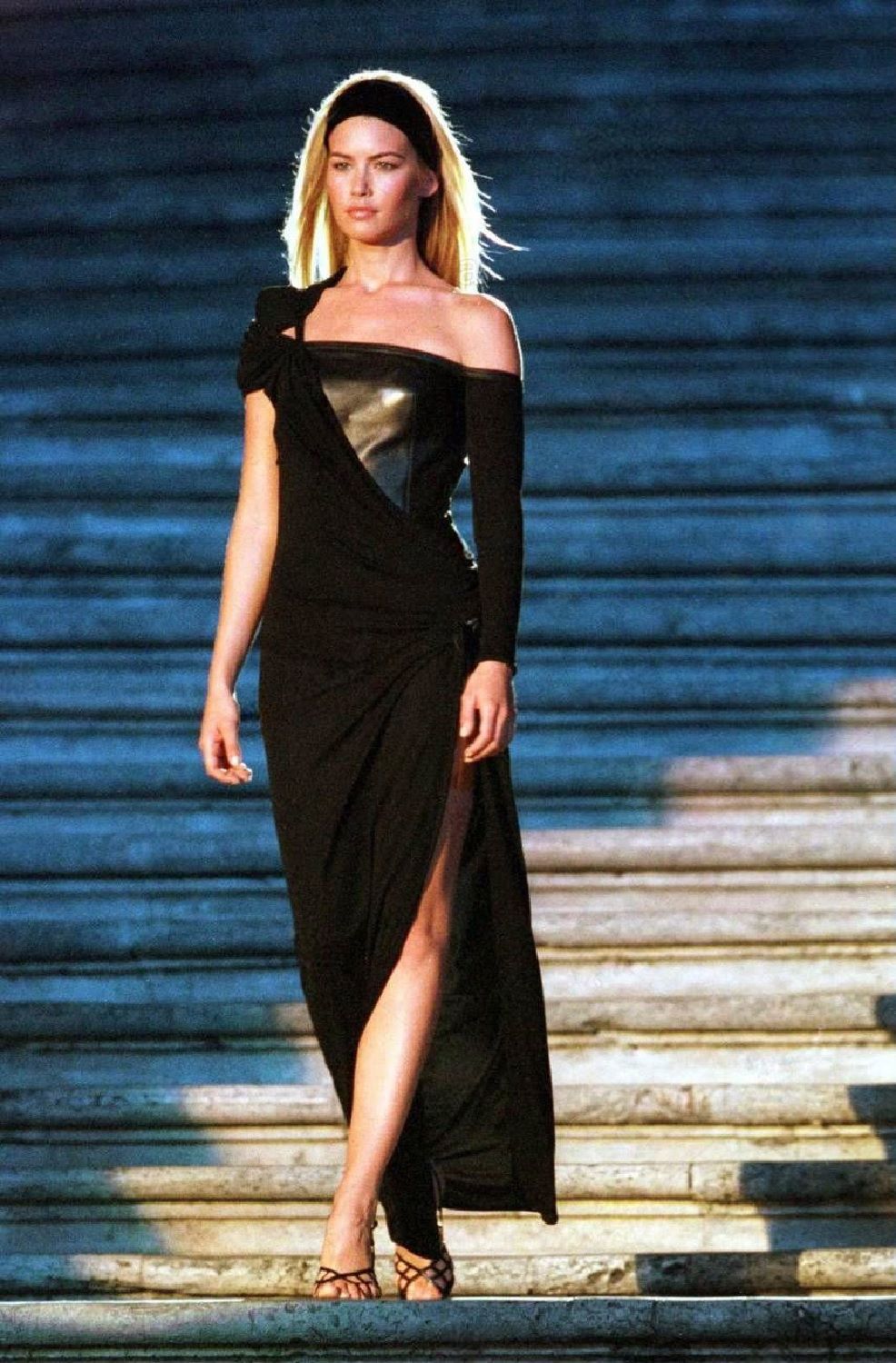
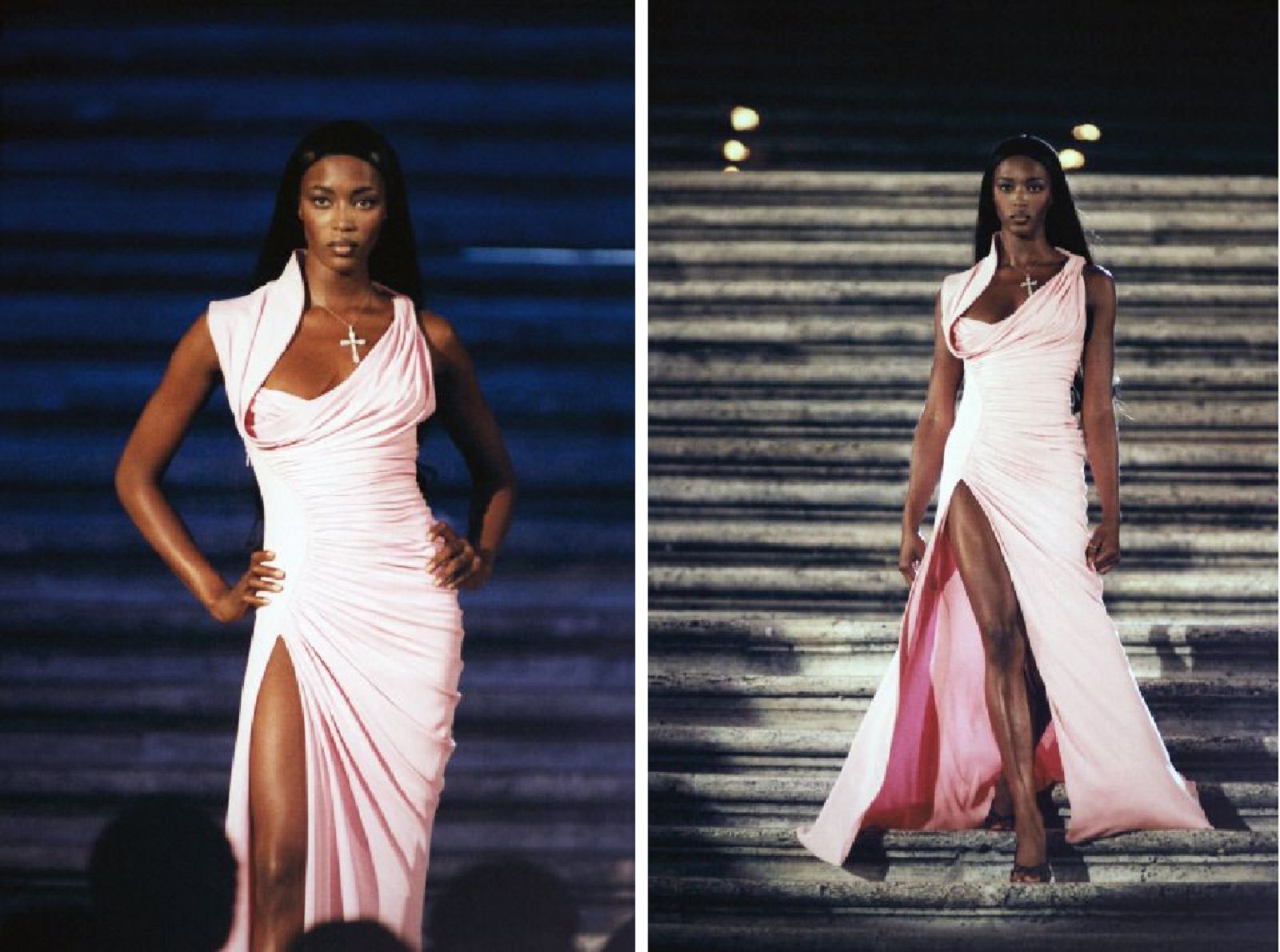
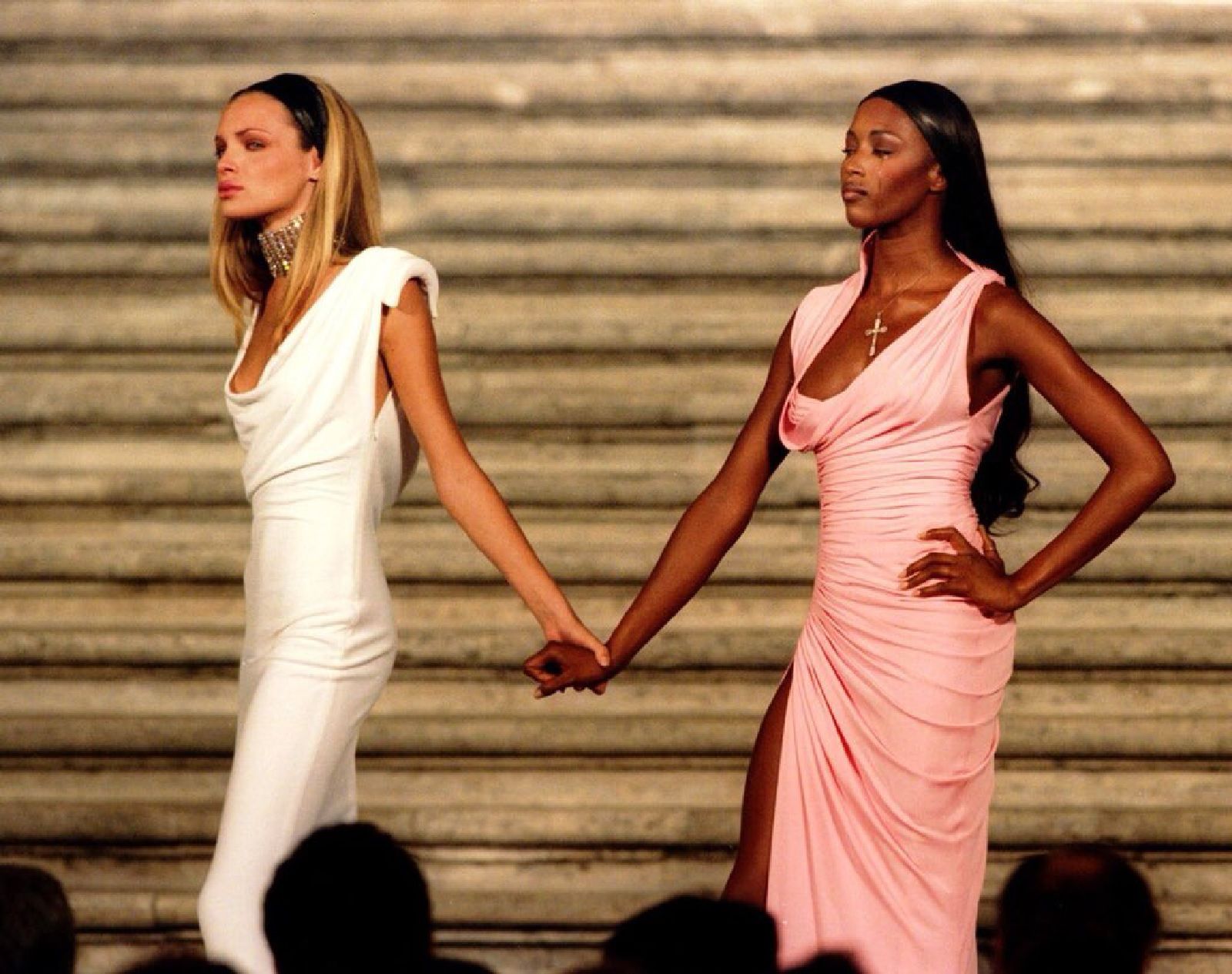
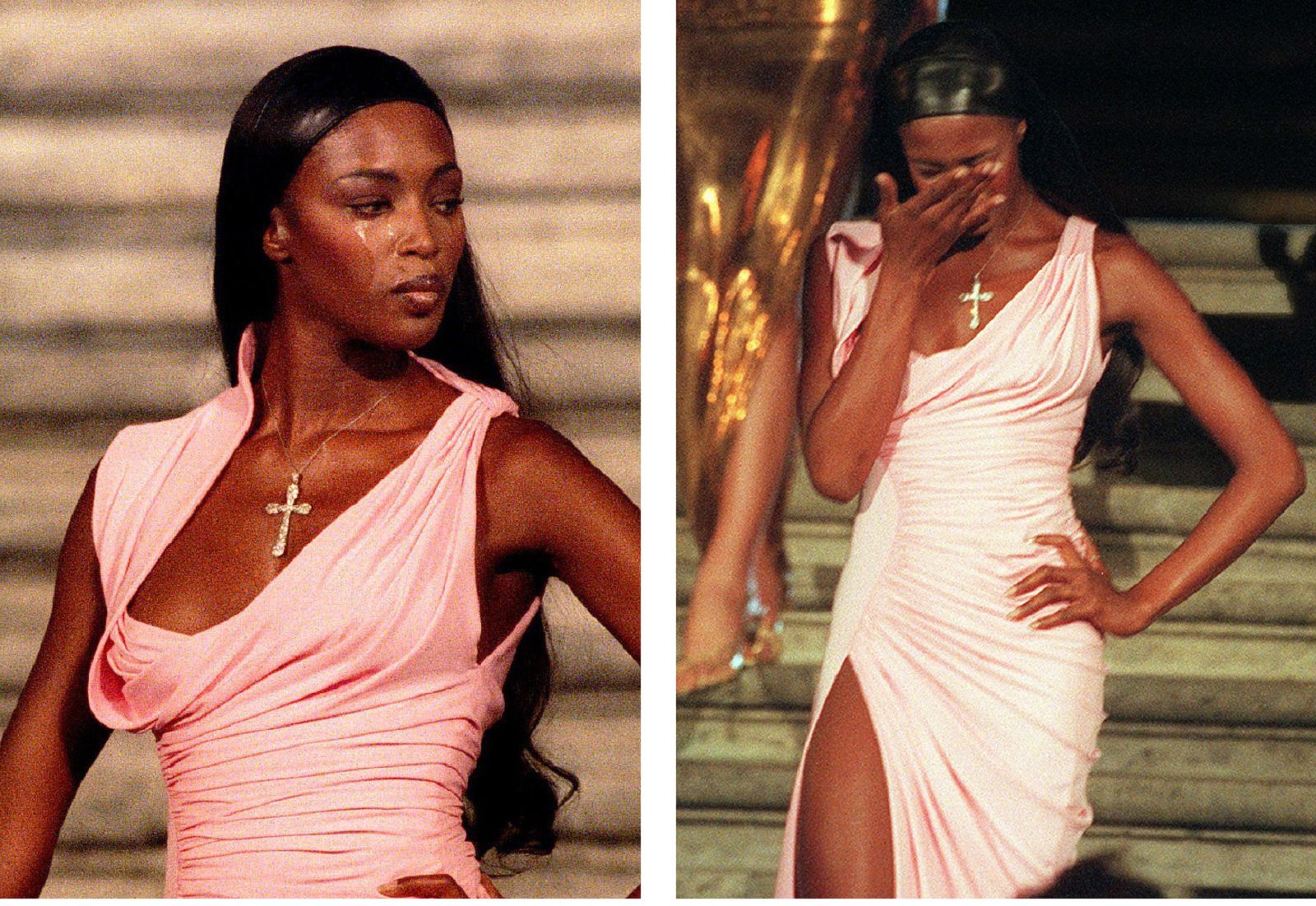
The scheduled show is cancelled and rescheduled for September. As a tribute to Gianni, his favourite models walk the runway free of charge in Versace creations. Jasmine Le Bon, Eva Herzigova, Valeria Mazza, Esther Cañadas are all visibly moved, Naomi Campbell most of all.