
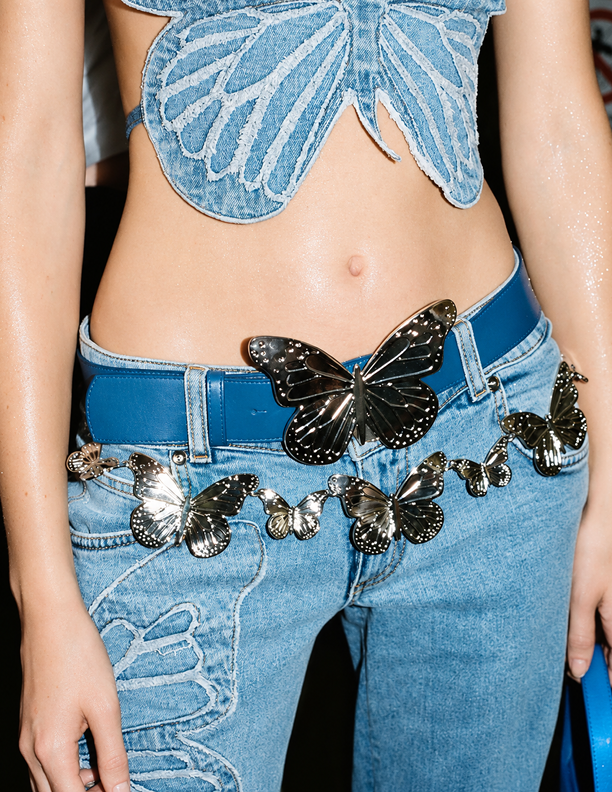
What does the return of the butterfly trend have to do with Gen Z anxiety? Between Y2K nostalgia and the climate crisis, it's much more than just an aesthetic
Forget Edward Lorenz's chaos theory: the new butterfly effect doesn't shift air currents or unleash hurricanes, instead, it takes flight across runways and film screens. The signs of butterflies invading pop culture are everywhere: in the new chapter of the Hunger Games saga, in which Elle Fanning plays the eccentric Effie Trinket, showing off butterfly-encrusted accessories; in Balenciaga's collections, which to celebrate the twenty-fifth anniversary of the City Bag collaborated with Damien Hirst on a line of butterfly-motif bags; and at the Academy Museum Gala, where singer Janelle Monae wore a sculptural butterfly dress by Robert Wun.
But why, right now, are we rediscovering the light and melancholy allure of butterflies?
History and meaning of the symbol
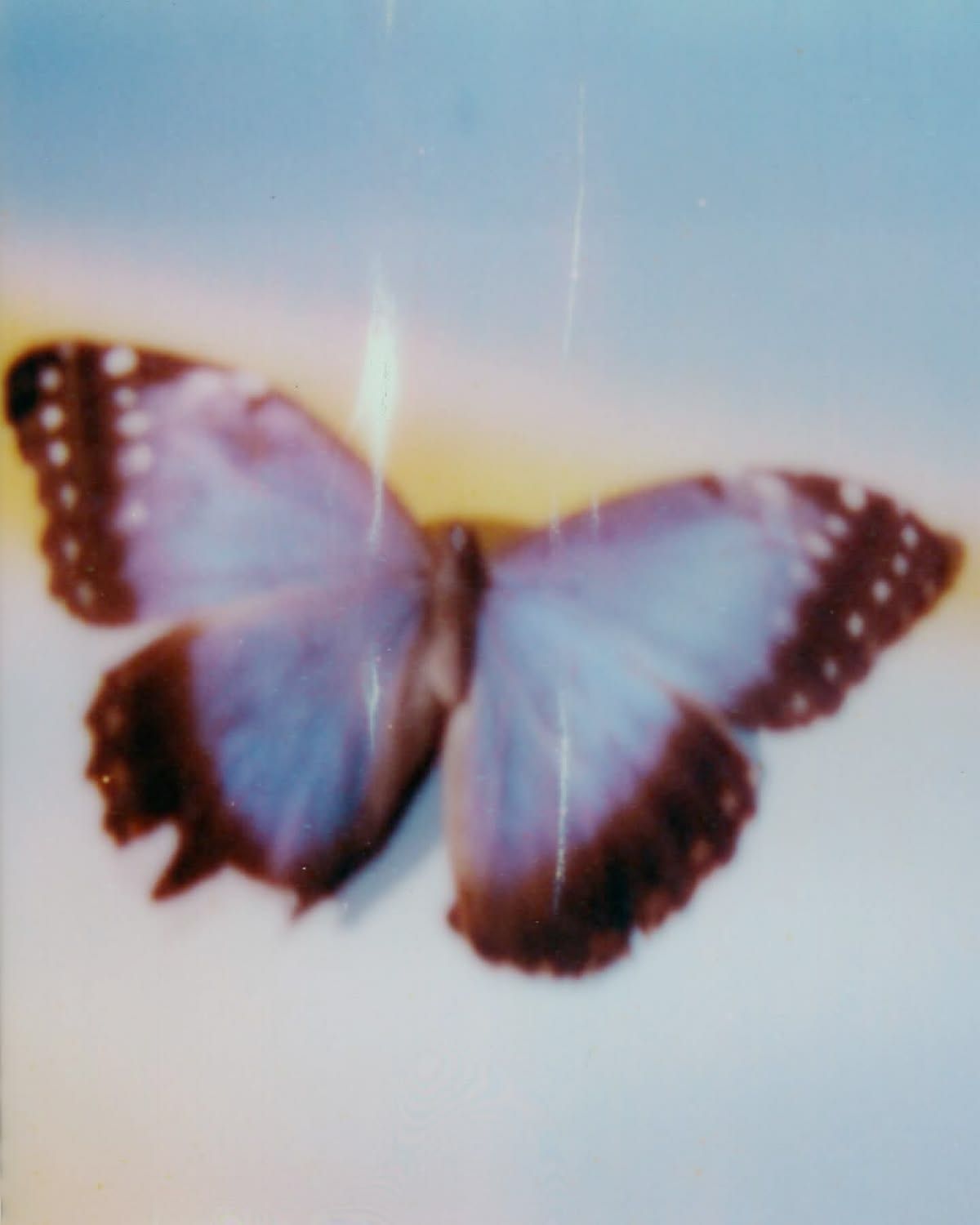
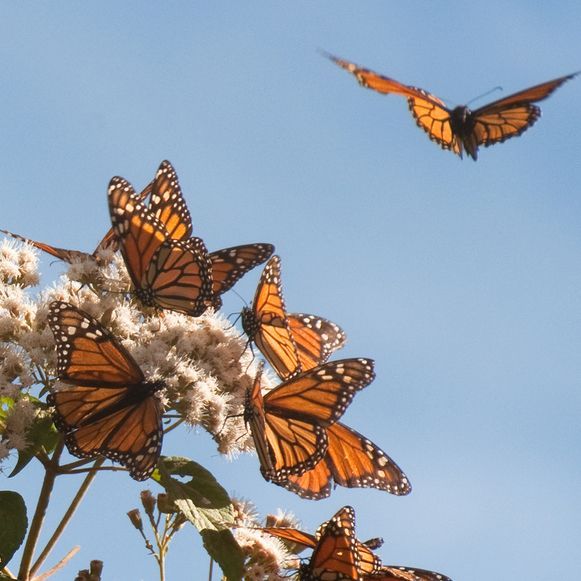
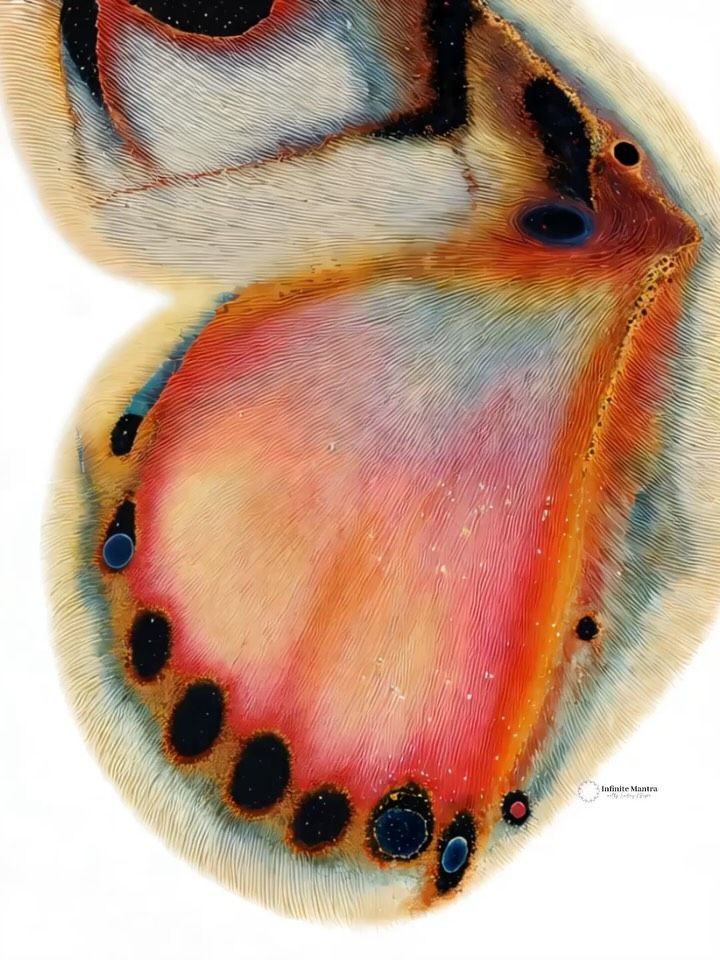
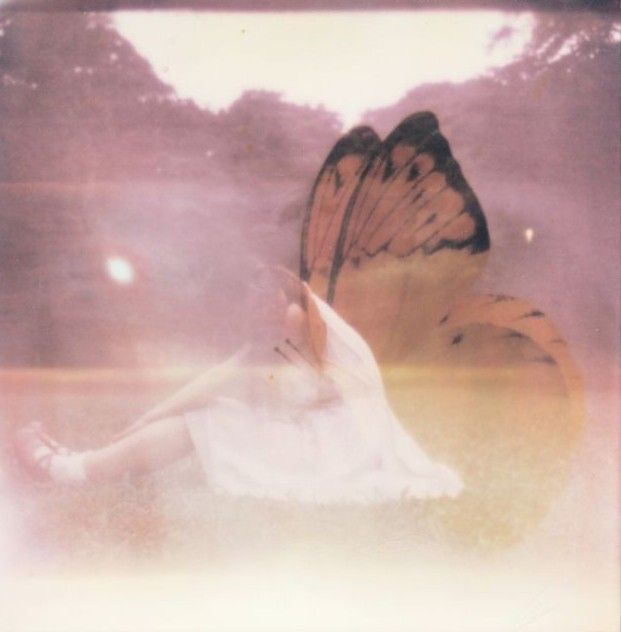
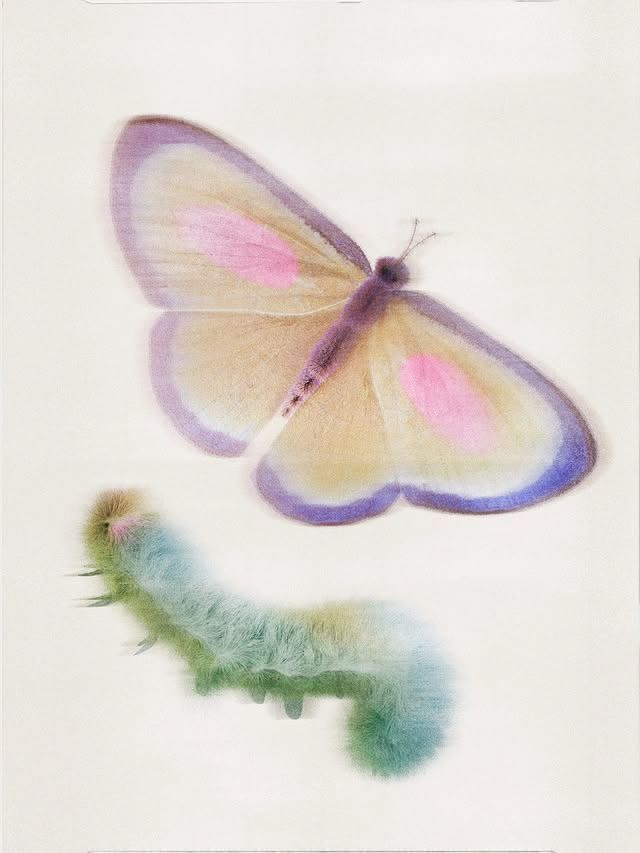
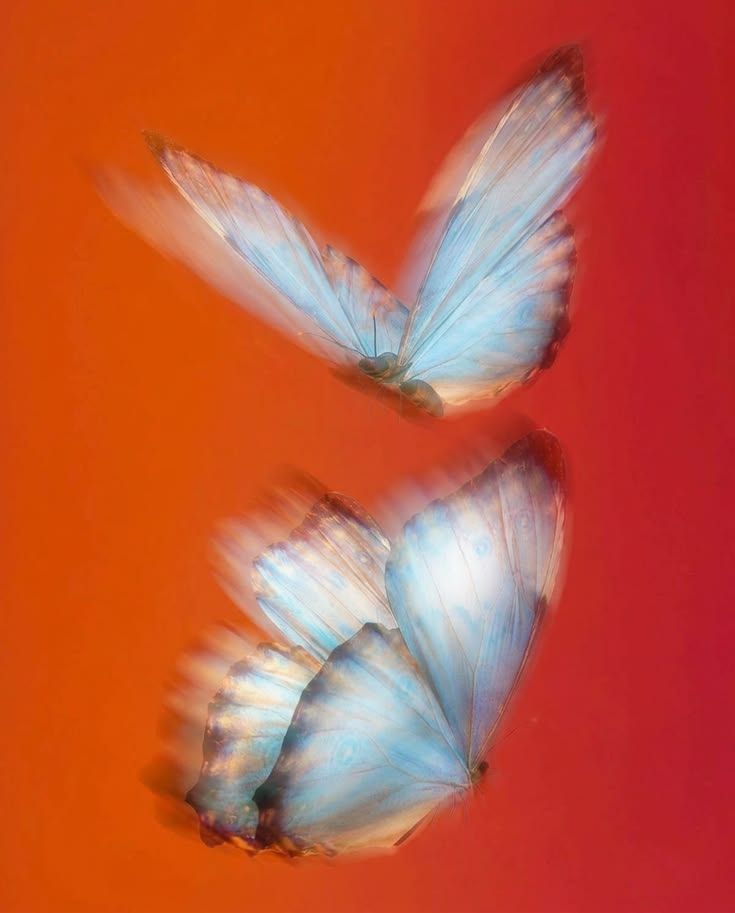
The butterfly embodies the transience of existence and the rebirth of the soul. In ancient Greek, the word psyché denotes both the soul and the butterfly, whose three evolutionary stages symbolise, in many pagan traditions, the elevation of the spirit beyond death. Alongside this vision come funerary and divinatory associations: in Mexico, during the Día de los Muertos, monarch butterflies with their distinctive orange wings, black veining, and borders dotted with white spots represent the souls of the departed, while in Northern European folklore encountering a butterfly can signal the visit of a spirit or an omen of good or ill fortune.
Between the late nineteenth century and the Belle Époque, the symbol entered the feminine universe through the image of the butterfly woman in Art Nouveau motifs and on the theatrical stage, with Loïe Fuller enchanting audiences with her billowing silk costumes. This figure could embody the desire to free the female body from the rigid social and sartorial constraints of the era.
Over the course of the twentieth century, the butterfly's metamorphosis ceased to speak only of lightness and fragility, becoming instead a political symbol of strength and rebirth: breaking free from the cocoon became the very image of emancipation, embodied in the tragic story of the Mirabal Sisters, Dominican activists murdered in 1960, known by their code name Las Mariposas (The Butterflies).
The feminine energy of butterflies
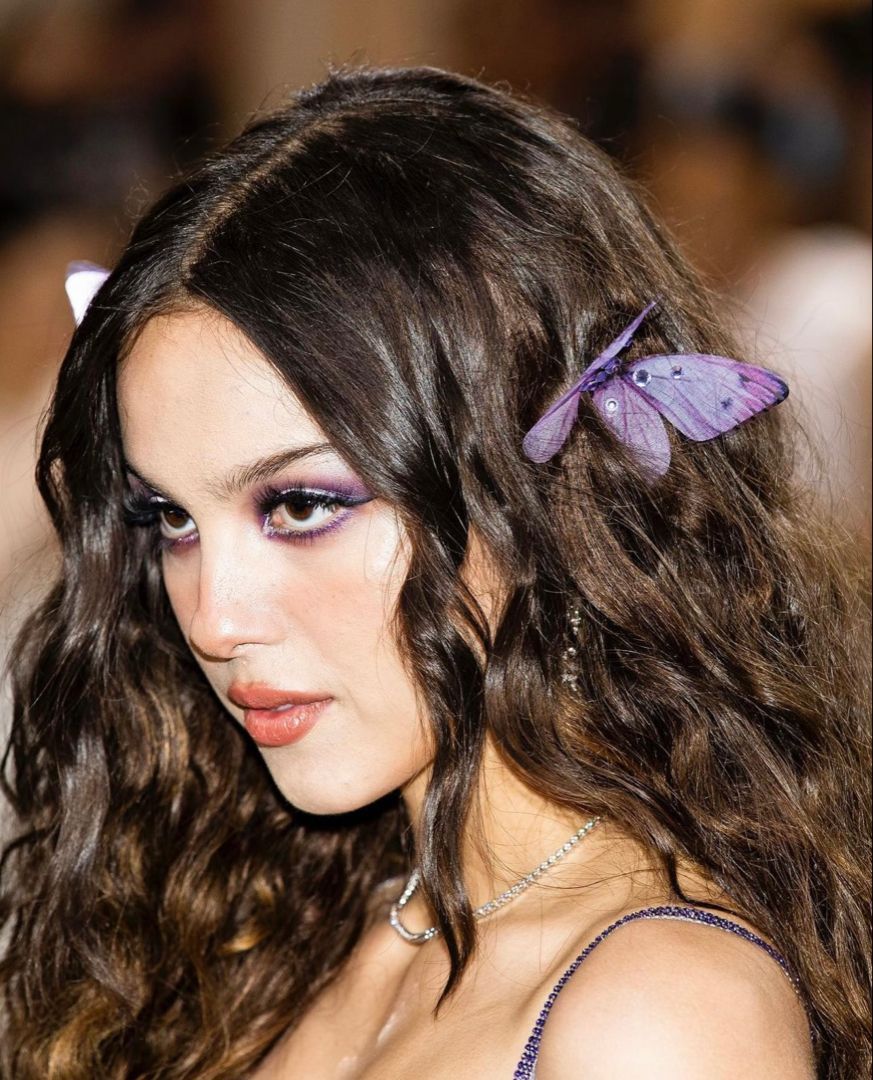
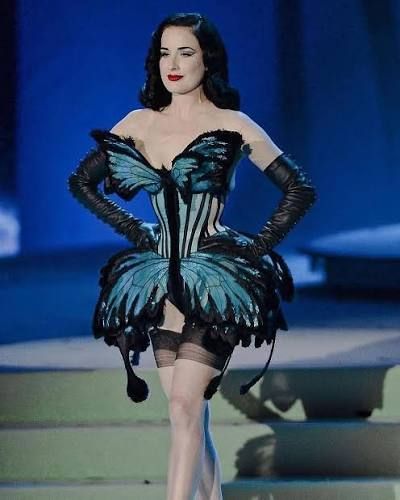
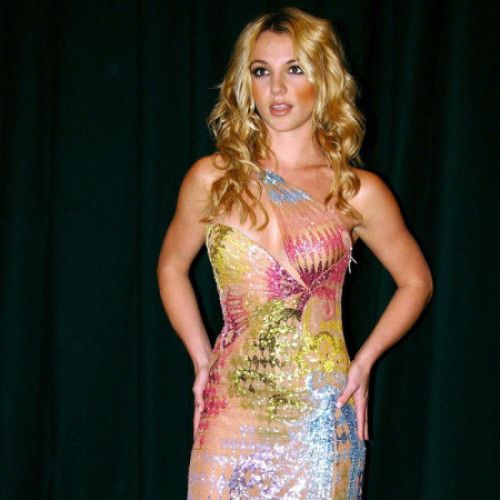
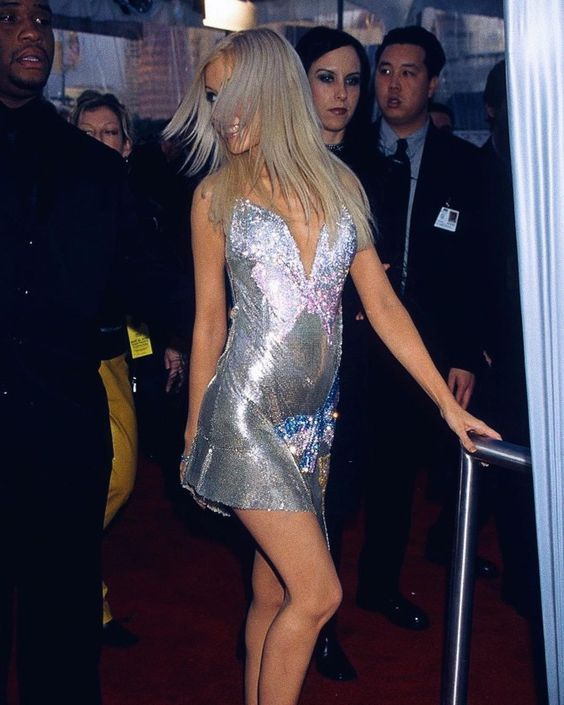
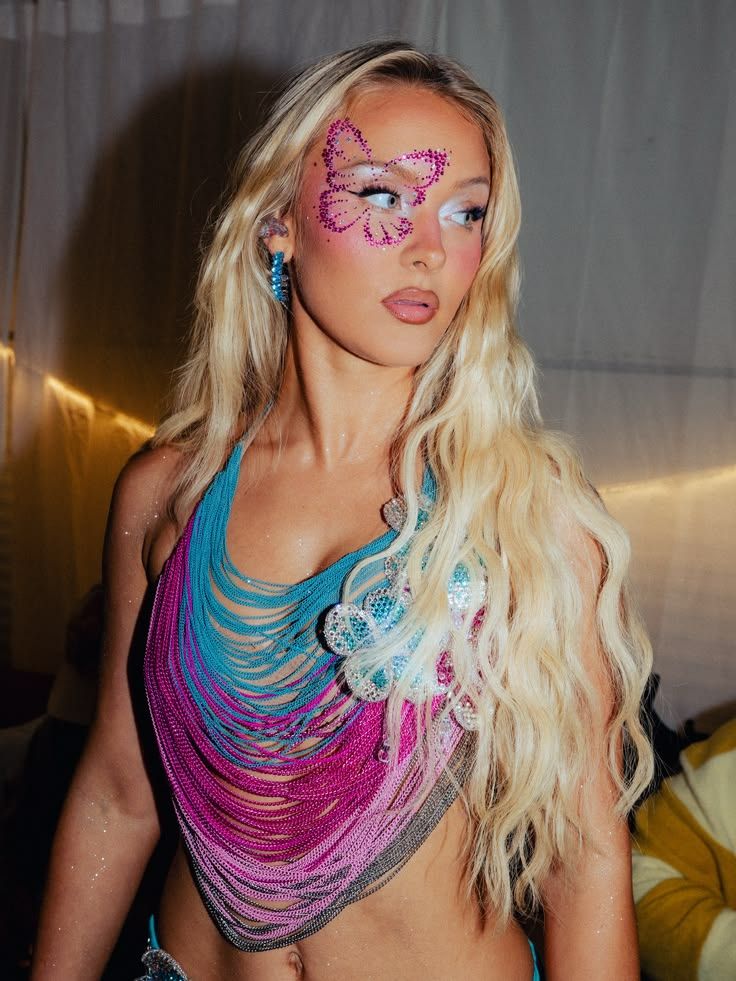
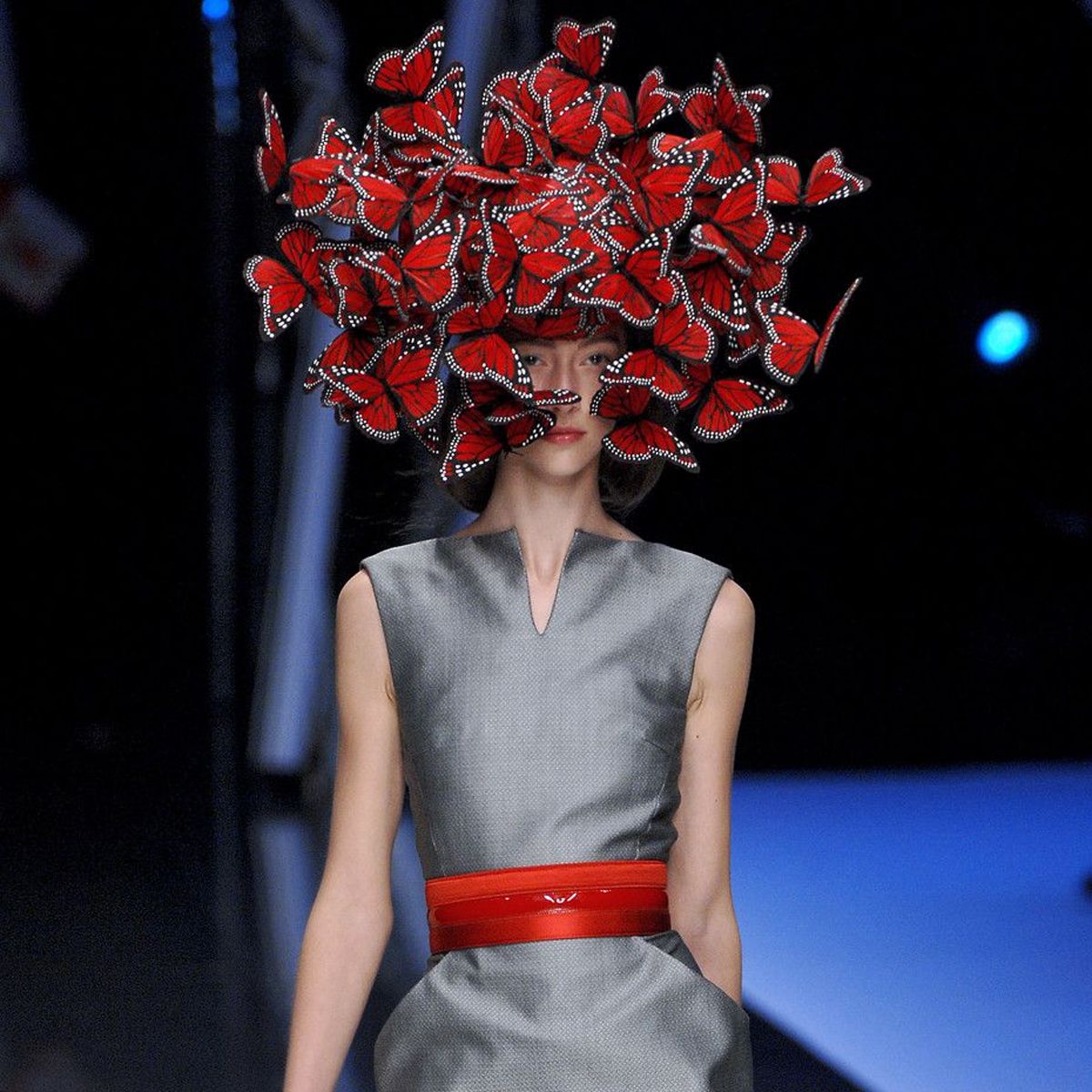
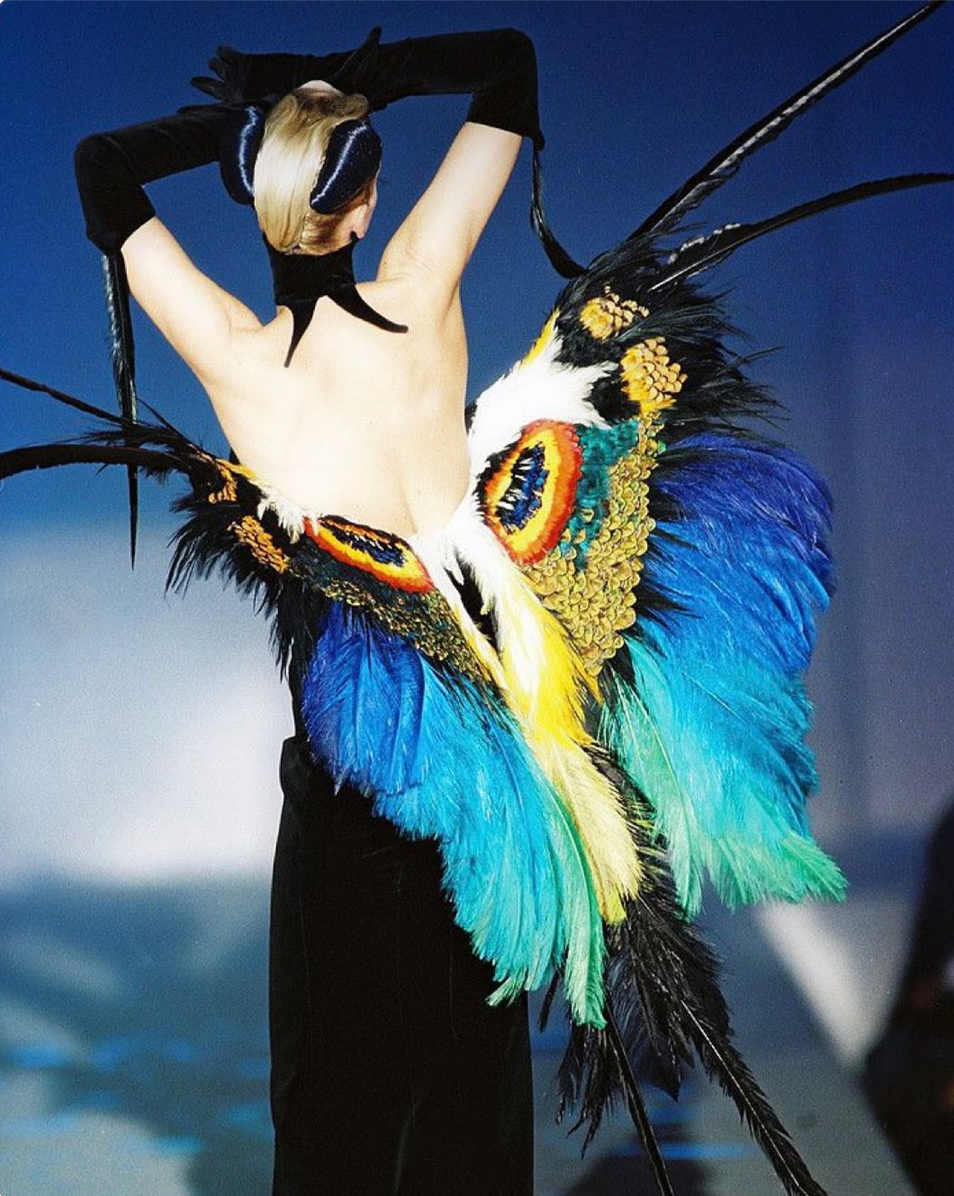
The feminine energy of the butterfly has seduced the fashion world, inspiring creations such as the Papillon dress by Thierry Mugler in 1997, the spectacular headdress of red butterflies designed by Philip Treacy for Alexander McQueen's SS08 collection in honour of Isabella Blow, and the butterfly dress by Jean Paul Gaultier worn by burlesque queen Dita Von Teese in 2014. As fashion historian and curator Valerie Steele explained to The Guardian, although the butterfly was not born as an erotic symbol, it has acquired a powerful sensual charge precisely through fashion.
It was above all the pop girls of the late nineties and early 2000s, however, who consecrated and spread this seductive aura of butterflies. Think of Mariah Carey, who titled one of her most celebrated albums Butterfly, of Christina Aguilera and Britney Spears in their butterfly dresses by Versace, or of the butterfly tops sported by Destiny's Child. An aesthetic that endures today thanks to a new generation of artists such as Olivia Rodrigo and Zara Larsson. The Swedish pop star, in particular, has admitted that she was determined to cover every look of her tour in glittery fluorescent butterflies to celebrate her artistic rebirth and her success after years of hard graft.
From simple trend...
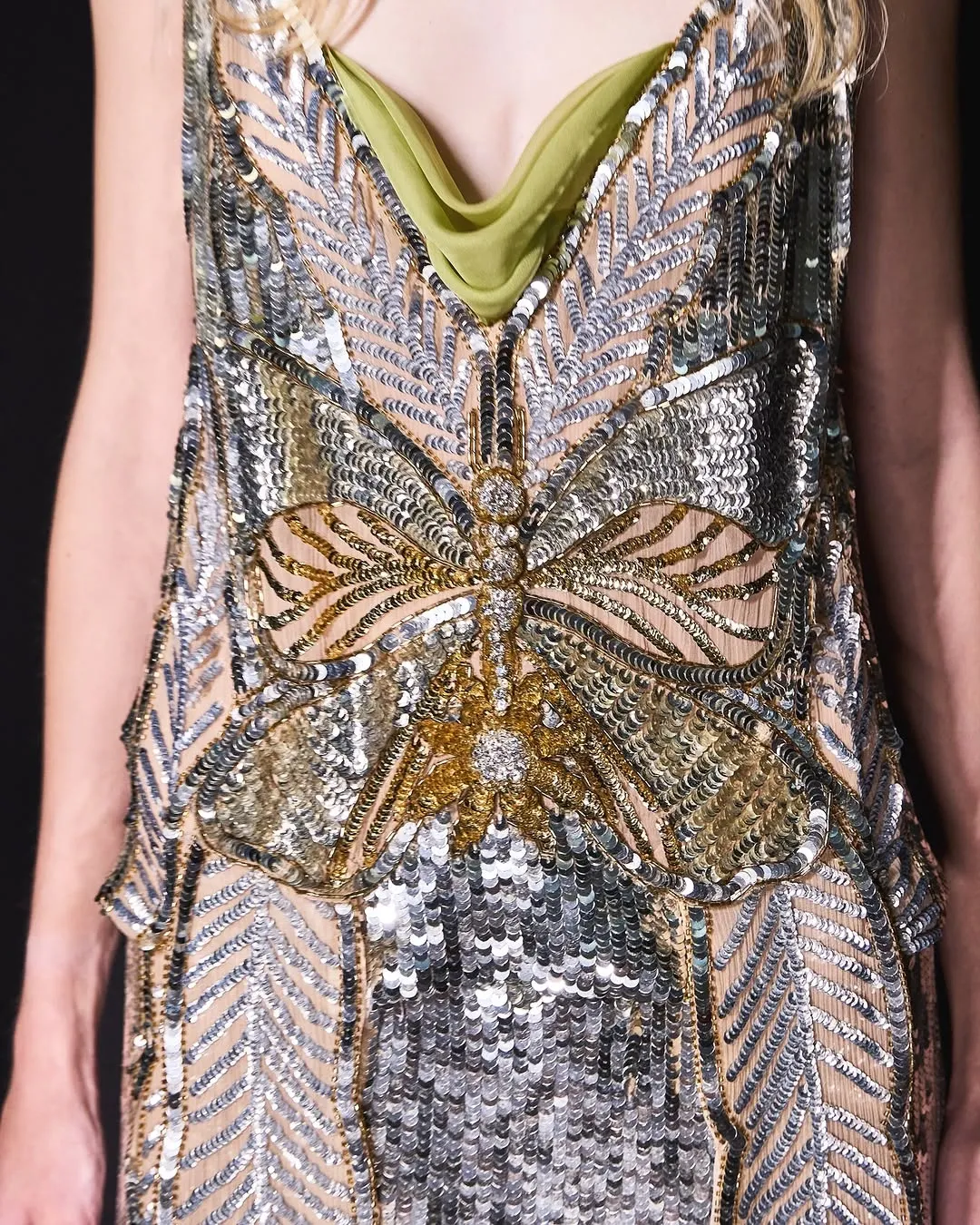
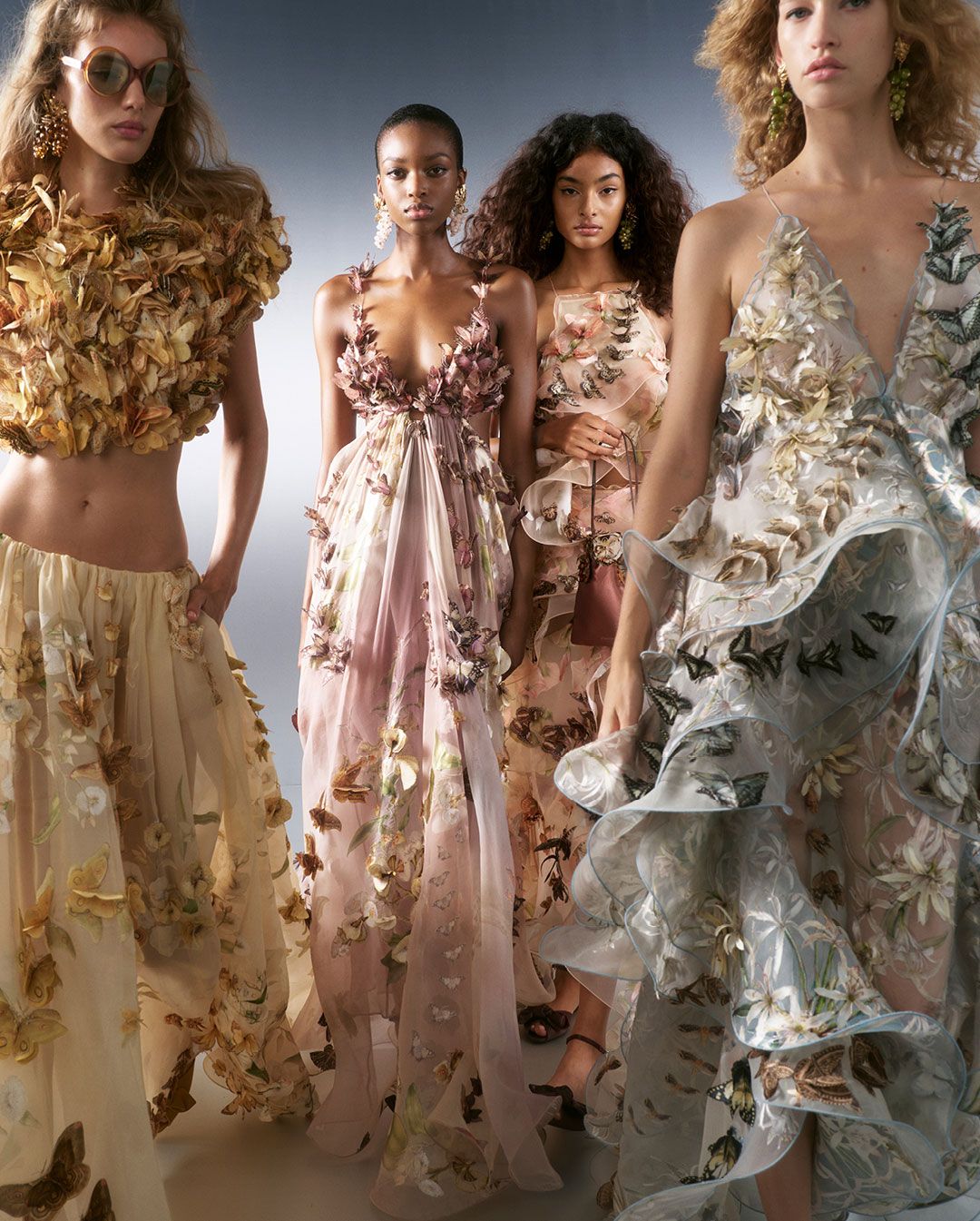
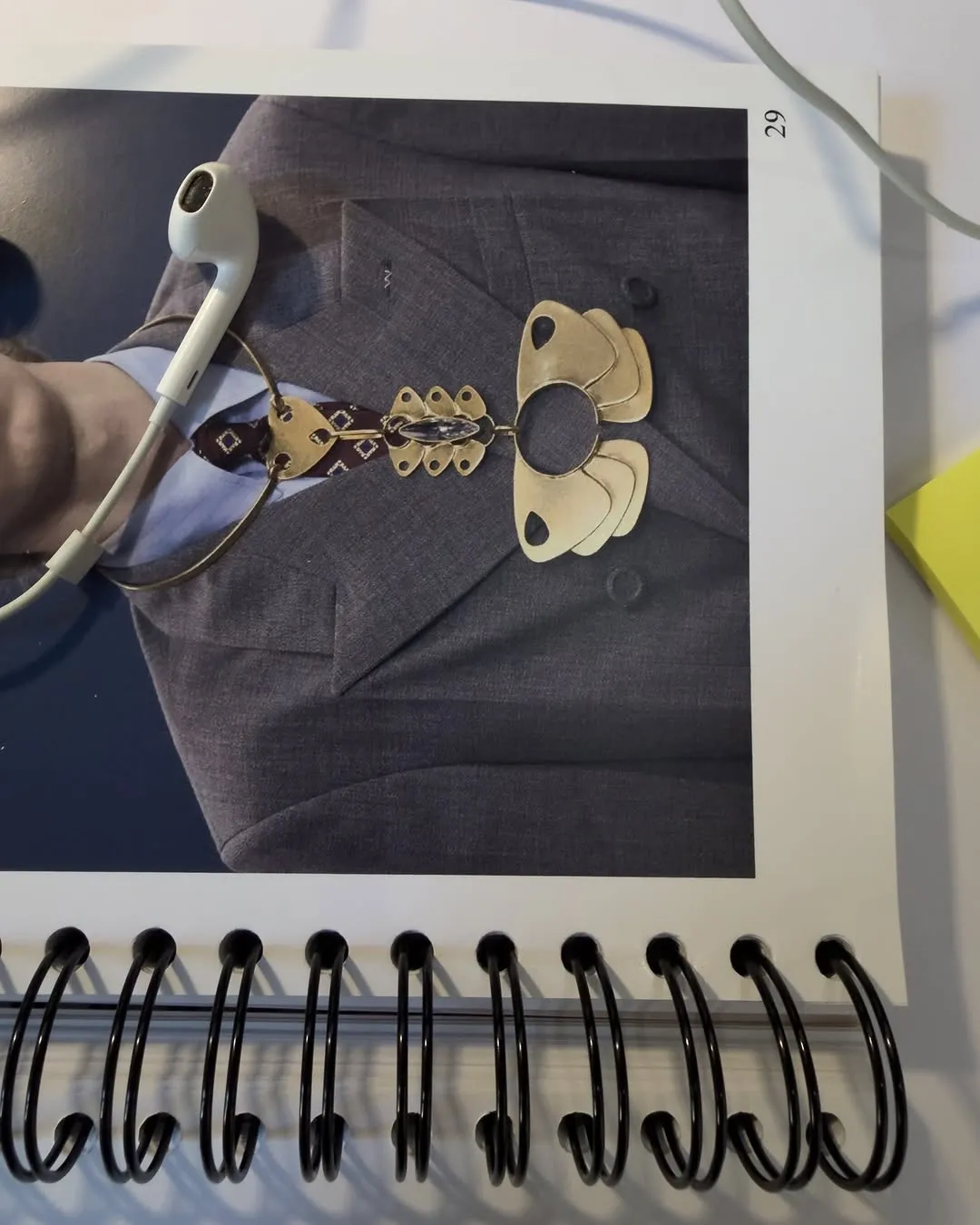
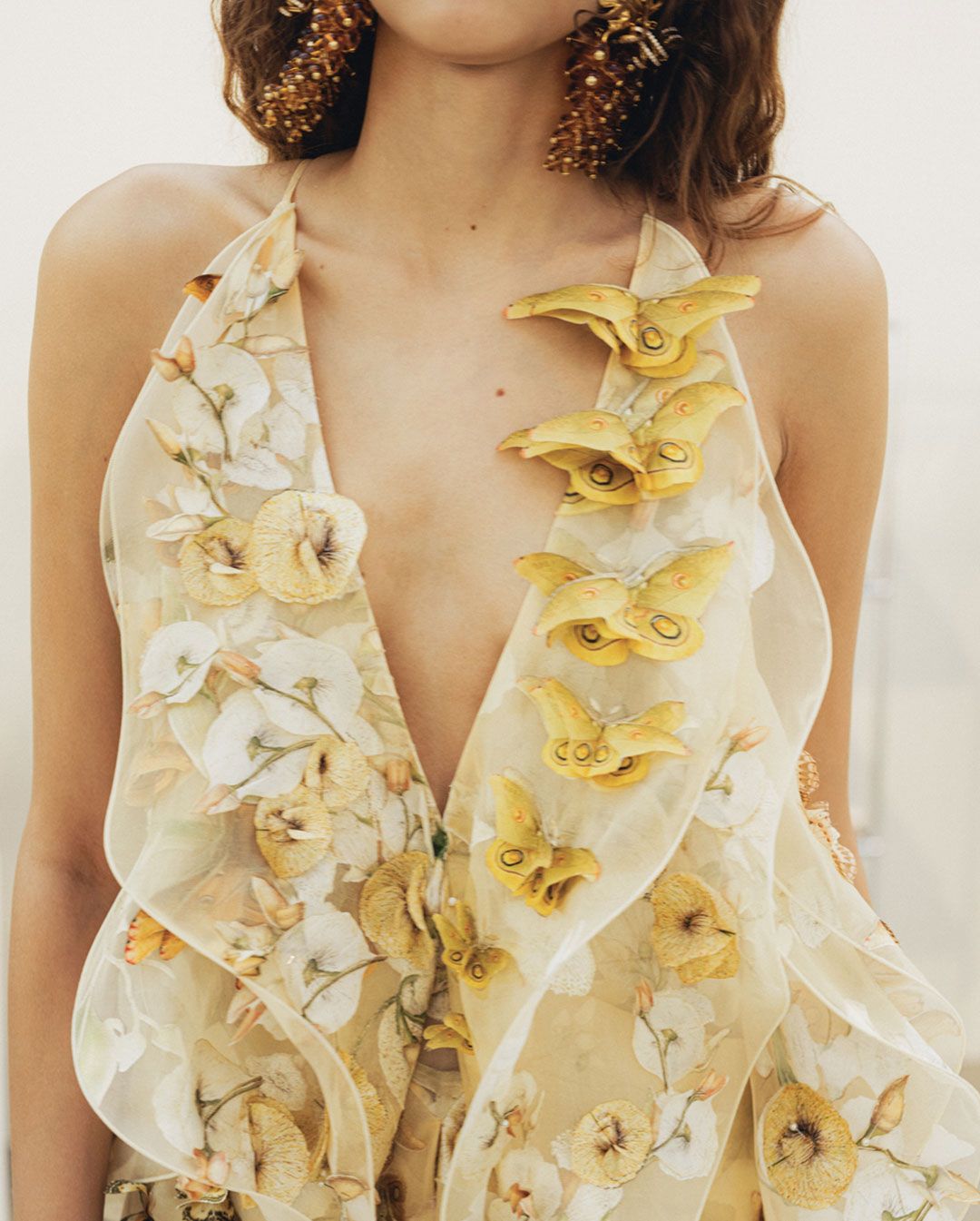
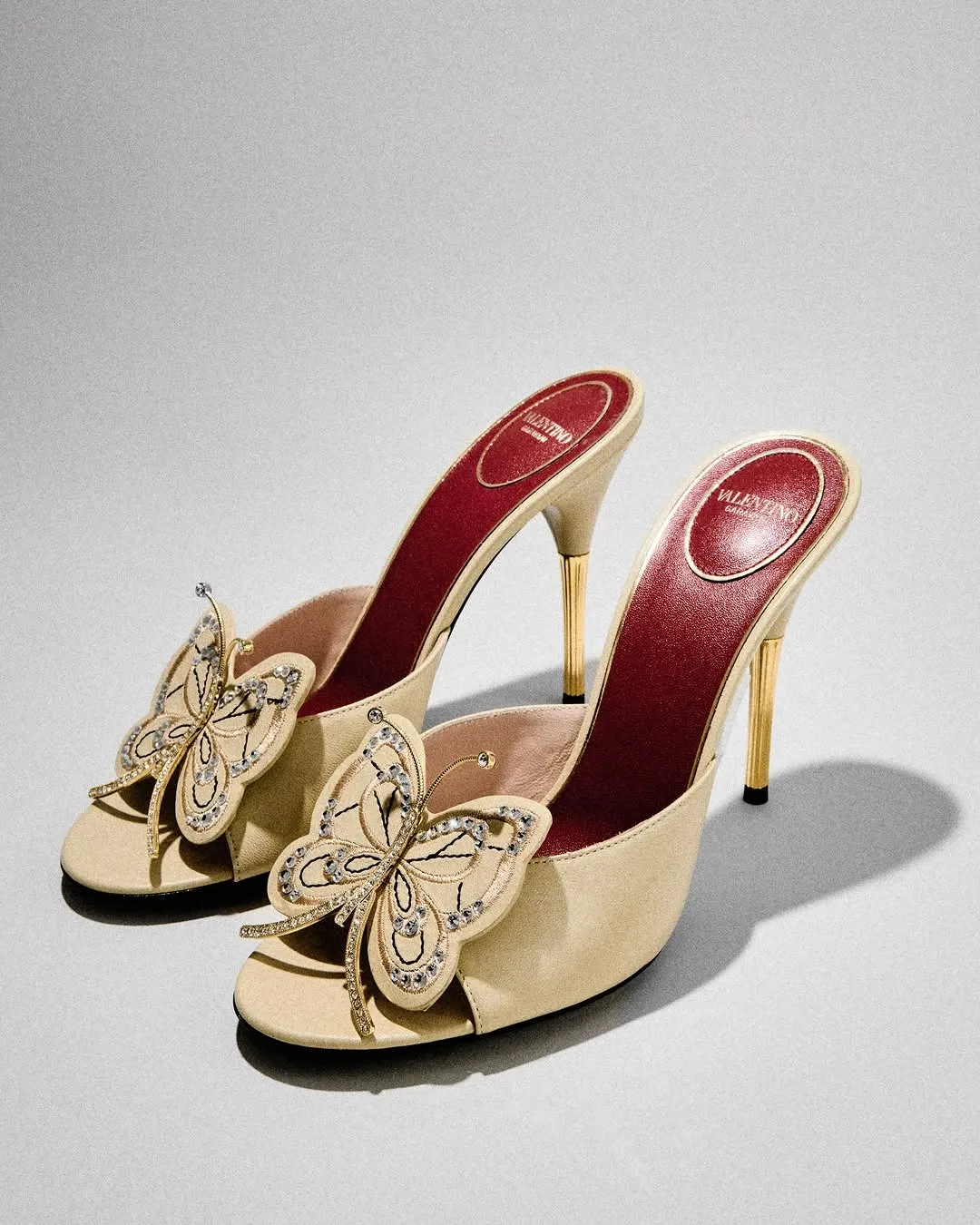
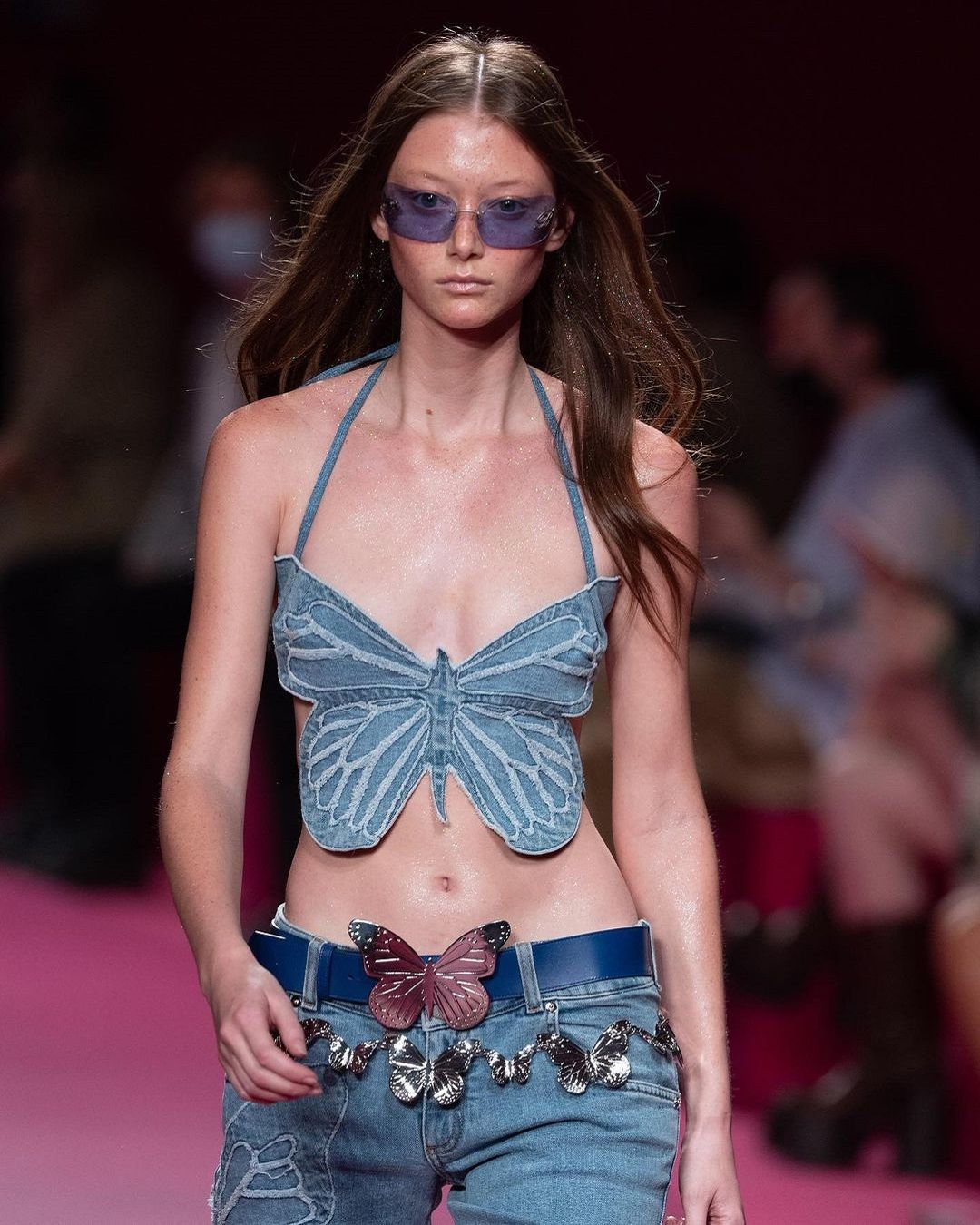
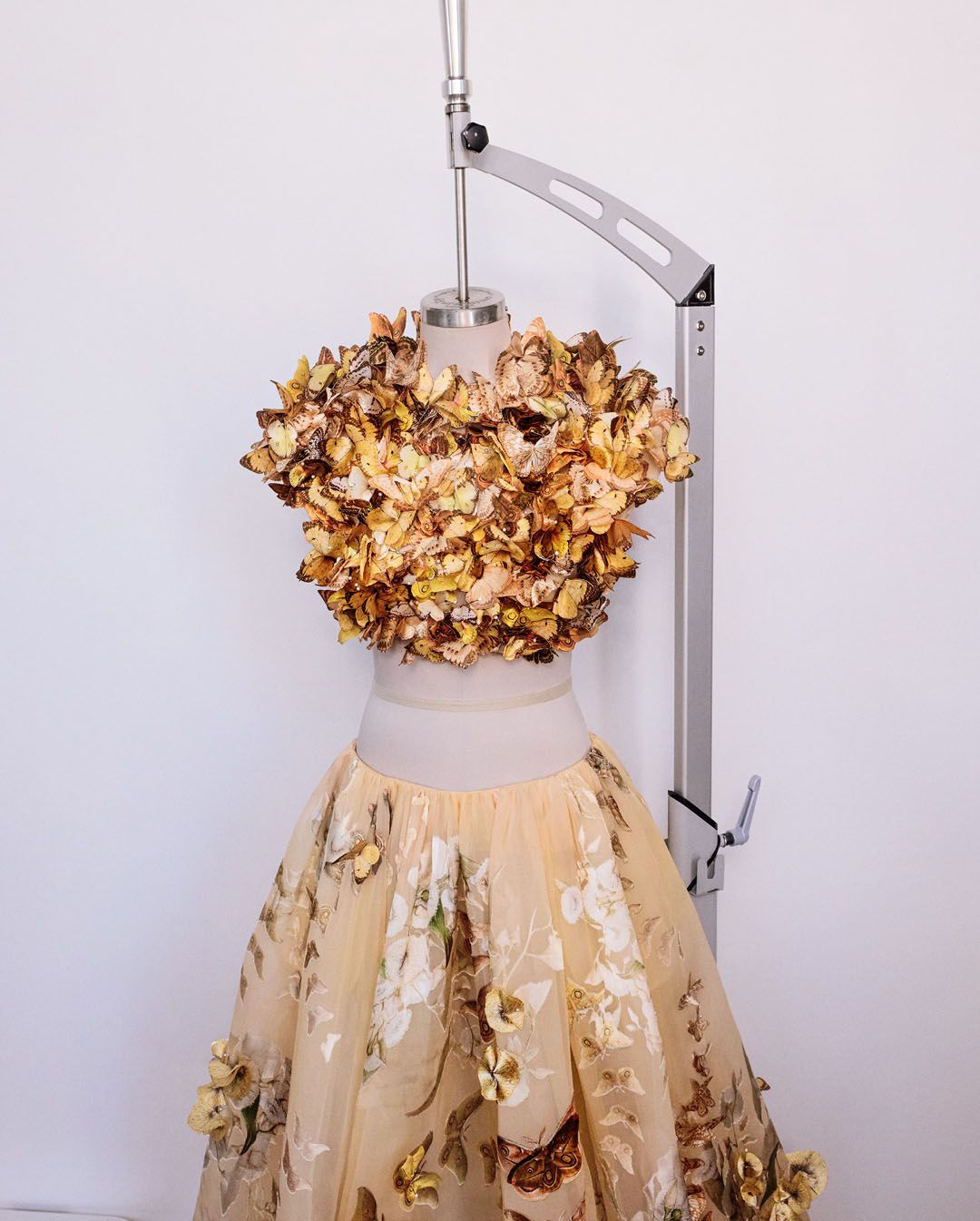
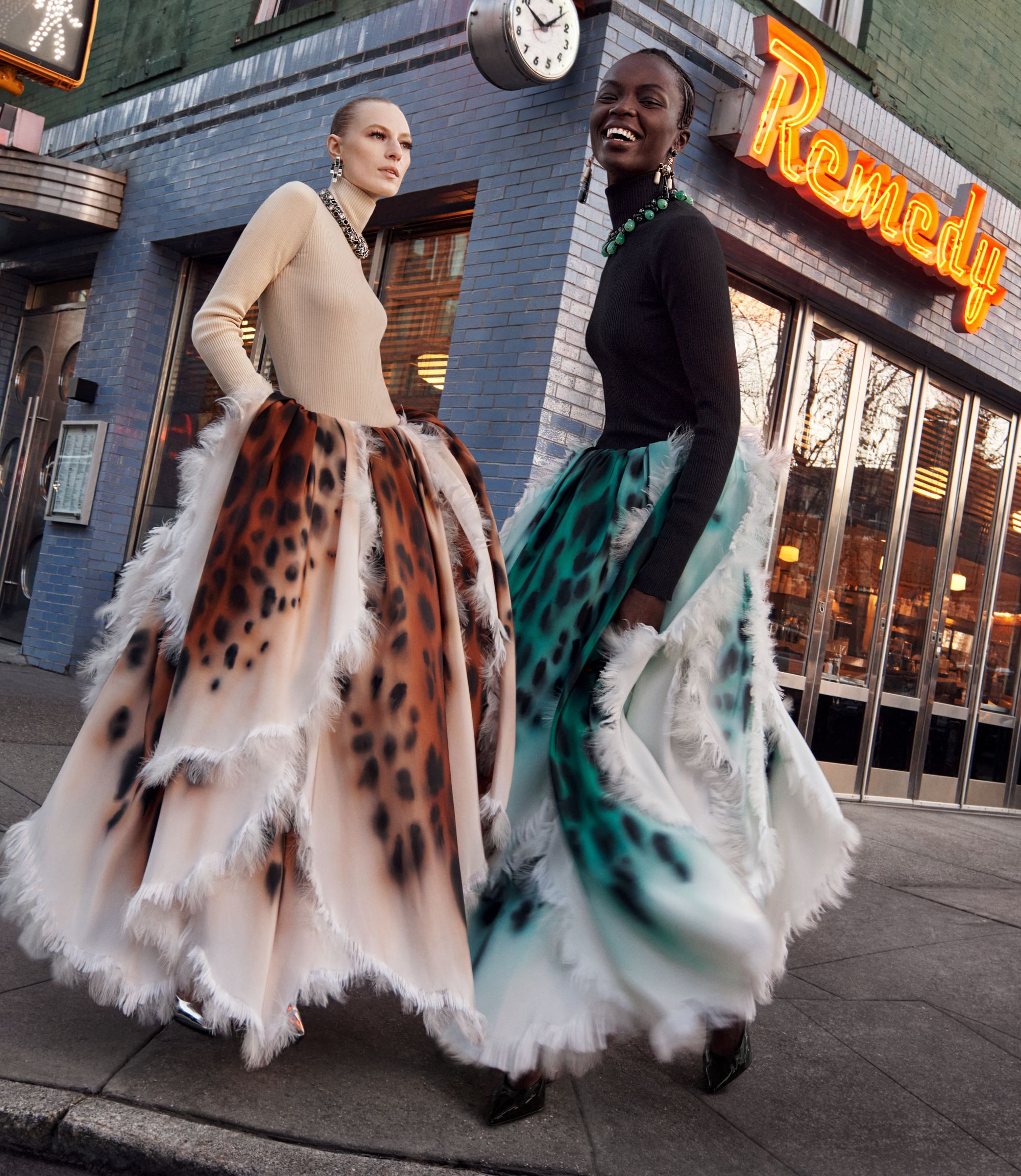
Today butterflies are alighting with renewed insistence on runways and red carpets. We have seen them animate the fairy-tale settings conceived by Matthieu Blazy for Chanel, resurface in Blumarine's Y2K revivals, and take centre stage at Zimmermann's most recent fashion show. At Valentino, creative director Alessandro Michele has chosen the butterfly as the new logo for the Roman house, moving away from the classic monogram. From his very debut, he has scattered these insects everywhere: resting on the back of a jacket in the Fireflies collection, or perched on the toe of a décolleté for FW26.
...to symbol of eco-anxiety
As a metaphor for resilience in the face of the uncertainties of the present, the return of butterflies to pop culture seems to tap into the growing sense of unease felt by younger generations, caught between global instability and the climate crisis. According to the index published by the European Environment Agency in June 2026, more than half of Europe's grassland butterflies have disappeared since 1991. This sudden urge to wear them and celebrate them might therefore be read as an unconscious symptom of eco-anxiety: an attempt to hold on to a future that seems to be slipping away on a single beat of wings.
What to read next

It's time for non-media-trained actors to take the lead
From Jennifer Lawrence to Robert Pattinson, transparency is the new charisma
Aniye By changes its look and takes to the runway in Milan under the name ANIYE
On November 30, the show will mark a new beginning for the Italian brand