





























Uniqlo donates €1 million to fight wildfires in France An in-store fundraising campaign will also be organized across retail locations
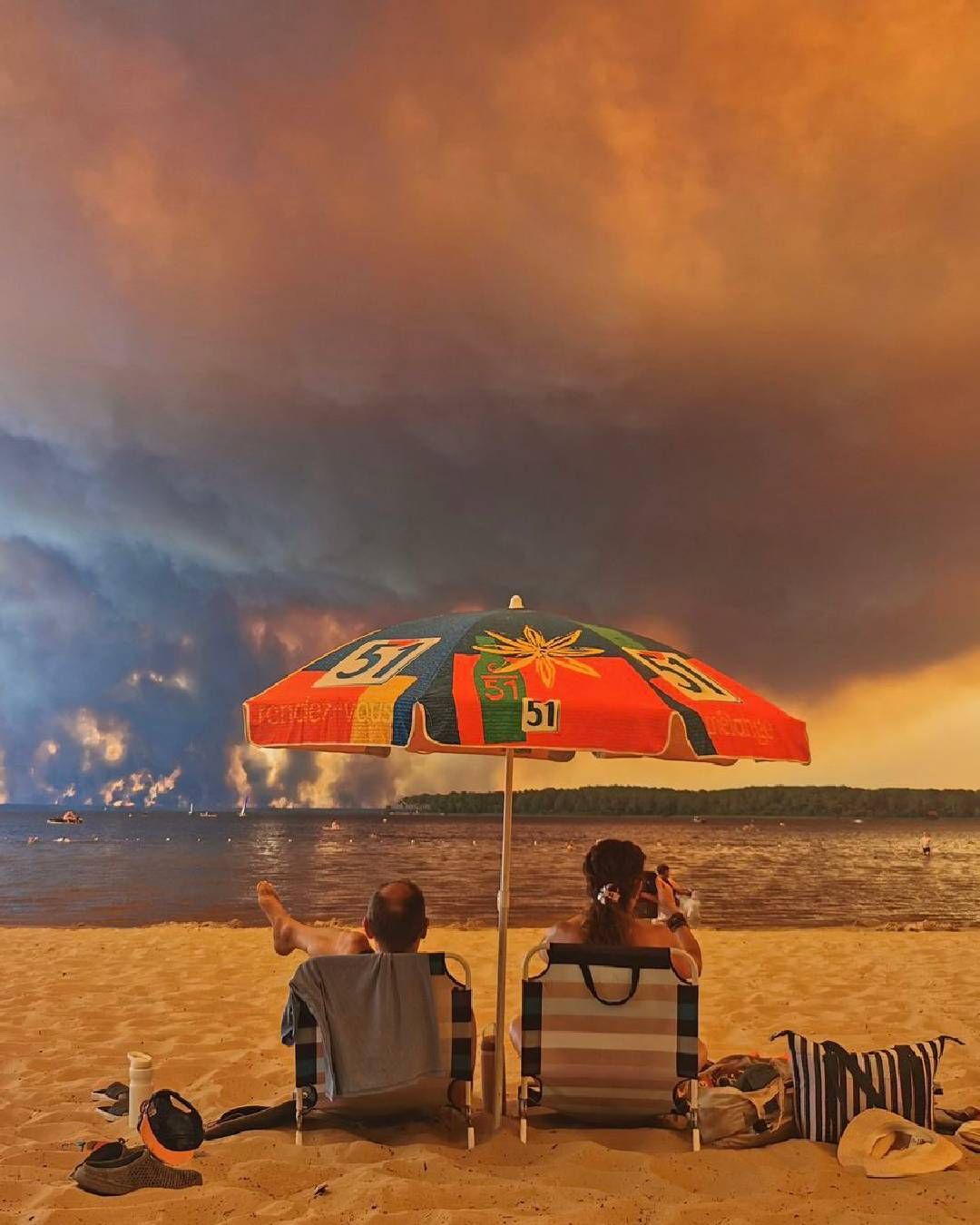
In the face of one of the most severe wildfire seasons in recent years - particularly devastating in the Gironde and Var regions against the backdrop of the climate crisis - Japanese apparel giant Uniqlo is deploying a major emergency relief effort. The retailer has committed to donating one million euros and distributing 50,000 garments to support displaced residents and rescue teams on the ground.
Financial and material aid on two fronts
@marcgirondin40210 Avec votre soutien (abonnement, like, partage), je suis sûre que l’on peut plaider justice dans ce pays
The brand's financial contribution will be split between two major relief organizations. On one hand, Secours Populaire Français will receive funds to provide immediate emergency aid to residents forced to evacuate their homes. On the other hand, the association Sud-Ouest Solidarité will use the support to equip firefighters with cutting-edge equipment, including remote-controlled firefighting robots, reconnaissance drones, and medical response vehicles. In addition to this financial boost, the 50,000 garments distributed by the retailer will address the immediate clothing needs of affected communities.
At the same time, Uniqlo is appealing to customer generosity by launching an in-store fundraising campaign across all its locations in France. Benefiting the French Red Cross, every donation made by customers at check-out will be matched by the company. All proceeds collected will go directly toward firefighting operations and urgent humanitarian relief in the affected areas.
A long-term commitment
This initiative builds on Fast Retailing's broader humanitarian commitments. The brand previously demonstrated this dedication at the last Cannes Film Festival by allocating 100,000 euros to the Displacement Film Fund, a project supporting refugee filmmakers and bringing stories of displacement to international audiences.
This type of response to large-scale wildfires is not unprecedented for the company. During the major wildfires in Los Angeles in January 2025, Uniqlo deployed a similar scheme, pledging $1 million in cash aid alongside a separate $25,000 grant to the California Fire Foundation. In terms of material support, over 5,000 essential items - ranging from HEATTECH thermal wear to socks and innerwear - were distributed through local stores and community partners such as the Los Angeles Mission and the Pasadena Educational Foundation. The brand also partnered with ground-level organizations including the Los Angeles Regional Food Bank, the National Forest Foundation, and Street Soccer USA.
The paradoxes of fast fashion
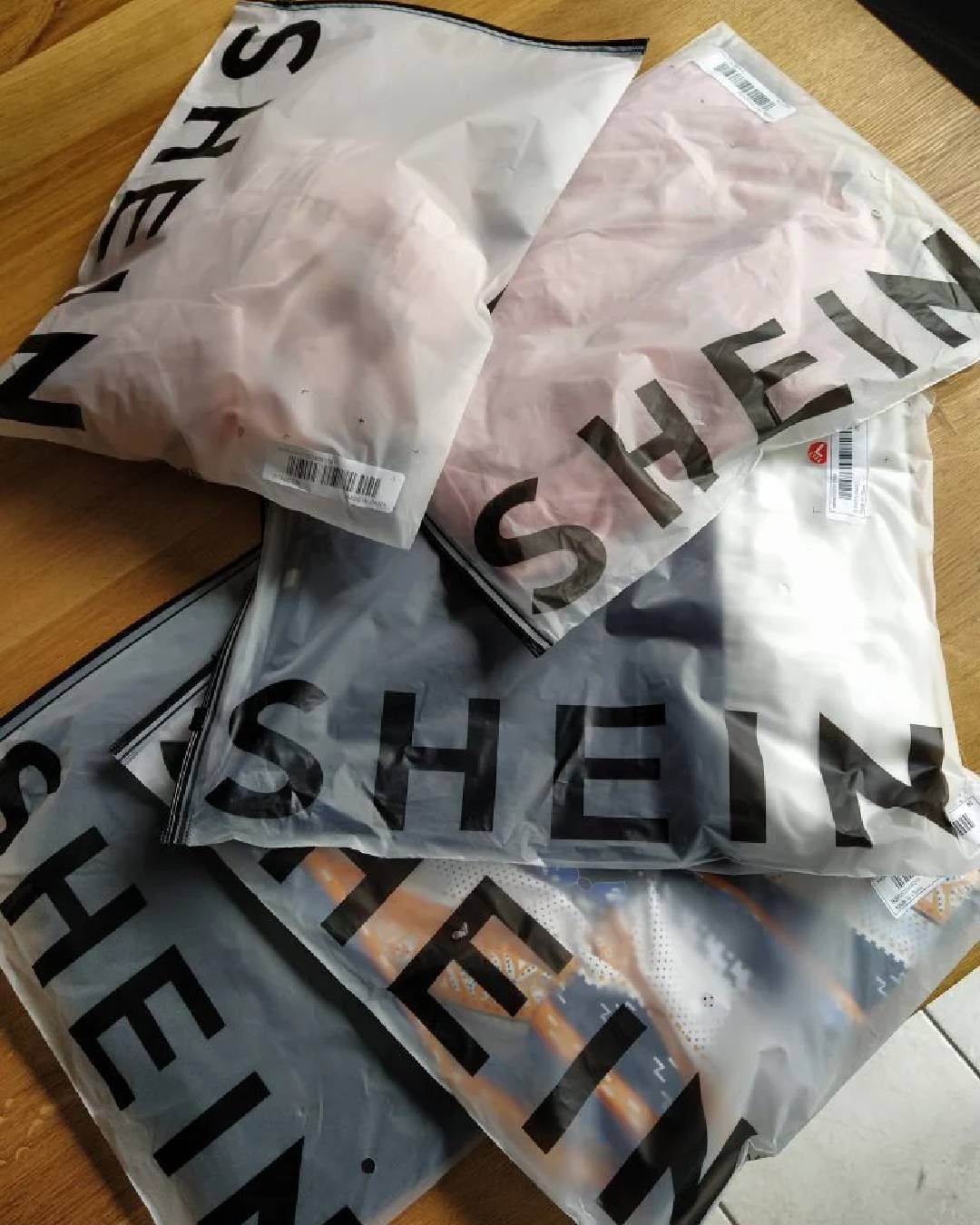
While the commitment to providing emergency relief to disaster-stricken populations is genuine, it remains deeply paradoxical. Uniqlo continues to be a cornerstone of global fast fashion - an industry widely recognized as the second most polluting on the planet. As a New Yorker report highlighted, the Japanese brand now operates over 2,500 stores across Asia, Europe, and North America. Its parent holding company, Fast Retailing, has become the world's third-largest apparel manufacturer and retailer behind H&M and Inditex, with a growth rate that currently surpasses both rivals.
Yet this massive business model is directly blamed for driving environmental degradation. According to Oxfam data, the garment industry doubled its global production in just fifteen years and consumes 215 billion liters of water annually - the equivalent of 86 million Olympic swimming pools. By entrenching a throwaway culture where consumers buy 60% more clothes than they did fifteen years ago while keeping them half as long, fast fashion creates a mountain of textile waste choking the planet. This heavy ecological footprint directly fuels climate disruption and the escalation of extreme weather events - the very crises the brand is now seeking to alleviate.