
Is sport the best way to travel? Here's why "race-cations" and fitness retreats are on the rise

In recent years, running has become one of the defining passions of Millennials. More than one analysis has described its success as an almost instinctive response to the dissatisfaction that many young adults feel around the age of thirty. At that age, going through a kind of early midlife crisis is not entirely uncommon: people often feel the need to adopt a healthier lifestyle, and in this sense running offers clear goals, measurable progress, and a reliable routine.
Those who take it seriously aim to compete in a half marathon (21.097 km) or, less commonly, a full marathon (42.195 km). The growing interest in running is reflected in race registrations: according to an analysis by Sport e Finanza, at last year's Rome Half Marathon, 53% of participants were between 18 and 34 years old. Furthermore, according to data collected by FIDAL, the Italian Athletics Federation, between 2025 and 2026, half marathons and marathons in Italy grew by over 20%, with dozens of cities hosting their inaugural editions.
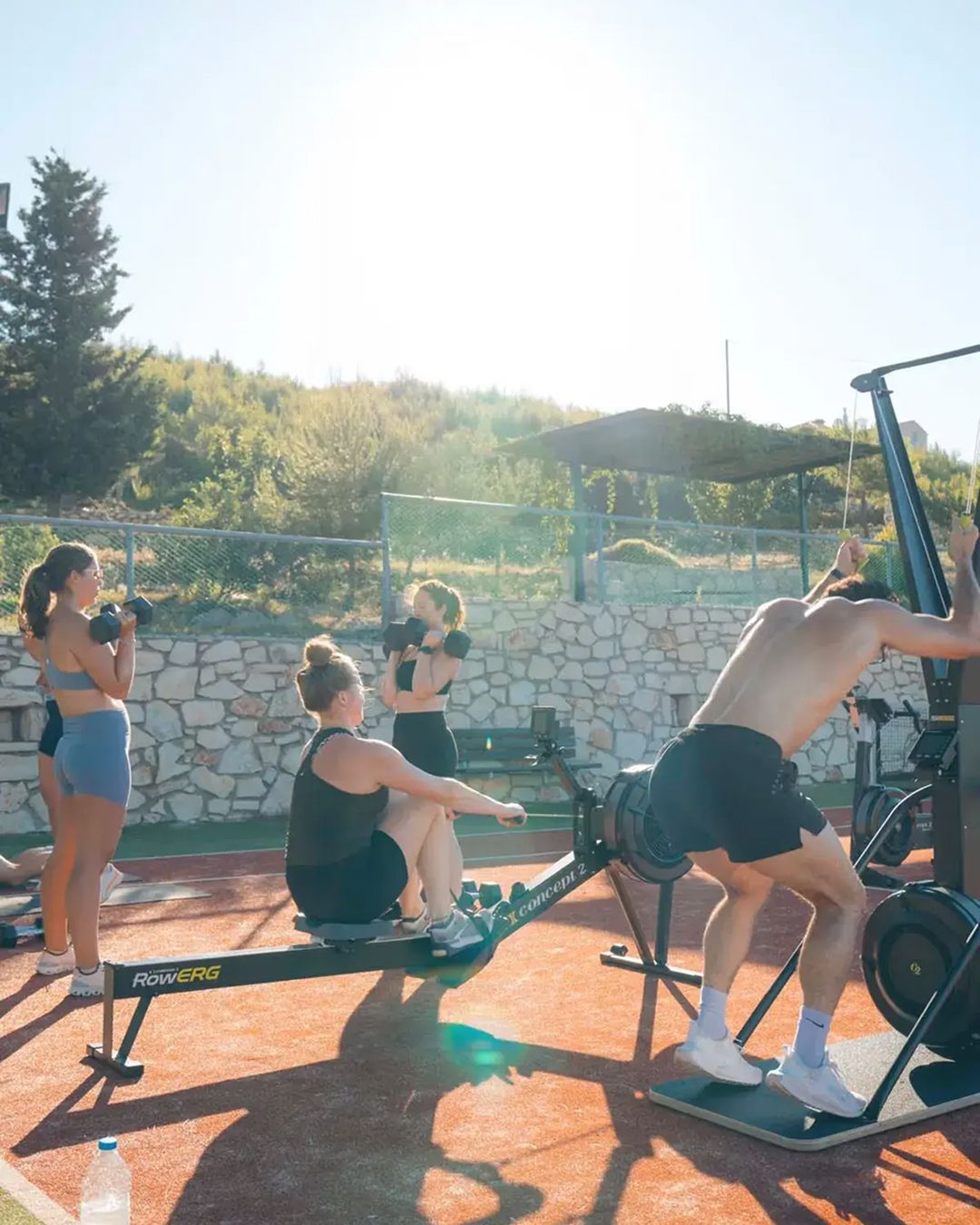
For many people, these events represent above all an opportunity to travel or take a trip away from home. The New York Times has given this trend a name, calling it a "race-cation," and recently published a practical guide devoted to the phenomenon, timed to coincide with the famous New York City Marathon. It is a variation on a broader practice that the flight search engine Skyscanner has included among its travel trends for 2027 under the name "gymcation" — holidays in which the opportunity to exercise matters just as much as visiting the main local attractions.
How to Plan a "Race-cation"
According to the New York Times, the first step in turning a running race into a travel experience is choosing a destination you genuinely want to visit. Portals such as RunSignup, World's Marathons, and Half Marathon Guide list upcoming races and allow you to filter events by distance. Review platforms like RaceRaves and Racecheck, on the other hand, offer useful information on scenery, the type of participants, elevation changes, and other factors that can significantly affect the running experience.
For races abroad, the American newspaper recommends arriving at least two days early, so you have time to get your bearings, sort out the logistics, and recover from any jet lag. As for accommodation, the ideal option would be a place roughly fifteen minutes' walk from the race start, or just a few stops away by public transport.
Understanding the Rise of Fitness Retreats
Although relatively few people still plan a holiday or a trip specifically to take part in a running race, a growing number of travellers don't want to give up training when they're away. According to a recent analysis by Skyscanner, 20% of users specifically look for accommodation with spaces and equipment for working out. That figure rises to 23% among Generation Z and 25% among Millennials, while among the most sought-after destinations for travellers with this priority are Bangkok, Mumbai, New York, and Seoul.
Data from ClassPass, the platform for booking sessions at partner gyms around the world, points in the same direction: over the past two years, the number of users who have booked a retreat outside their home city has more than doubled. When travelling, the most booked discipline is Pilates, followed by yoga — a testament to the growing popularity of these practices, even among young adults.
In Skyscanner's report, Kristin Heintz, an executive at Playlist, the company that owns ClassPass, describes booking a workout session immediately after a long flight from New York to Singapore: the gym was near her accommodation, and the class turned out to be an excellent way to combat the effects of jet lag and start exploring the city.
What to read next

Will the sale be enough to save GoPro?
GoPro is attempting a fresh start through its acquisition by Starman Optical
Song for the Mute and adidas run for love, not to break records
With RUN02, the Australian brand and adidas Running tell the story of everything that happens around running