How to choose the right winter coat A guide to the season's must-have styles
During the golden age of streetwear, men's winter fashion had one and only one silhouette: the Michelin Man. Puffer jackets, bombers, and down coats of every weight seemed to have monopolized men's wardrobes. Today, however, thanks in part to the rise of the old money and preppy aesthetics, men are rediscovering the irresistible appeal of the coat.
Just open TikTok when temperatures first start to drop and you'll witness the official launch of the so-called overcoat or long coat season: the moment when certain creators map out the perfect rotation of outerwear to have in your wardrobe. It's a trend that finds immediate confirmation in Fashion Week numbers as well: according to the T-Fashion report, the coat is the third most-spotted key piece on the FW26 menswear runways, appearing in 17% of all looks.
Between runway offerings and the dozens of variations suggested by the algorithm, though, it's not easy to navigate which coat to buy. Here, then, is how to choose the right coat.
A matter of proportions
Choosing a coat comes down, above all, to a game of proportions: a cut that is well-calibrated — or, conversely, completely wrong — for your height can take you from having the allure of Patrick Bateman in American Psycho to looking like Dopey from Snow White and the Seven Dwarfs.
Another perennial question concerns colour and fabric composition. Given the average price of a coat, which generally falls between €250 and €600, it's worth investing in pieces in dark, neutral tones that are easy to pair with most of the clothes already in your wardrobe.
On the materials front, a high percentage of wool remains generally the best guarantee of a coat that keeps you warm and stands the test of time. Another detail not to overlook is size: opting for a slightly roomier fit not only makes layering easier during the colder months, but also avoids that stiff, restricted-movement effect.
The double-breasted coat
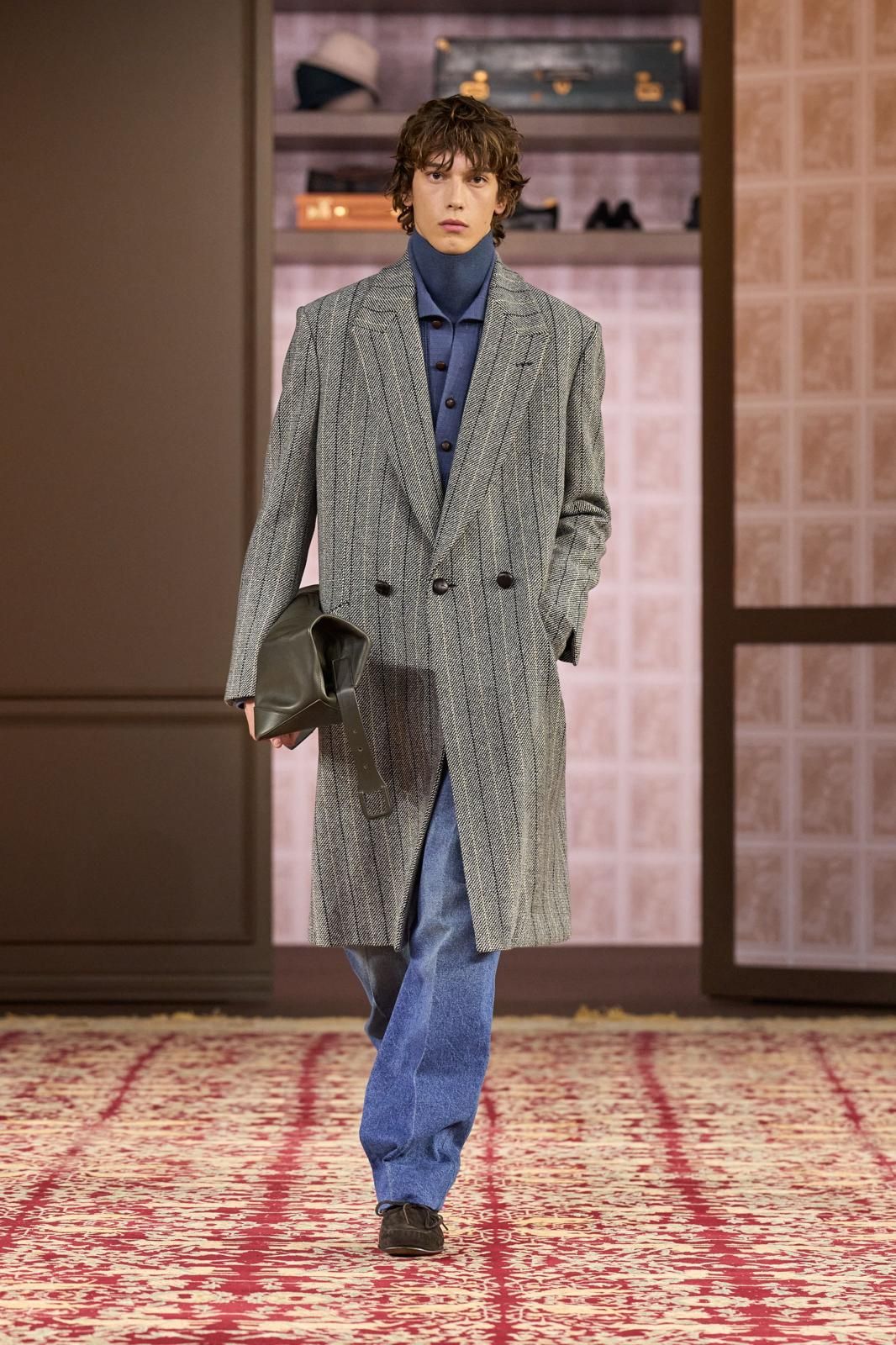
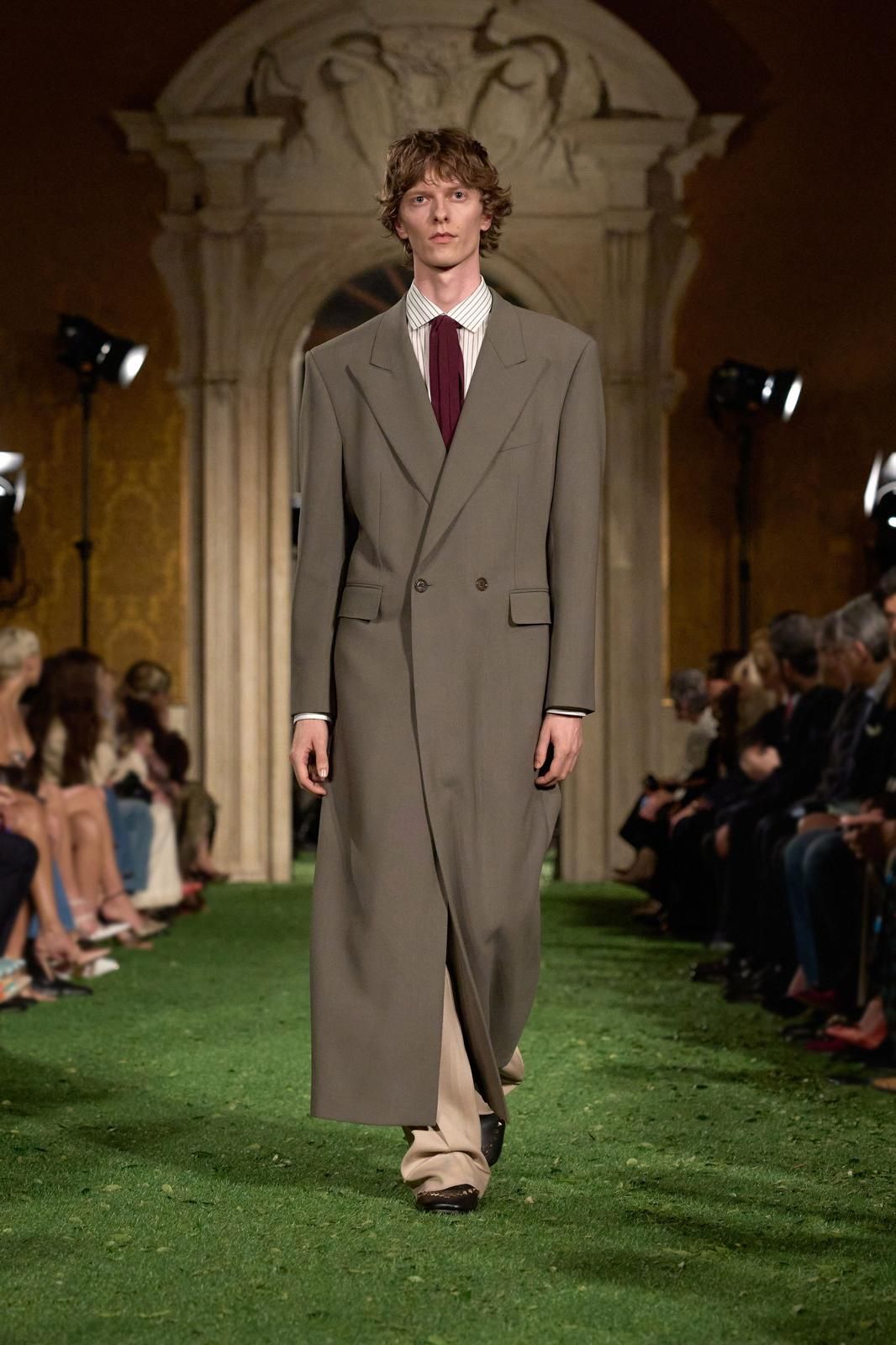
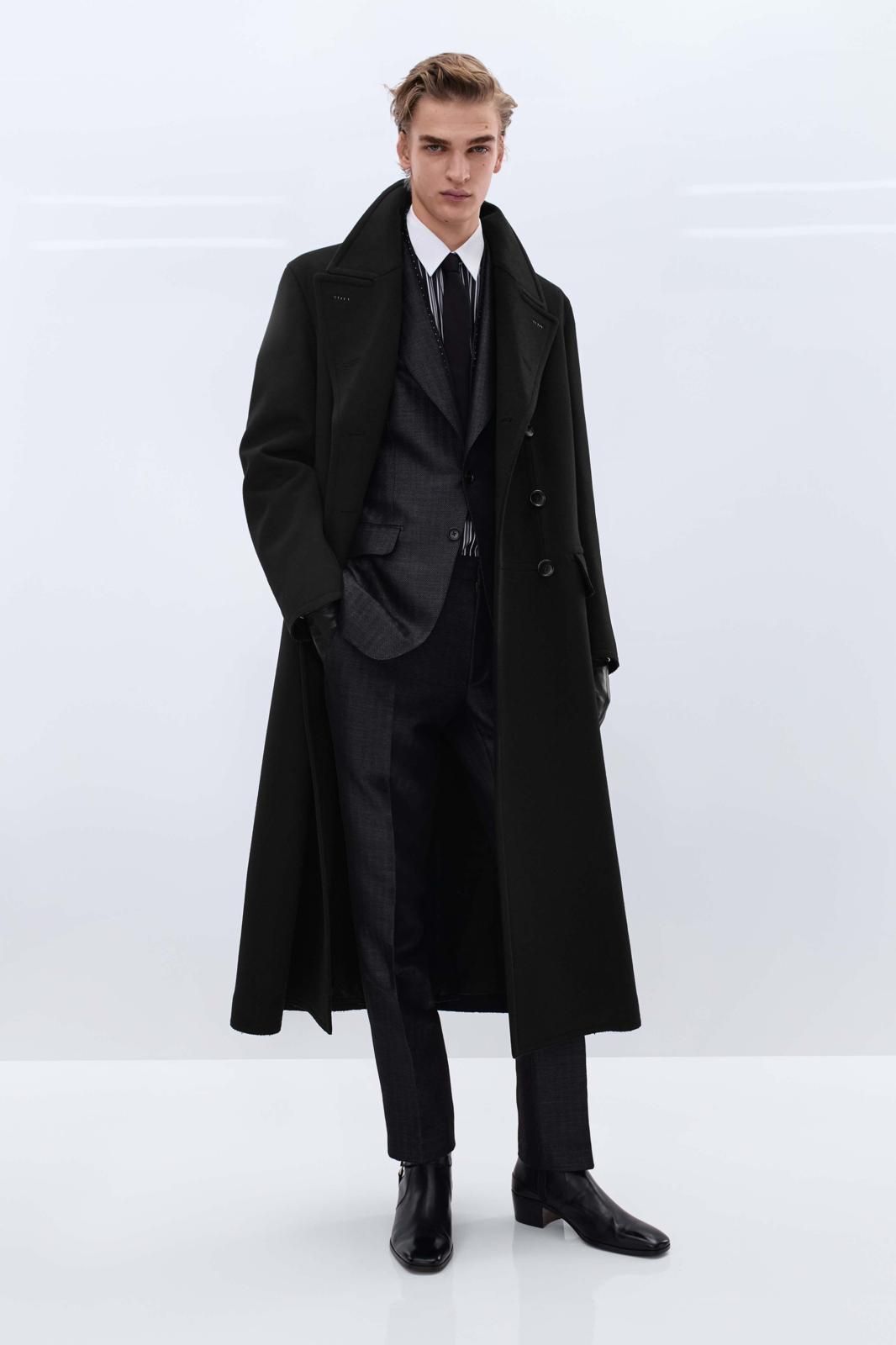
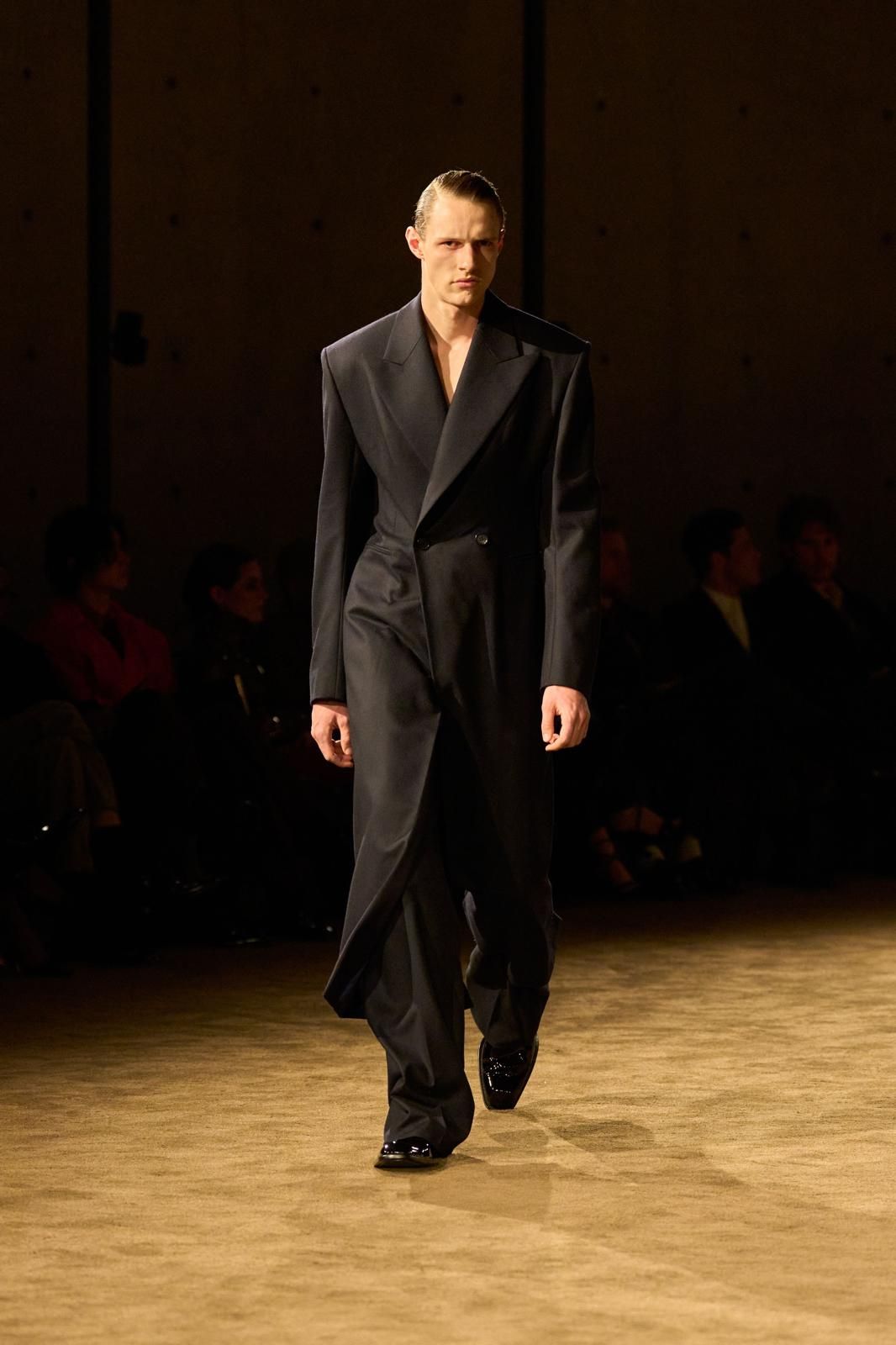
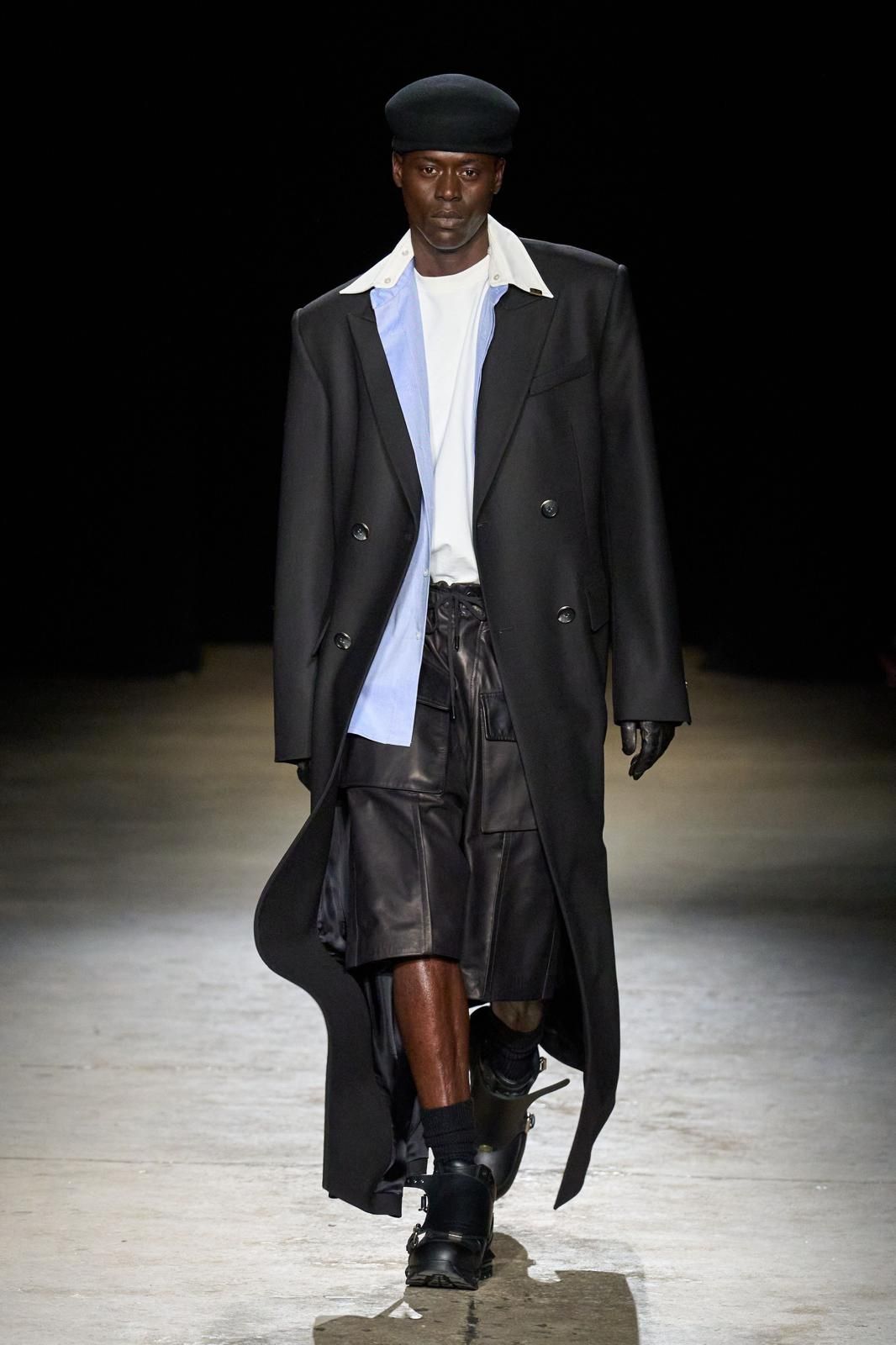
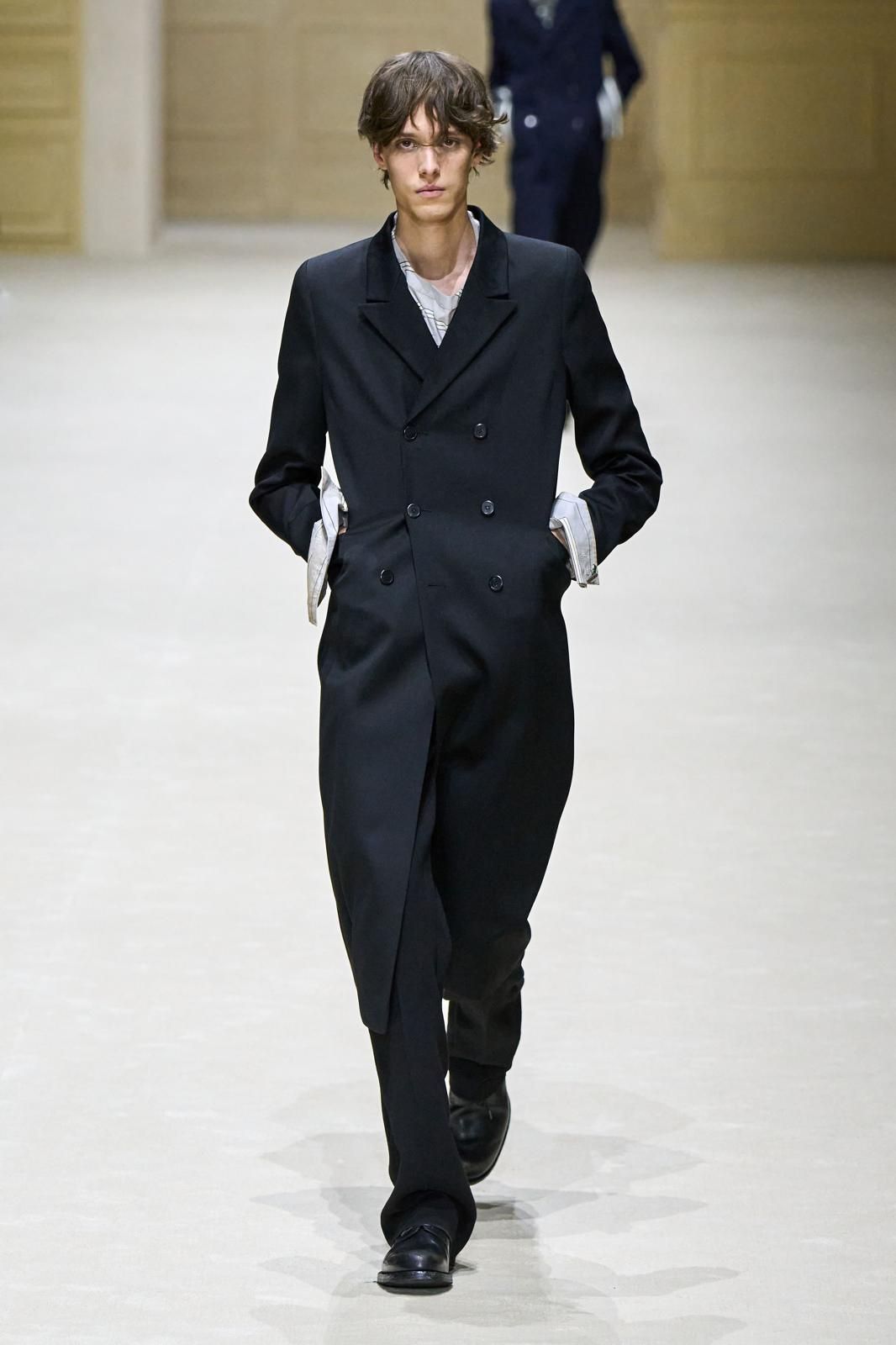
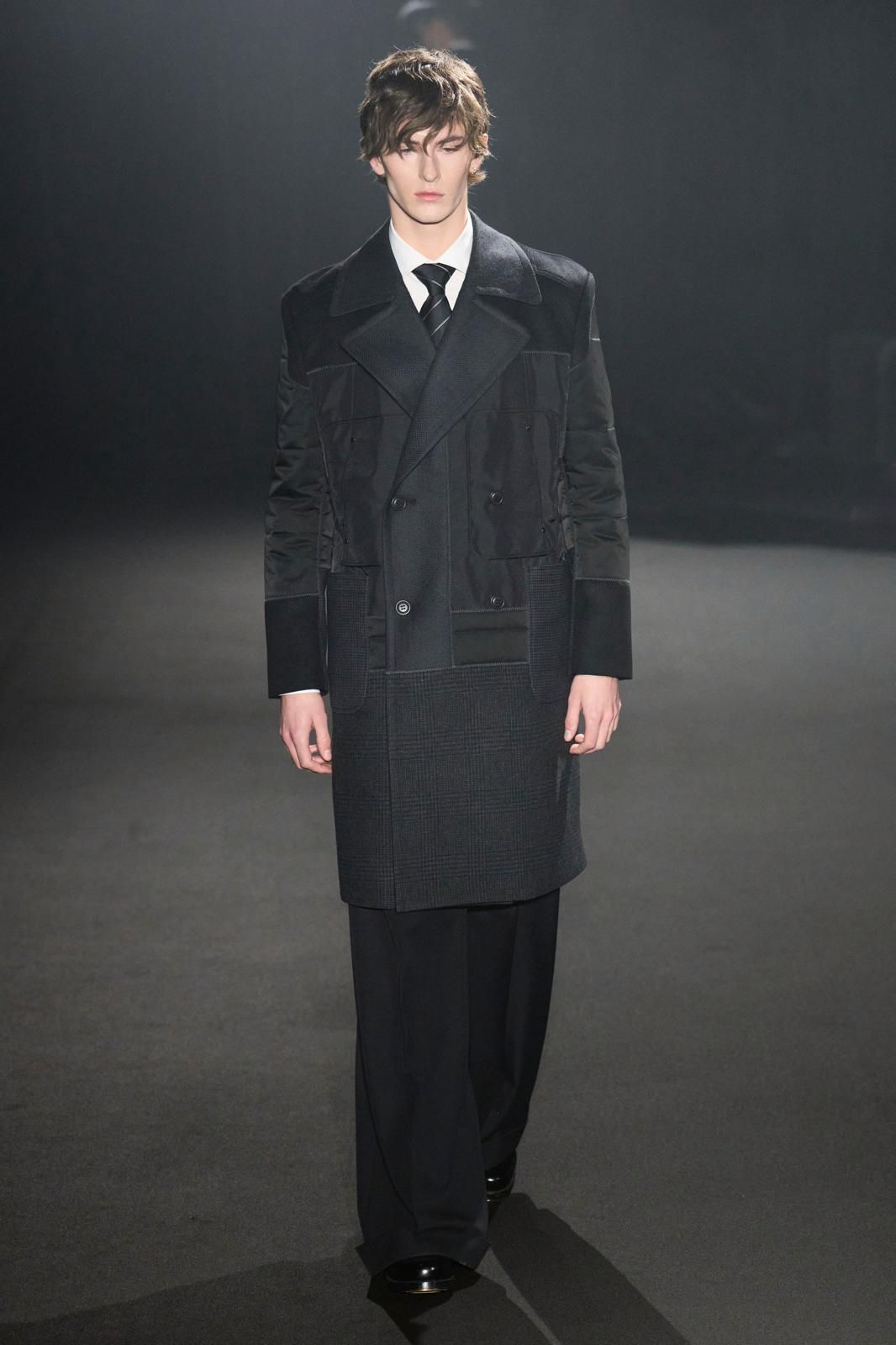
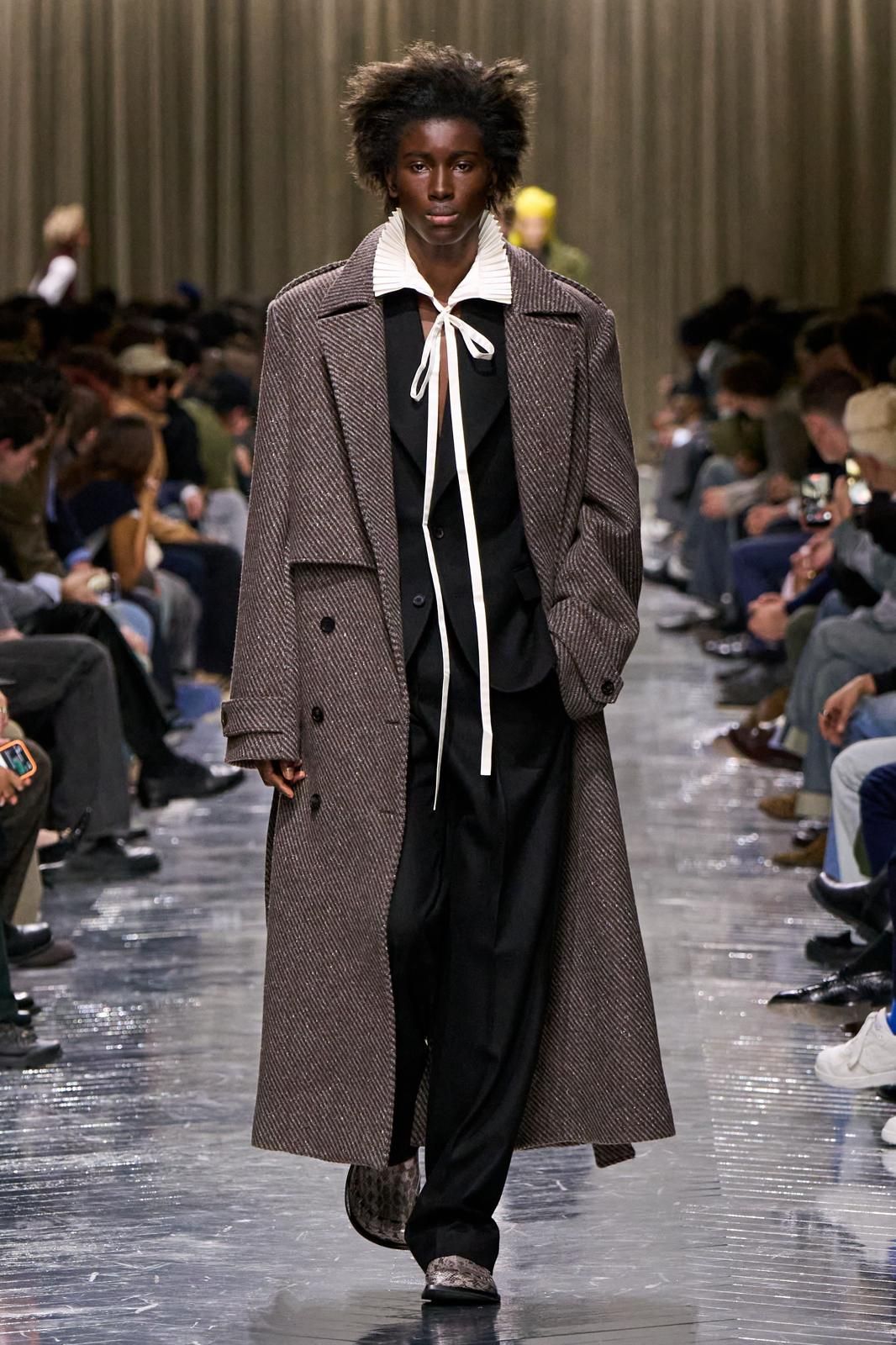
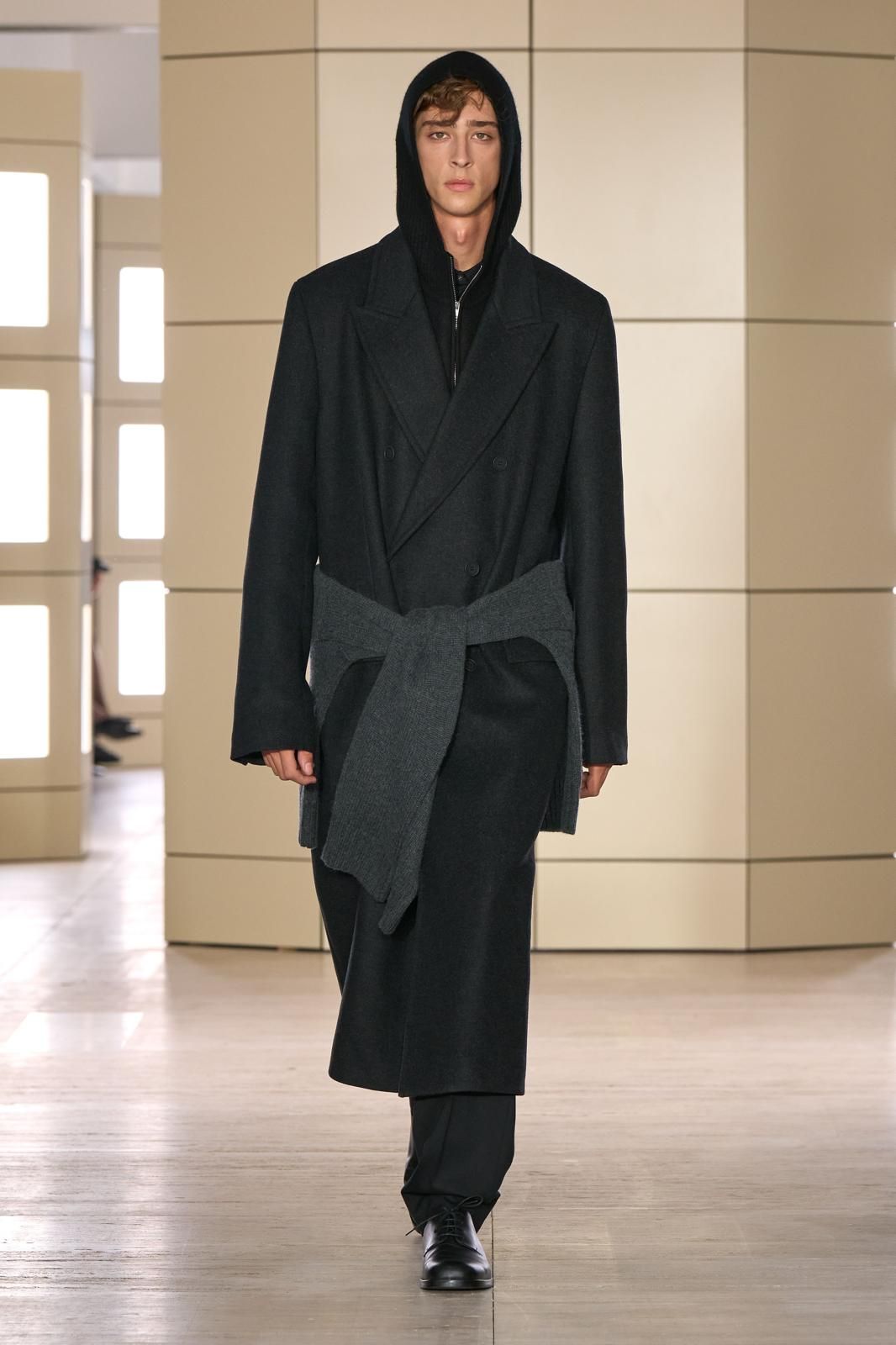
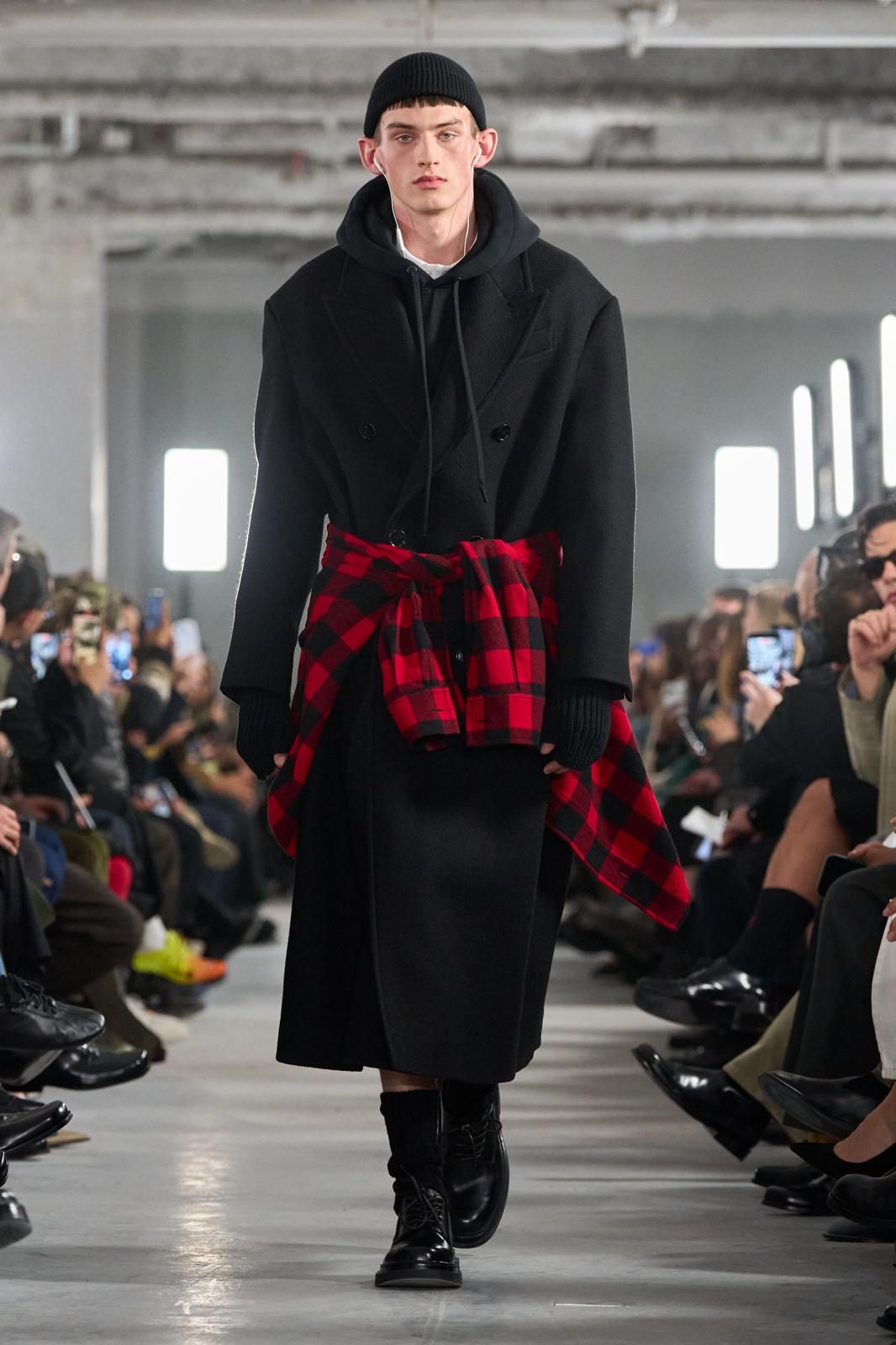
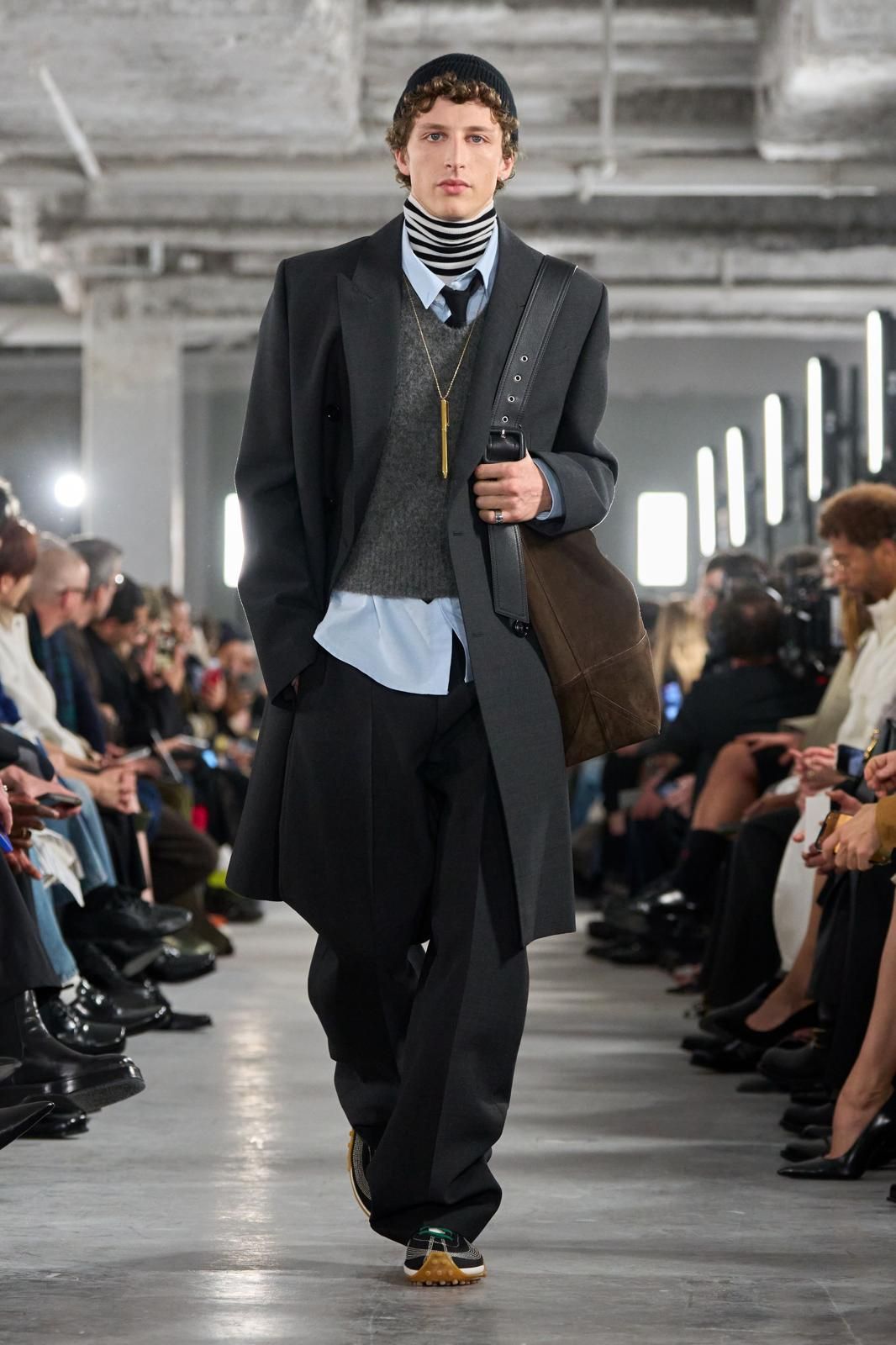
The double-breasted coat visually amplifies the chest and creates a sharp silhouette through the overlapping of the front panels, two parallel rows of buttons — usually four or six — and wide peaked lapels that point toward the shoulders. It has always been the coat of choice for figures of authority: think of the winter outerwear worn by certain military orders and armed forces, or the many politicians and royals who almost invariably wear knee-length versions of the garment.
Judging by the runways, the most widespread interpretation of the double-breasted coat is the so-called dramacoat: from Valentino to Dior Men to Tom Ford and Prada, regardless of whether the silhouette swings between a slim cut and an oversized one, the length drops almost to the ankles.
If you want to soften the rigidity of the double-breasted coat, you can play with different types of layering: layering a light blue shirt over a striped turtleneck, as seen at Ami Paris, or tying a check shirt or a double sweater over the coat. And if classic navy or black seem like too obvious a choice, you can opt for patchwork variations, like those proposed by Junya Watanabe, or herringbone fabrics as seen in the latest collection from Zegna.
The loden coat
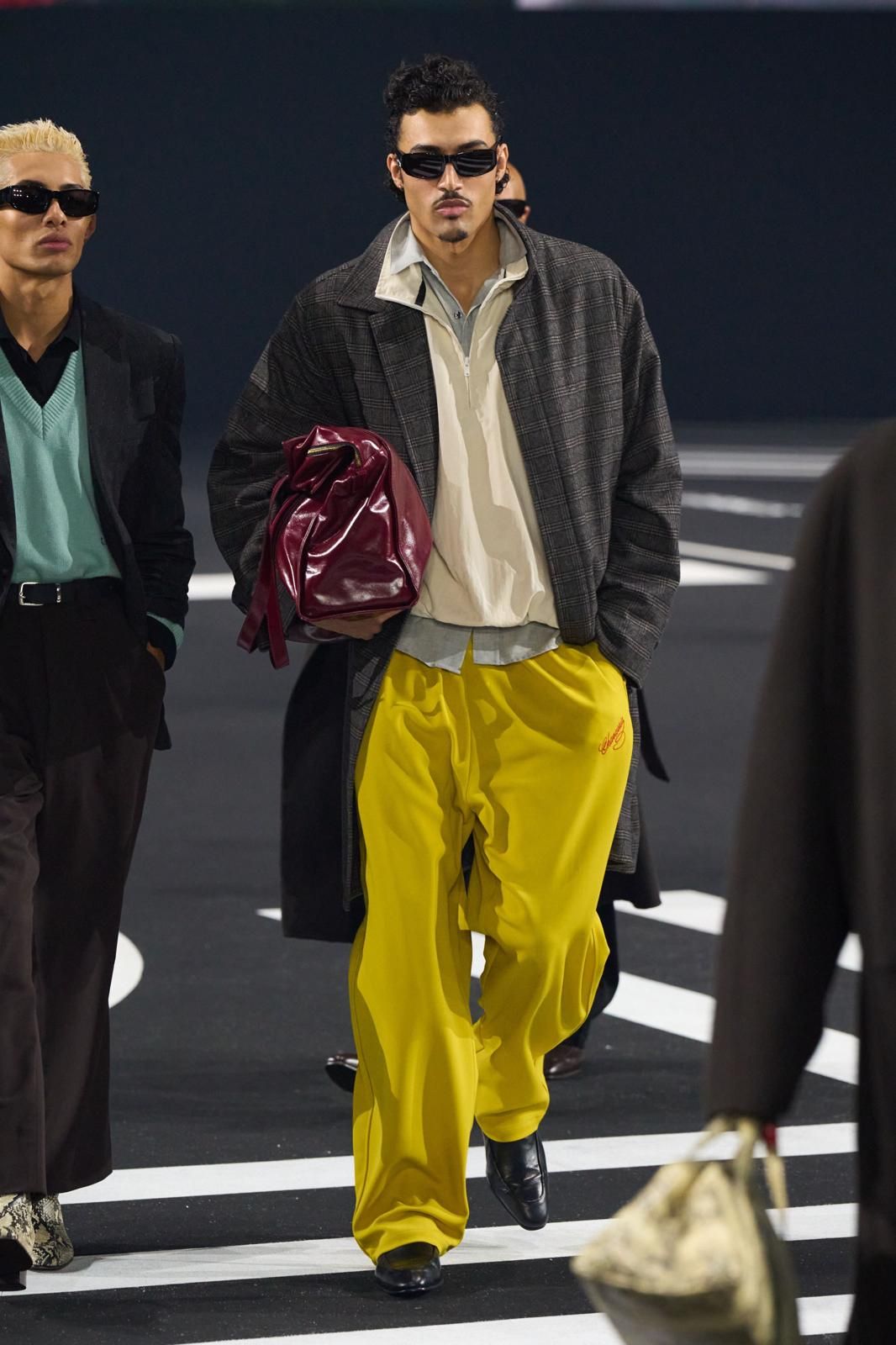
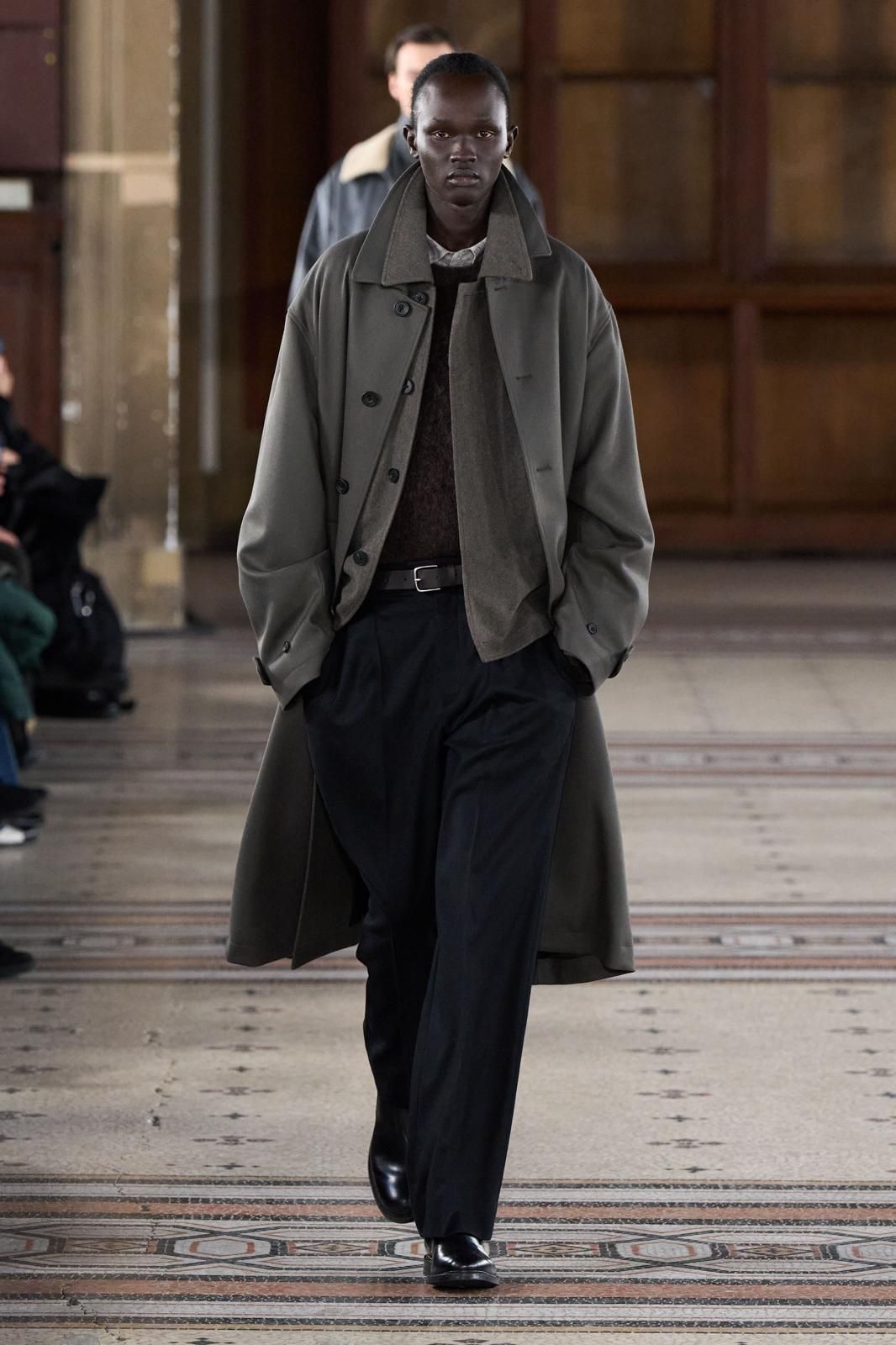
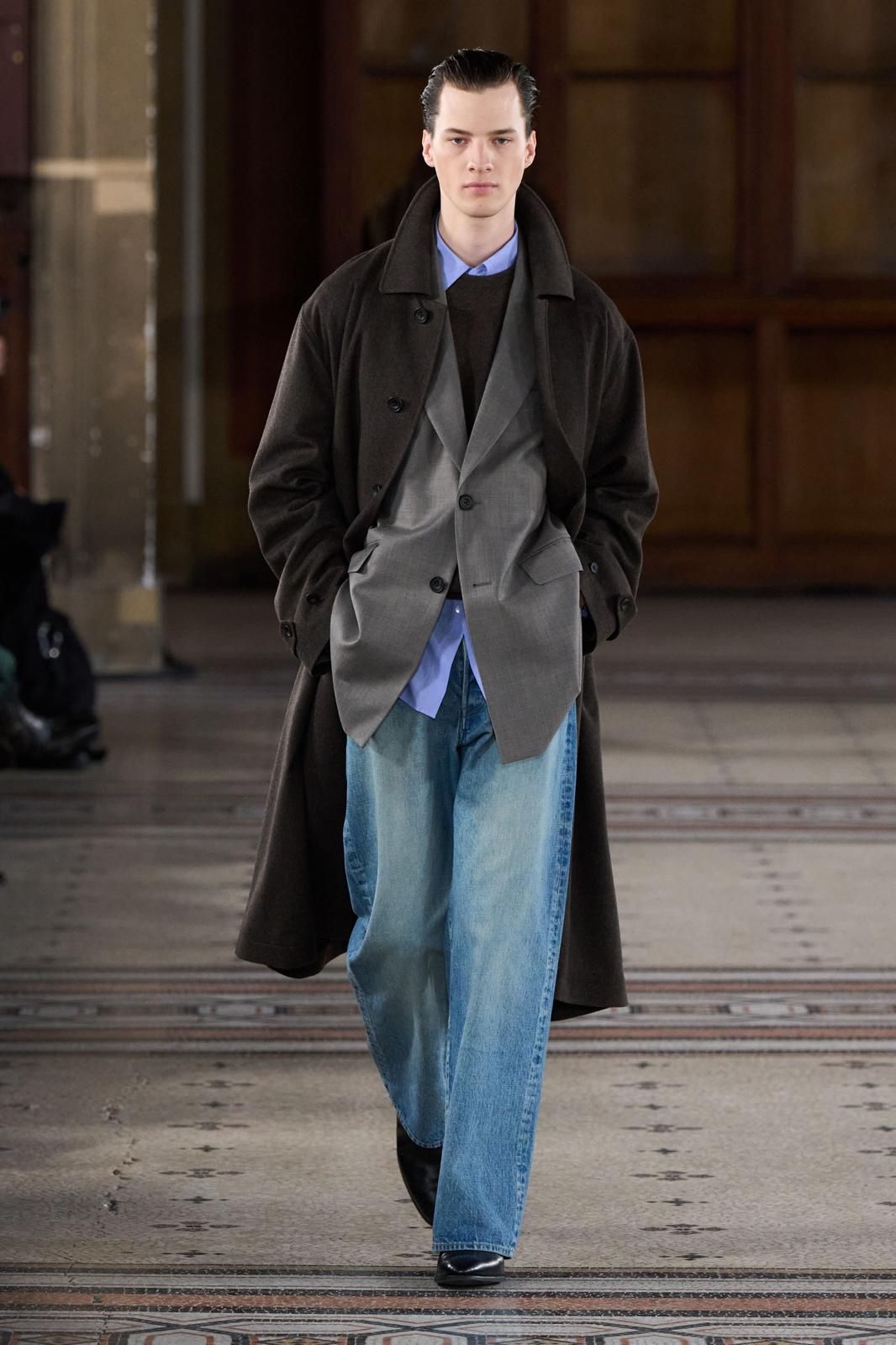
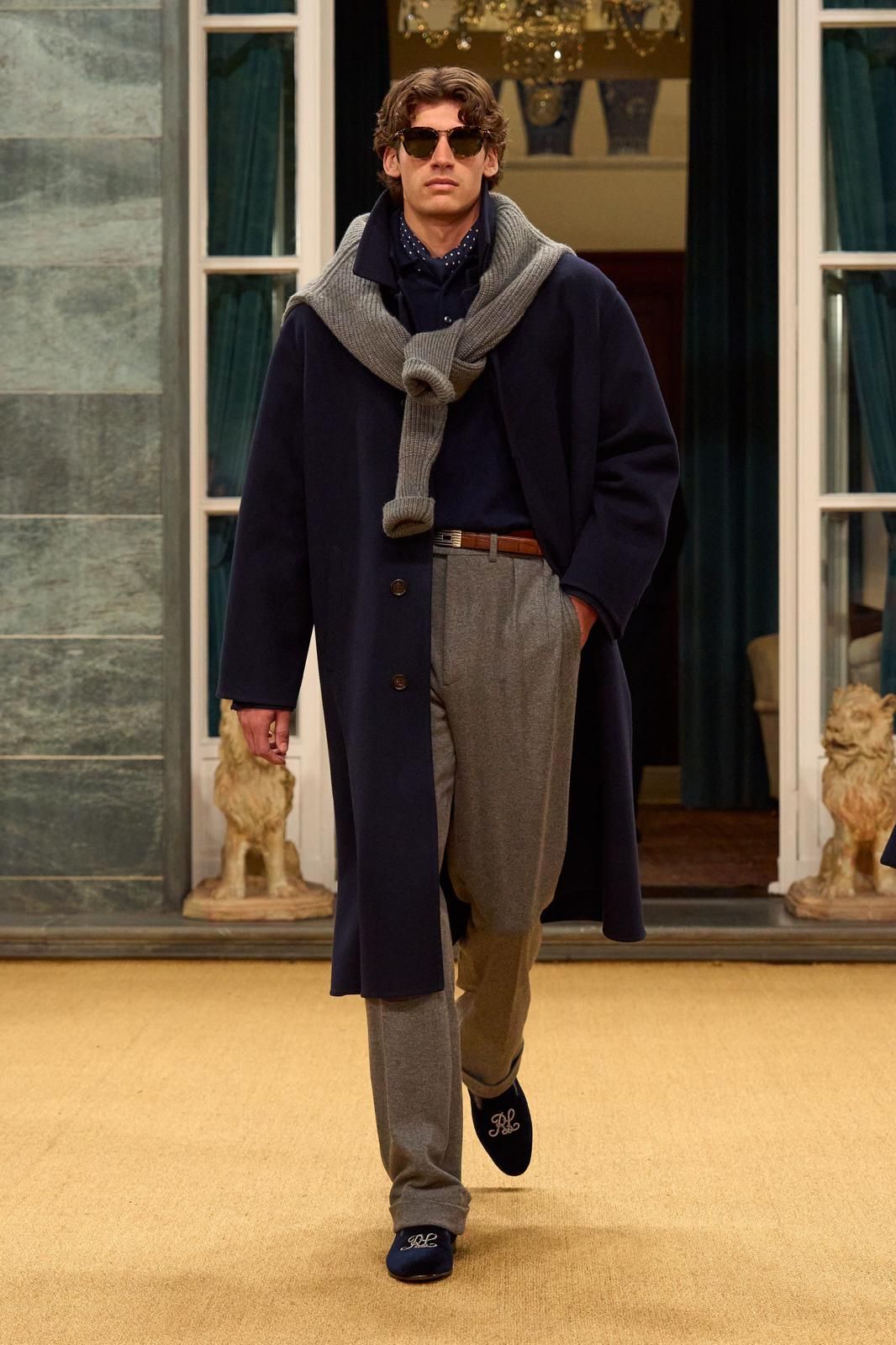
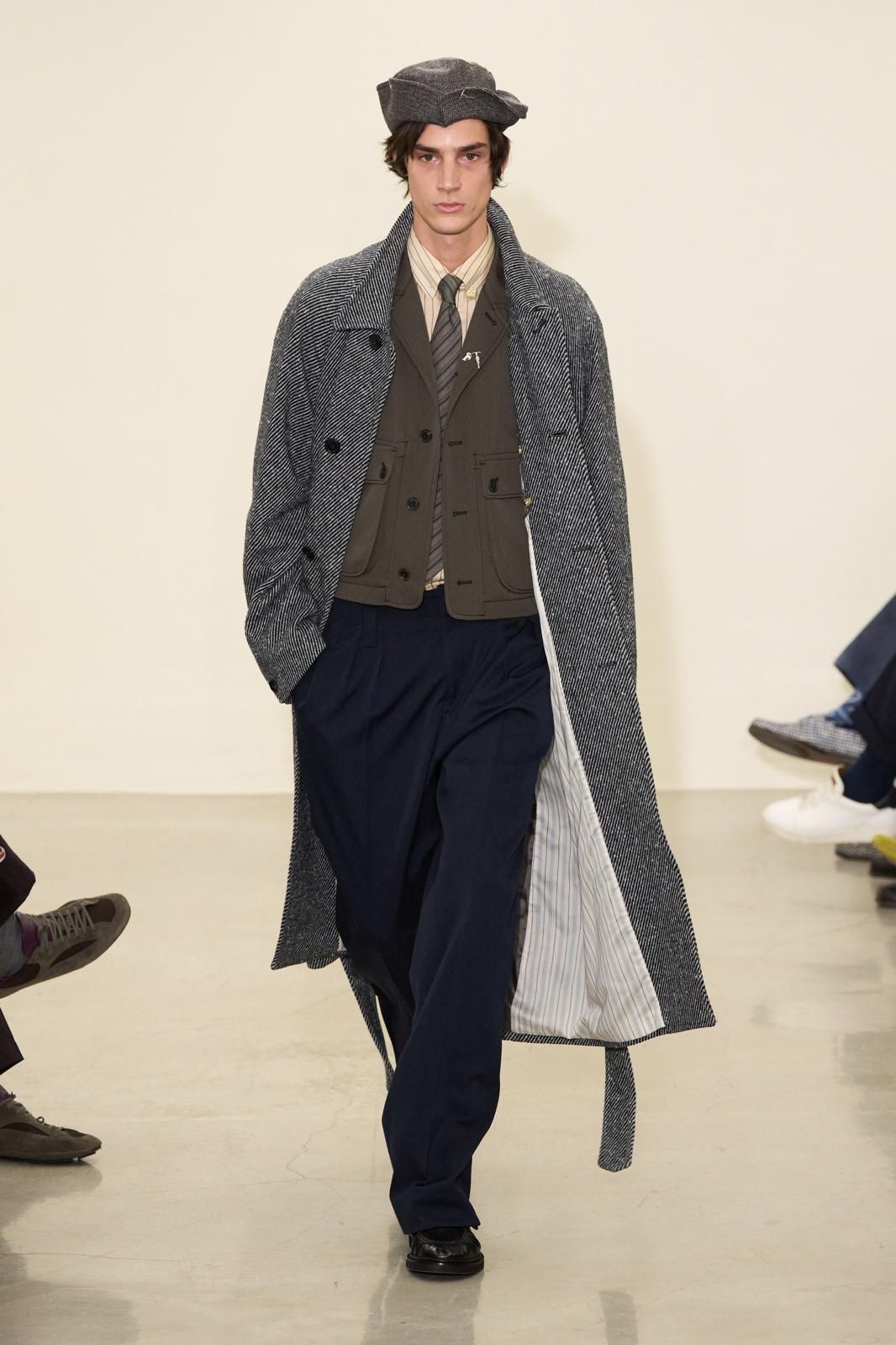
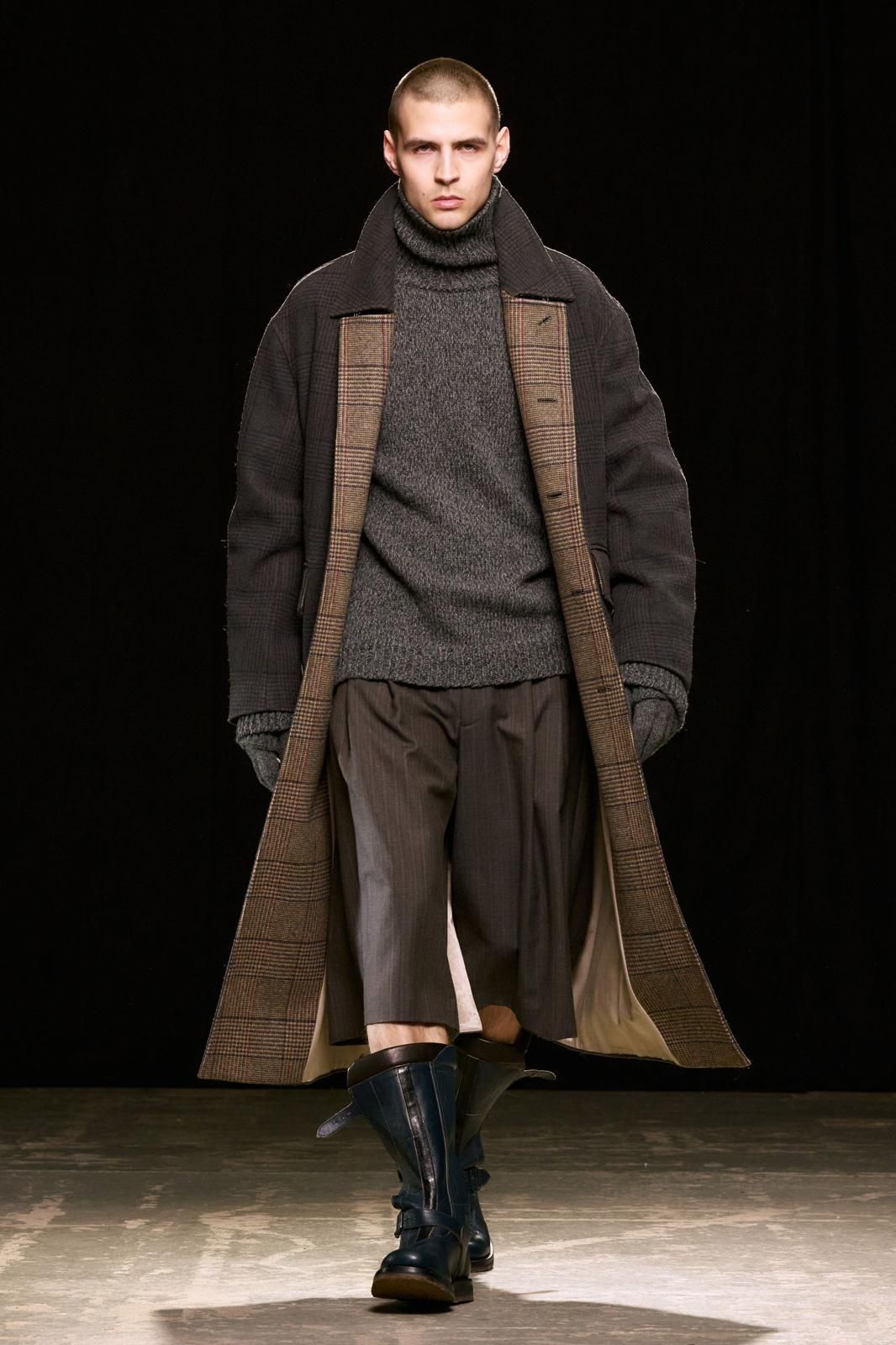
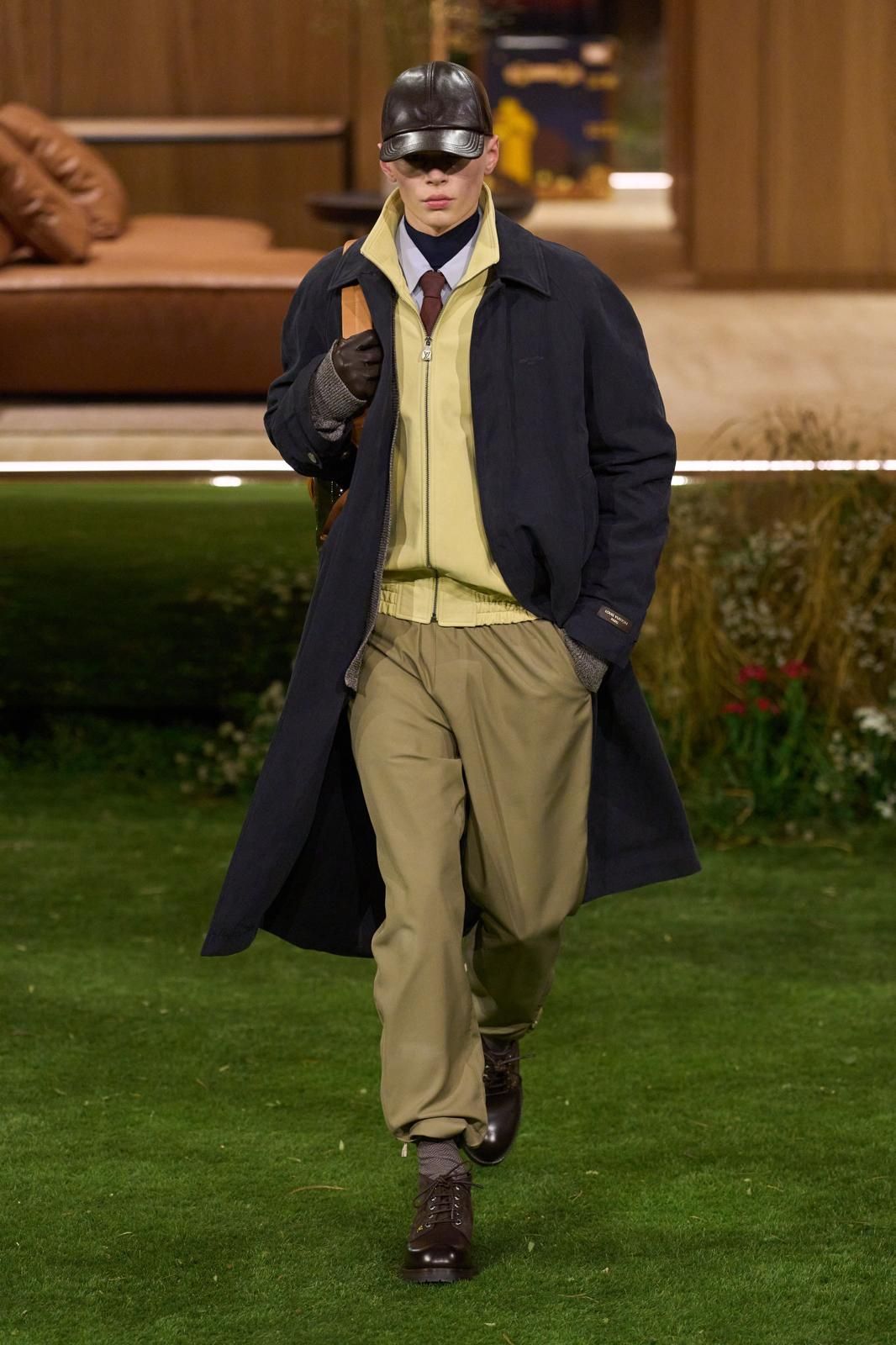
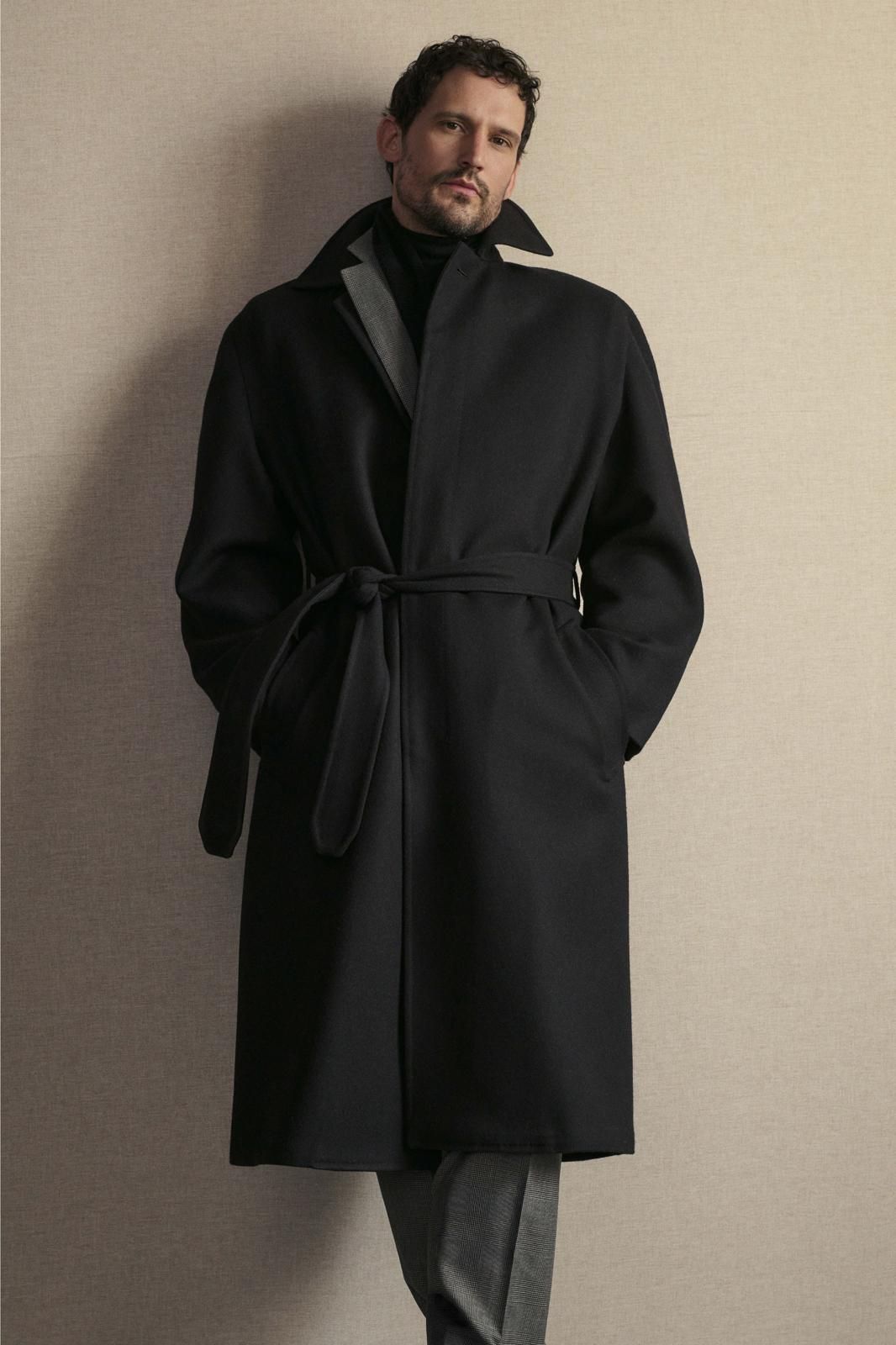
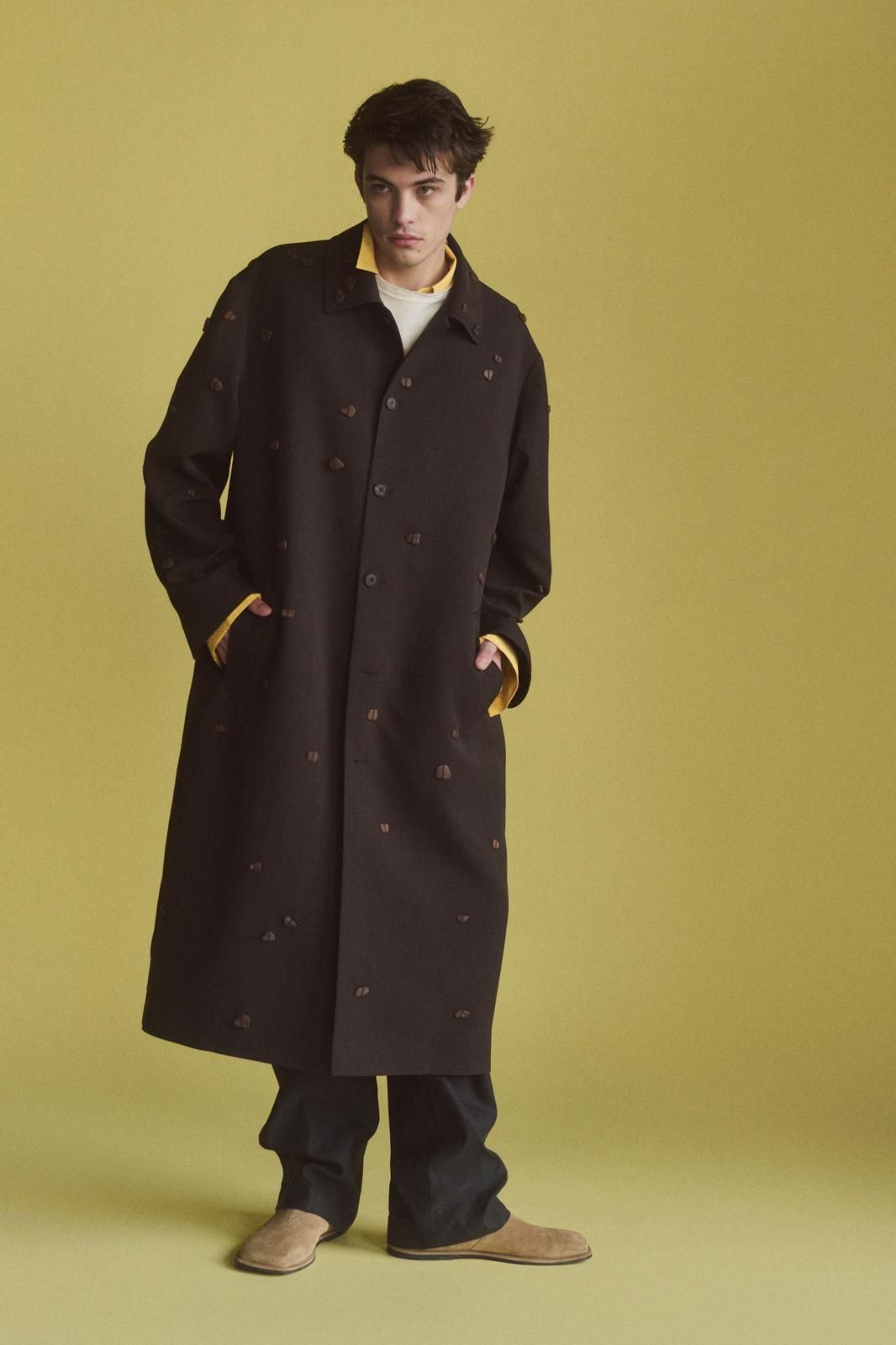
The loden is the most versatile outerwear piece in the winter wardrobe. The secret lies in its construction: made from a milled and felted wool cloth that makes it naturally water-resistant and windproof, it is recognisable by its soft raglan shoulders, low collar, buttons in wood or braided leather, and the characteristic central back pleat — the so-called cannon — designed to allow maximum freedom of movement. Today, precisely because of its indestructibility, it is one of the most sought-after and coveted pieces on the second-hand market.
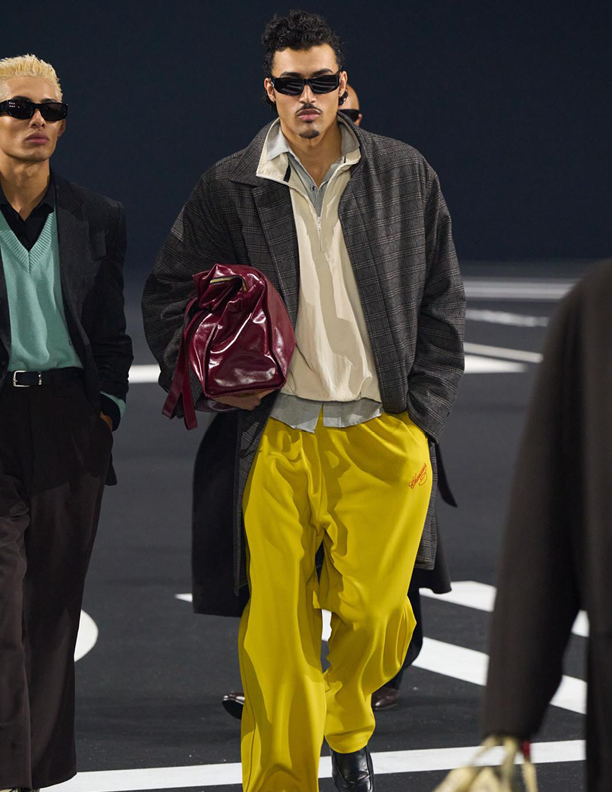
Beyond the traditional forest-green versions with an integrated waist belt, the runways have shown how the loden is the easiest coat to adapt to completely contrasting style registers. At Louis Vuitton and Paul Smith, for example, it appears in perfectly put-together preppy outfits, while Willy Chavarria upends its classic nature by pairing it with a zip-up hoodie and soft sweatpants. Here too, brands offer style tips to temper the garment's apparent seriousness: SSSTEIN and Aubero play with collar layering, Brioni lets the lapel of a tailored jacket peek out nonchalantly from beneath the coat, while Ralph Lauren, in true old money style, casually ties a grey sweater over the shoulders of a navy loden.
The peacoat
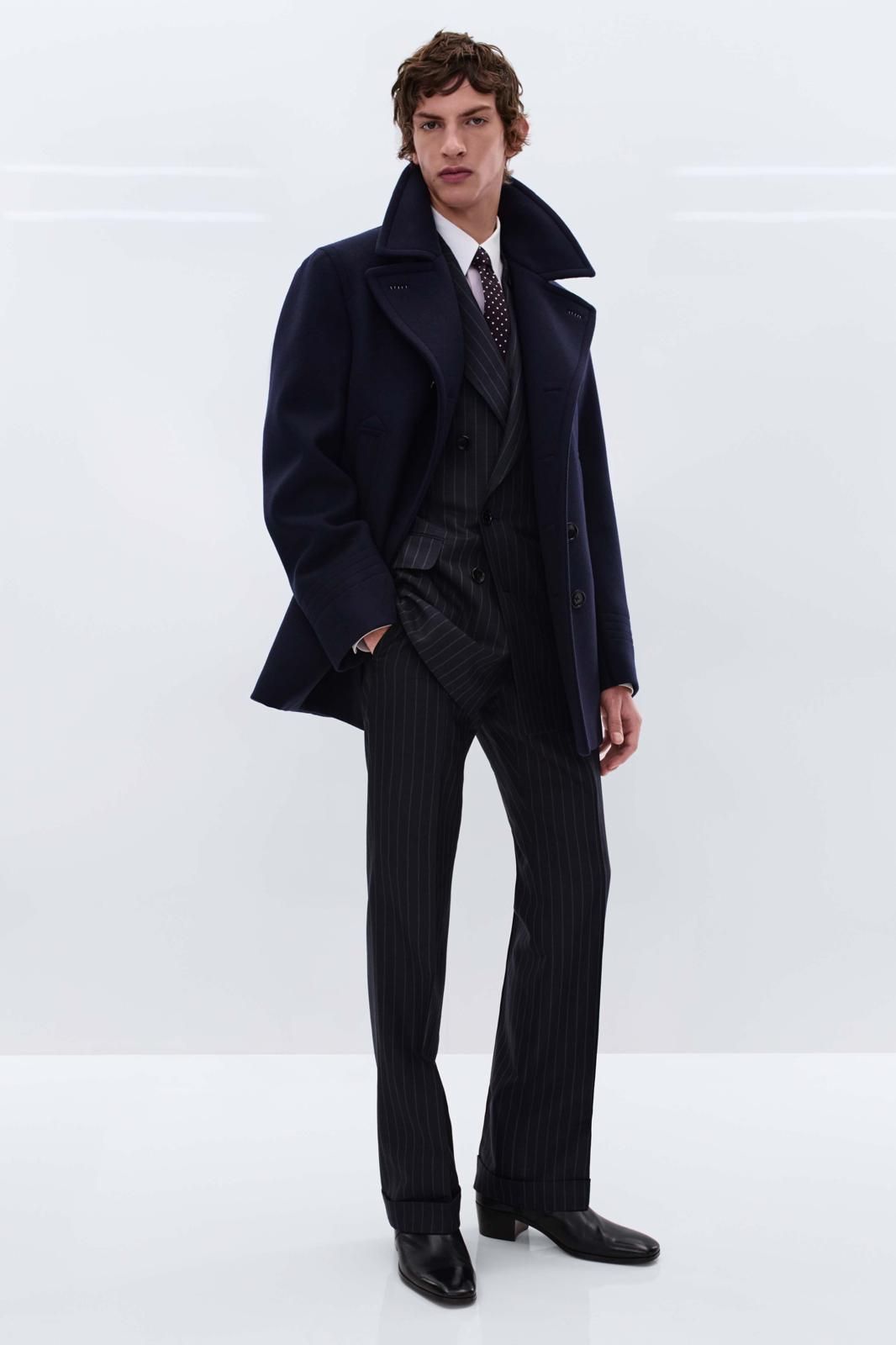
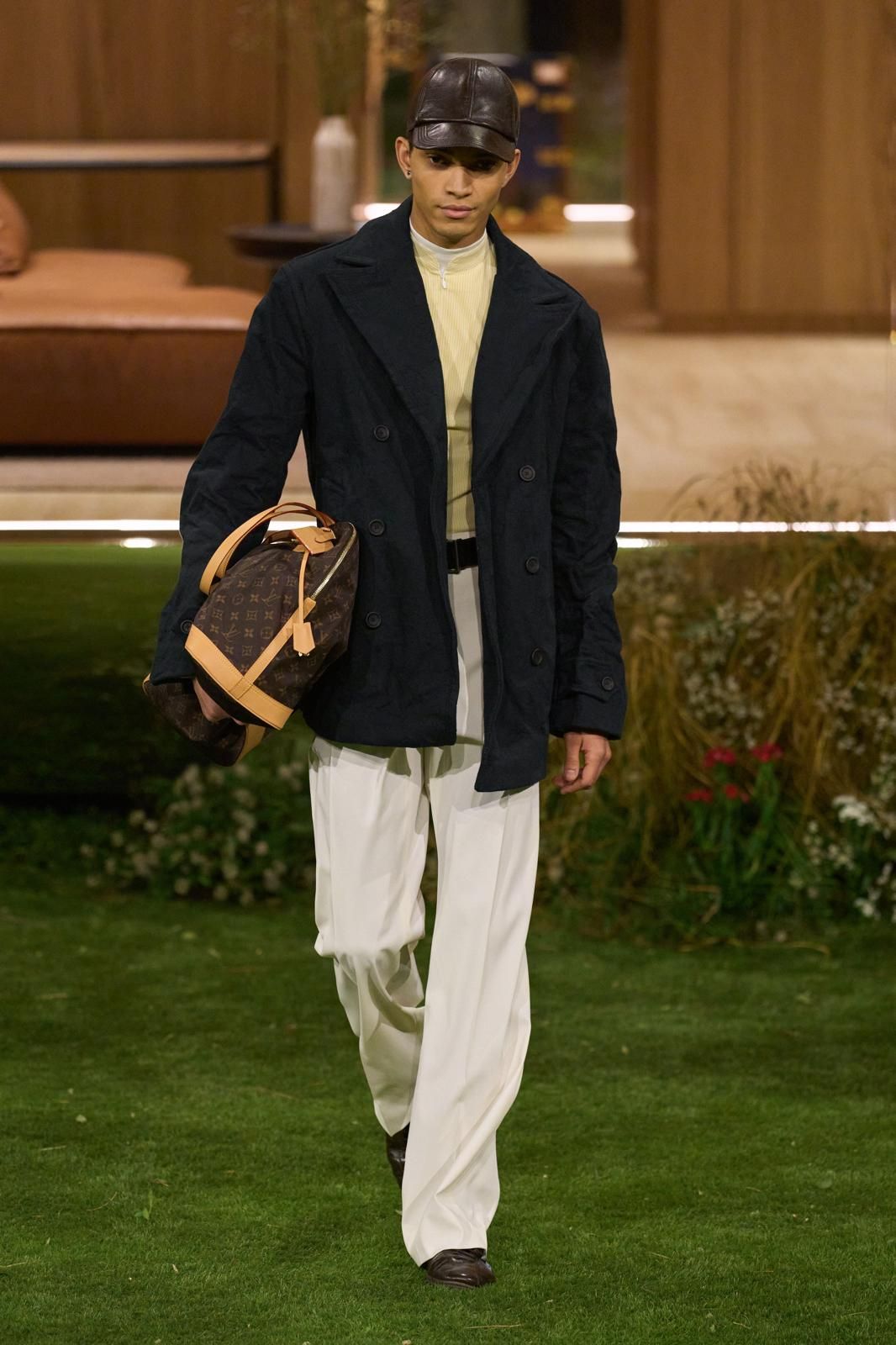
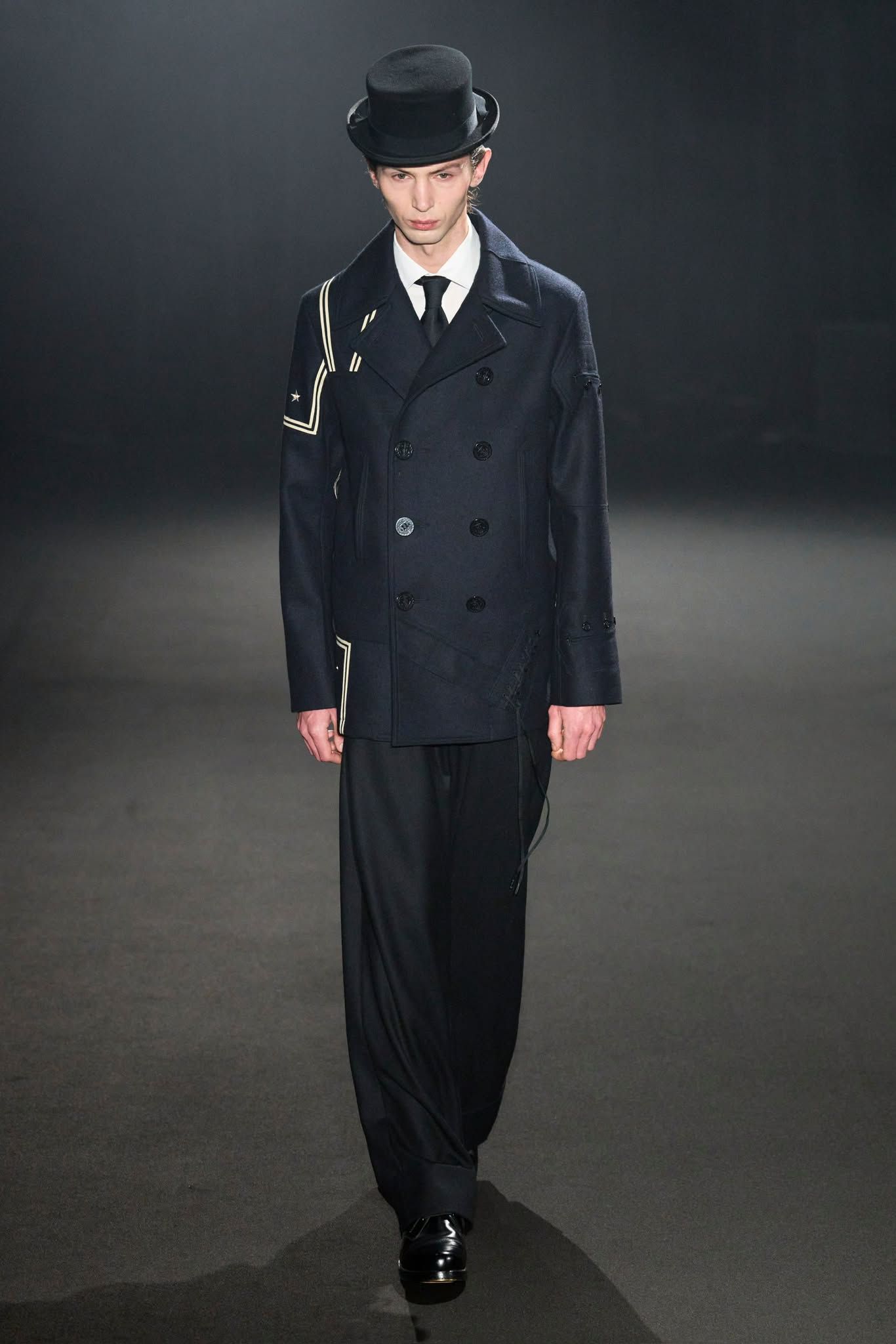
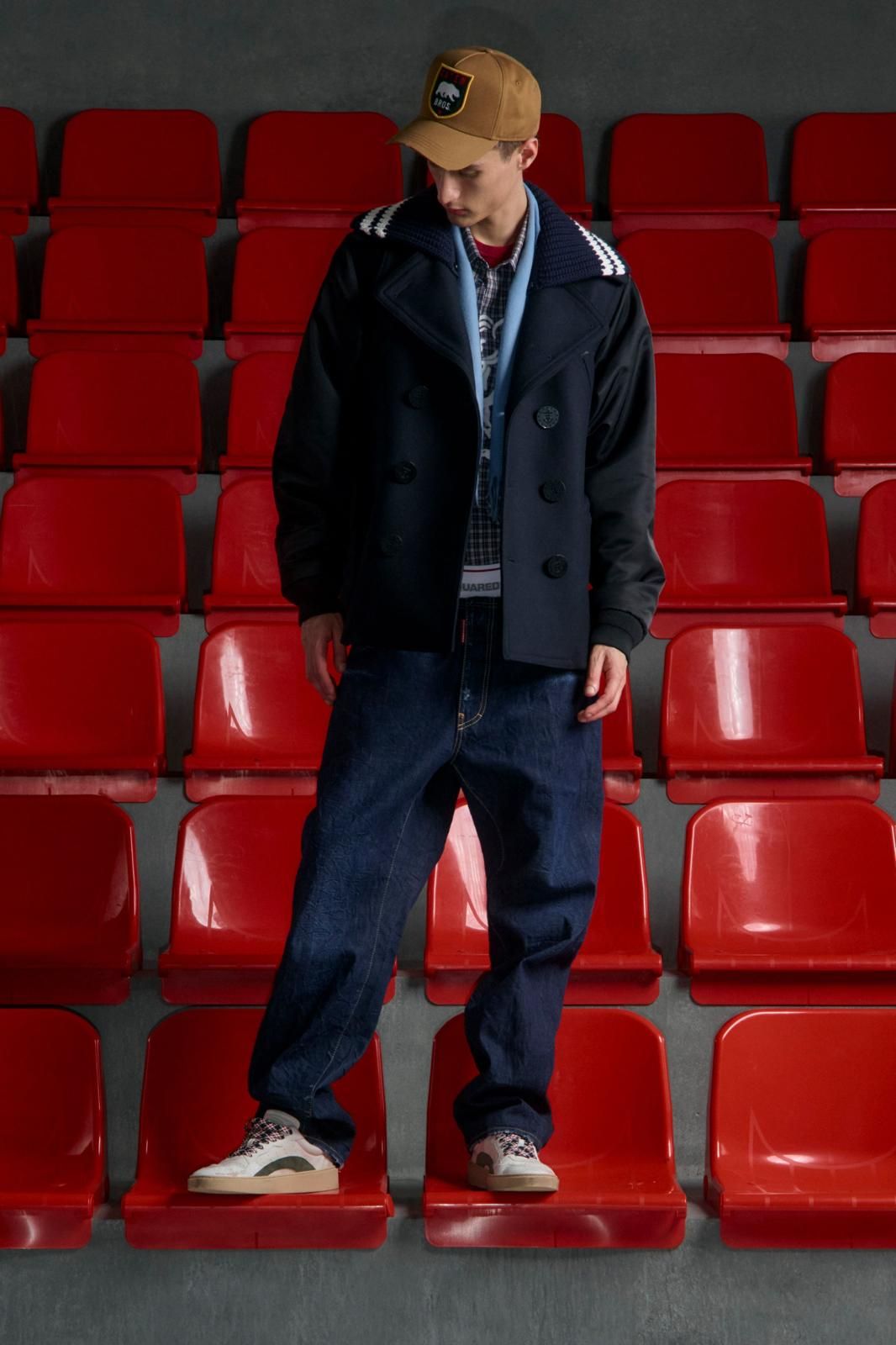
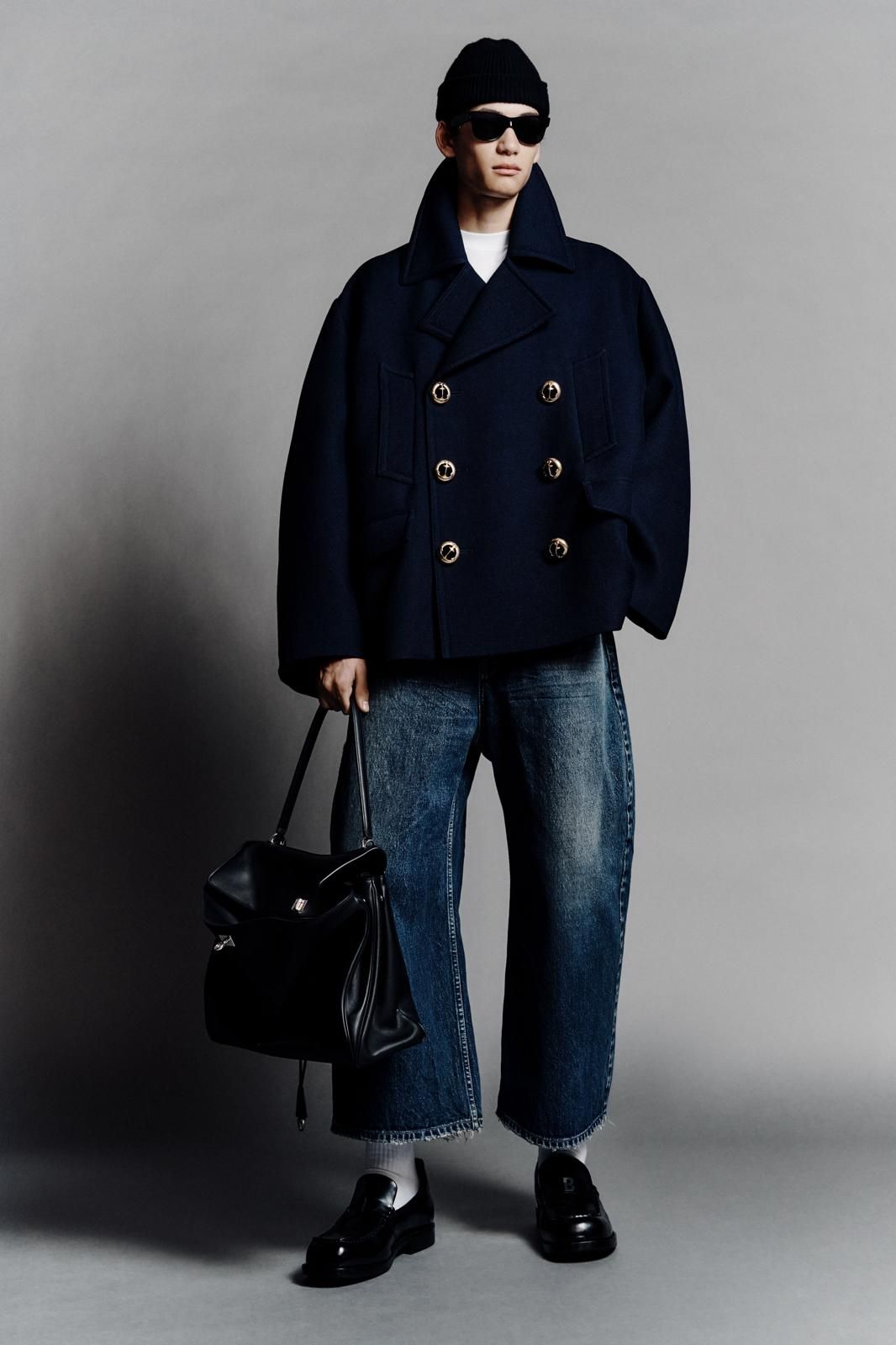
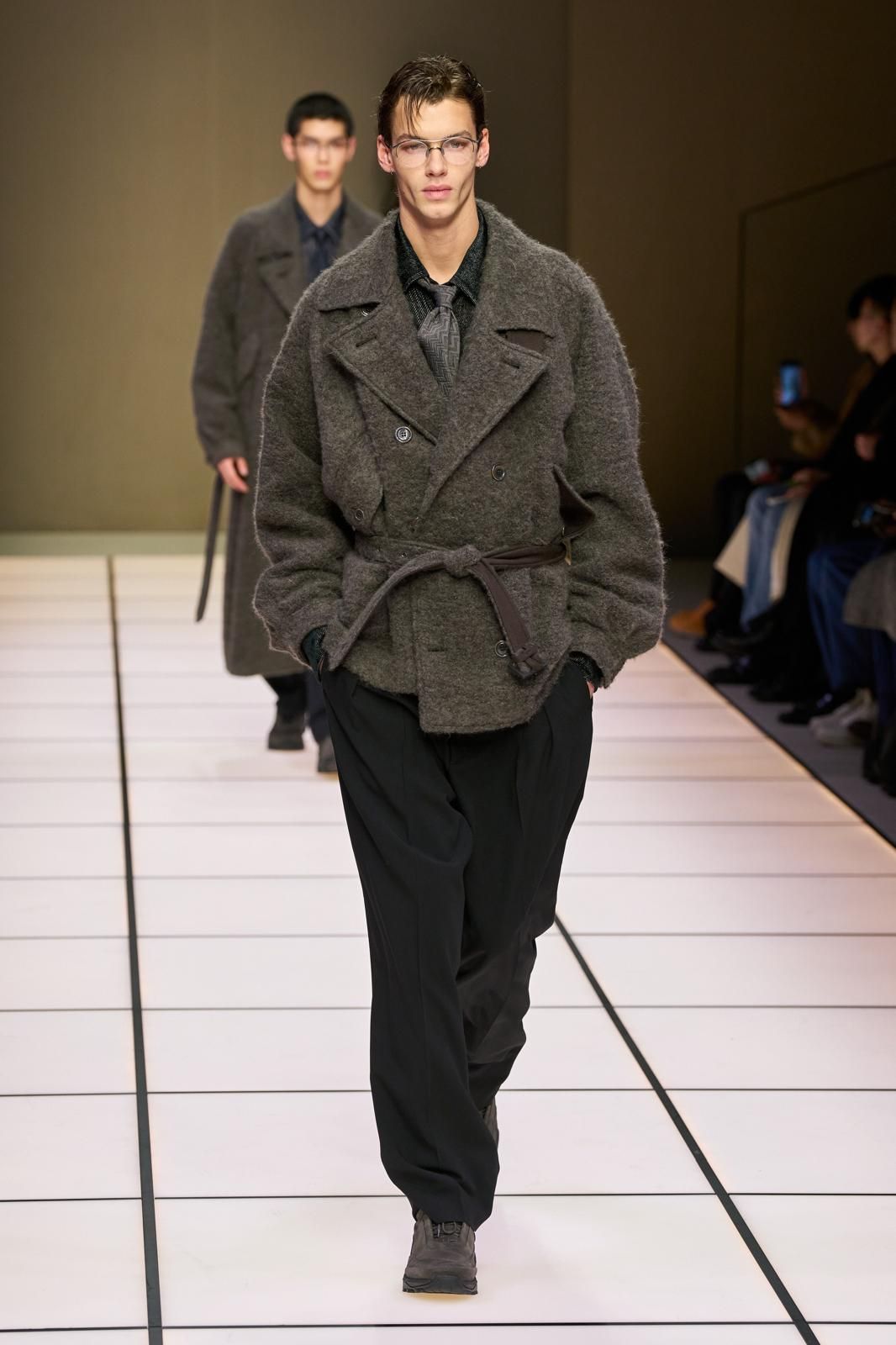
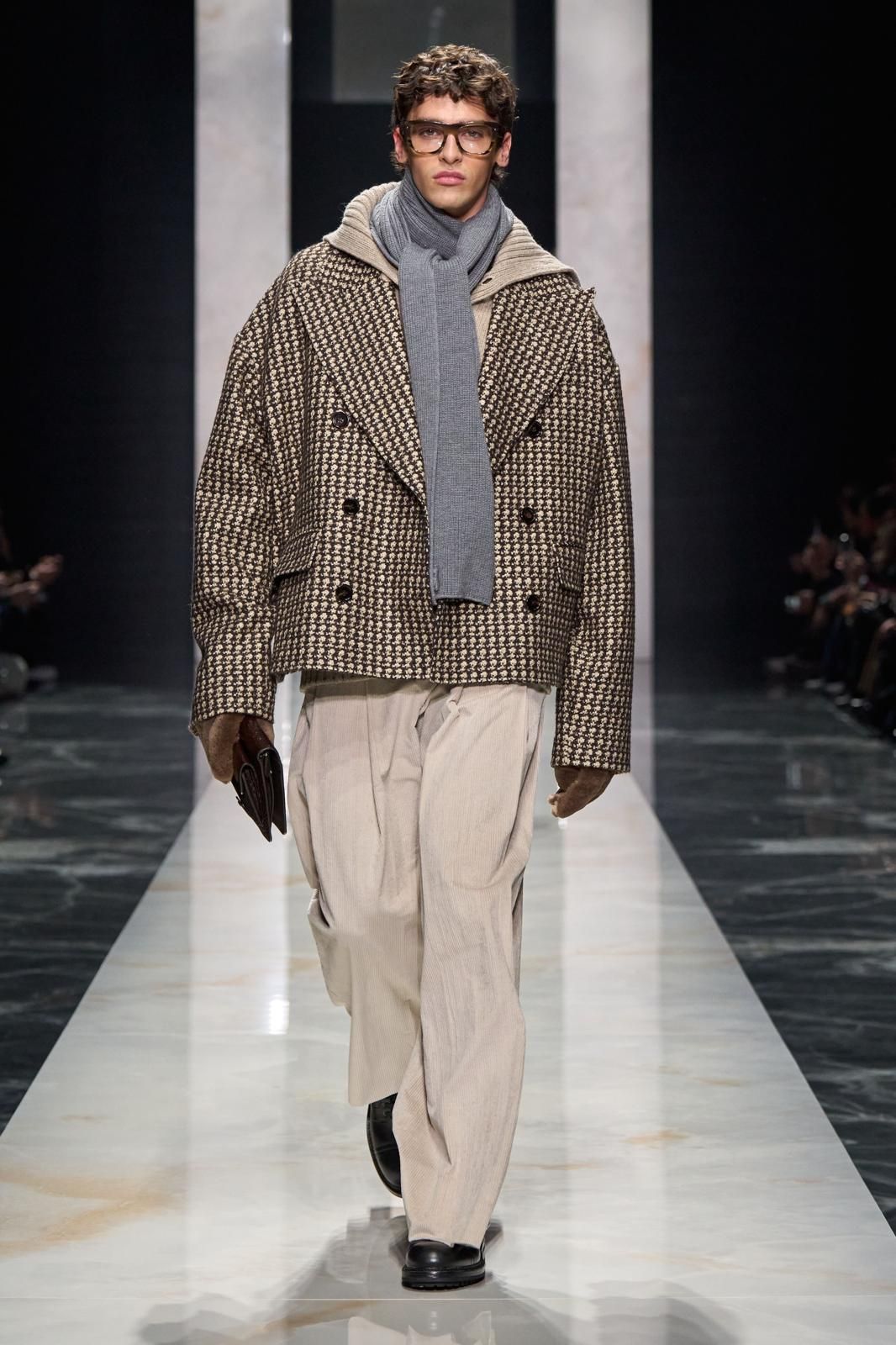
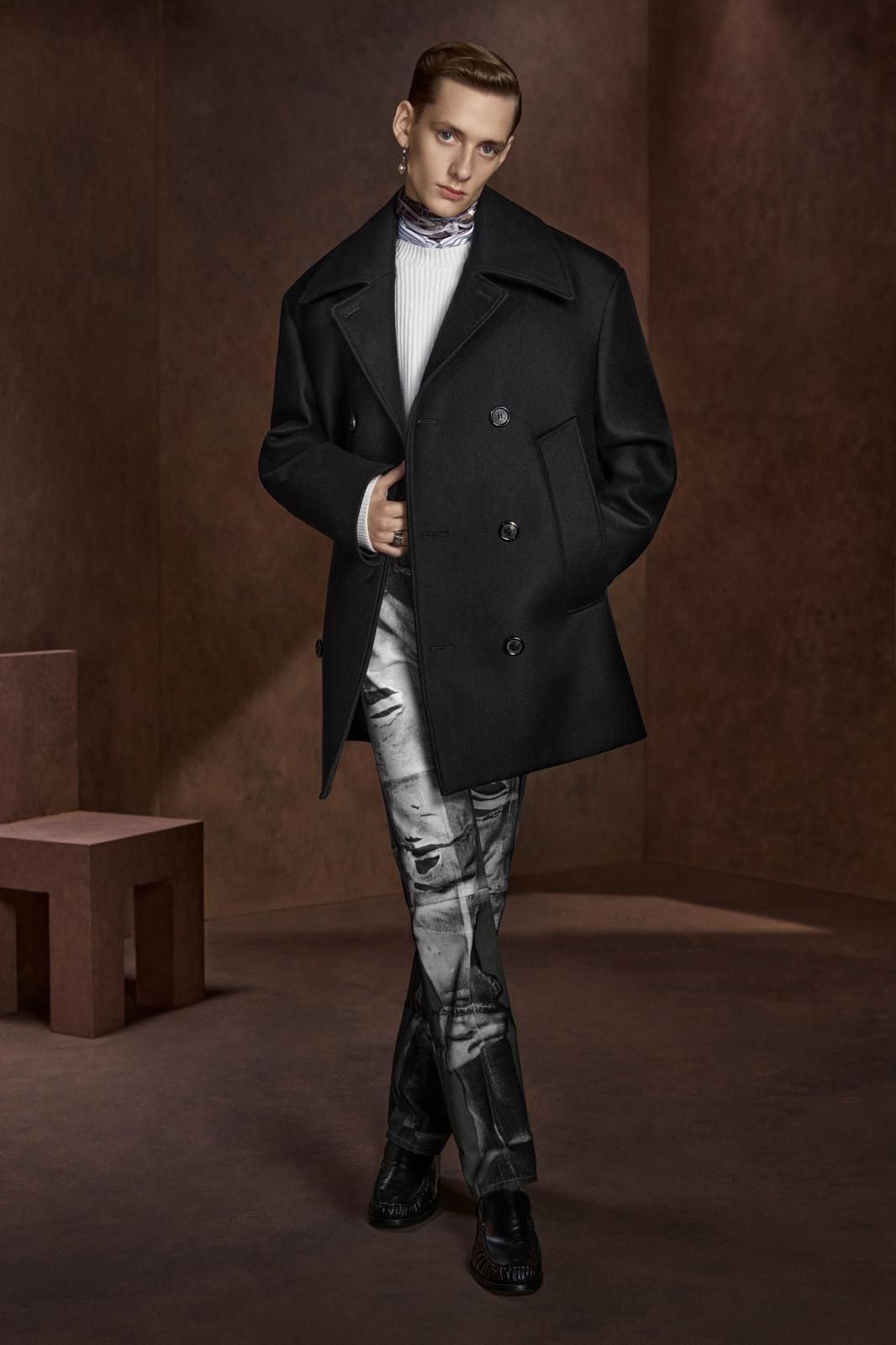
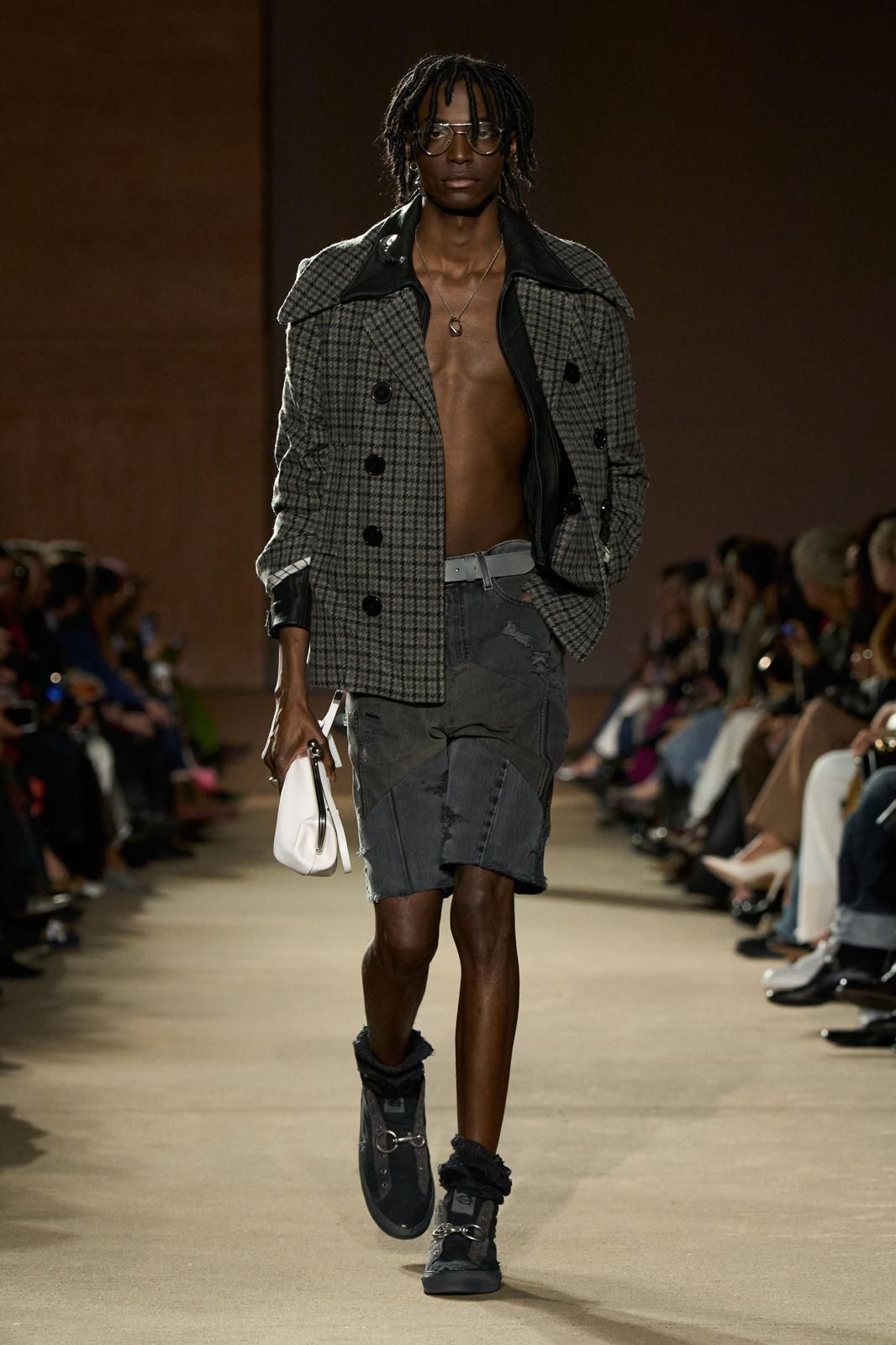
Born between the 17th and 18th centuries for Dutch sailors and later adopted by the British Royal Navy, another outerwear piece that cyclically reclaims the spotlight is the peacoat, often also called a caban. It's worth making a small terminological distinction, however: although the two terms are used almost interchangeably today, the peacoat refers specifically to the double-breasted military jacket in heavy wool, with wide lapels designed to be turned up against the wind and vertical hand-warmer pockets; the caban, on the other hand, defines a broader category of short overcoats, which may also feature single-breasted closures or softer cuts.
On TikTok, many creators are pushing toward an even more cropped and boxy reinterpretation of this style, often featuring a raised collar (funnel neck), favouring it over the traditional silhouette that falls just below the hips with its classic double lapels. The comeback of this outerwear piece also seems tied to a very specific pop-cultural and cinematic imaginary, ranging from Robert Pattinson in Twilight to the James Bond portrayed by Daniel Craig.
Whether you choose it in shades of felted grey, as seen at Giorgio Armani, or in the more classic navy blue proposed by Balenciaga, the peacoat or caban remains the ideal option for those who don't want to completely hide their outfit beneath a long overcoat, or, quite simply, for those who aren't particularly tall and are looking for a cut capable of elongating the figure without overwhelming it.
What to read next
Have luxury boutiques turned into museums?
From Prada to Gentle Monster, more and more brands are turning their stores into exhibition spaces

Willy Chavarria makes his debut in leather goods
The American designer has unveiled his first handbag collection made in Italy