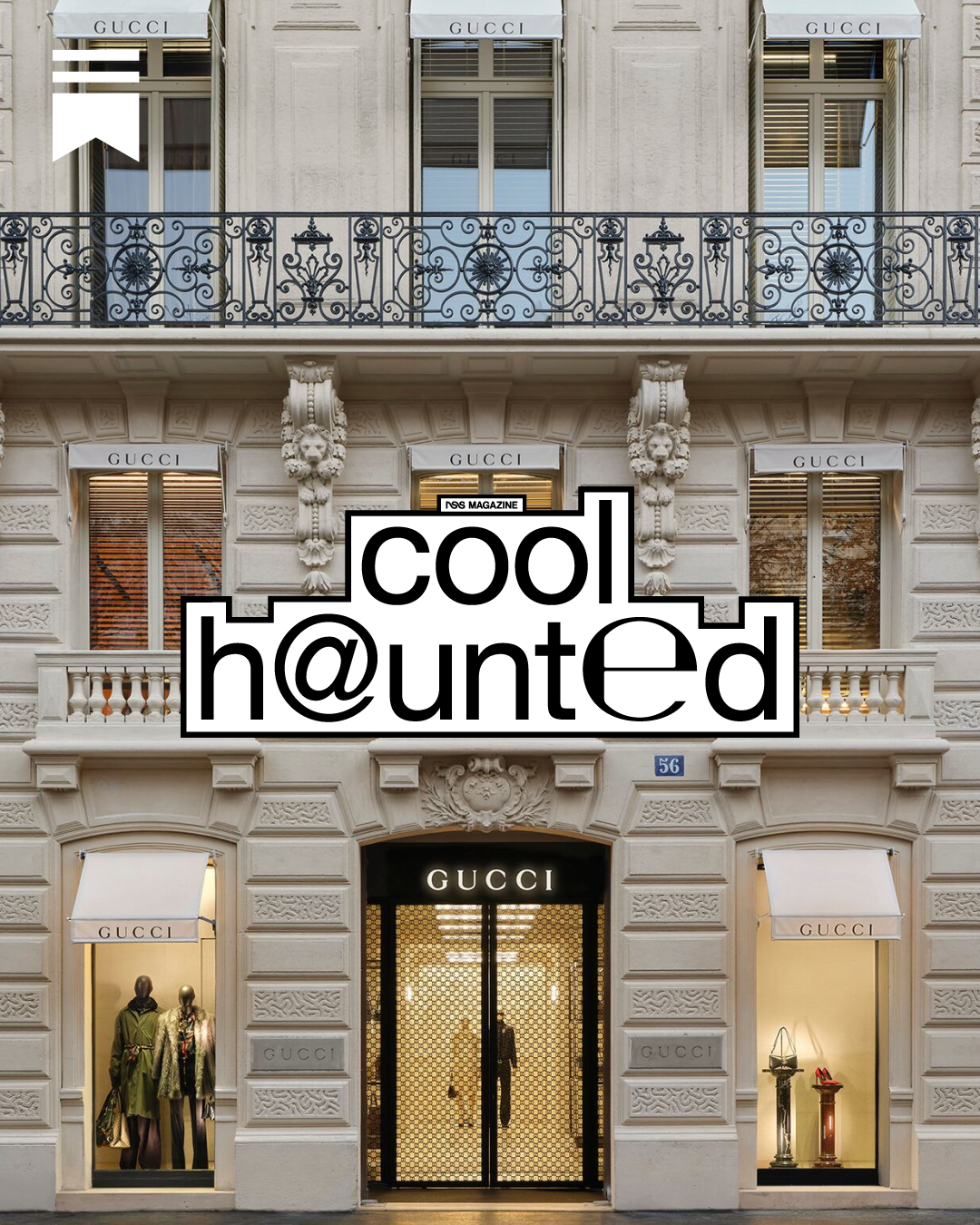
Is retail the new marketing? Physical presence in the market has become not just an essential need, but an existential one
«Everything we create at Gucci comes to life in our stores,» Francesca Bellettini told MF Fashion about the new Gucci mega-boutique on Avenue Montaigne. «This is where the maison expresses itself in its entirety, and this is where the relationship with our clients is born and grows. That is why investing in them is a strategic priority.» A statement that might seem like a formality, yet it speaks to the heightened sense of importance that brands' physical retail locations have taken on in the age of the luxury crisis. Like arks in a flood, the stores of large and small brands alike have increasingly become a form of market presence of existential importance in an era where marketing alone is no longer enough. But why?
Back in 2023, with LVMH's enormous investments in both the Dior store on Avenue Montaigne and the Tiffany & Co. store in New York (continued also at the Milan location), we had the opportunity to discuss mega-boutiques: retail spaces as grand as cathedrals, incorporating museums, restaurants and cafés, areas dedicated to VICs, and artistic installations. Spaces that, in short, were meant to become destinations to visit and linger in. Over the years, the formula has solidified and spread to brands outside the luxury segment, but a new element has emerged: these stores can help weather the crisis. Or so one hopes.
As Forbes explained at the start of the year, luxury e-commerce has stabilised at between 20% and 25% of the market and appears to have hit a ceiling on growth. Physical retail therefore accounts for the remaining 75–80% of a luxury sector increasingly dominated by a small number of extremely wealthy clients who want to visit stores in person and feel engaged and "part of the family." After an era of online decentralisation, cross-sector forays into culture and art, and heavy investment in intangible media value, the industry seems to have rediscovered its founding principle, rooted in the equation "foot traffic = sales." And the effects have been visible in the multiplication of efforts and investments in this direction. But how exactly has the role of stores changed?