




































Are Meta VR Glasses an Already-Seen Experiment? Meta's new device looks promising, but there's a catch
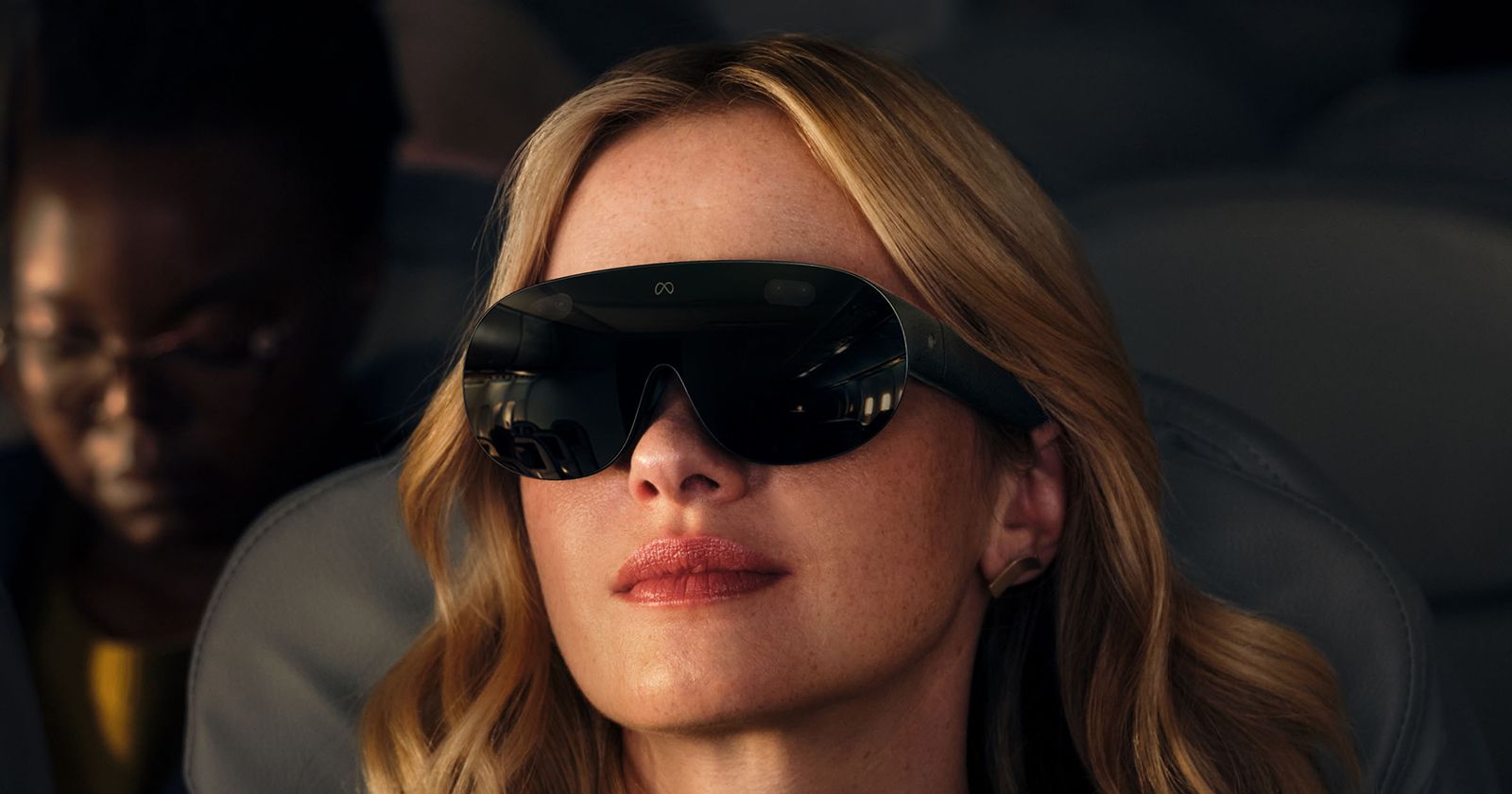
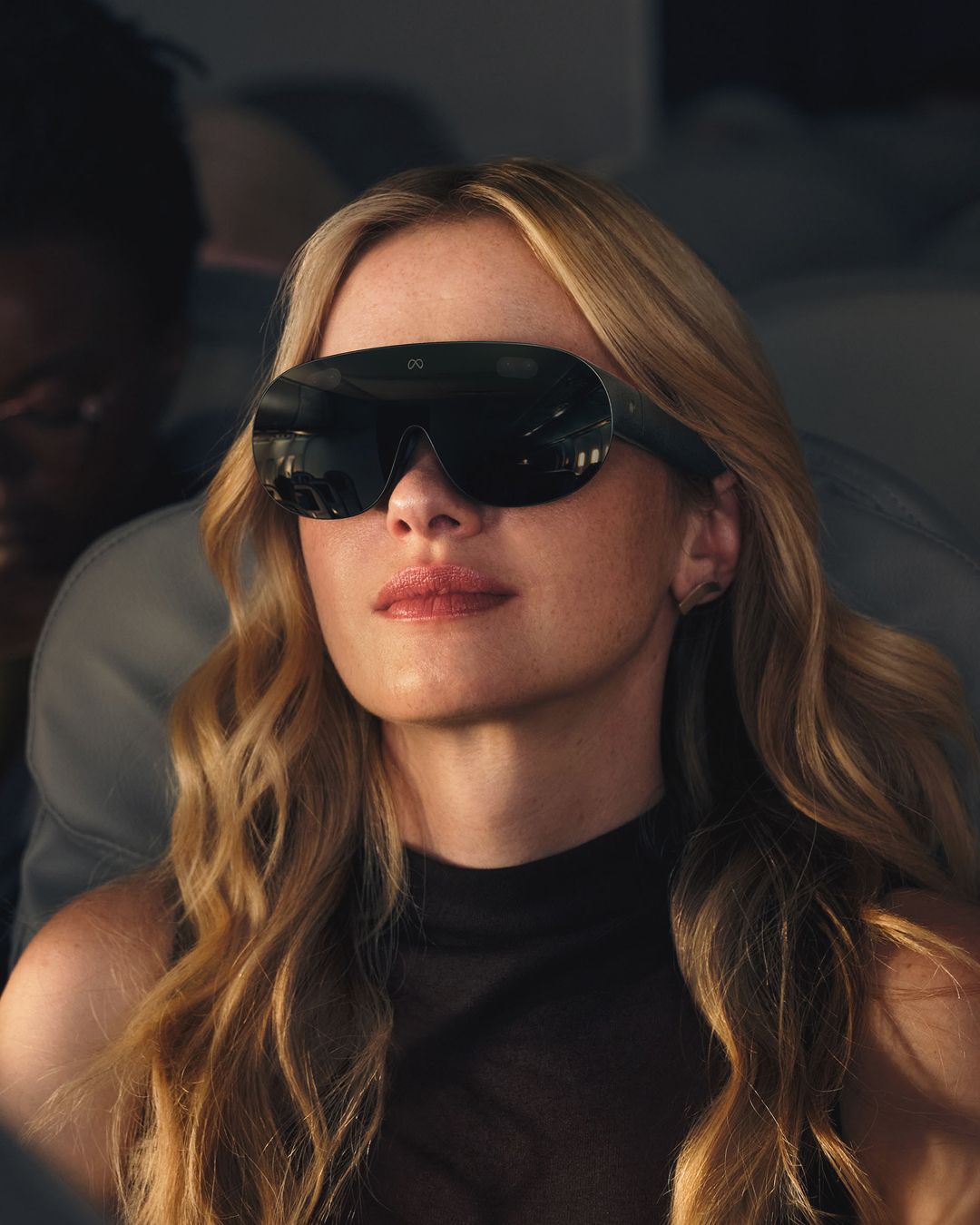
Meta recently unveiled the Meta VR Glasses, a new virtual reality device set to hit the market in spring 2027, with the goal of solving one of the problems that has most limited the adoption of these products: the weight and bulk of headsets. The Meta VR Glasses are in fact much more similar to a pair of oversized sunglasses. The Meta VR Glasses weigh just around 100 grams. This was made possible by moving the bulkiest components outside the frame — such as the processor and battery, which are housed in a small external device — while the glasses themselves retain the screens, lenses, and sensors.
The Meta VR Glasses will cost $1,299 — making them more accessible than the Apple Vision Pro. The question remains, however, whether the more traditional glasses-like form factor, the reduced weight, and the relatively contained cost will be enough to make virtual and mixed reality a technology for everyday use — a goal that no company has managed to achieve so far.
How the Meta VR Glasses will work
@seanontech These are…actually mind-blowing? the visual quality on the new Meta VR Glasses is wild for the size of the specs they’re so lightweight and the puck is very practical too I tried movies, sports, gaming and work on these and it was the typing on a virtual keyboard that really blew me away some clever tech going on here what do you think? Let me know in the comments! #meta #metaconnect #metavrglasses #metaglasses #tech original sound - Sean On Tech
Those who have tested the Meta VR Glasses report that they are quite comfortable, and they appear not to cause the mild nausea typical of some traditional headsets — an issue reported by multiple users of the Apple Vision Pro, for example. Compared to a traditional headset, the Meta VR Glasses also reduce the sense of isolation that is characteristic of virtual reality: the generated image occupies roughly 70% of the glasses' field of view, while some areas at the bottom and sides of the lenses remain uncovered.
The controls of the Meta VR Glasses will be based on eye movement and hand gestures. Once the system has calibrated eye tracking, simply looking at an icon will select it, and pinching the thumb and index finger together will open it — making it possible to start videos without using a controller. Additionally, an artificial intelligence assistant has been integrated into the Meta VR Glasses' operating system, allowing users to perform numerous actions using only their voice.
A significant part of the Meta VR Glasses' functionality revolves around immersive content: Meta is reportedly developing a format capable of combining streaming with 180-degree footage, allowing users to follow events — such as an NBA game — from perspectives normally accessible to only a handful of spectators. The company plans to broadcast — live — more than a hundred immersive sports programs per year, with additional viewpoints to choose from added in the future.
Are the Meta VR Glasses here to stay?
The buzz surrounding the Meta VR Glasses is reminiscent in some ways of the excitement that once surrounded the Google Glass. The comparison is also interesting because, despite the initial enthusiasm, Google's famous smart glasses turned out to be a failure and ended up being perceived as a tasteless accessory, as well as problematic from a privacy standpoint. The price Google set for the product didn't help either — around $1,500 — which contributed to making it a device popular mainly among the so-called "techies" of Silicon Valley, as people who work for major tech companies are known.
One company that seemed to have learned from the failure of the Google Glass was Apple, which launched the Apple Vision Pro a few years ago — another device that has been widely compared to the Meta VR Glasses. Apple's mixed reality headset had been positively received by technology experts, who particularly appreciated its features. However, more than two years after its debut, the device appears to have had a rather limited market impact, and industry insiders broadly agree that it never truly established itself as a viable alternative. In this regard, the headline chosen by US magazine The Verge for its first review of the device was telling: "Magical, until it isn't."