Did we really need a docuseries about Philipp Plein? If the designer already seemed like "too much" to you, wait until you see his docuseries on Prime Video
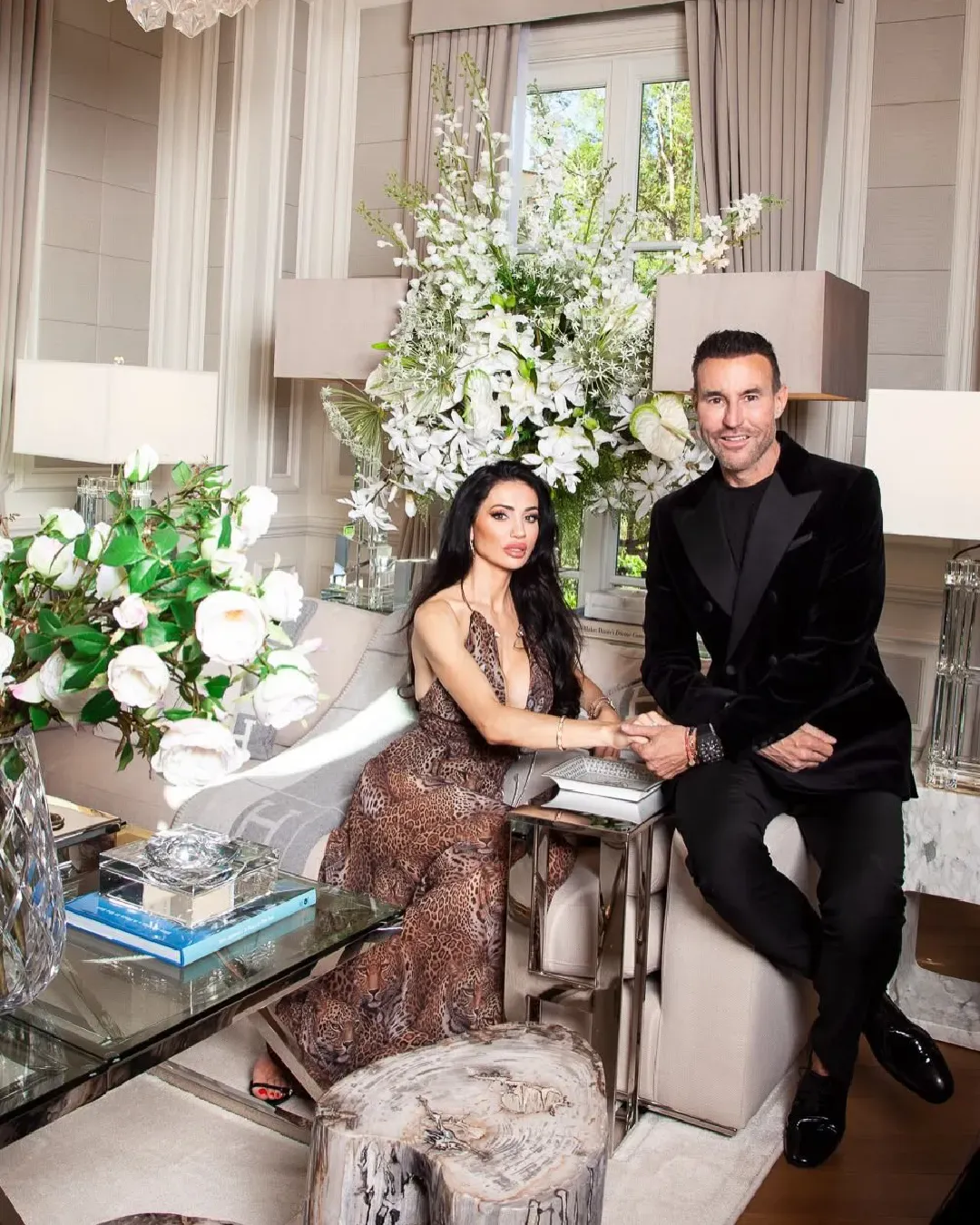
If you know very little about Philipp Plein, the fashion designer and luxury personality of German origin, watching just one episode of the docuseries dedicated to him on Prime Video is enough to get a very clear picture. Some might say the same goes for his fashion and furnishing pieces, his cars and jewellery — productions that certainly reflect the flamboyance of a personality who has managed to make himself highly recognisable, and whose work carries within it an echo of its creator.
Designer, entrepreneur, son
Divided into six episodes, Plein immediately plunges into the sumptuousness of the entrepreneur's personal and professional life, ensuring that the viewer is immersed from the outset in the man's millionaire lifestyle. A person who spares no expense, whether it comes to properties scattered around the world, boats as large as cruise ships, or budgets for staging fashion shows. But the project must also reveal his personal side — hence how good he is as a father and affectionate partner (given the legal disputes he has had with his ex, the mother of two of his four children, Lucia Bartoli). The series also explores his relationship with his mother, a constantly present figure with various sharp edges, who perfectly mirrors her son's character and mannerisms.
In short, Plein is a celebration of its protagonist in every sense — one who could be said to have the merit of showing himself as he truly is, without trying to appear more polished or less self-centred in front of the camera. This can make him off-putting, especially when he starts talking about money, but it is also clear that the environment in which we see him operate is the one he moves through every day: it would have been hard to film him in any way different from how he appears in the docuseries.
A lifestyle for the few, that interests the few
The designer himself tells his team: "Philipp Plein is not just a brand, it's a way of being." Of being too much, one might add, but the designer couldn't care less about others' opinions and focuses on pushing his lifestyle to extremes — making it as luxurious (and at times kitsch) as possible. One can therefore observe how the Prime Video project genuinely reflects the entrepreneur's idea of himself and of what his work should be. And that, in order to tell that story, the only formula was to abandon any pretence of craft and polish, aiming instead for a raw and spontaneous approach, fully following the trail blazed by reality shows like Keeping Up with the Kardashians.
Also because, for a product that wants to be documentary-like and should also shed some light on the designer's origins and success, there is very little history, and equally little explanation or analysis of his rise and financial staying power. It drops us in medias res and keeps us there, following the days of Philipp Plein through disjointed, erratic leaps — private jets and lunches prepared for his children, torn between his loved ones and his employees. Plein risks deepening the antipathy towards its protagonist among those who already dislike him, while it will fascinate those who appreciate his products and the philosophy of life he puts forward. It will, however, leave entirely indifferent those who barely knew him. Especially because, in these times, there is not the slightest desire to listen to a millionaire whose biggest problems are how long it will take to finish renovating his tenth home.
What to read next
"The Misadventures of Cliff Booth" crumbles the myth of Brad Pitt's character
The film, in cinemas from November 26 and then on Netflix, is at the center of an AI controversy
"Blade Runner 2099" is a job well done, perhaps too well
The series, available on Prime Video, stars Hunter Schafer and Michelle Yeoh
"Meet the Fotters" is a nostalgic throwback that works
Plus it has a secret weapon: Ariana Grande