








Jeanne Friot sees the world in black and white for her SS27 collection The designer appropriates the theme of hysteria to better subvert it
Under the heat dome crushing the capital, a few islands of freshness - oh so welcome - dot Paris Fashion Week. Jeanne Friot's show is one of those suspended moments that make the air more breathable. As much for the freshness of her creations as for the eminently political messages she tirelessly conveys since entering the official calendar. Committed to LGBTQIA+ rights, the French designer - whose international renown has soared since her memorable metallic silhouette rode across the Seine during the Paris Olympic Games - redoubled her intensity on Wednesday, right in the middle of Pride Month. This season, she is tackling a piece of history: hysteria.
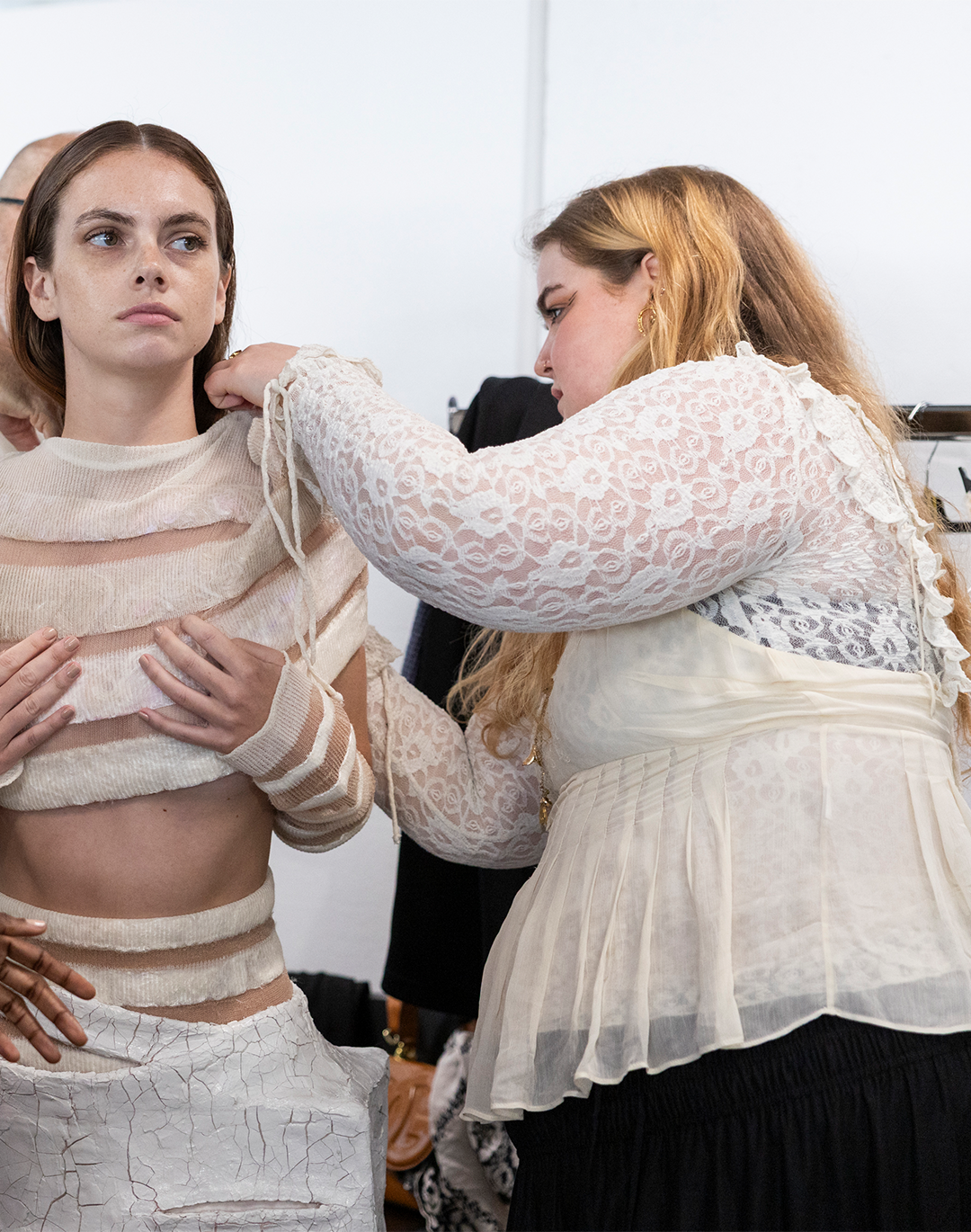
For her ninth collection, judiciously dubbed Hysteria, Jeanne Friot proposes to overturn this concept, which has (too) long been wielded as a weapon of submission against women and gender minorities. In a powerful impulse to reclaim the stigma, the models take back possession of their bodies. We are worlds away here from the theatrical and voyeuristic experiments of Doctor Charcot at the Salpêtrière, which turned female patients into a spectacle.
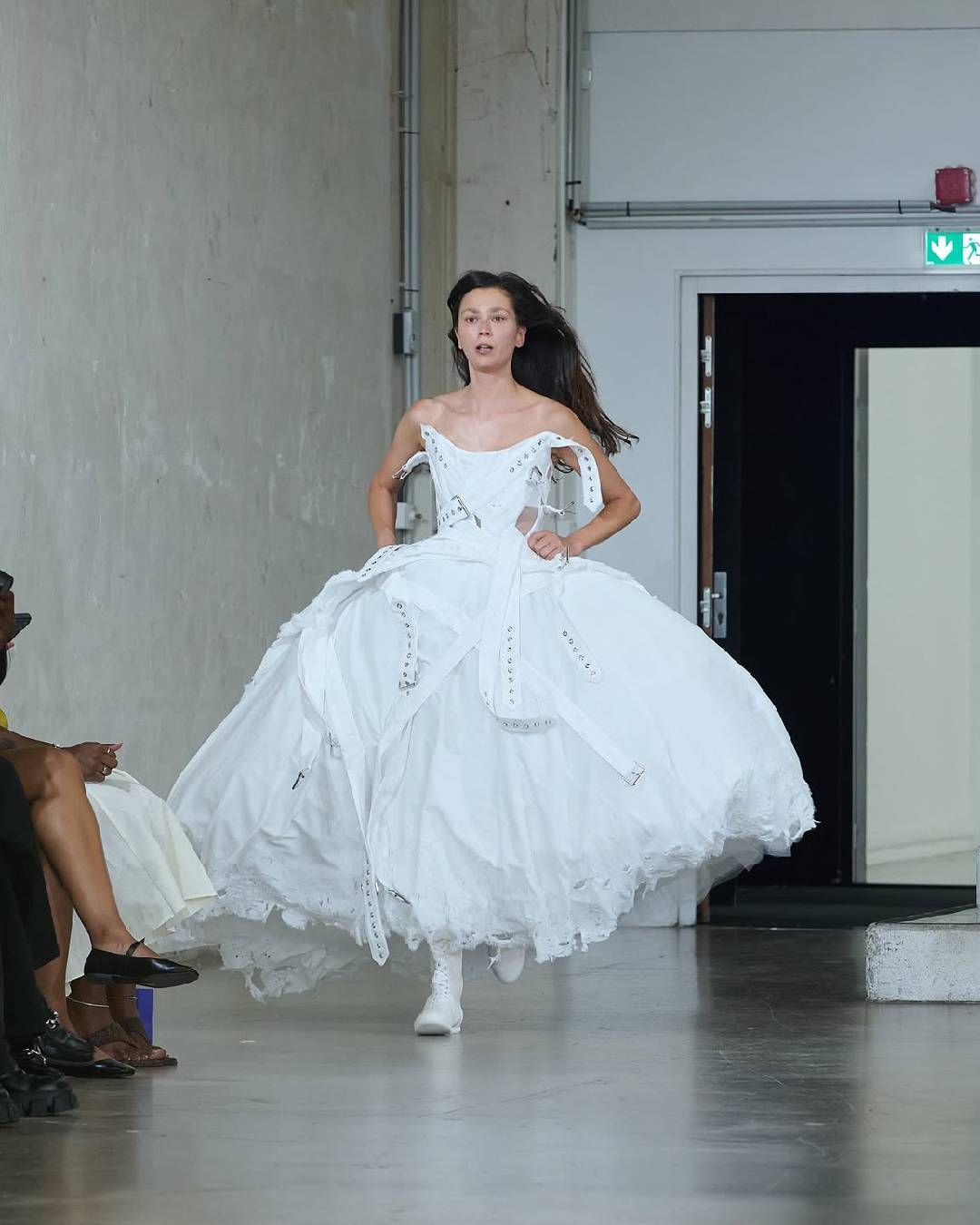
With this collection, Jeanne Friot rewrites the myth and deploys the full power of the female gaze. The first silhouette is a symbolic shock: armed with a spectacular crinoline, she looks in every way like a bride. But while this figure is traditionally used to closing runways in a posture of passive perfection, here she seizes the opening, fully an agent of the moment. It is at a run that she dashes down the runway, as if pursued by the ghosts of the past... or by a vital urgency. A powerful vision of a woman fleeing to better liberate herself. The straps, true textured signatures of the label, seem ready to give way. They are no longer there to constrain movement or bind the suffering body, but to accompany the emancipatory race of this character, who paves the way for all those who will walk after her.
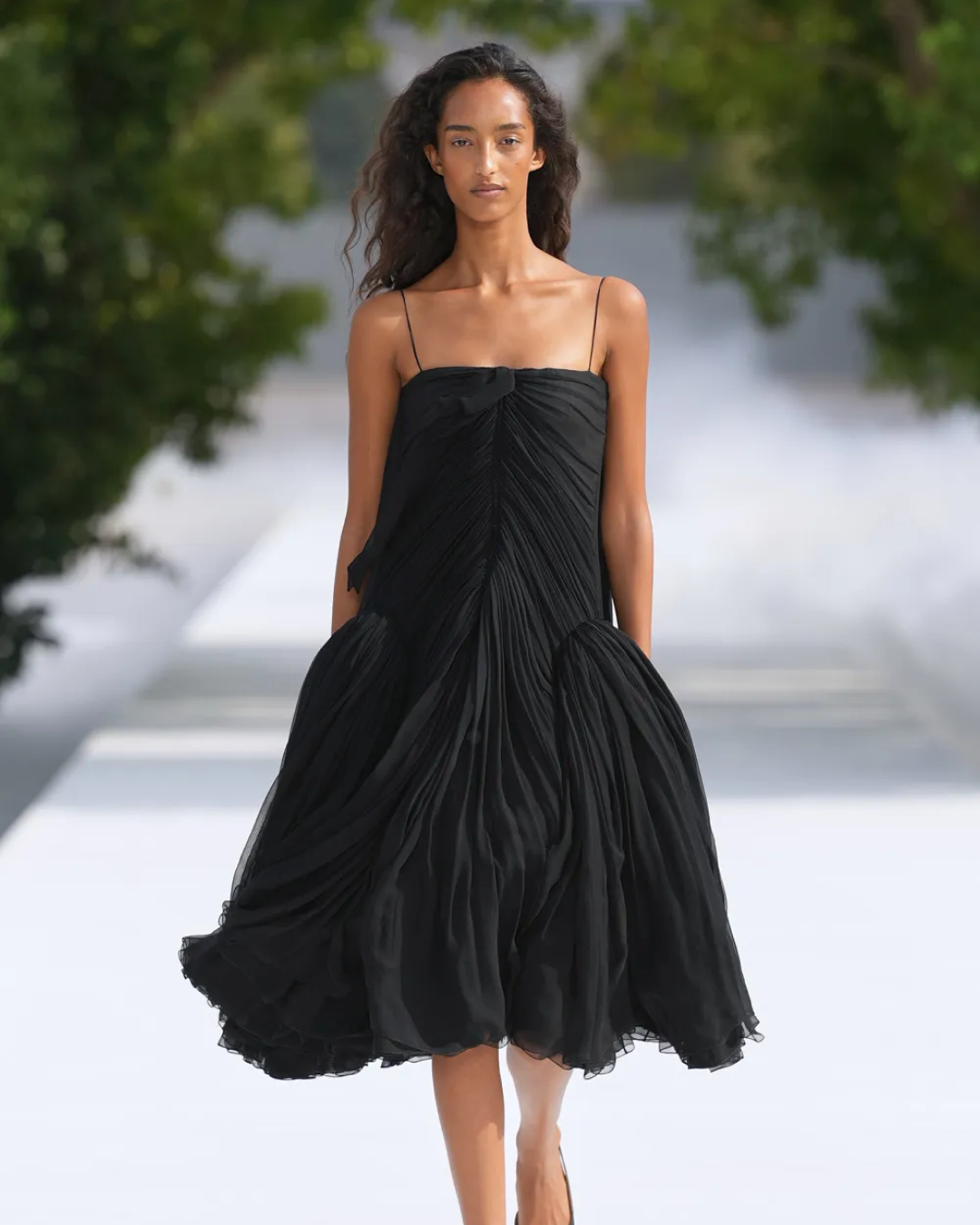
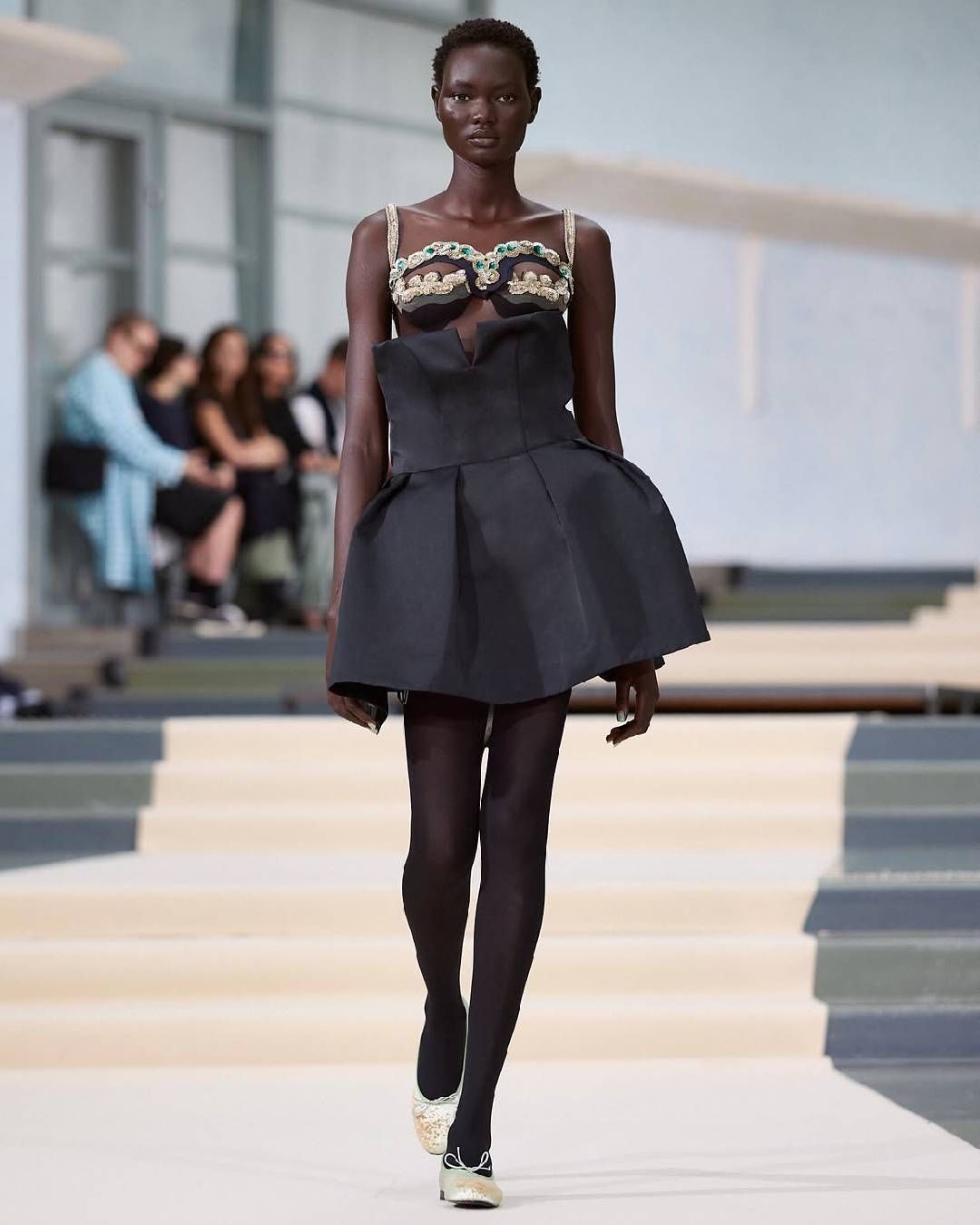
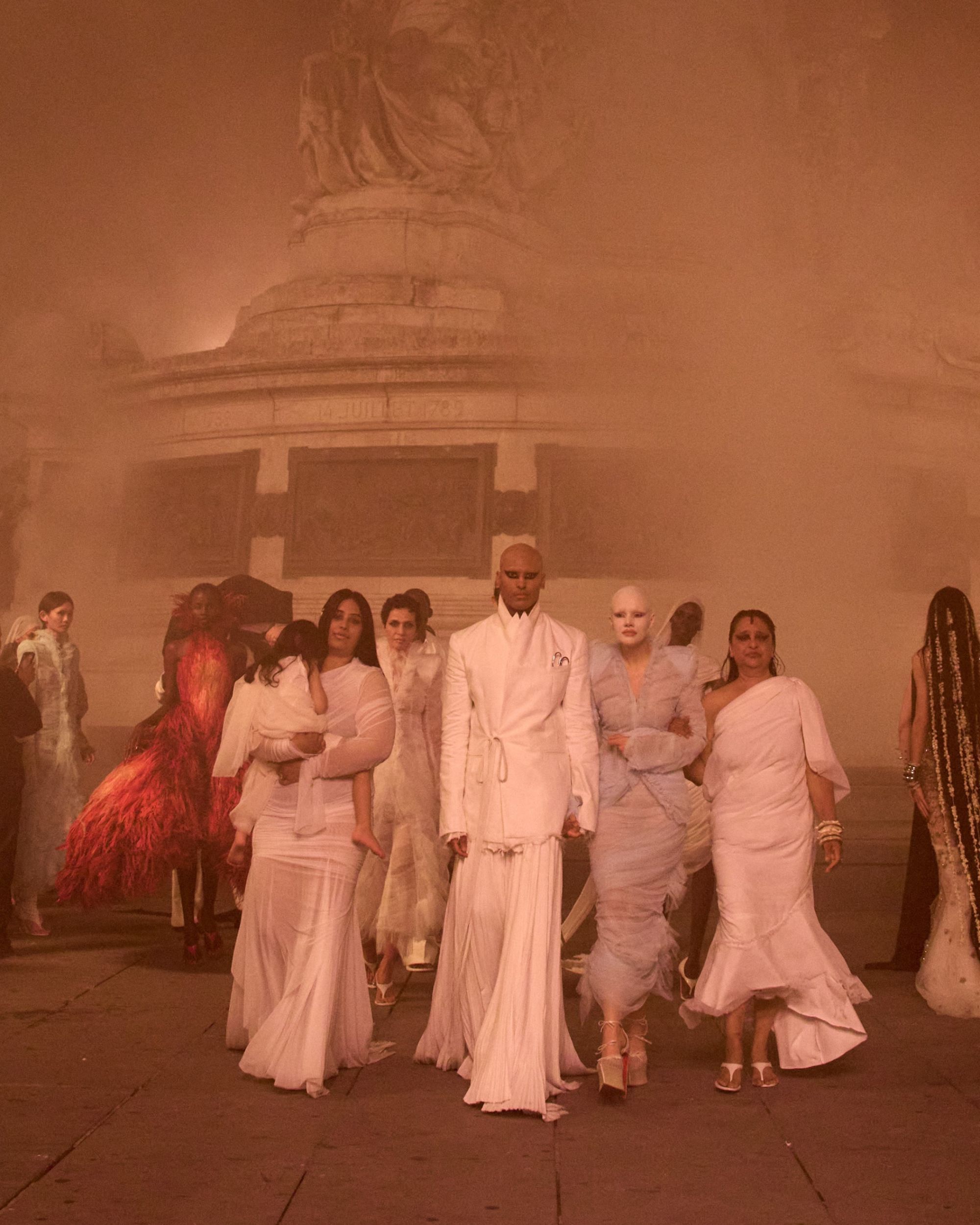
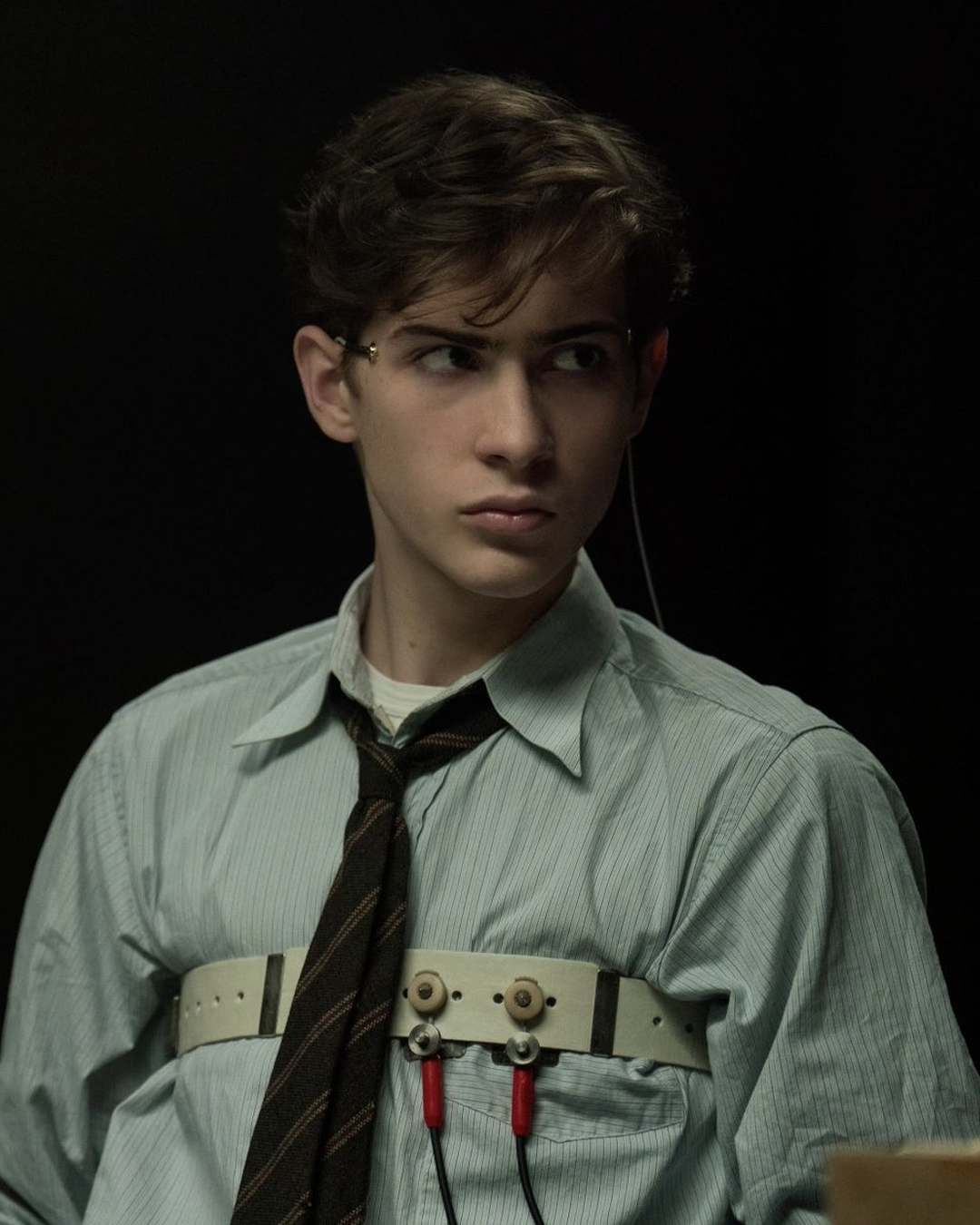
The wardrobe revolves around a radical chromatic opposition. It is first white that envelops the opening silhouettes, immaculate, almost clinical. Then, touches of black blend into these spectral appearances. As if the blank page of patriarchal history that Jeanne Friot decided to tear out was being rewritten, in her own way. Once the concept is digested and rethought, a darker but also more intimate universe opens up. The silhouettes finally seem to embrace their singularity, their flaws. From an almost conventional bride, the wardrobe molts into something wilder, embodied by a feathered creature in the likeness of Claude-Emmanuelle - activist, DJ, and figure of the queer nightlife.
With Hysteria, Jeanne Friot is not looking to paint a picture of victims. She reveals the beauty and the rage of these women whom society wanted to pen up and reduce to silence when they were only seeking to express themselves. She dresses powerful bodies that refuse to be muzzled, celebrating a plurality of modes of expression. An artistic and political approach that could be summed up by these words from Jules Barbey d’Aurevilly, which resonate today with striking modernity: "When a woman has temperament, they say it is hysteria."