
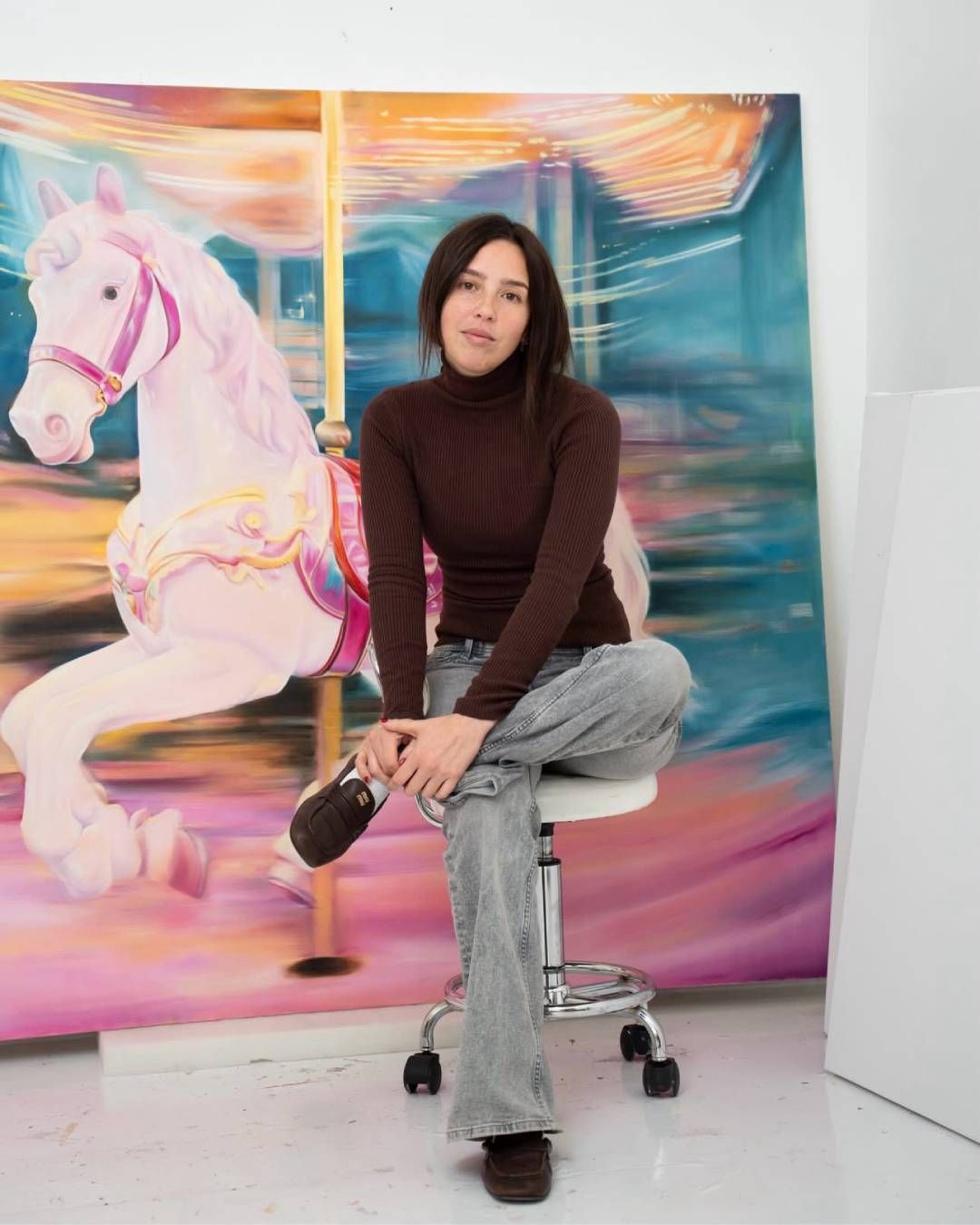
Why nearly half of artworks sold for over $1 Million are now bought by Gen Z Behind these record figures lies an eclectic generation, curious about new artists and deeply protective of its private sphere
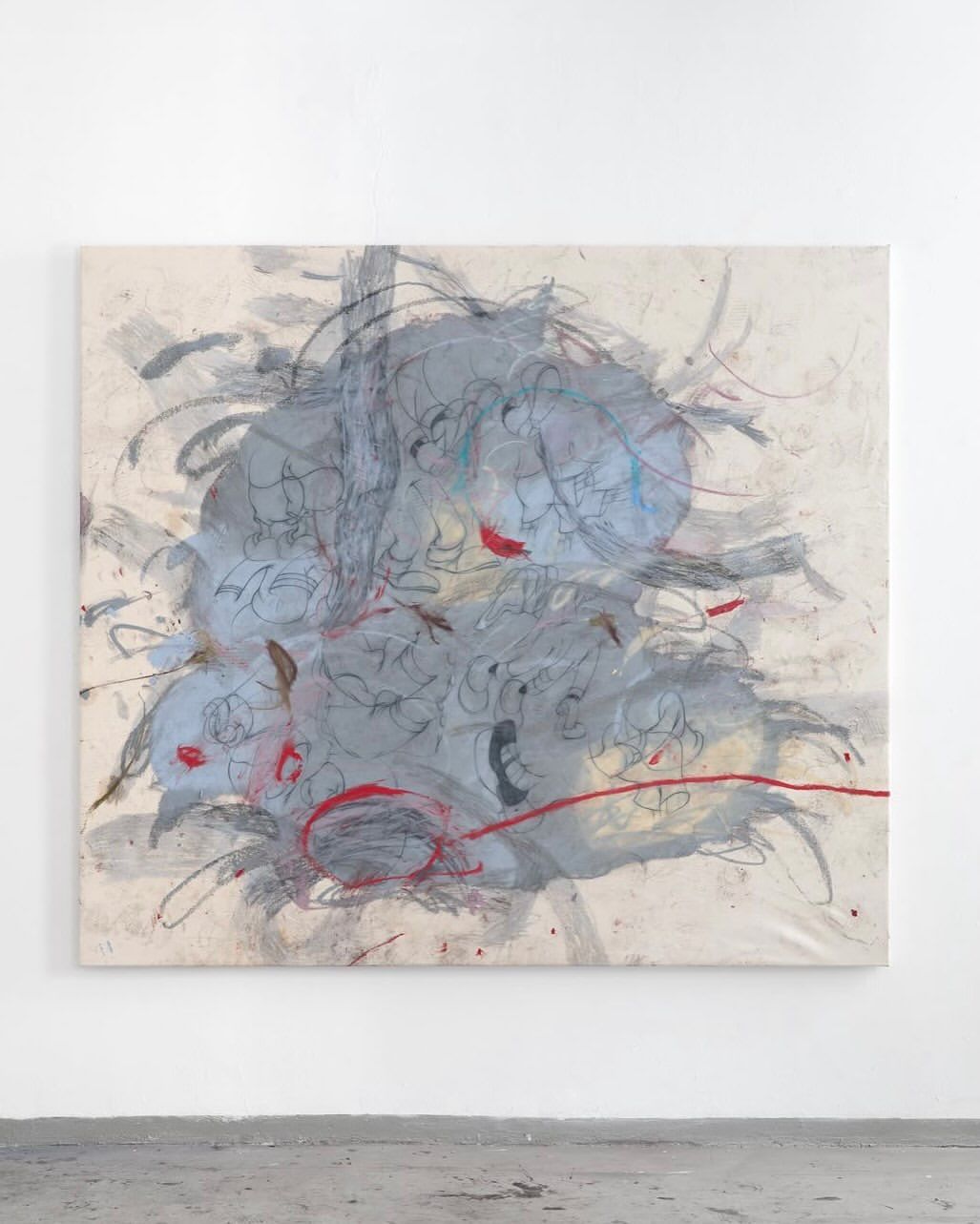

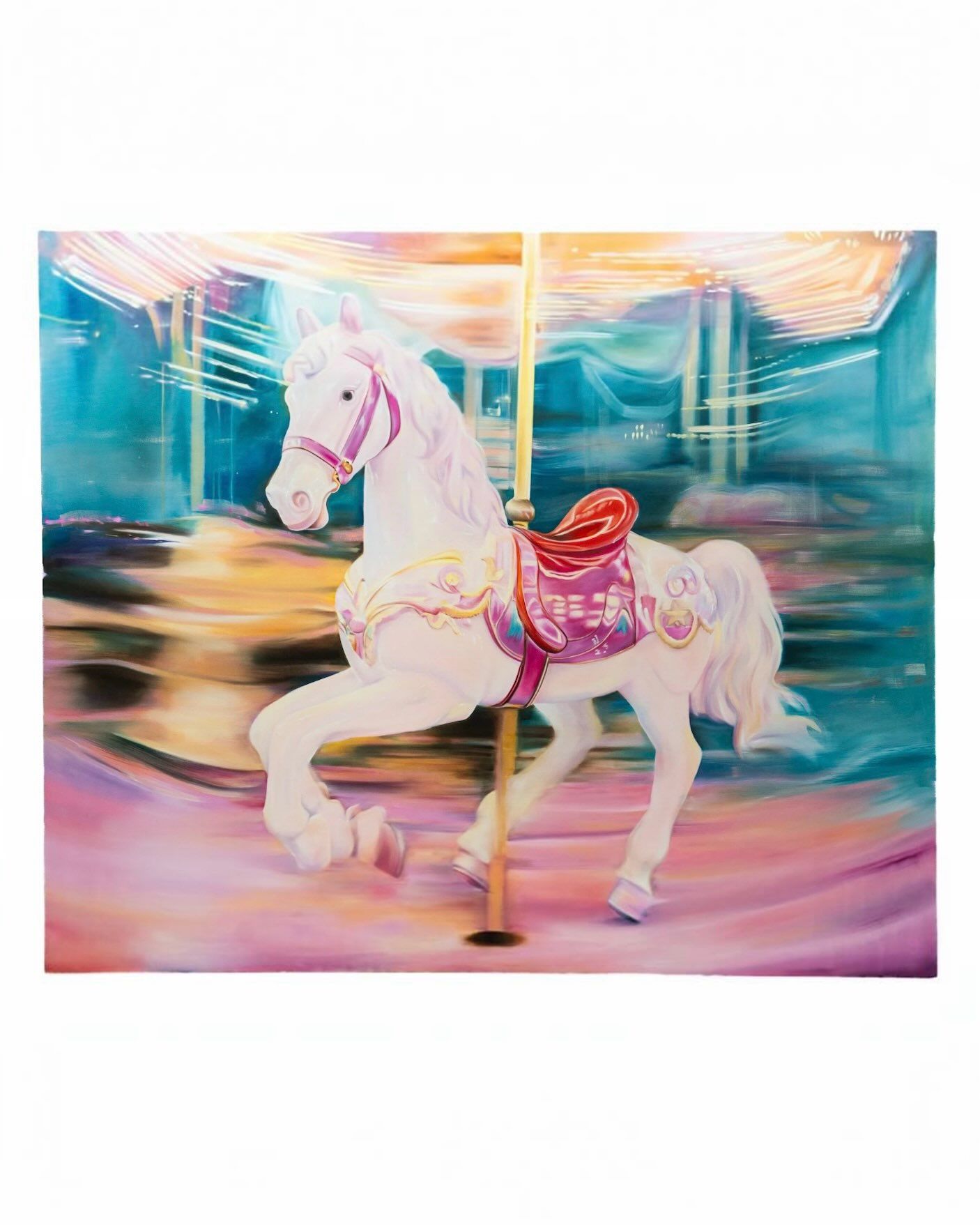
Gen Z (ages 20 to 29 in the study) has long been viewed through clichés: a purely digital relationship with imagery, a taste for ephemeral formats, or fairly limited budgets. Yet The Art Basel and UBS Survey of Global Collecting 2026 (conducted among 3,100 high-net-worth collectors holding at least $1 million in financial assets excluding real estate and private businesses) paints a very different picture. The study reveals a generation that is active, eclectic, and fiercely protective of its privacy.
Purchasing Power and Budgets That Shake Things Up While Gen Z accounts for roughly a quarter of the global population and is projected to drive nearly 20% of global spending by 2030 (or $12 trillion), its wealthy collectors stand out sharply for how much they spend. In fine art, they post the highest average spend in the survey - $347,460 in 2025 and $329,000 in the first half of 2026, more than double that of older generations - and make up nearly half of buyers who have acquired an artwork priced over $1 million. Often newer to collecting (61% have collected for five years or less) and backed in 37% of cases by family wealth, they allocate an average of 18% of their overall wealth to art (compared to 15% overall).
Cross-Category Passions, From Digital to Collectibles Far from sticking to screens or fashion drops, Gen Z moves across several artistic territories. Fewer than 2% started out with luxury sneakers or collector handbags, whereas digital art was the very first purchase for 7% of them (and ranked in the top three for 17%). Their appetite stretches further: in the first half of 2026, 42% bought across at least two categories of collectibles and 24% across four or more, with especially high spending in jewelry and gemstones ($151,310 on average, more than five times Gen X). They also remain the most open to discovery, with 56% buying from an artist they discovered for the first time in 2025/2026, compared to 36% among boomers.
Gen Z doesn't rely solely on a feed to make up its mind: 80% do their own research -moderately or in-depth - before buying. They cross-reference sources, leaning notably on art advisors (35%) and artists (33%) in person, and online on specialist press/reviews (30%), AI tools and apps (23%), X/Twitter (23%), and Instagram (22%). When it comes to buying, omnichannel is the norm: 69% of Gen Z art-dealer buyers use multiple channels, 73% have bought through an art fair, 66% on a third-party online marketplace, and 24% (among those preferring a direct dealer) favor Instagram. In real life, their presence remains strong, attending events at a pace close to once a week.
The Paradox of Discretion and the Quest for Uniqueness This is perhaps the most striking takeaway for a Gen Z audience: the generation most at home on social media is also the most cautious when it comes to exposing its collection or identity. Nearly 39% limit physical access to their collection to their household or close family and friends (nearly double any other generation), and 36% keep their collection-related content strictly private or restricted to select people. When they do share online, they favor private or invite-only groups (42%) over public posts (25%), driven by personal enjoyment (28%), sought-after visibility (25%), or wanting to showcase their expertise (23%). For them, owning a piece comes down first and foremost to rarity (48%) rather than public display or peer validation.
Looking ahead, Gen Z is the most optimistic generation about the fine art market - with 61% expecting growth over the next six months - and shows strong buying intentions over the next twelve months, from painting (64%) and sculpture (43%) to decorative arts (40%) and watches (31%). One major friction point remains: online security for personal, financial, and collection data tops their list of concerns.
Artist credits:
Eva Carzul & Ester Parasková
What to read next

Prada presents a new publication dedicated to the brand's cultural projects
It's called Prada Index and it's a magazine and map for understanding the Maison's universe
Milan hosts the first photography exhibition by Giovanni La Monaca
"COMPARE" celebrates the photographer's life through his shots