We've decoded George Michael's cool factor The aesthetic evolution of a pop icon
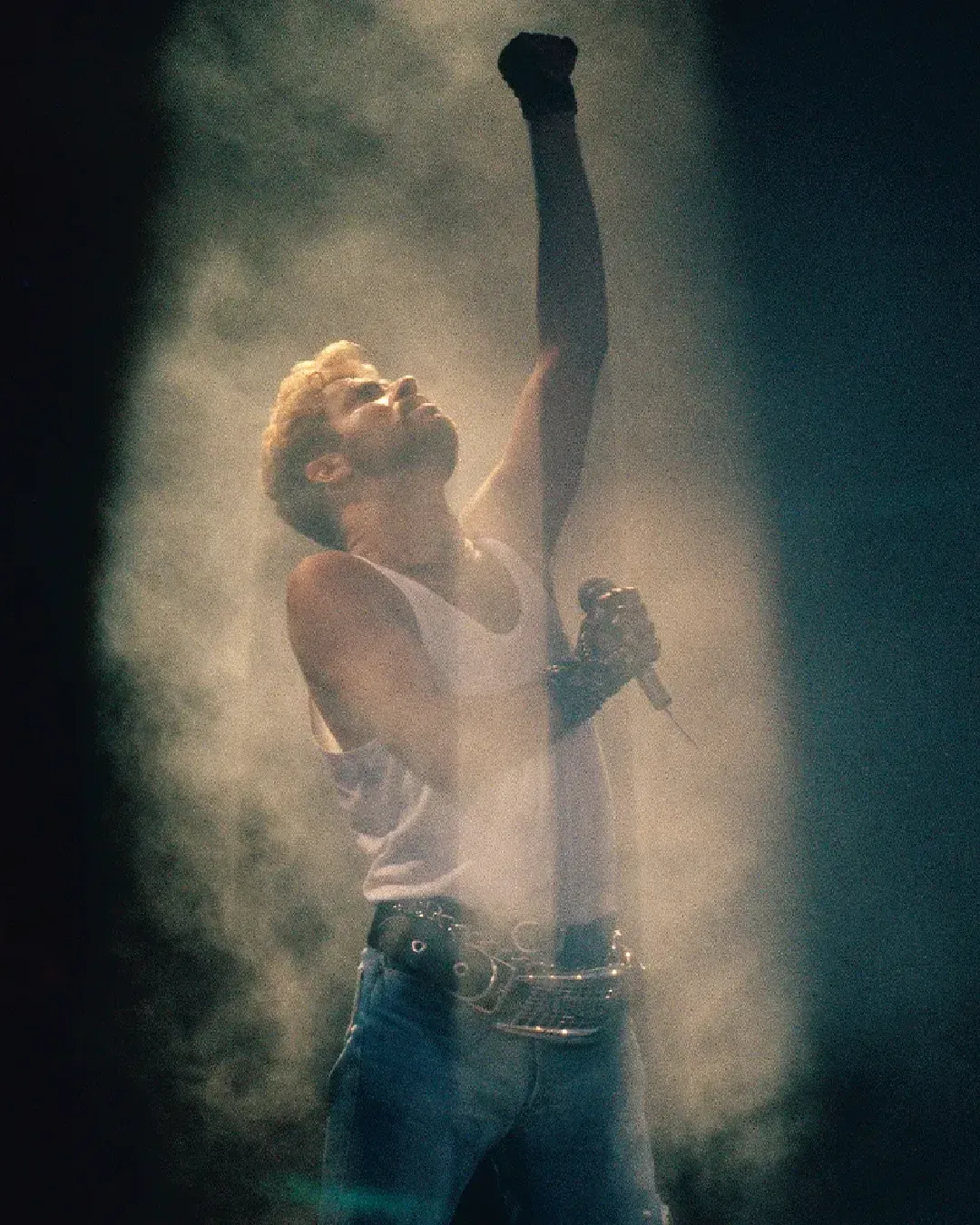
The arrival in cinemas of George Michael: The Faith Tour, the restored 35mm concert film of the 1988 Paris live show, has brought the artistic legacy and turbulent history of a true pop legend back into the spotlight. Seeing those images on the big screen not only reignited fans' nostalgia, but reminded everyone of a great truth: the myth of George Michael is not owed solely to his voice or his timeless hits, because it was above all his style that consecrated him as one of the greatest performers in music history.
George Michael's aesthetic evolution is the story of a man who used fashion to tell the world who he was — but above all who he wanted to be, before he was even able to say it out loud.
The Wham phenomenon
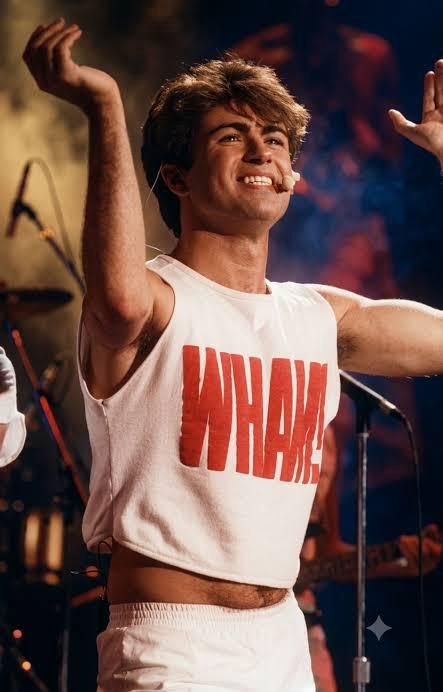
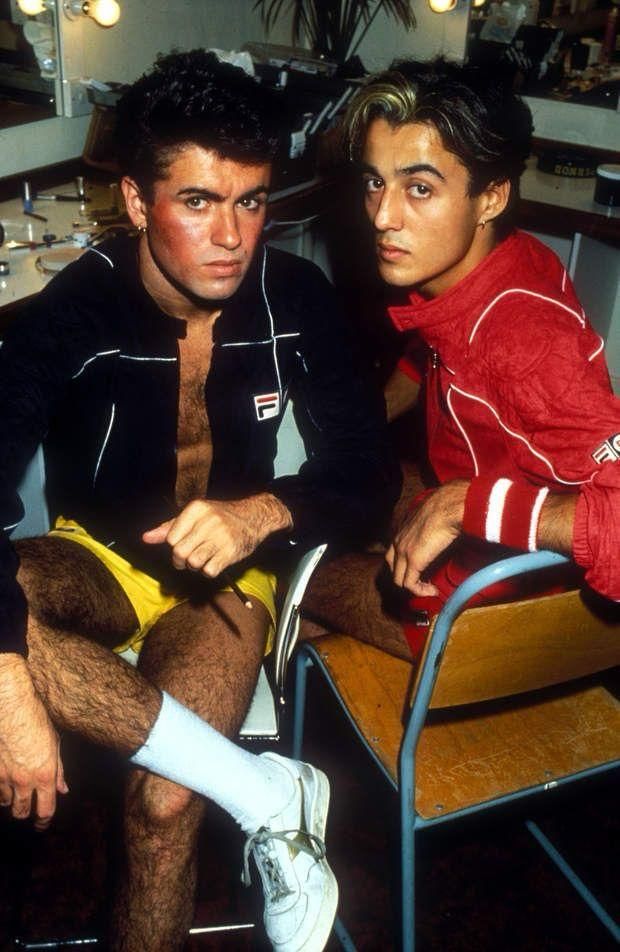
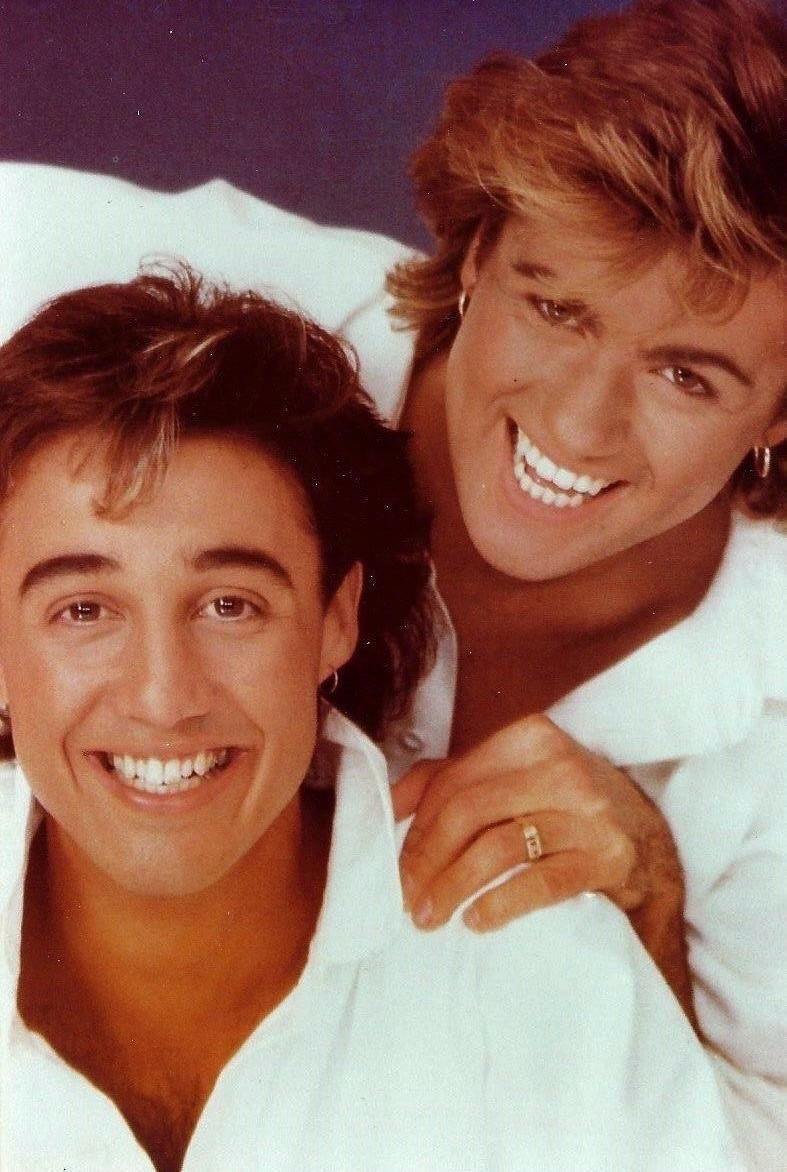
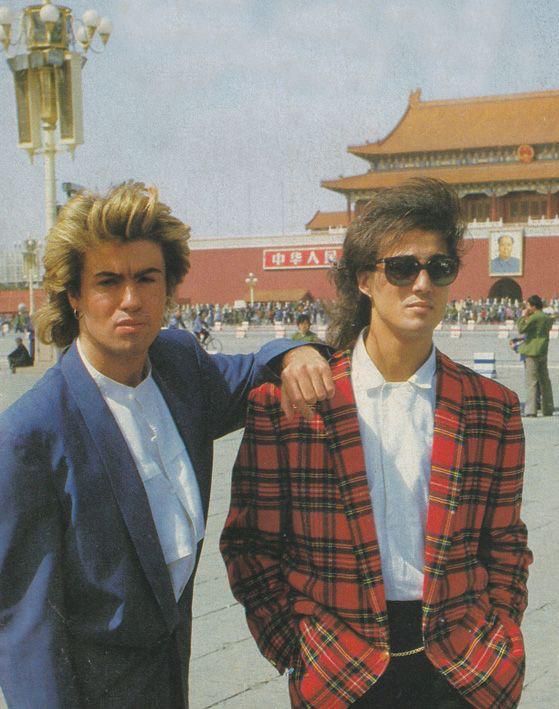
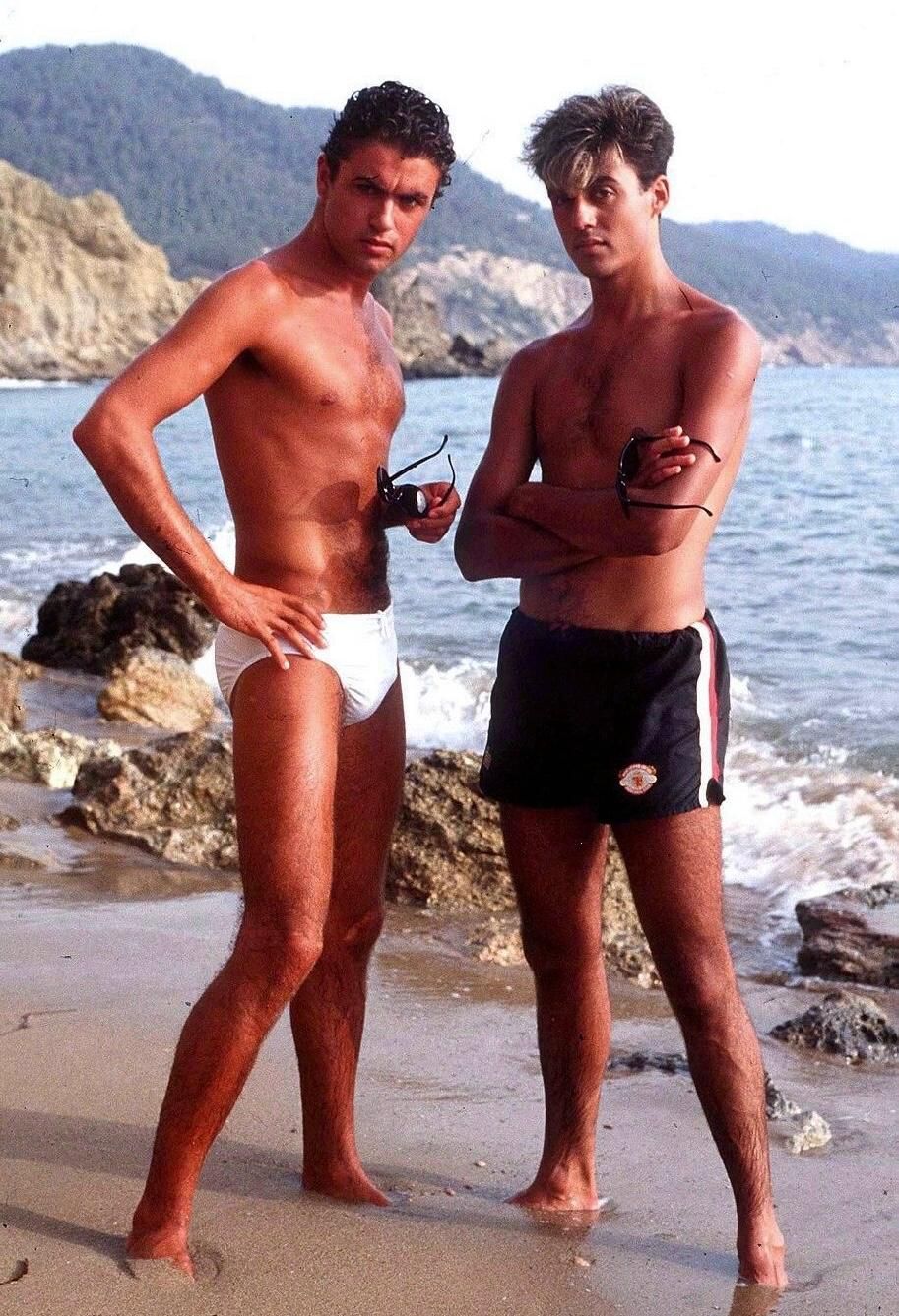
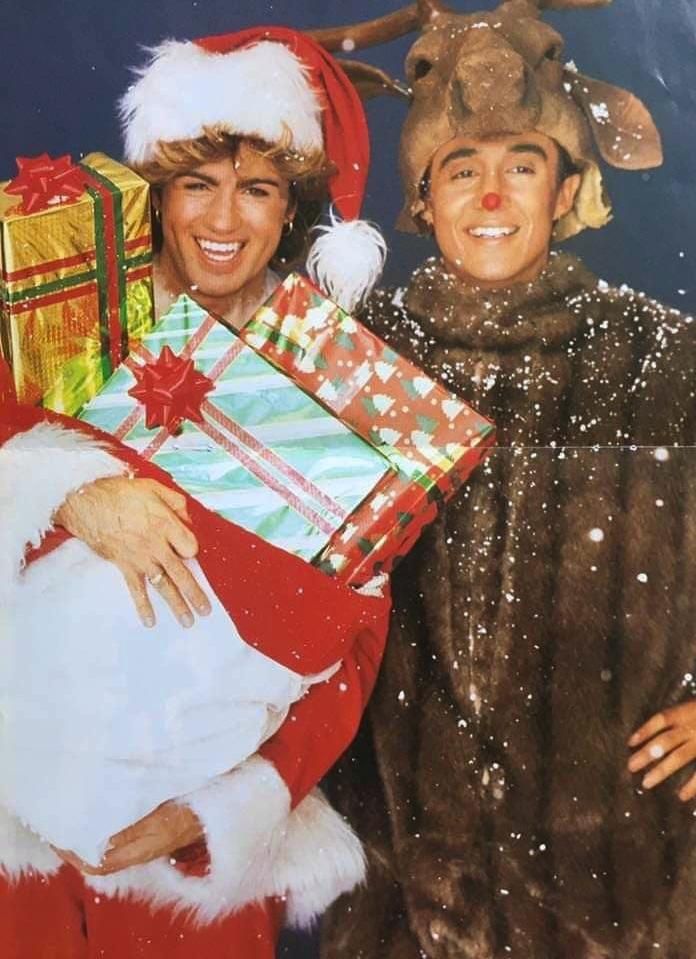
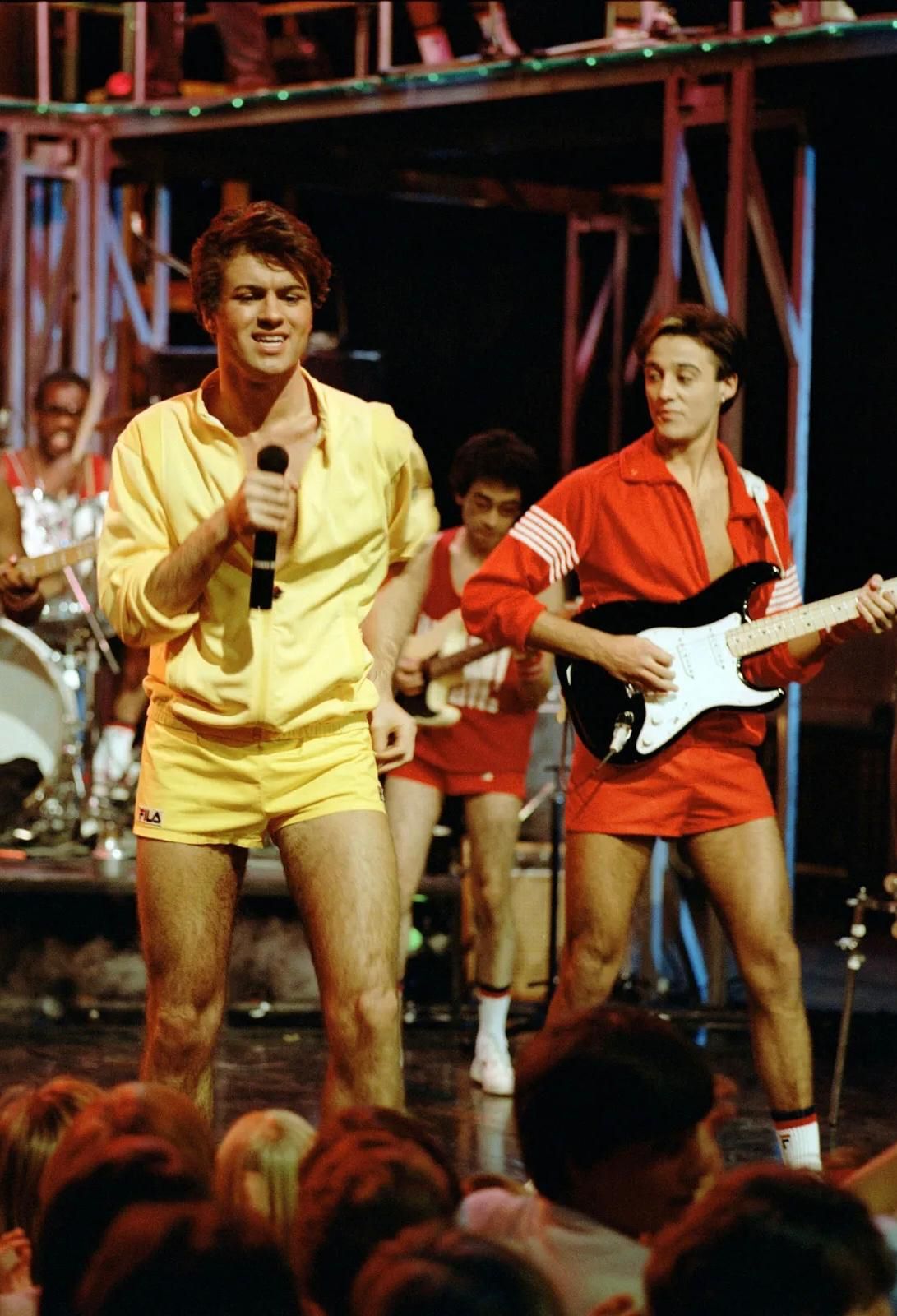
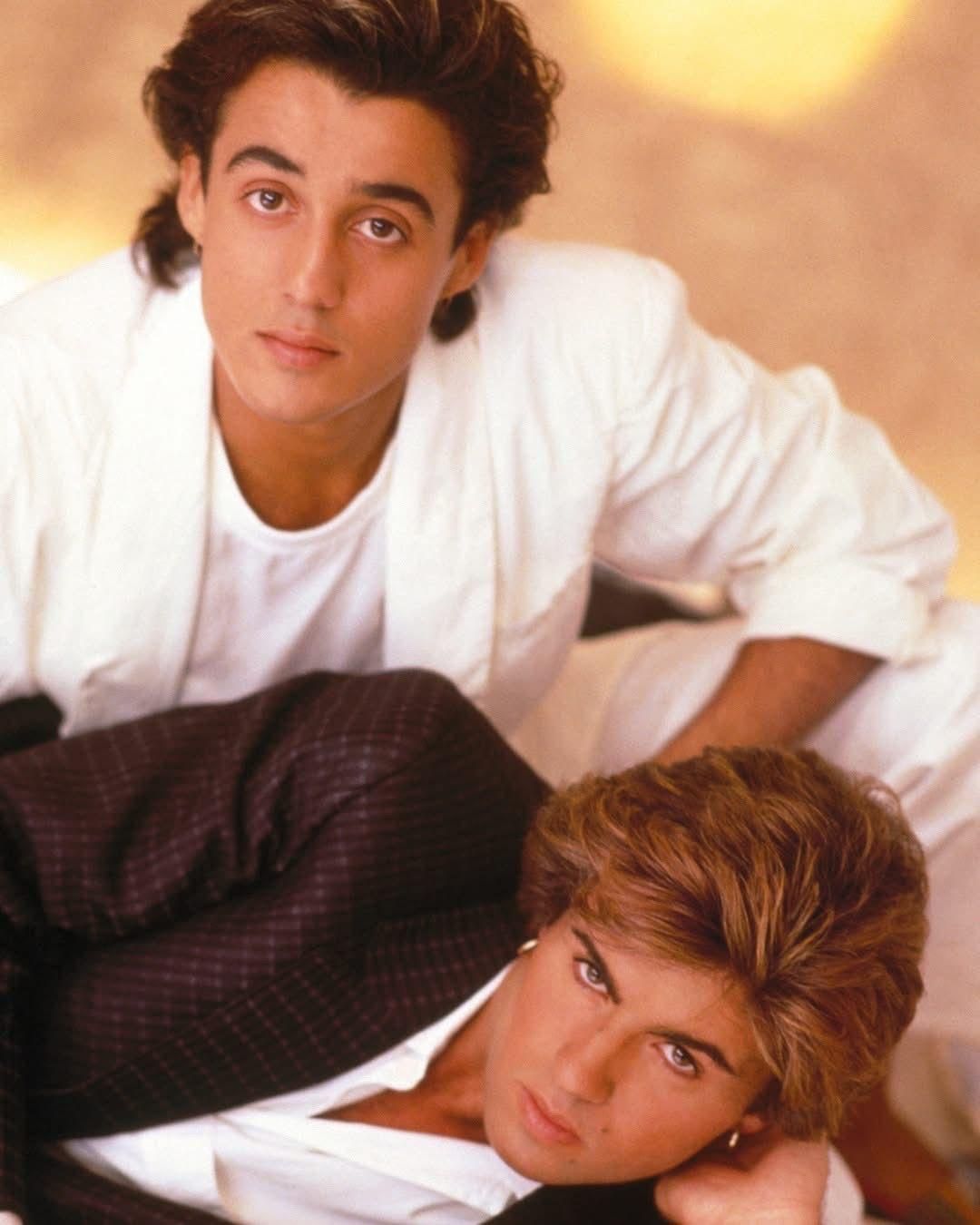
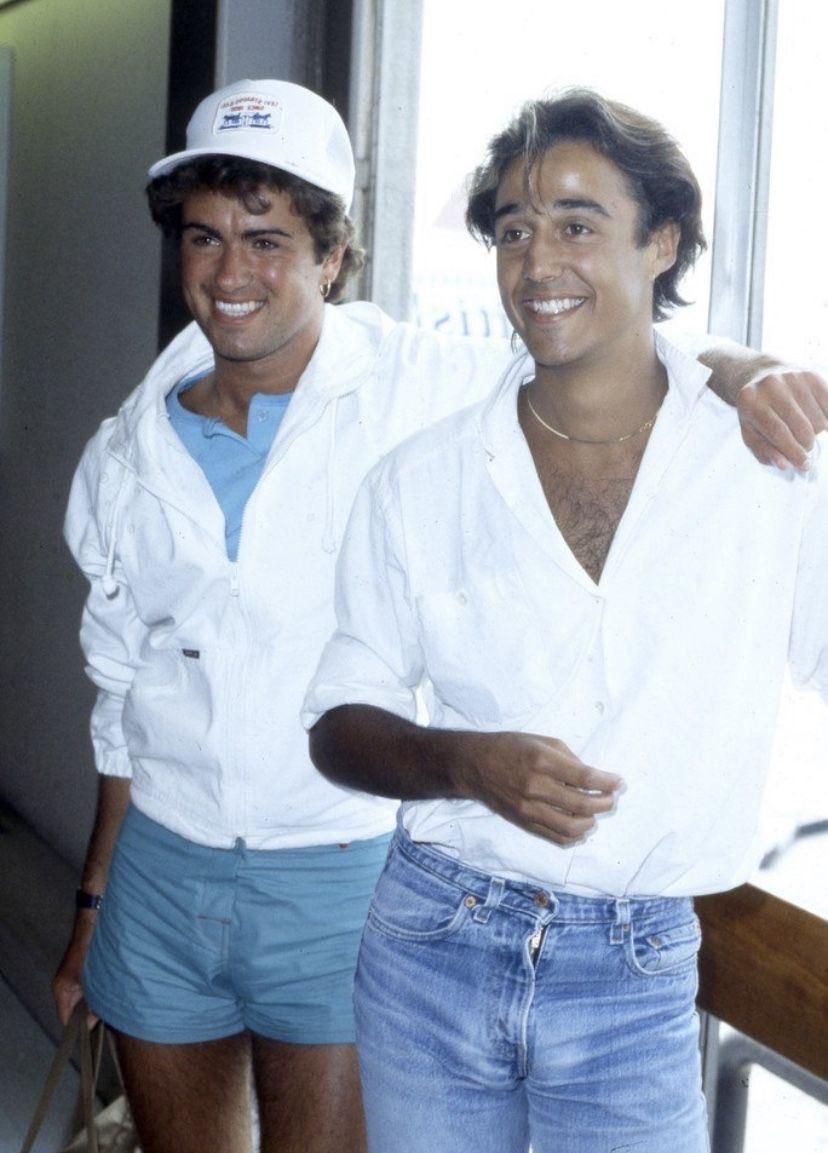
From his debut with Wham, George Michael used clothes with the same expressive power as his voice. In the 2023 Netflix documentary dedicated to the duo, Andrew Ridgeley recounted how in the Eighties the band embodied the joy of living, unbridled optimism and the lightness of an era in which men's fashion was finally allowing itself the luxury of play.
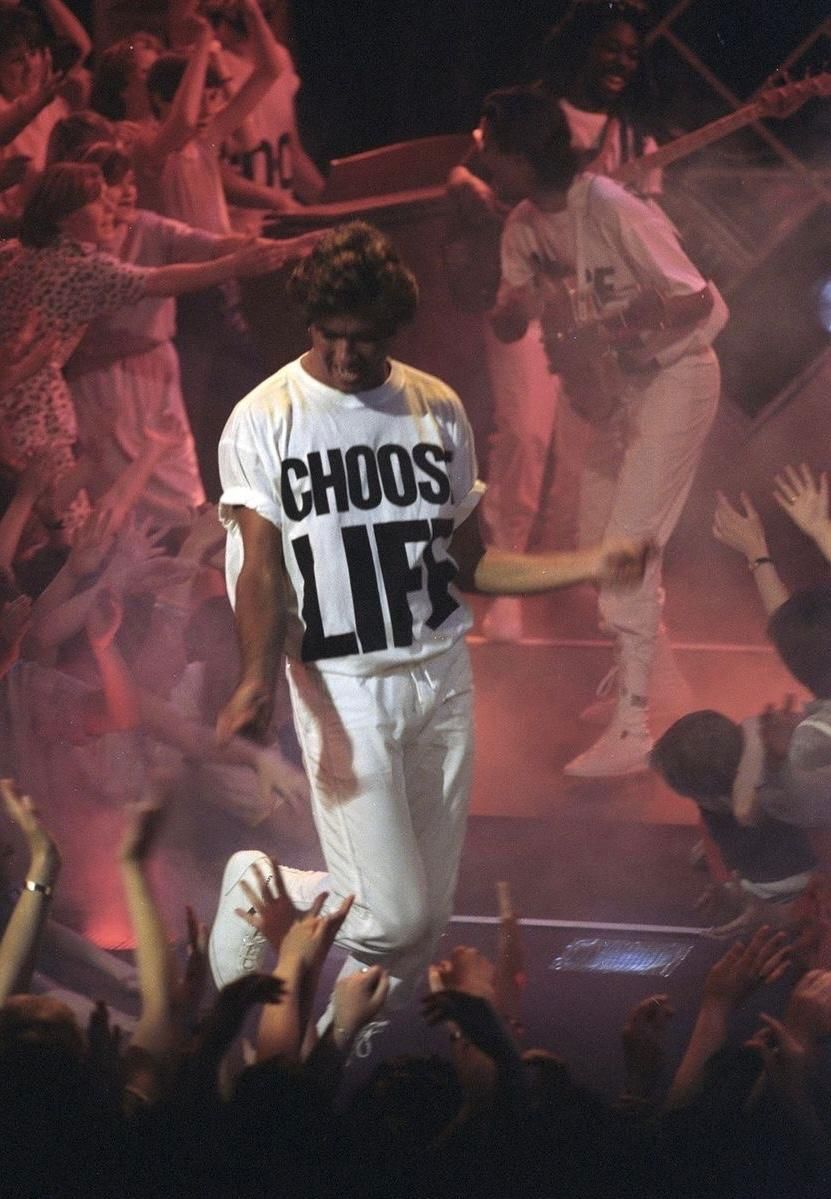
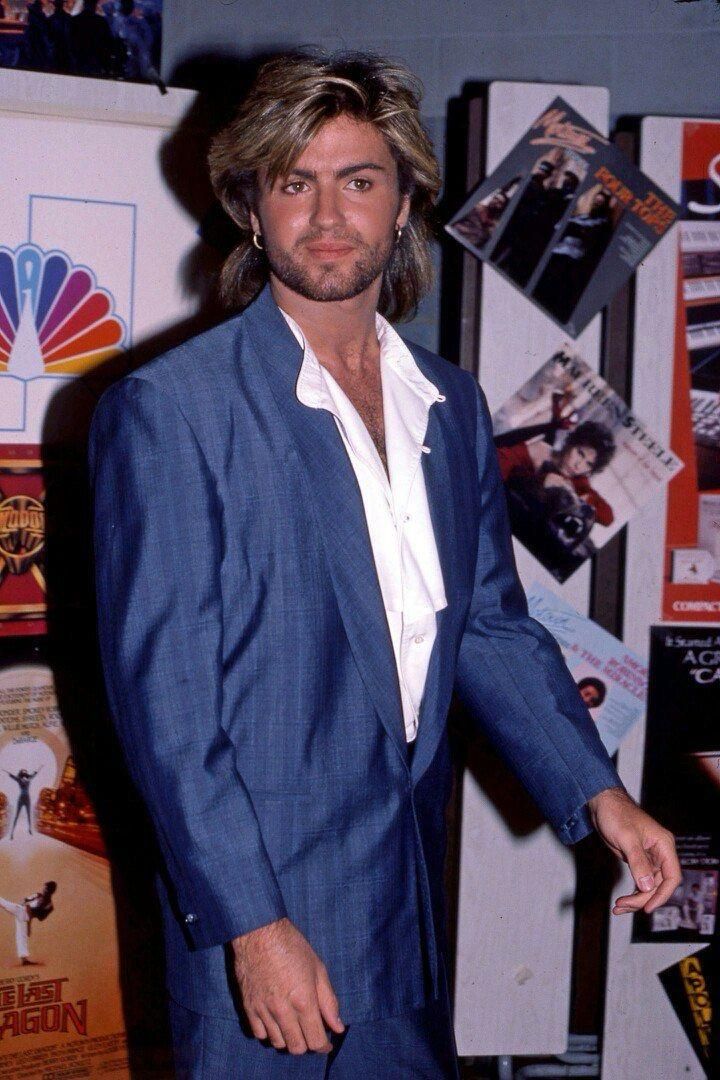
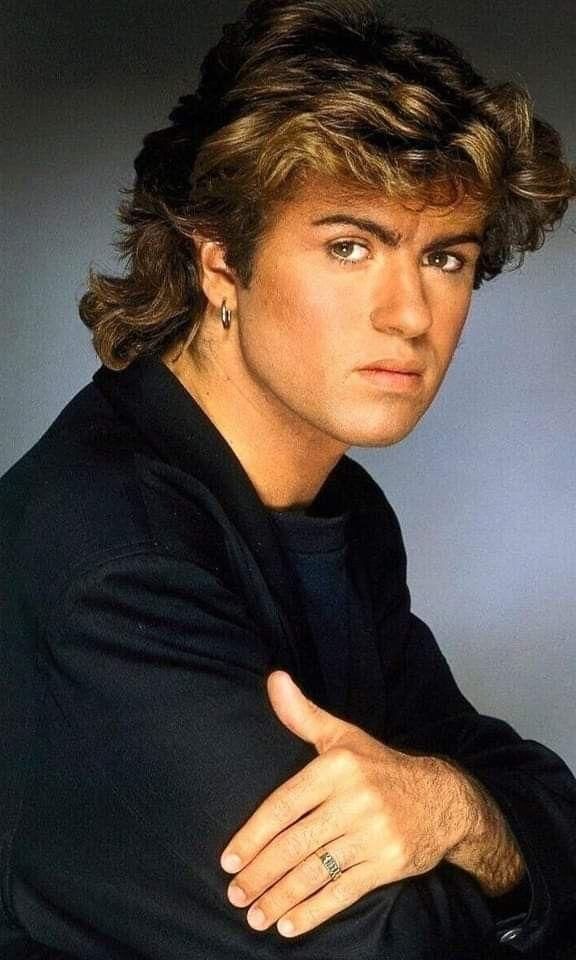
The era's vibrant spirit is perfectly captured in the video for Wake Me Up Before You Go-Go, where the two artists wear a white t-shirt emblazoned in oversized letters with "CHOOSE LIFE." Michael, in particular, becomes the idol of British teenage girls: in Club Tropicana the singer plays the tanned Latin lover in swim briefs amid cocktails and pool floats, while in Last Christmas and Careless Whisper he transforms into the archetype of the romantic boy — unbuttoned shirts, smouldering looks and his iconic backcombed hair, the very symbol of that decade.
In the early years of his career, George Michael's wardrobe was an explosion of geometric silhouettes and fluorescent palettes: jackets with towering shoulder pads, low-cut vests and the unforgettable yellow Fila tracksuit with jacket and ultra-short shorts, worn during a performance on the well-known British music programme The Tube — a look so brazen it would make even the contemporary short shorts of Harry Styles seem timid.
These were years when men on stage had no fear of sequins or glitter for fear of appearing less masculine. For a very young George Michael, already besieged by gossip about his sexuality, that aesthetic served as a kind of armour through which to express his identity without yet having to offer any explanations.
The Faith era
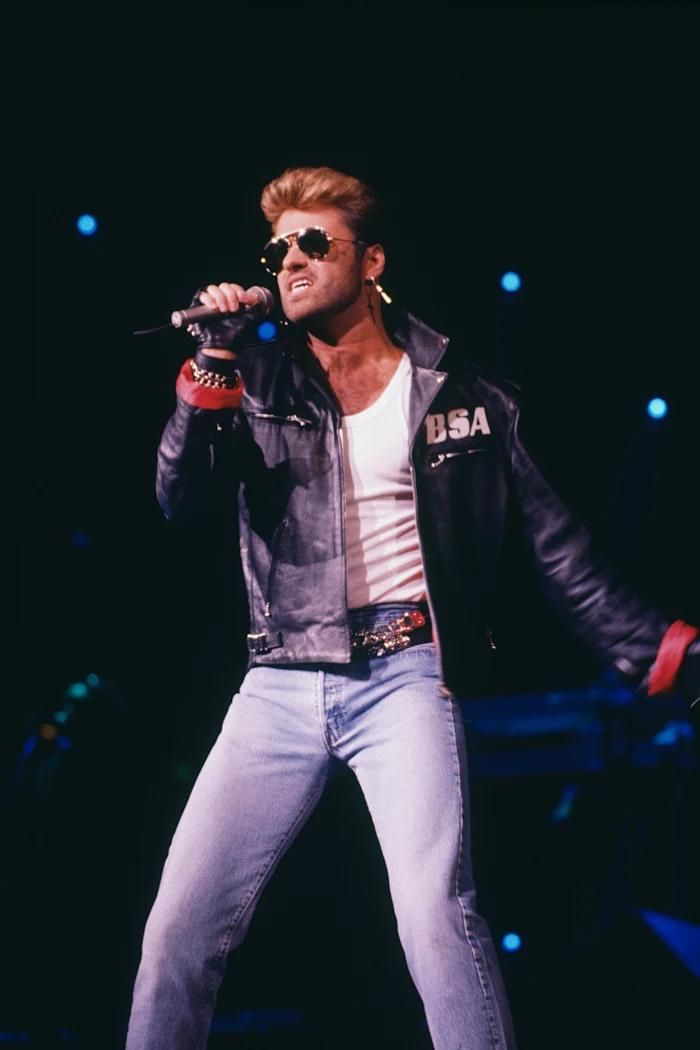
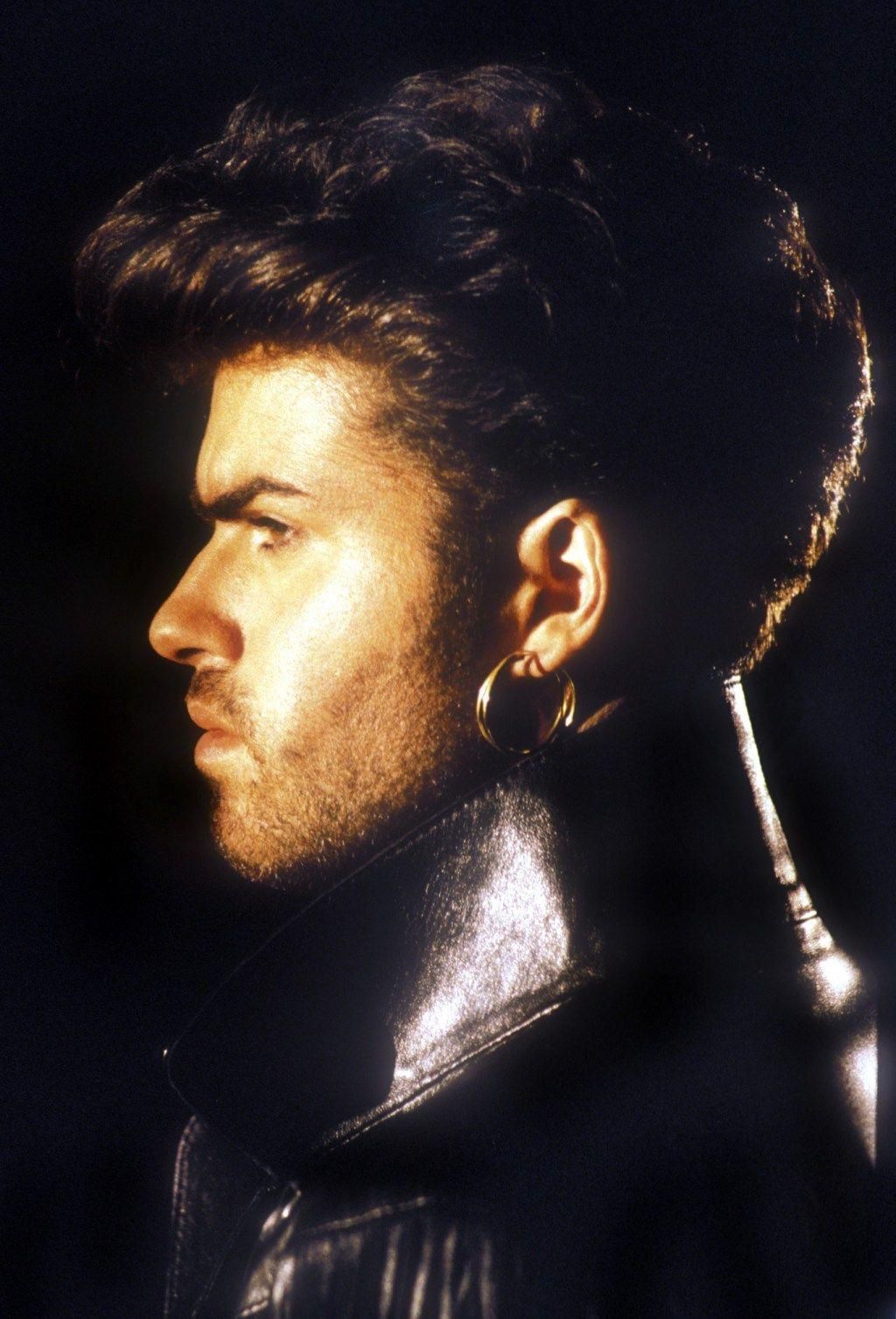
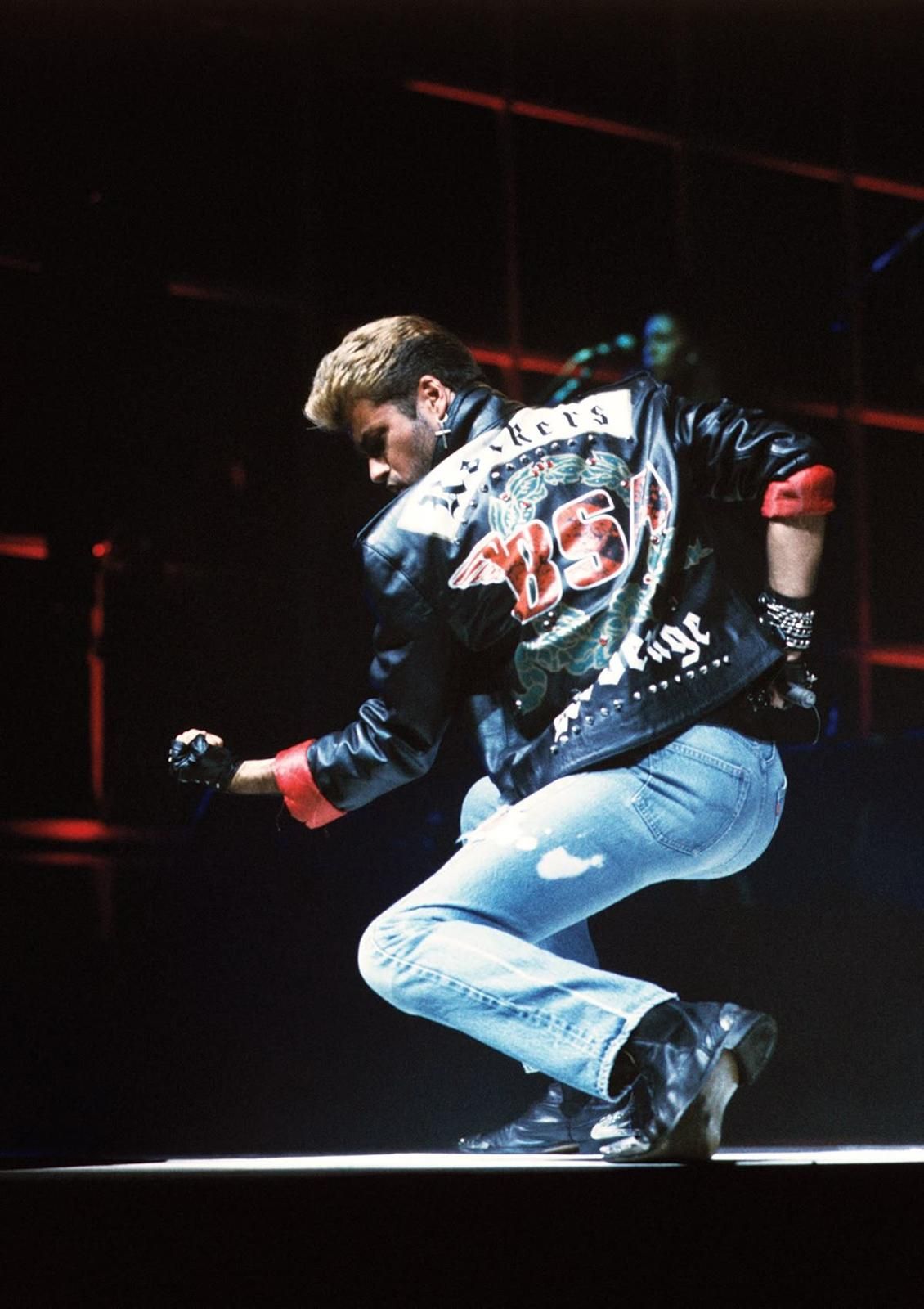
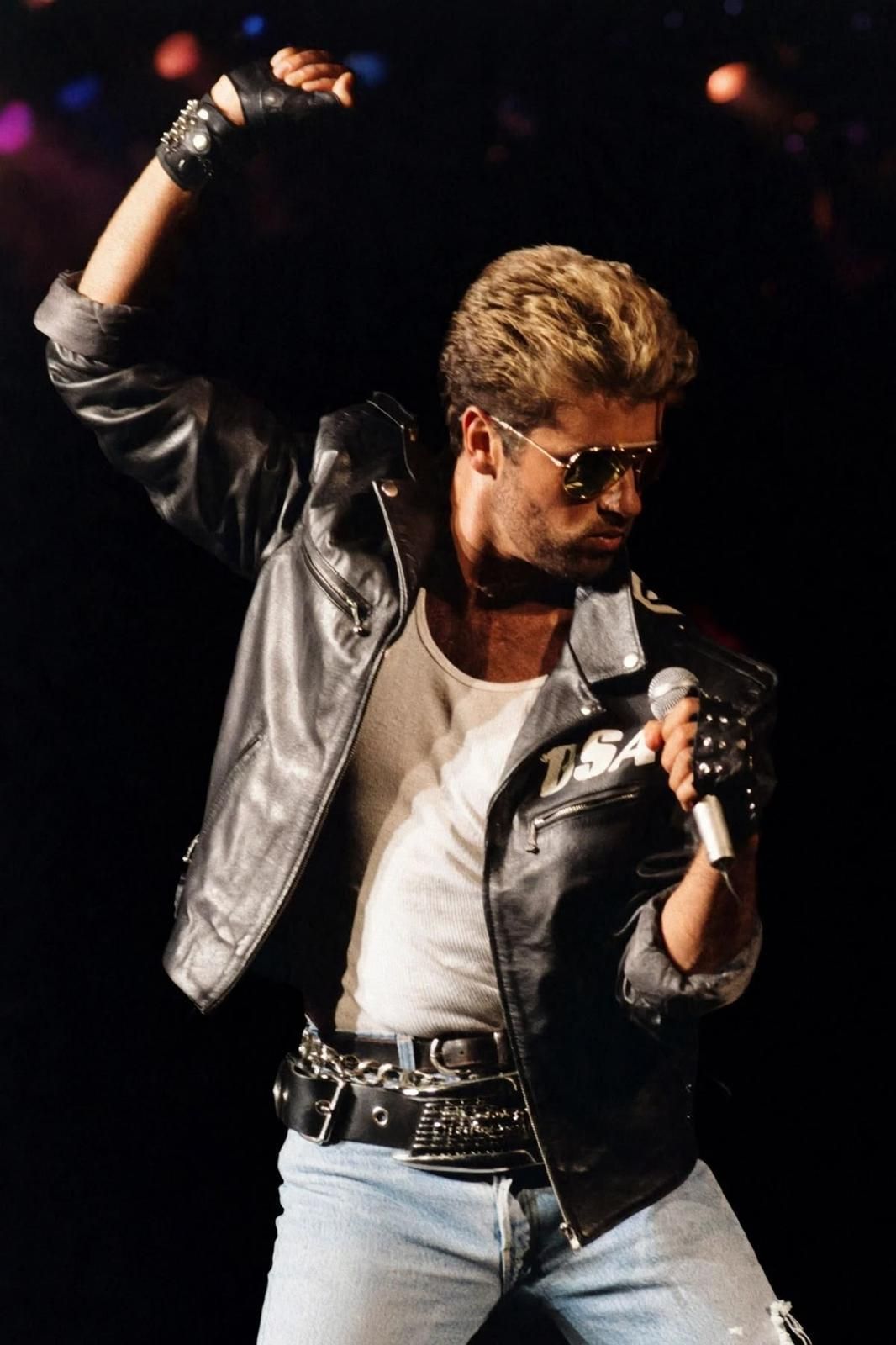
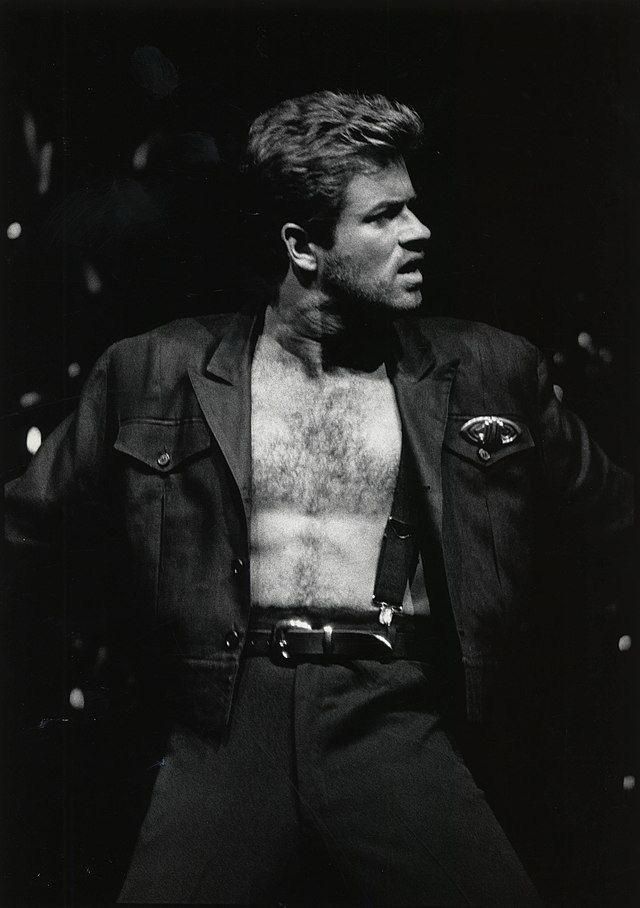
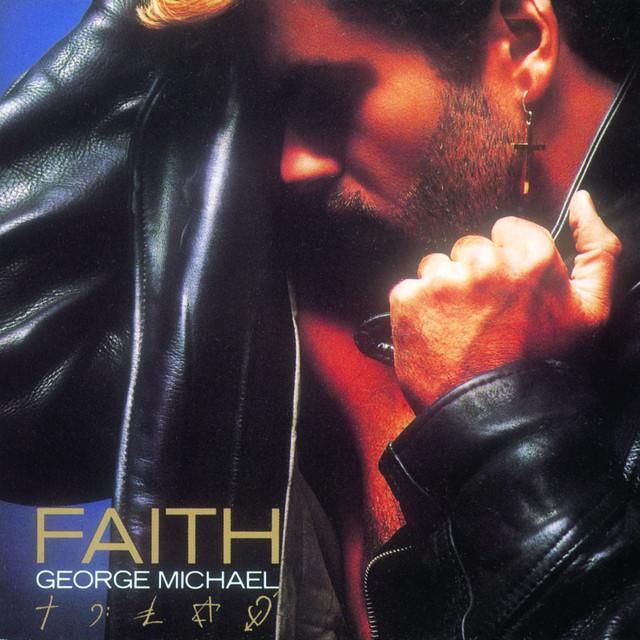
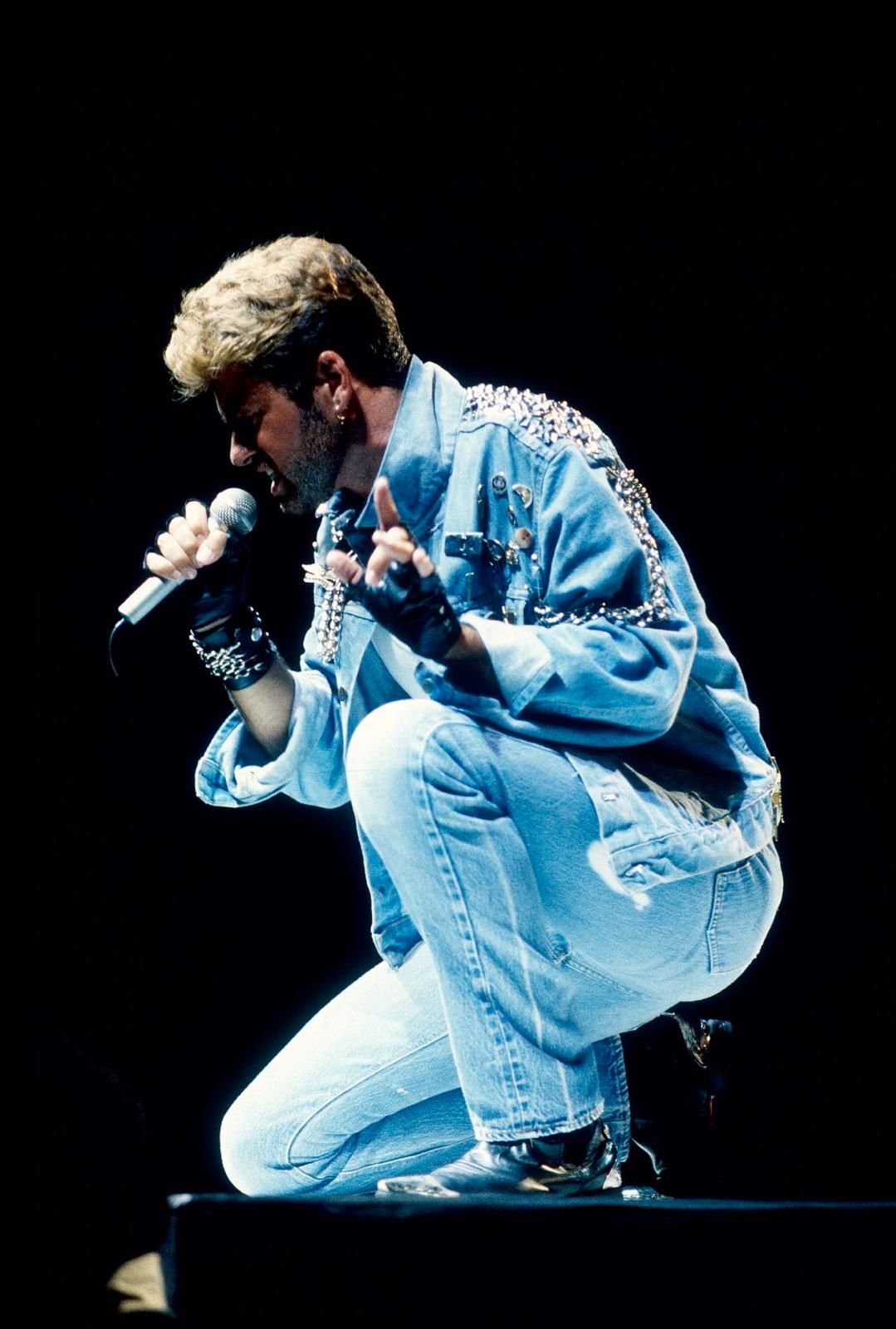
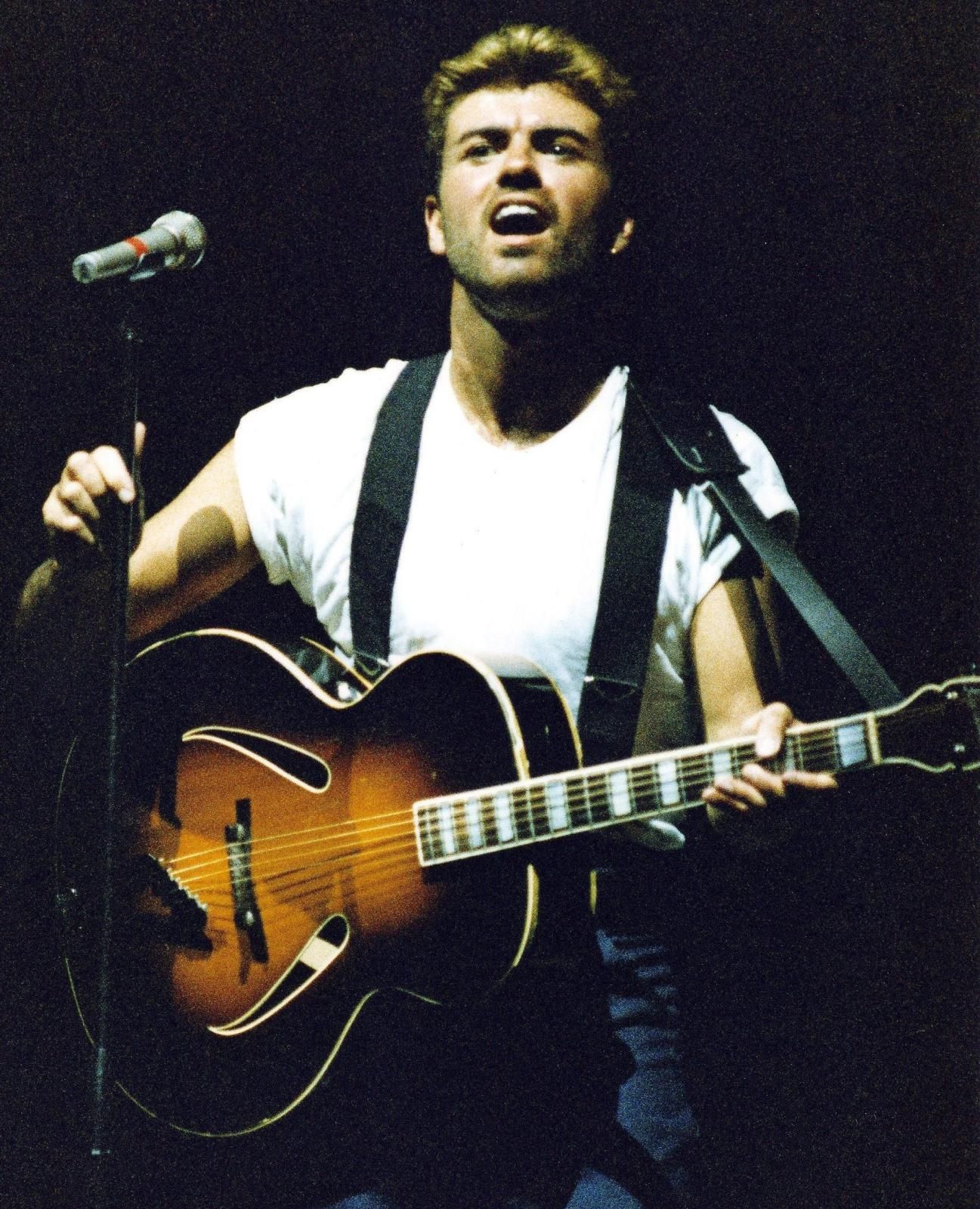
After the break-up of Wham, George Michael decided to cut ties with his boy-next-door image and explore a new style. The black leather jacket, braces over ripped Levi's 501s, the heavily styled quiff, aviator sunglasses and a dangling cross earring became symbols of a stylistic metamorphosis through which — much as happened with Elvis Presley in the 1950s — Michael became an intensely desired sex symbol.
Many accused him of being a mere sexual object in the hands of the music marketing machine, but in reality behind that biker persona lay a far more complex battle. Faith, his first solo album, was profoundly divisive, initially met with trepidation even by his own record label because it broke the taboos of mainstream pop by speaking explicitly about sexual desire.
It is no coincidence that on the album's celebrated cover, Michael posed bare-chested, wrapped in his leather jacket in a chiaroscuro shot that many have since read as the visual metaphor of a man still in the closet. In those very years marked by the fear and stigma of the AIDS epidemic, Michael's album proved to be a genuine political manifesto. When television interviewers of the time provoked him with intrusive questions about his private life and accused him of promoting promiscuity through his music, he responded by passionately denouncing the hypocrisy of a society that was once again beginning to treat sex as something to be censored.
His definitive answer was already written into the lyrics of I Want Your Sex, the single banned by many radio stations and transformed into an anthem for sexual freedom: "Sex is natural, sex is good. Not everybody does it, but everybody should."
George Michael and the fashion industry
With the arrival of the Nineties, George Michael entered a season of full artistic maturity — but also the most complex and painful chapter of his career. From Listen Without Prejudice Vol. 1 onwards, he chose to put the music ahead of his own image, even refusing to appear in music videos. A watershed moment was born, both for the history of music and of fashion: in the celebrated video for Freedom! '90, directed by David Fincher, Michael cedes the stage to five very young models — Naomi Campbell, Linda Evangelista, Cindy Crawford, Christy Turlington and Tatjana Patitz.
The video redefined the aesthetic of the industry, cementing the supremacy of the Supermodels: a few months later, Gianni Versace would have them walk the runway together in Milan, to the strains of Freedom! '90. The dialogue with fashion continued in 1992 with Too Funky, a video co-directed with Thierry Mugler in which Michael plays a cameraman backstage at a Couture show.
A new life and a new style
Behind the scenes, the '90s were years of great change in the artist's life. George Michael embarked on a landmark legal battle against Sony Music, which he accused of "professional slavery" and of stifling his creative freedom. Although he lost the case in court, he became a global symbol of artists' struggle for control over major labels.
On the personal front, the turning point came in 1998. After years of speculation and media pressure, an arrest for lewd conduct in a Beverly Hills public restroom became a brutal outing. Rather than hiding or apologising, however, Michael transformed that scandal into a rebirth. His response to the critics came with head held high in the video for Outside: dancing in a police uniform inside a public toilet transformed into a disco, George reclaimed himself with brazen self-irony and definitively consecrated himself as a queer icon.
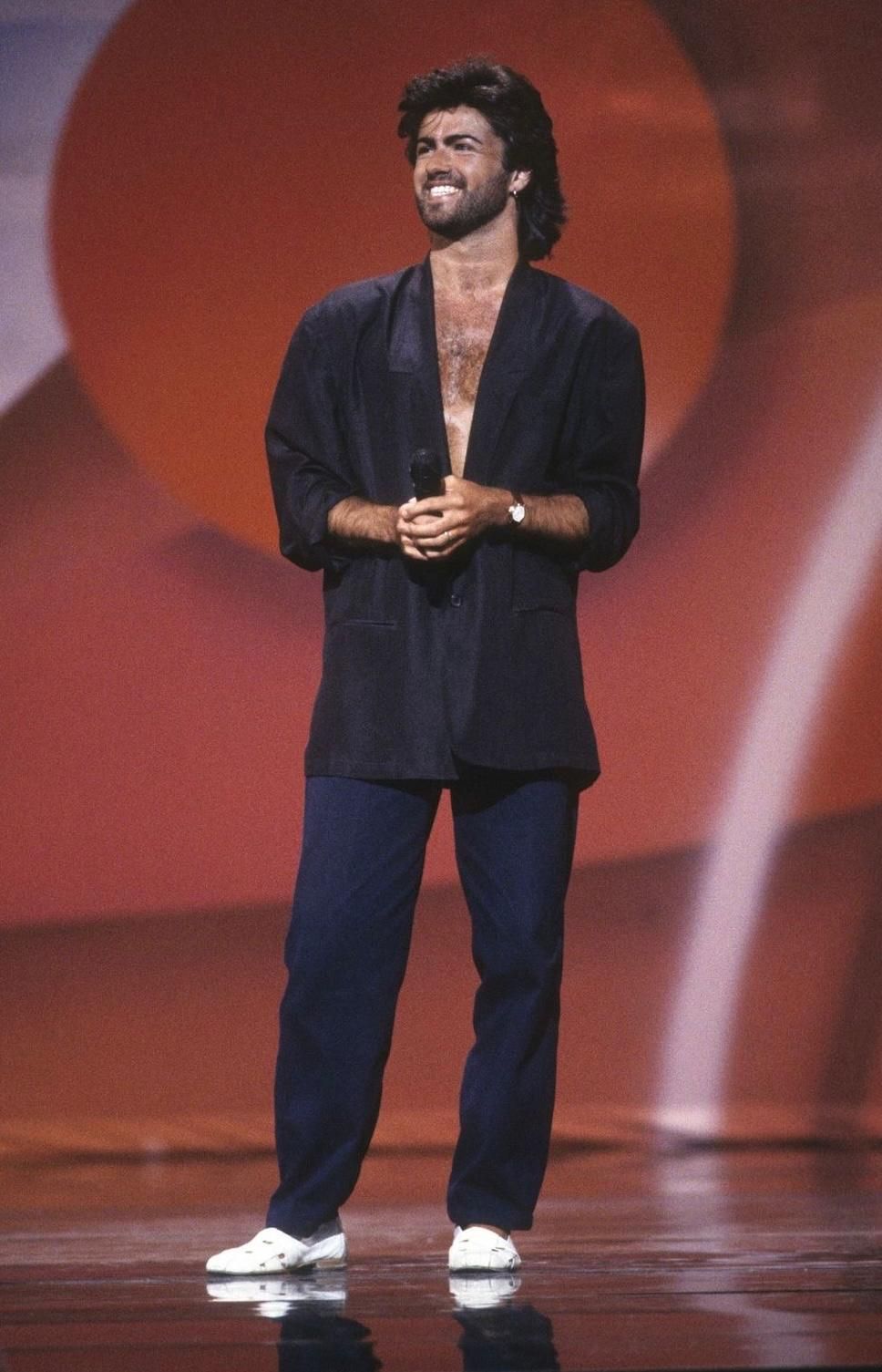
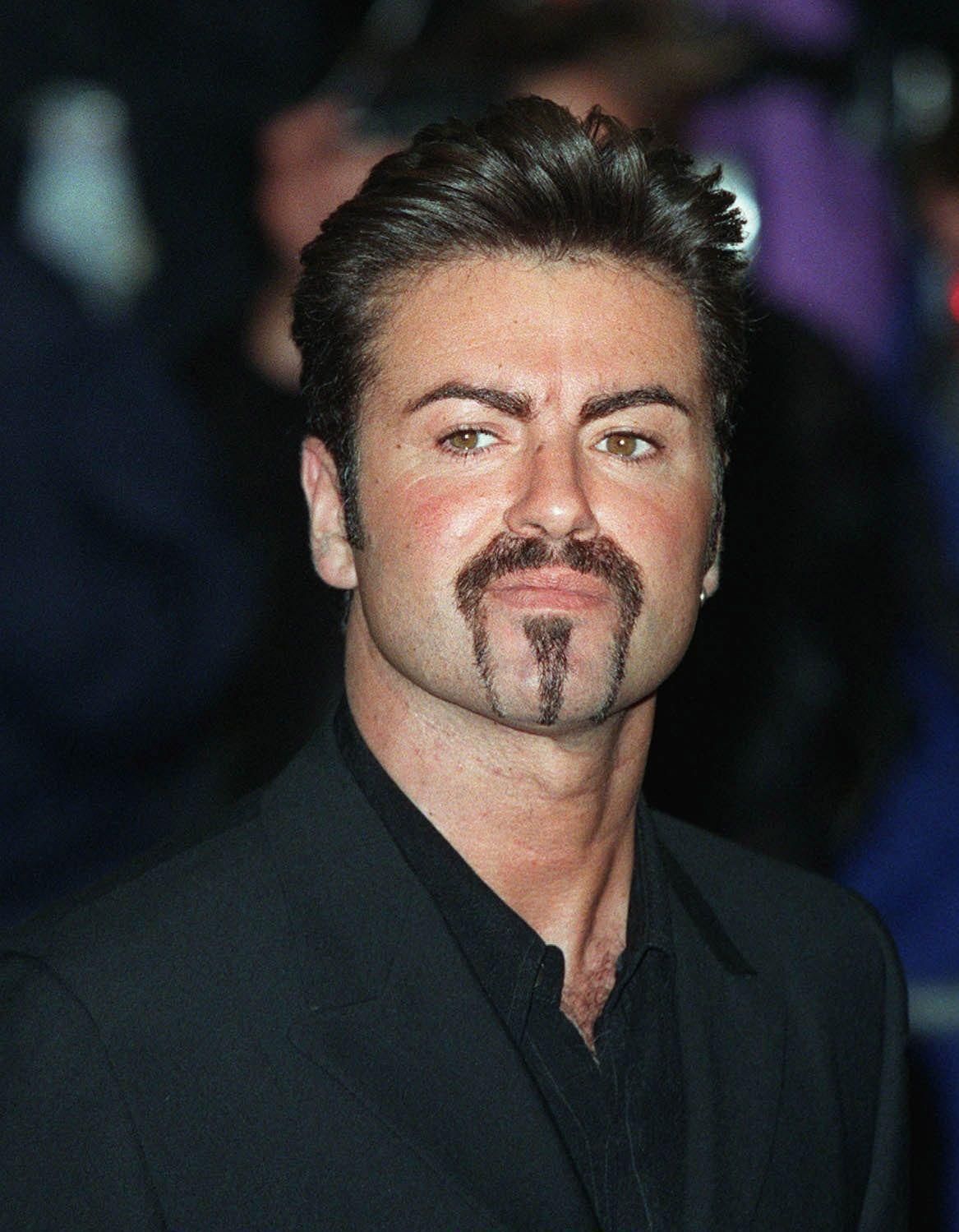
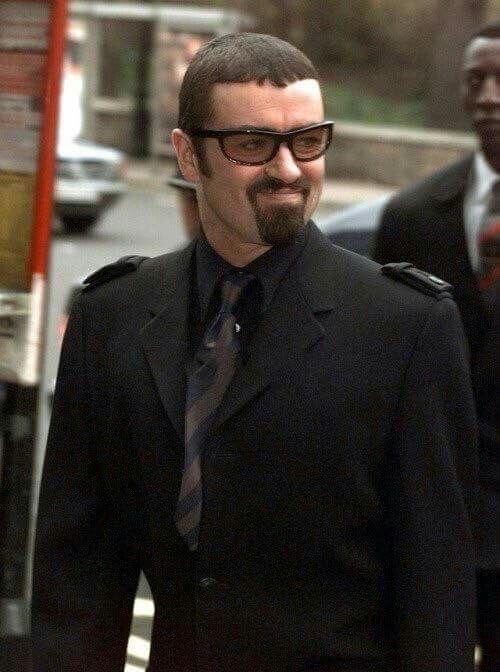
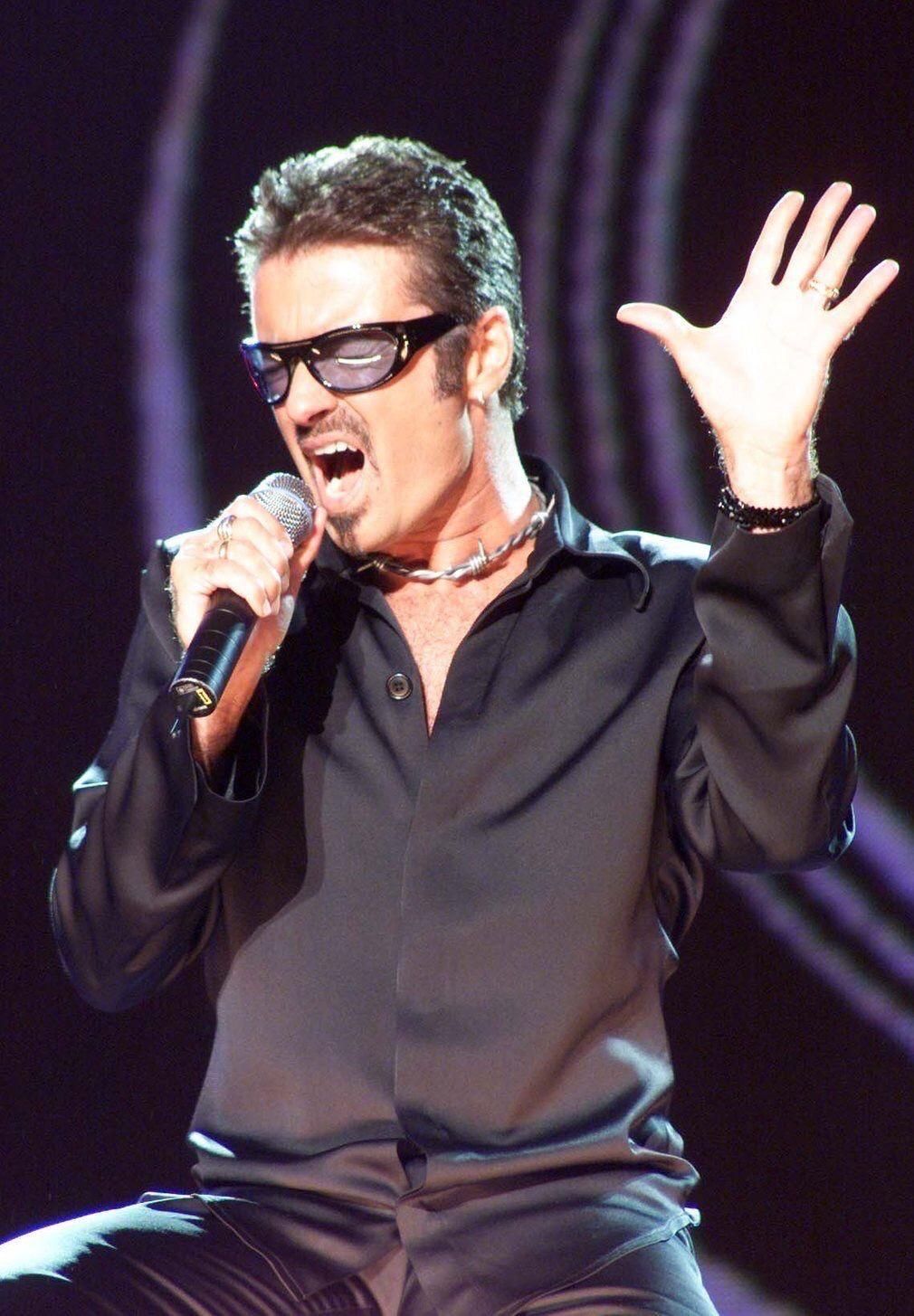
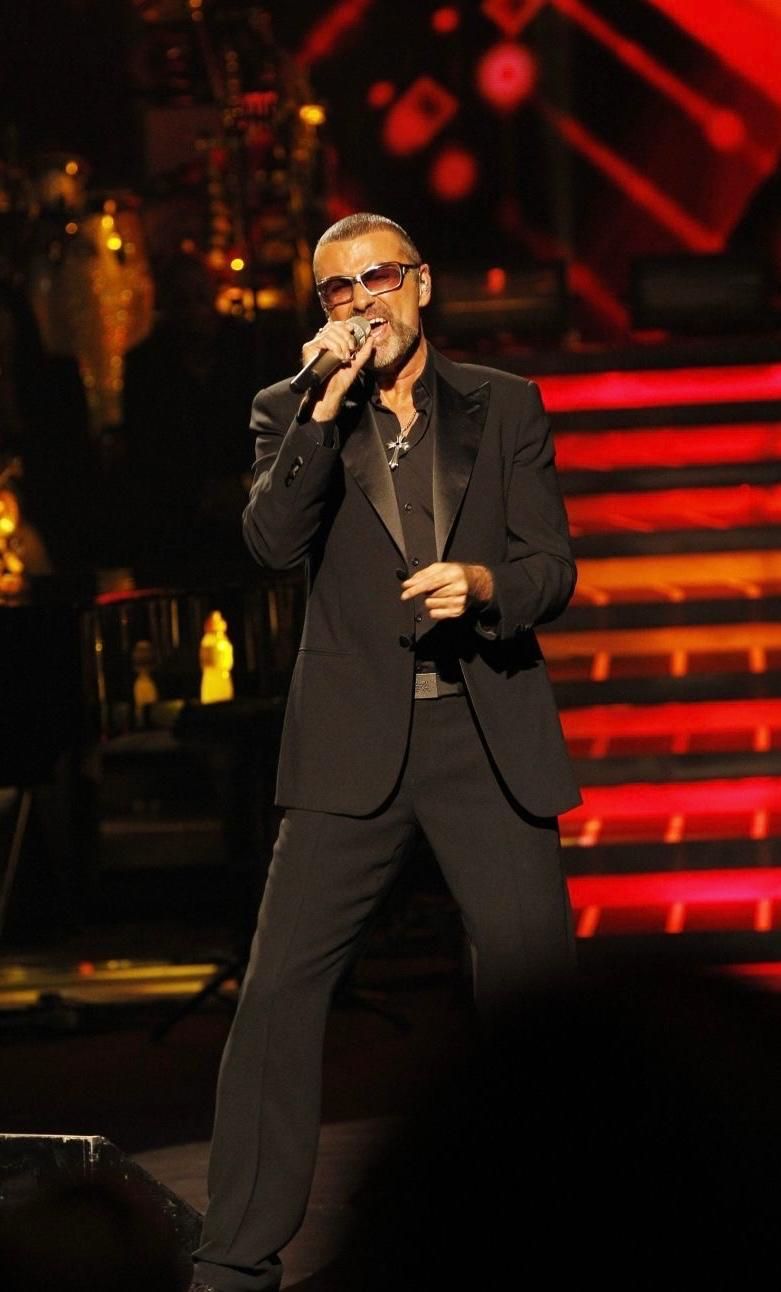
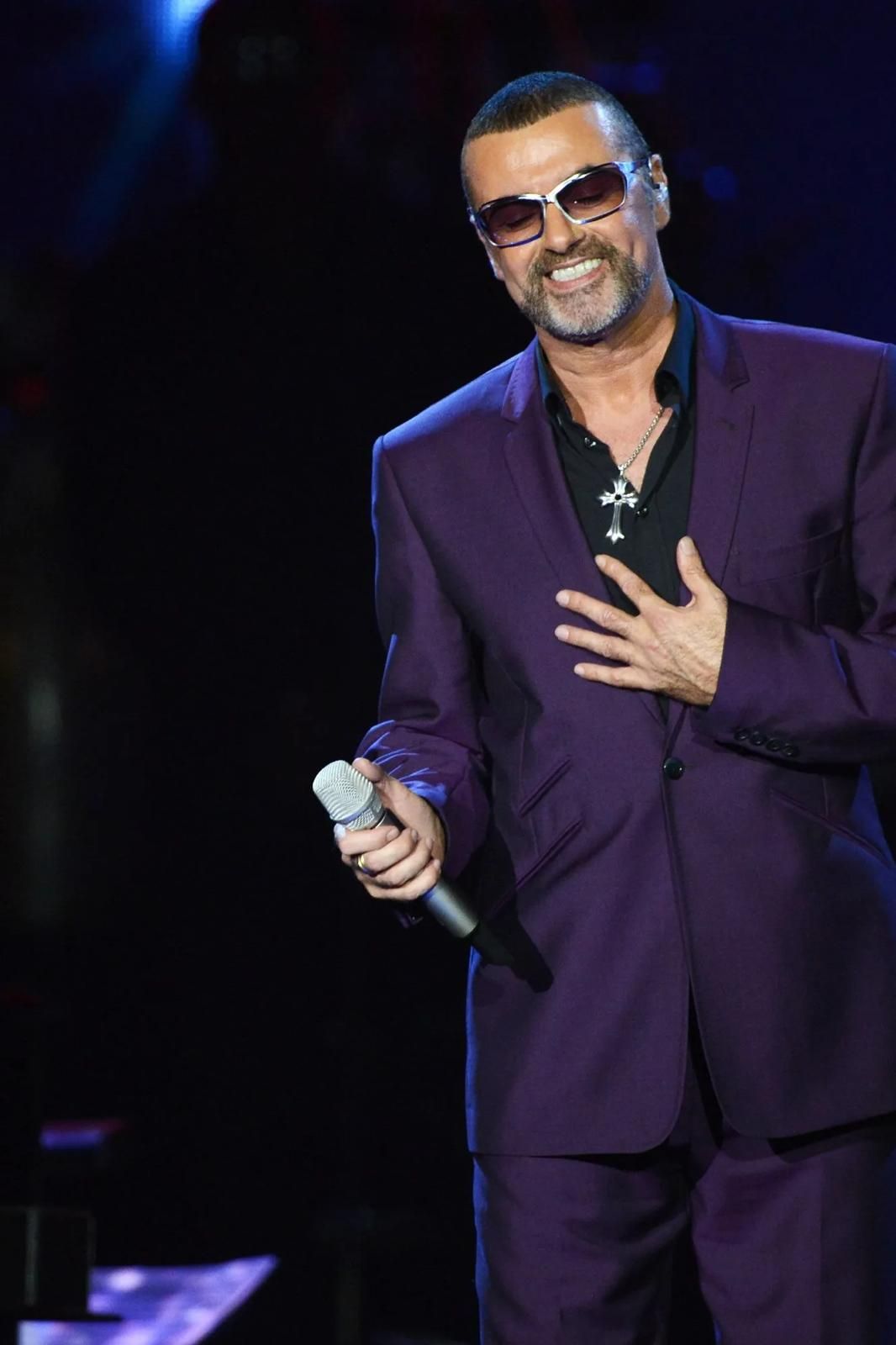
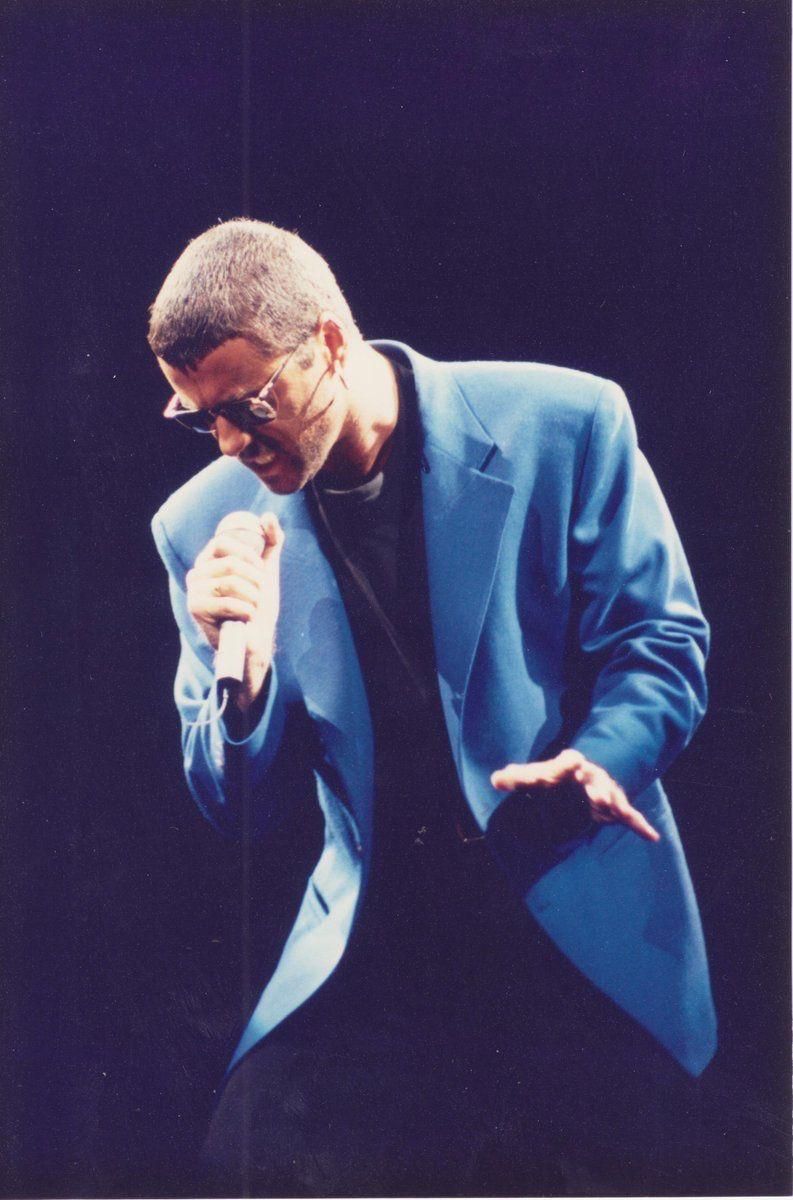
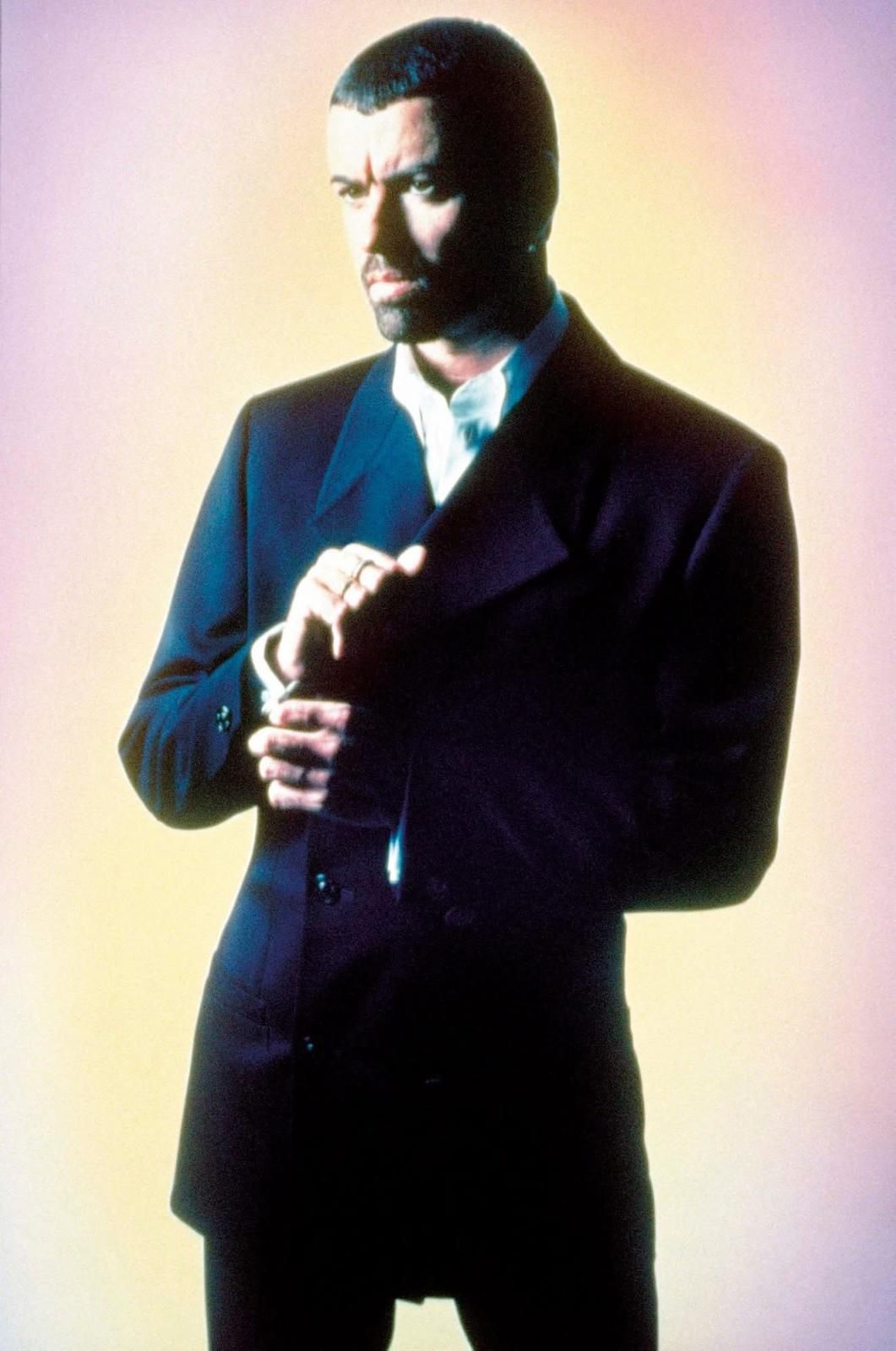
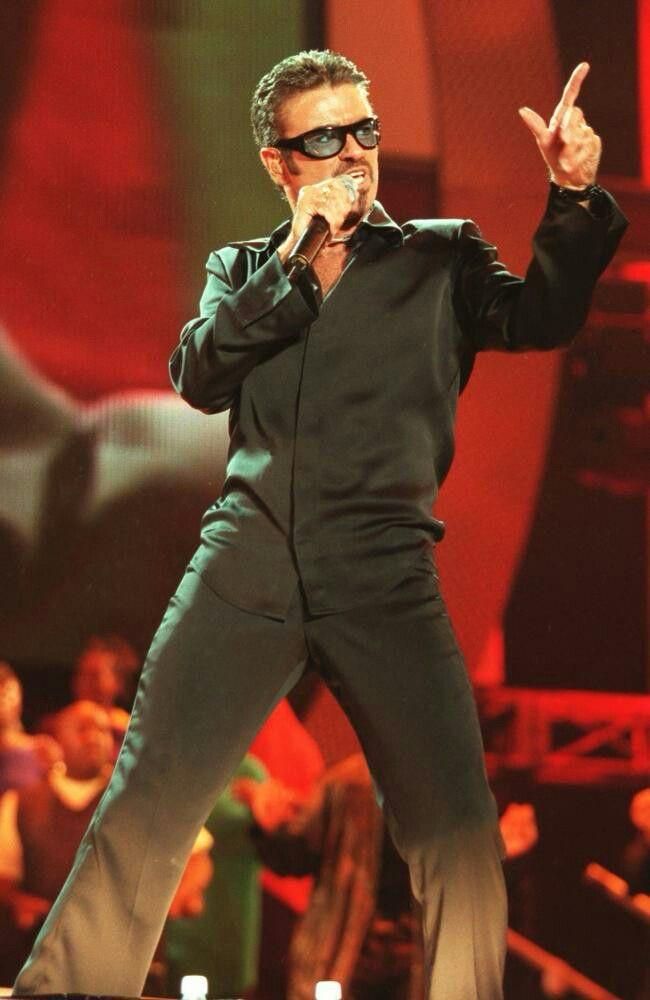
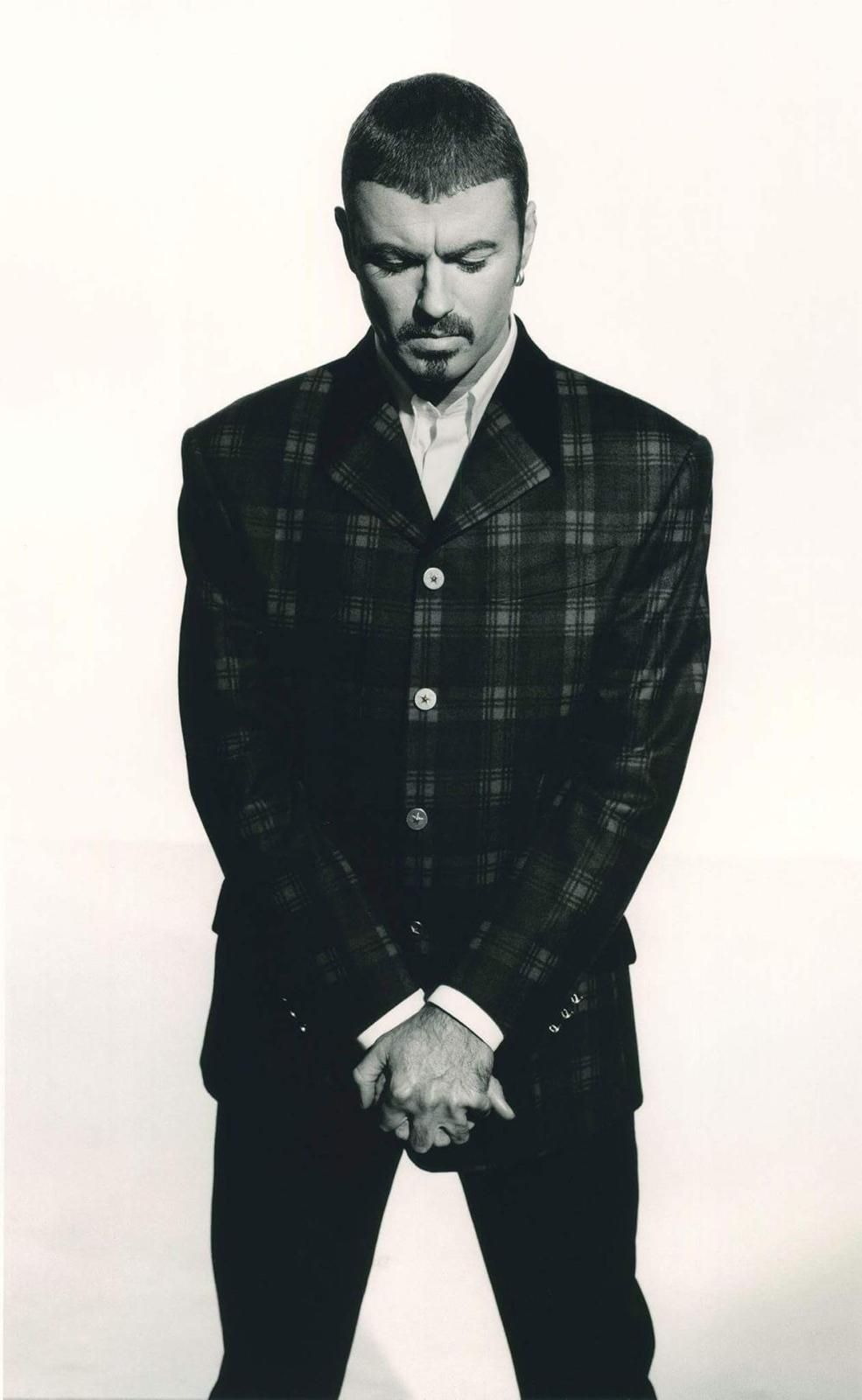
During this phase his style also grew more mature. In concerts as in public appearances, George Michael created his own personal aesthetic code blending tailoring and sensuality, sporting impeccable suits — often by Armani or Versace — paired with soft, lustrous silk shirts. His slightly unkempt beard became a geometric gentleman's goatee, and the mirrored aviators gave way to refined smoked-lens glasses.
Between worldwide hits we still sing today, battles for creative freedom, style metamorphoses and personal vindications, the pop icon's life already reads like a perfect screenplay. Who knows whether this renewed collective enthusiasm at the cinema might not be the ideal springboard — after years of rumours and denials — for the great biopic that a music legend like George Michael truly deserves.
What to read next
Willy Chavarria makes his debut in leather goods
The American designer has unveiled his first handbag collection made in Italy
Prada presents a new publication dedicated to the brand's cultural projects
It's called Prada Index and it's a magazine and map for understanding the Maison's universe

The best roles of Chloê Sevigny
From cinema to series, let's look back at the career of the it-girl on her birthday