































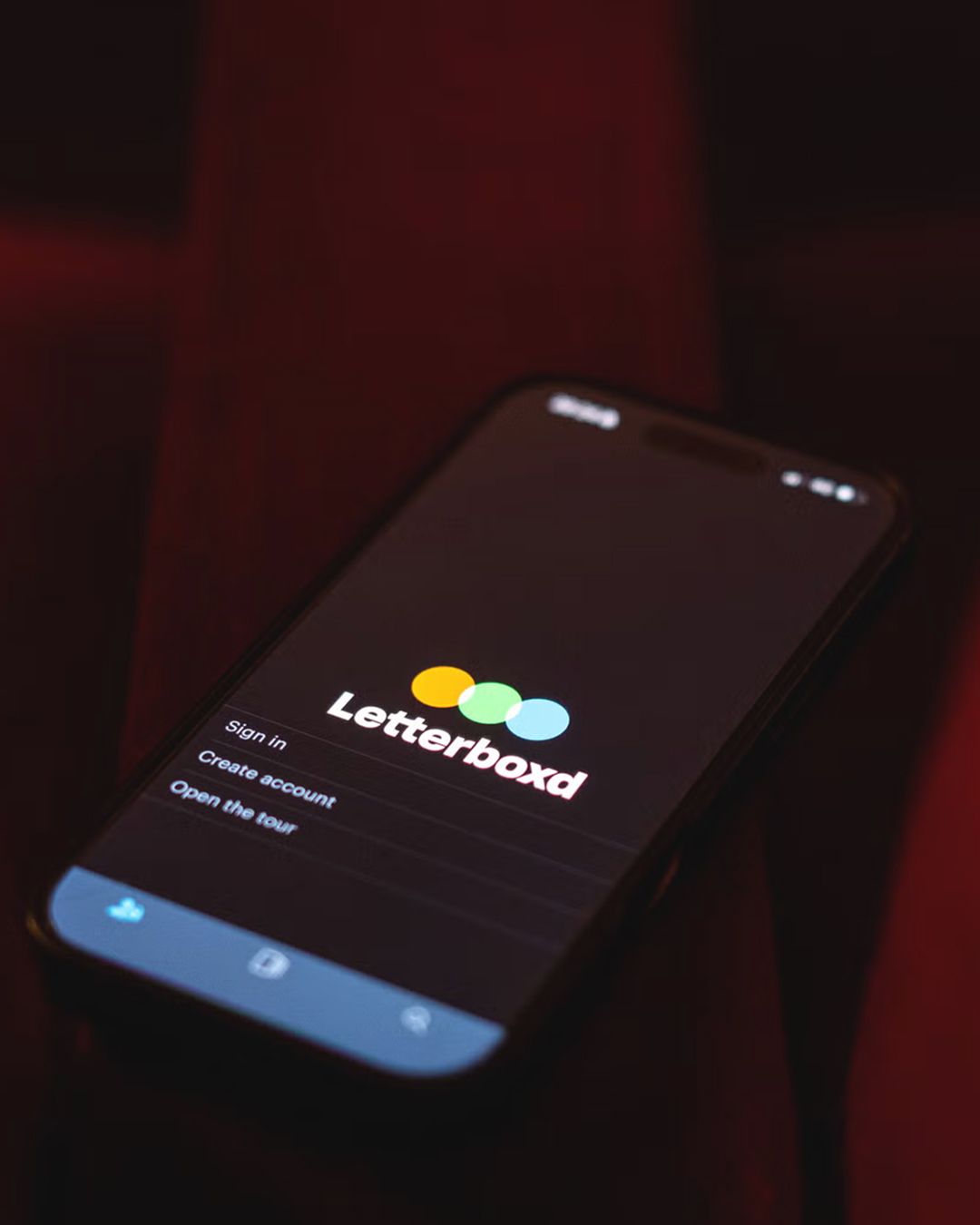
What is happening to Letterboxd? The possible sale of the platform is putting its greatest quality at risk: its independence
Founded in 2011 to allow users to rate, recommend, and review films, Letterboxd has become the most trusted platform for gauging how well a film is actually received. The platform now has around 30 million users, and the majority of its features are free.
In recent years, Letterboxd has grown considerably, becoming increasingly popular beyond the circle of dedicated film enthusiasts. The economic value of the company behind it has risen accordingly — so much so that, according to the New York Times, potential buyers are currently in talks with the company and willing to pay up to $300 million to acquire it. In 2023, the platform was valued at $50 million.
Why Letterboxd has become so popular
@letterboxd Four Favorites with Golden Globe winner Emma Stone at Palm Springs International Film Festival #emmastone #fourfavorites #letterboxdtop4 #letterboxd #interview #poorthings #goldenglobes #cinephile #filmtok #movies #fyp #foryou original sound - Letterboxd
Letterboxd is highly regarded not only by film fans but also by industry insiders: directors Francis Ford Coppola and Sean Baker, among many others, are quite active on the platform. The social network is also considered an excellent showcase for promoting films, which is why a considerable number of parties are interested in acquiring it — among them the New York Times itself, which is said to have already submitted an offer, the renowned distribution company A24, and Netflix.
Letterboxd's value stems in large part from its independence: since its founding, the platform has remained largely removed from the commercial dynamics of major entertainment conglomerates — a factor that has made it particularly beloved by its community. However, an acquisition by a large corporation could substantially alter its nature and the way it operates. A similar situation arose when Amazon acquired a book review site in 2013 with features reminiscent of Letterboxd's, but failed to develop a business model that preserved its original character.
Letterboxd was founded by Matthew Buchanan and Karl von Randow, two New Zealand entrepreneurs with backgrounds in web design and app development. From the outset, however, the platform followed a different logic from that of typical social networks: rather than building a portal aimed at maximising time spent online, Buchanan and Randow focused on creating a digital space devoted to a passion for cinema. Letterboxd does not use a sophisticated algorithm designed to keep users engaged on the platform the way Instagram, TikTok, or Twitter do — something that makes the experience far more enjoyable for its users. It is no coincidence that, as early as 2023, the New York Times described it as «an oasis in the social media swamp».
What investors find appealing about Letterboxd
Just so you know, the possibility of someone from the other side of the world analyzing one of your letterboxd reviews in class is real pic.twitter.com/WIMwEOoPEl
— ؘ (@dunexcx) September 22, 2026
One of Letterboxd's largely untapped assets — and one that potential buyers are particularly keen on — is the data generated by its user community. The platform holds information on the viewing habits, tastes, and trends of an audience that is largely young and deeply passionate about film — precisely the demographic the film industry is most eager to reach today.
Analysing which films are chosen, which generate the most interest, and how they are discussed on Letterboxd could give Hollywood studios invaluable insights for their marketing and distribution strategies. One example is the watchlist feature, which allows users to save films they haven't seen yet but want to watch — including titles that have just been announced. This feature can provide an indication of audience interest in a film even before its release, making it possible to calibrate and plan the corresponding promotional campaign accordingly.