
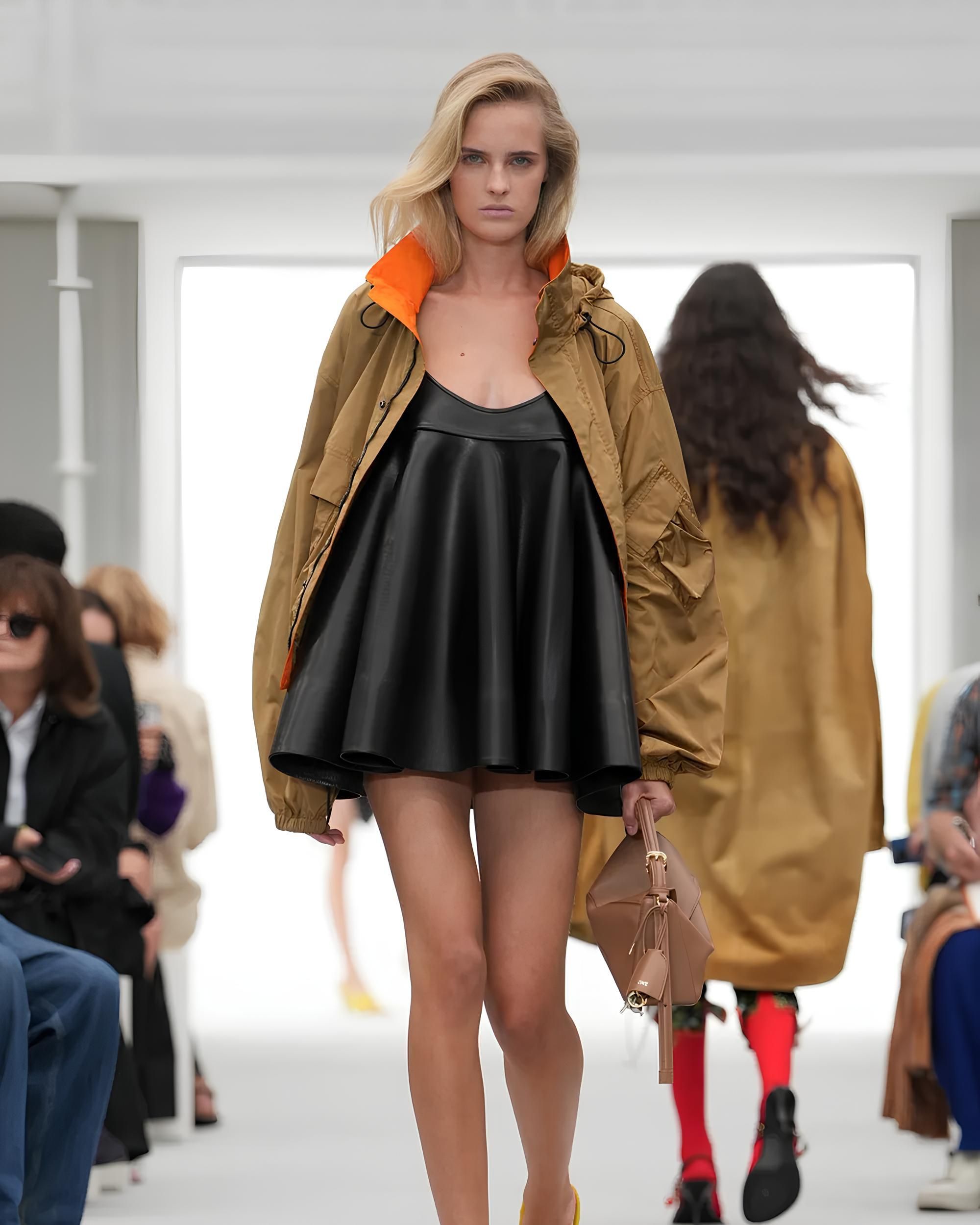
The Play of Volumes in Loewe's SS27 Collection With Lazaro Hernandez and Jack McCollough, the brand seems to be in good hands
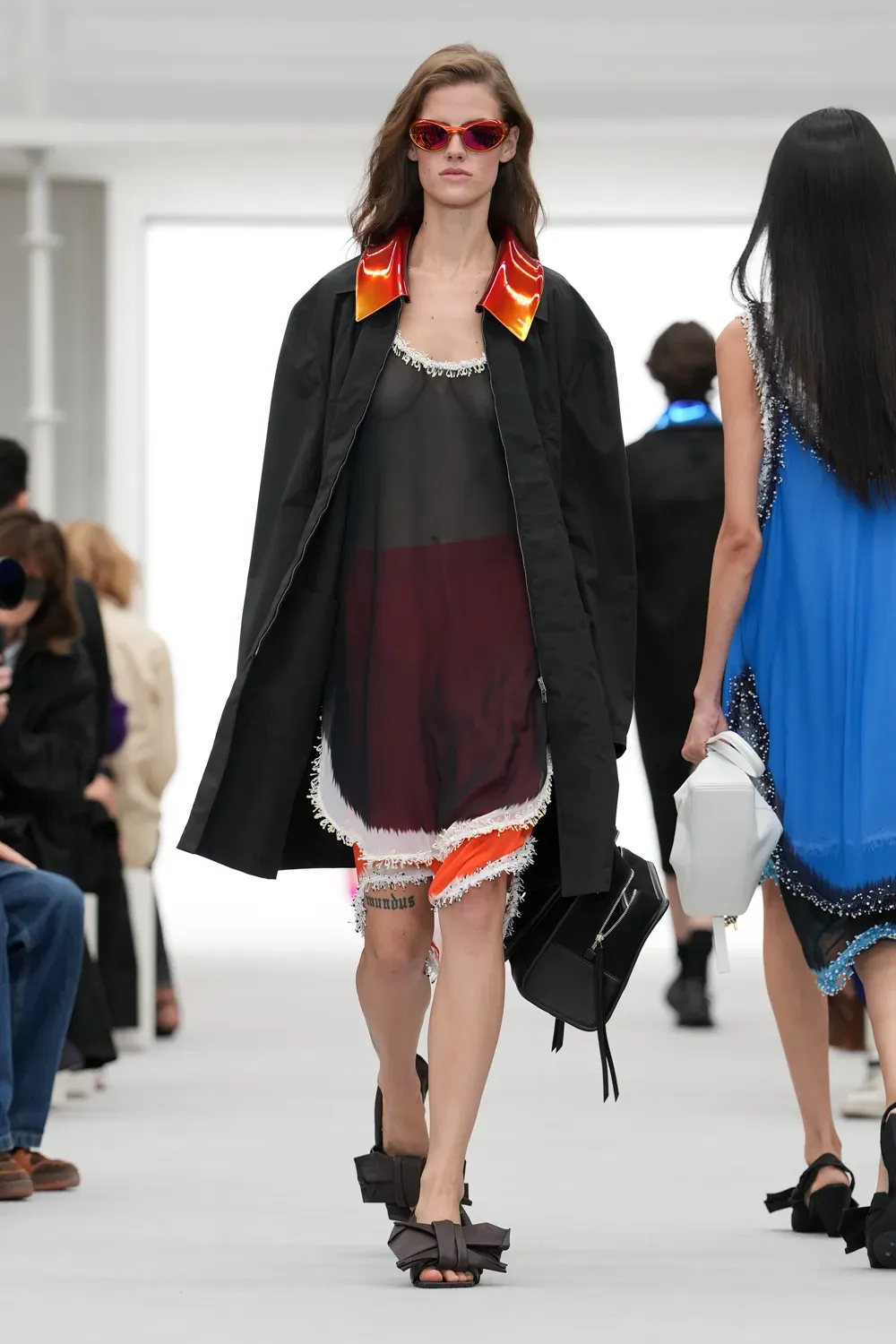
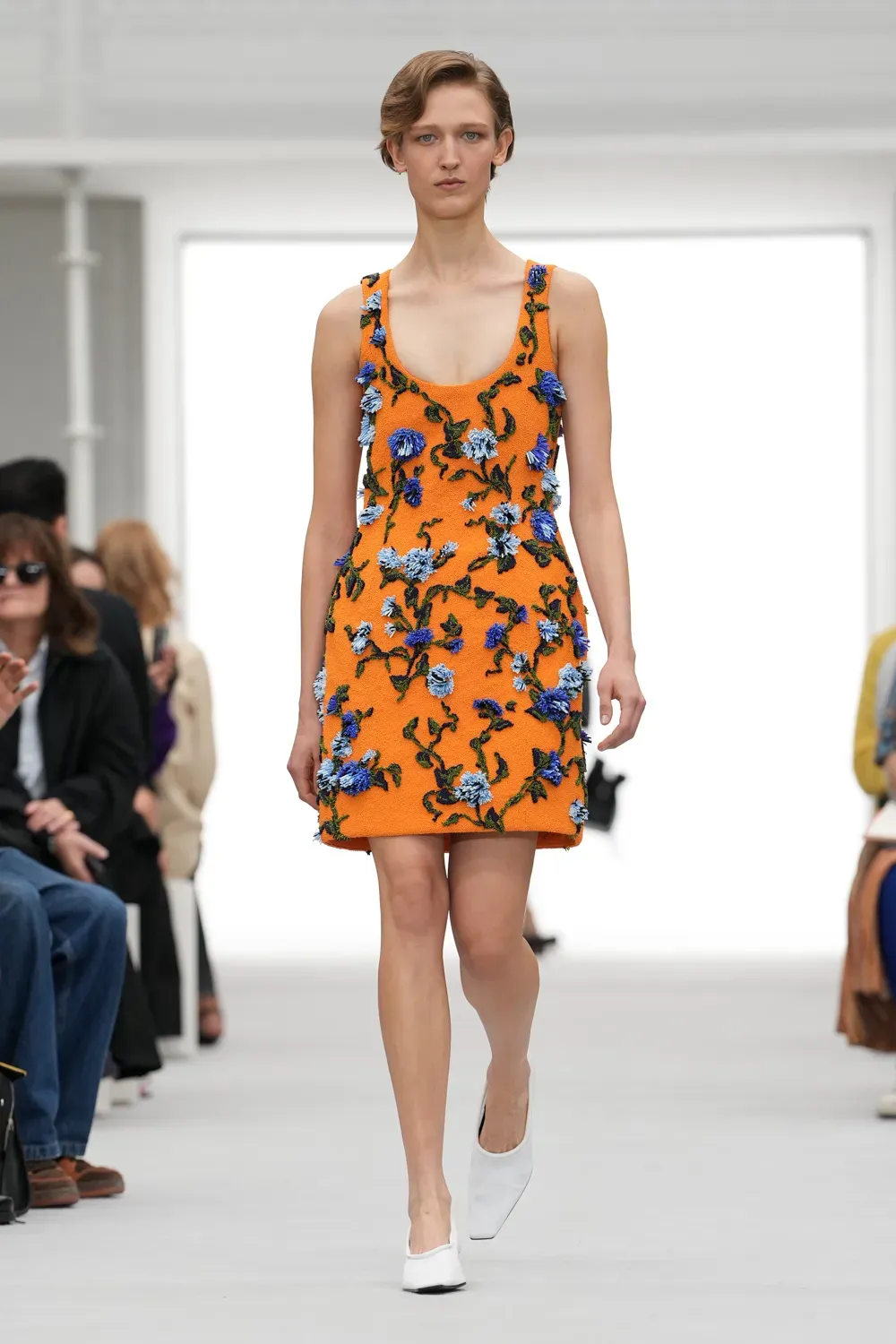
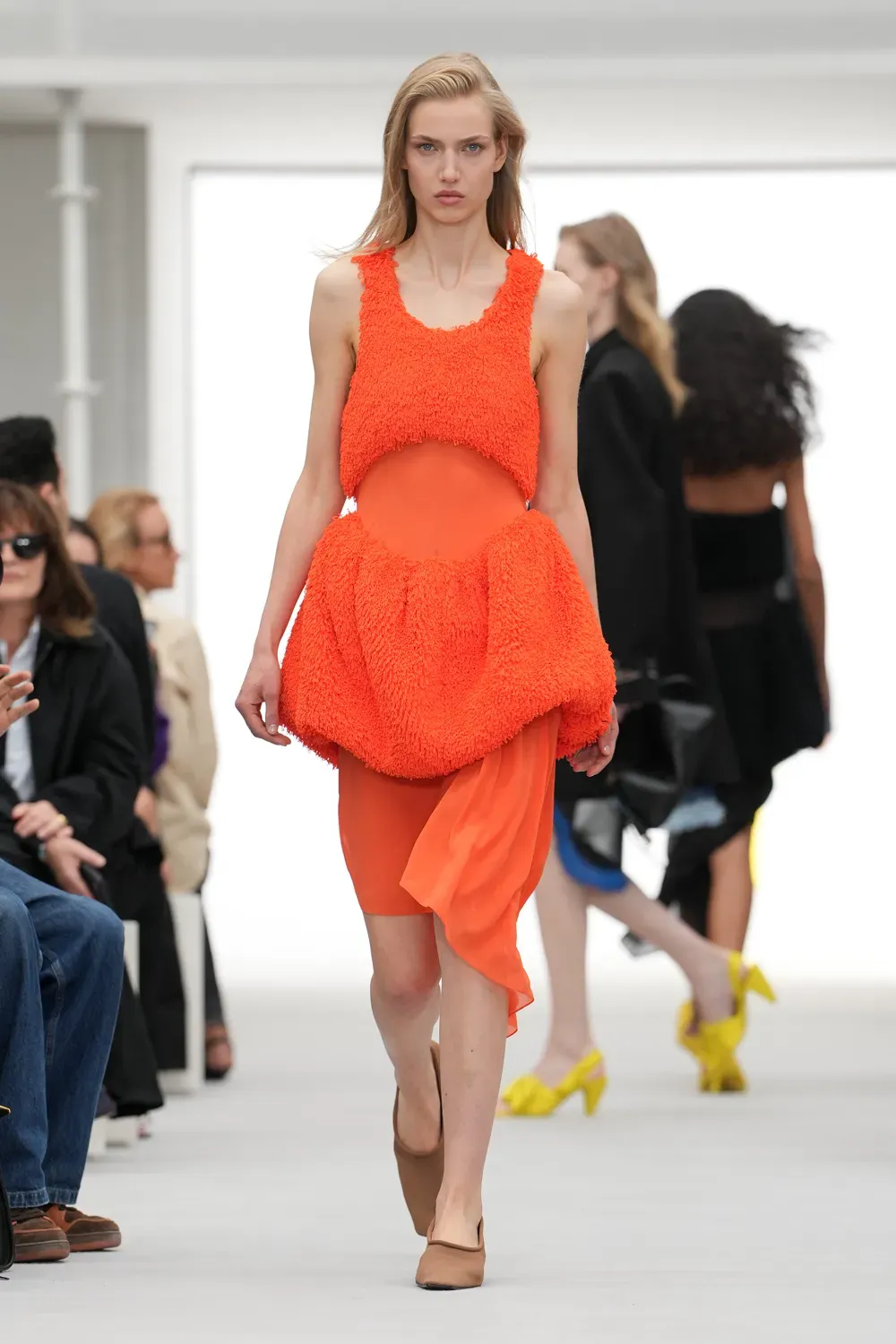
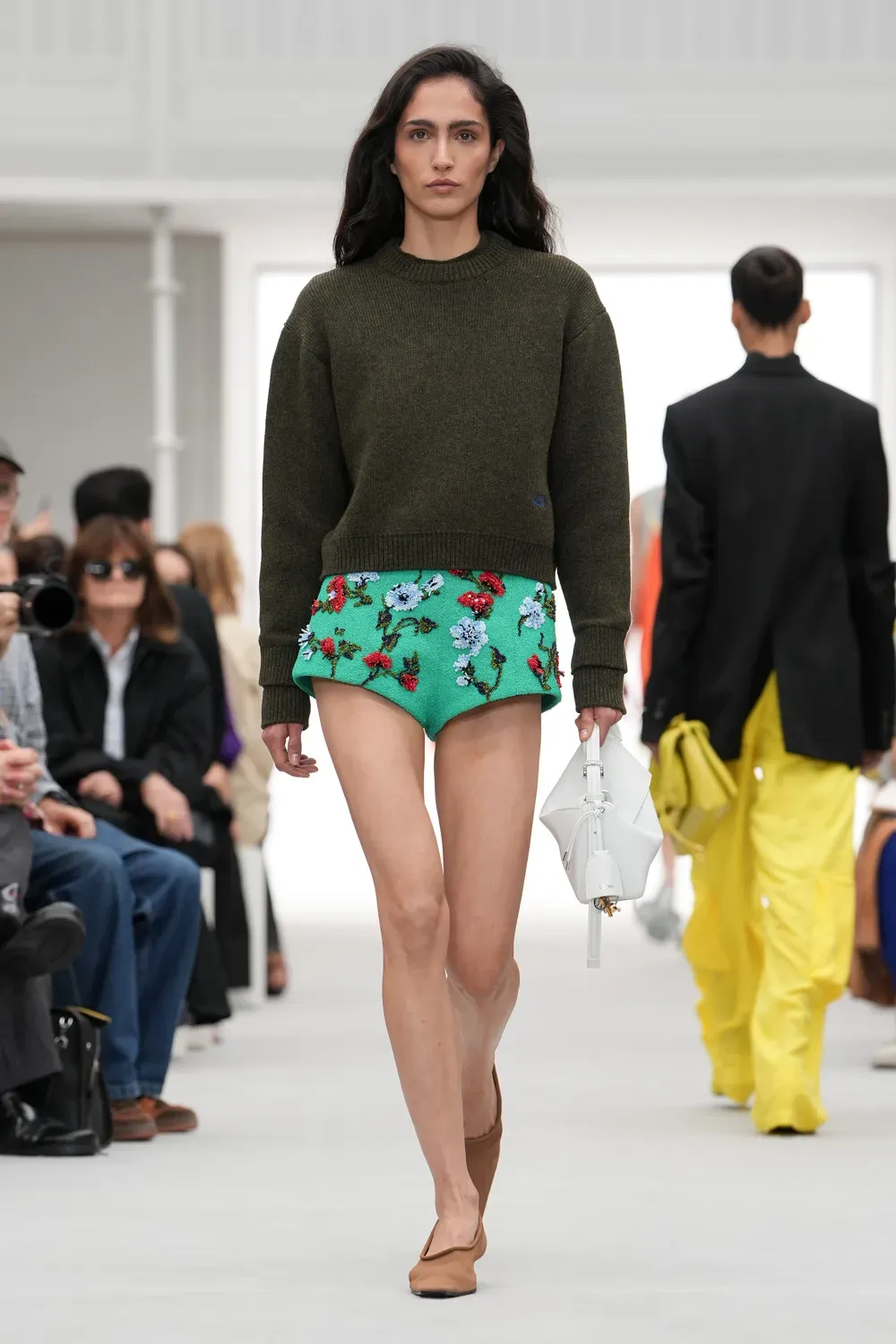
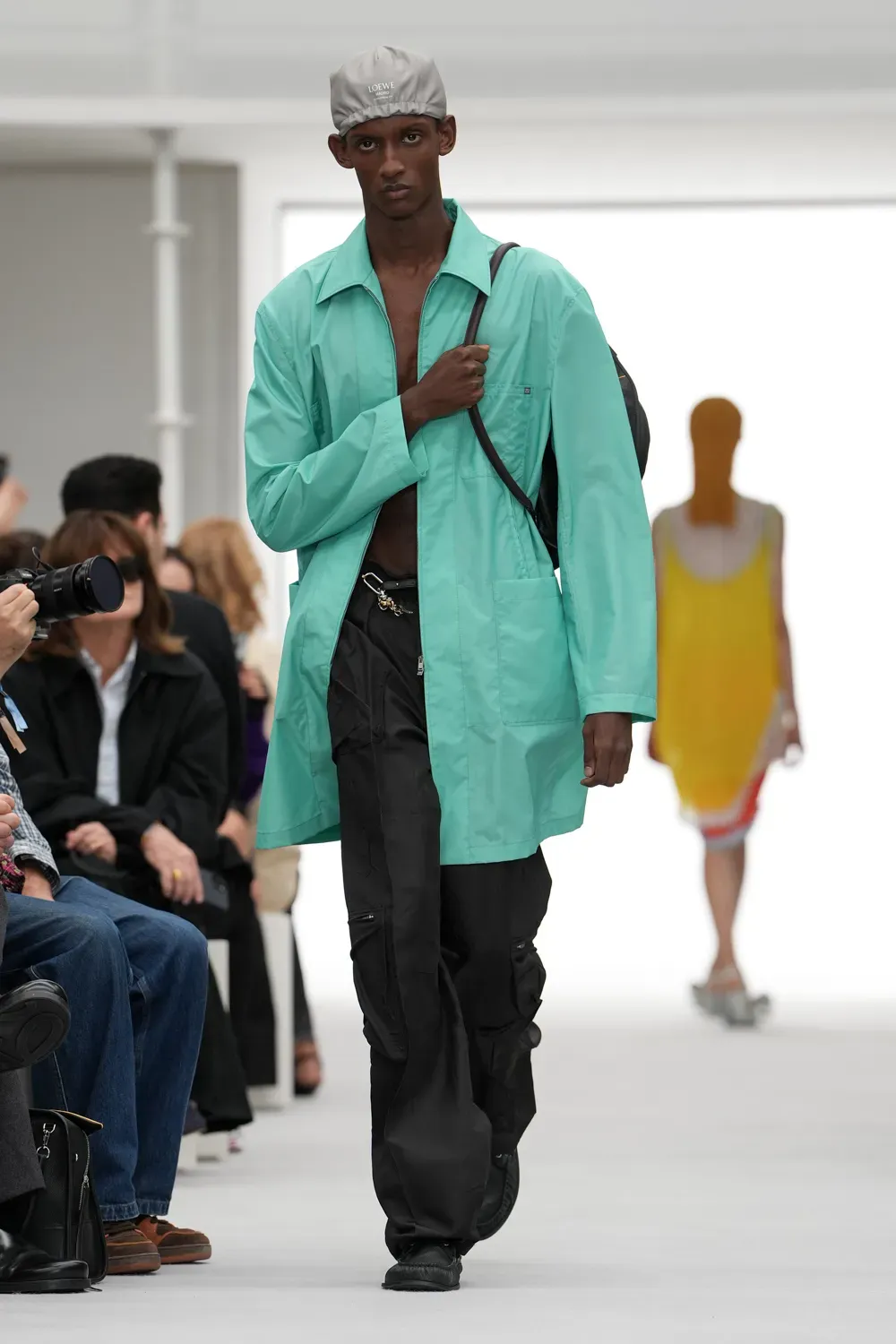
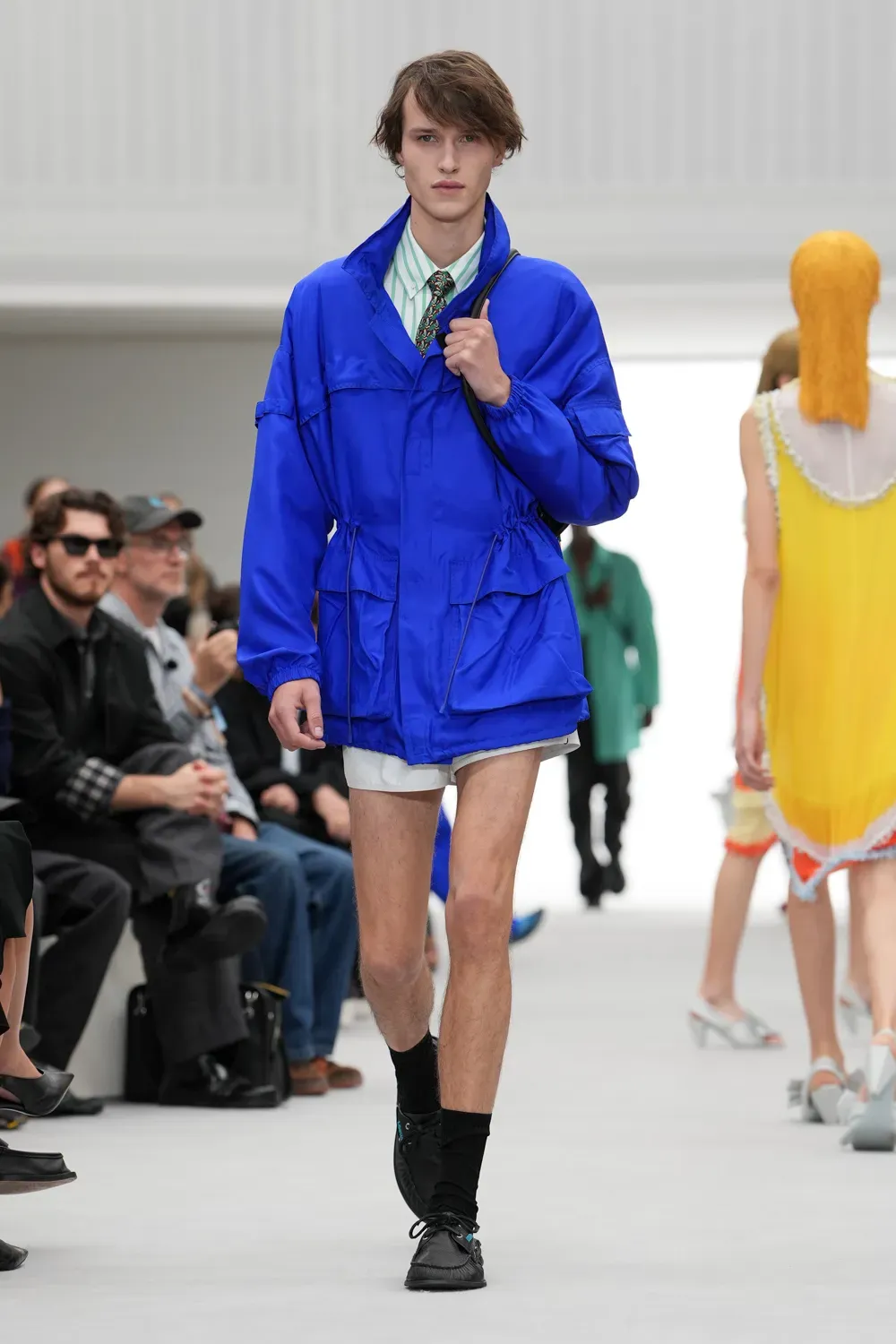
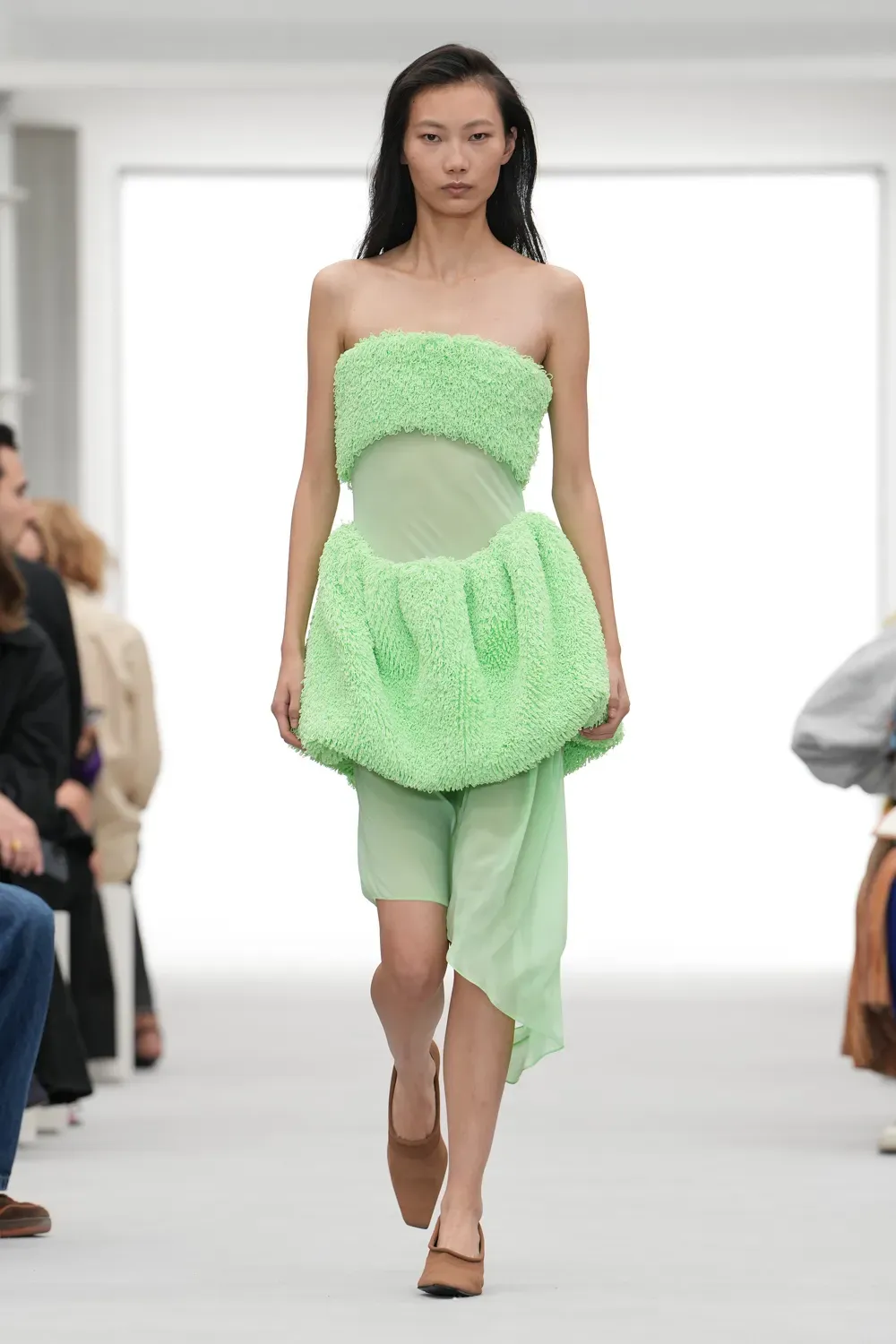
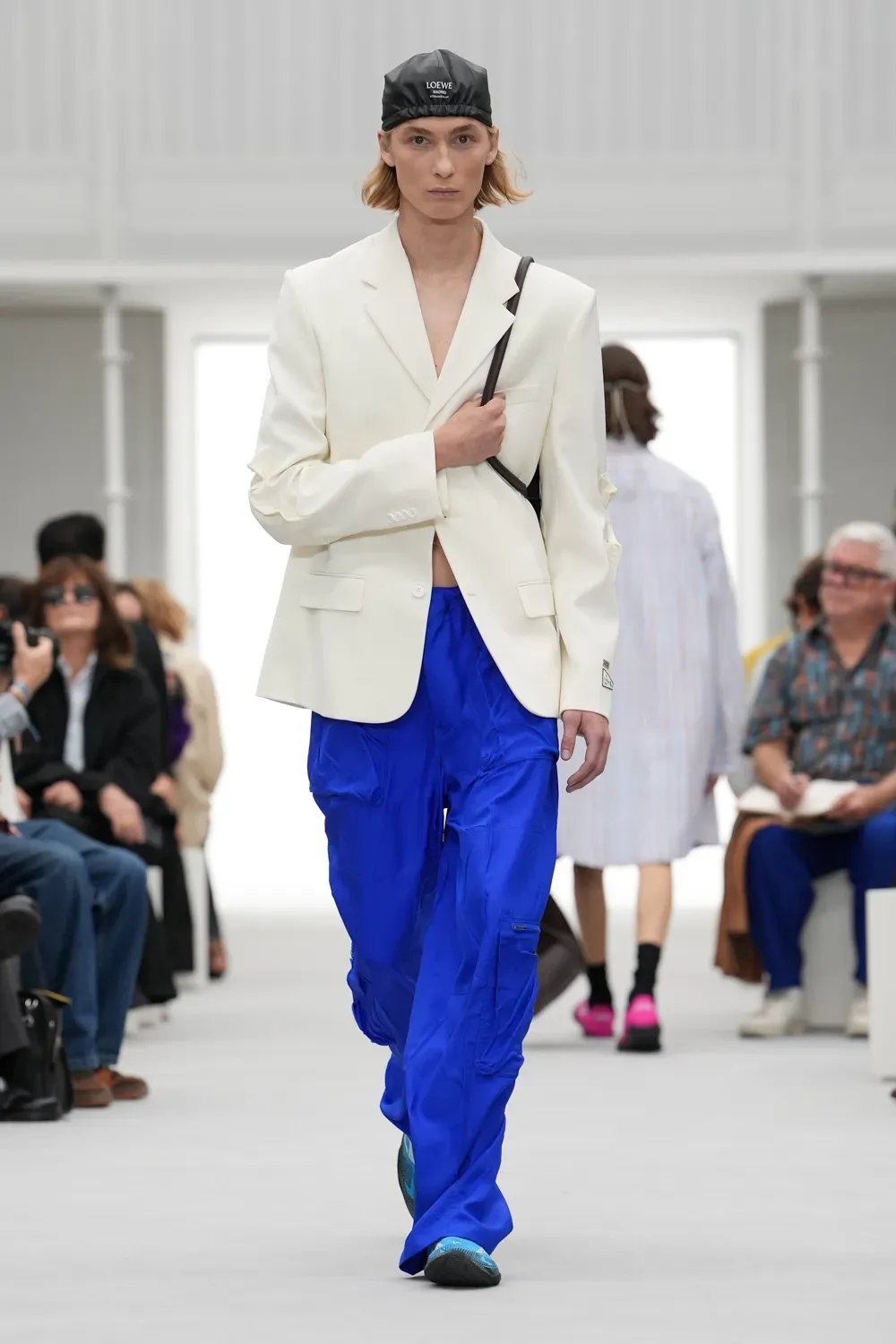
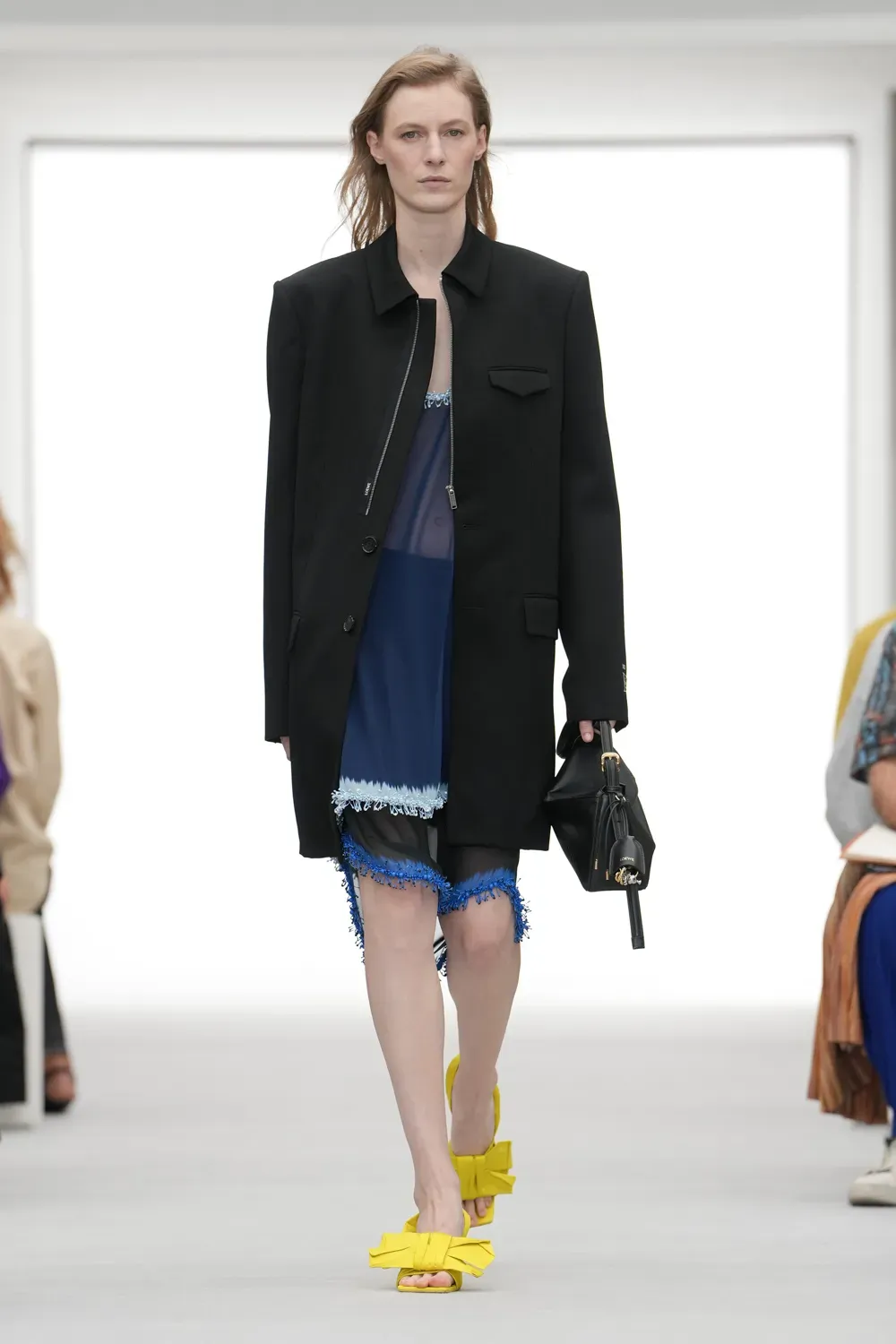
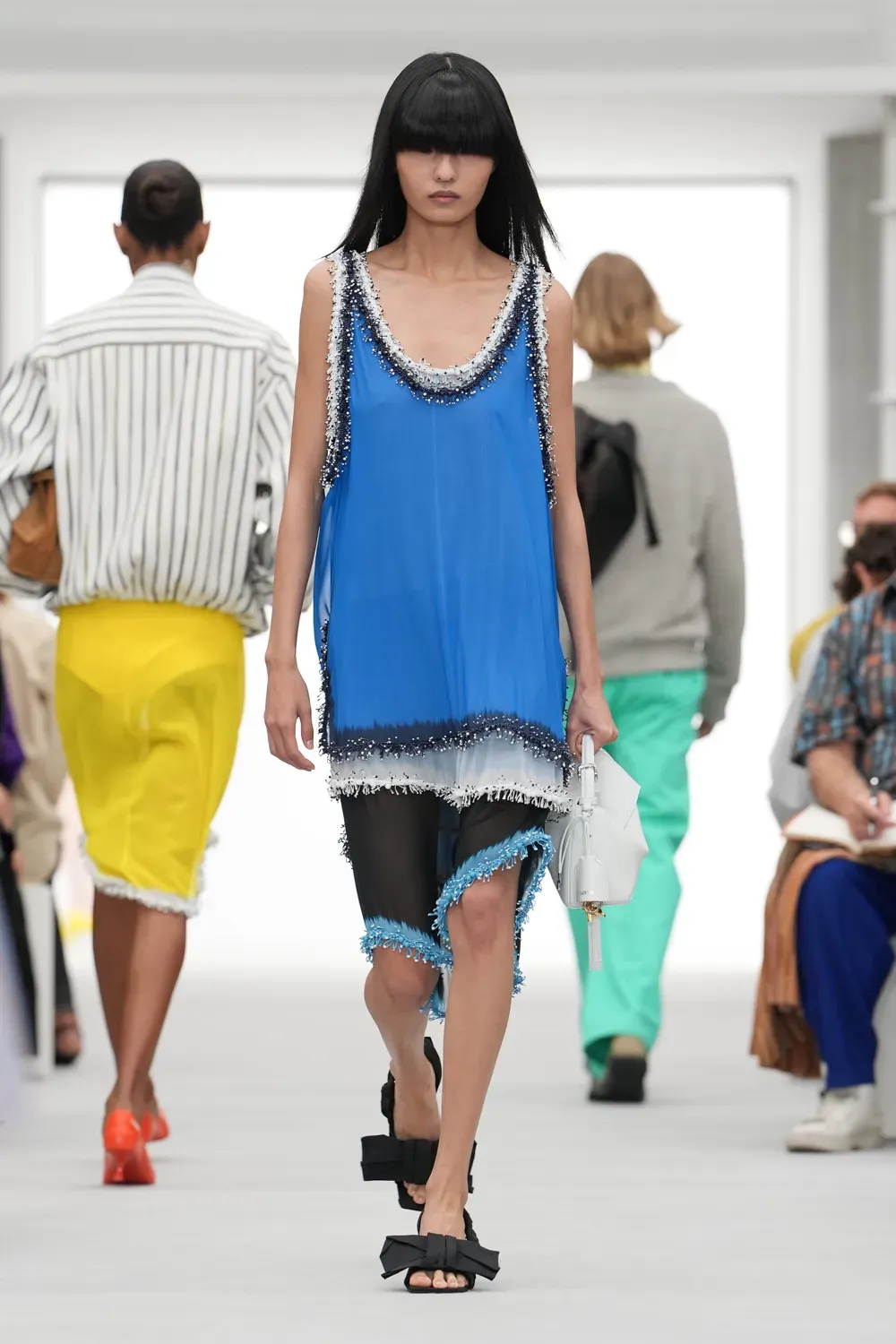
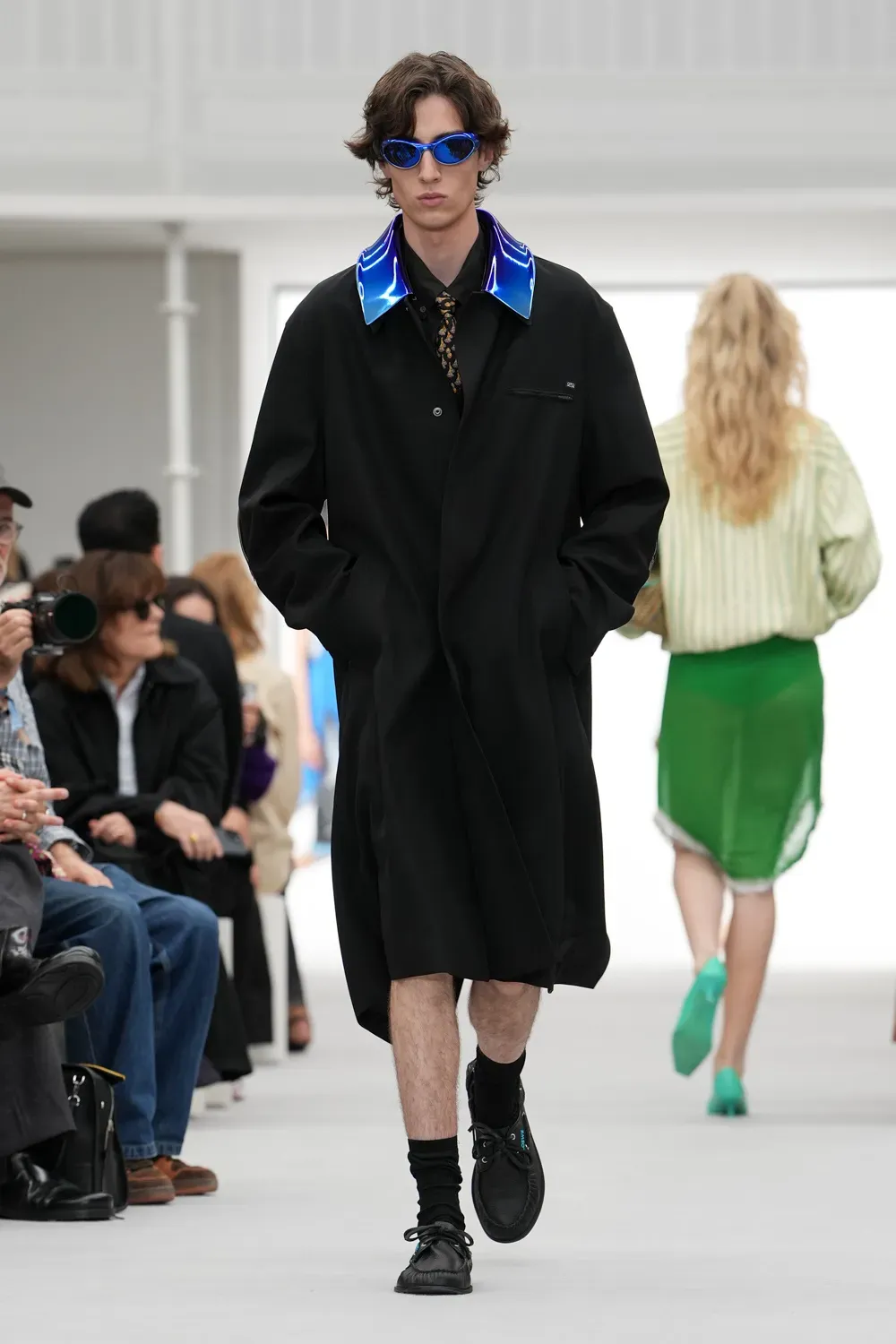
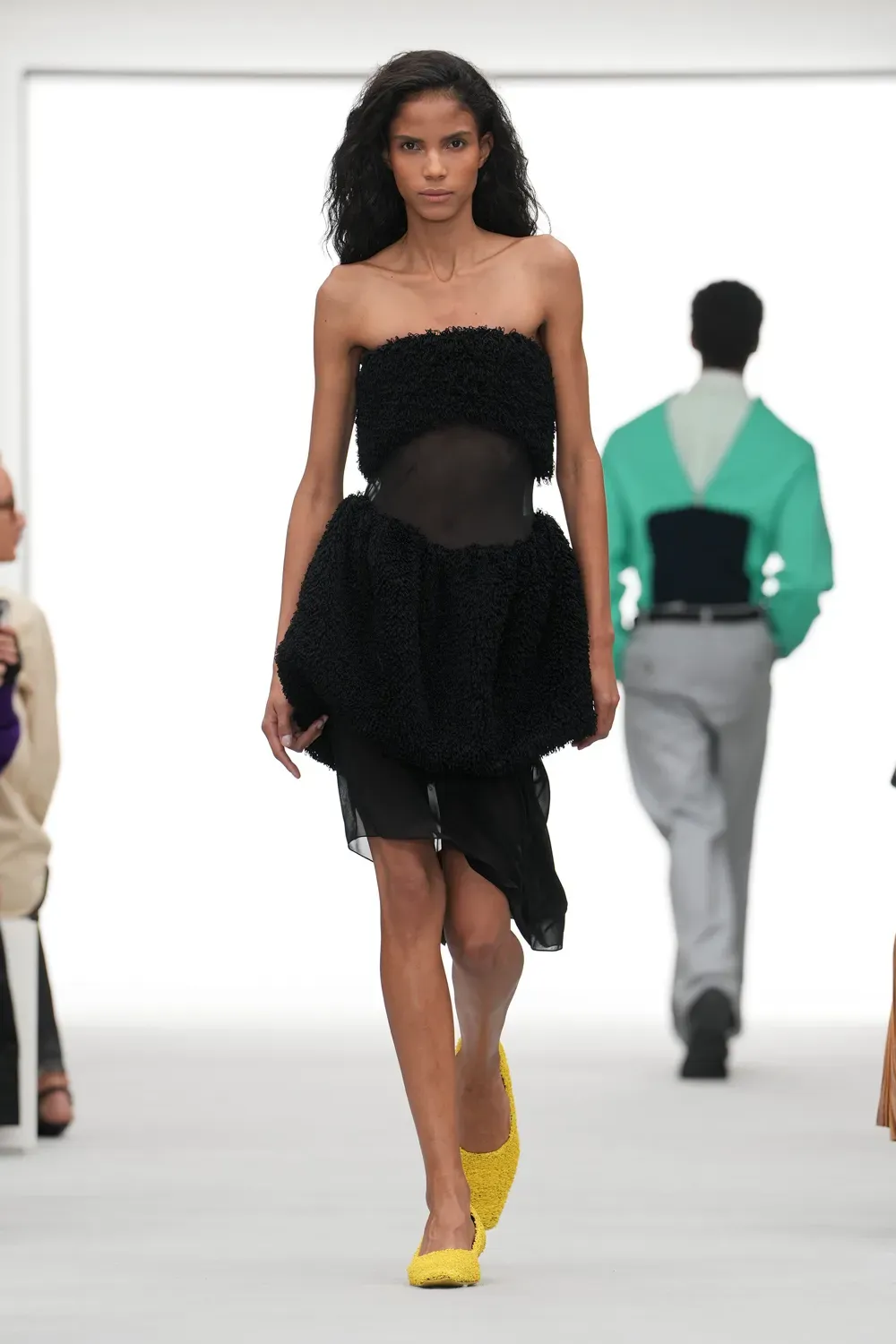
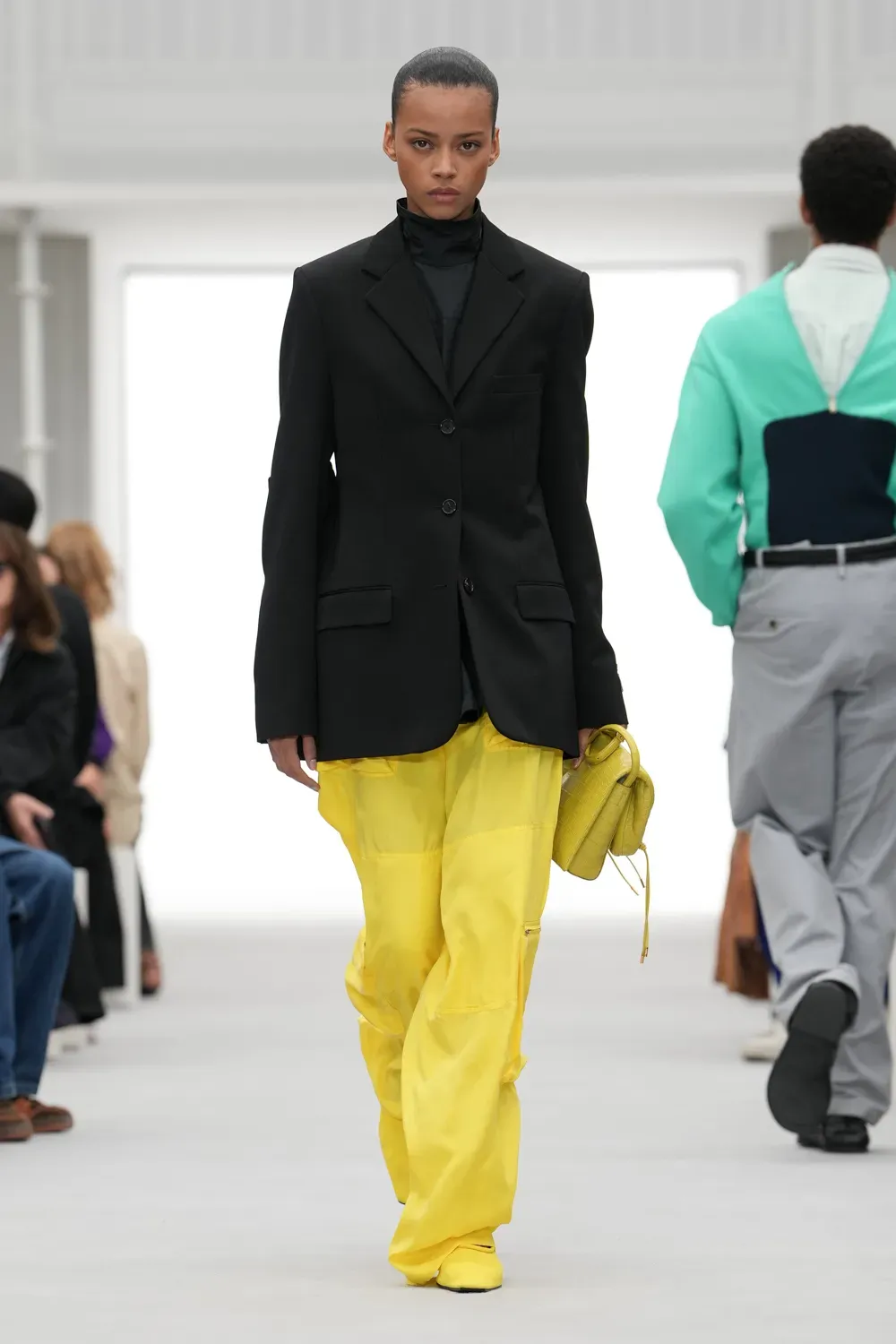
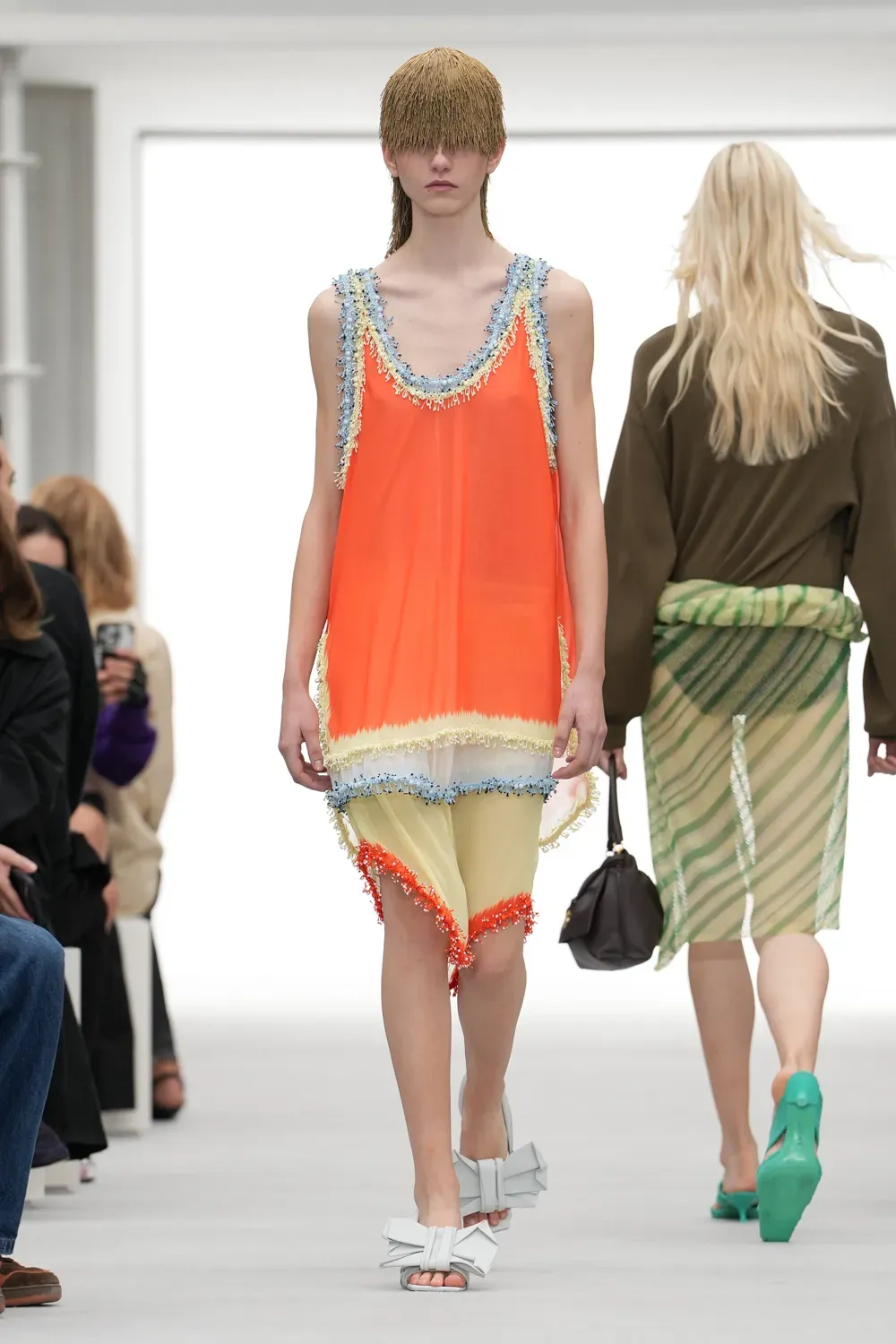
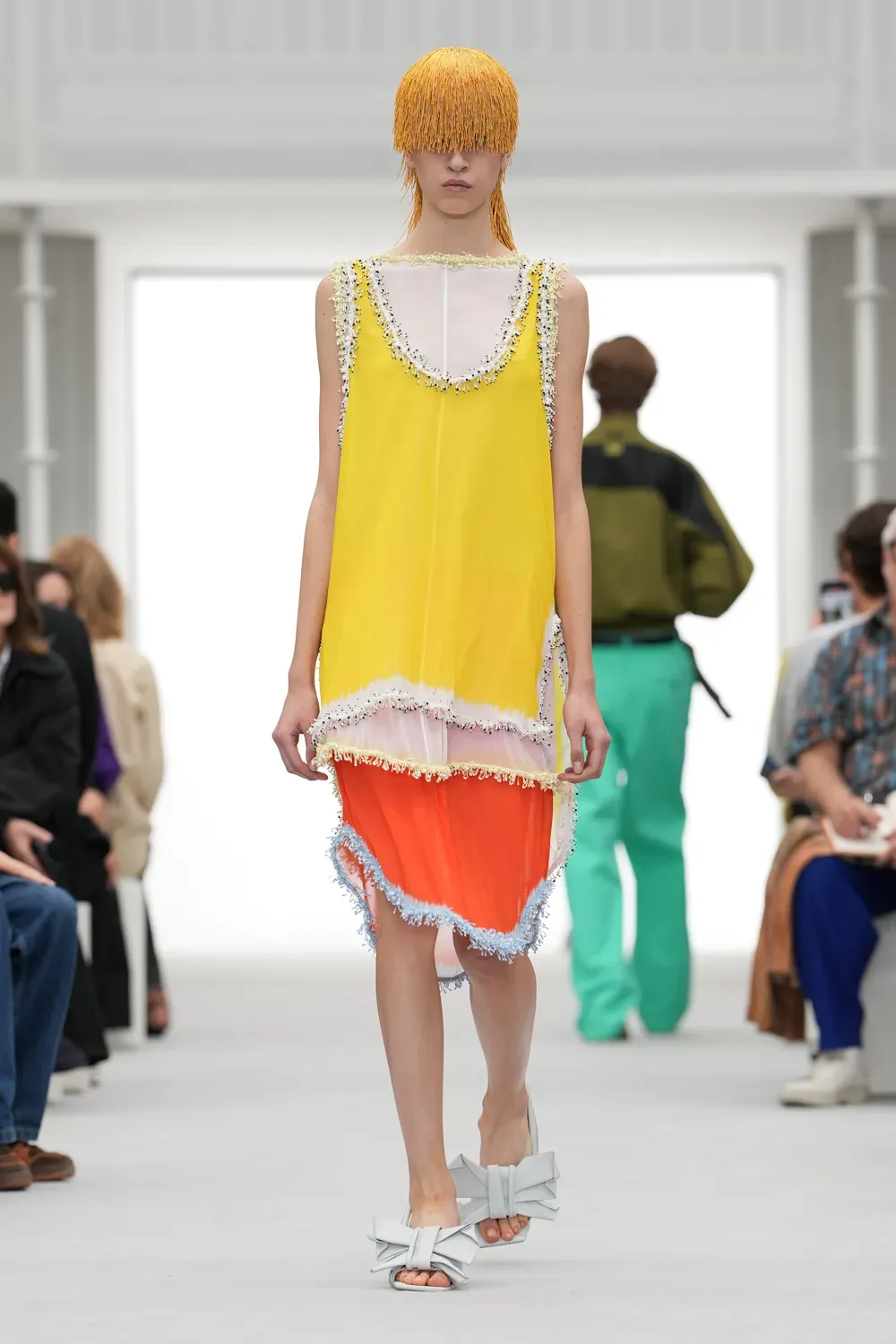
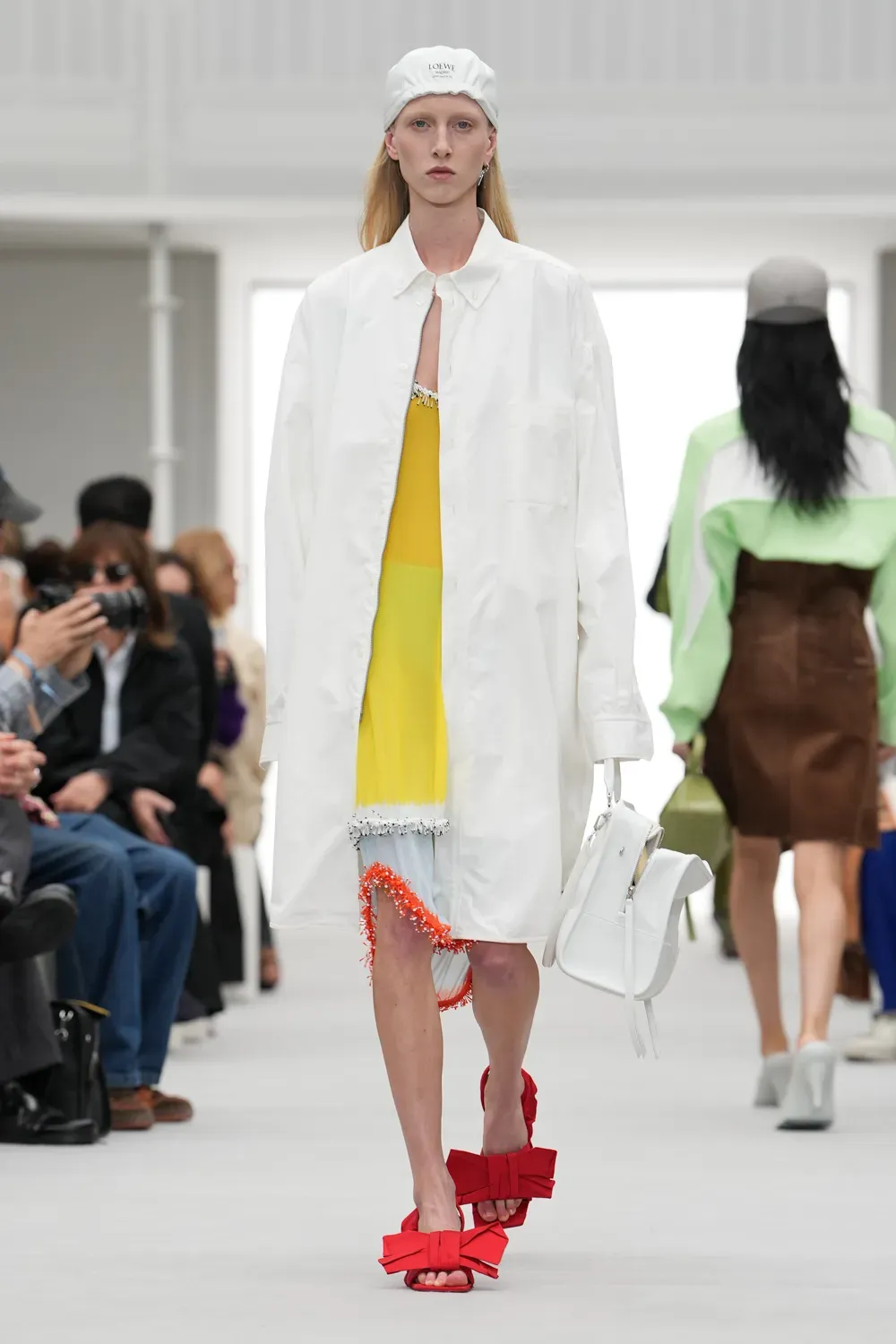
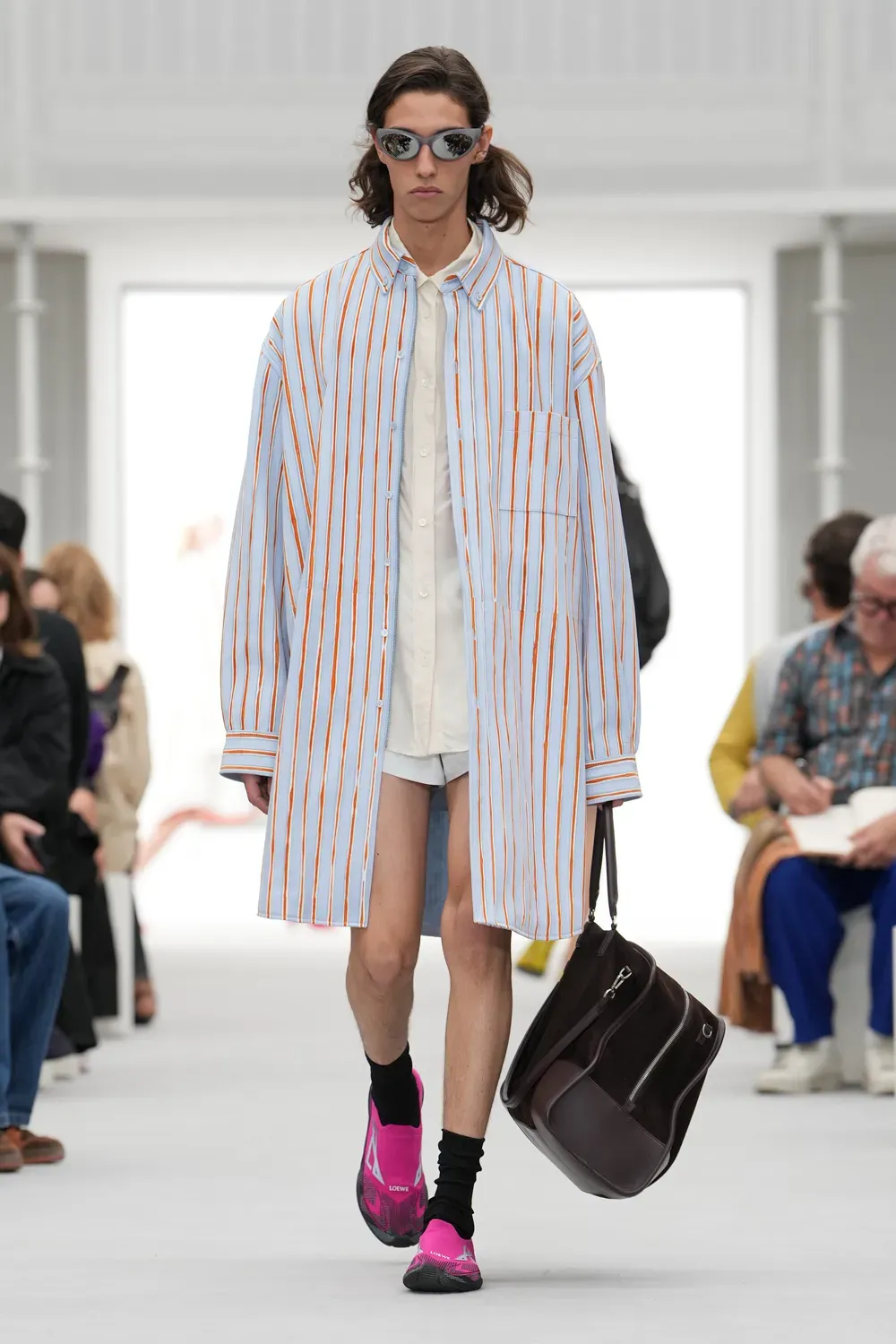
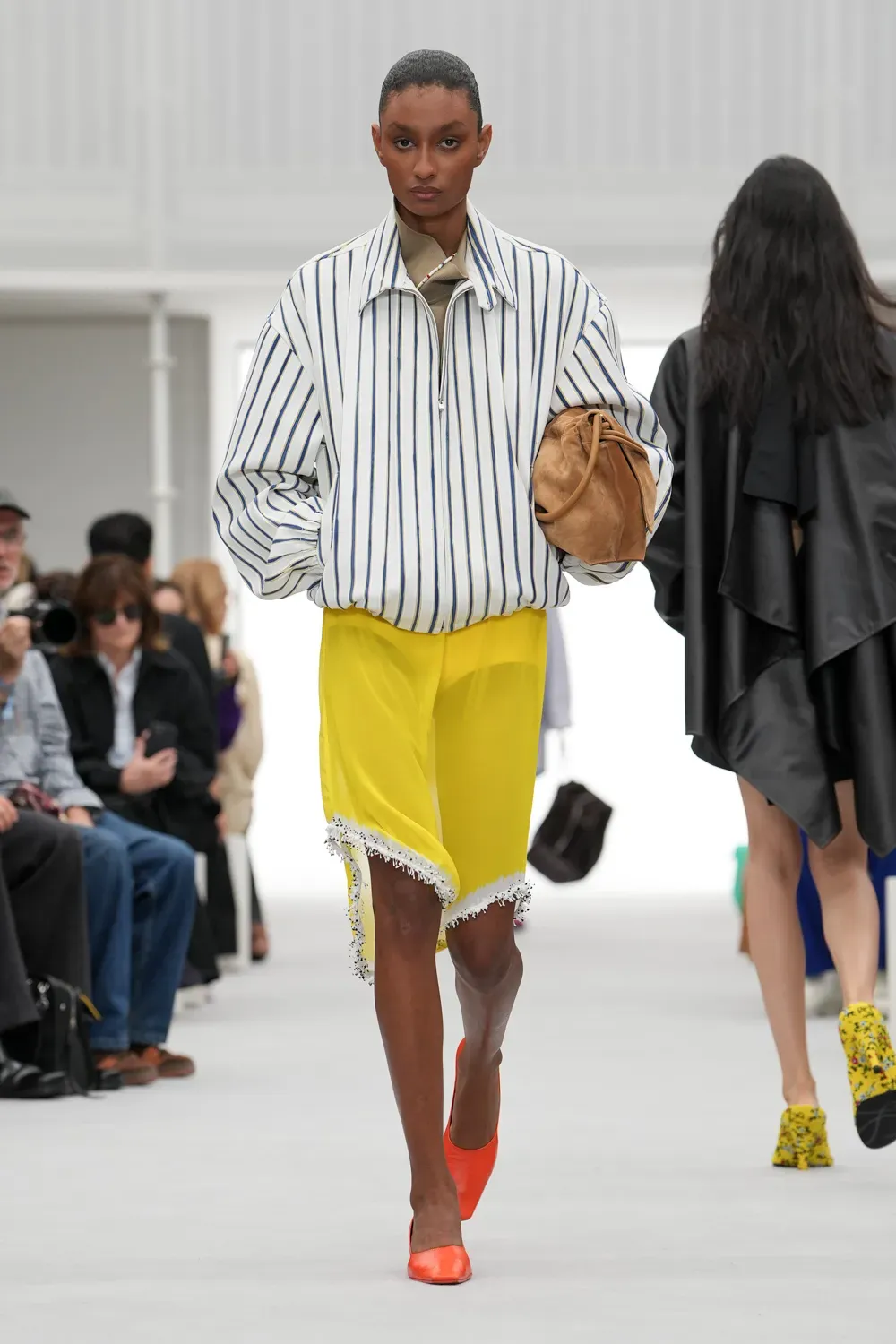
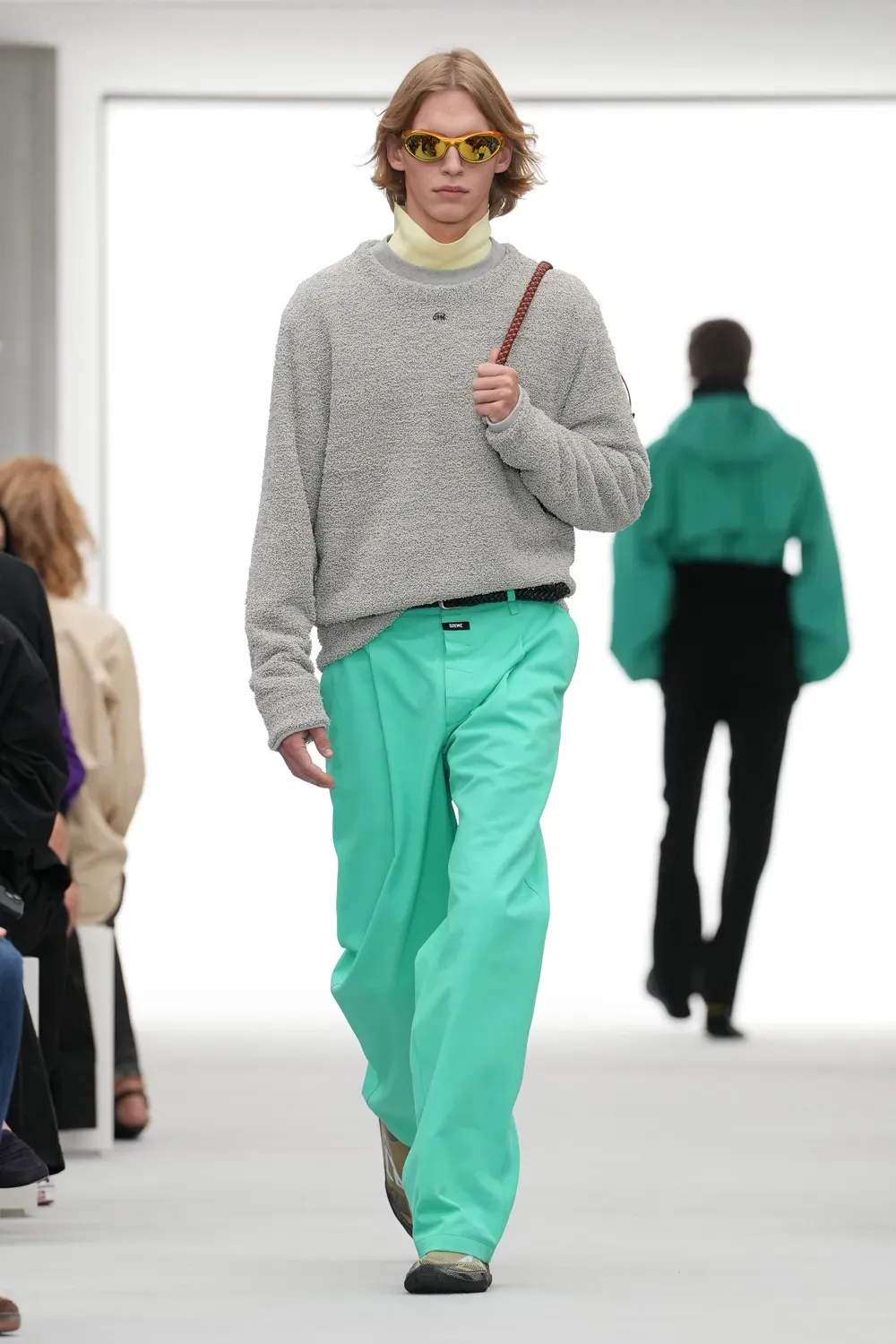
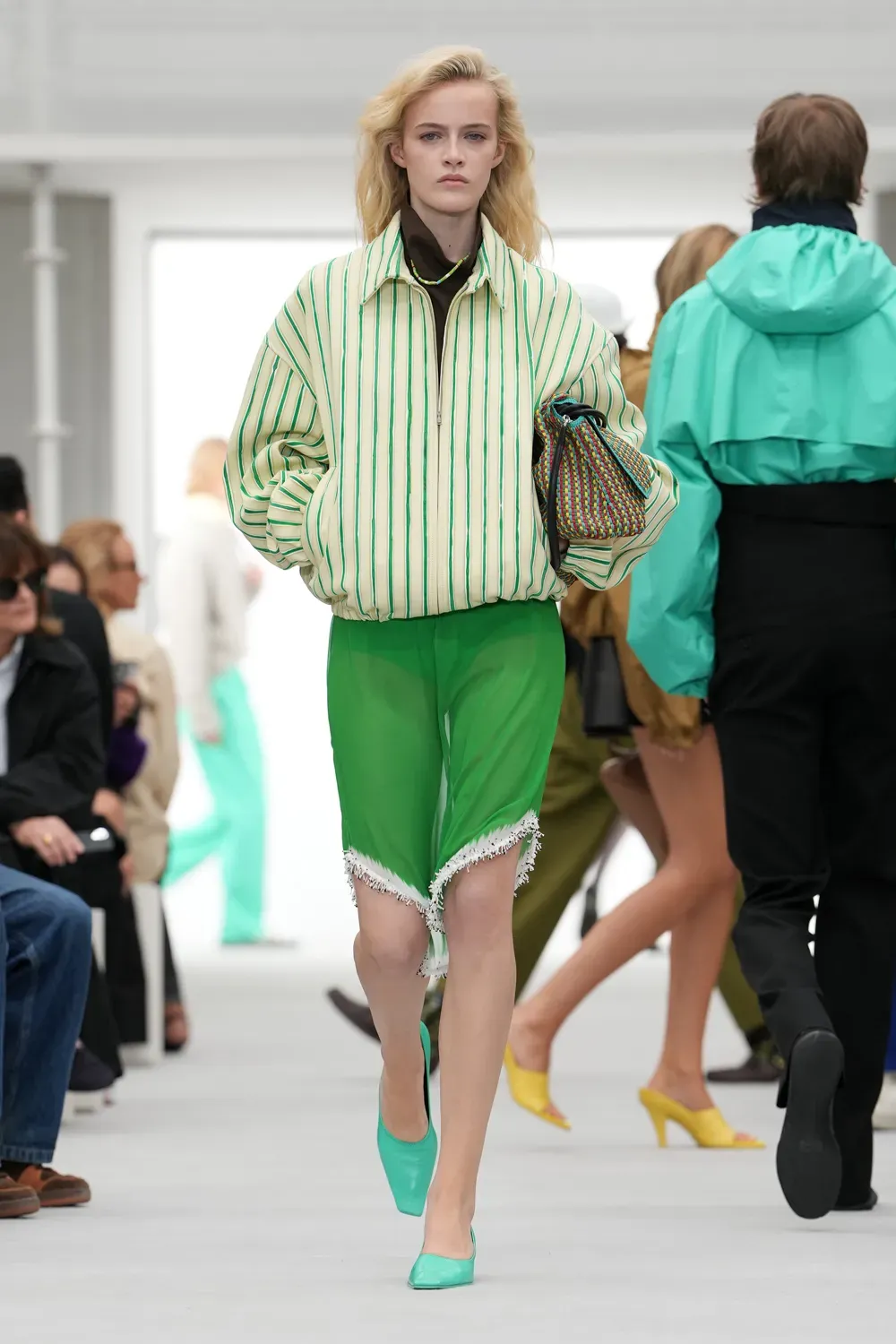
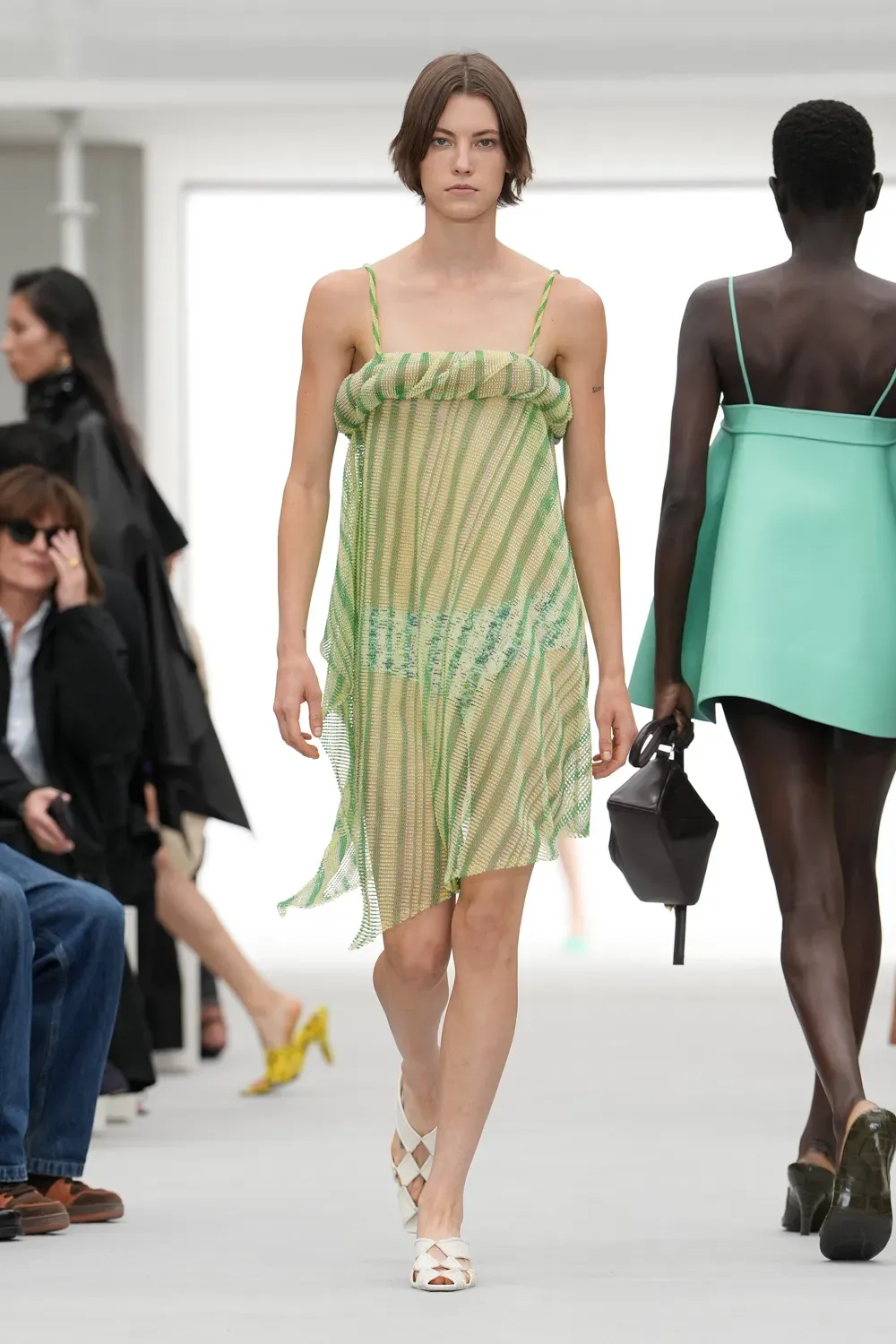
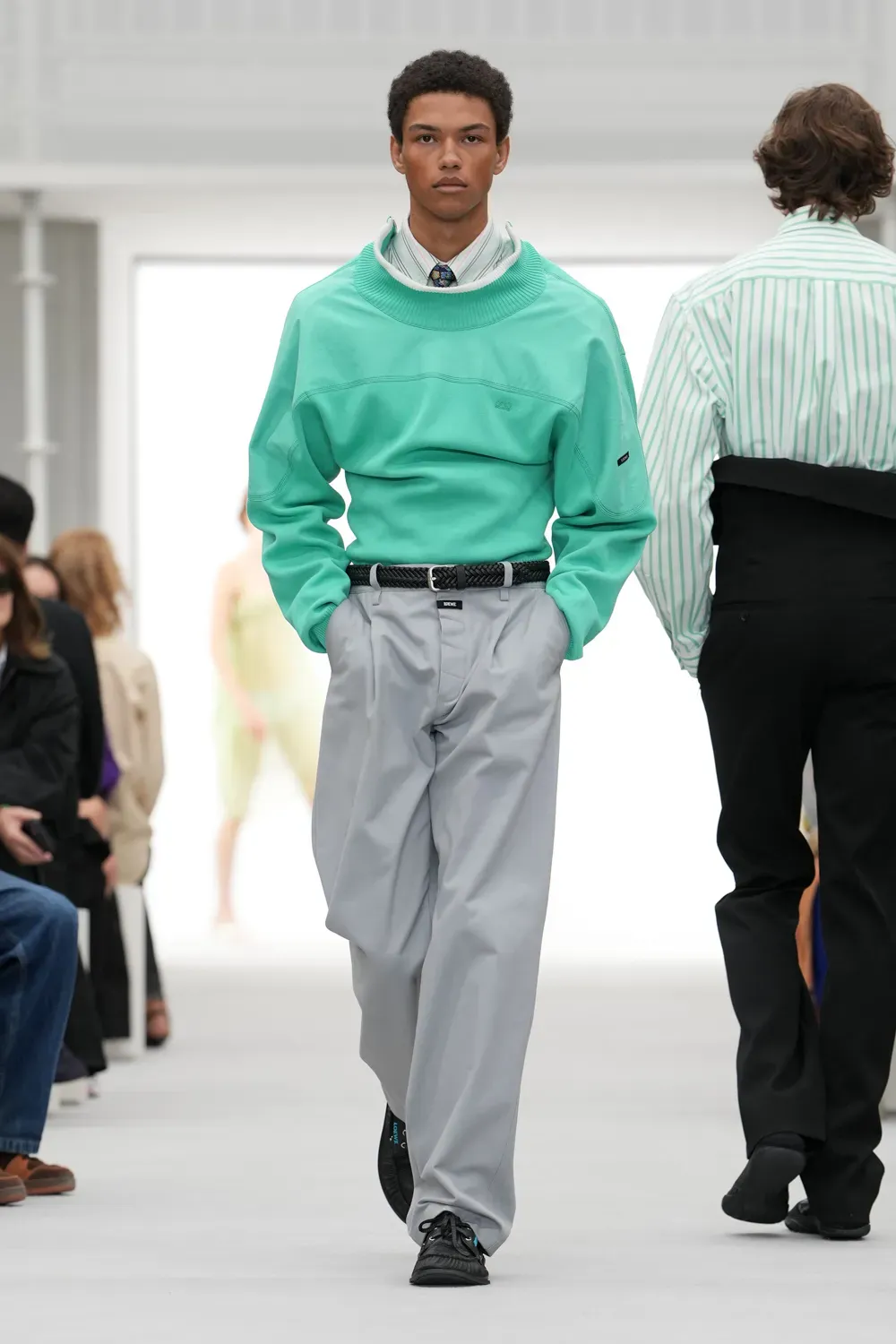
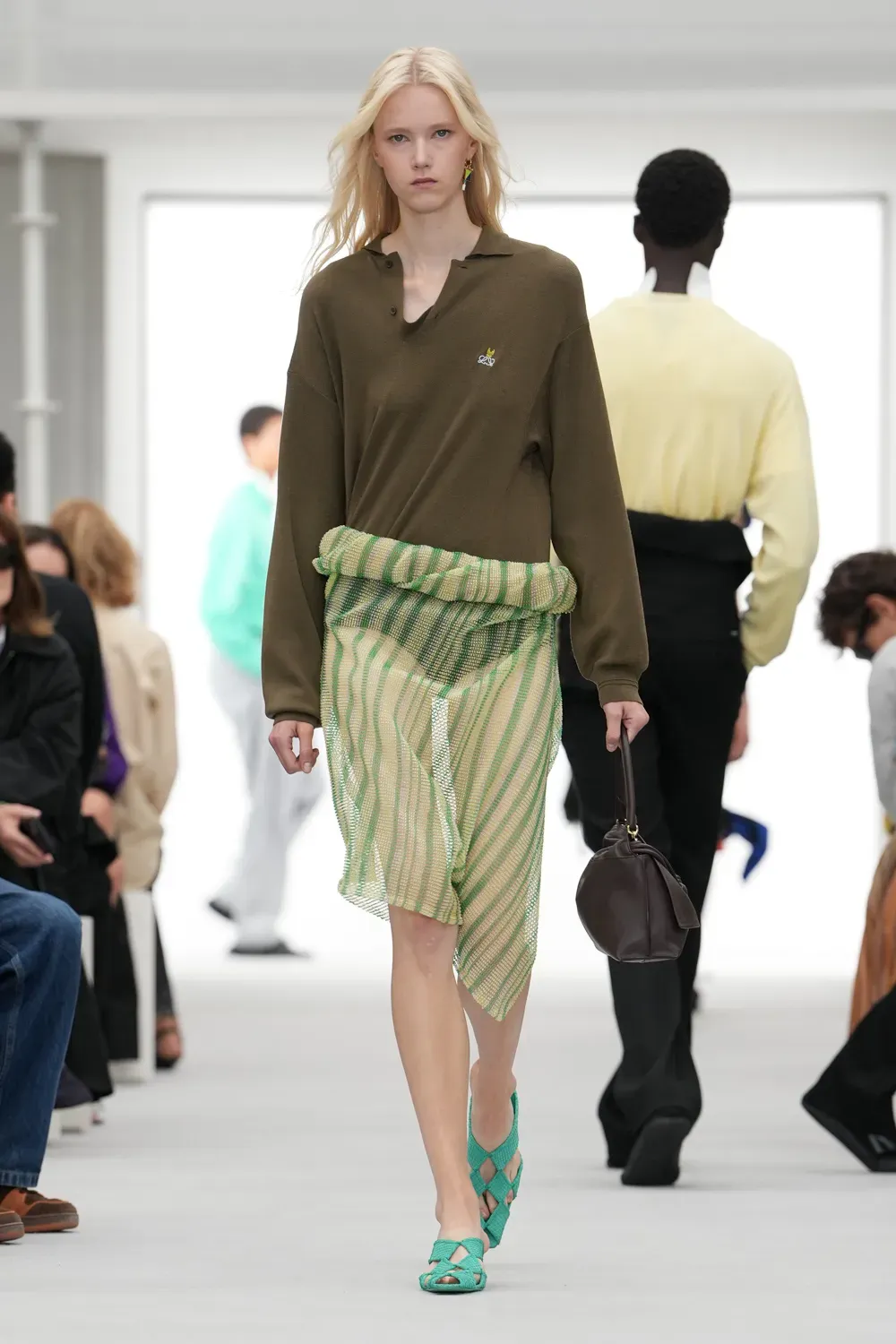
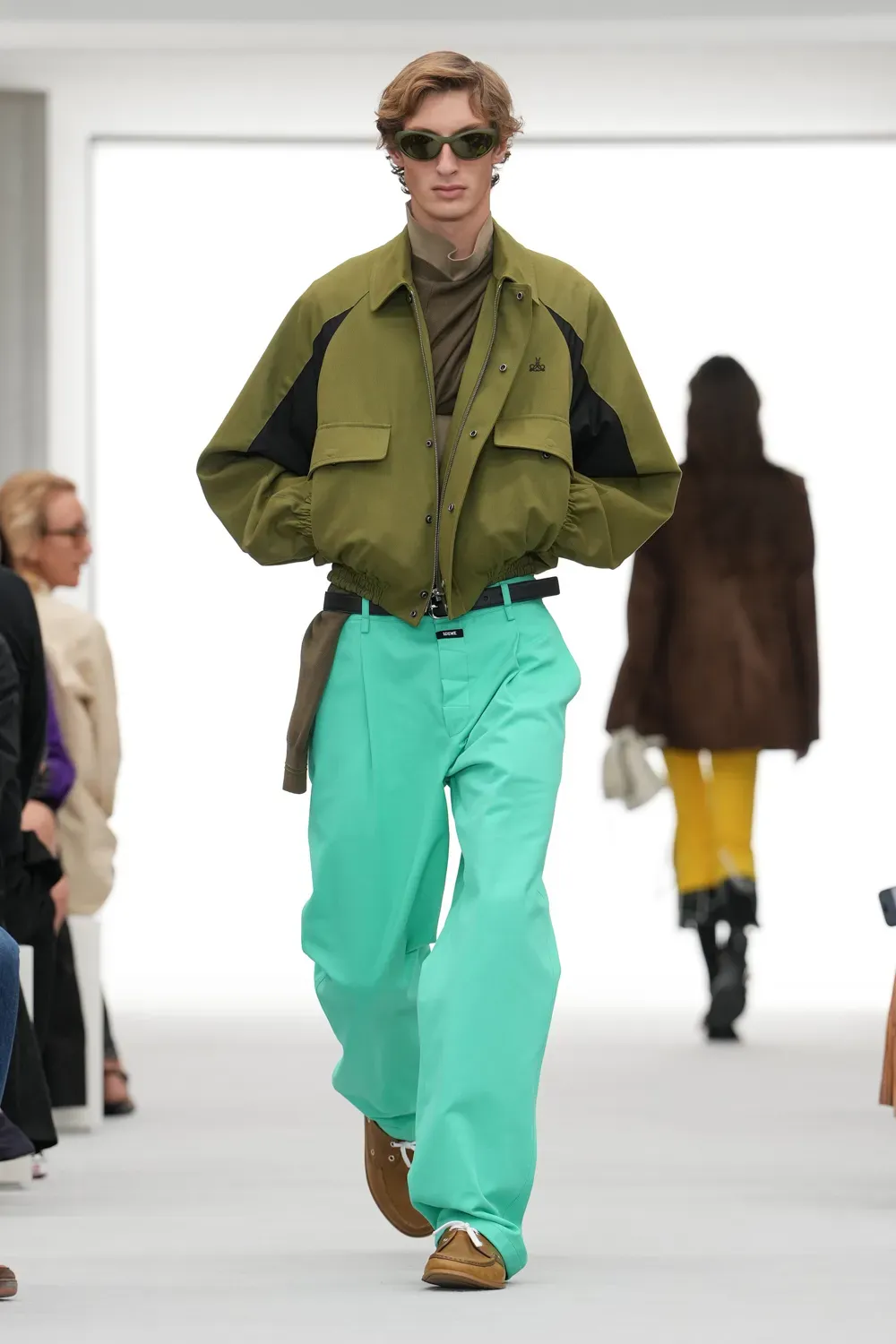
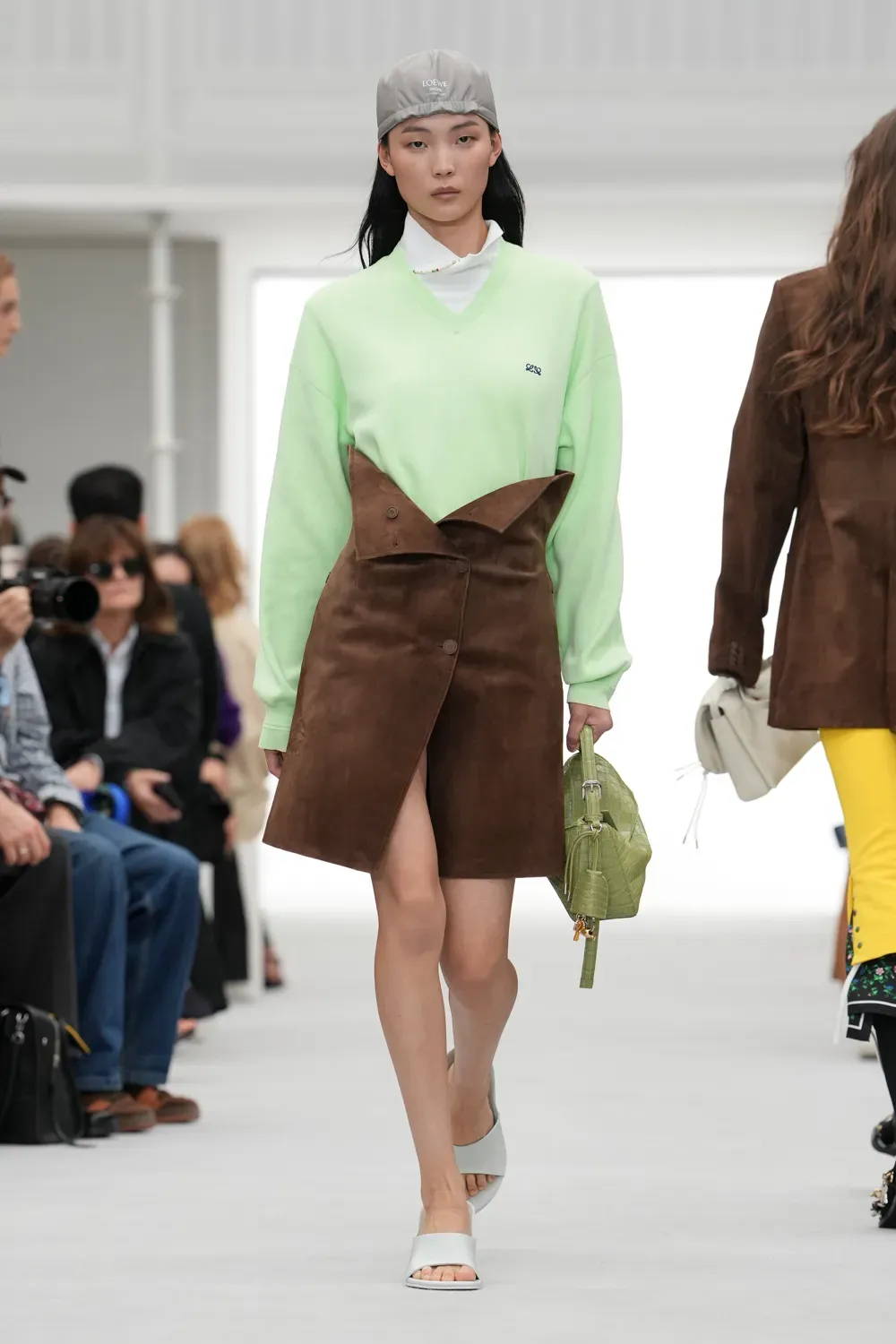
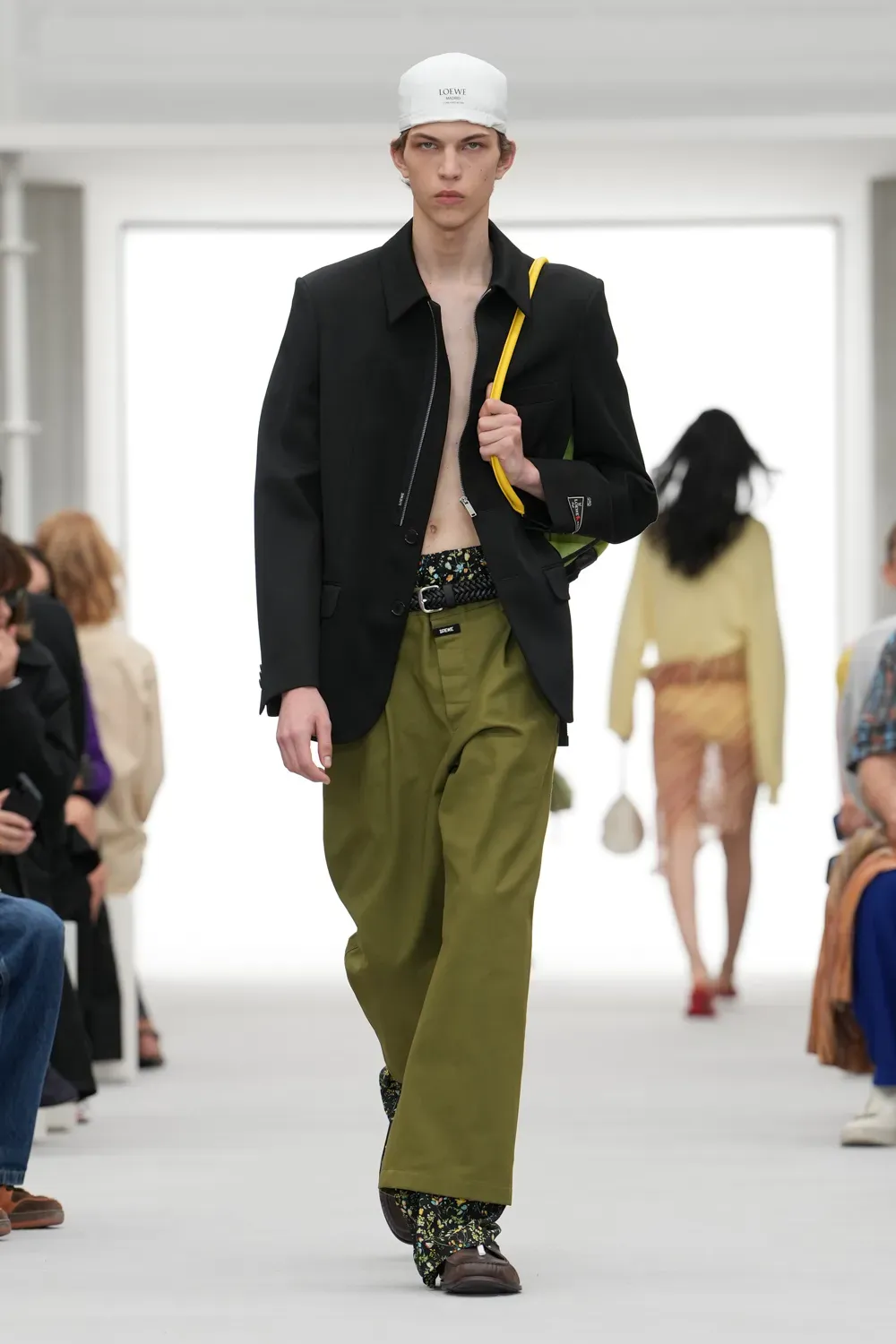
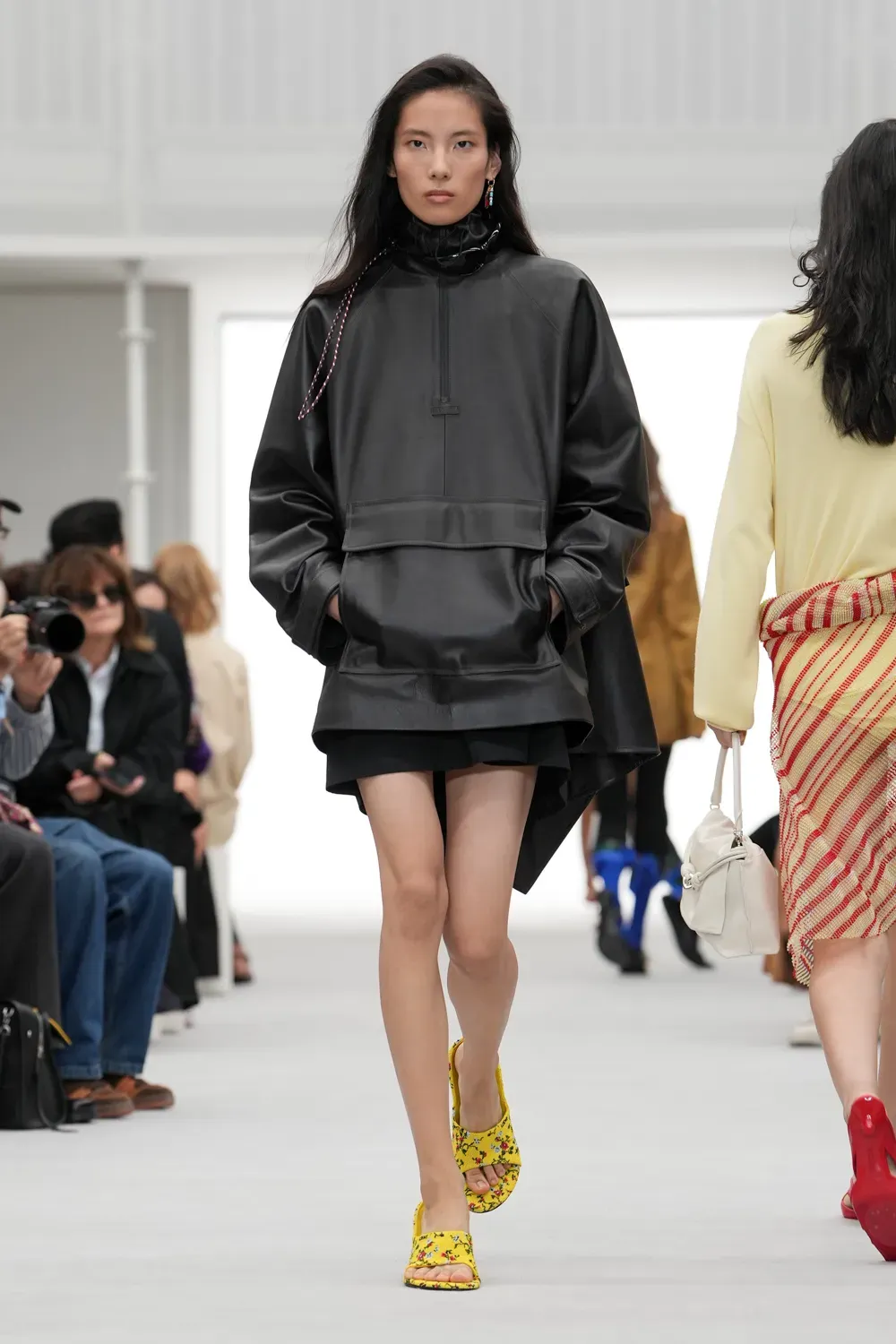
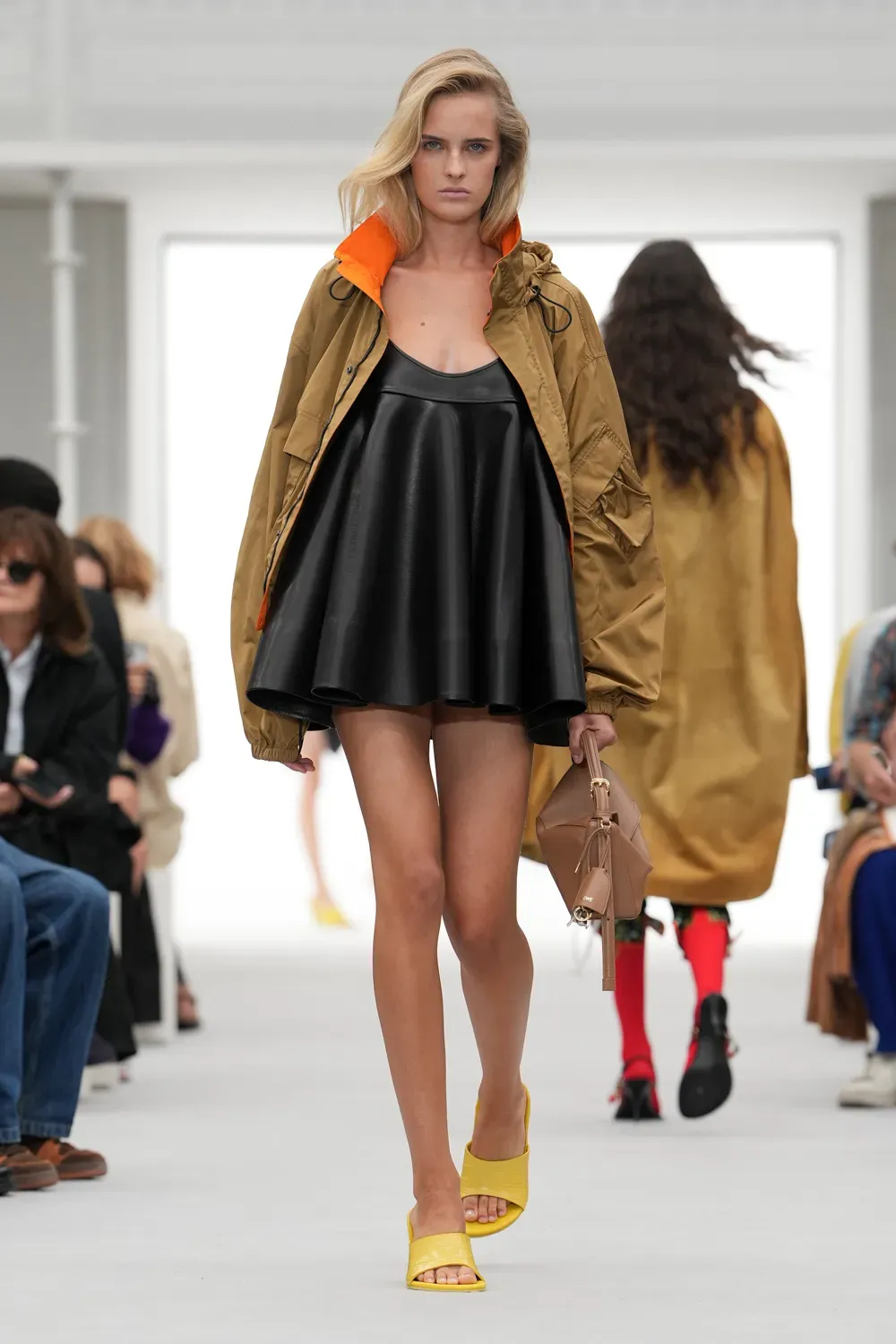
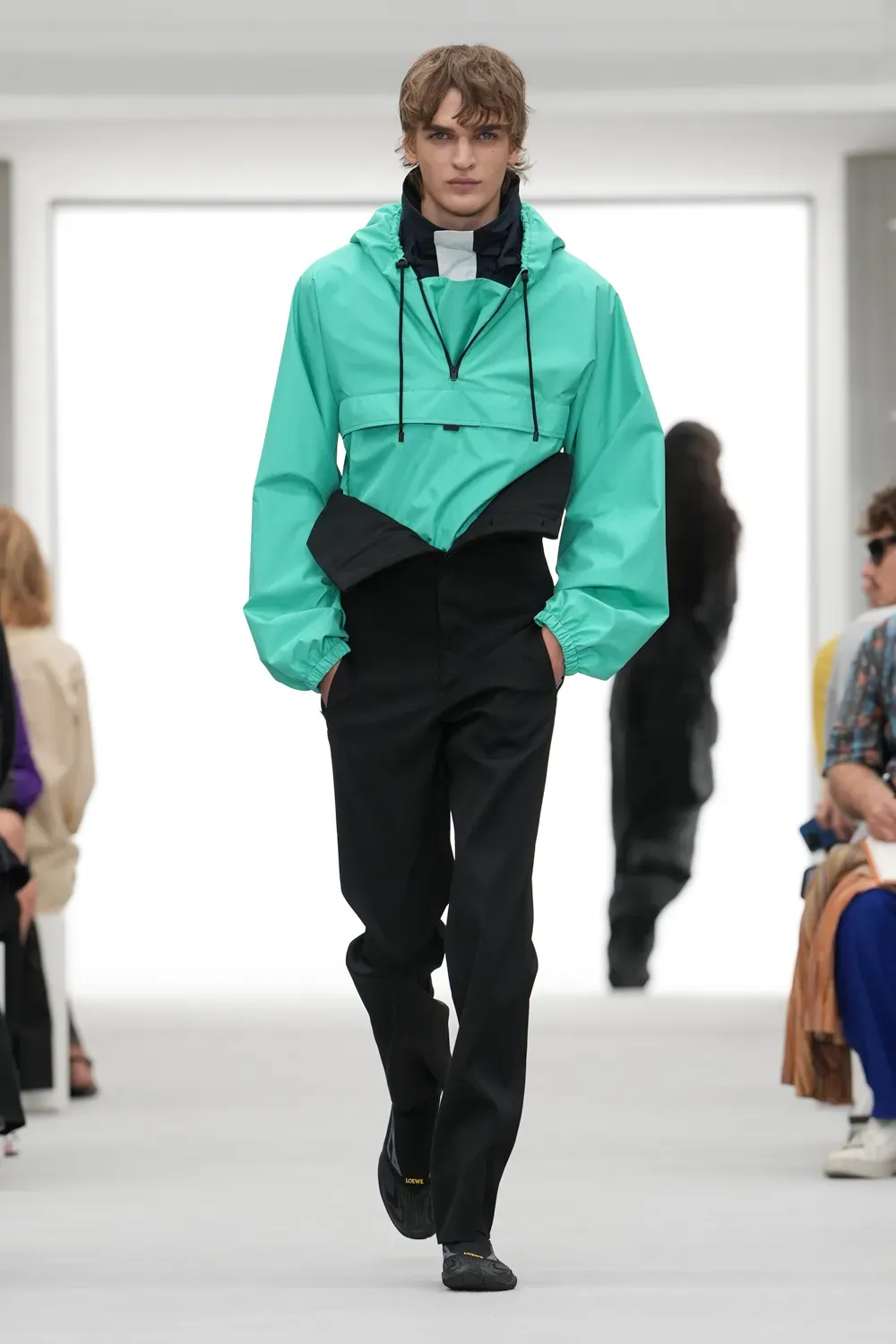
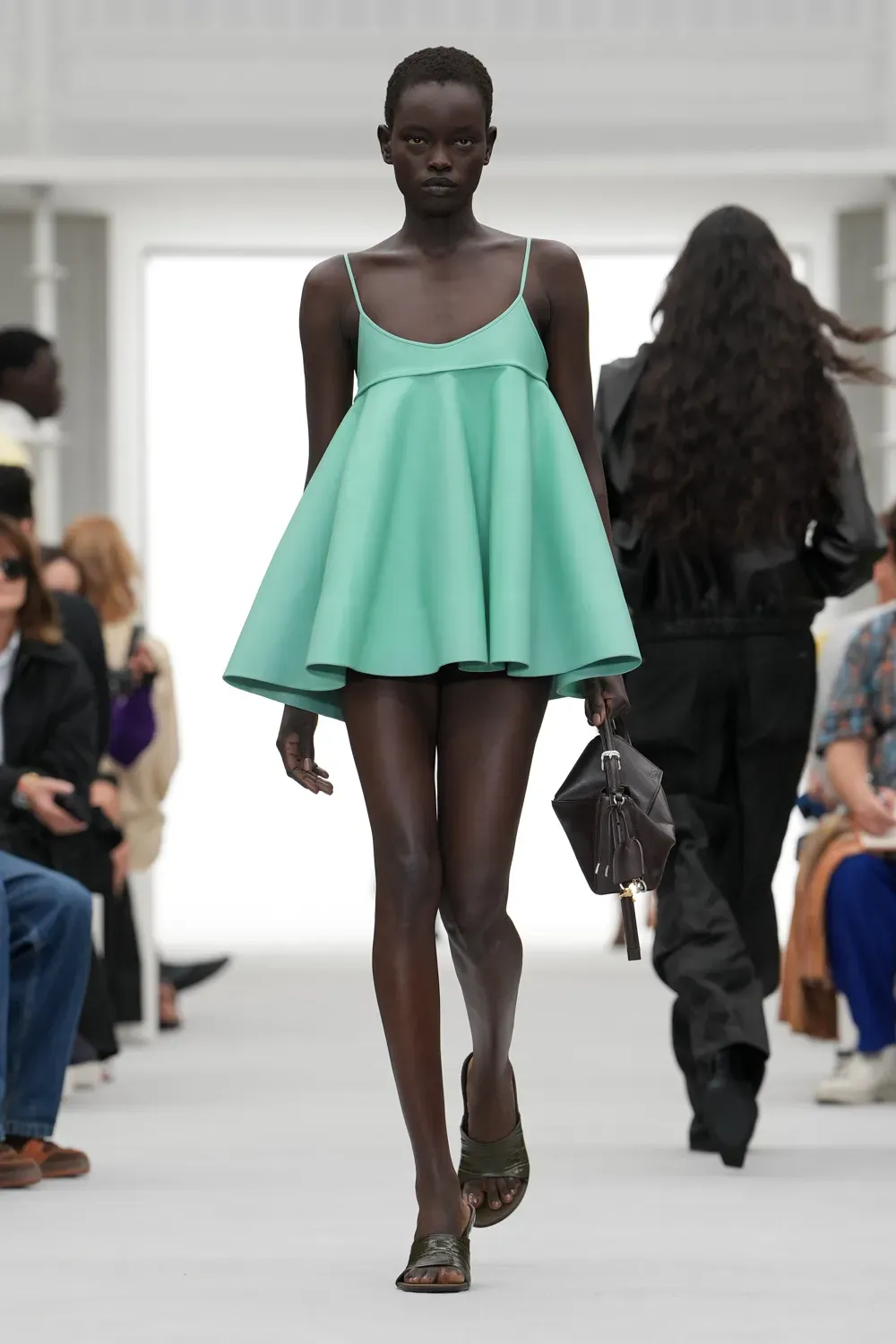
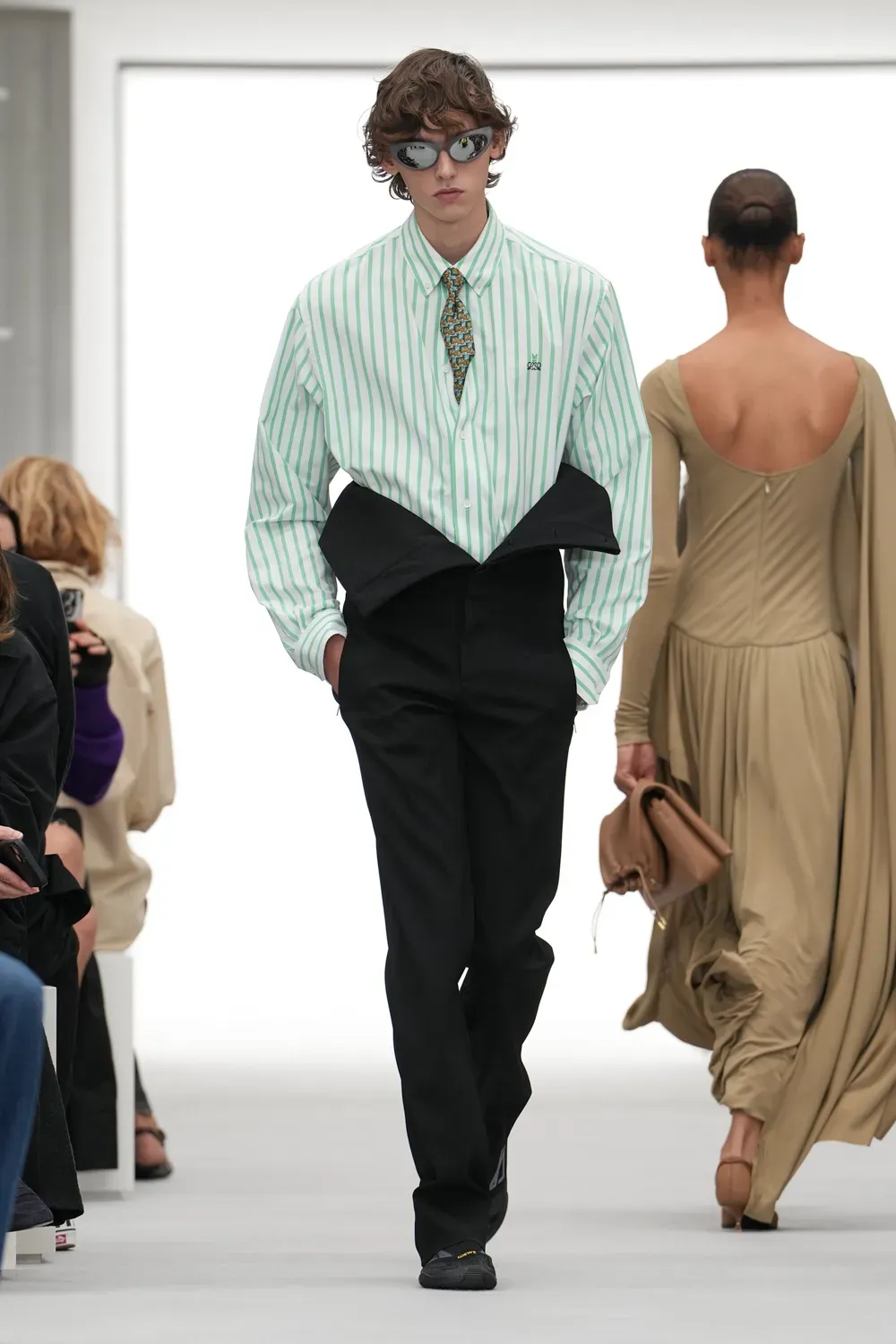
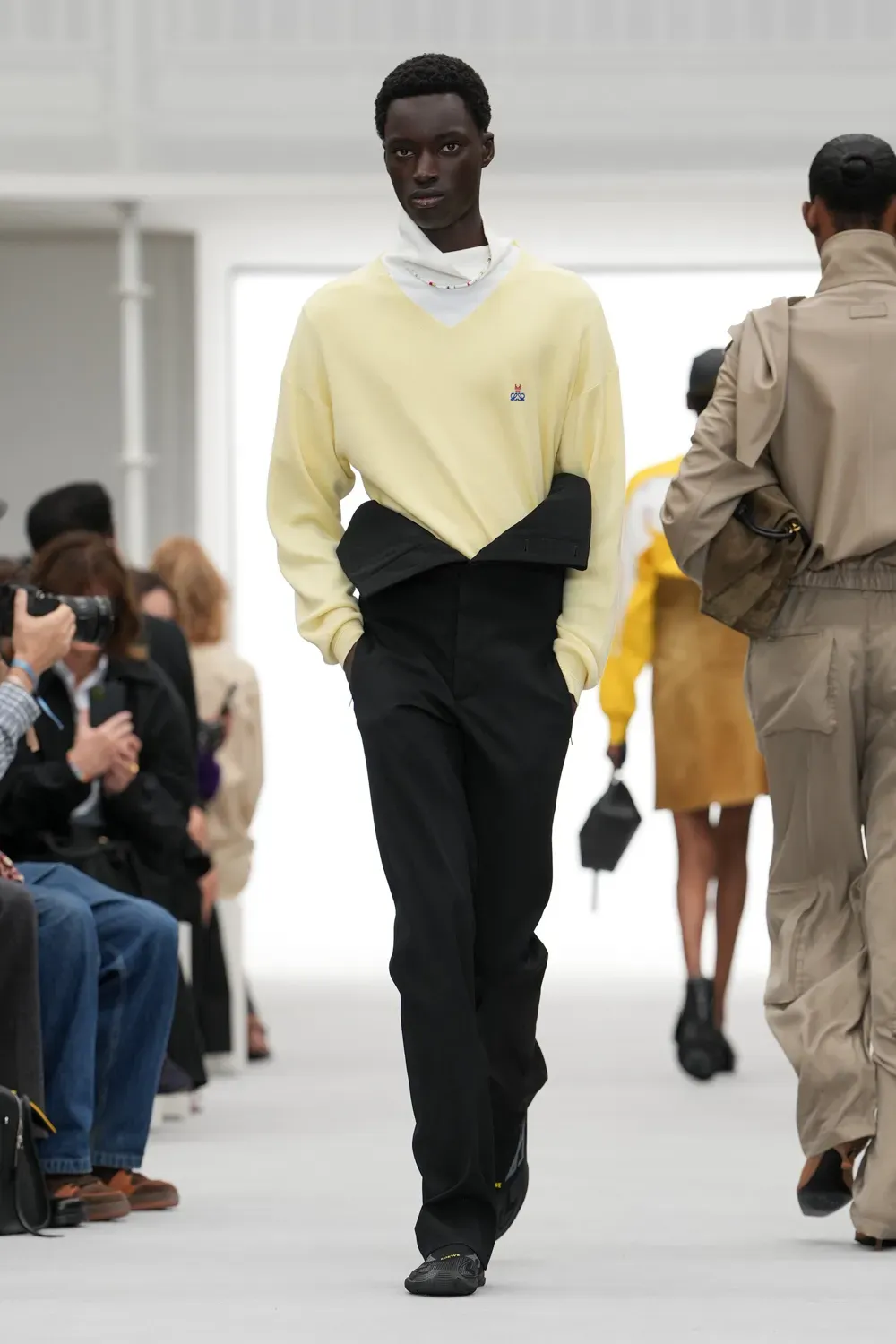
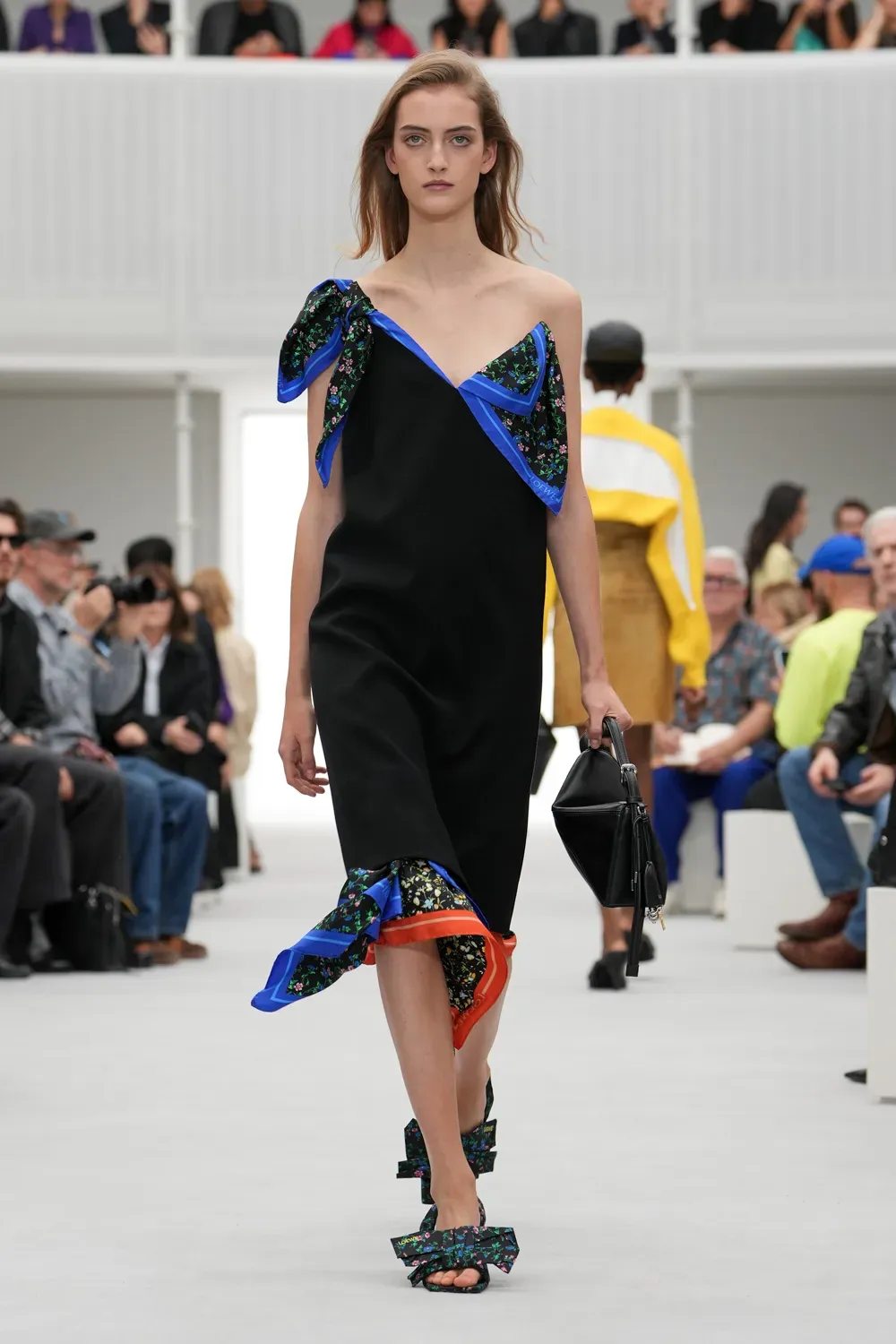
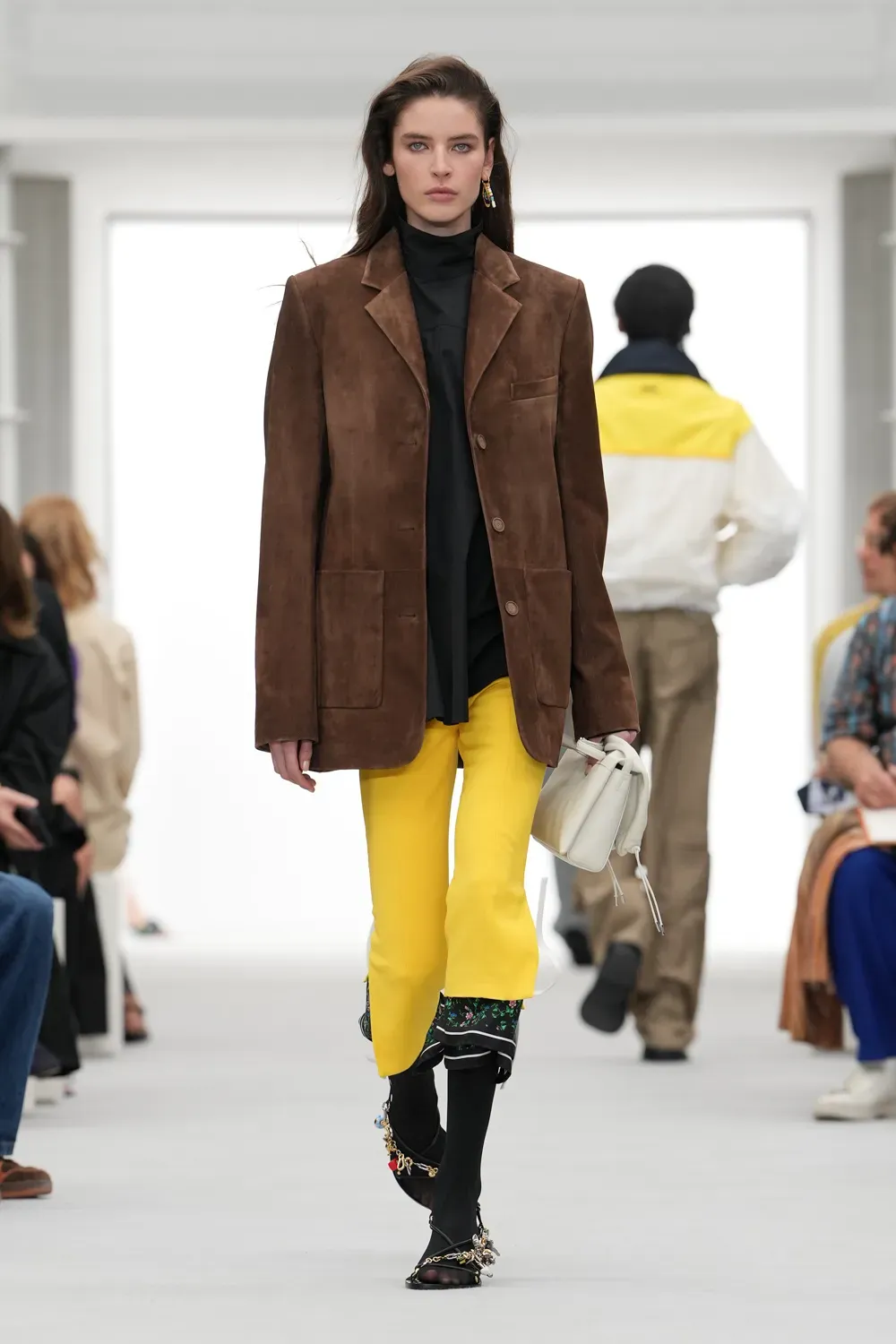
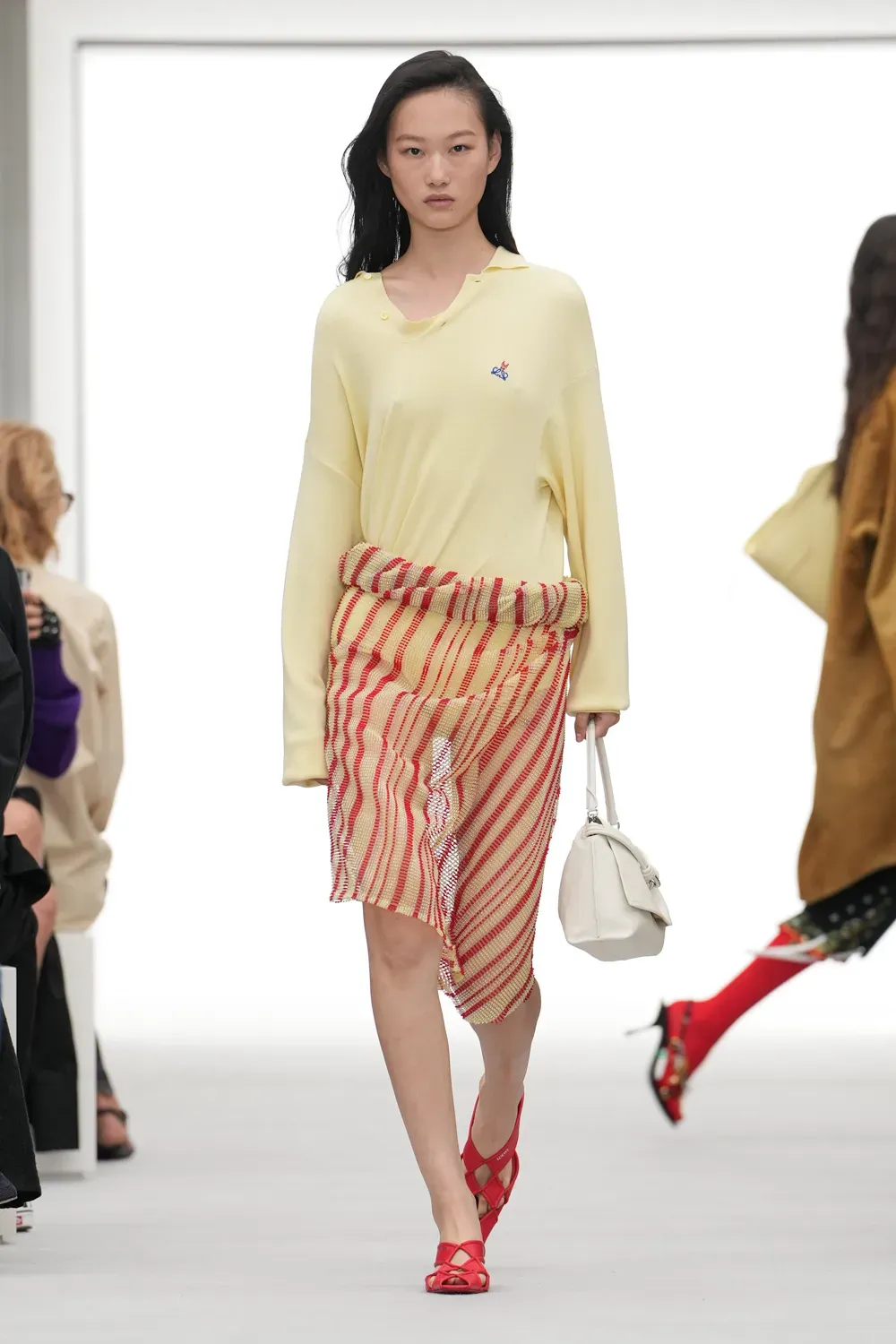
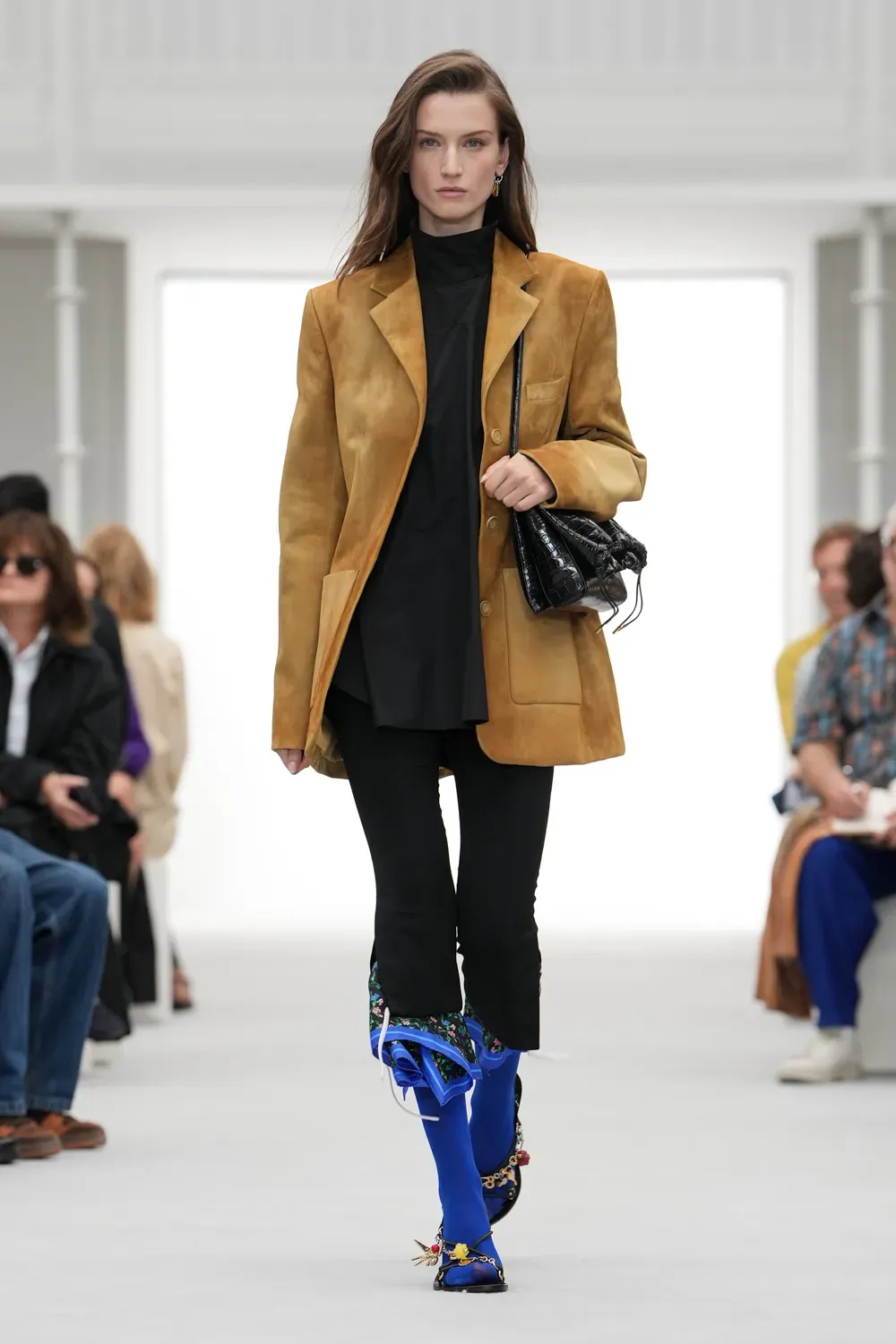
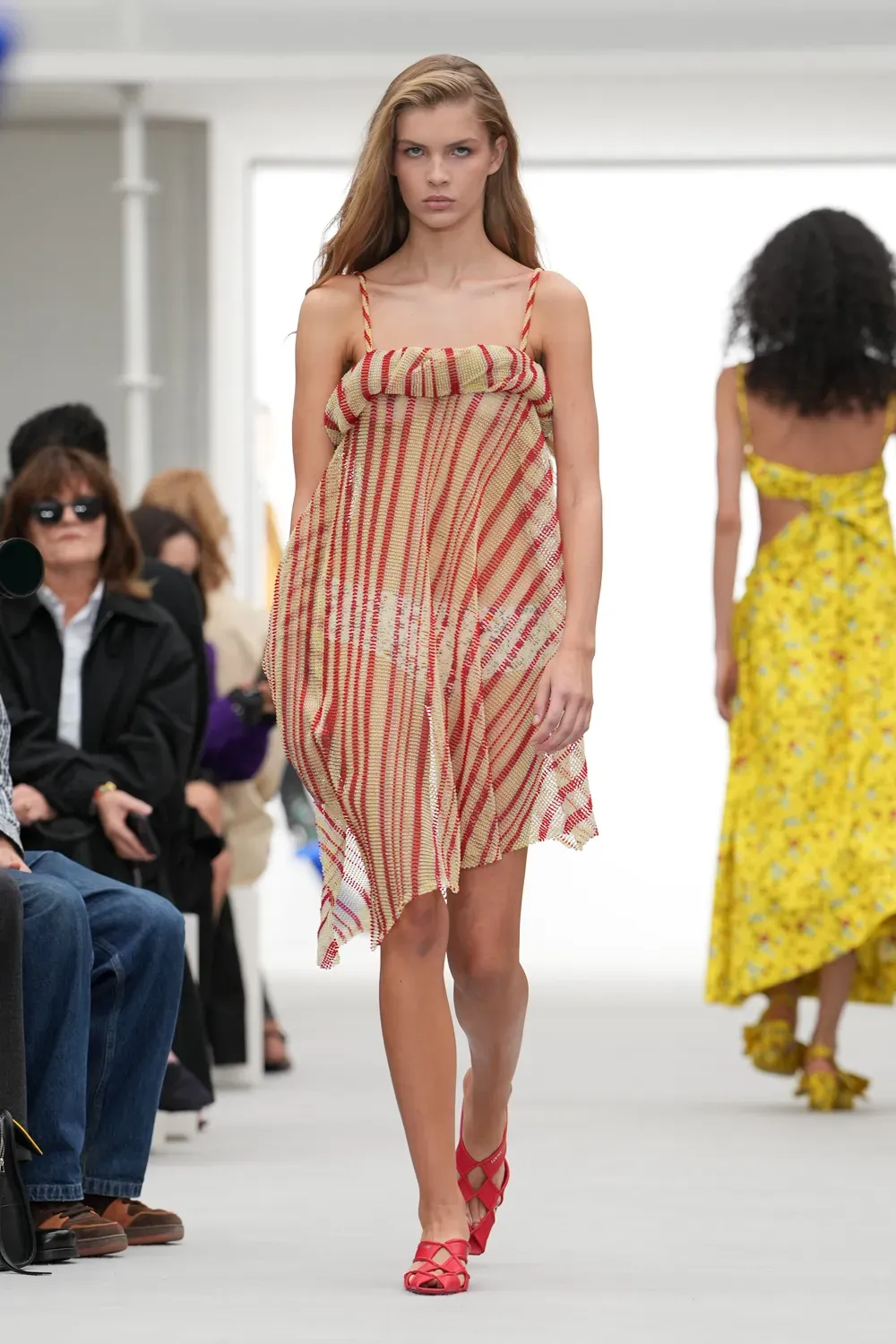
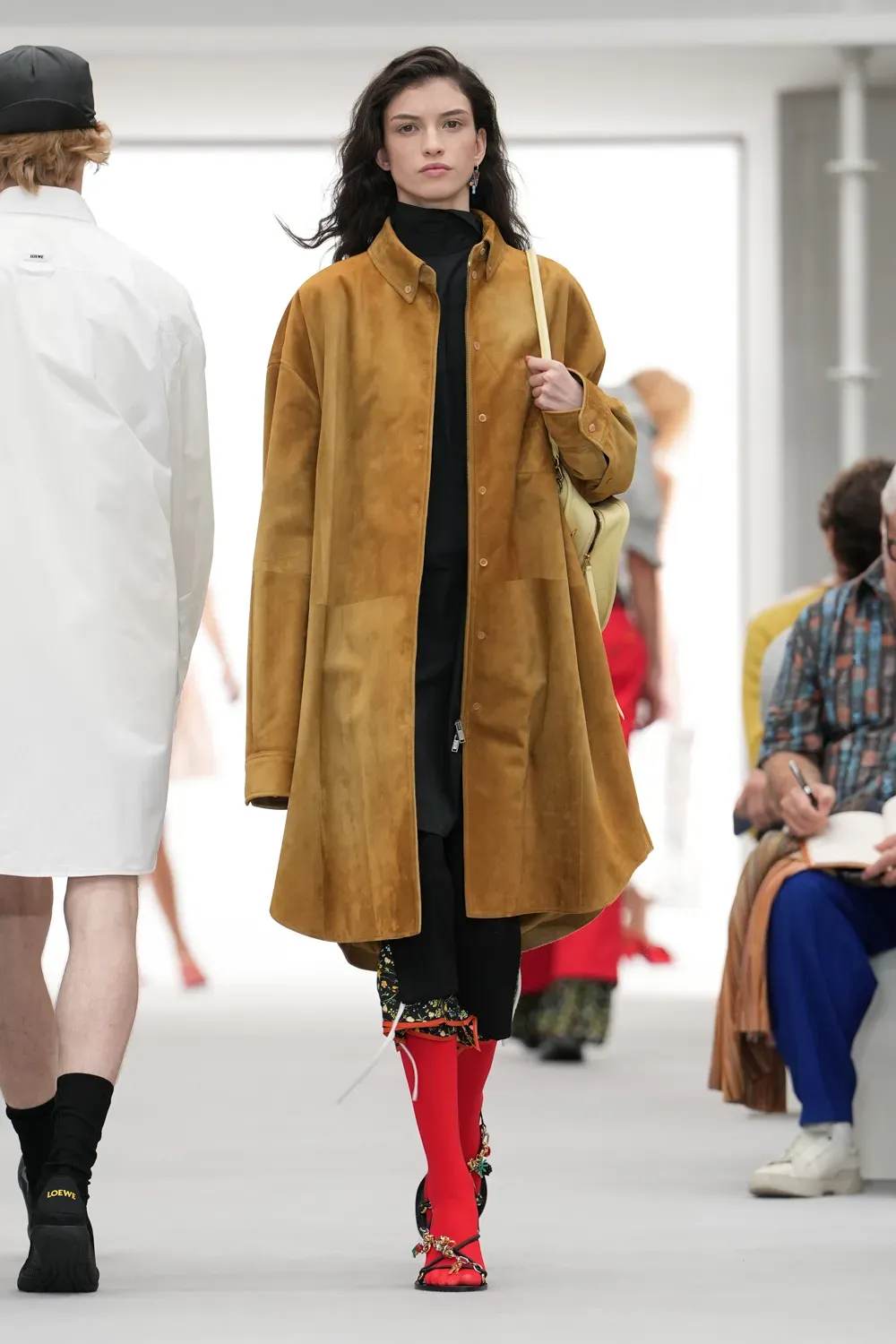
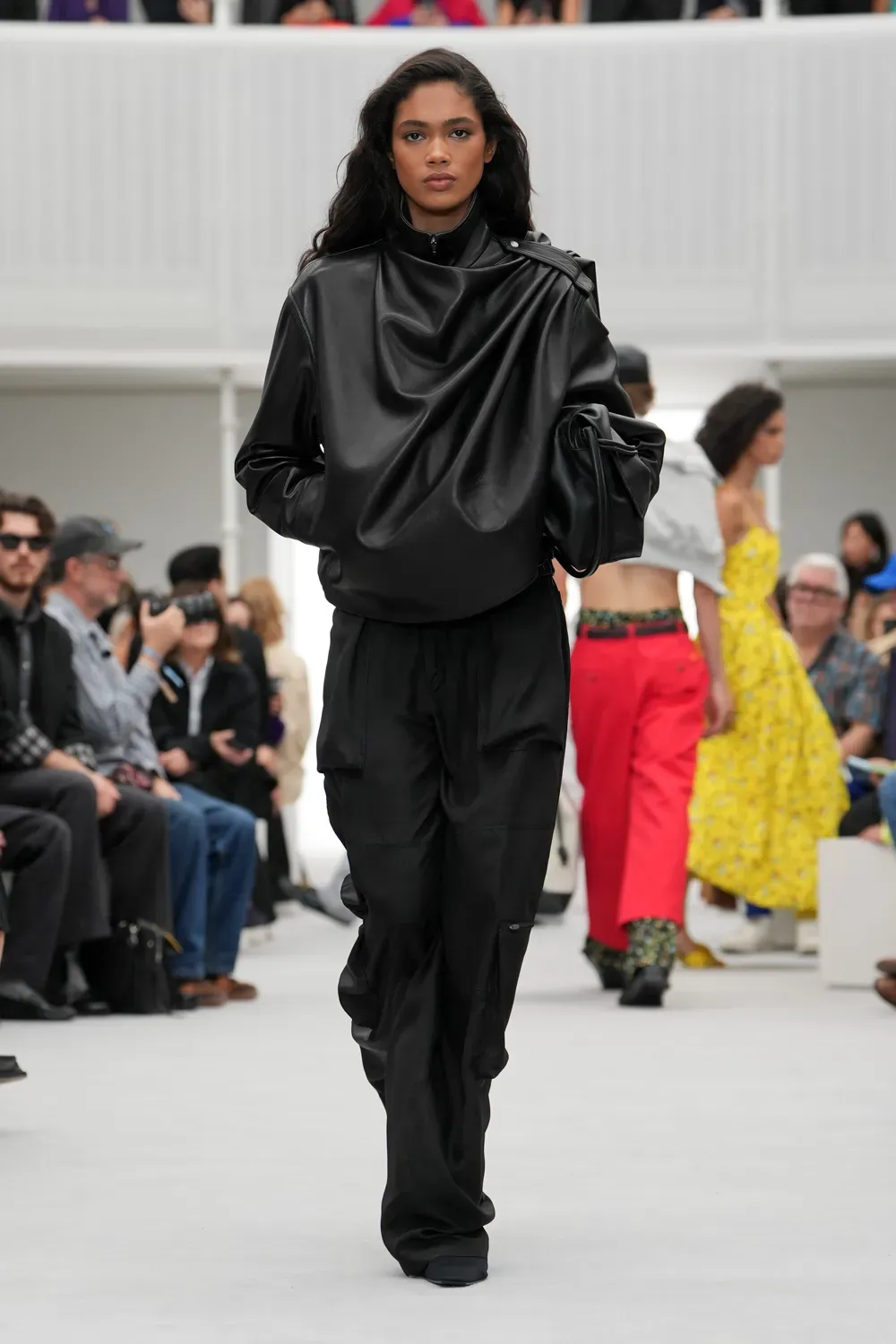
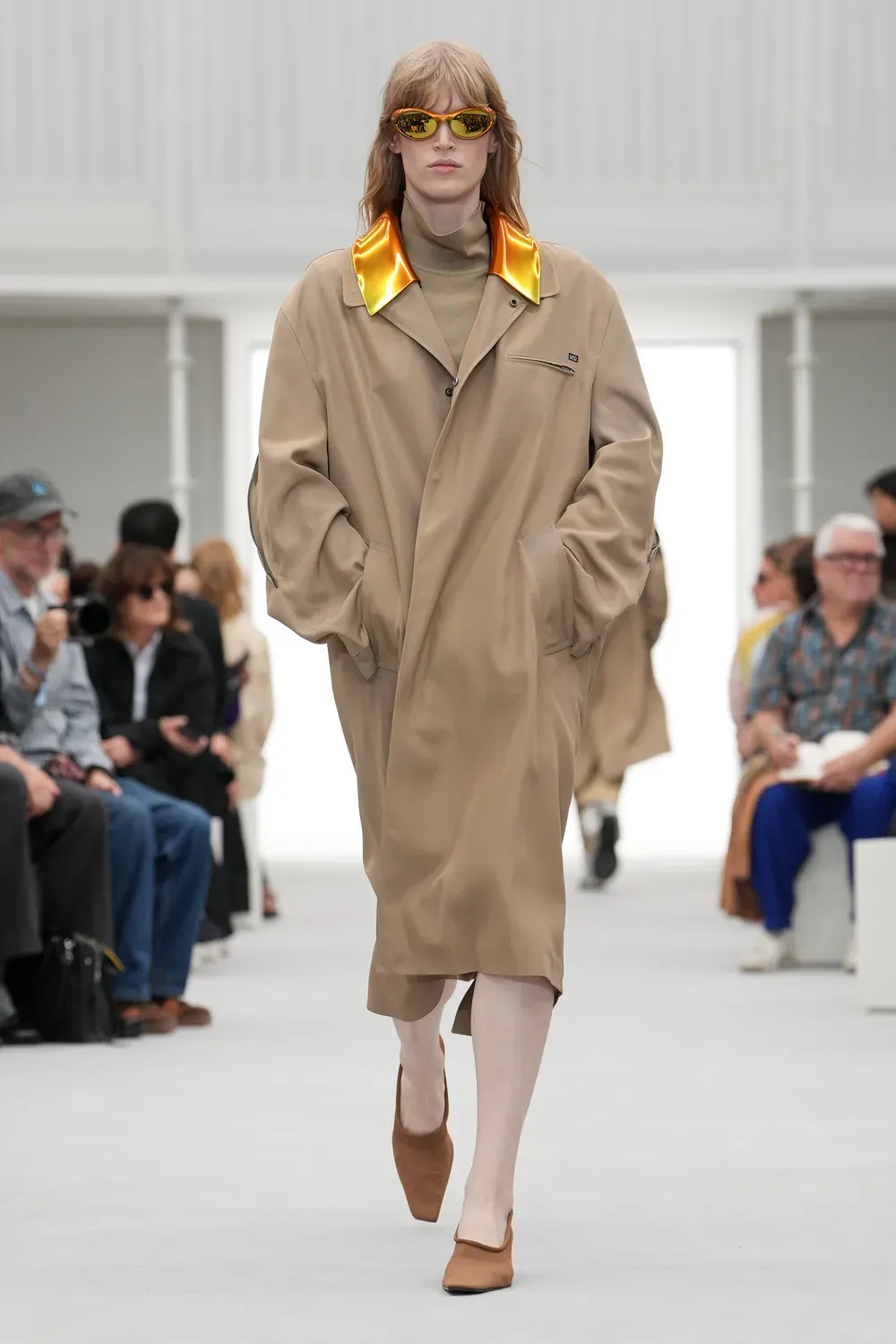
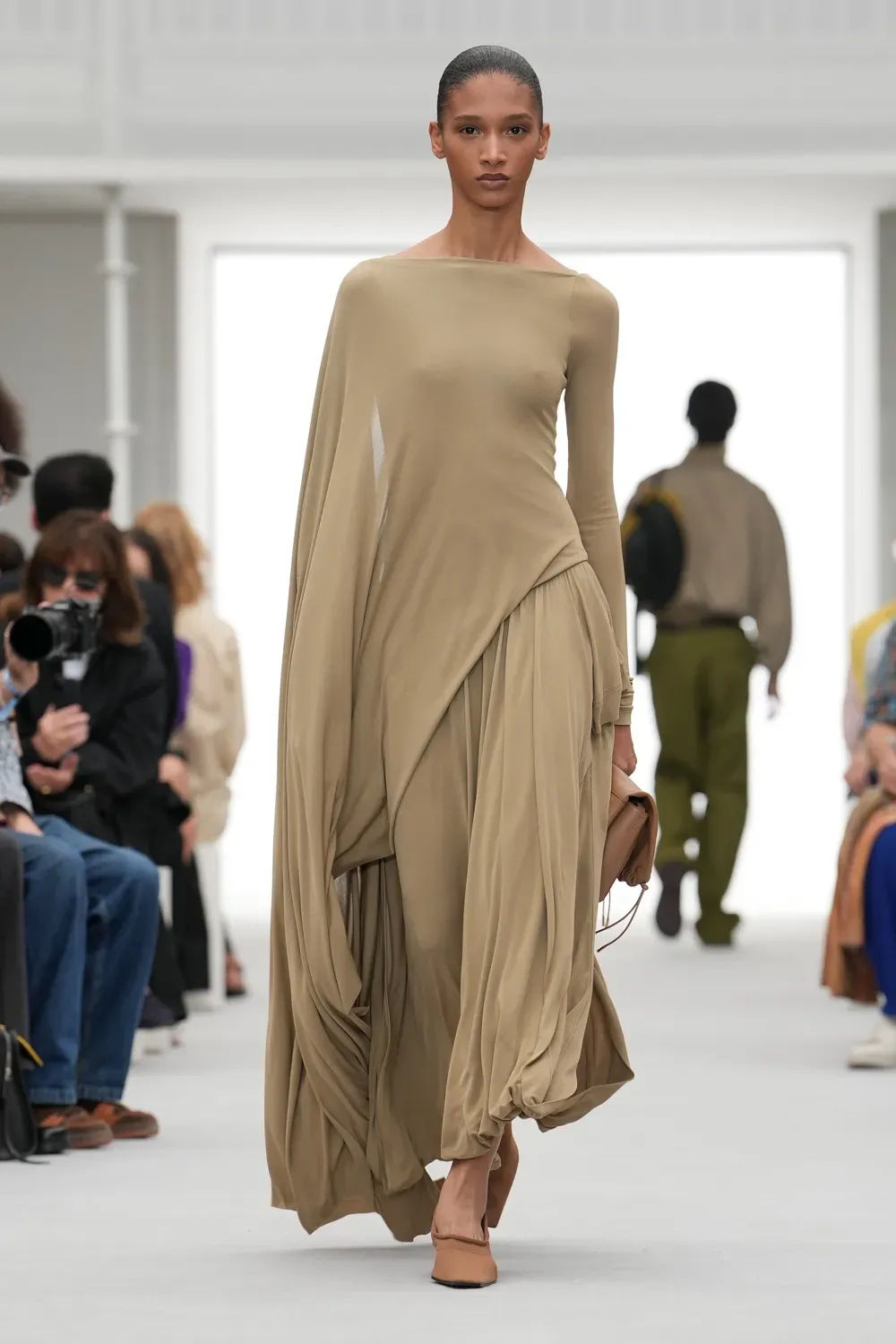
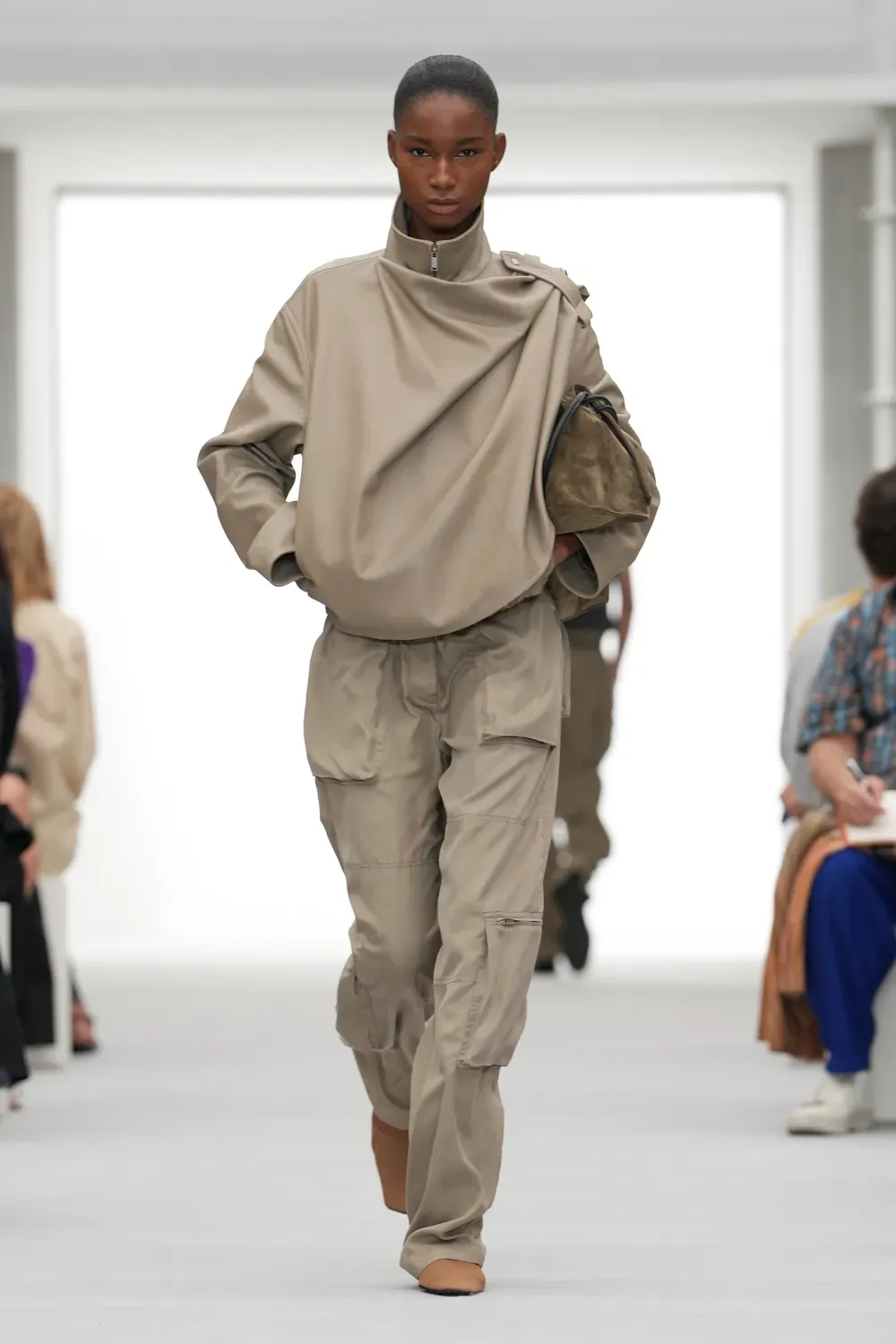
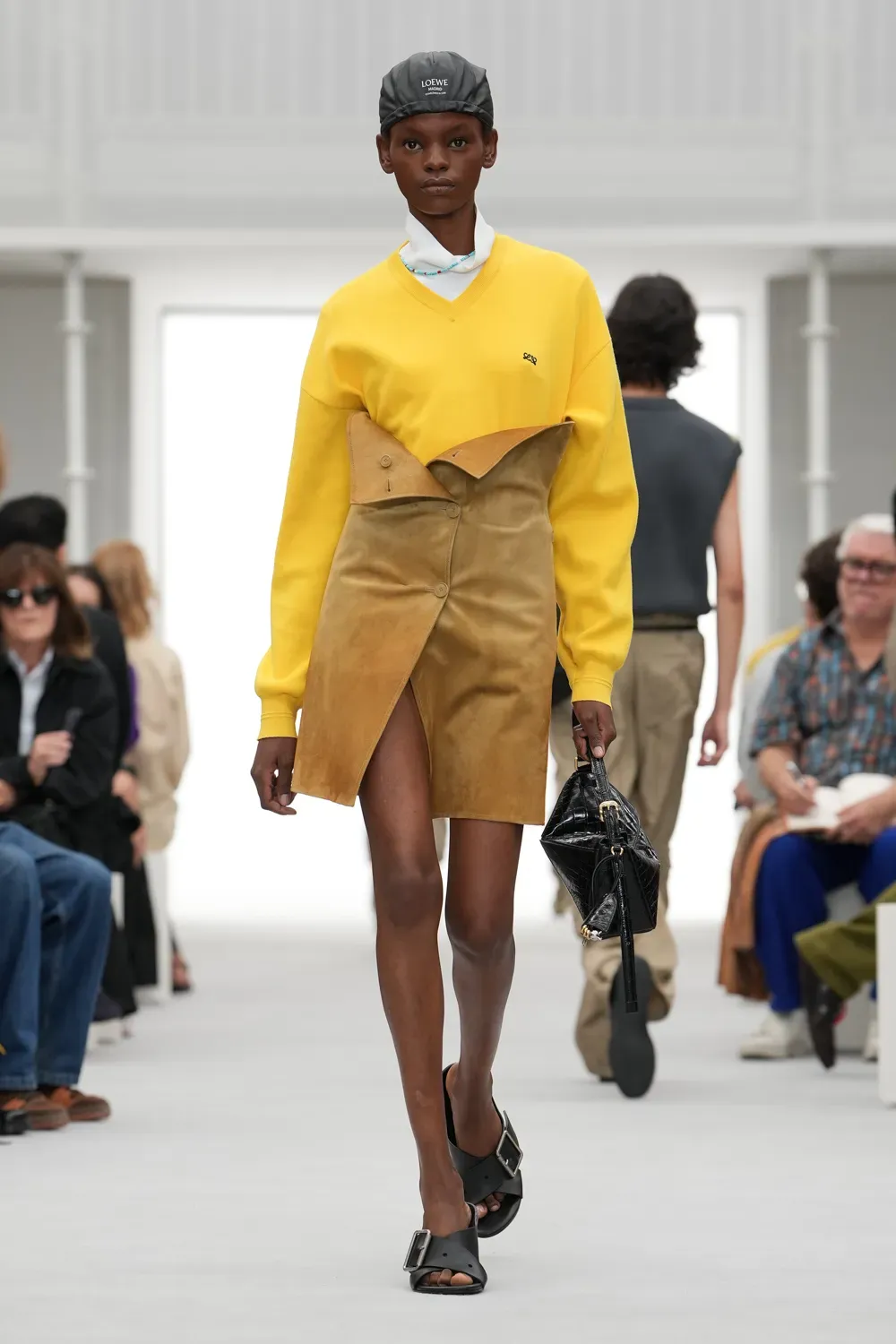
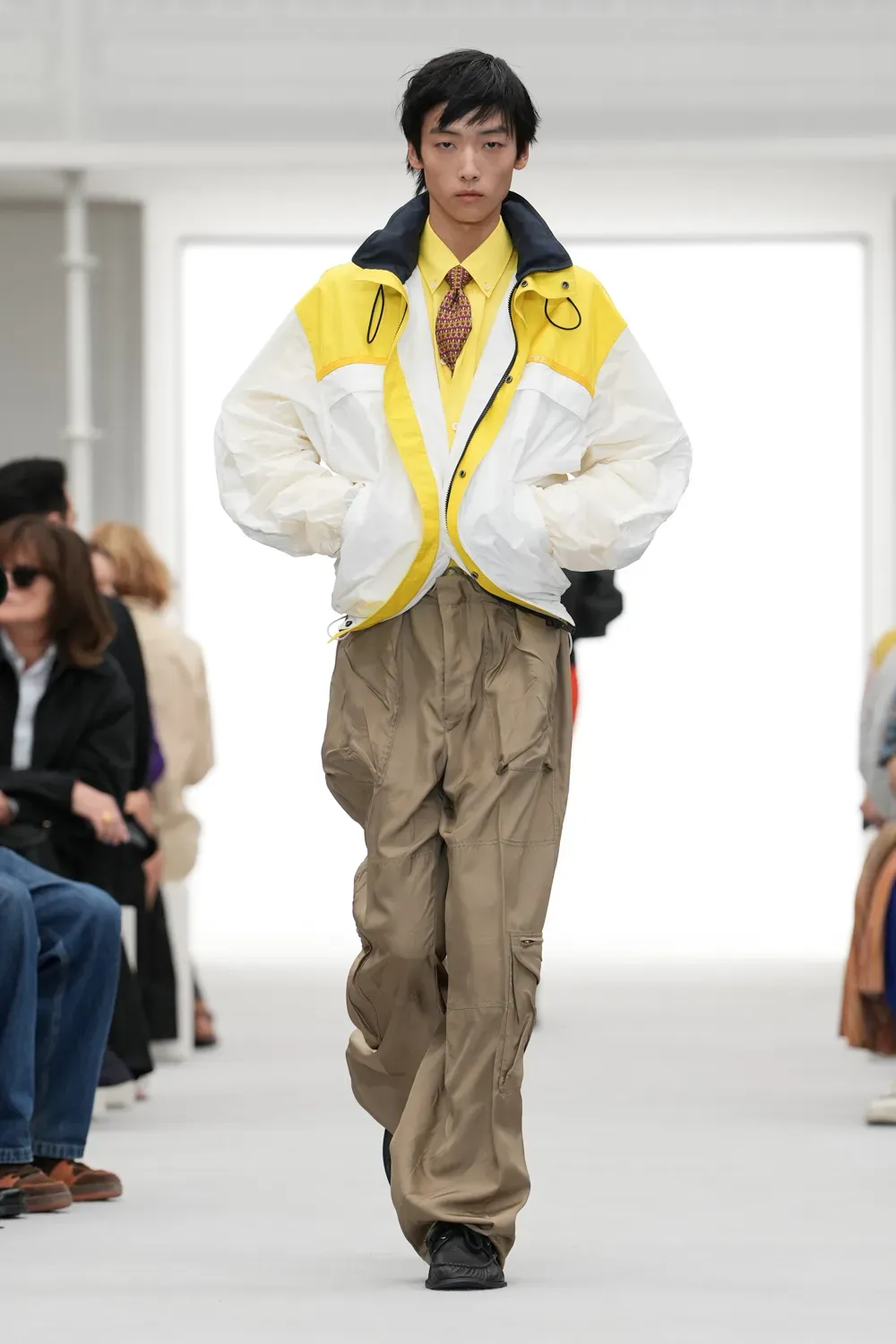
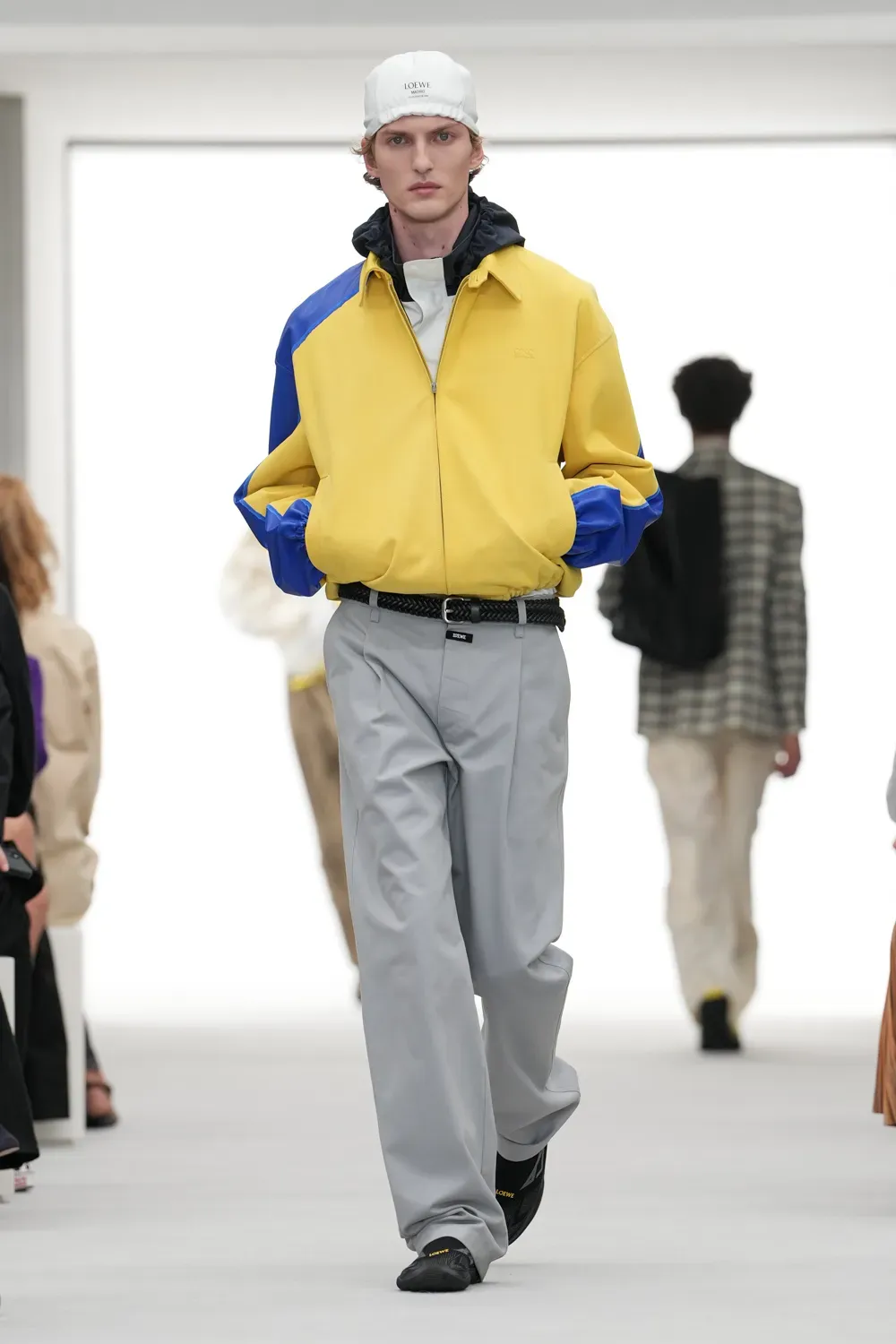
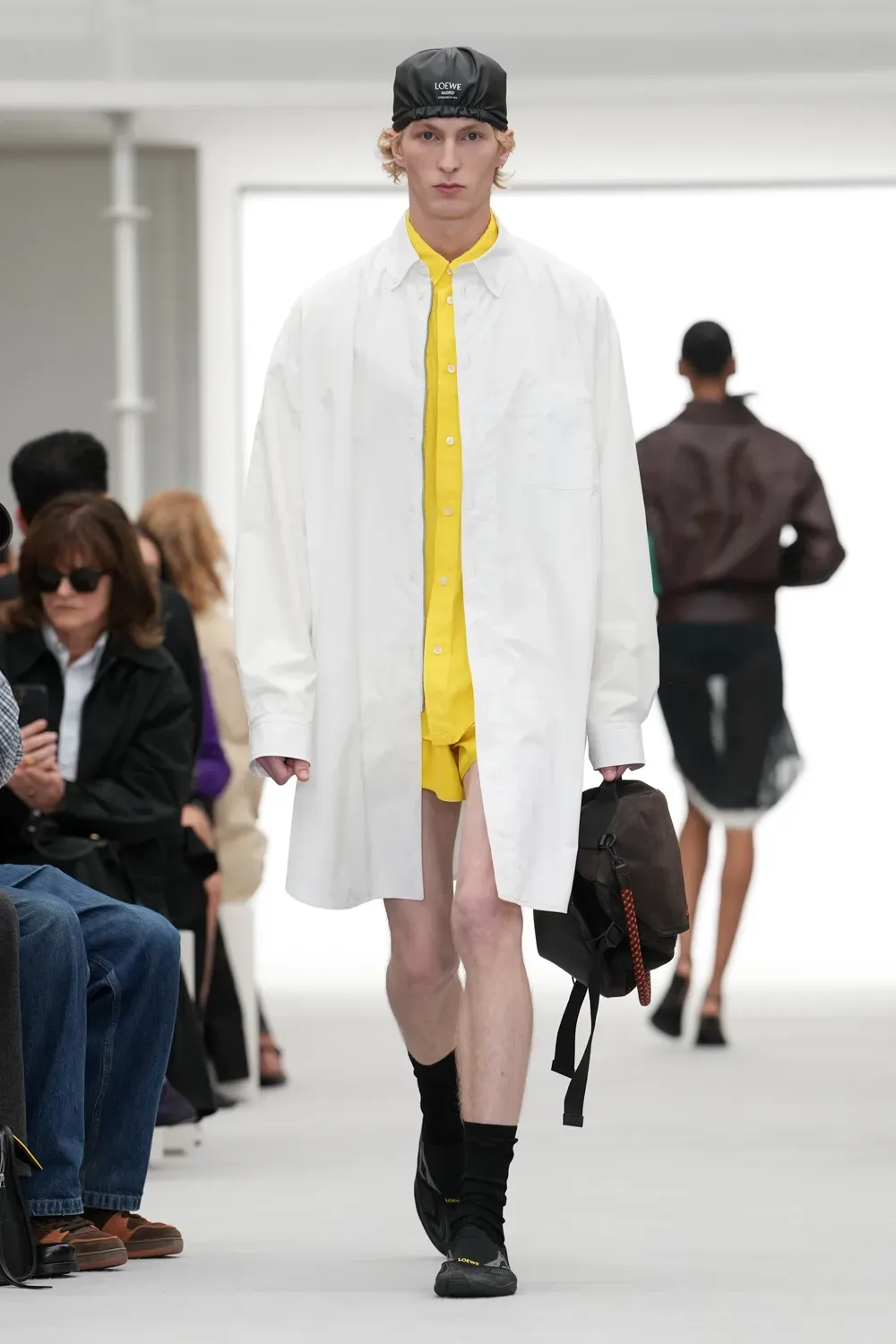
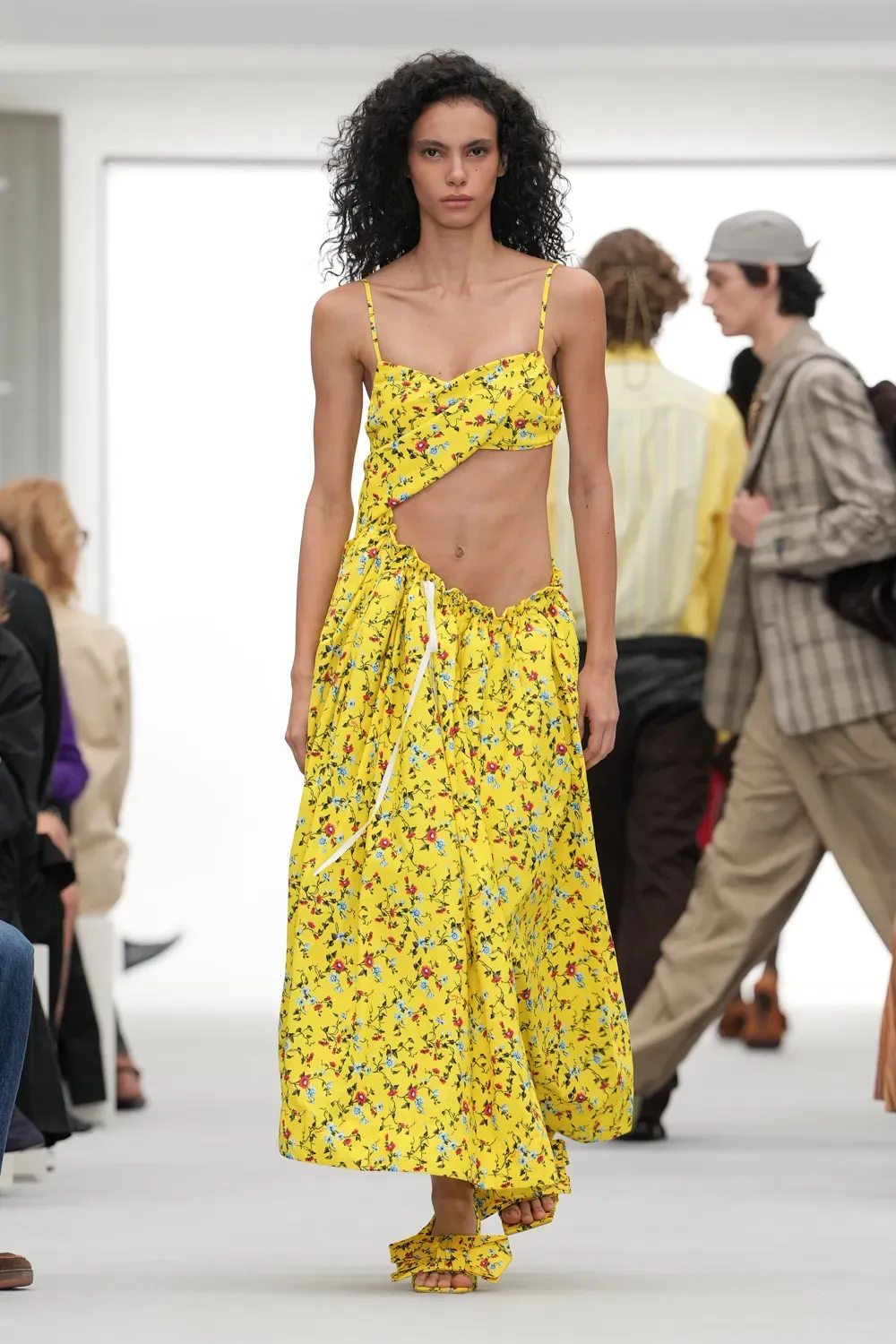
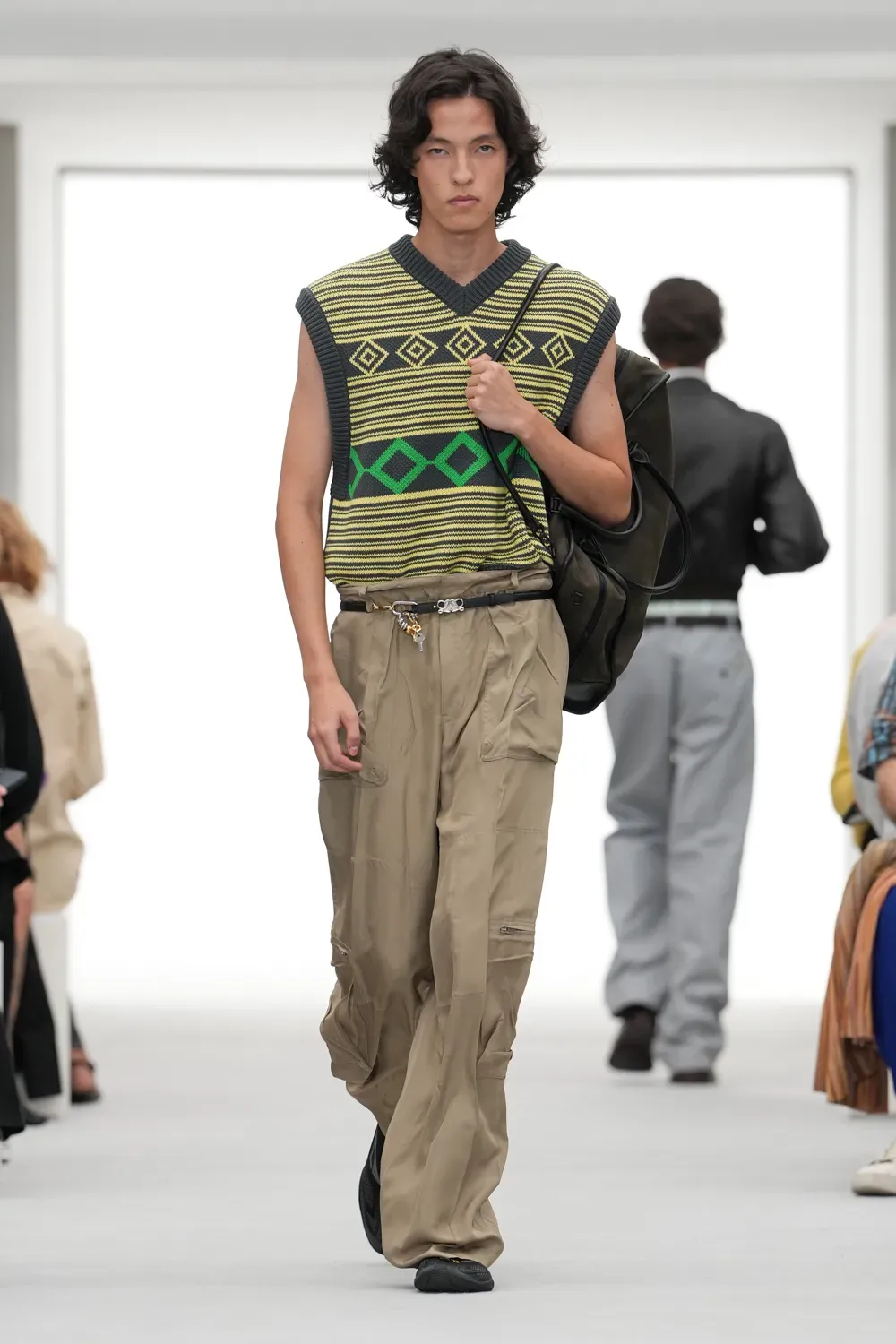
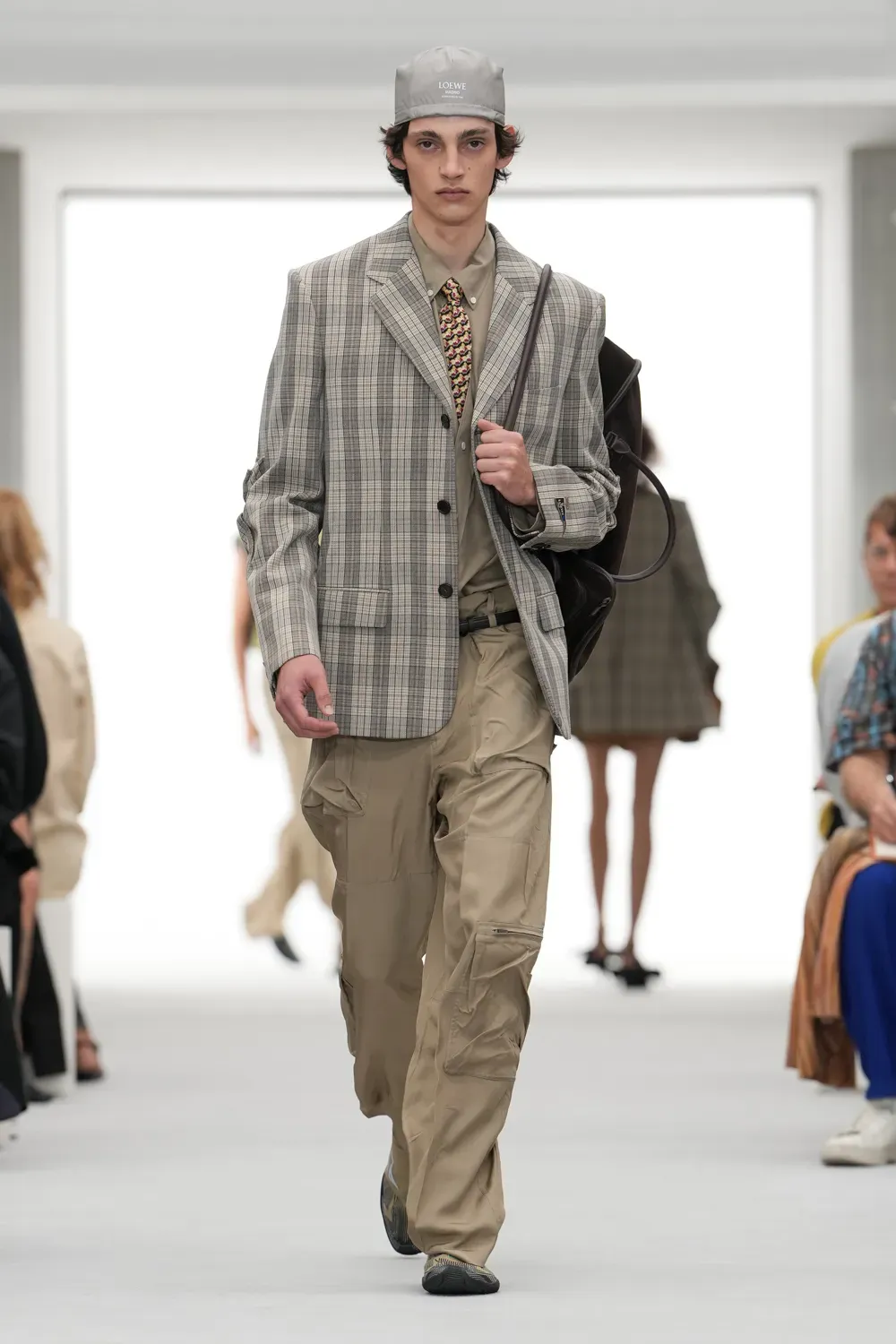
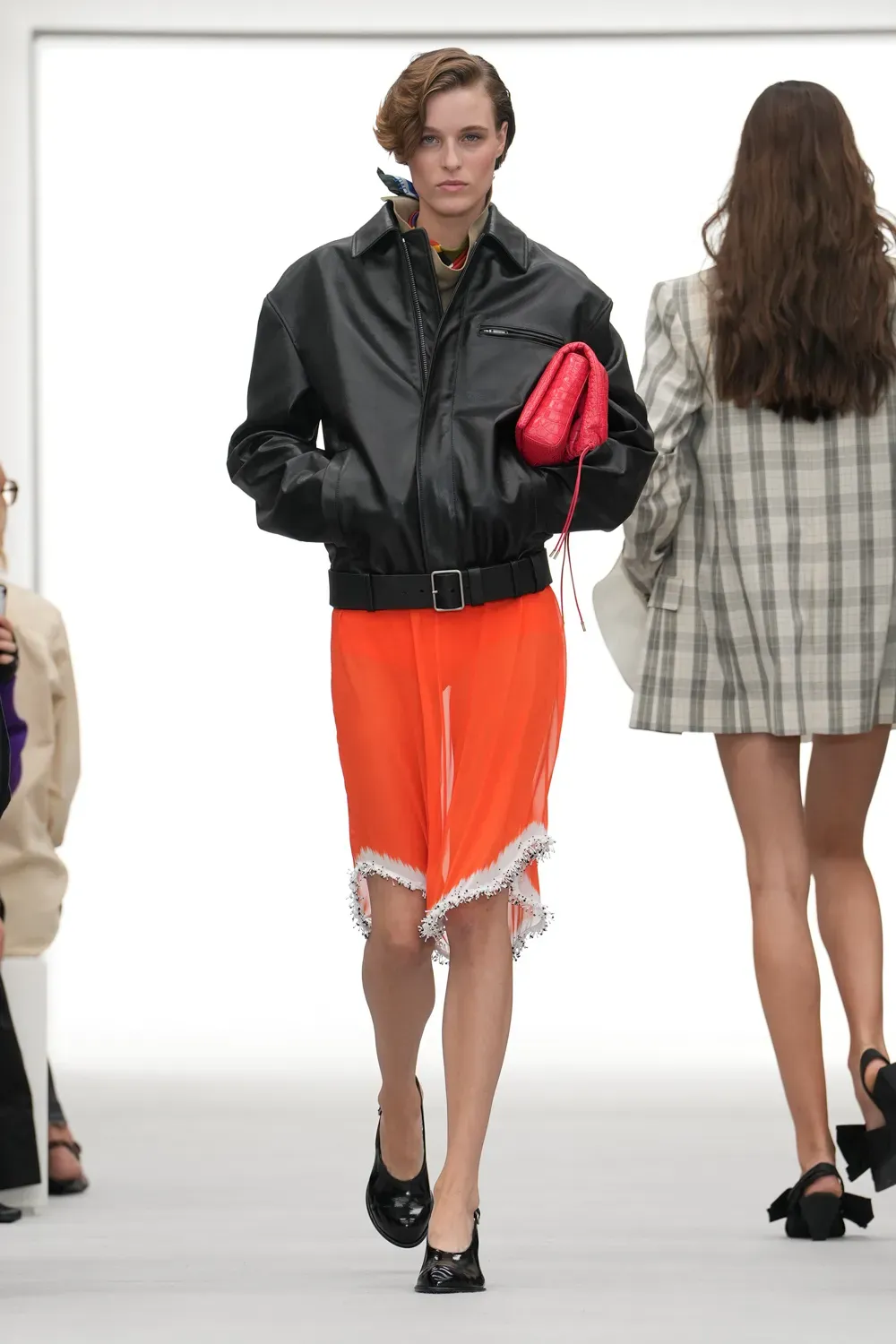
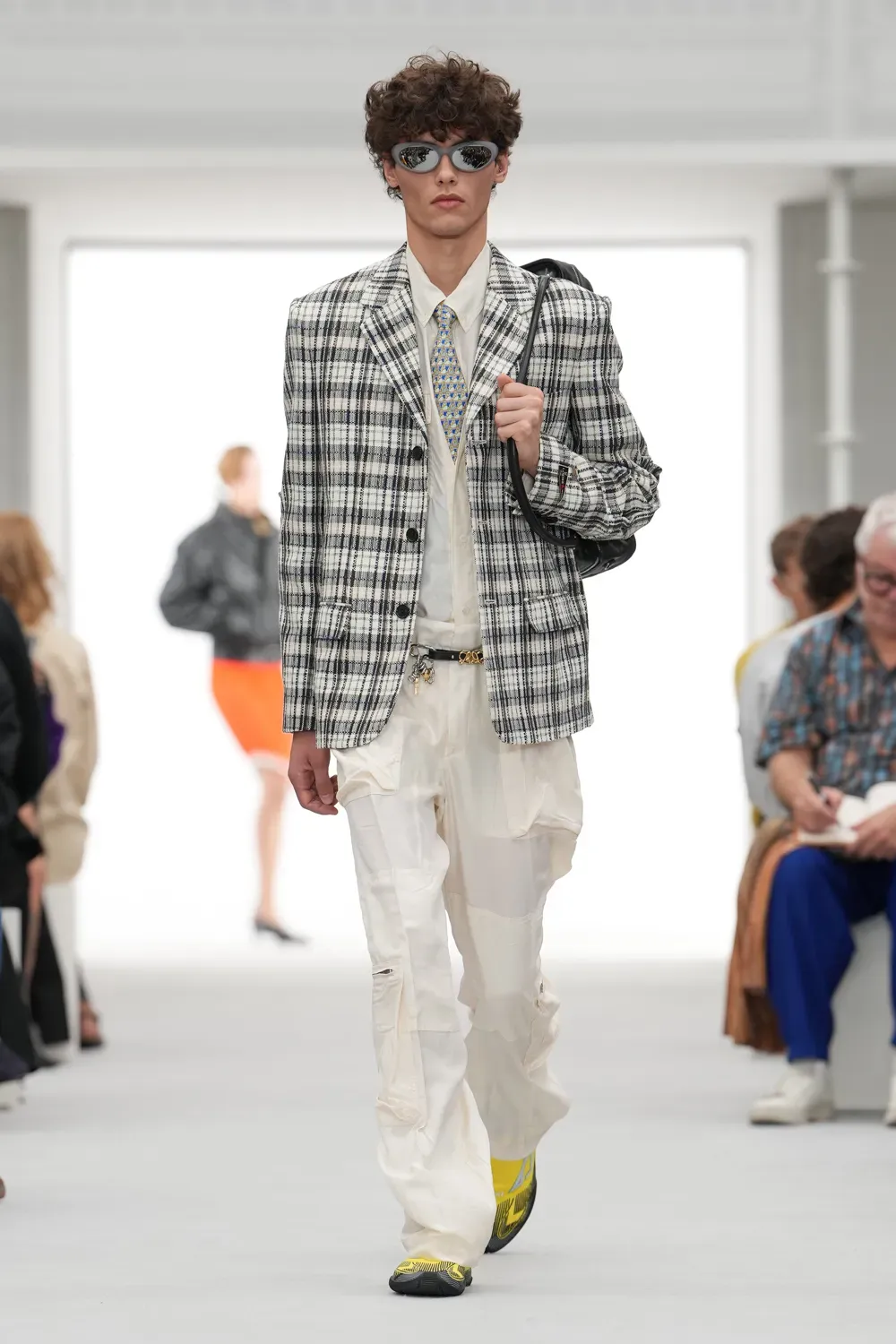
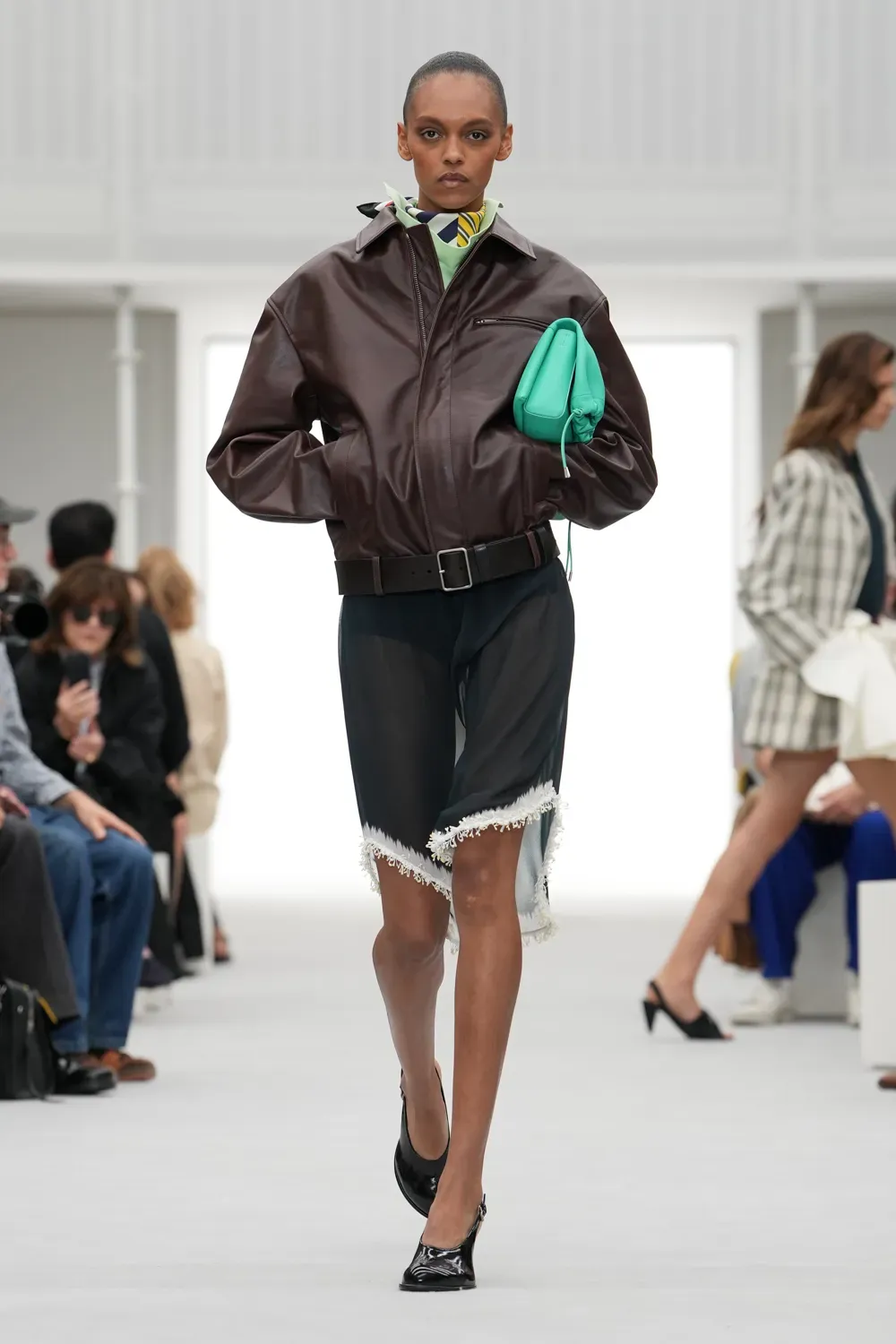
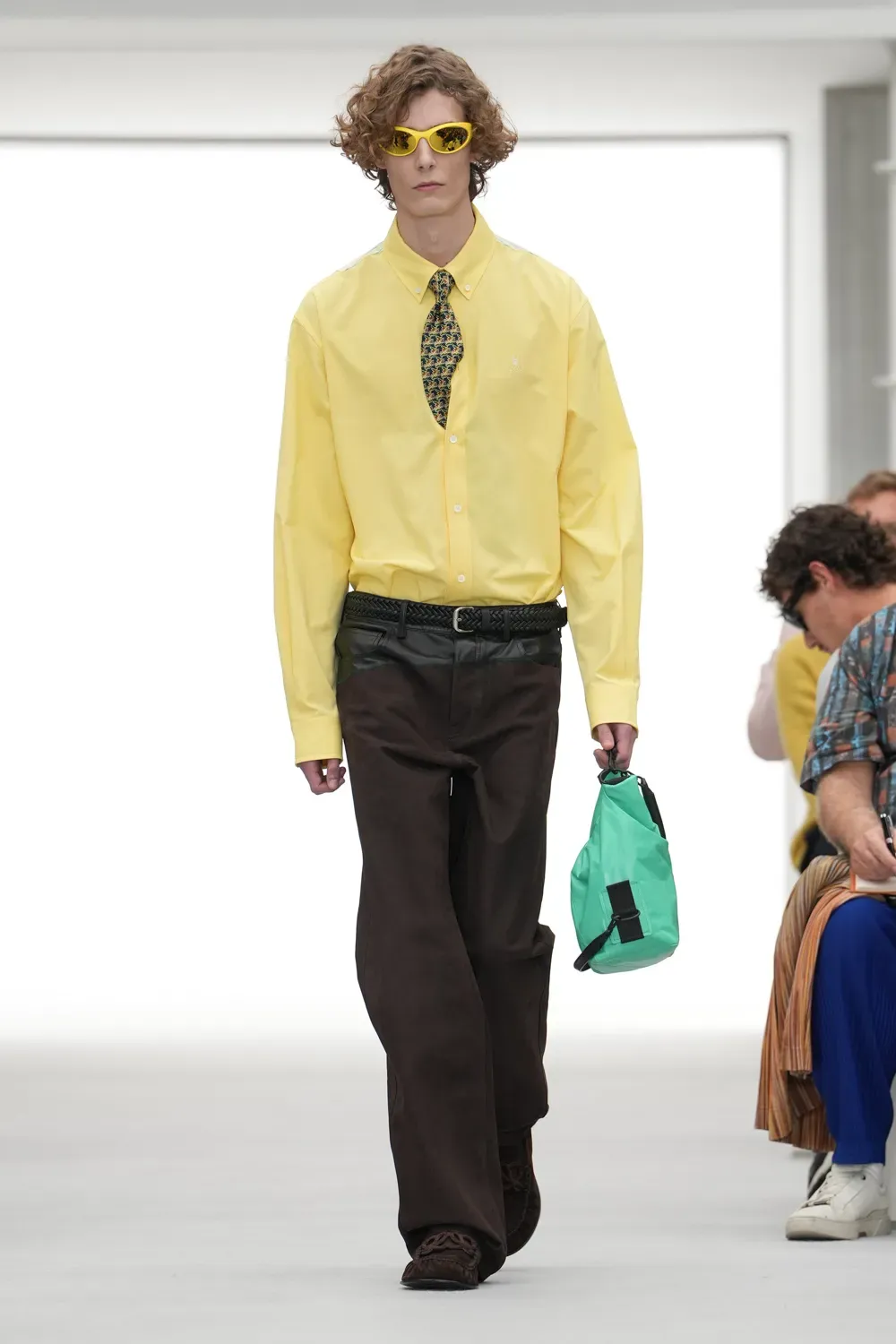
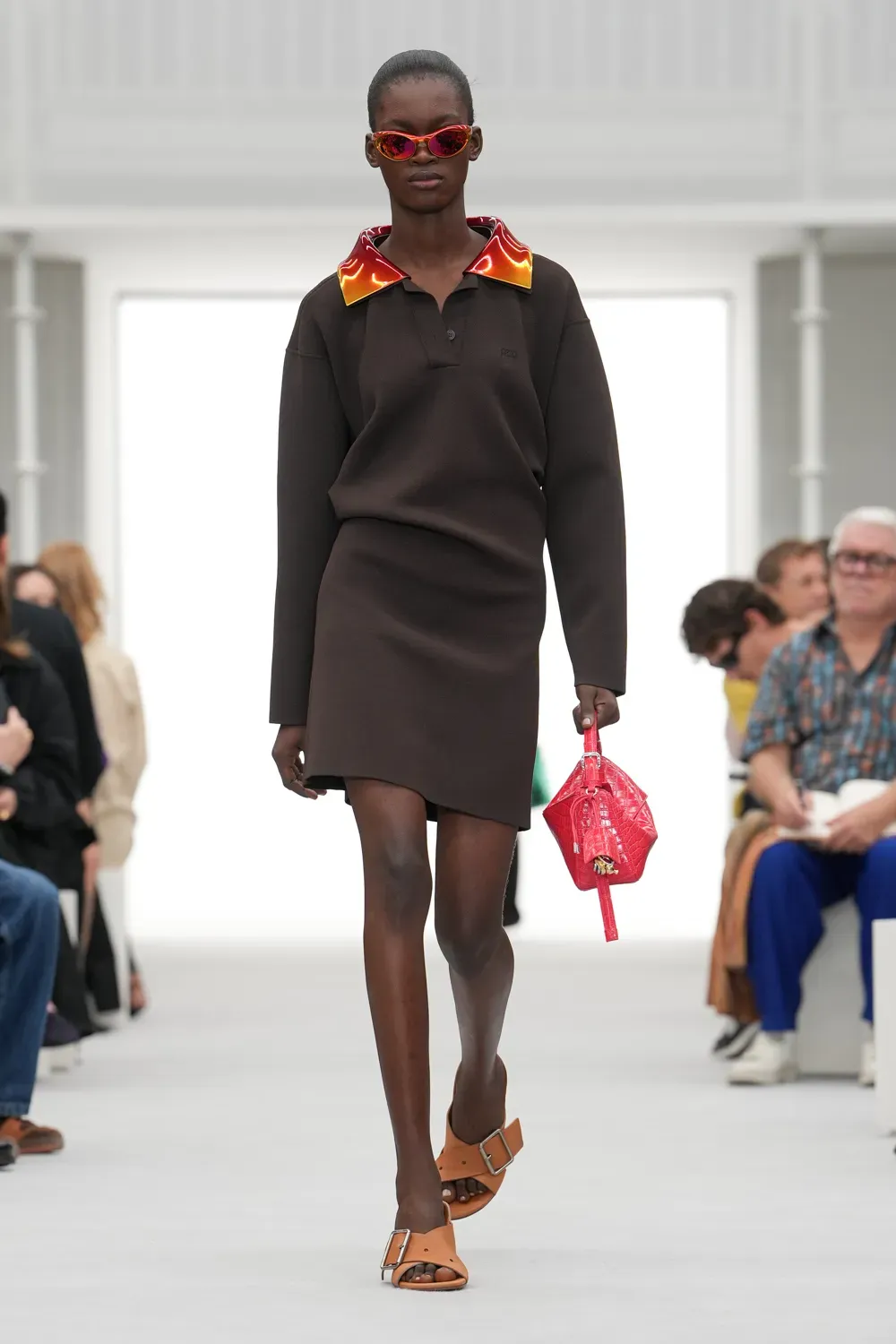
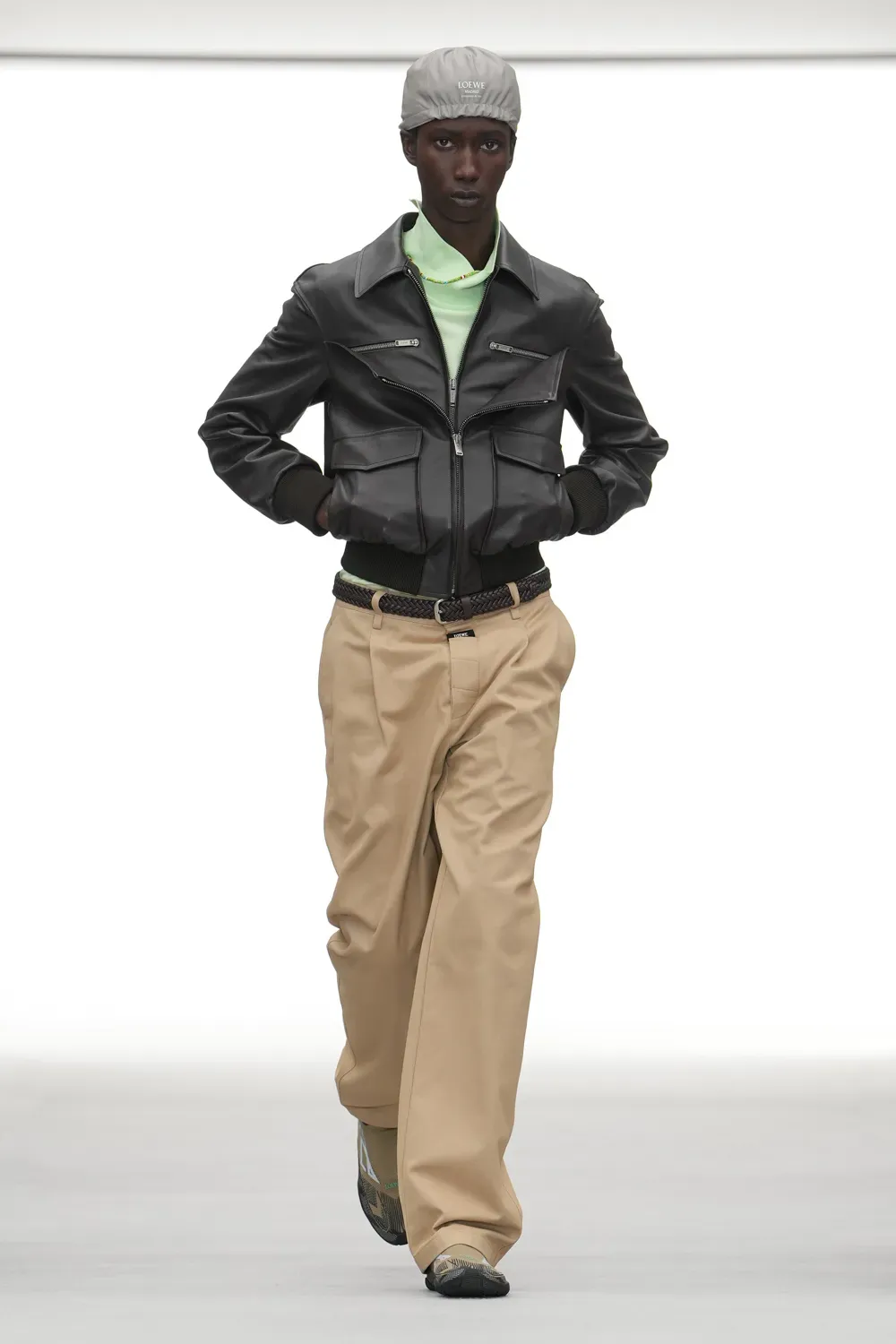
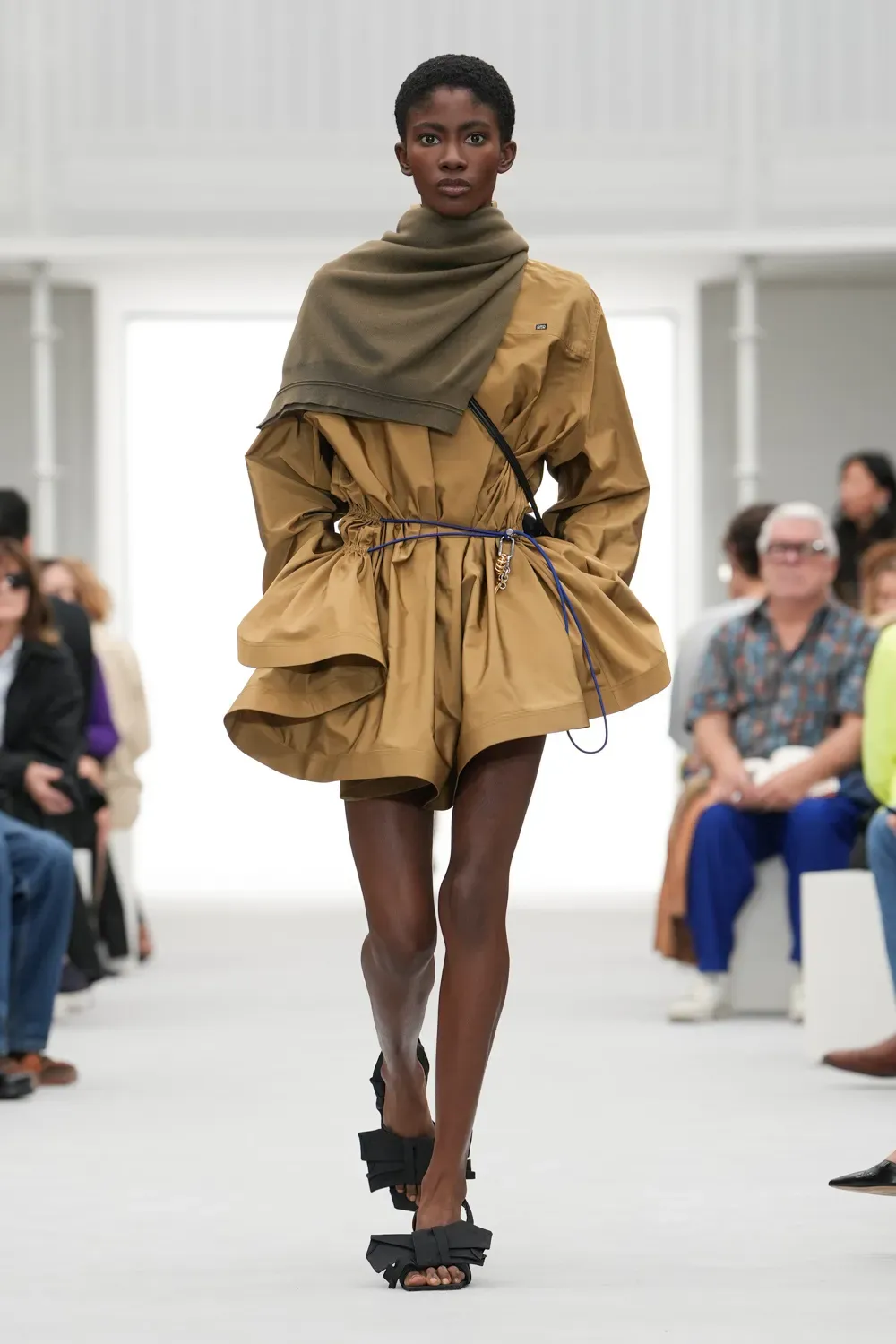
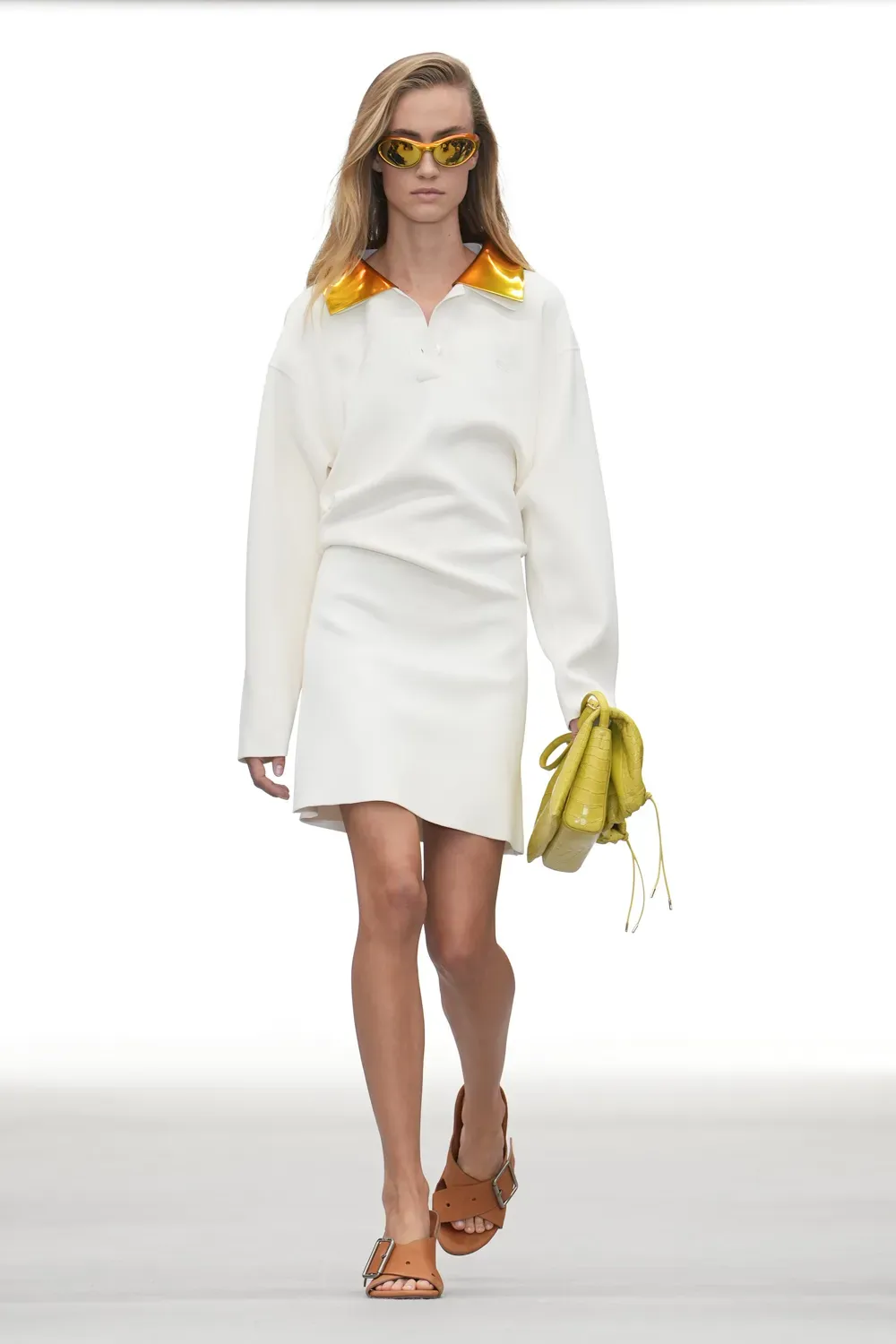
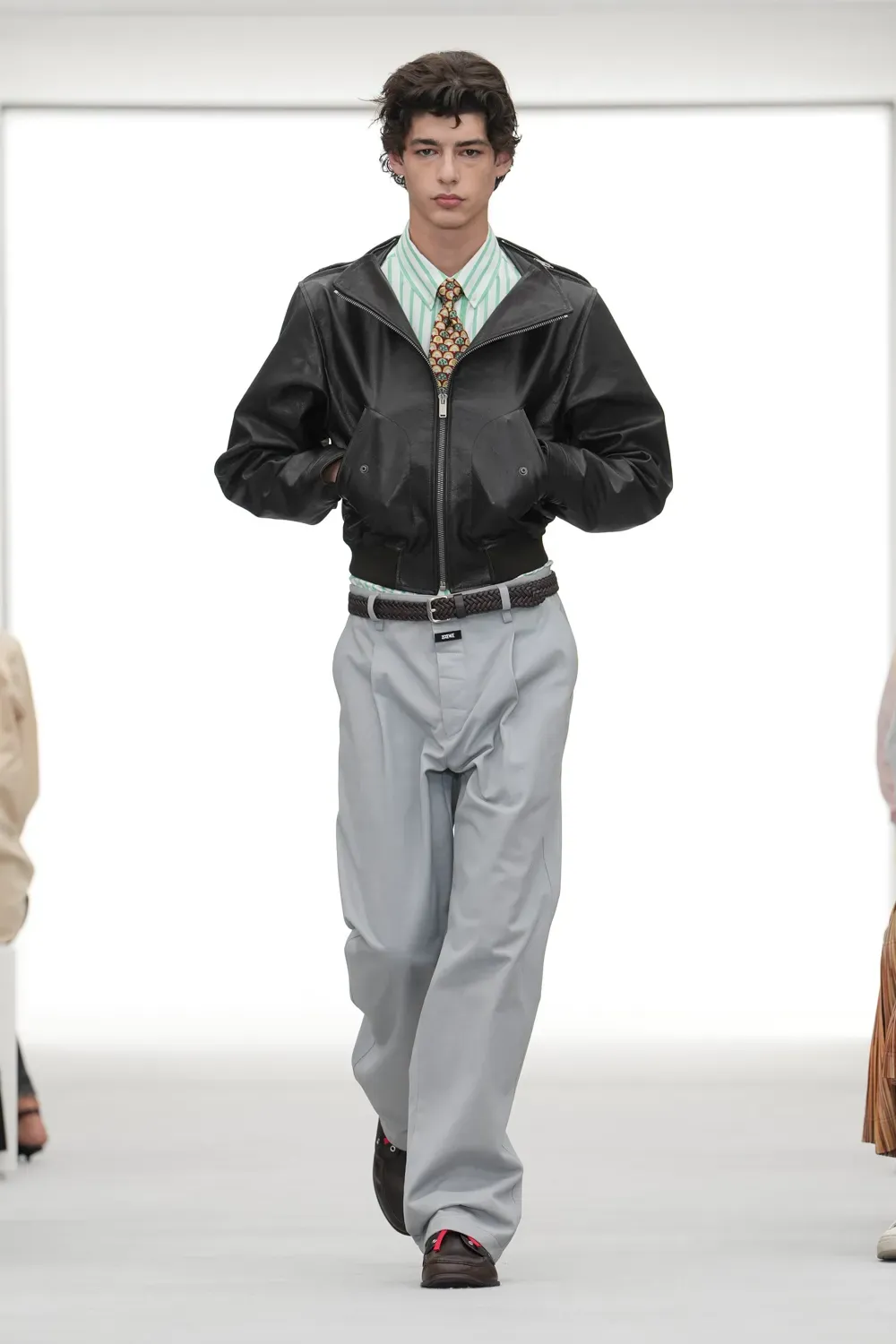
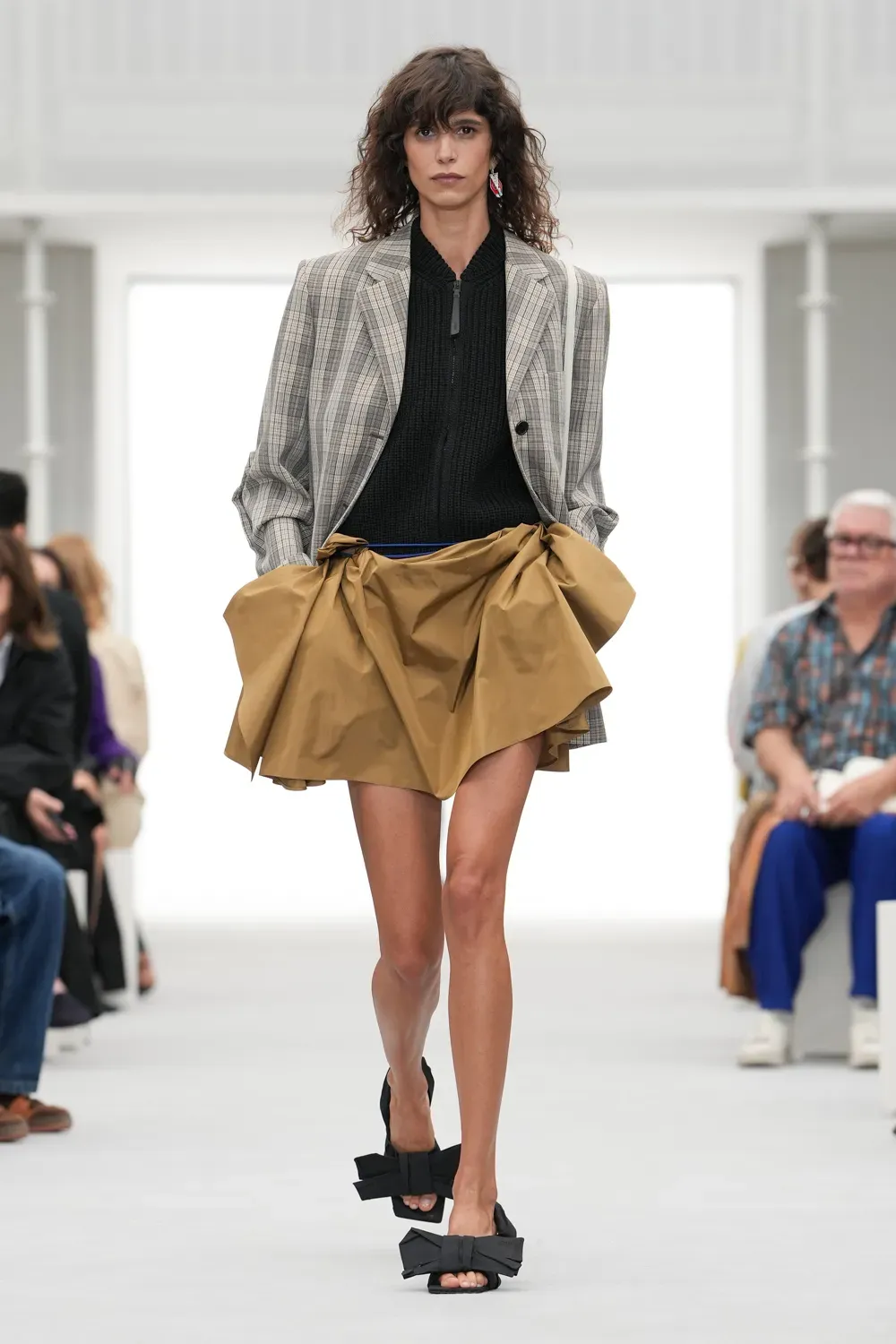
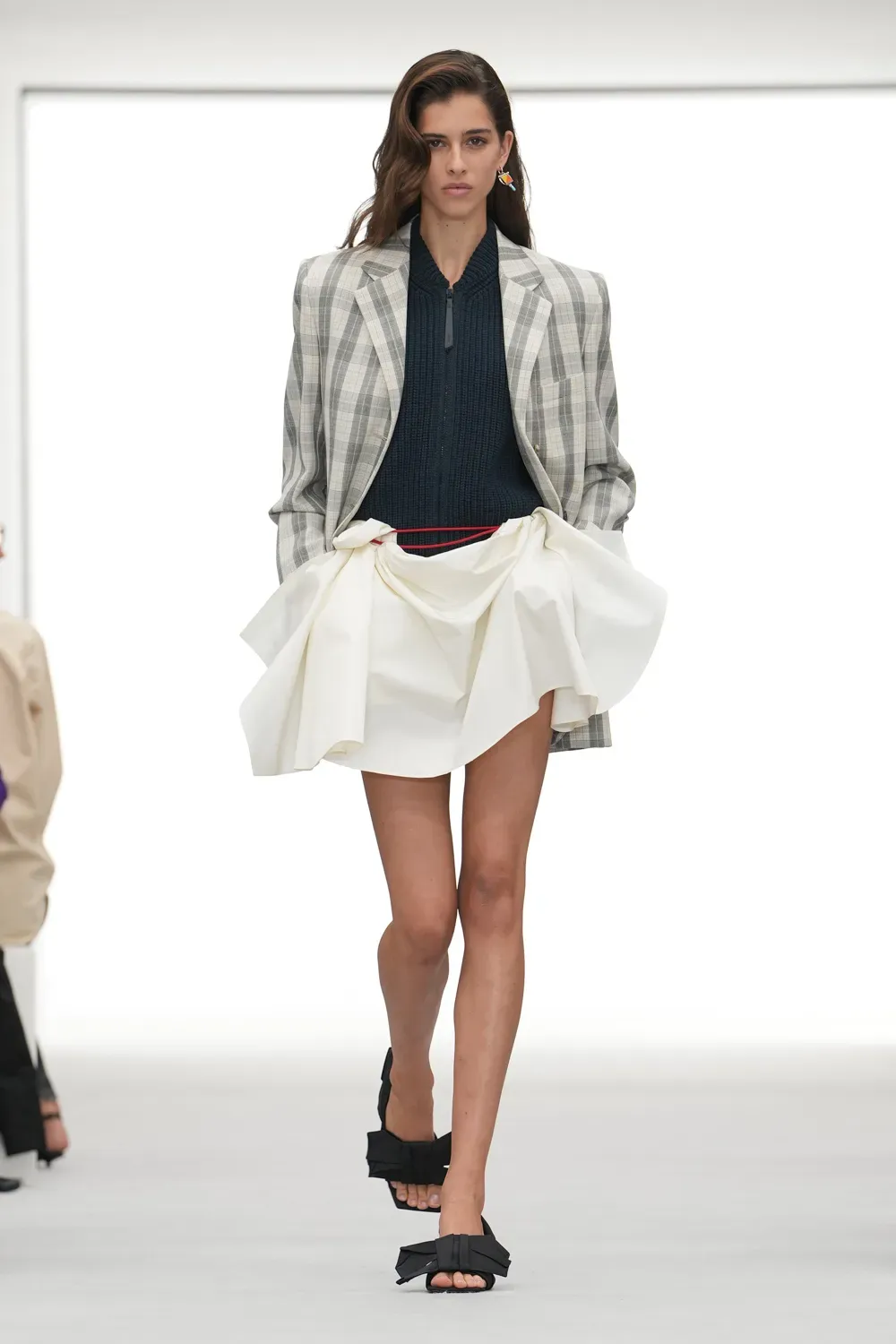
One day, the Loewe story will go down in history for the ease with which its fundamental creative transition unfolded. To be honest, and while acknowledging that the brand has an extraordinarily long history, not everyone knew Loewe outside of Spain before the glorious revamp that took place during Jonathan Anderson's decade there. Today the brand is one of the foremost names in luxury — or at least among the most recognizable — and so the arrival of two new creative directors, Lazaro Hernandez and Jack McCollough, could have caused some turbulence. But it didn't, and now, with the third collection of their era — Loewe's SS27 collection, presented today in Paris — we can say that the brand could not be in better hands.
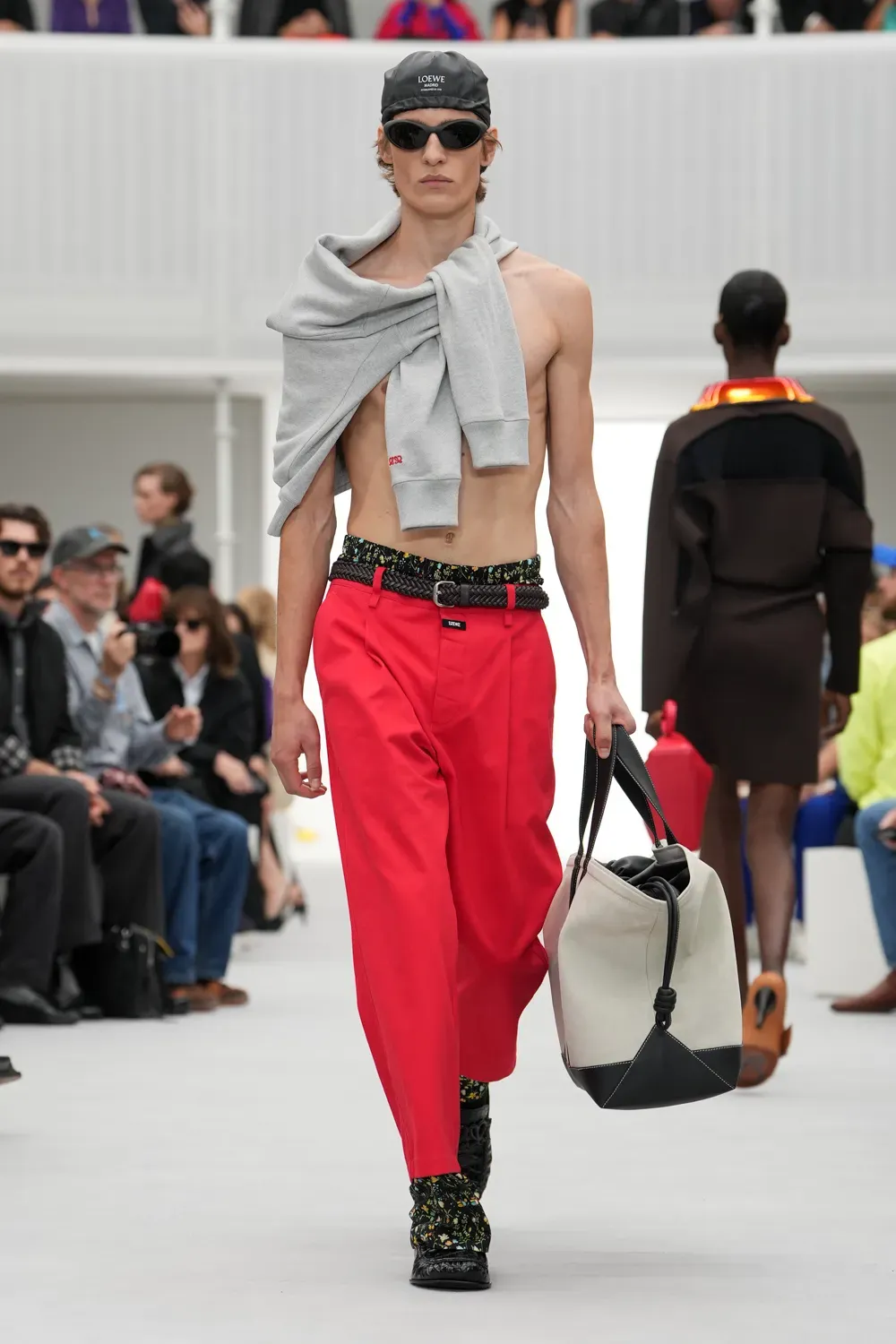
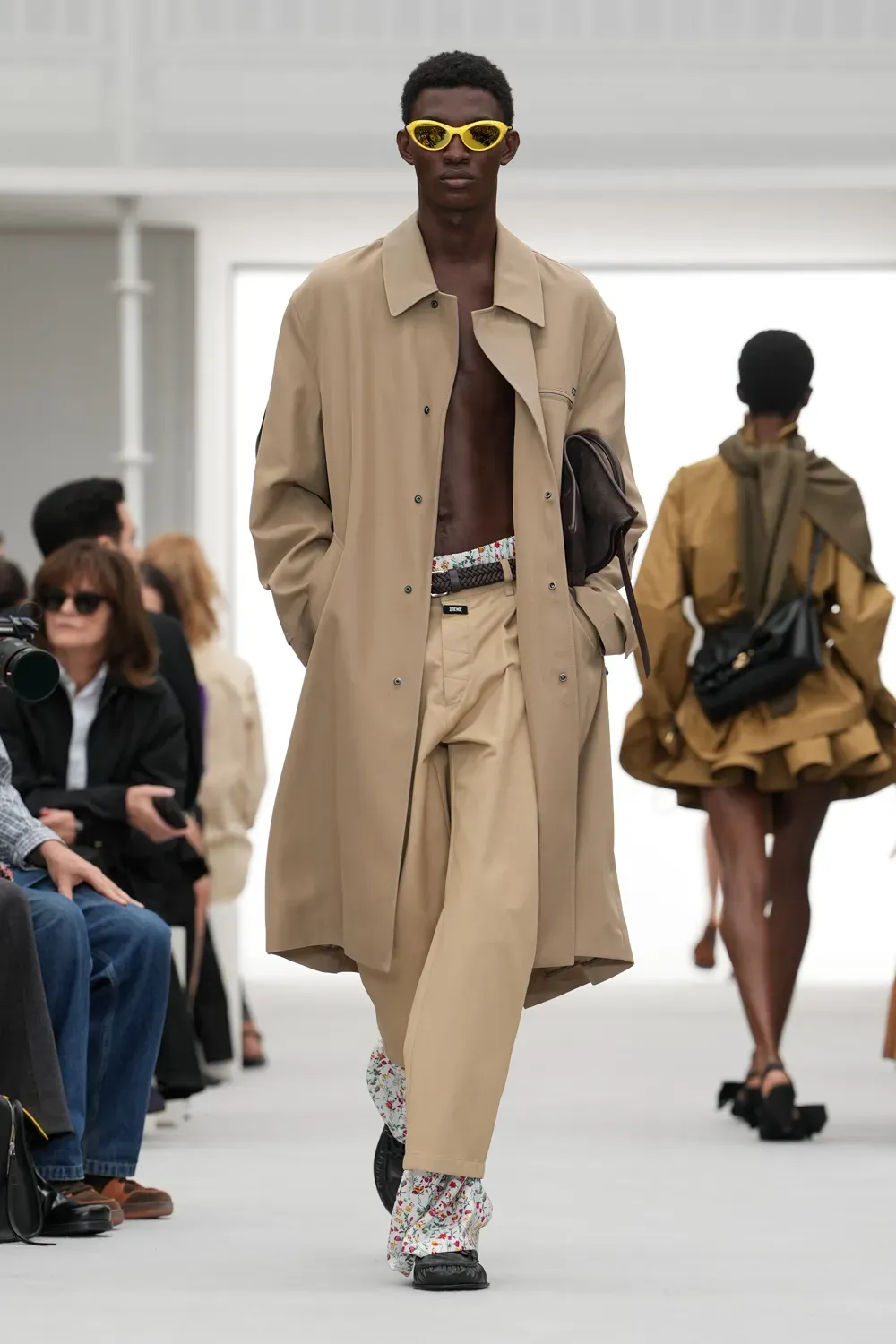
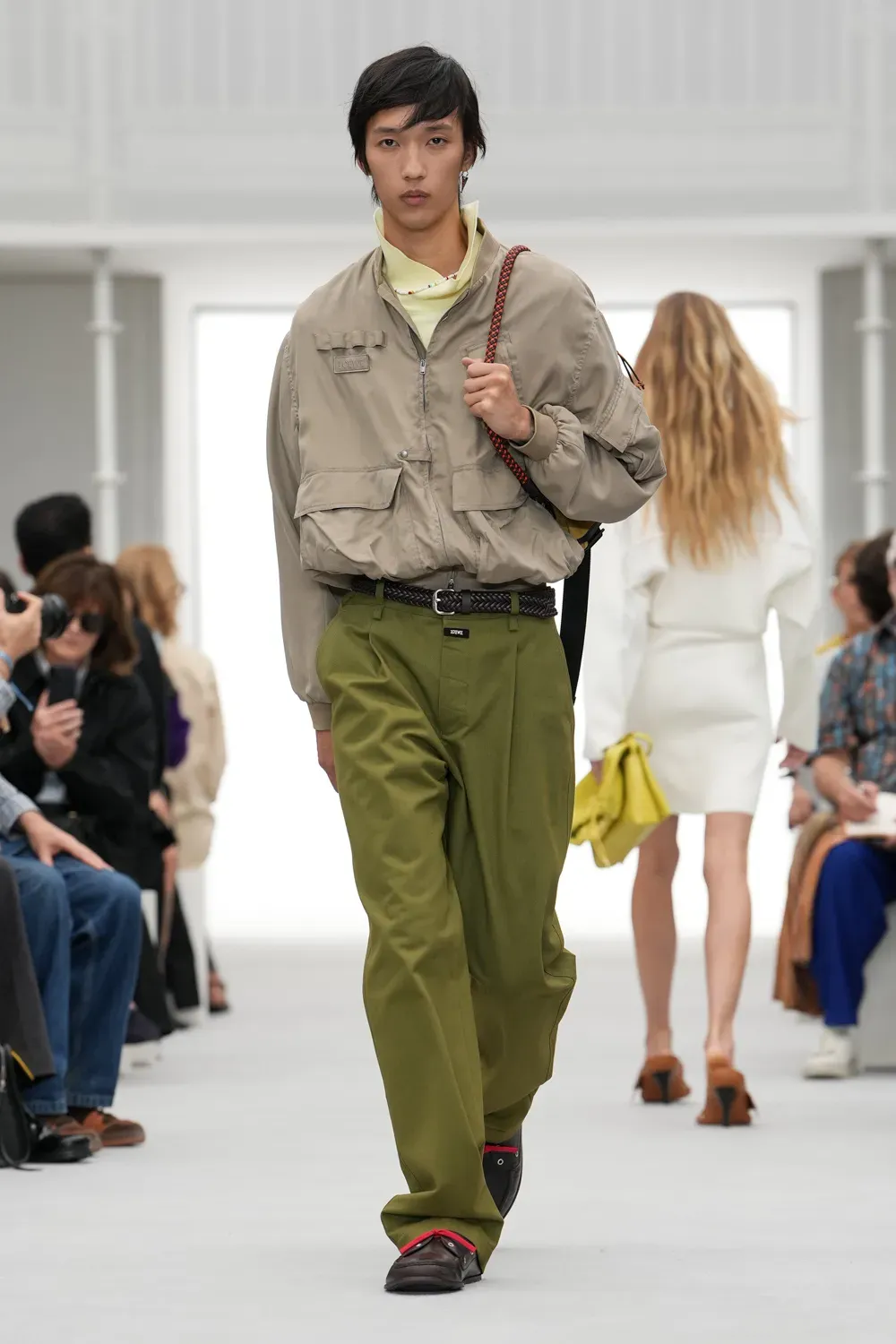
Something is happening in the creative departments at LVMH. Loewe, much like Michael Rider's Celine, clearly share something: a taste for sculptural volumes, conventionality enlivened by touches of modernism, the small practical accessories of everyday city life transformed into style statements, as well as a certain playful approach to color. The difference between the two is, if anything, merely a matter of flavor: Loewe is more sporty, Celine more bohemian; the former is cool, the latter chic. Specifically, Loewe this season seemed to have cycling on its mind: capri pants paired with socks, those caps pulled taut like skullcaps and worn backwards, utilitarian details animated by draping and interesting materials.
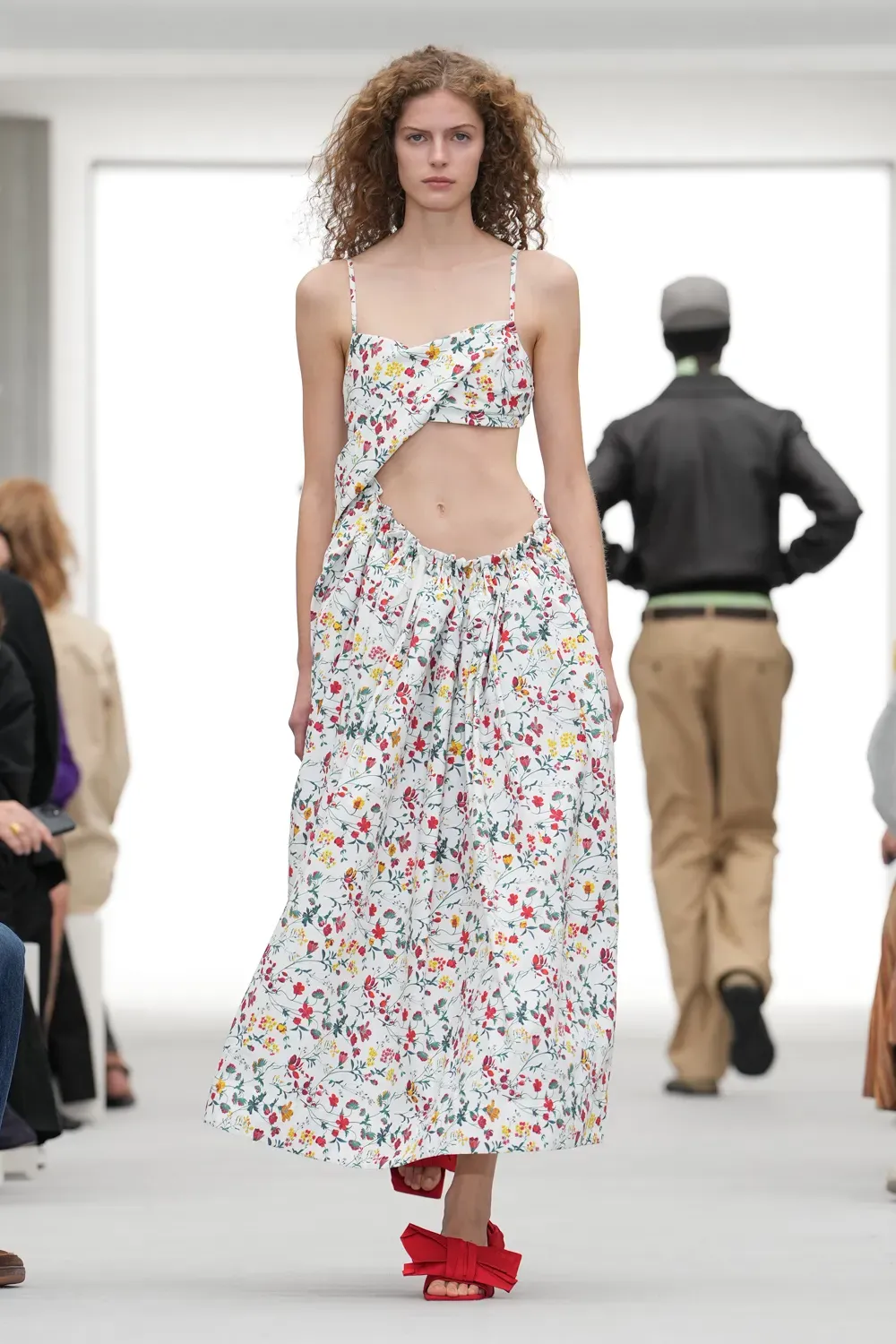
There was a bon-ton air here too, make no mistake. There were cocktail dresses and knotted shirts, albeit in dense, malleable fabrics that speak of luxury while evoking certain sportswear sensibilities. But the undeniable freshness of both brands today seems to point toward a new direction in dressing — one where some garments cling elastically to the body while others create abstract volumes around it. A tension played out entirely through the pliability of materials, the dynamism of colors that feel familiar yet unusual, and a certain lightness of conception that makes even the least familiar designs wearable.
The direction was therefore about the beauty of the inexact, the unplanned element — even the improvised one — that transforms something familiar into something pleasantly abstract: a naïve sense of style, and for that very reason one capable of finding the spark of the new in the midst of the incongruous. That said, while the creative approach is solid, the identity being sought (if indeed one is being sought) could be brought into sharper focus: who are the Loewe man and woman? Their sensibility seems more decisive than that of Celine's esoteric gallerists and eccentric jazz musicians, though in today's fashion being very cool often justifies not being very much else.