
The chameleonic style of Tilda Swinton The elegant alien who conquered cinema and fashion

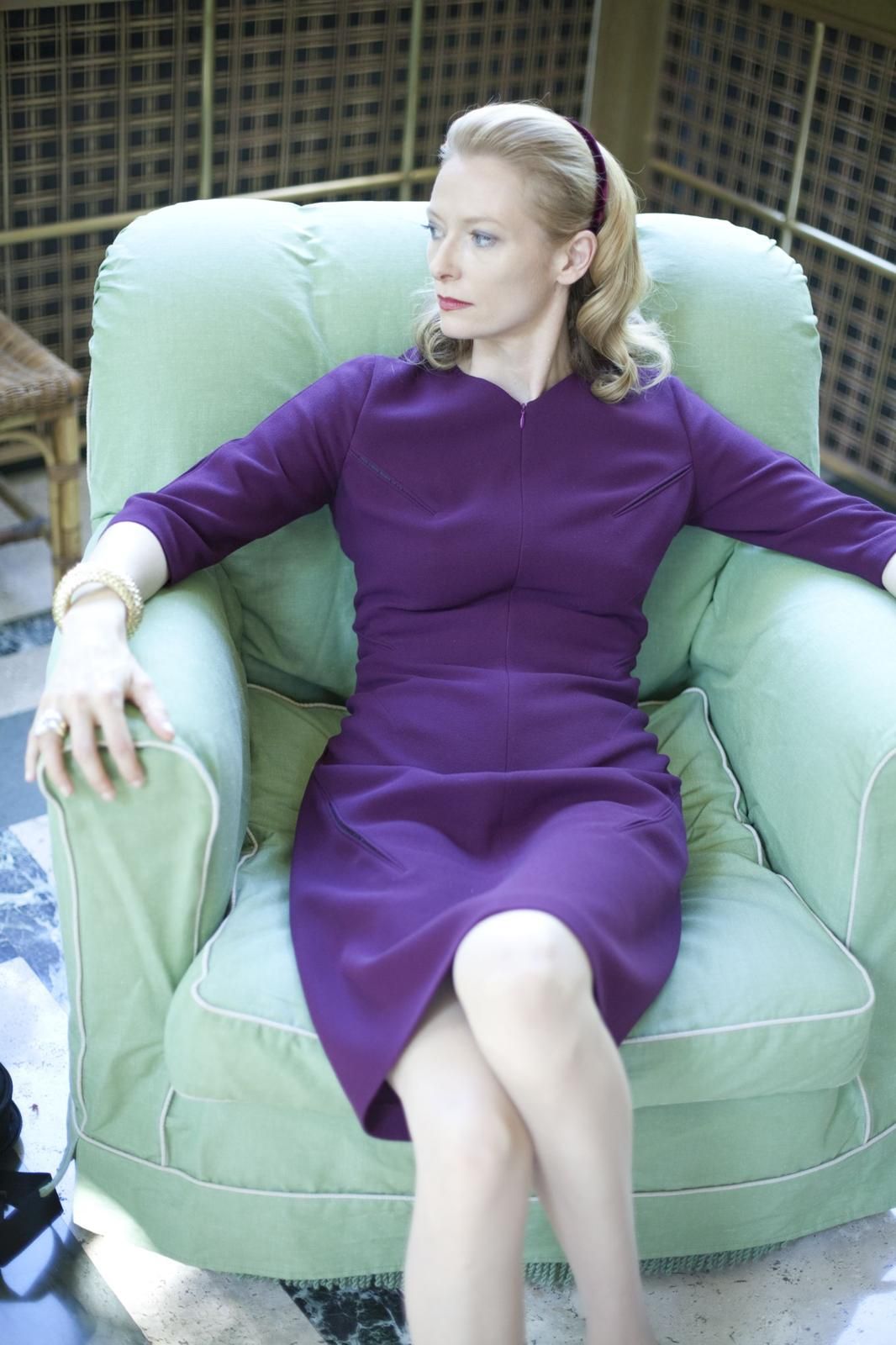
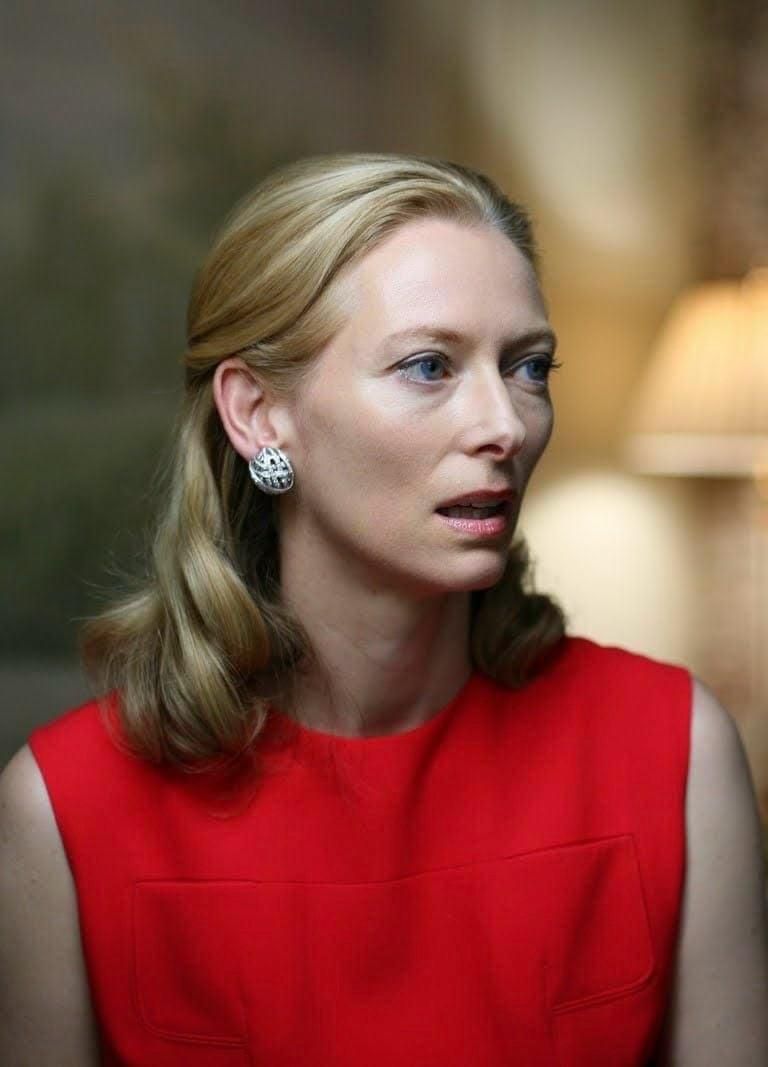
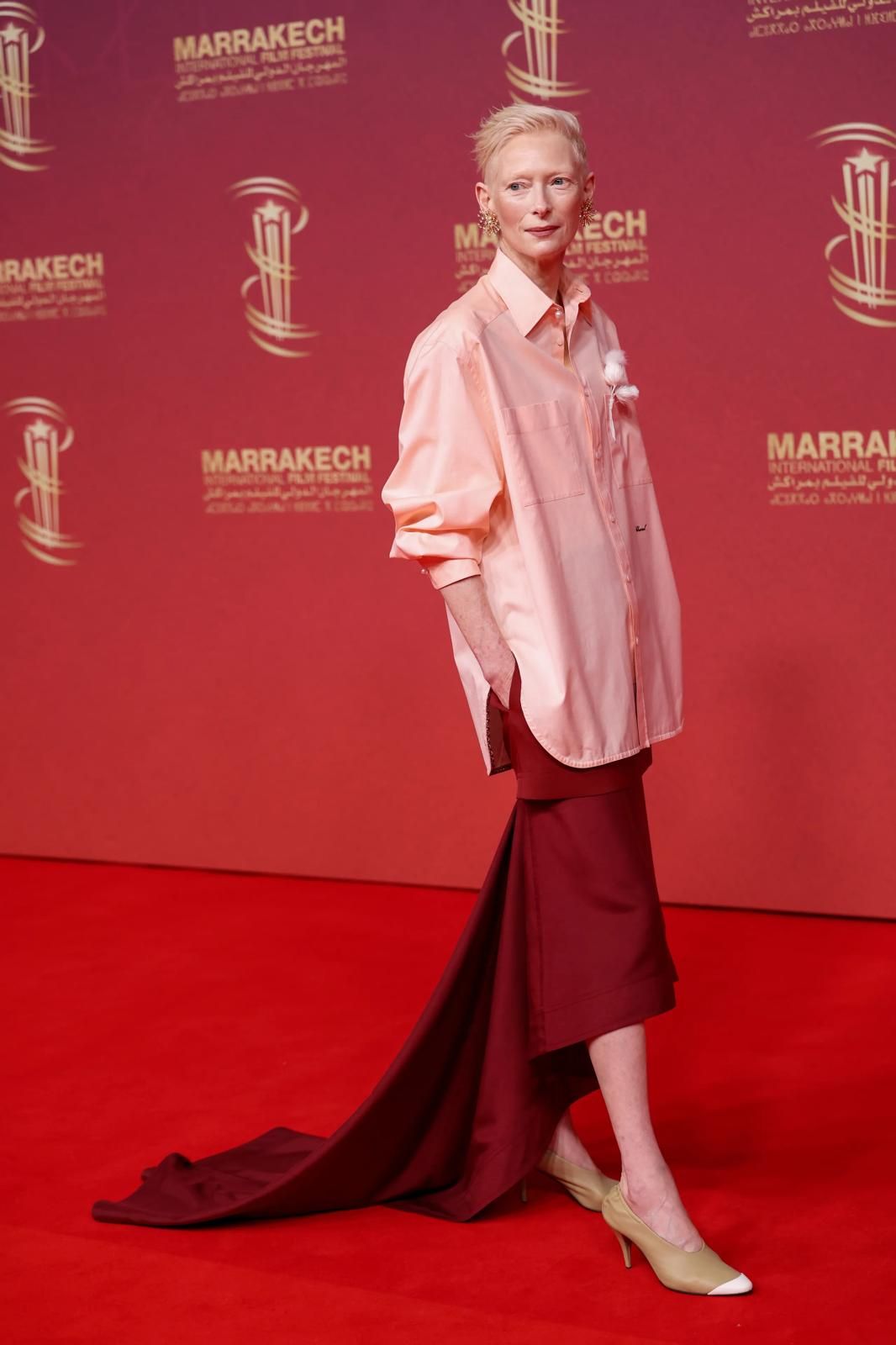
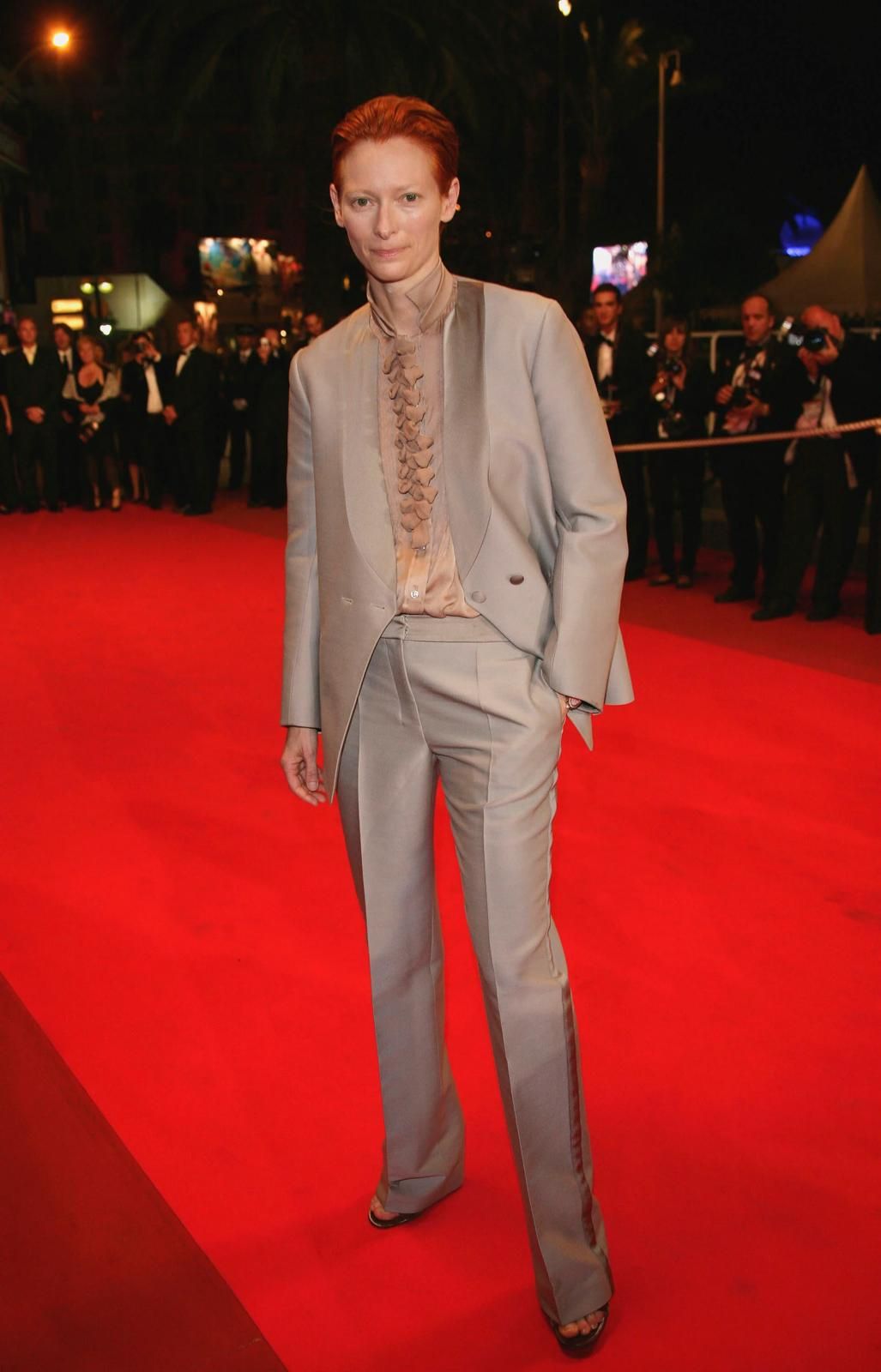
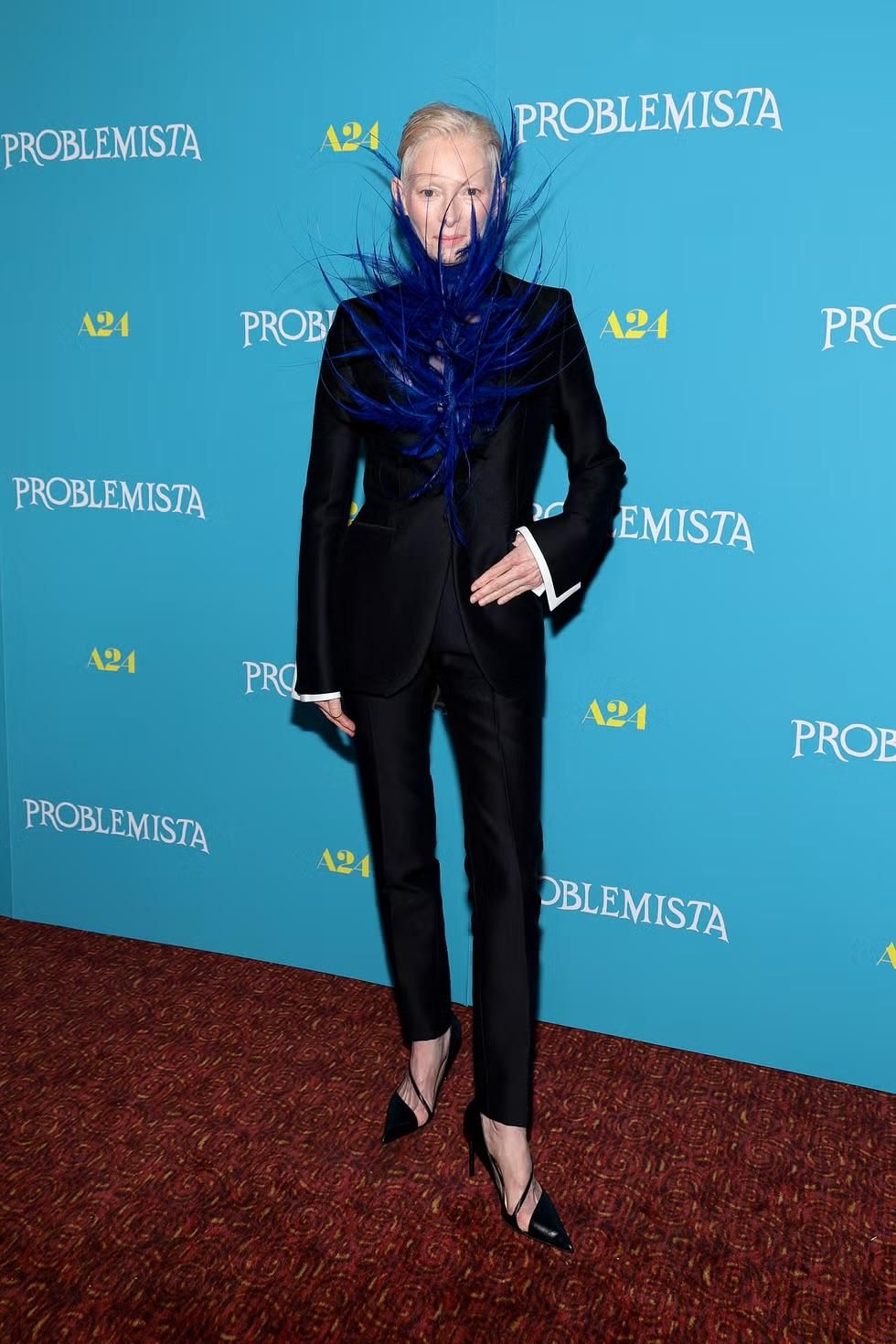
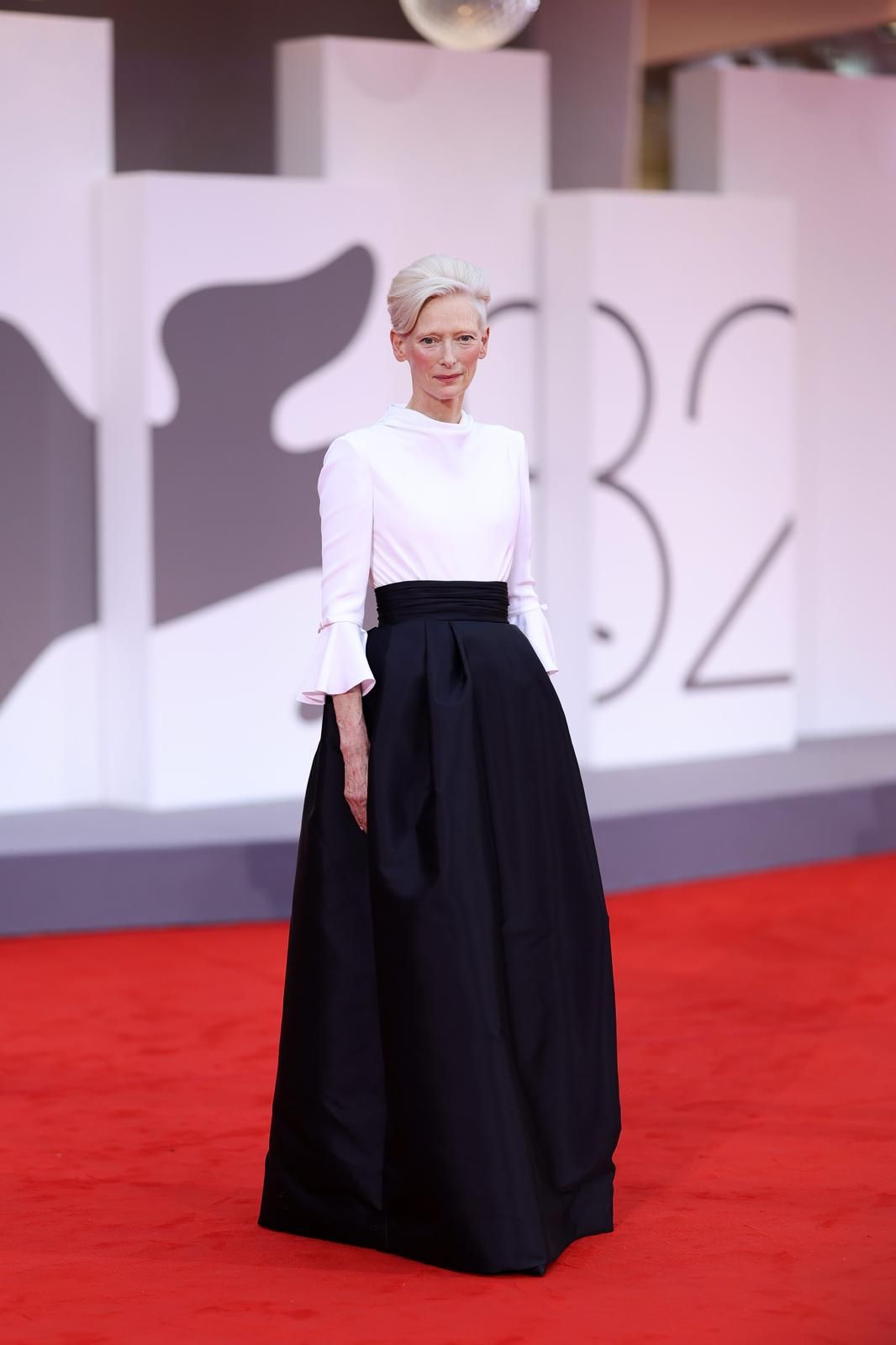
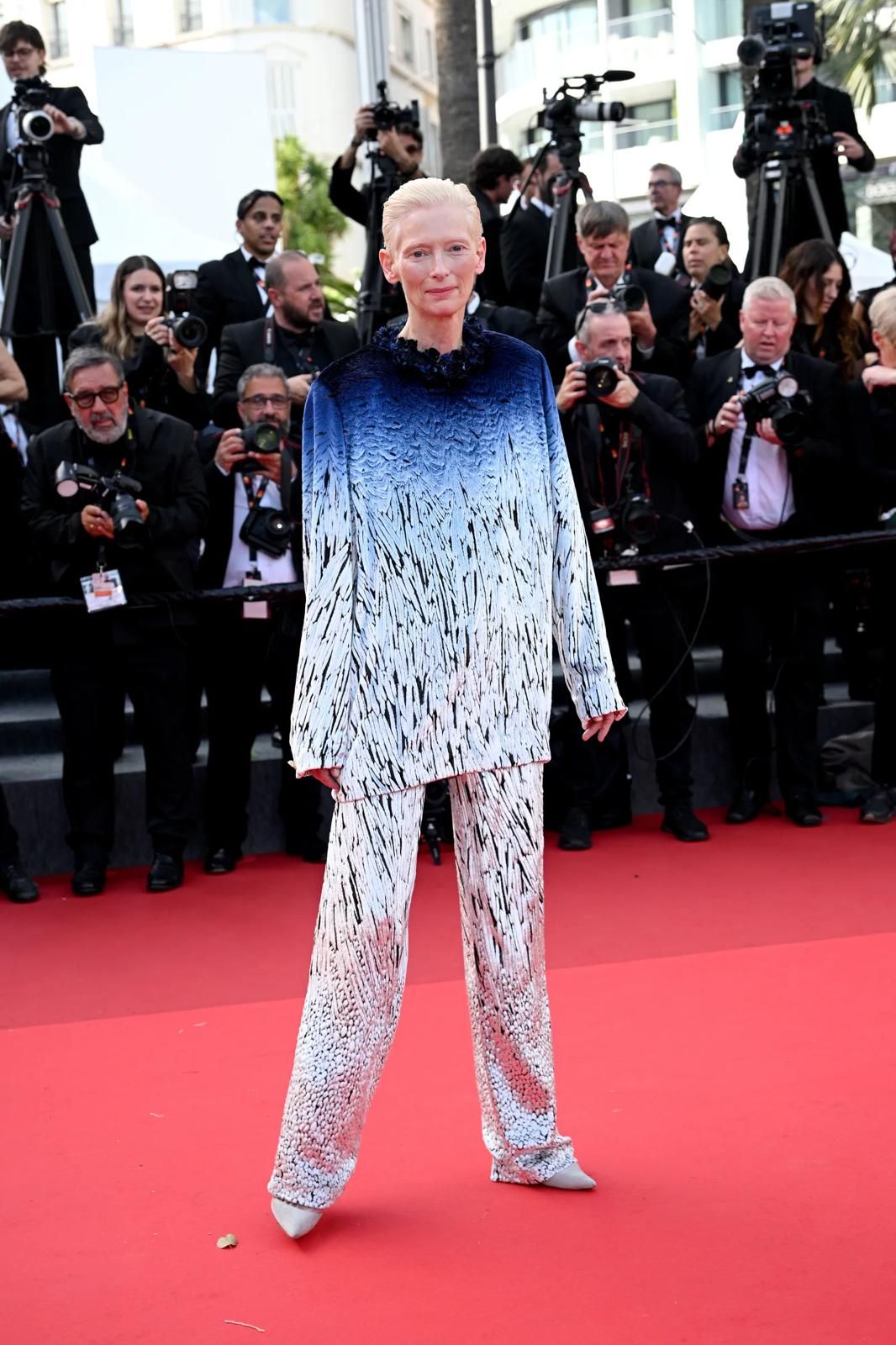
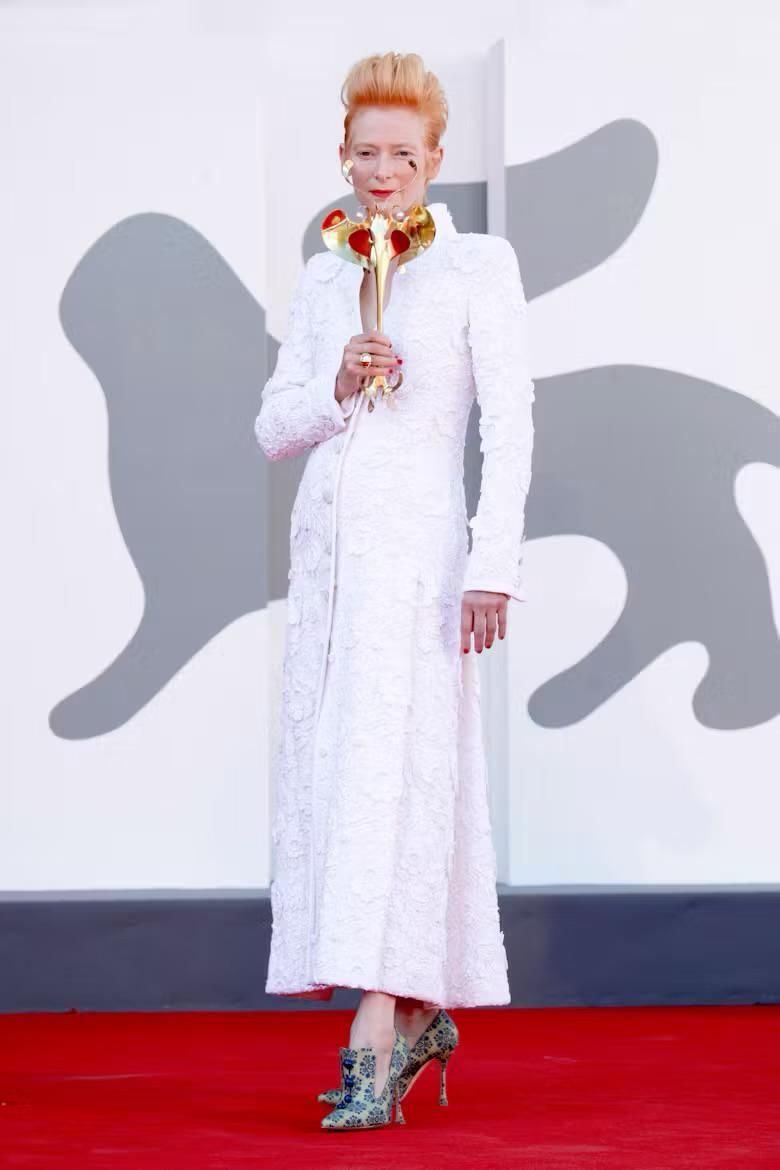
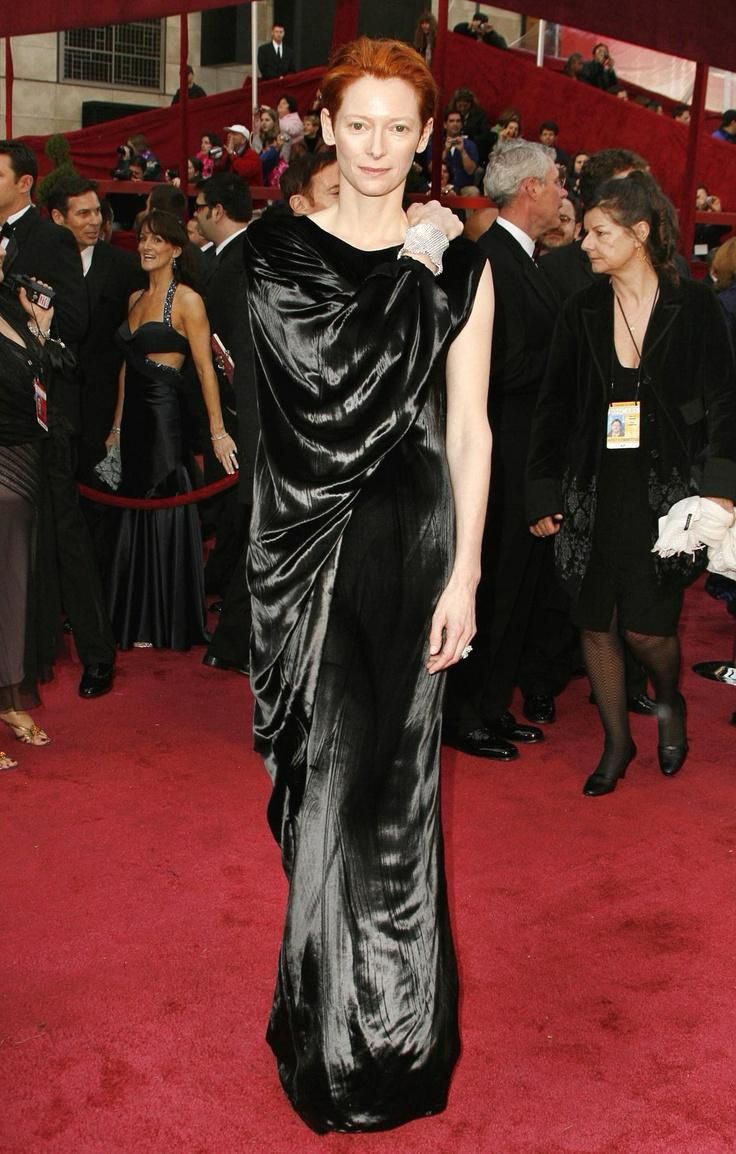
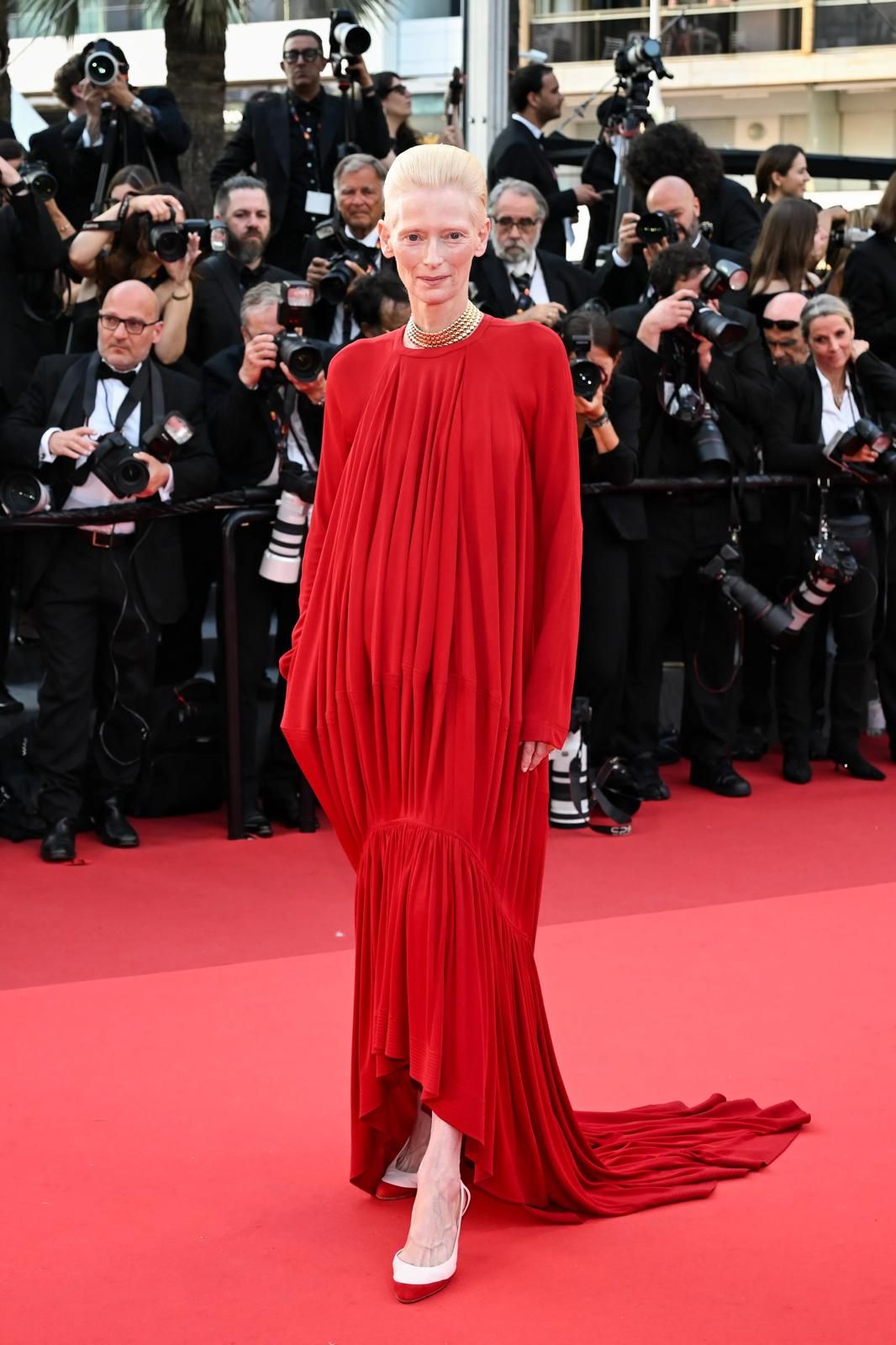
The adjective "monstrous" derives from the Latin monstrum, meaning "prodigy, wonder," and it is perhaps the most fitting term to describe the style of Tilda Swinton. In the world of cinema, the British actress embodies a "monstrous" beauty — one possessed of that particular fascination which simultaneously unsettles and astonishes. At the start of her career, her androgynous and otherworldly features certainly did not conform to the aesthetic standards demanded by Hollywood cinema, but over time her porcelain face and enigmatic gaze have consecrated her not only as a successful performer, but also as a mythological figure still venerated today in both cinema and the fashion system. On the occasion of her sixty-sixth birthday, we celebrate Tilda Swinton's style by revisiting some of her unmistakable red carpet looks and recounting the lives she has worn on the silver screen.
Tilda Swinton's Red Carpets: A Living Work of Art
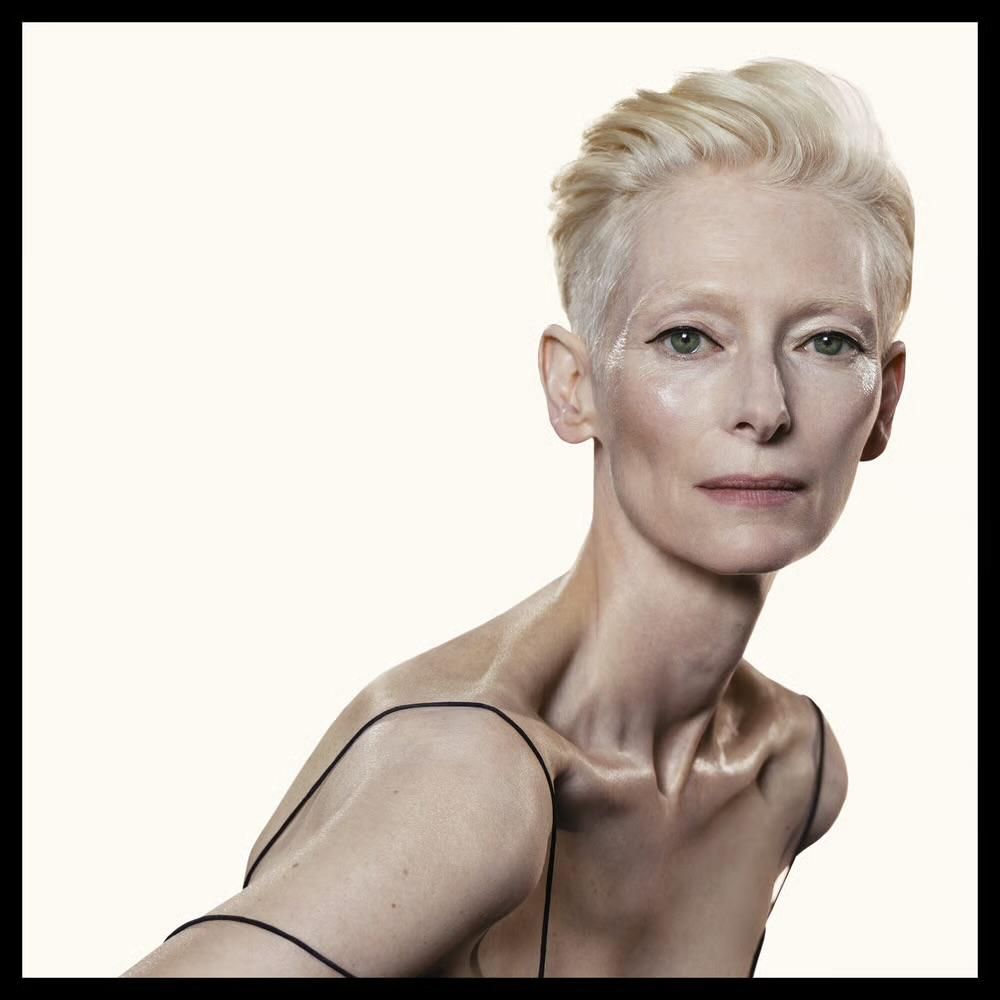
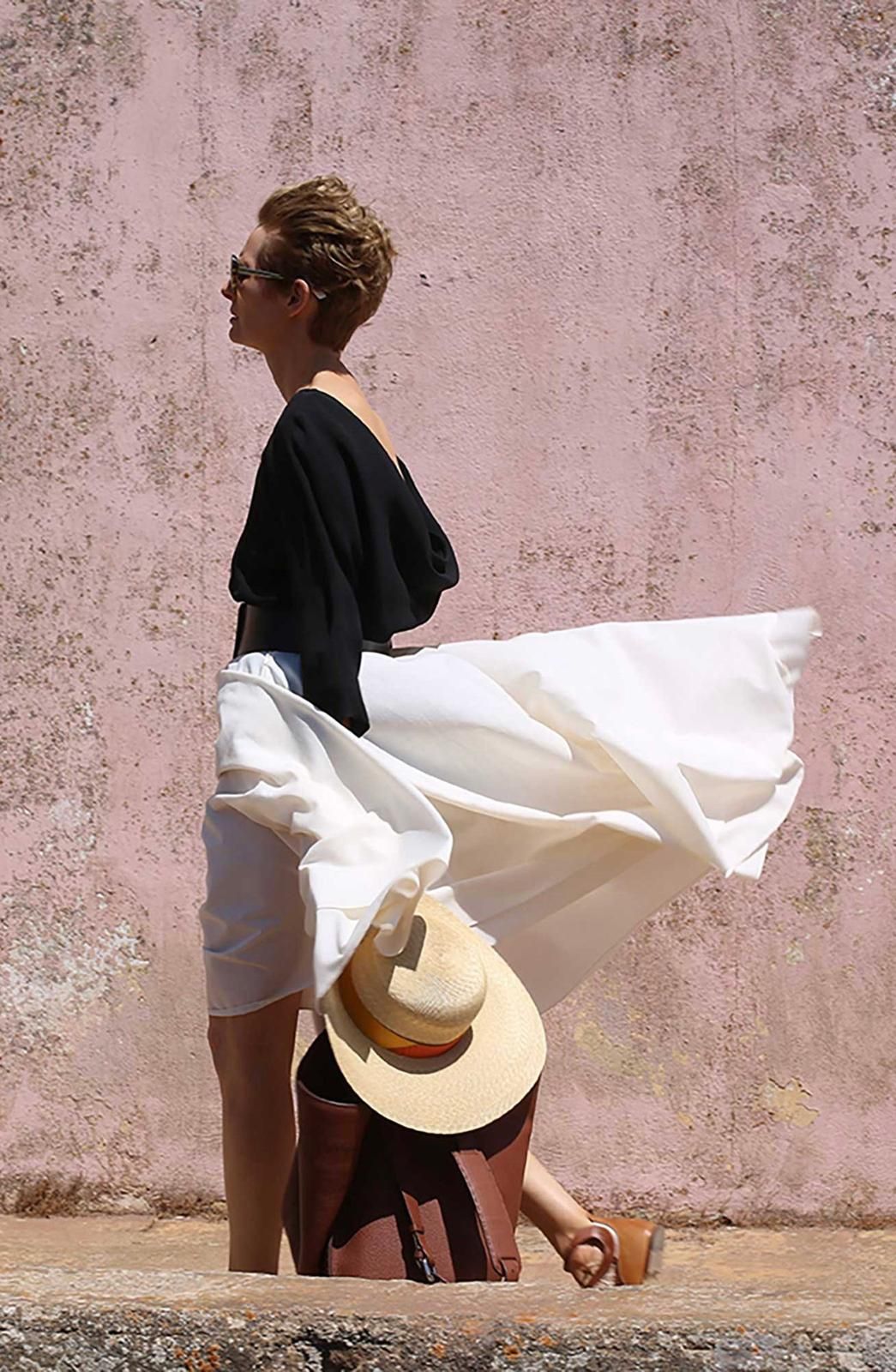
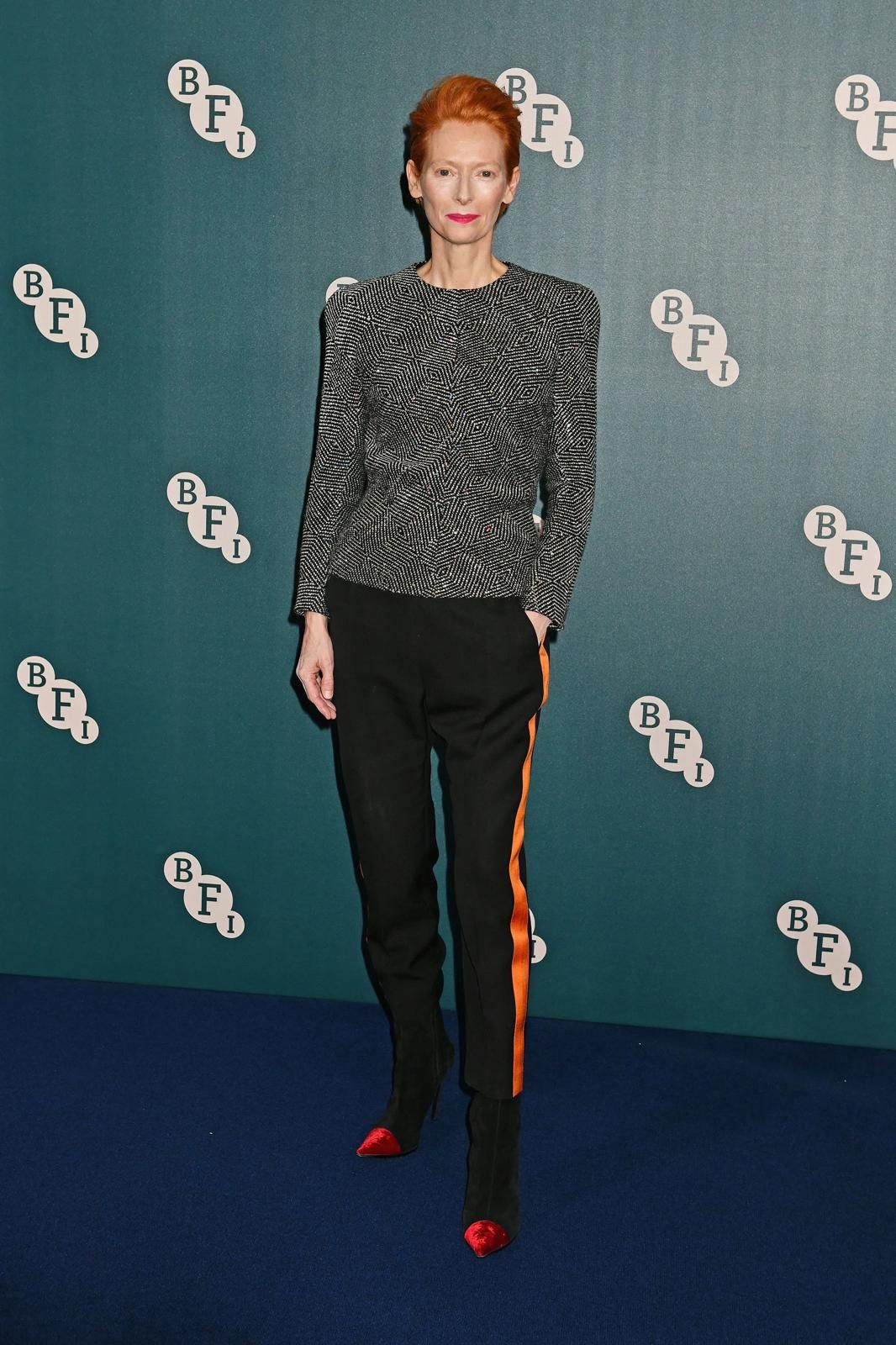
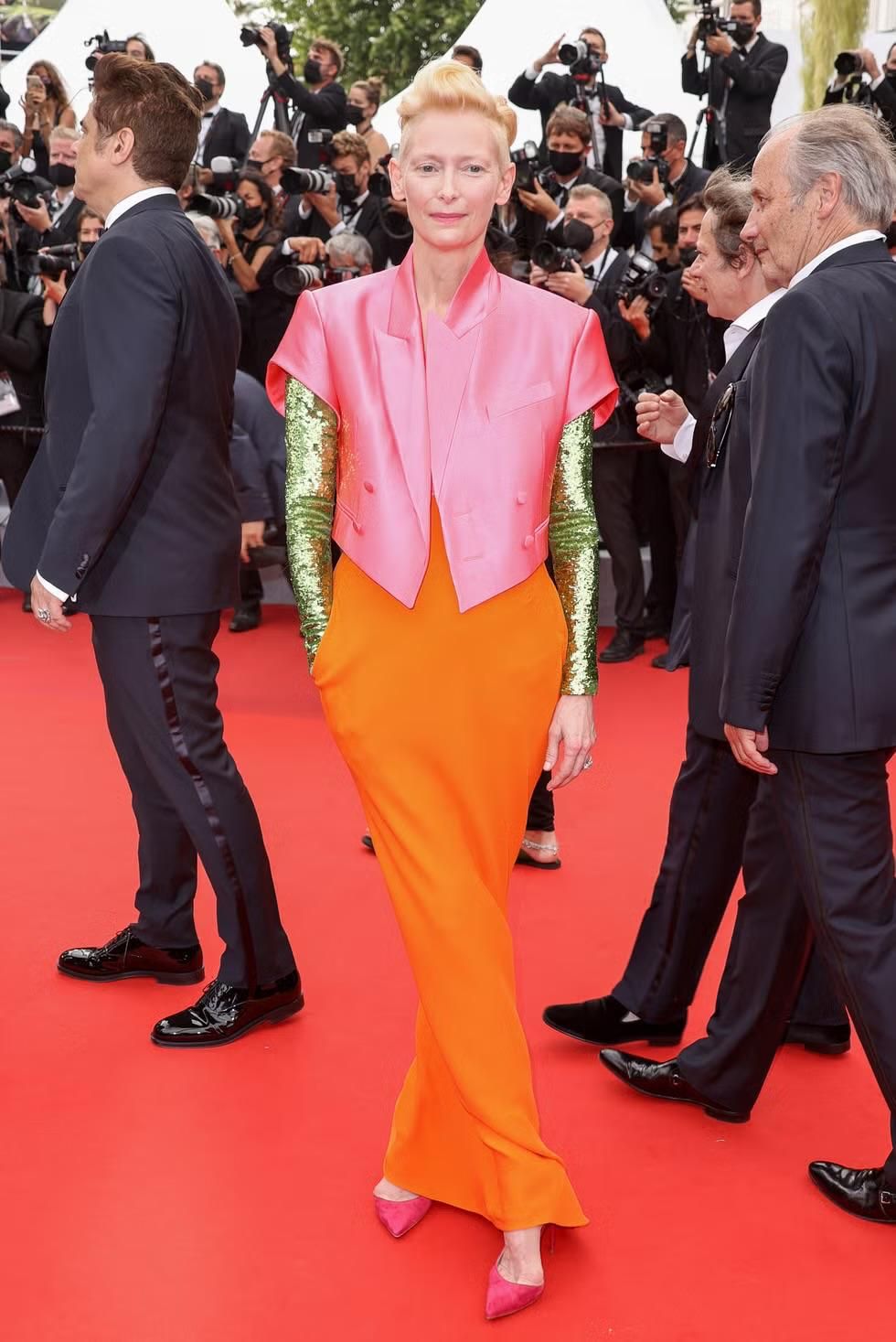
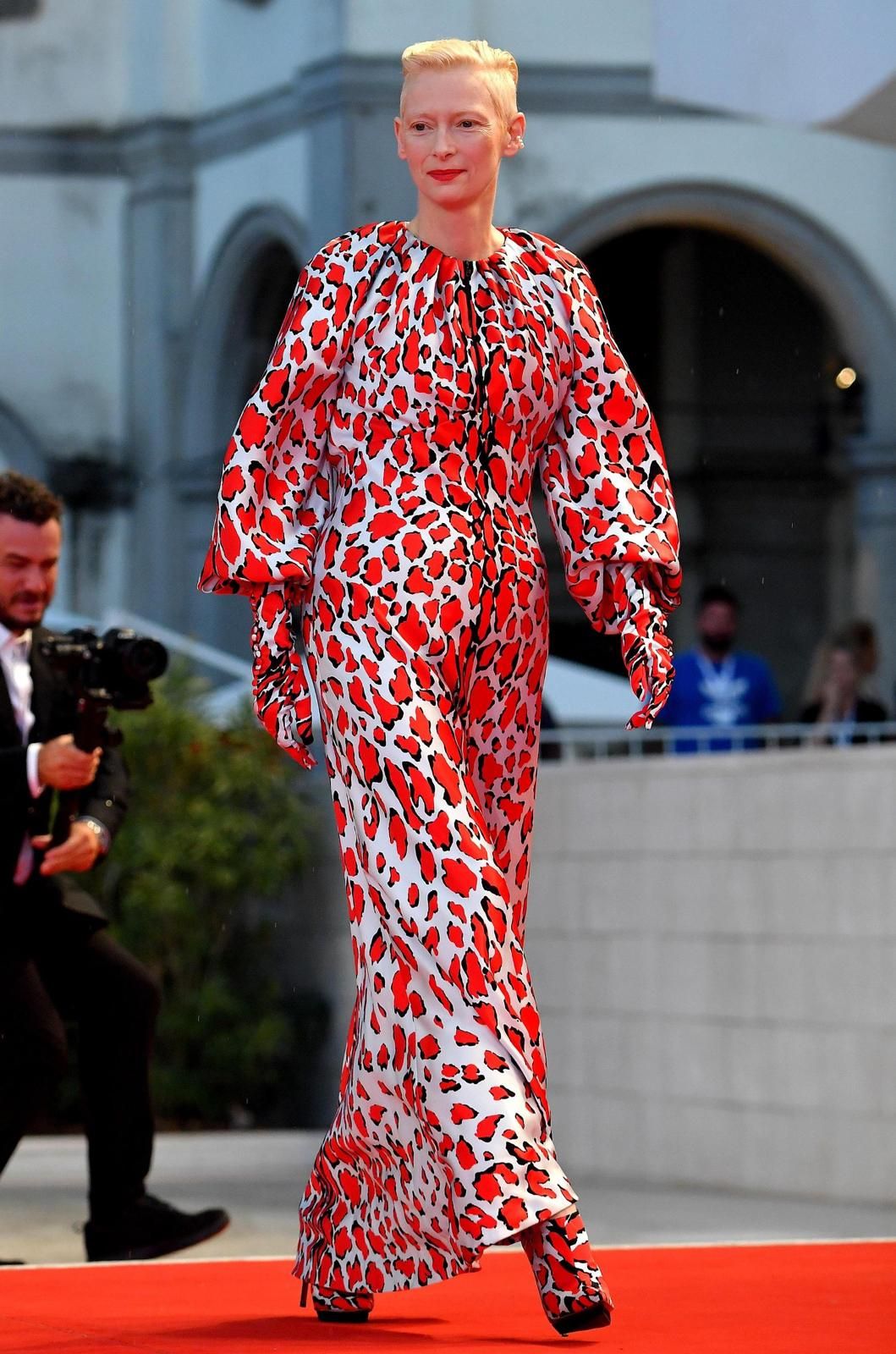
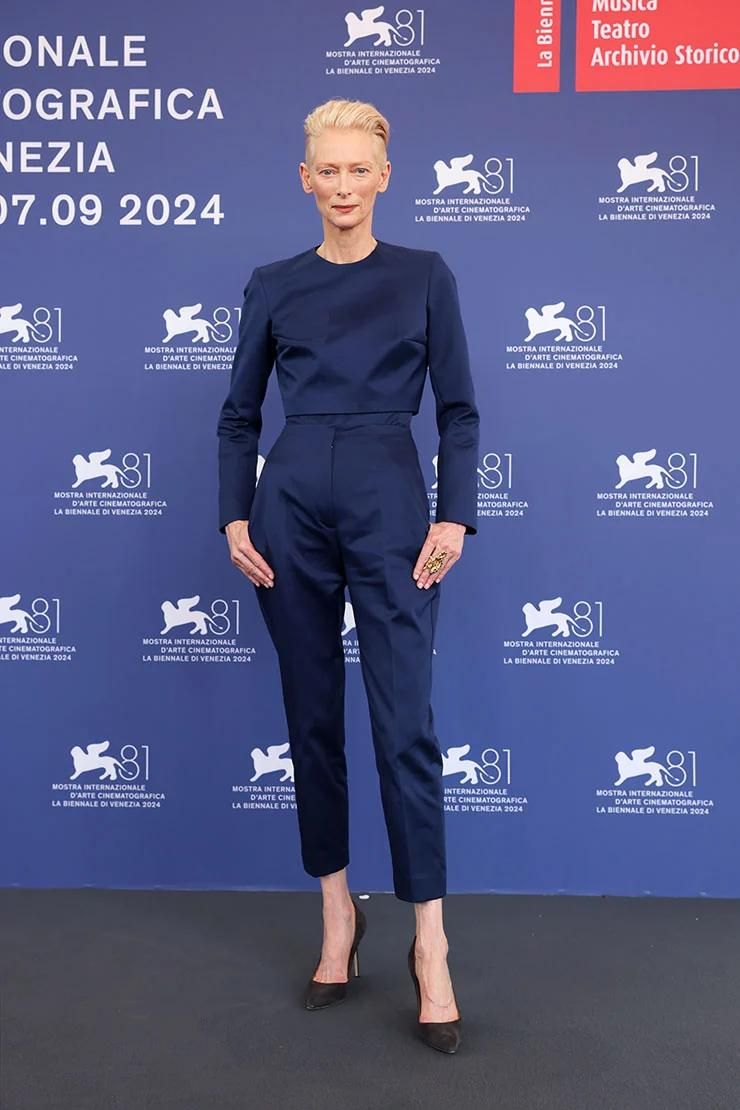
For Tilda Swinton, red carpets are a kind of stage on which to display her style and artistic identity. Looking at the majority of looks she has worn throughout her career, one common thread stands out: a geometric and architectural relationship between her body and the clothes she wears. Her slender physique and monumental height provide a perfect structure for "drawing," through clothing, a silhouette that always has something angular and sculptural about it. Whether it is the cut of a shirt or the shape of a blazer's lapel, garments seem to fall on the actress's body in a way that is never predictable and always surprising.
Several distinctive traits of Swinton's style contribute to defining this stylistic language: from trouser suits with cigarette-cut trousers to draped and asymmetric dresses that envelop the figure without ever clinging to it, through to chromatic contrasts and textural interplay that transform her, in the eyes of the public, into a painting to be contemplated. Her outfits also consistently surprise with a particular harmony of contrasts and volumes, in which her hair plays a leading role, taking the form of "alien" shapes, punk hairstyles, or irregular platinum tufts — yet always retaining a sculptural quality. In essence, while the celebrity system continues to be enslaved by method dressing, Swinton, by contrast, has always seemed to follow just one method: her own.
Early Appearances on the Silver Screen
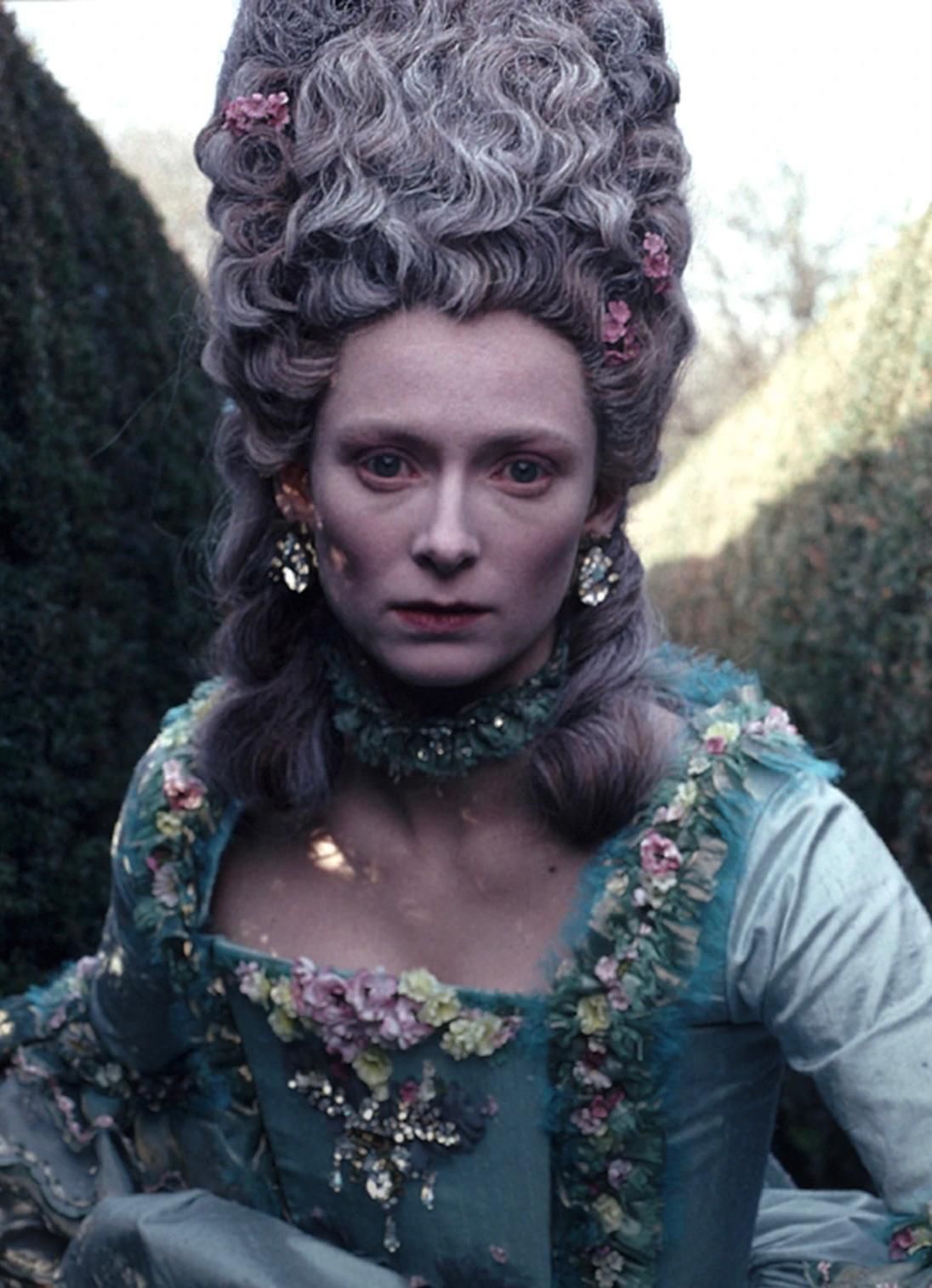
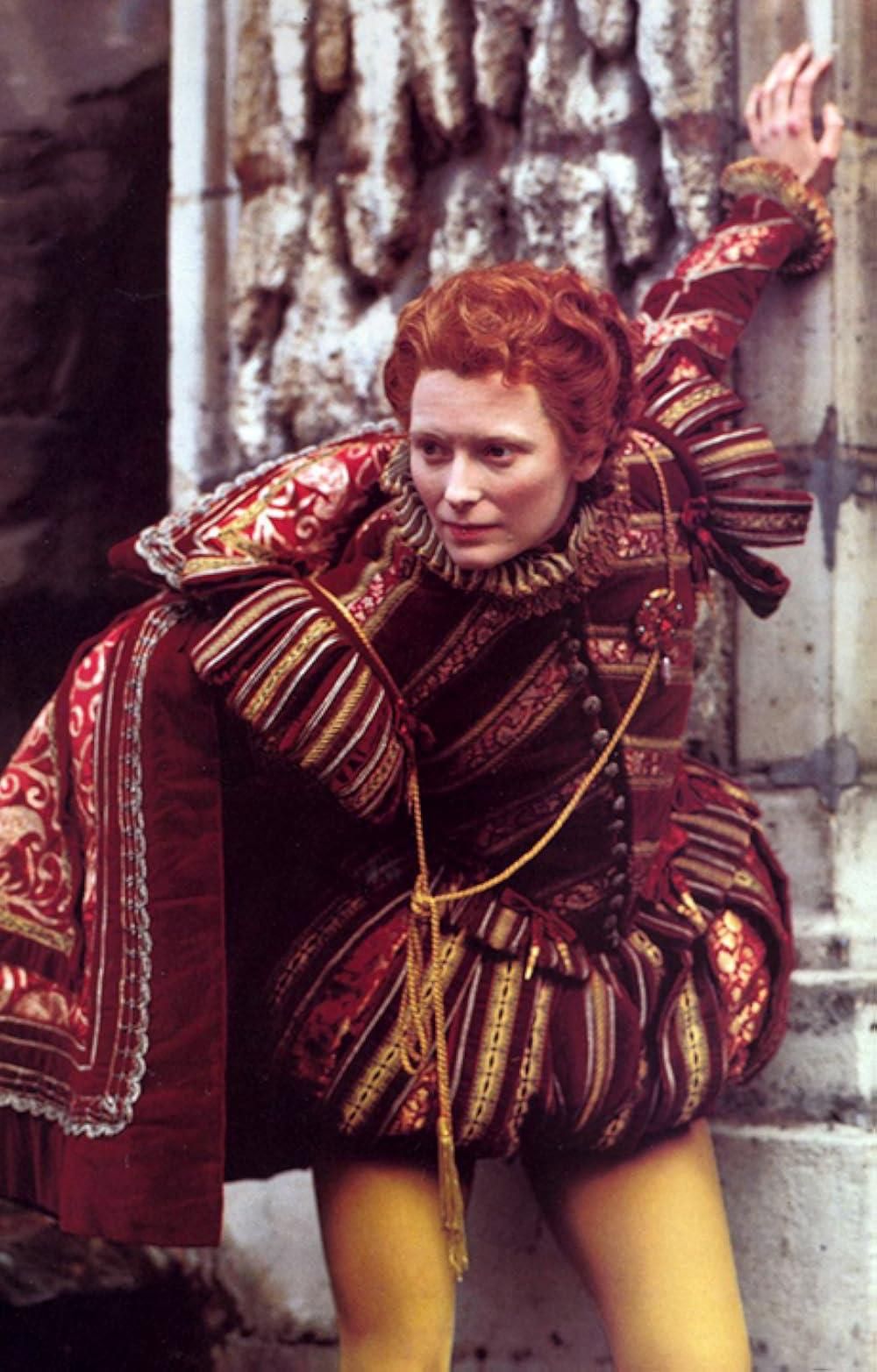
As for her cinematic wardrobe, Tilda Swinton has shown a remarkable ability to portray complex characters whose costumes have never been mere peripheral decoration, but rather a frame dense with meaning. From her debut in two historical costume films — Caravaggio in 1986 and, above all, Orlando in 1992 — the actress has immersed herself in narratives in which clothing traces the physical and emotional transformation of the protagonists. In the film adapted from Virginia Woolf's novel in particular, the opulent period costumes she wears become narrative devices capable of marking the passage of time in the story and exploring Orlando's identities.
In the years that followed, Swinton met Luca Guadagnino, who was immediately struck by her indecipherable allure and cast her in I Am Love: in the film, the actress plays Emma, a woman of the Milanese upper bourgeoisie who wears impeccable sheath dresses and clean-lined suits, co-designed by costume designer Antonella Cannarozzi and Raf Simons, then creative director of Jil Sander.
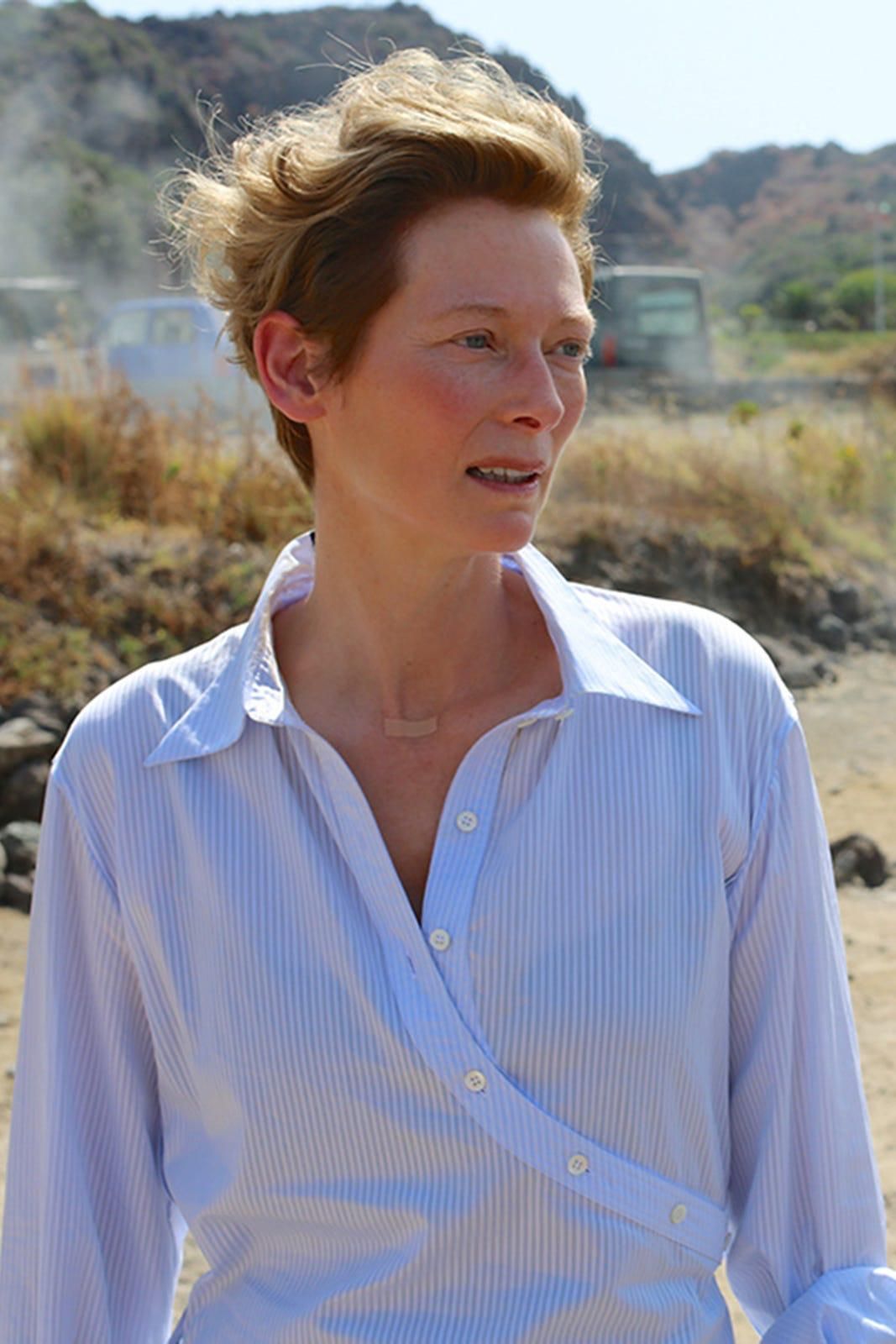
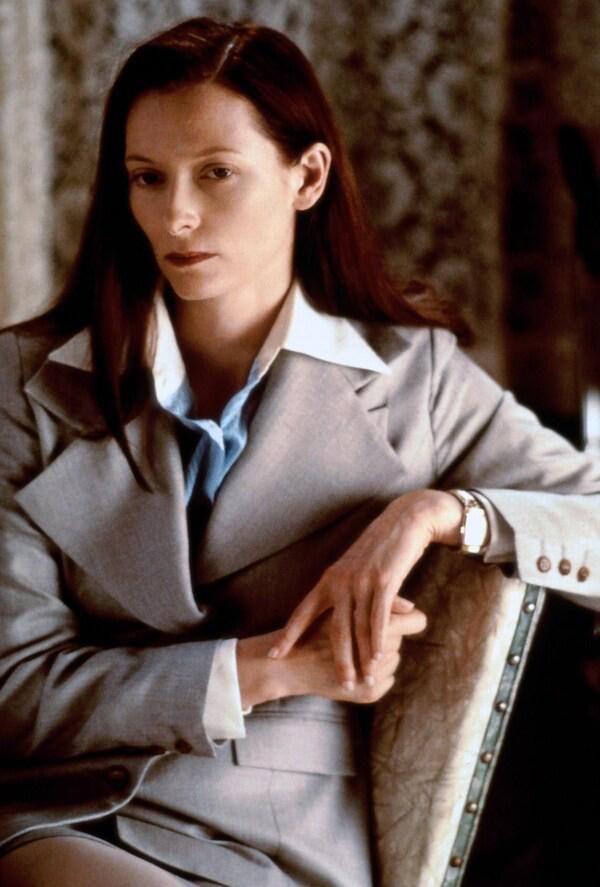
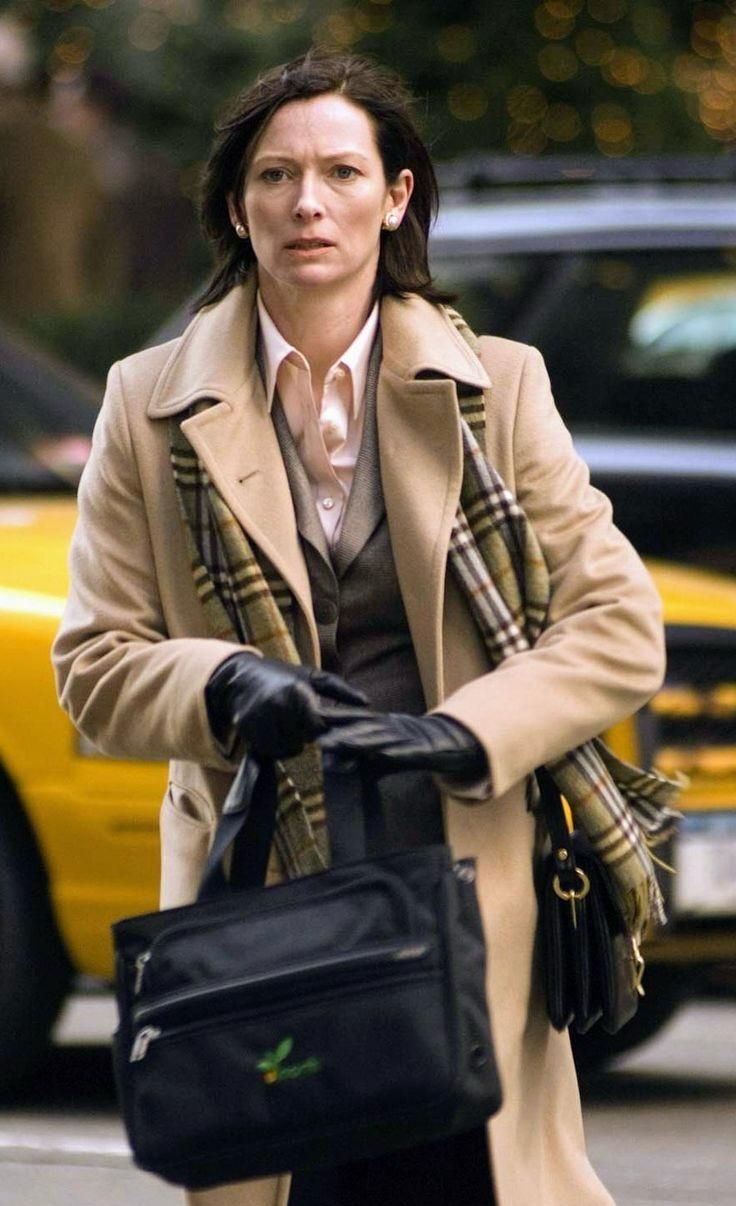
The collaboration between Swinton, Guadagnino, and Simons continued in A Bigger Splash, in which Tilda becomes a successful rock star who sports Dior outfits in her holiday ensembles. In both Female Perversions and Michael Clayton, the actress plays successful women with an aristocratic aura, wearing power suits like suits of armour that conceal fragility and forbidden desires.
Cinematic Transformations and Brand Collaborations
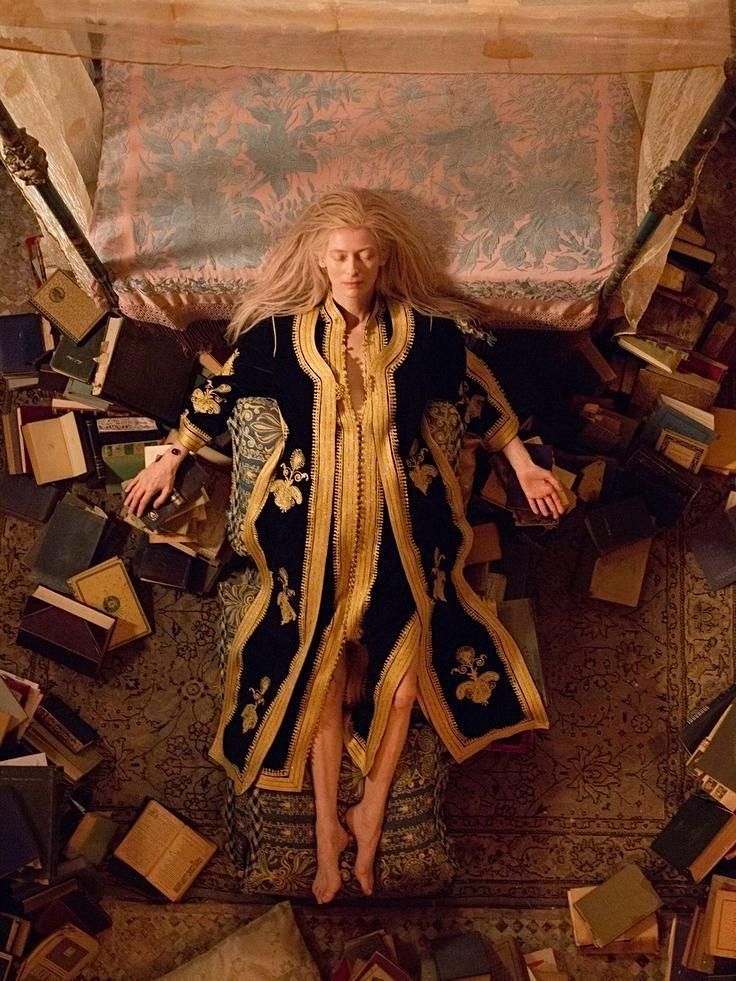
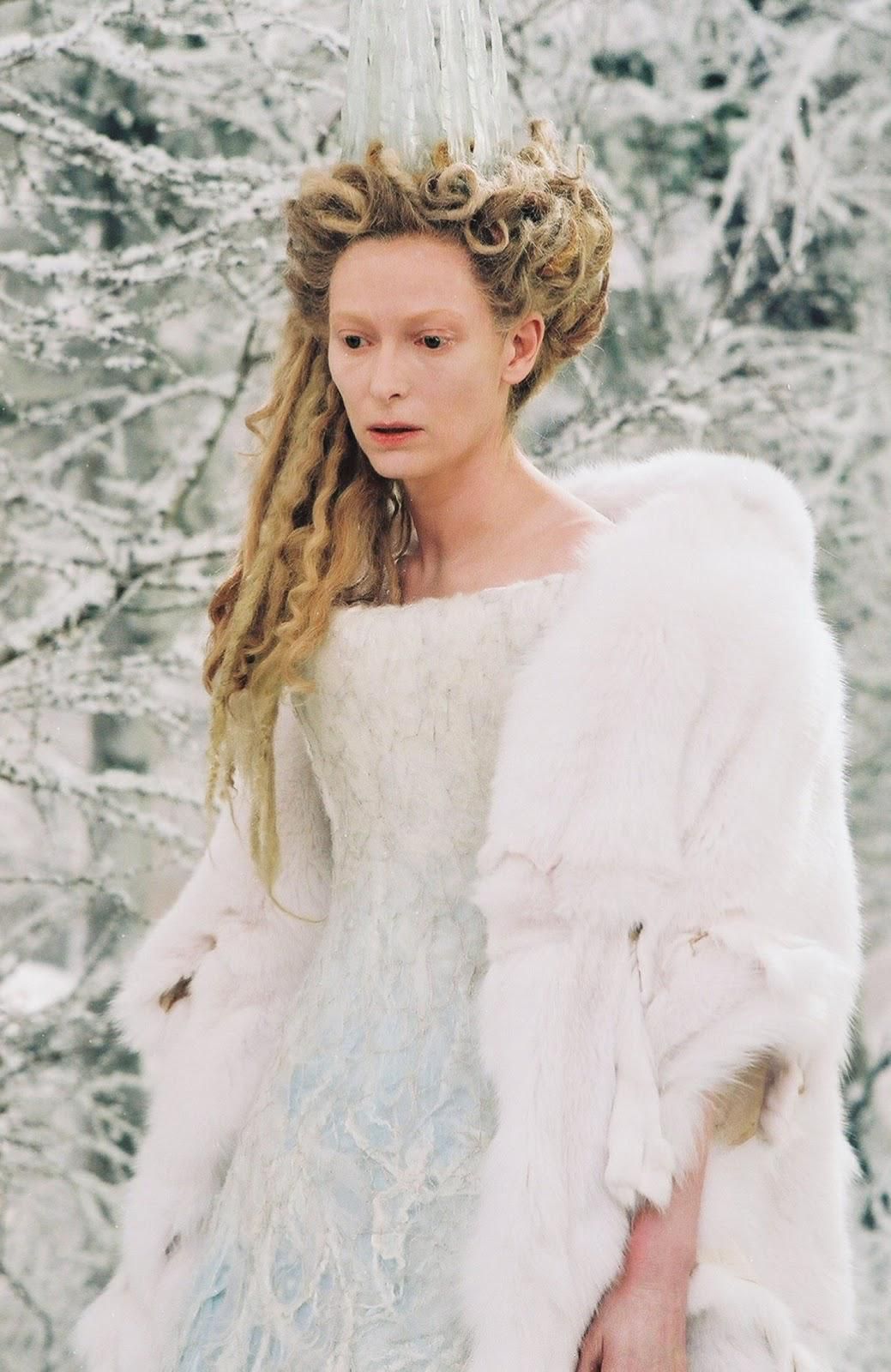
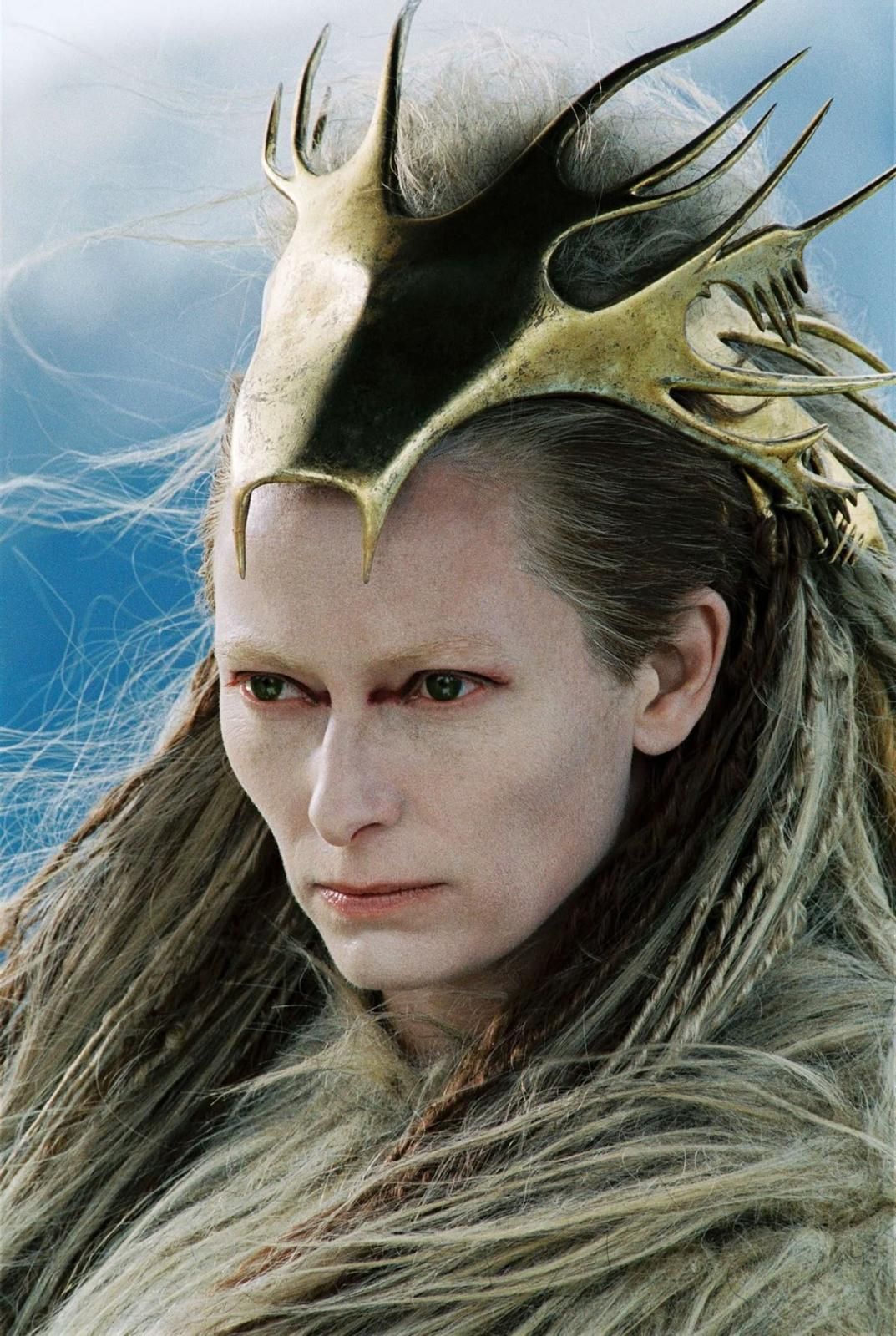
Throughout her career, Swinton has frequently given body and voice to fantastical and supernatural characters: in 2005 the actress transformed into Jadis, an icy snow witch in The Chronicles of Narnia, wearing a gown modelled on the final look from Alexander McQueen's FW04 collection; in Constantine, where she plays the Archangel Gabriel, she appears in a Helmut Lang fit; while in Only Lovers Left Alive she becomes a sophisticated vampire with feline hair, draped in monumental embroidered caftans and fine silk pyjamas. Luca Guadagnino's Suspiria was probably the most extreme testing ground for Tilda Swinton's chameleonic abilities.
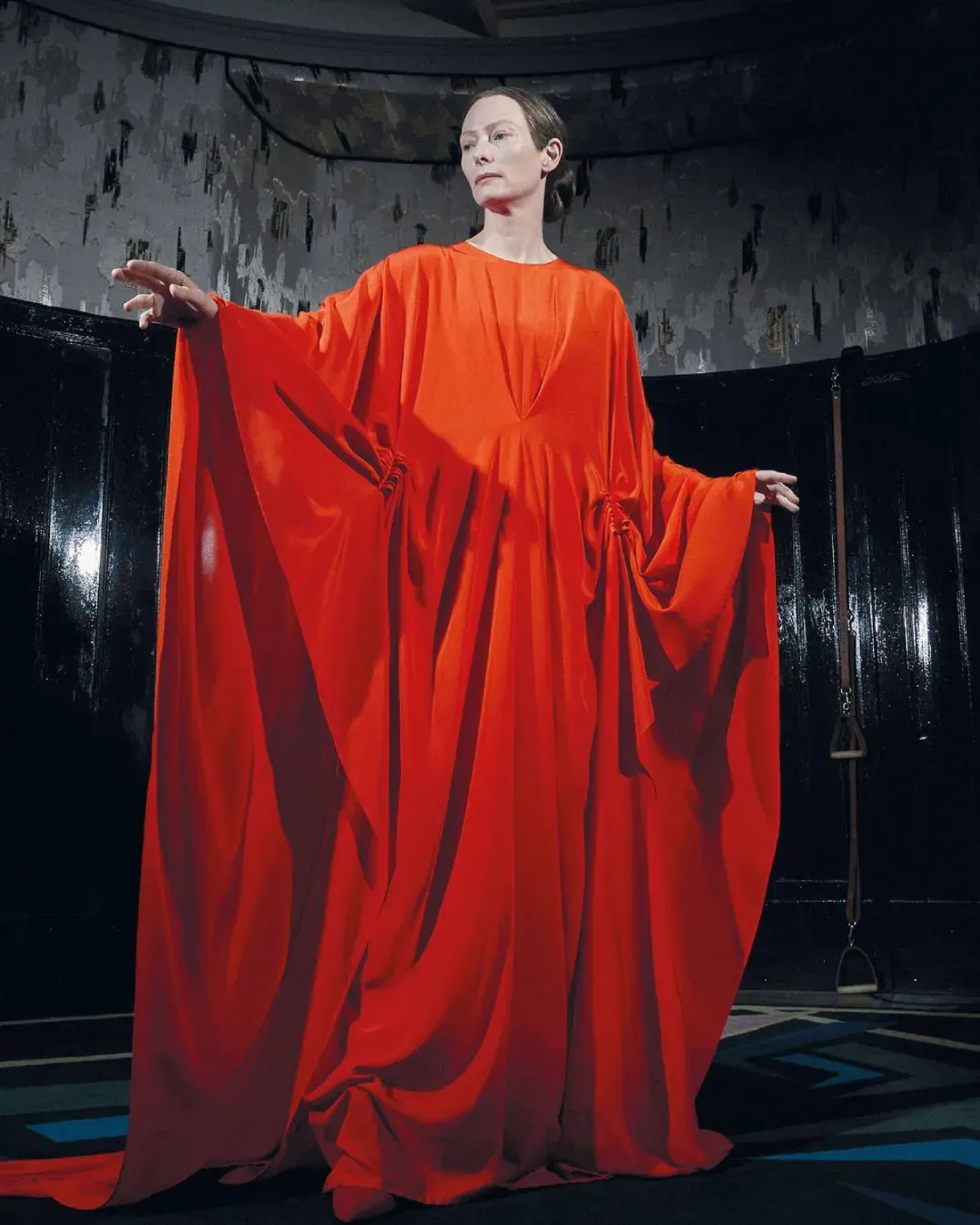
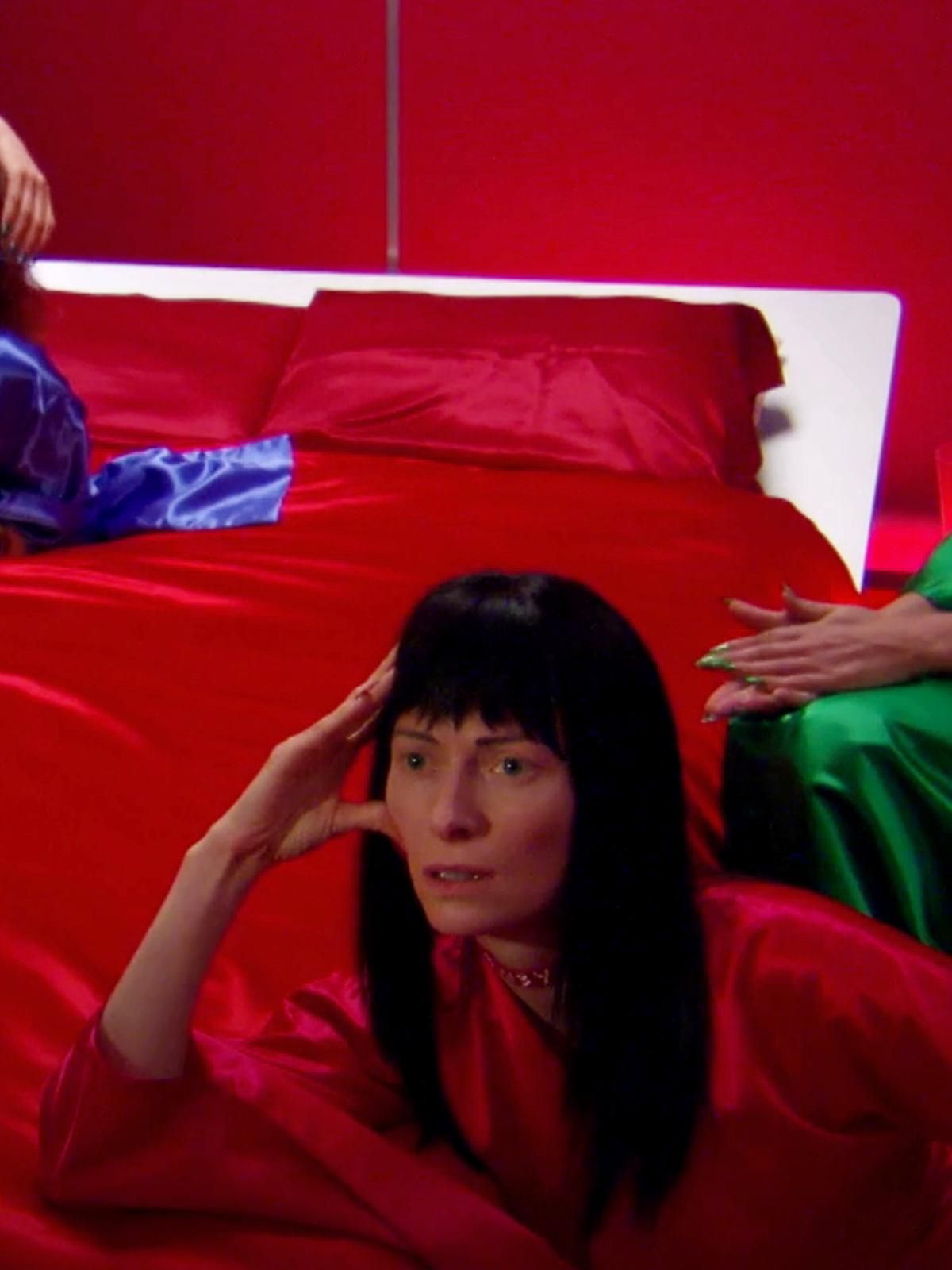
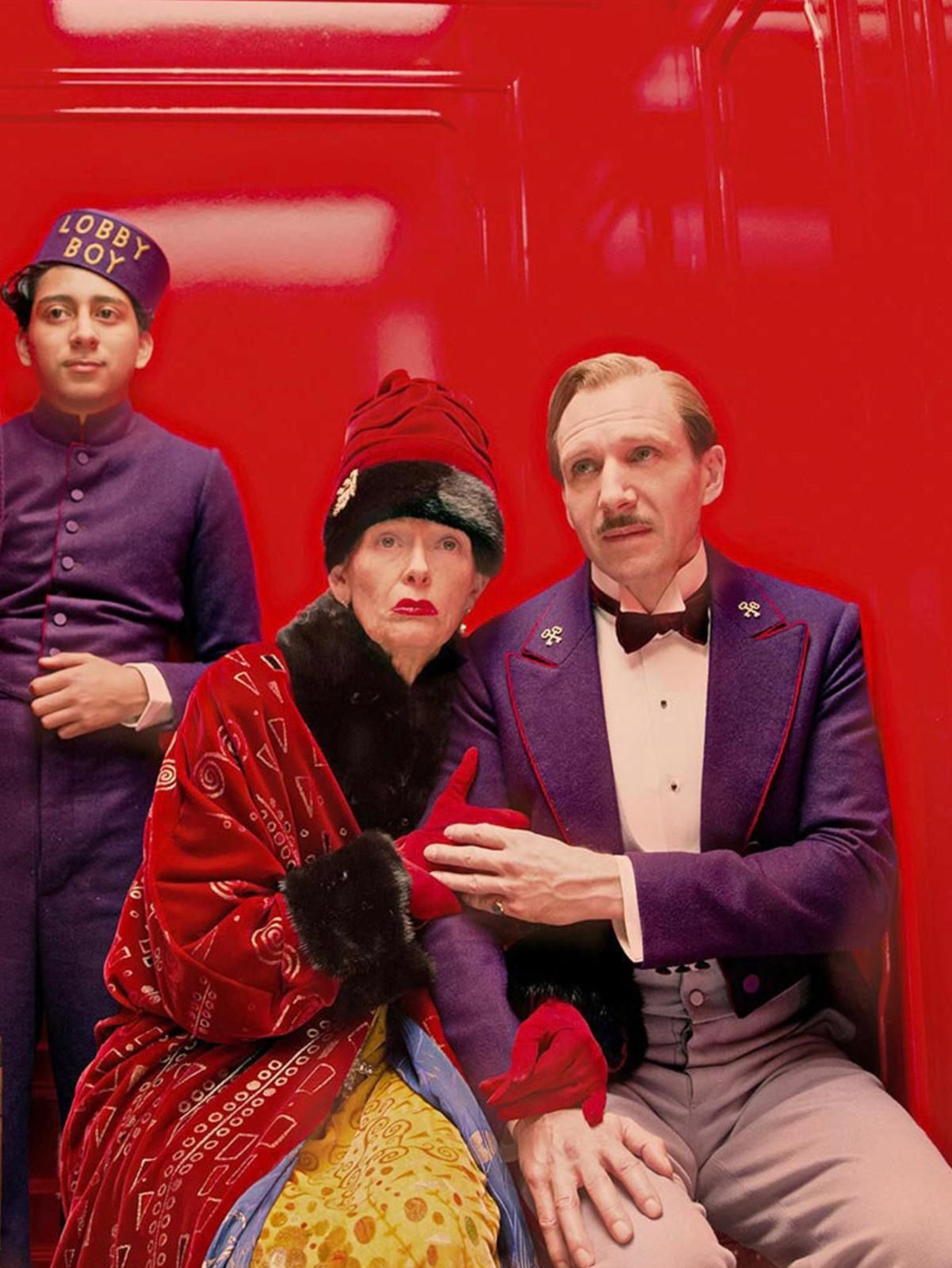
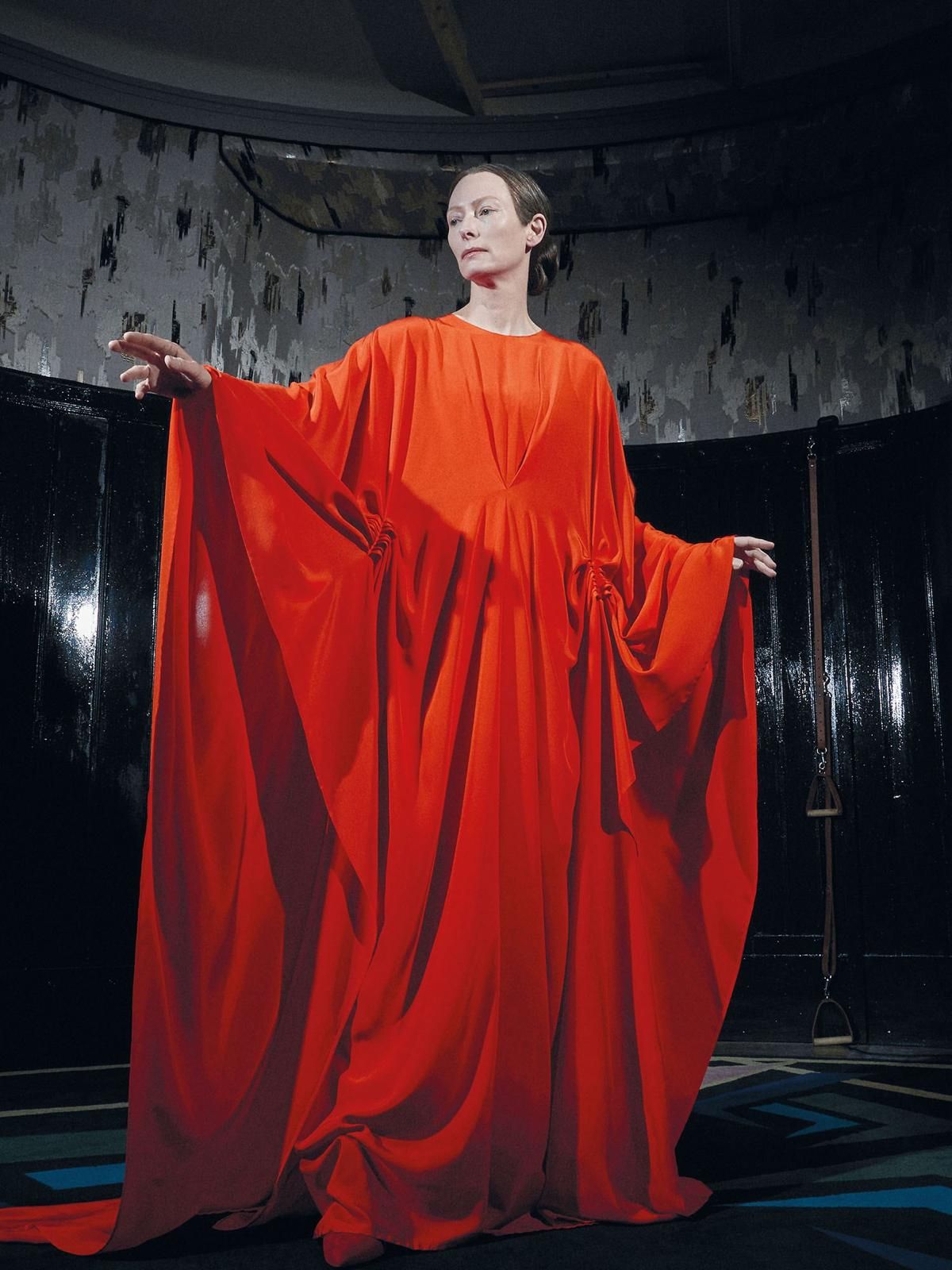
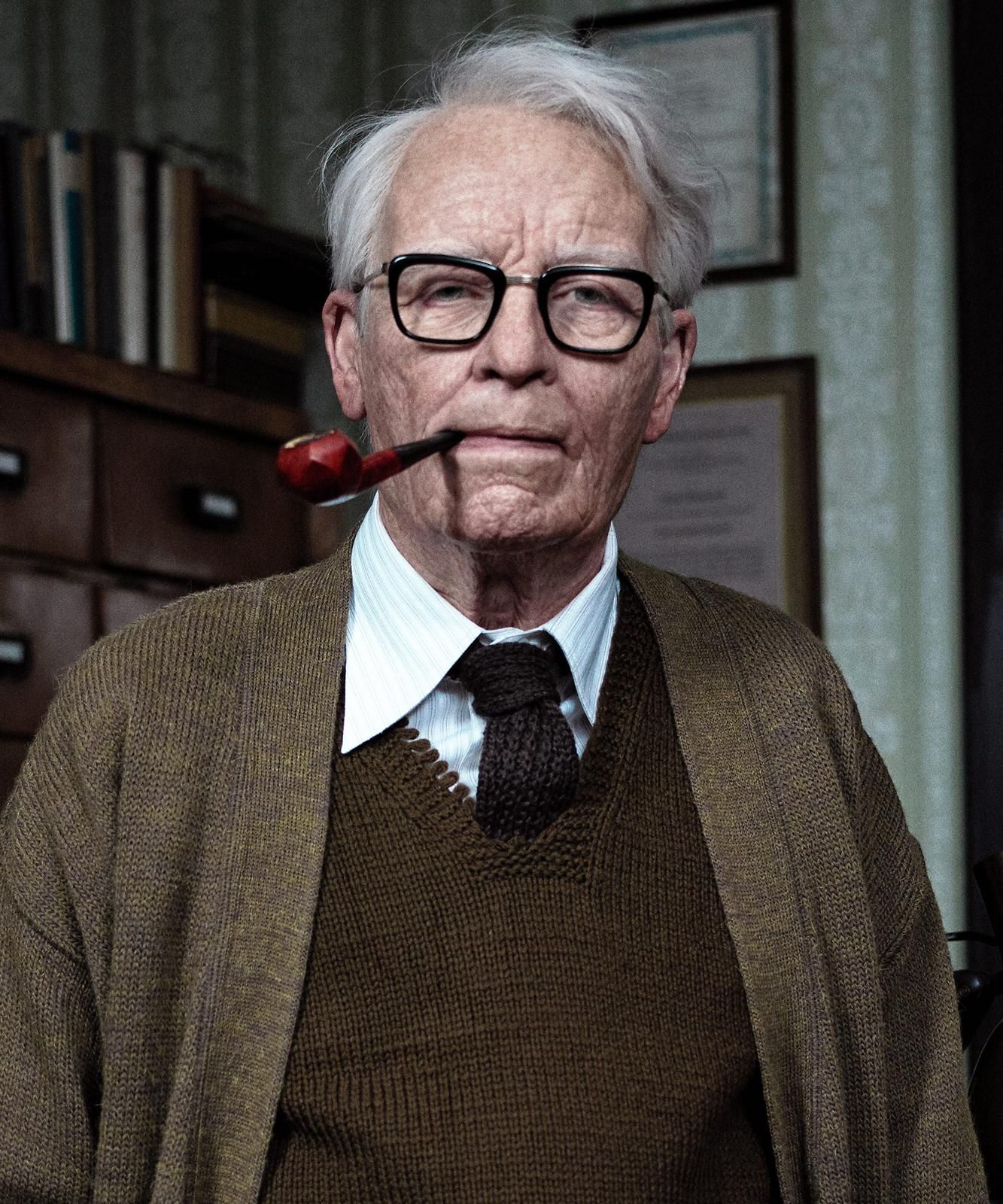
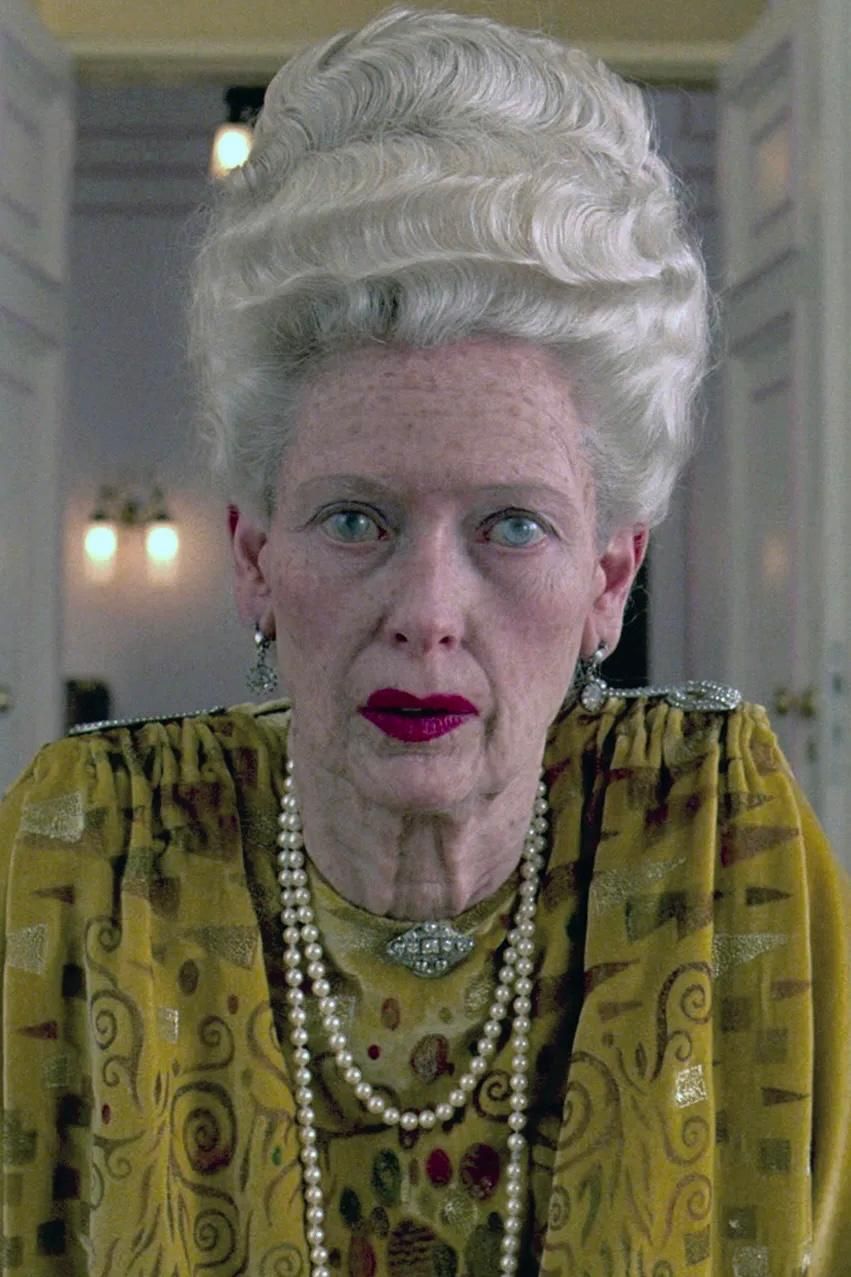
In the film, the actress splits her identity to offer the audience two radical transformations: on one hand she plays Madame Blanc, the severe choreographer swathed in draped tunics that reference the sculptural peplos of Madame Grès, and on the other, beneath an impressive prosthetic make-up, she transforms into Dr. Josef Klemperer, an elderly and melancholy psychotherapist. Collaborations with luxury brands are no strangers to the actress's cinematic résumé: in Teknolust, Tilda Swinton plays a scientist who wears glossy kimonos designed by Yohji Yamamoto, while in Wes Anderson's The Grand Budapest Hotel, the actress plays Madame D., a wealthy elderly woman enveloped in Fendi furs and muffs.
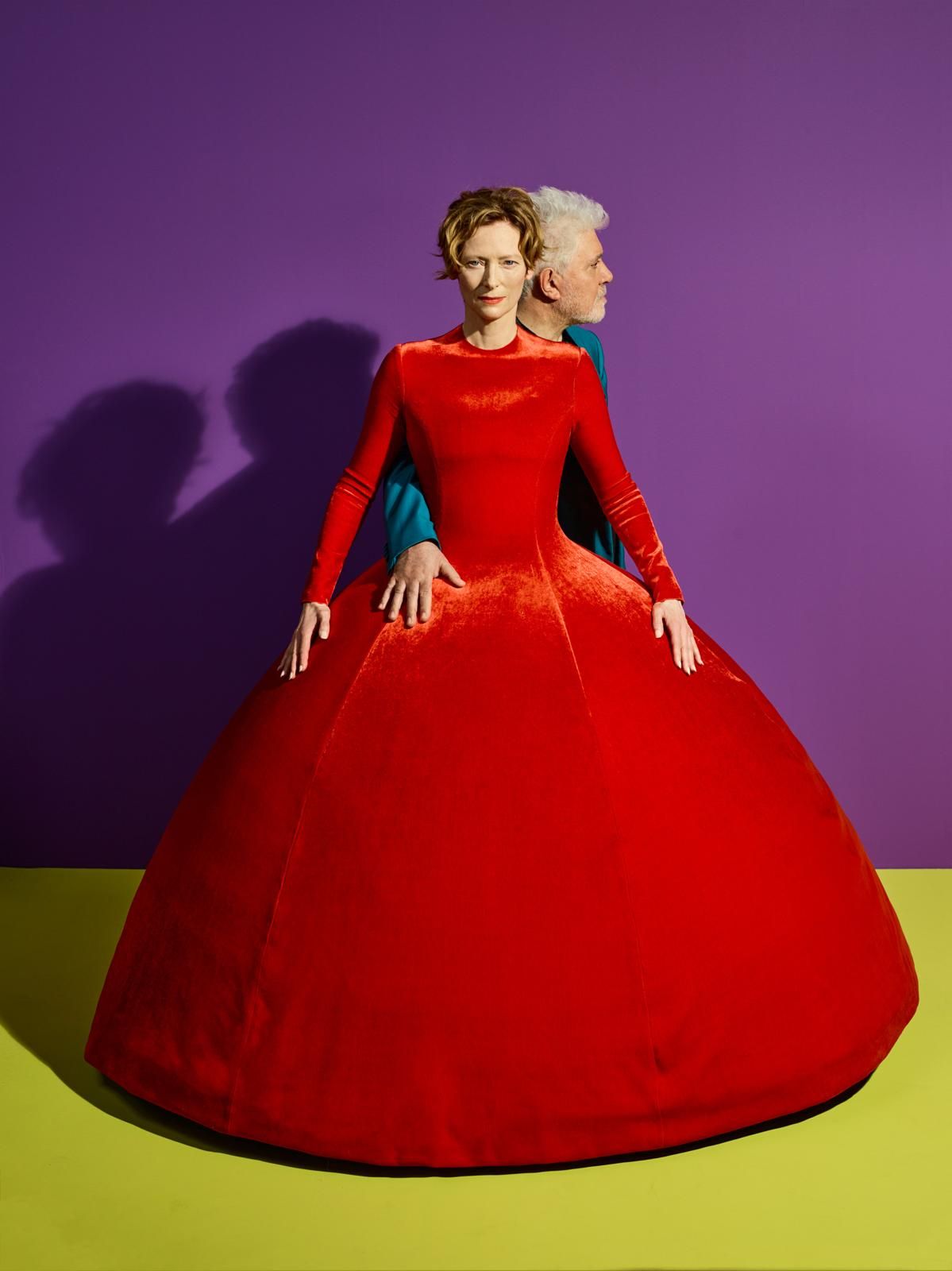
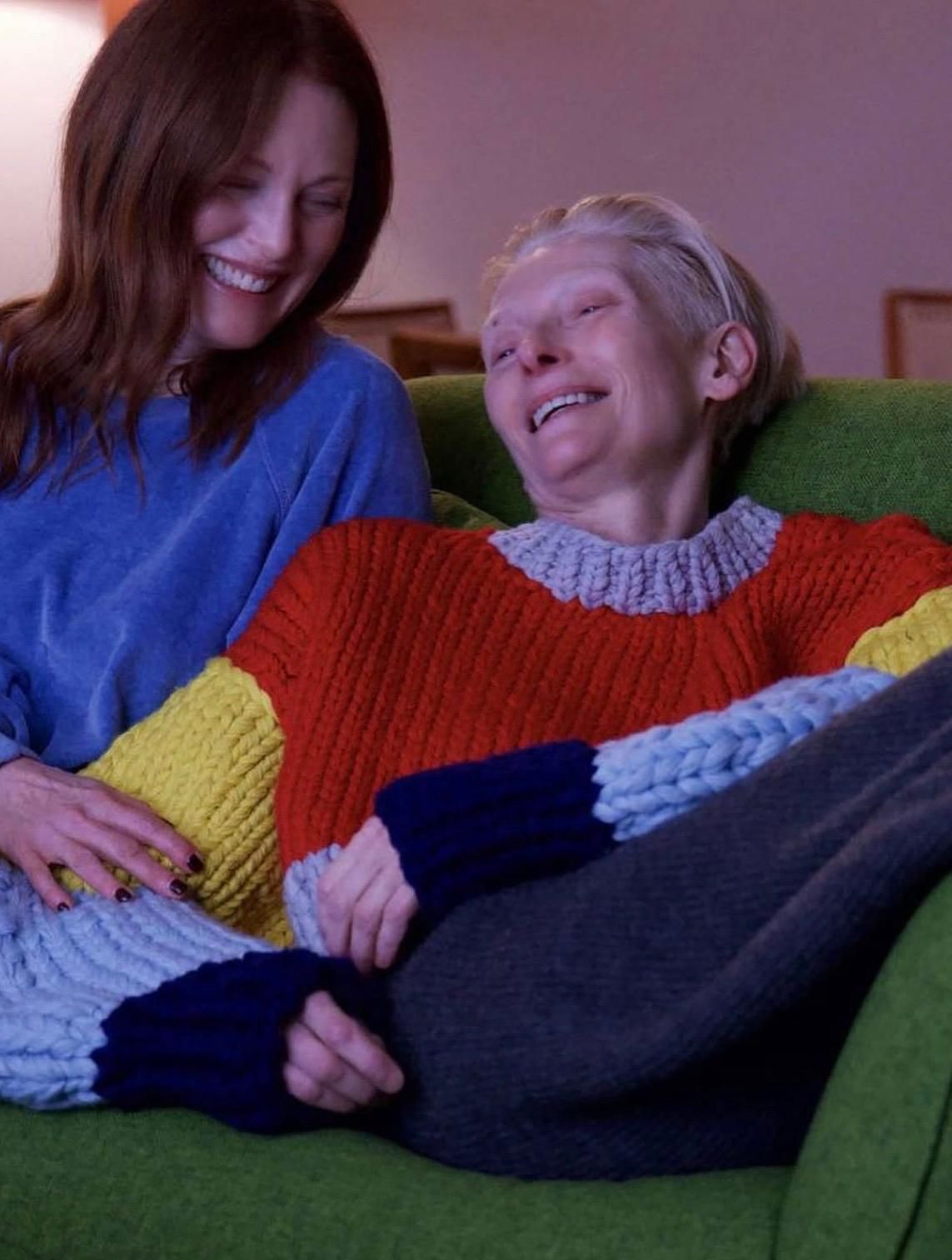
Her rapport with the fashion houses is renewed above all in her films with Pedro Almodóvar: in the short film The Human Voice, Tilda wears a magnificent red velvet gown with a crinoline signed by Demna Gvasalia for Balenciaga, and in one of the Spanish director's most recent works, The Room Next Door, the actress plays Martha, a woman at the end of her life who wears a primary-coloured Loewe sweater.
Tilda Swinton Still Captivates the Fashion System
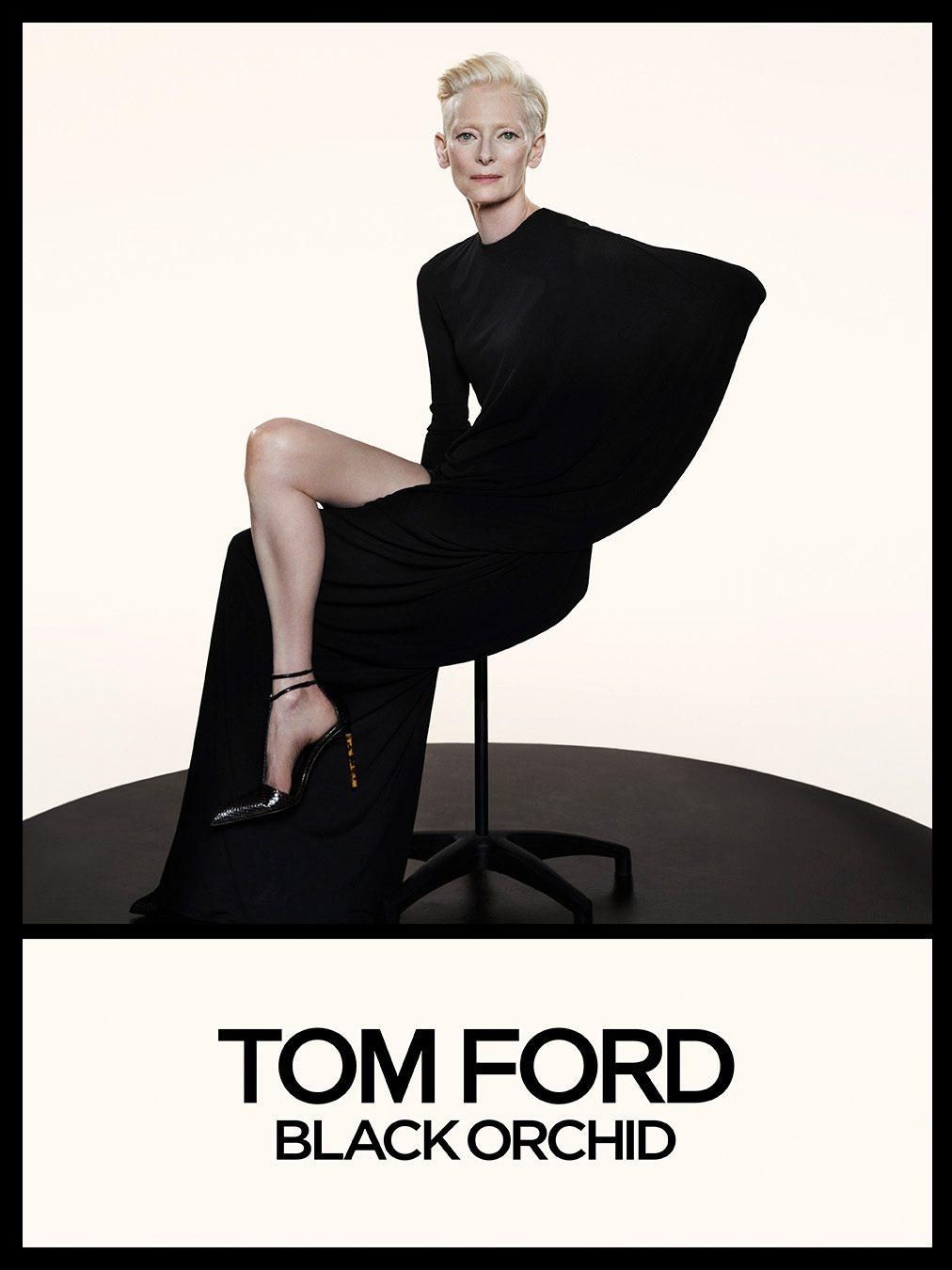
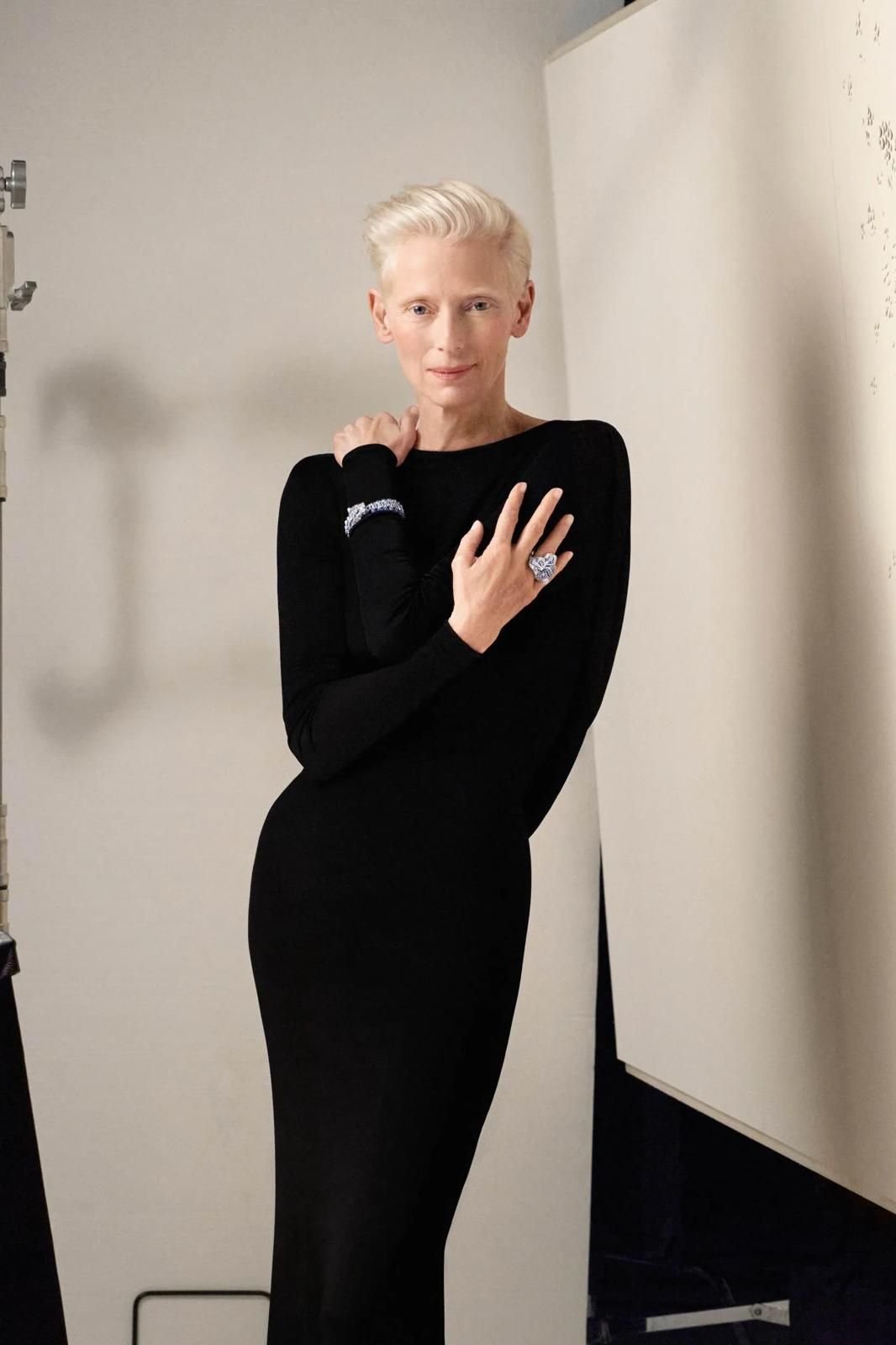
This transformative versatility makes Tilda Swinton, even today, one of the most sought-after figures in the fashion system. It is no coincidence that, exactly one year ago, Gentle Monster chose her as the protagonist of the Bold Collection campaign, casting her in the role of a futuristic empress immersed in a surreal kingdom. A longstanding house ambassador for Chanel, the actress has recently begun a collaboration with Cartier and has become the new face of Tom Ford's Black Orchid fragrance. Haider Ackermann, creative director of the American house and a long-time friend of Swinton's, has never concealed his view of her as his ultimate muse — a symbol of superhuman, unattainable beauty.
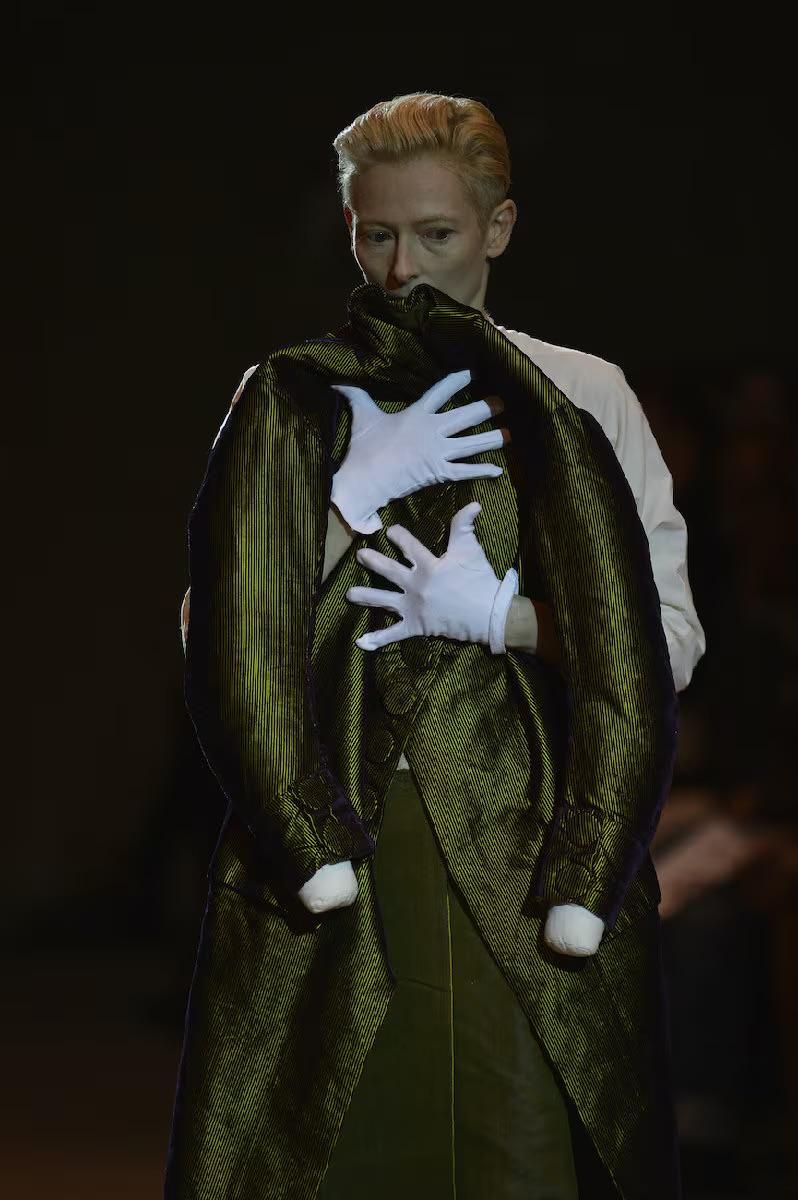
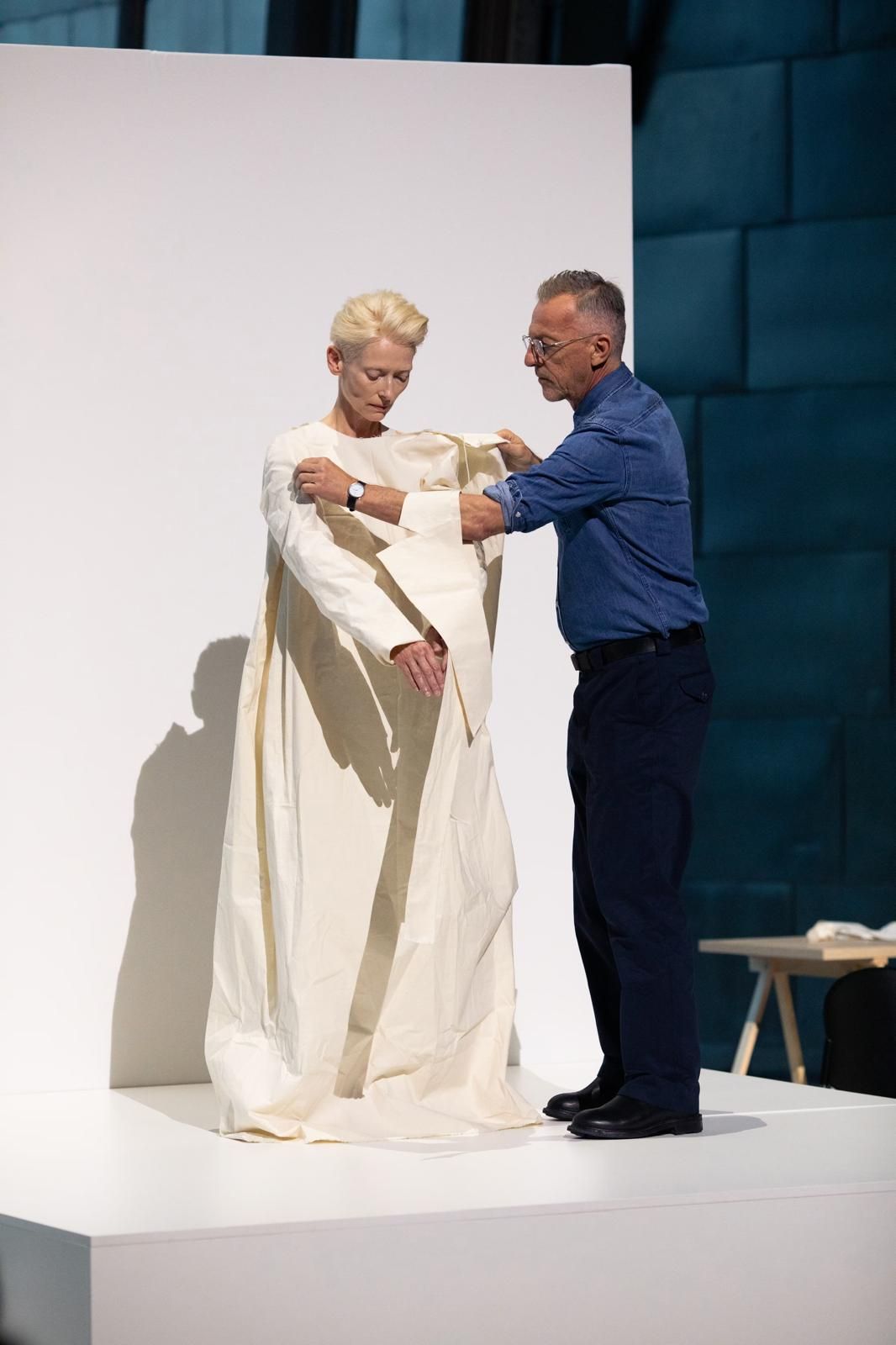
But the actress's relationship with the fashion system is not limited to covers and advertising campaigns. Swinton has always acknowledged the emotional depth of clothing: this is borne out by emblematic performances such as The Impossible Wardrobe and House of Gestures, conceived with curator Olivier Saillard, in which Tilda Swinton enters into dialogue with archive pieces and stages the gestures of dressing — confirming how fashion continues to be, for the actress, a personal language and the lifeblood of her infinite transformations.
What to read next

Stella McCartney and Yoshitomo Nara are back with a new collaboration
The third installment in the brand's “wearable art” series, designed by the world-renowned Japanese artist
Dolce&Gabbana presents the new Holiday 2026 campaign
A cinematic sequence by Gordon Von Steiner to celebrate the festive season
How to choose the perfect loafer
A guide to the main models and constructions of the most popular shoe of recent years