Spazio Cinna is where creatives can be children again A space dedicated to creativity and purposeless experimentation opens in Milan
Last Saturday, in Porta Venezia, Spazio Cinna opened its doors. The studio founded by Sofia Spini and Giorgia Cali takes its name from the Bolognese dialect, in which cinna means little girl. Having been inaugurated last October, it is now open to the public with the aim of welcoming ideas, people and different disciplines to evoke that spontaneous curiosity with which one approaches the world as a child, without the need to achieve a result. The goal is not to make adults feel like children again, but to give them the opportunity to create through experimentation. The sense of duty acquired as one grows up and lives in a working world where everything is directed toward an objective does not exist inside Spazio Cinna.
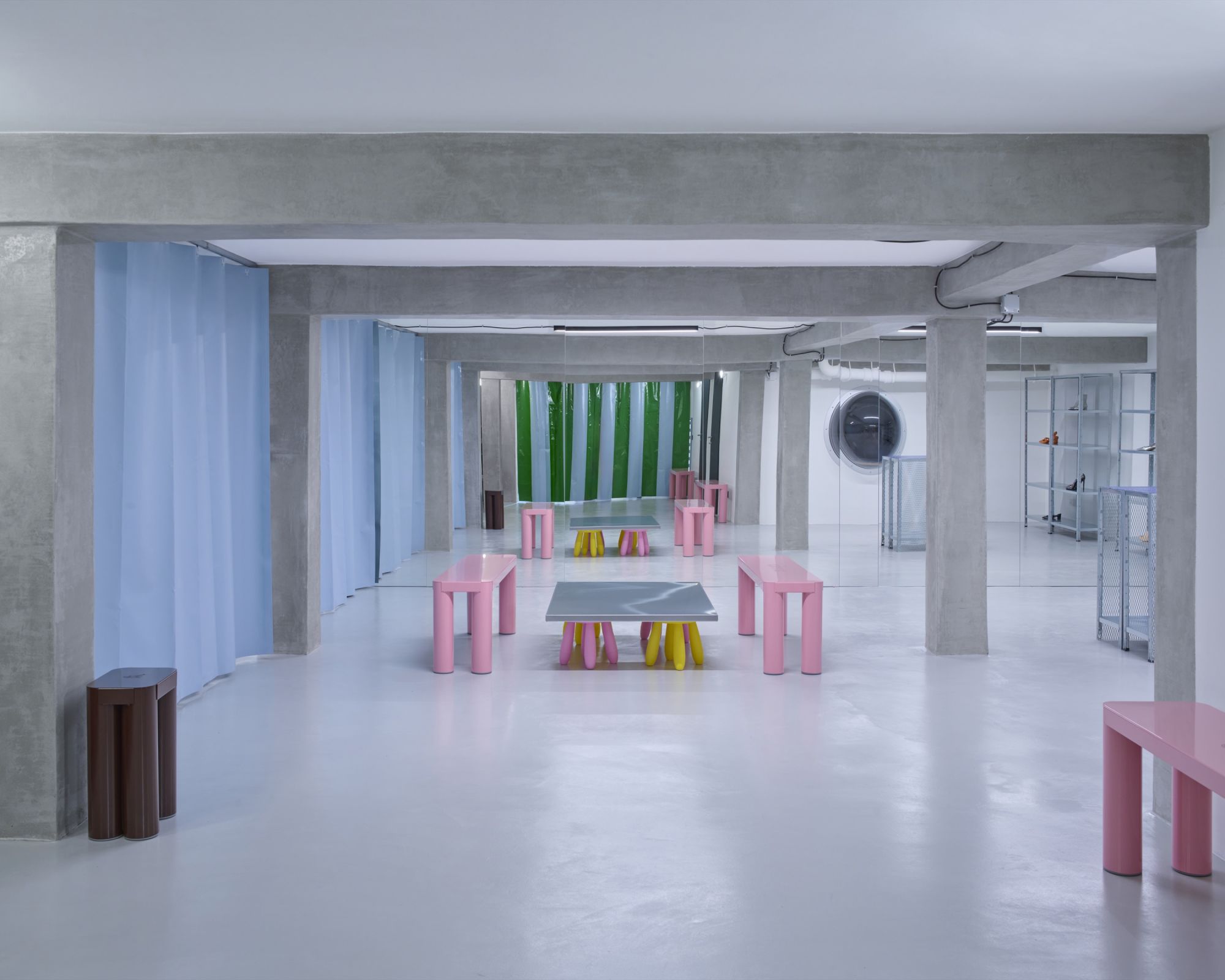
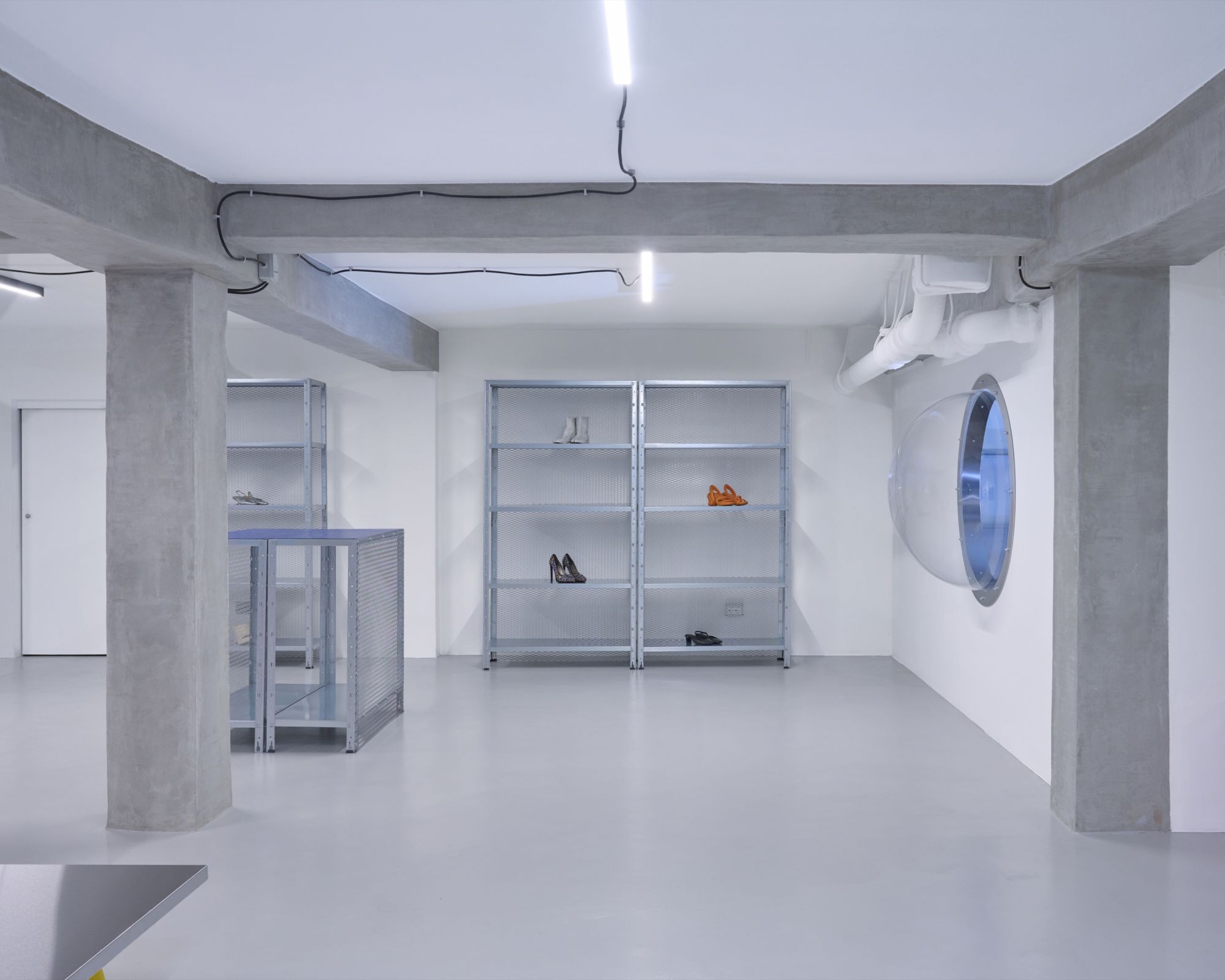
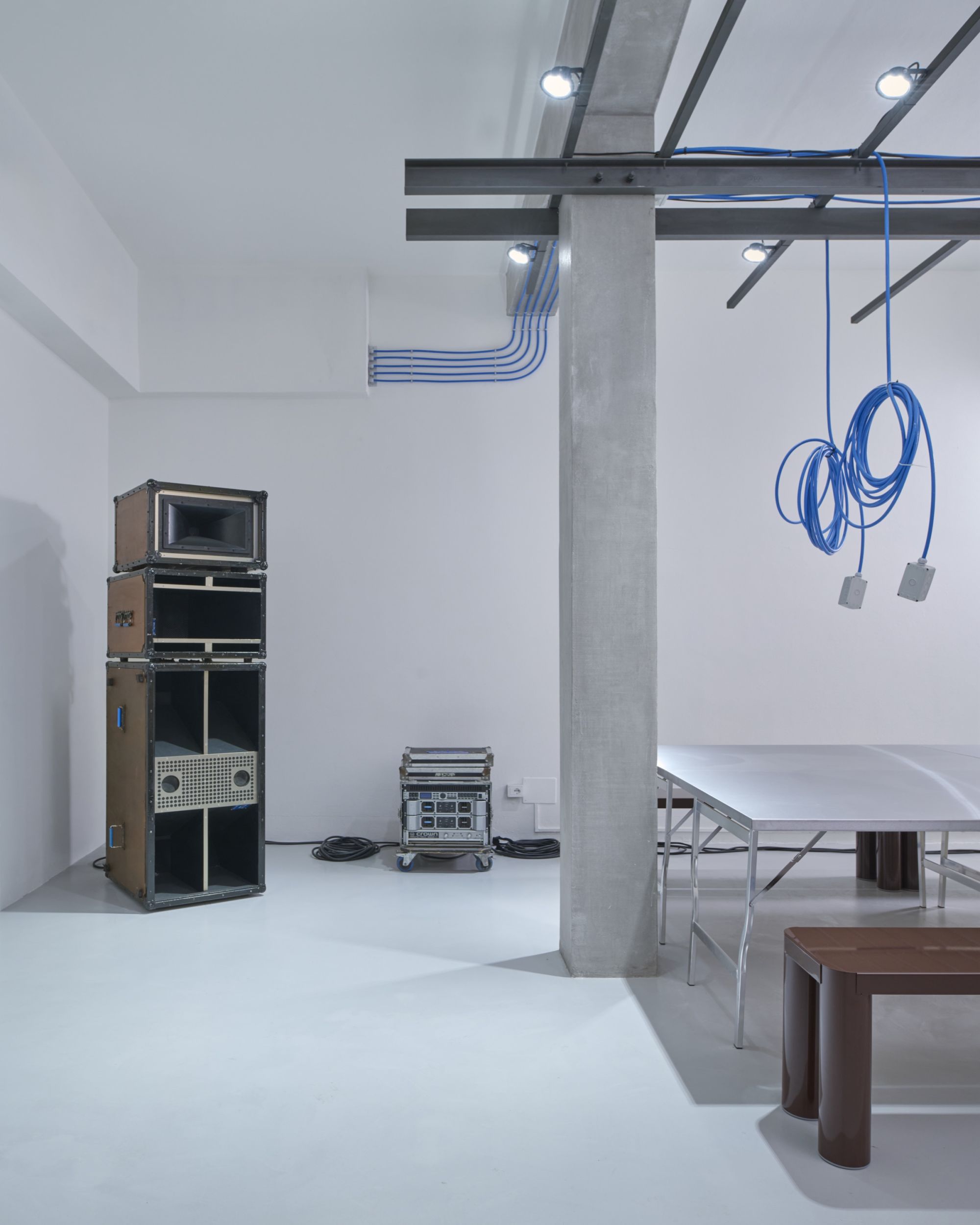
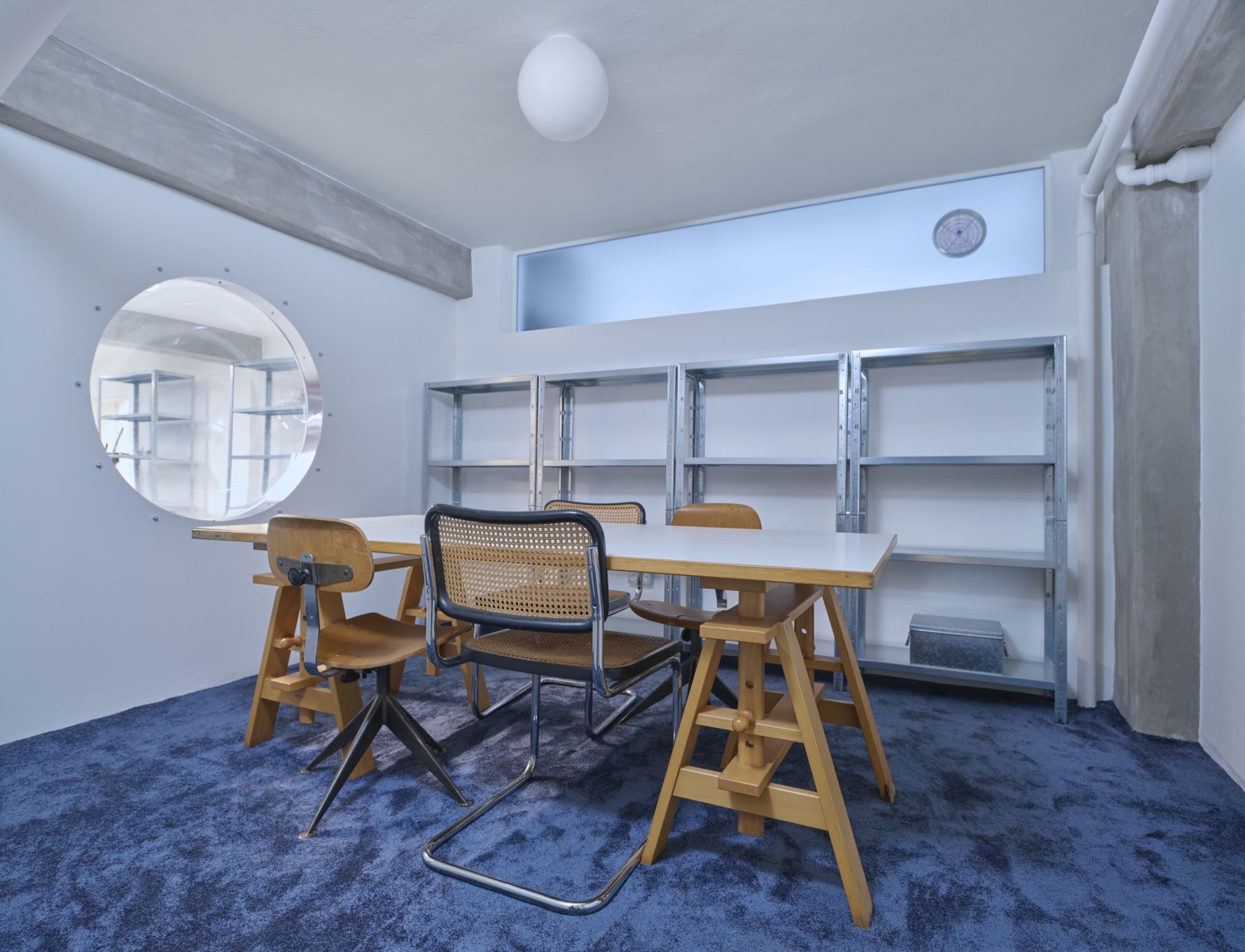
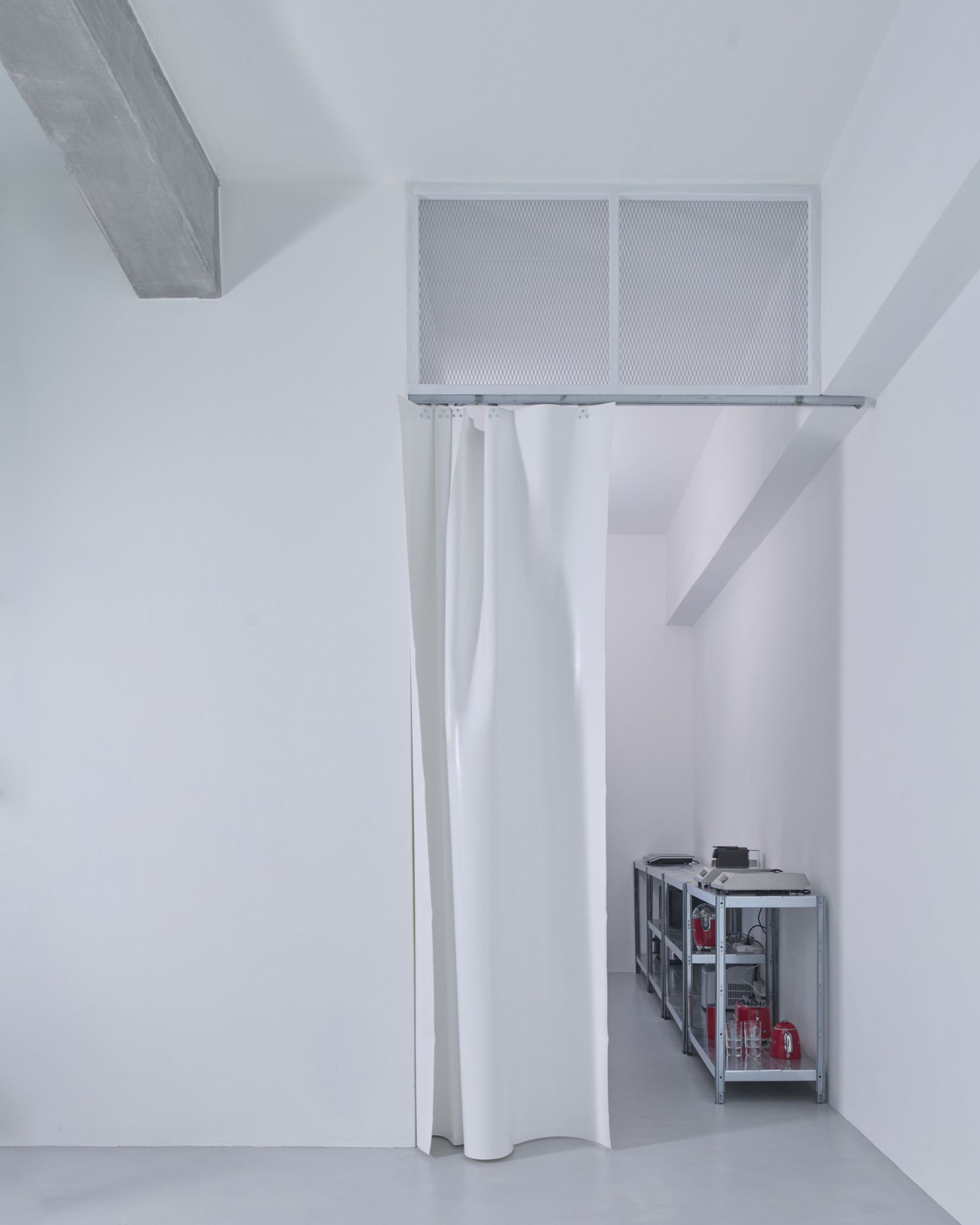
The studio's floor space, approximately 170 m², extends within a courtyard in the centre of Milan. The rooms that make up the space are interconnected and flexible enough to adapt to different uses. Giorgio Scanelli, the architect, enhanced the original structure and enriched it with a resin floor that runs throughout the space, furnished with modular and essential elements. The areas dedicated to creative production transform and coexist with others devoted to research, reading, consulting materials and meetings.
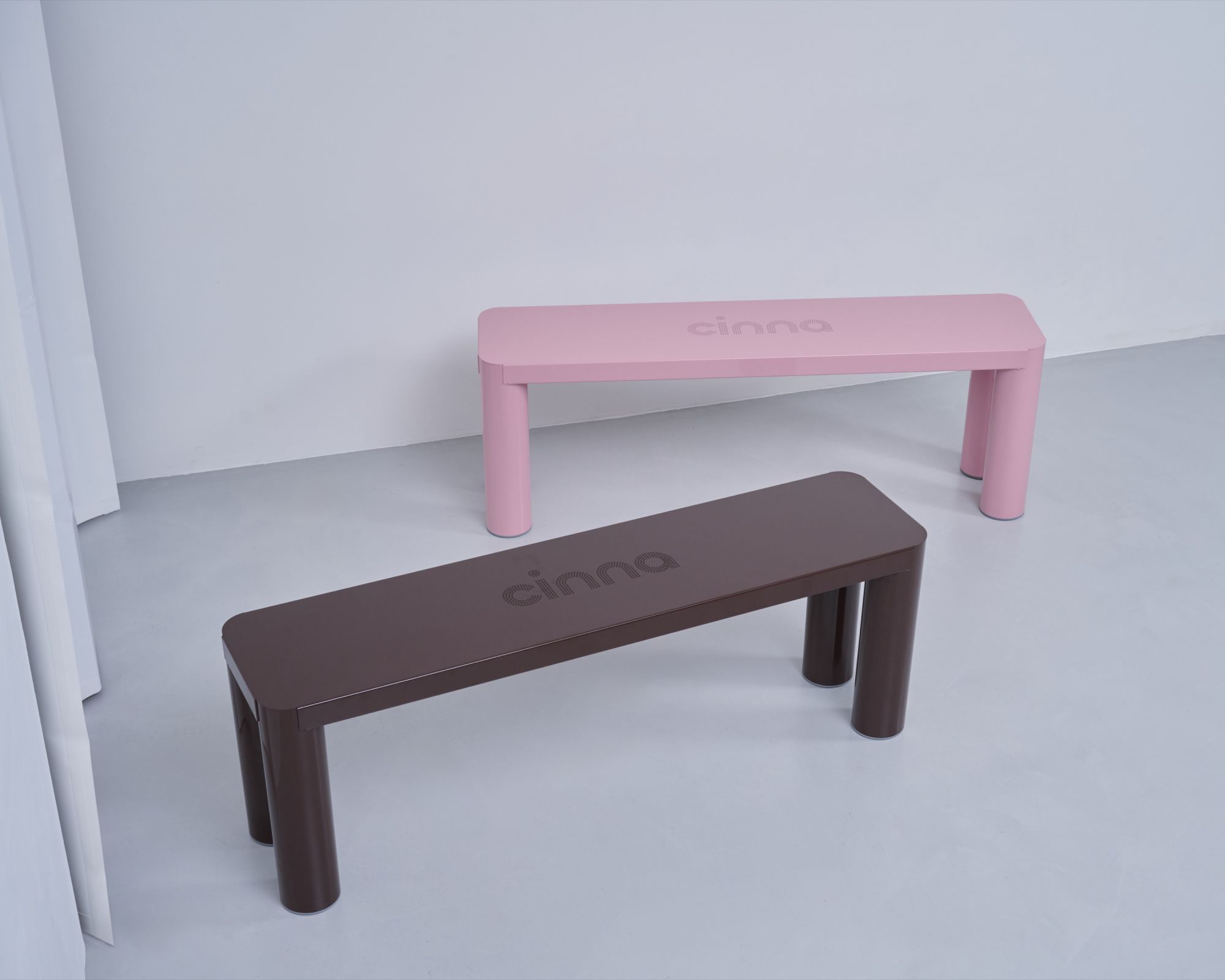
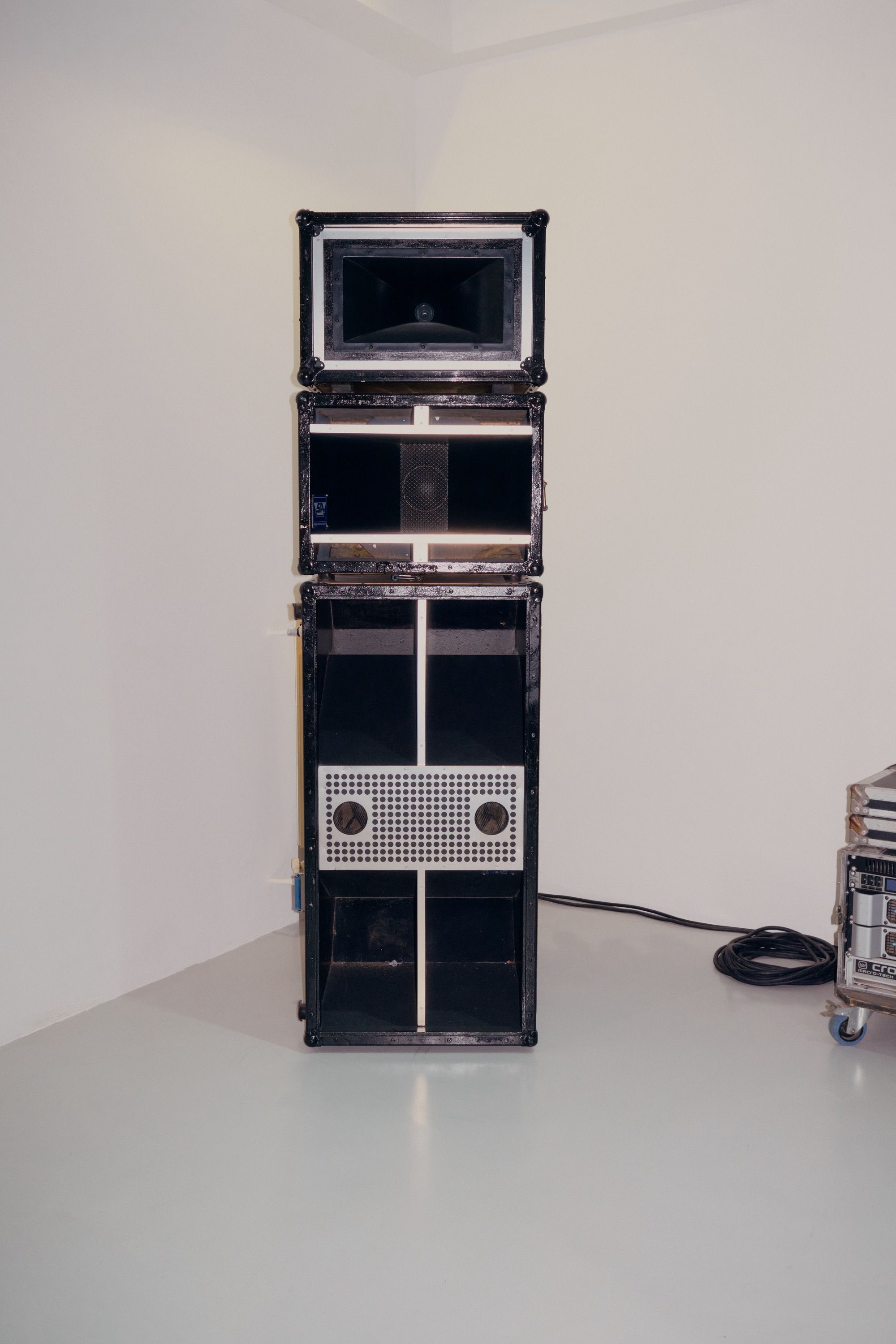
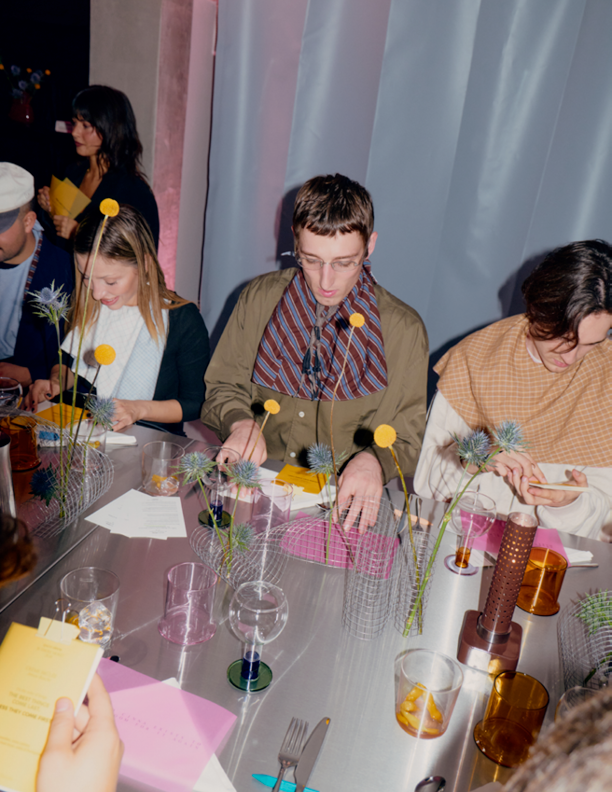
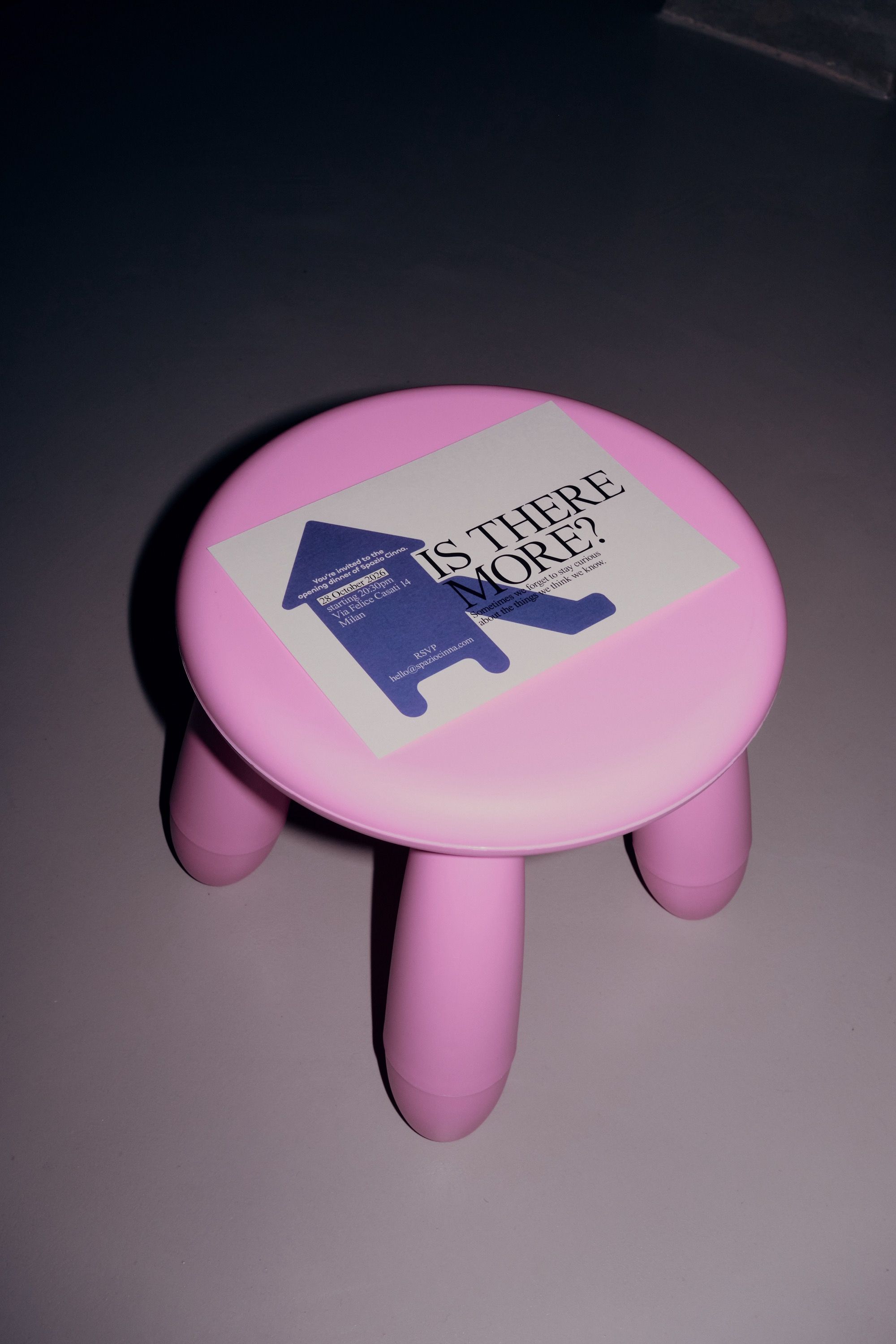
The inauguration took the form of a private dinner structured so that one of the most familiar gestures — sitting down at the table — would become a first occasion for encounter and experimentation. "What did you stop exploring once you thought you'd figured it out?" was the question that accompanied the invitation and introduced the evening's concept, inviting guests to reflect on those habits that, once they become familiar, we stop questioning. The menu was entrusted to chef Nicolò D'Alessandro, supported by his sous chef Riccardo Fontana. Banchetto Archivio, a Milan-based project focused on the selection and sourcing of objects, installations, props and catering for events, handled the table set design and creative direction of the table setting.
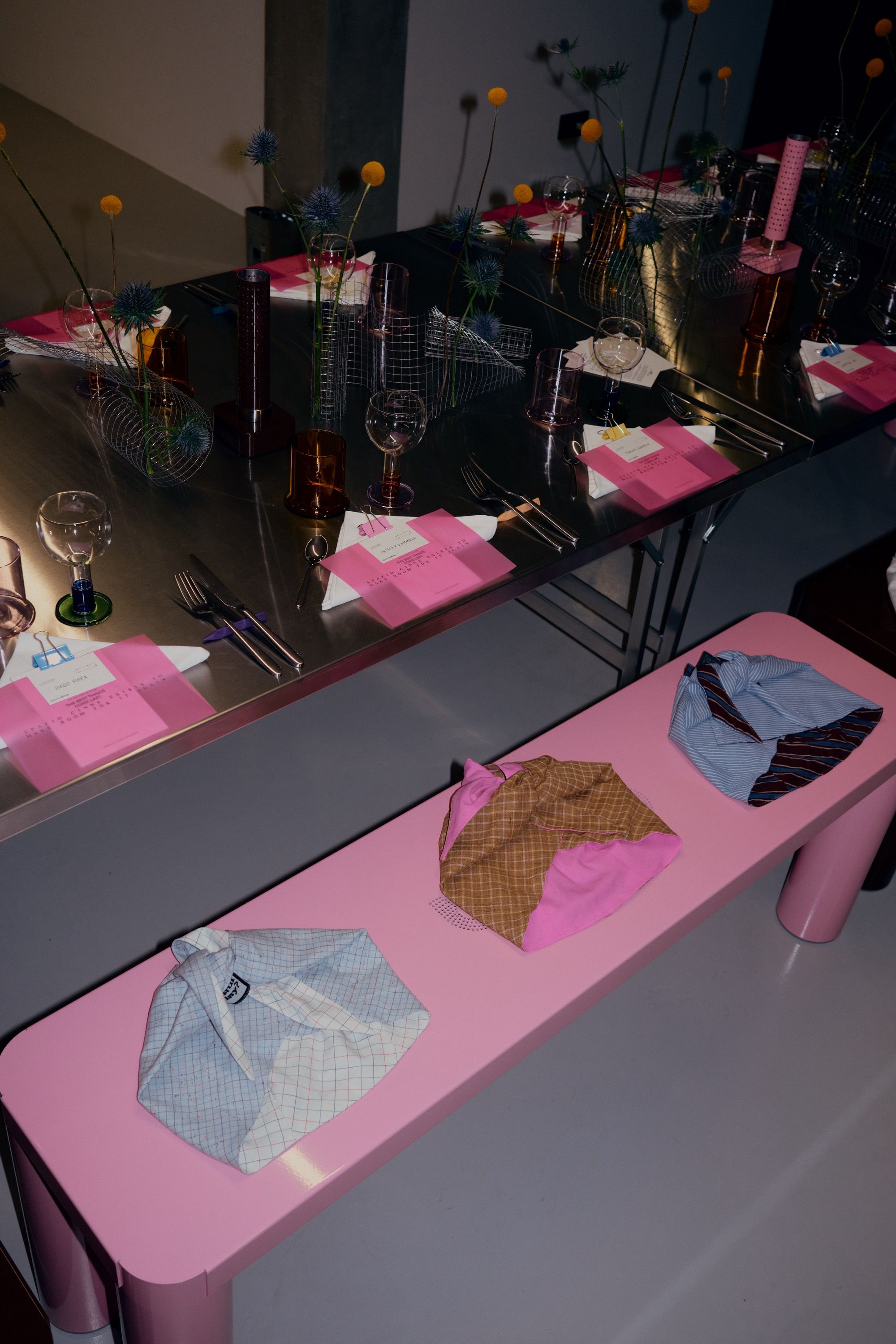
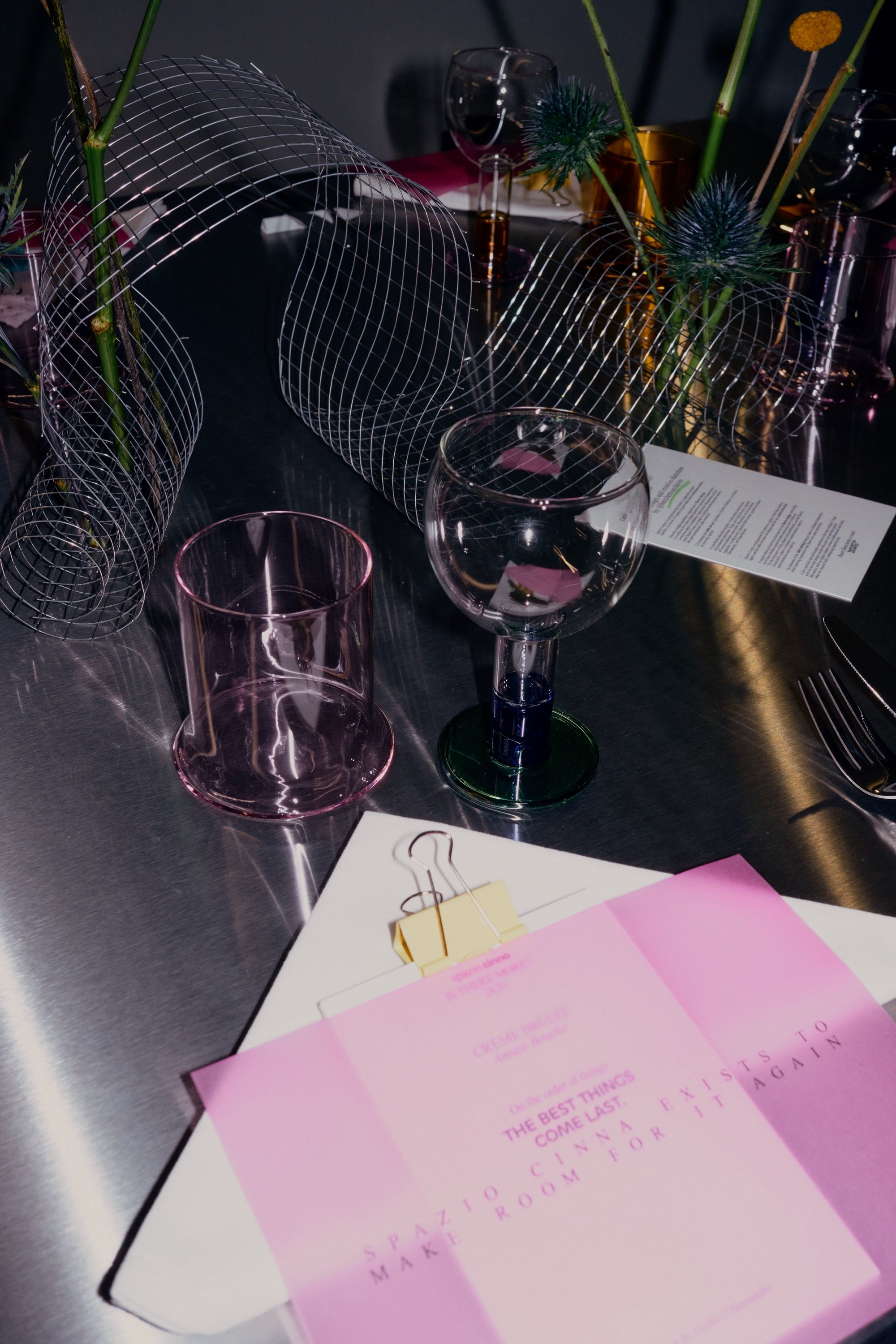
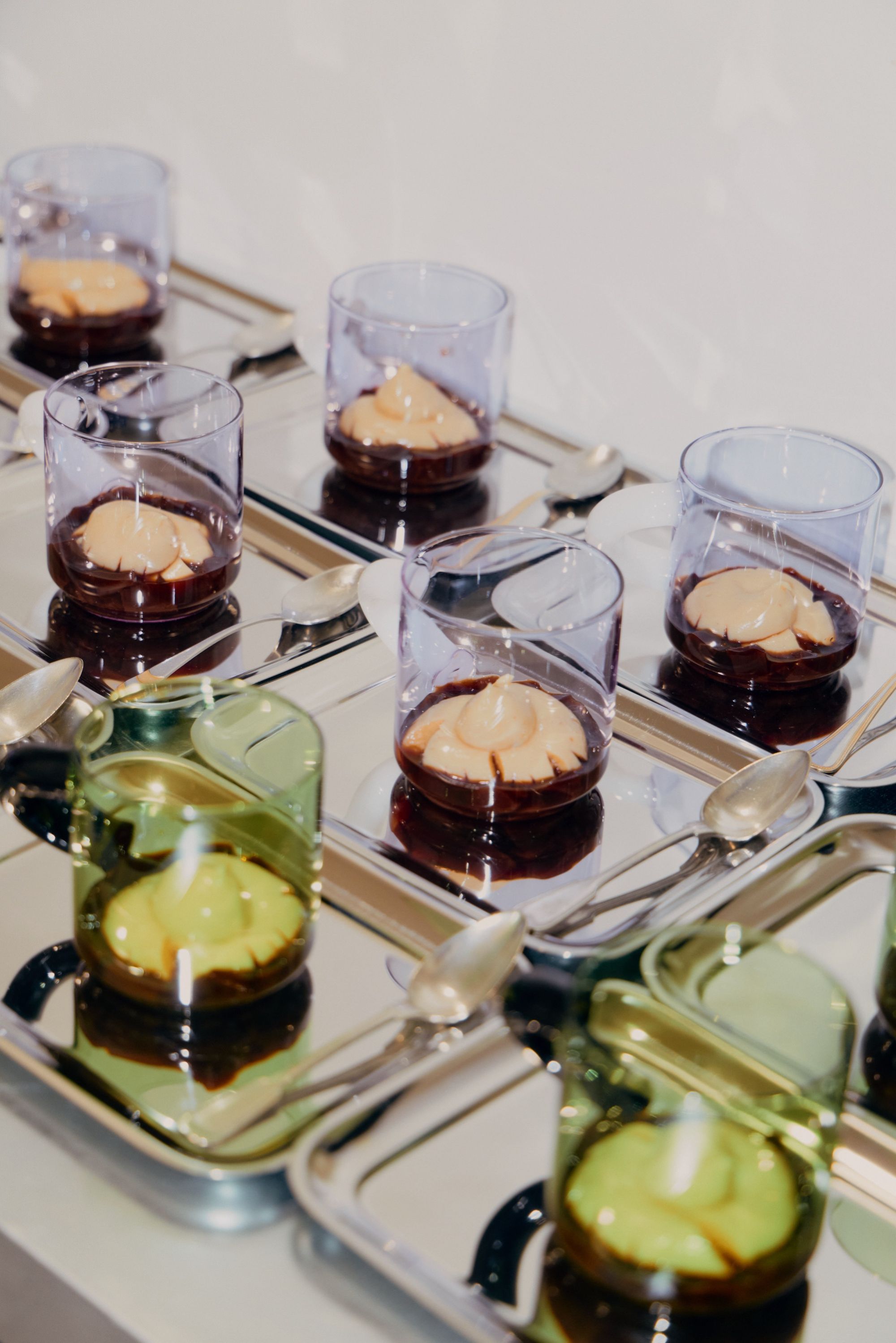
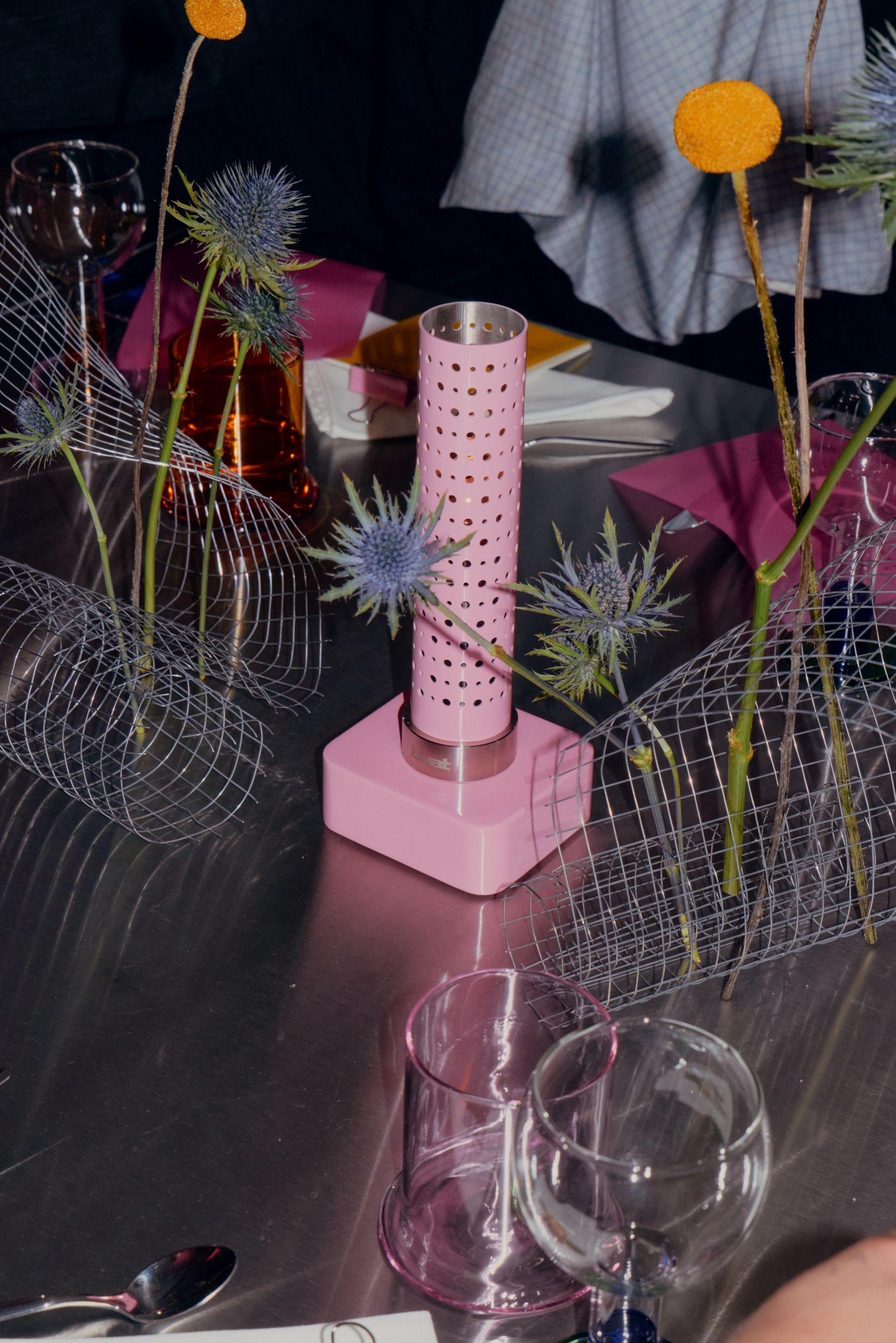
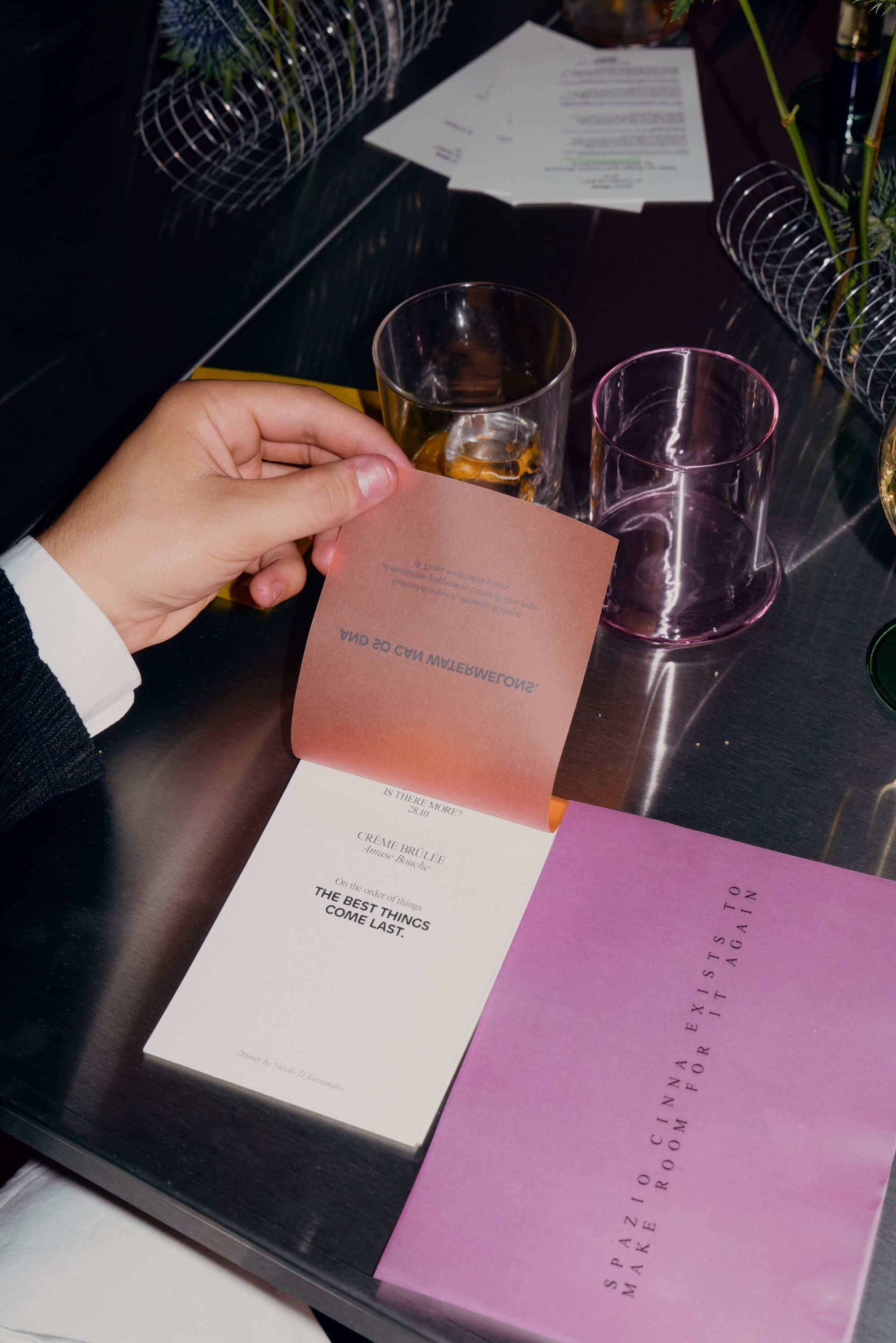
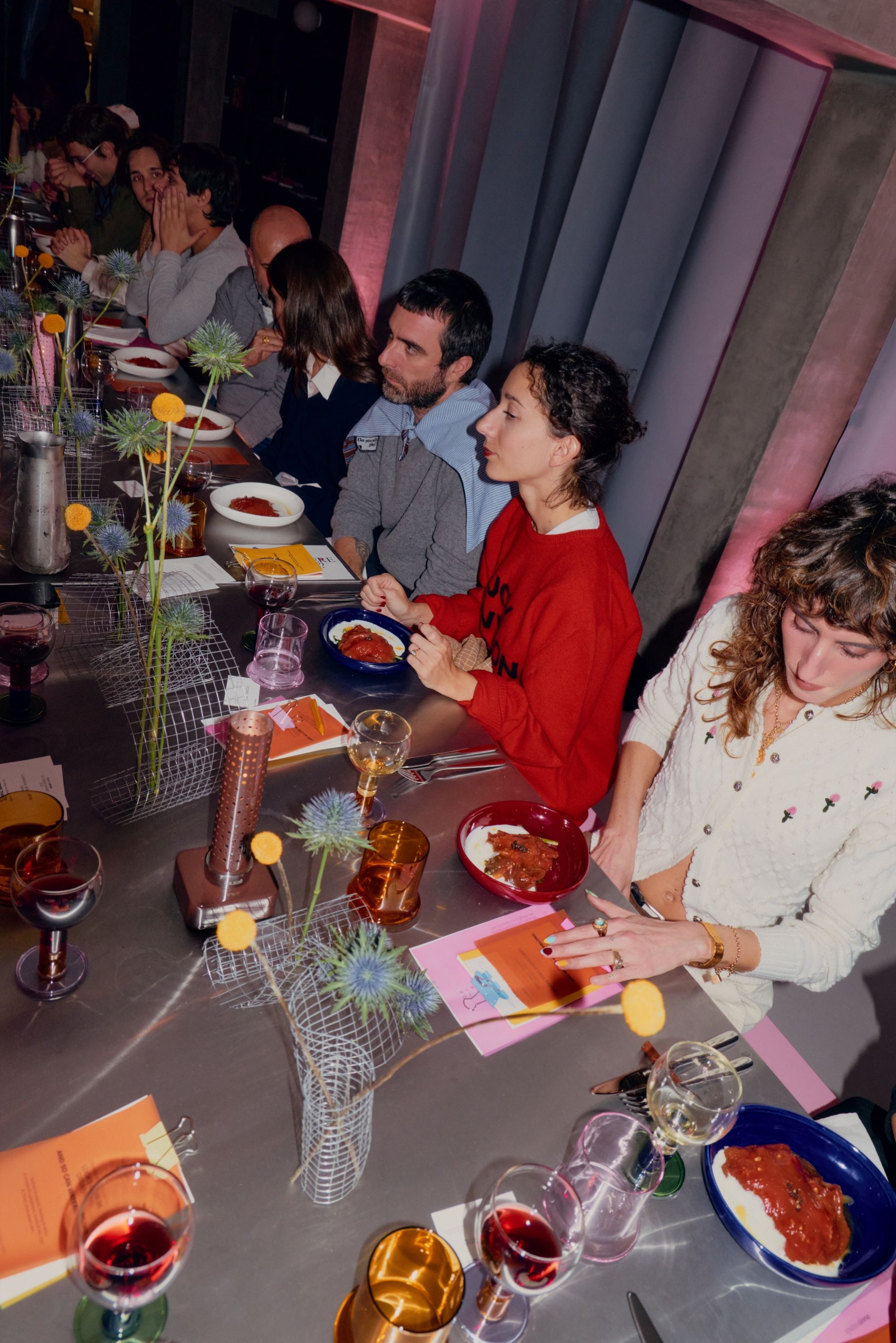
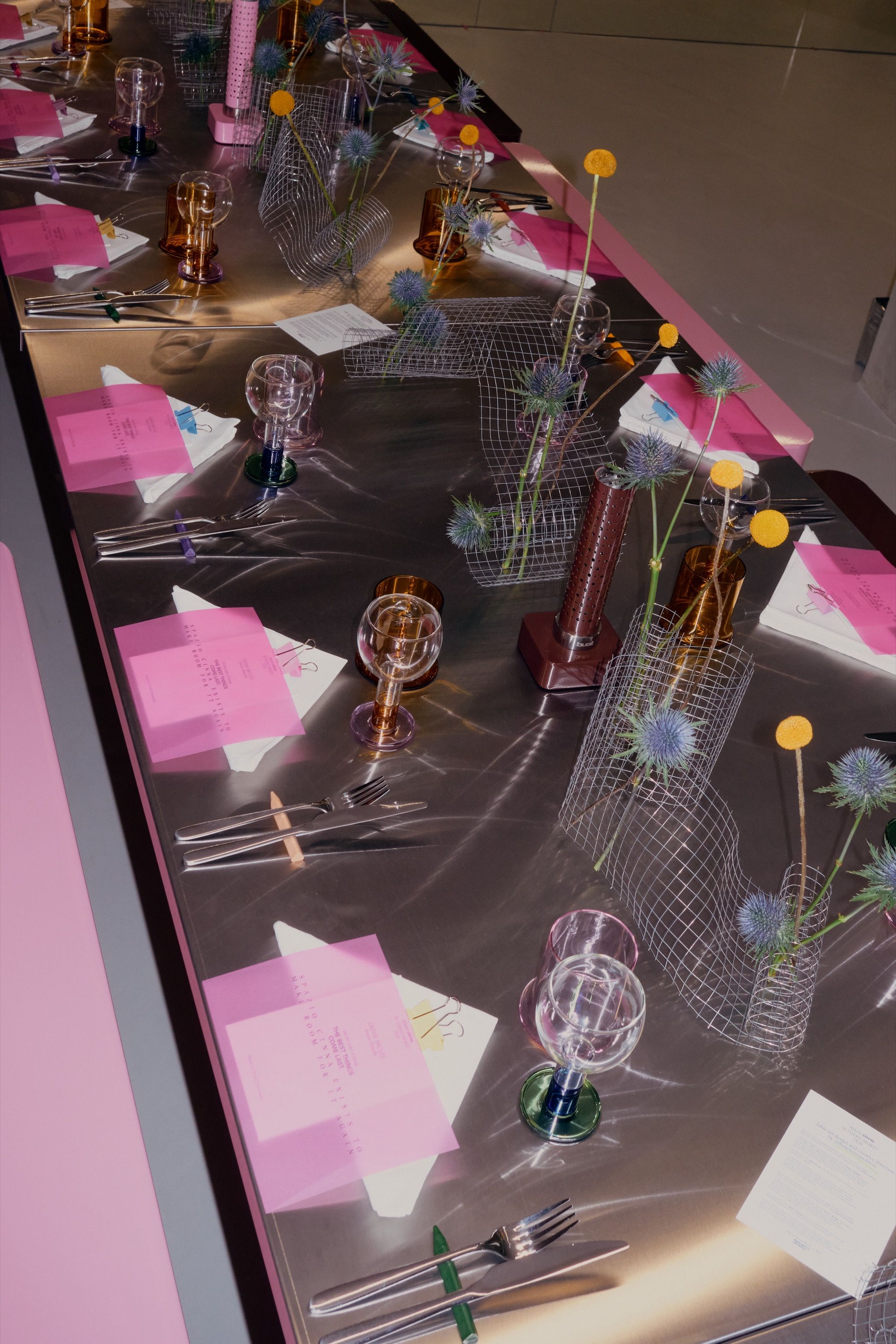
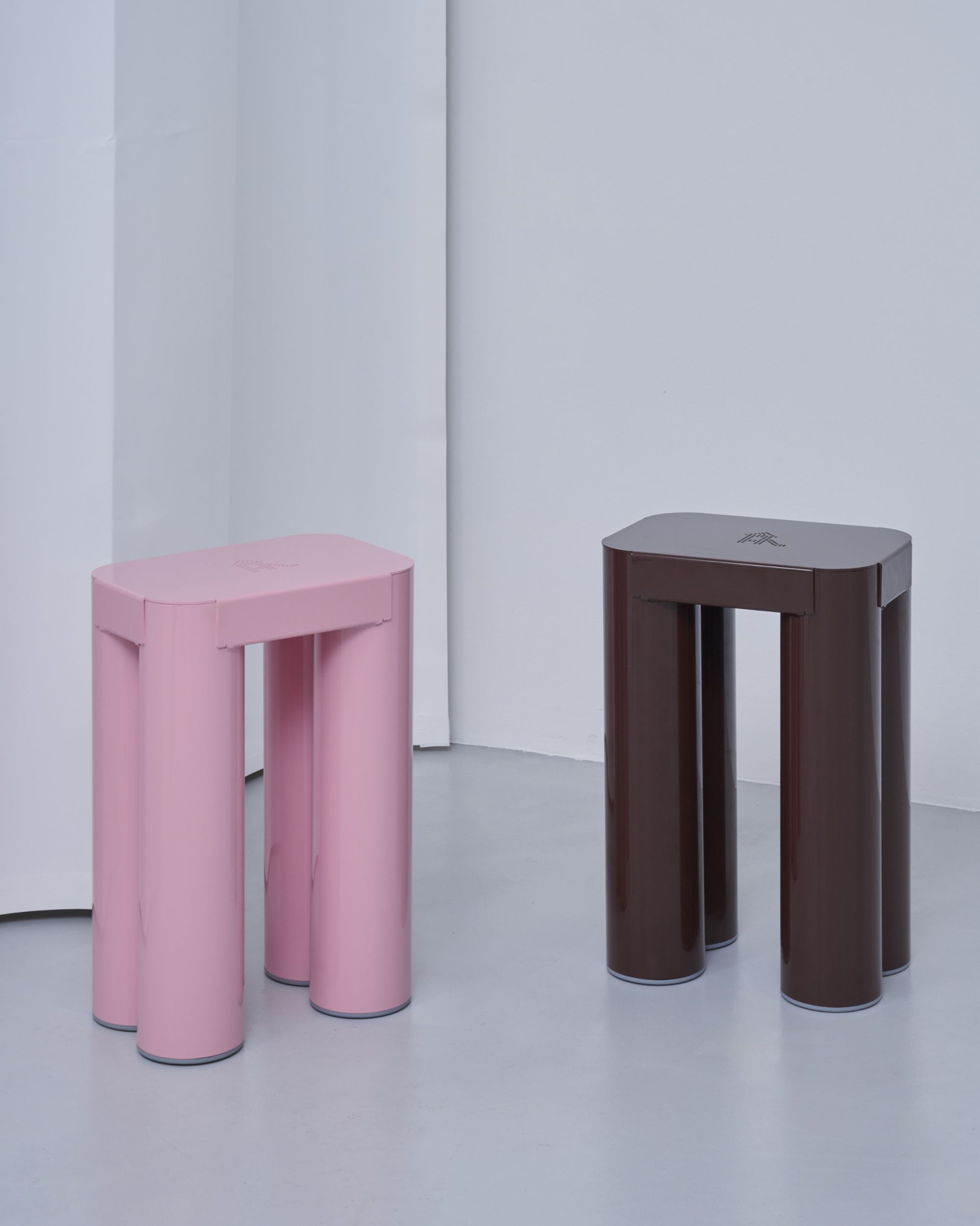
The entire event was made possible by a network of designers, brands and independent creative entities who contributed to bringing the dinner to life. From the benches by Isoipsa that accompanied the table set with candles by Buat, plates by Bluvanilla, and glasses and cups by Traga, to the aprons and bibs designed for the occasion by Emanuele Abbondanza and produced by Edoardo Bus. Other noteworthy elements that defined the evening included the vermouth by Ryto and the wine selection by Vigne di Confine, which complemented the culinary offering. The sound system by Amore Eterno and the musical selection curated by Idra, along with a projection created for the occasion by Luca Coccimiglio, accompanied the evening, which was documented photographically by Federico Earth and on video by Luca Coccimiglio.
Photos of the space: Matteo Natalucci
Photos of the event: Federico Earth
What to read next

After four years Ye returns to the runway with Yeezy Season 01
The show to celebrate the opening of his first physical store in LA
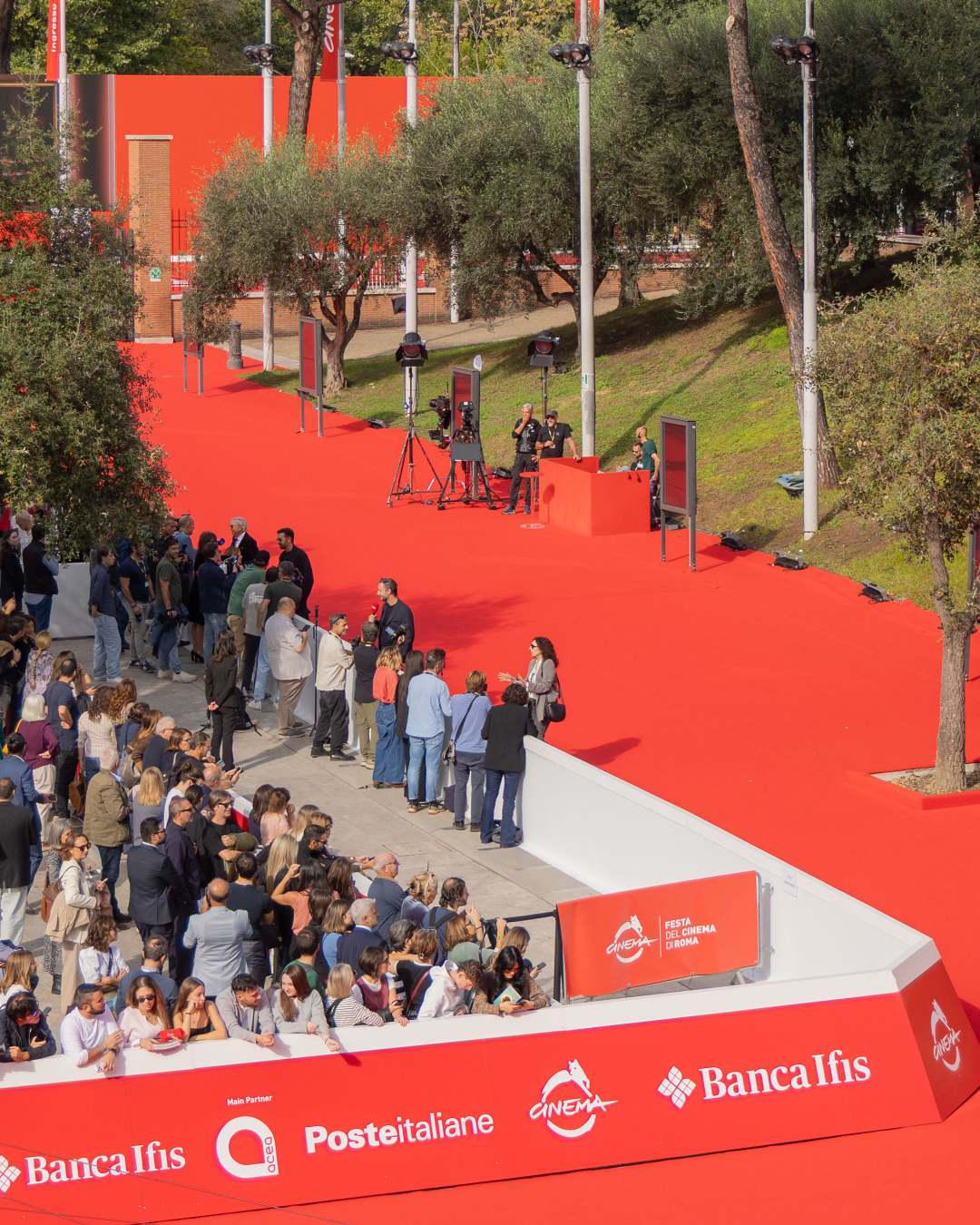
Banca Ifis Celebrates Cinema and Music at the Rome Film Fest
From the award ceremony for Nicola Piovani to the Banca Ifis Lounge, a collaboration that places the cultural value of the seventh art at its center