.gif 2000w)





























The Louvre’s New Look In collaboration with Thomas Lélu
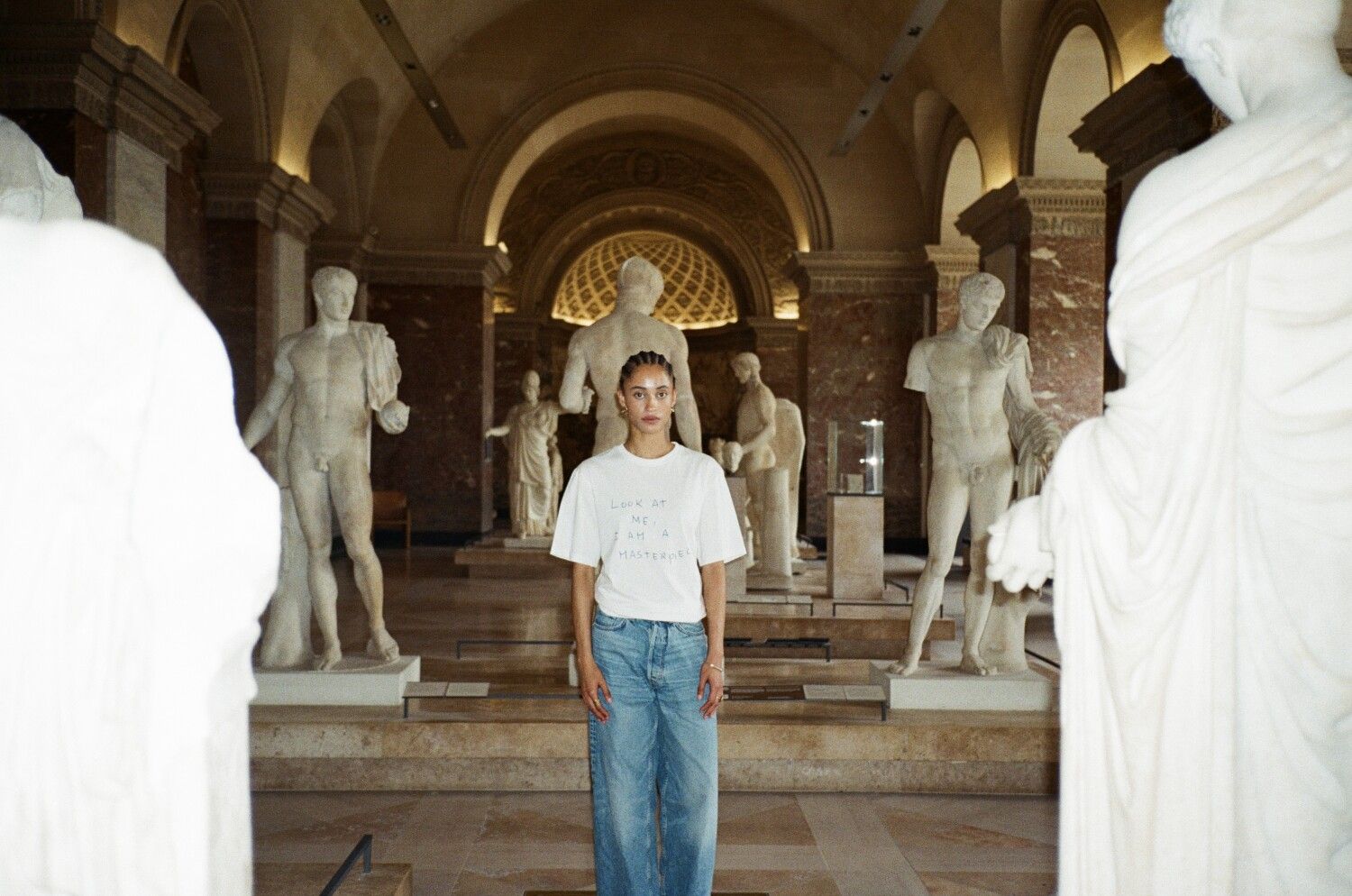
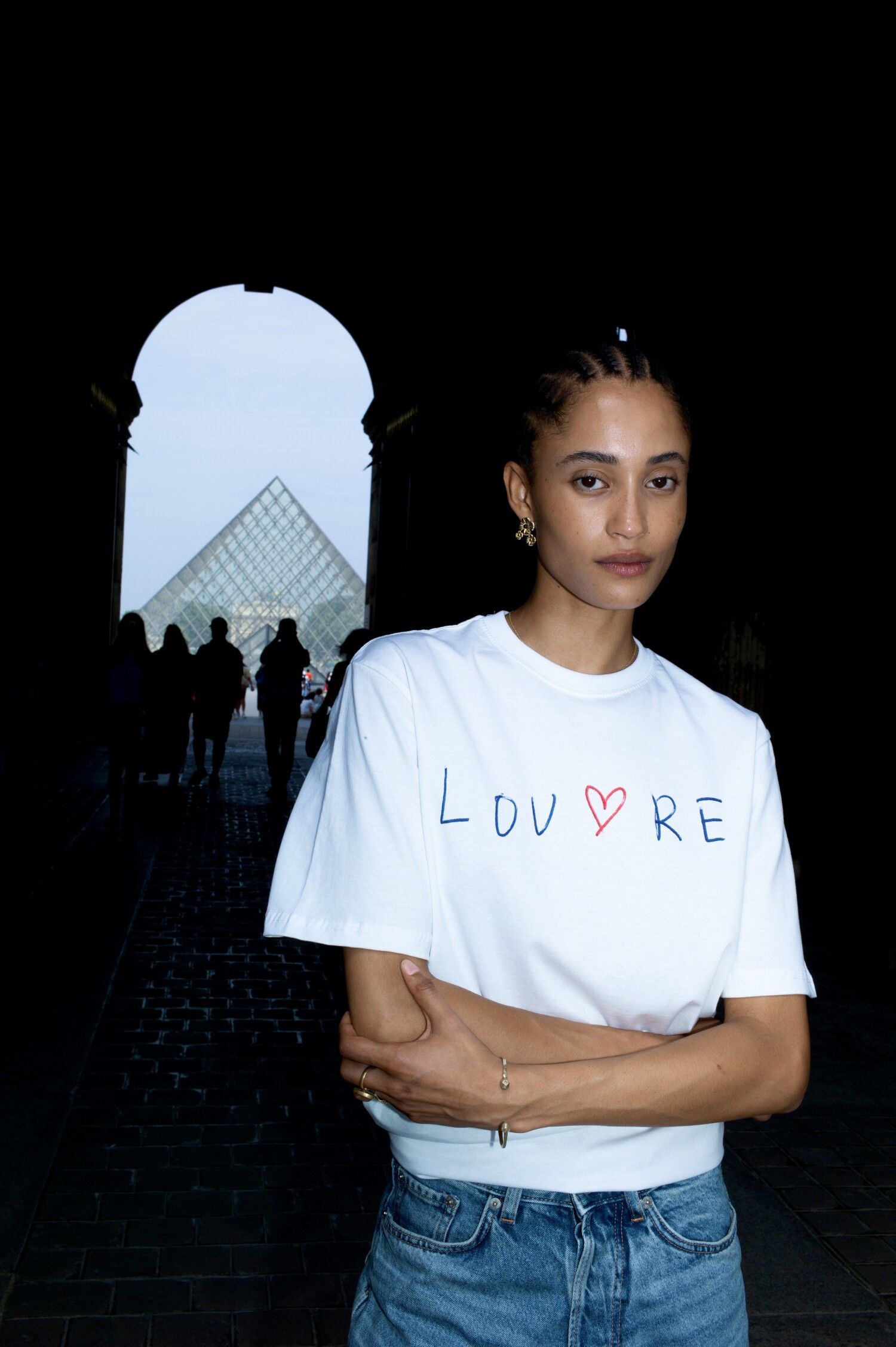
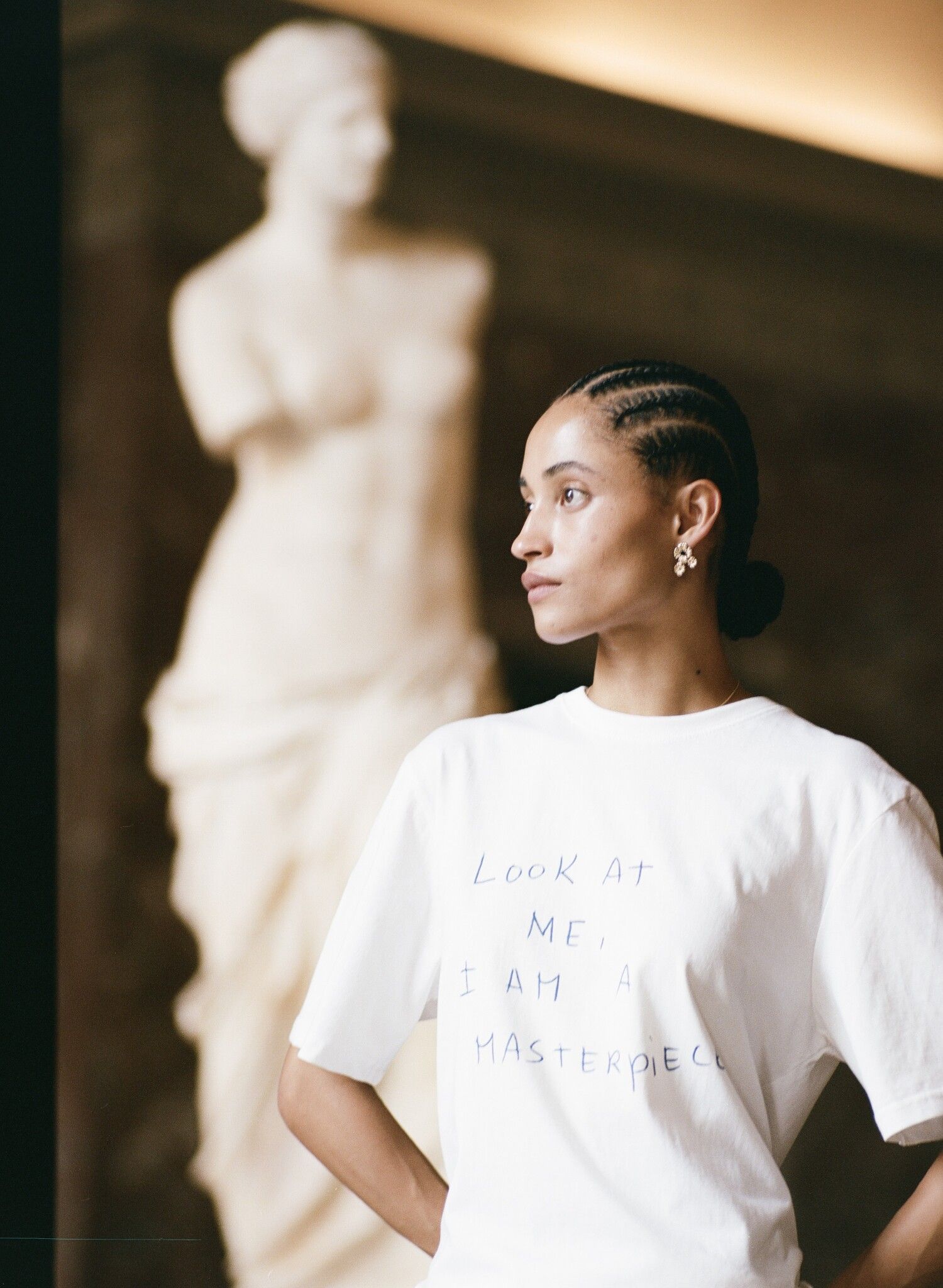
The Louvre makes its fashion debut
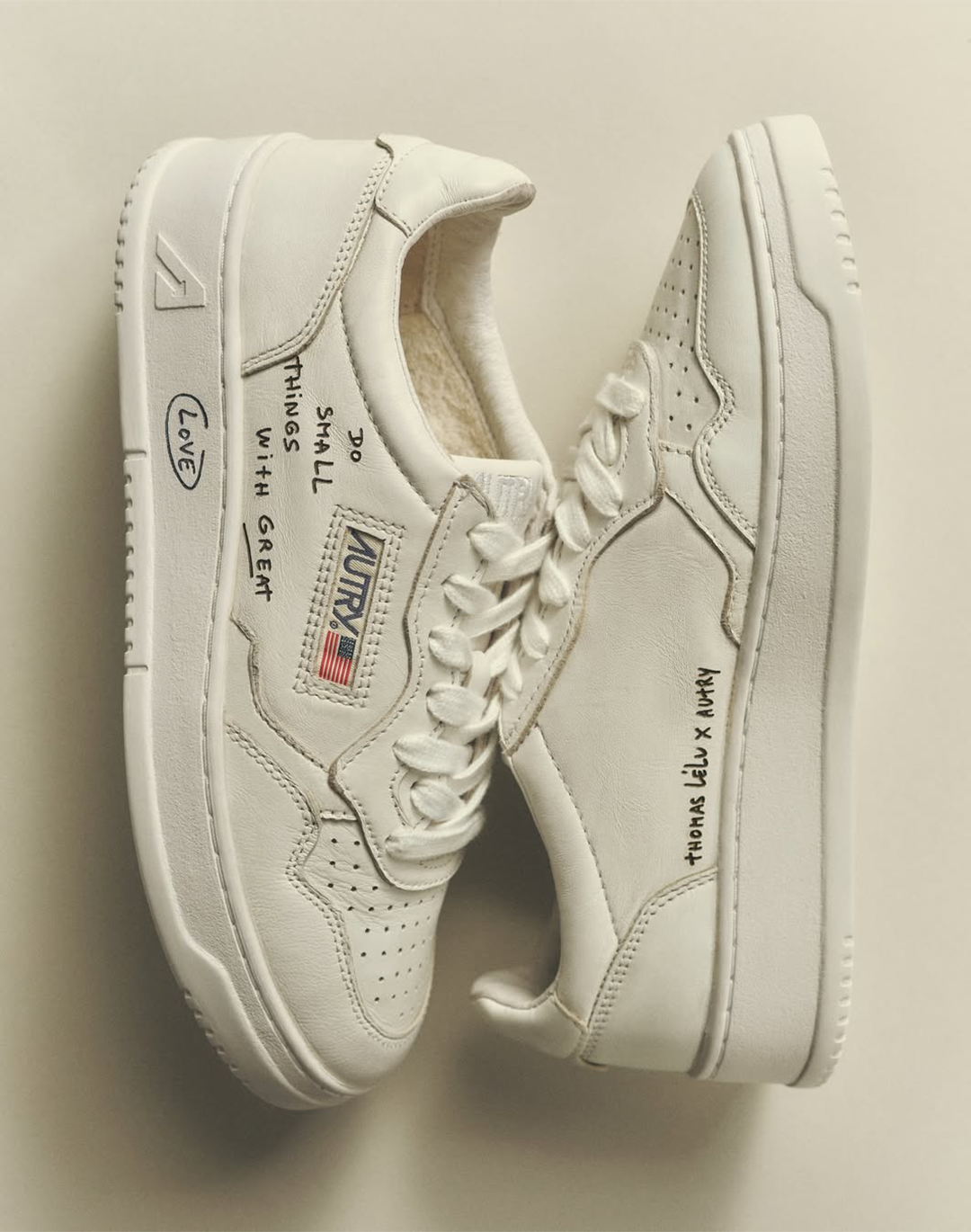
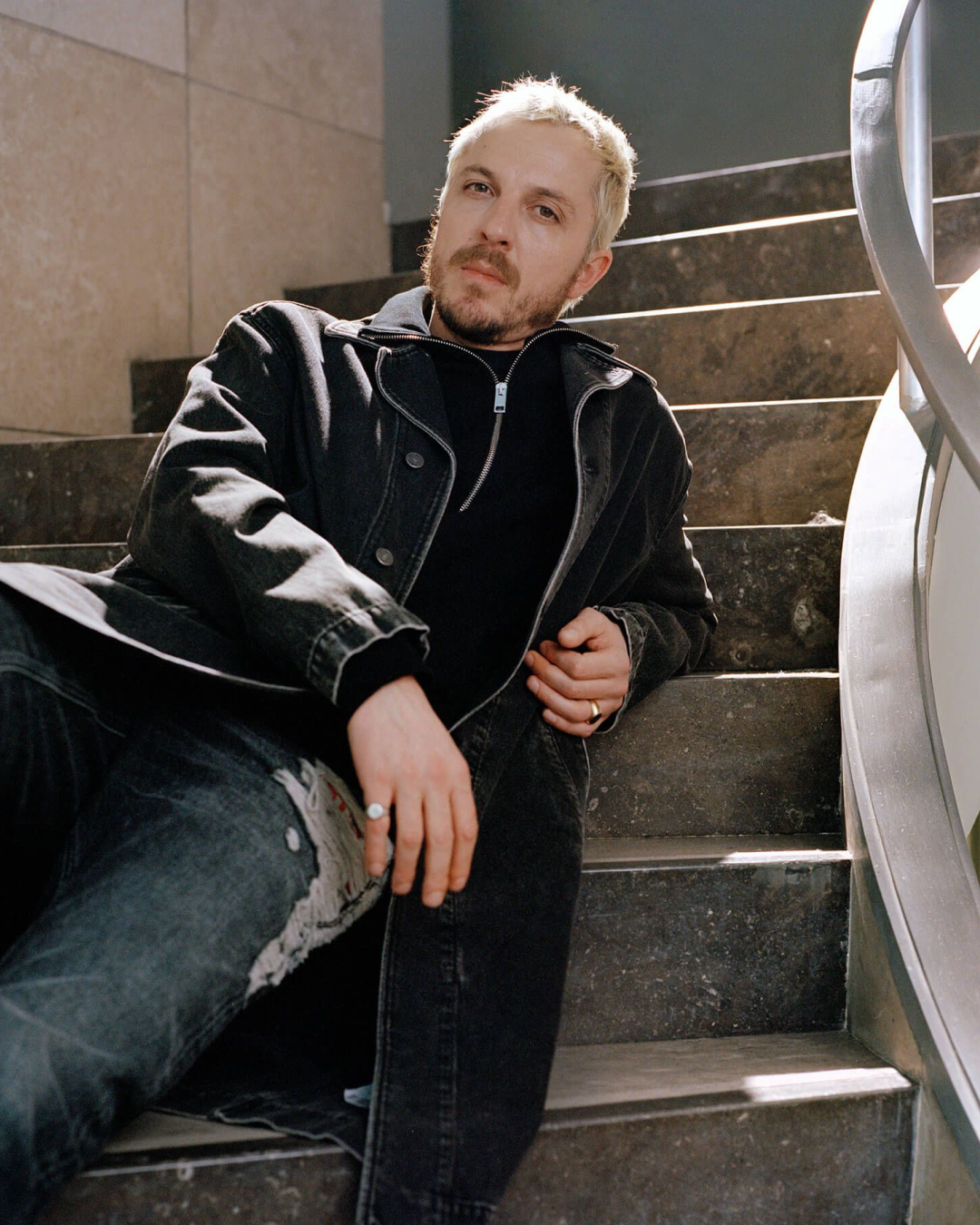
Now firmly rooted in the fashion landscape - notably thanks to its annual gala - the Louvre Museum is taking a new step forward by launching its very first capsule collection. For the occasion, the Parisian institution gave cart blanche to Thomas Lélu, an artist and creative renowned for his minimalist aphorisms scribbled in blue Bic ballpoint pen.
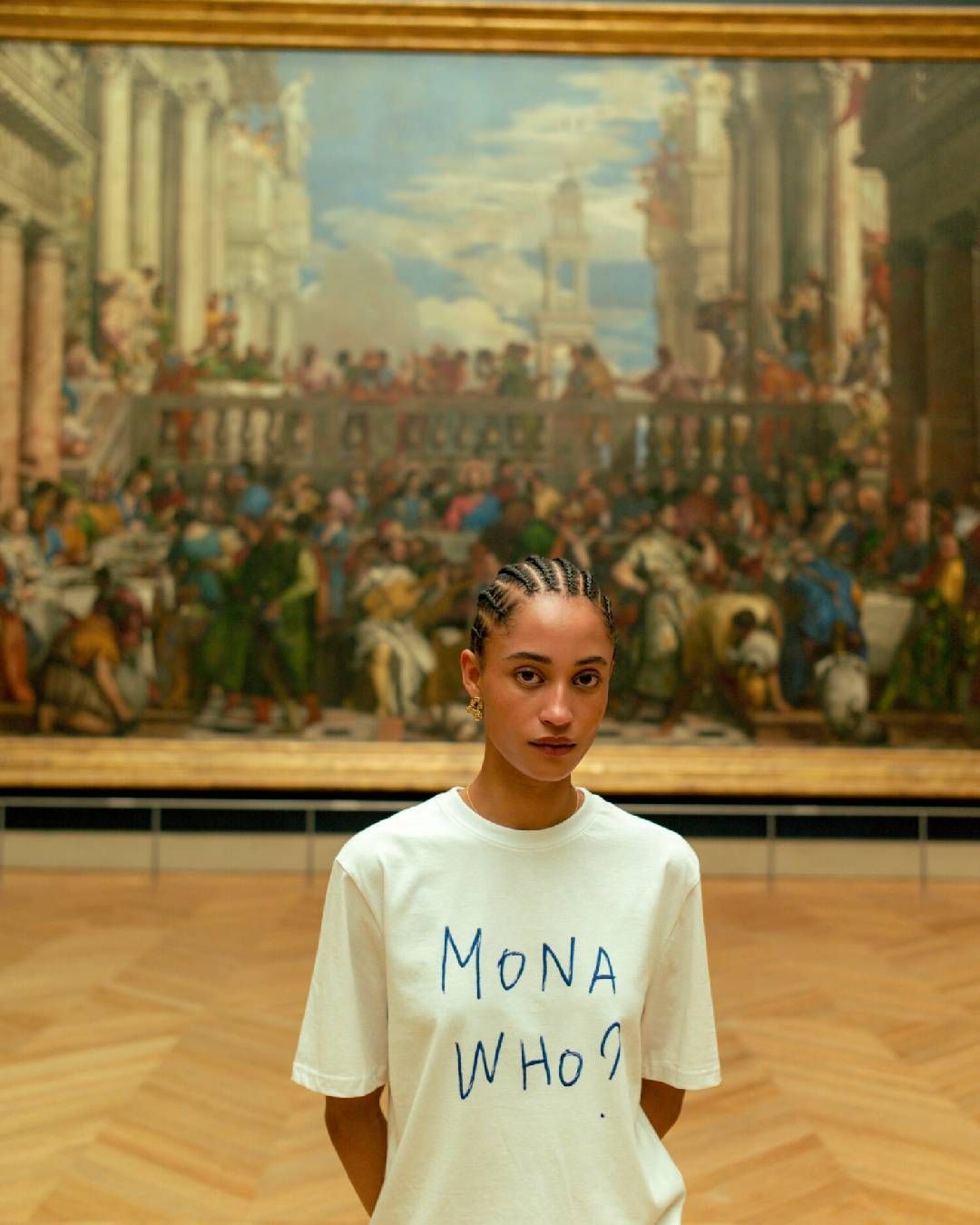
The collection revolves around wardrobe essentials, featuring t-shirts, tote bags, and caps. On these pieces, the artist twists the codes of art history with a touch of irony and pop culture. It showcases punchy slogans like "Art history, not another story" or the irreverent "Mona Who?"—a direct nod to Leonardo da Vinci's masterpiece, the Mona Lisa, which is now isolated in her own room to manage crowd control. Starting September 4th, these items won't just stock the museum gift shop: they will hit the streets, transforming visitors into stylish ambassadors of Parisian heritage.
By stepping into the fashion merch arena, the Louvre is tapping right into the zeitgeist. Much like trendy cafés, hot spots, or independent brands in major cities, cultural institutions are now looking to export themselves and shine beyond their own walls. Wearing these pieces becomes a true statement of intent. The public gets to showcase both their love for culture and their sense of self-deprecation. This savvy marketing move allows the Louvre to craft a more accessible, dynamic image that connects directly with current trends.
A charm offensive against a backdrop of financial trouble
Yet, this campaign - shot in the very heart of the museum's galleries and picked up by outlets like Culturel Paris - has also sparked harsher reactions. Under the posts, tongue-in-cheek comments from web users are piling up, asking, for instance, if the museum needs extra cash to fund its security.
This sharp jab directly echoes the institution's recent headlines. Shaken by a high-profile heist last October, the museum was subsequently called out in November by a scathing report from the Cour des comptes (France's public audit office). The report denounced a glaring imbalance in financial management, stating that the Louvre prioritizes high-visibility, attractive operations at the expense of maintenance and security infrastructure. To back up its claim, the audit highlighted a staggering figure: over 2,700 paintings purchased in six years, the vast majority of which remain tucked away in storage.
By choosing fashion to diversify its revenue streams and engage a younger audience, the Louvre has undoubtedly pulled off a strong communication play. However, the move inevitably reignites the debate over whether this is a brilliant marketing strategy or a smoke screen to cover up very real structural shortcomings.