
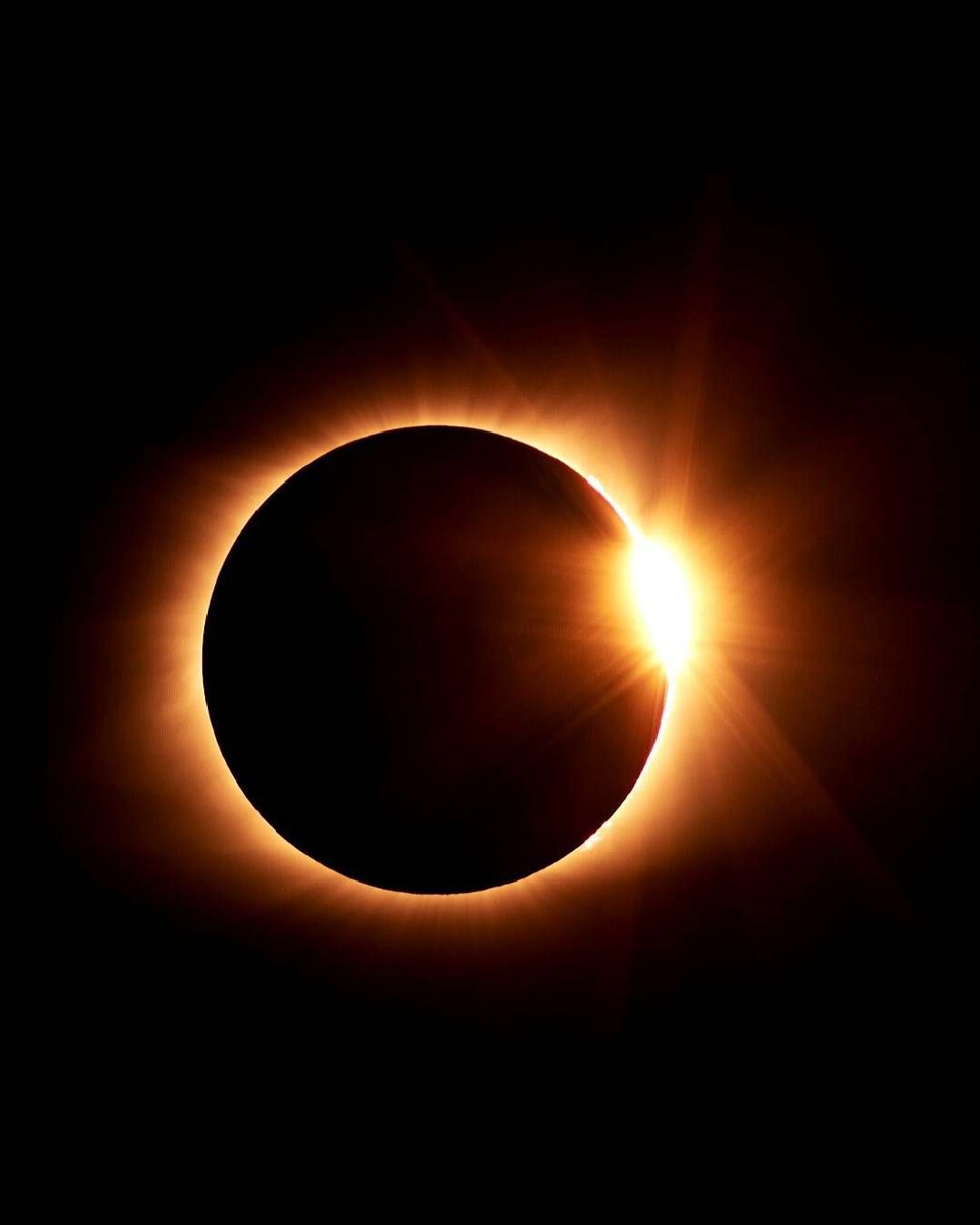
5 spots to watch the eclipse in Paris this wednesday Don't miss a moment of the August 12 spectacle
This Wednesday, August 12, get ready to look up at the sky: France is preparing for its first major solar eclipse since the legendary total eclipse of 1999. Although the phenomenon will only be partial in the capital, it remains truly spectacular: at its peak, over 92% of the sun's disk will be obscured, bathing the city in a fascinating orange glow.
The evening's schedule is set down to the minute. The first effects will be visible around 7:20 PM as the Moon begins to bite into the Sun. The climax will occur at precisely 8:20 PM (with maximum obscuration reaching 92.2%), shortly before the event comes to an end around 9:10 PM. To top it all off, this date coincides with the annual peak of the Perseids: as soon as night falls, the celestial show continues overhead with a magical meteor shower.
To make the most of this double stargazing experience, stack the odds in your favor by facing due west and picking one of these exceptional locations.
Parks and gardens to take you higher
Parc des Buttes-Chaumont (19th arr.): Nestled on the heights of northeastern Paris, this romantic park offers a hilly terrain perfectly suited for observation. Its sprawling, sloping lawns make it easy to find a spot to lie down without trees blocking your view. Another major advantage: because the park stays open until midnight, you can enjoy a peaceful picnic, watch the transition from sunset to darkness, and smoothly shift into spotting shooting stars.
Parc André Citroën (15th arr.): This is the premier spot on the Left Bank. Located along the Seine and wide open to western Paris, it boasts an entirely unobstructed view of the horizon. The park will be even more strategic that evening, as staff from the French Astronomy Association (AFA) will be setting up their instruments. It's the ideal location if you want expert advice, a chance to view the phenomenon through safe professional filters, or answers to all your questions about celestial mechanics.
Parc de Belleville (20th arr.) and the Montmartre Hill (18th arr.): These are the two natural rooftops of the capital. While it takes a bit of cardio and a flight of stairs to reach the Belleville terrace or the Sacré-Cœur forecourt, the effort is well worth it. Once at the top, you'll overlook a sea of Parisian rooftops with an unbeatable panoramic view of the setting sun.
Bridges along the river
Passerelle Léopold-Sédar-Senghor and Pont-Neuf: For those who prefer the magic of the banks of the Seine, Parisian bridges offer a clear view free from building obstructions. The Senghor footbridge is particularly appealing thanks to its two-tiered architecture, allowing you to elevate your vantage point above the river. A bit further upstream, the Pont-Neuf and its famous corbeaux (small half-moon stone balconies) provide perfect stone seating to settle in comfortably over the water and watch the Sun fade.
Iconic monuments
@byy.lnaa6 y’a l’éclipse mais j’ai pas de clotaire moi mskn #pourtoi #eclipse #amourouf #viral Tek It - Cafuné
The Philharmonie de Paris Panoramic Rooftop (19th arr.): Perched atop the building designed by Jean Nouvel at Porte de la Villette, this publicly accessible rooftop terrace provides a 360-degree panorama of Greater Paris. Taking in the view from such a futuristic architectural setting adds a truly unique dimension to watching a cosmological phenomenon.
Arc de Triomphe (8th arr.): Standing at the top of the Champs-Élysées, the terrace of the Arc de Triomphe is perfectly aligned with the historical axis of western Paris, looking straight toward Avenue de la Grande Armée and La Défense. It is the dream location to capture the eclipse on camera.
As fascinating as the show may be, observing a solar eclipse carries real risks for your eyesight. You must never look directly at the Sun with the naked eye - even when it is more than 90% obscured - nor through standard sunglasses, X-rays, or smoked glass, which offer no protection against infrared and ultraviolet rays. To enjoy the event with complete peace of mind, make sure to wear CE-certified eclipse glasses (ISO 12312-2 standard). If you don't have any, opt for indirect viewing methods or head to spots hosted by astronomy enthusiasts and professionals, who will have safe, adapted equipment for you to admire the phenomenon without danger.