
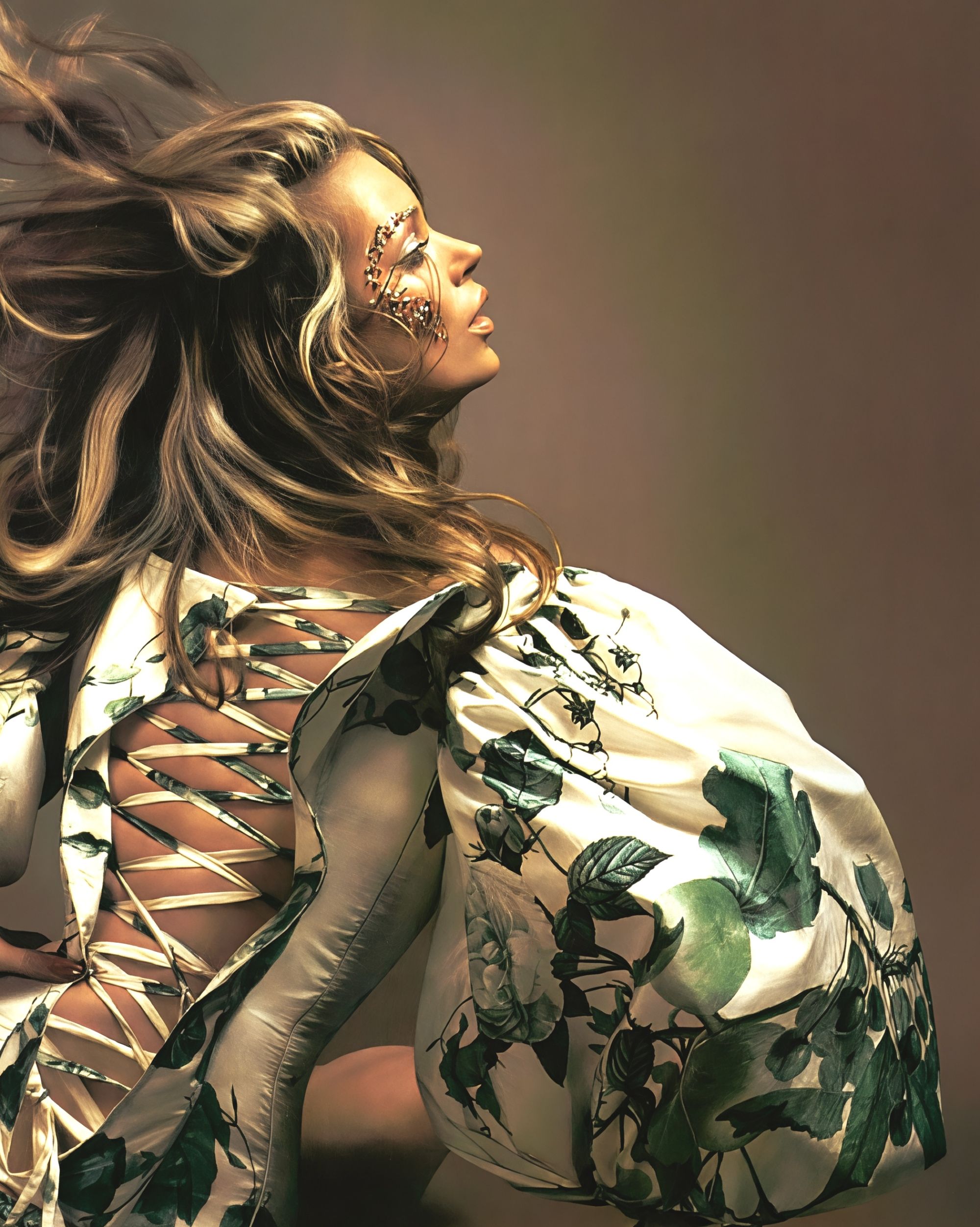
The archive cult of Roberto Cavalli Much more than a «Party King»
Reducing Roberto Cavalli to the stereotype of the diva or playboy who throws exclusive parties and spends his holidays in Monte Carlo on his yacht means having understood only half the life of the Florentine designer. The press has often trained its spotlight on his private life — sentimental gossip and trashy tabloid excess, from the exotic parrots that accompanied him on the boat to the island as a gift for one of his girlfriends. And yet, Cavalli was never just the "King of parties": he was a master craftsman whose insights gave rise to new techniques and design methodologies that helped establish Made in Italy on the world stage.
Beyond his obsession with animal prints, which remains a core element of the brand, the designer's work was always defined by a meticulous attention to detail and a refined experimentation with materials and textures. Over time, this vision gave rise to a style immersed in a kind of atlas of images, fabrics and precious objects from every corner of the world. Today, on his birthday, we pay tribute to Cavalli and his creativity.
A designer-painter
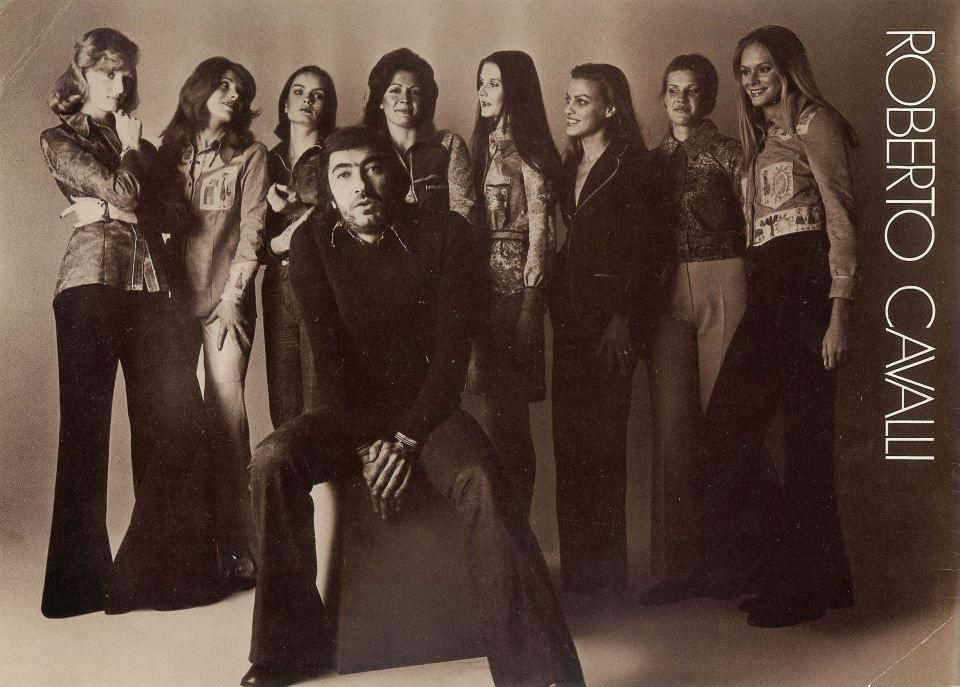
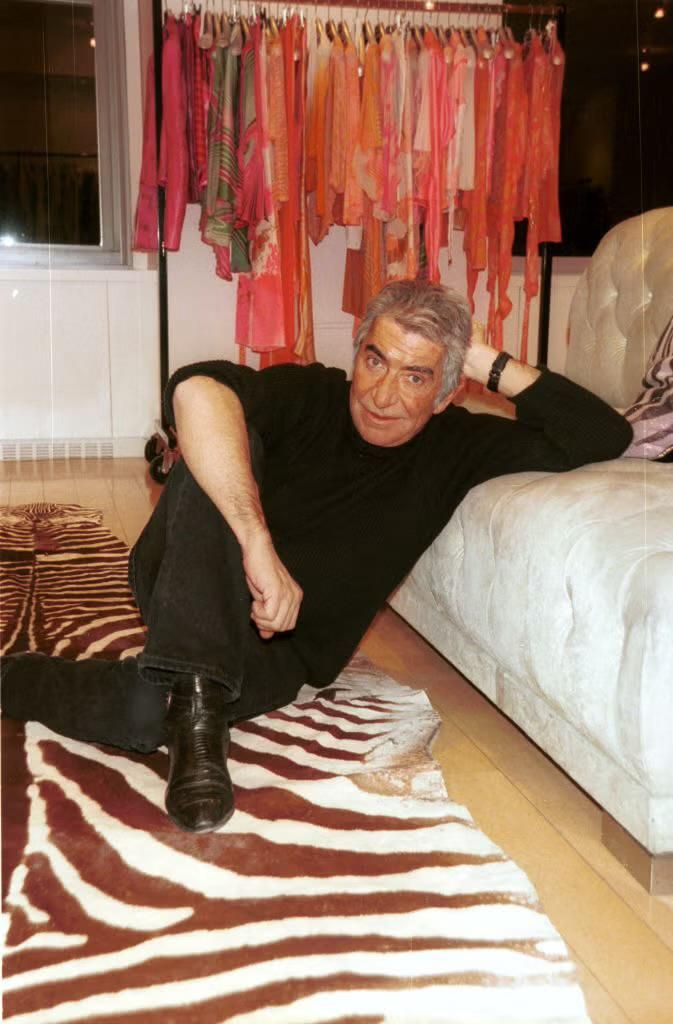
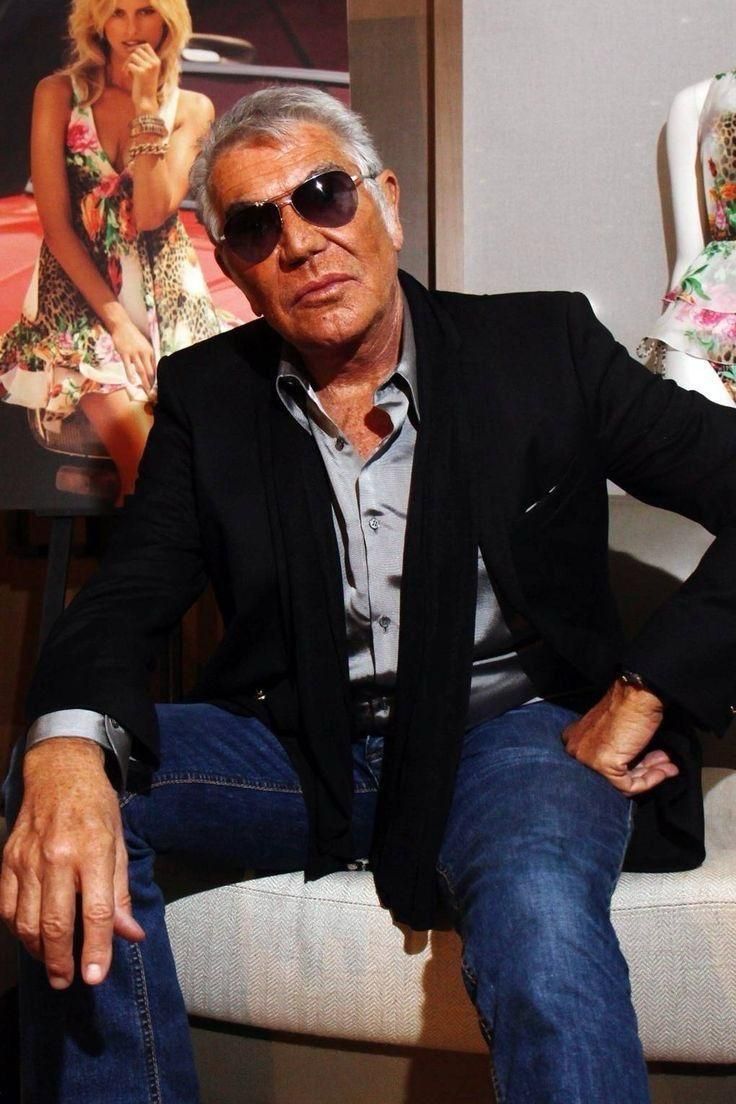
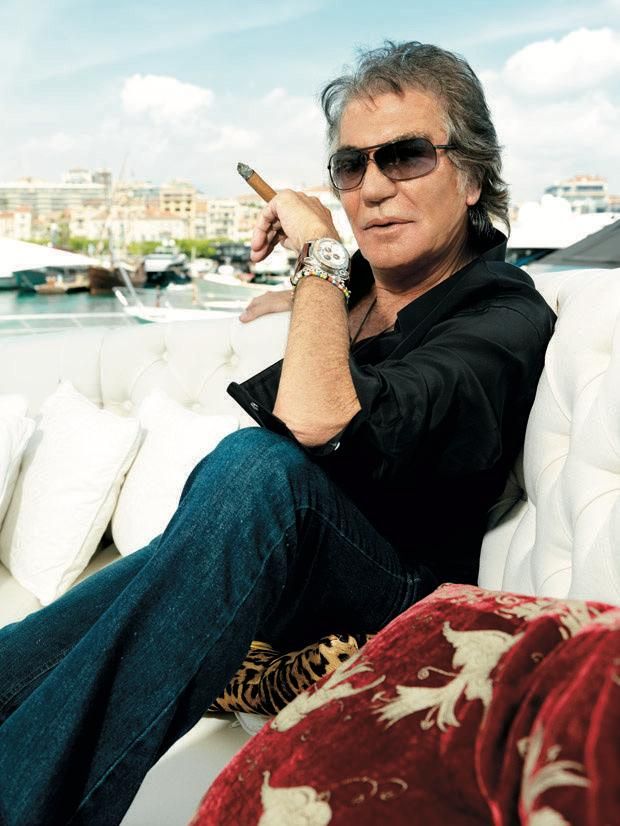
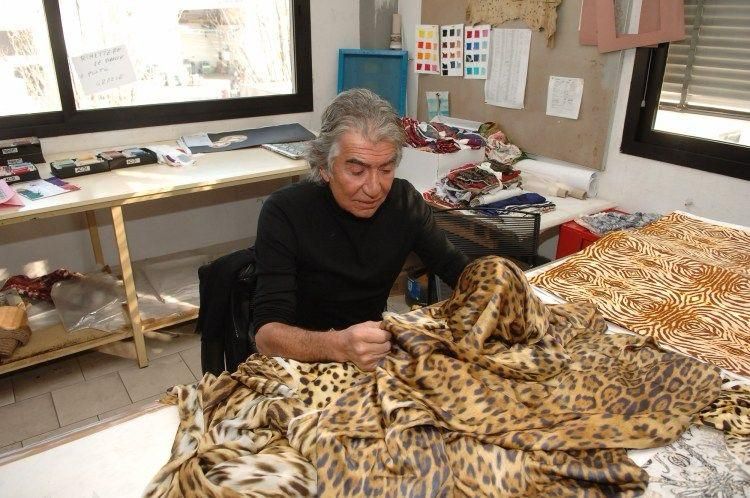
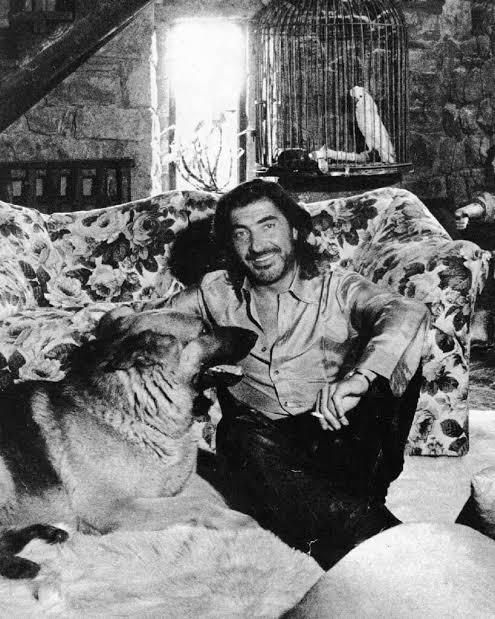
Roberto Cavalli always brought a deeply artistic approach to fashion. Before entering the industry, he studied at the Accademia di Belle Arti in Florence, where he specialised in the textile applications of painting. Unlike many of his contemporaries — such as Giorgio Armani or Gianni Versace — Cavalli was drawn to the surface of materials: he treated fabrics and leathers as true canvases on which to paint and print a different story each time.
In 1970 he founded his brand, made his debut in Paris, and shortly afterwards presented his first collection in the historic Sala Bianca at Palazzo Pitti in Florence, establishing himself on the Italian fashion scene with a revolutionary patent for leather printing. The technique involved an advanced screen-printing process applied to ultra-thin leathers such as nappa and suede. Through the use of silk screens, specific chemical fixatives and successive steam treatments, pigments were made to penetrate the leather without stiffening it. This made it possible to print complex patterns while keeping the leather soft and lightweight, often assembled using the patchwork technique.
From his very first creations, his passion for nature and savanna animals was evident: the designer began faithfully reproducing on his printed leathers the coats of tigers, zebras and jaguars, alongside the shapes and vivid colours of butterflies. Initially, the designer's creations were not well received. On his official blog, Cavalli described his Parisian debut, writing: "The few visitors who pass by my stand seem very curious, but the novelty is too much of a novelty — it takes time to digest! There is always a search for the new, but no one ever wants to be the first!"
The maison's codes and symbols
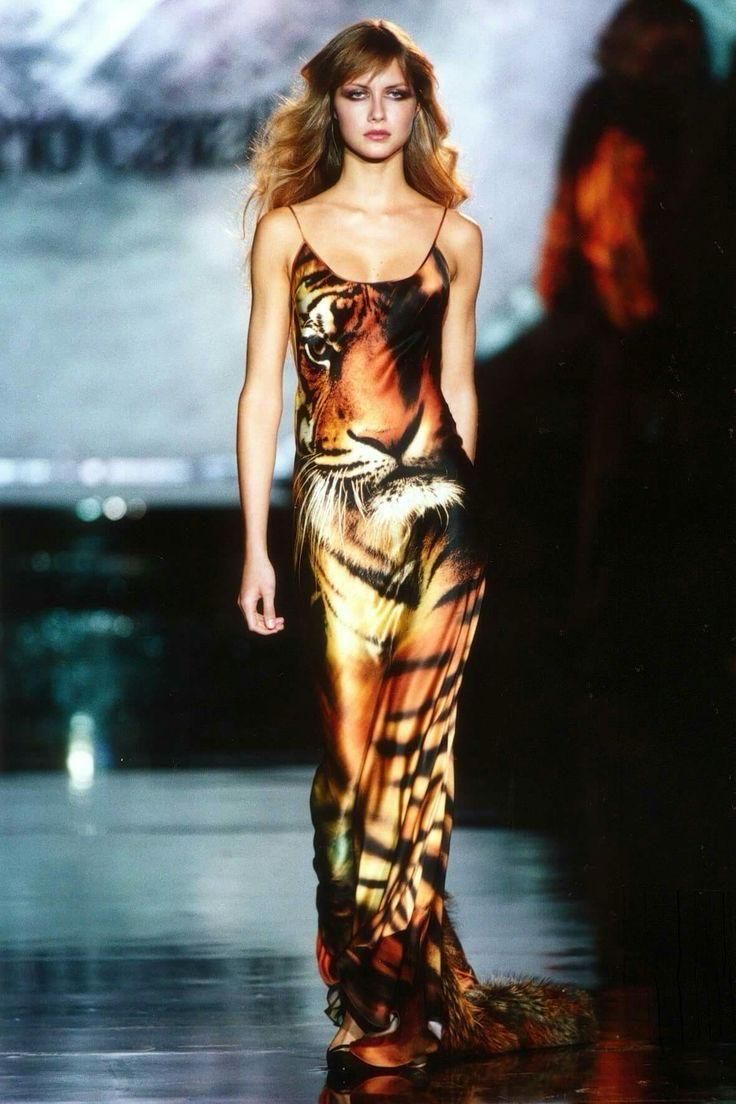
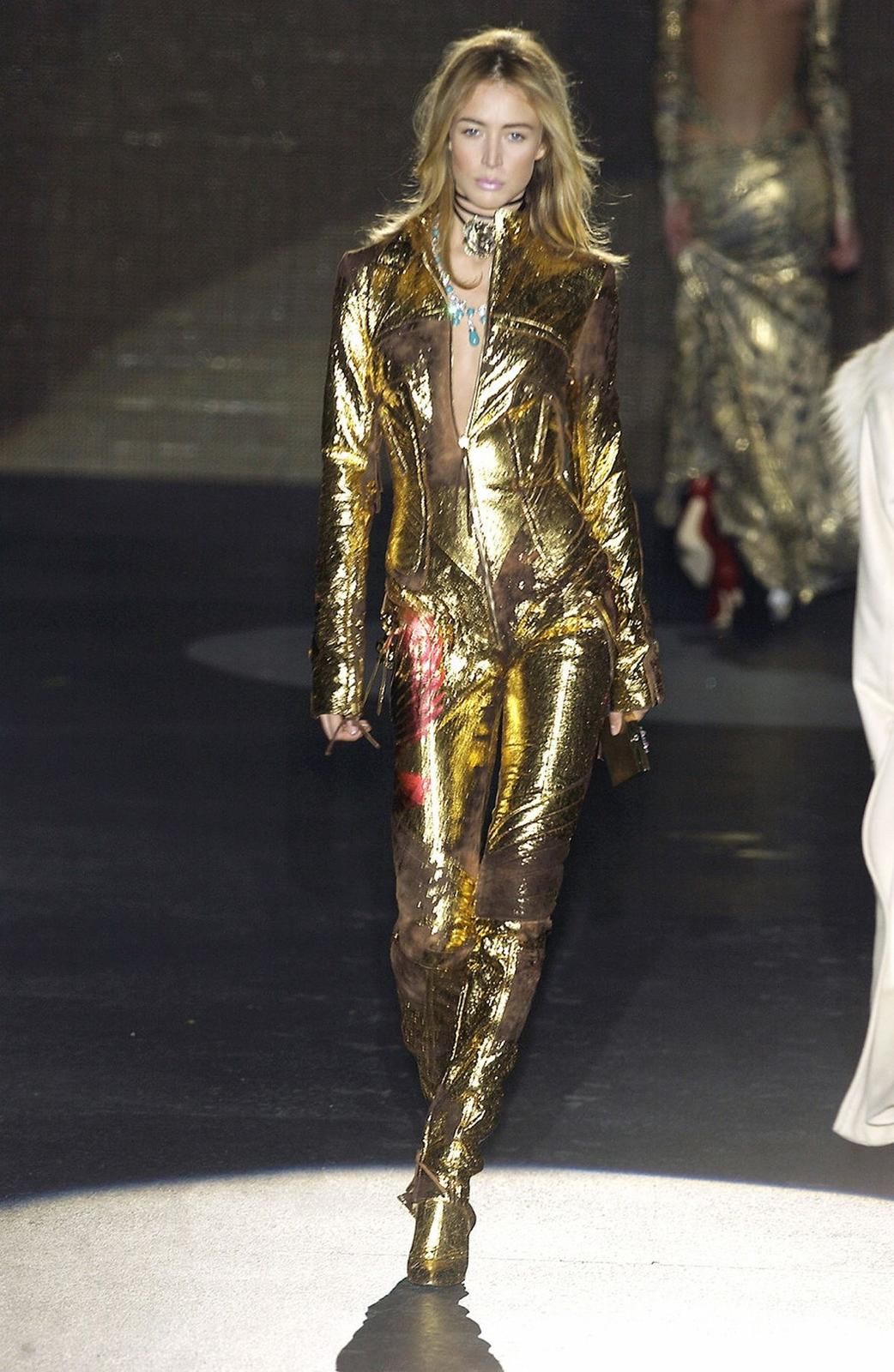
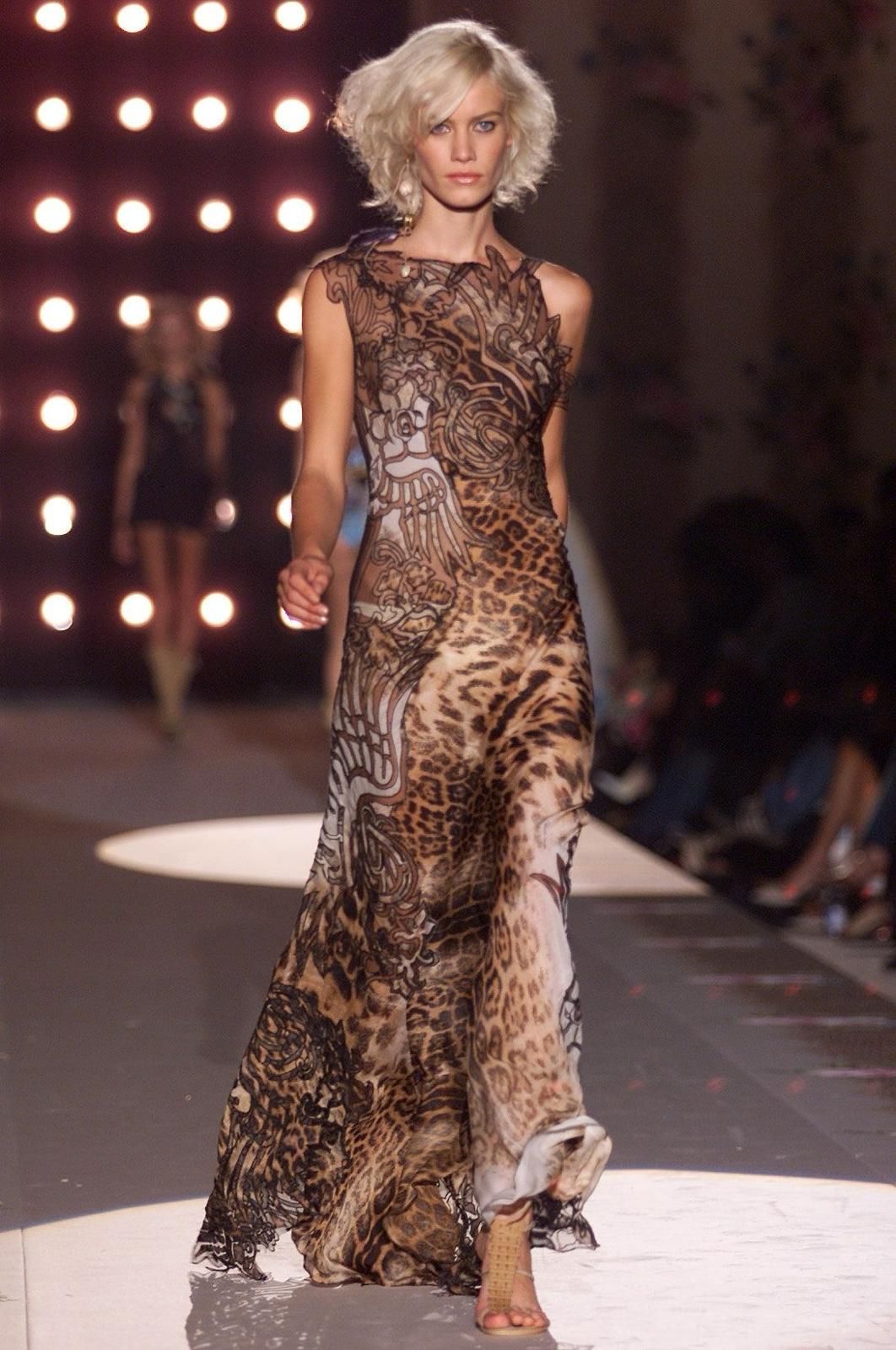
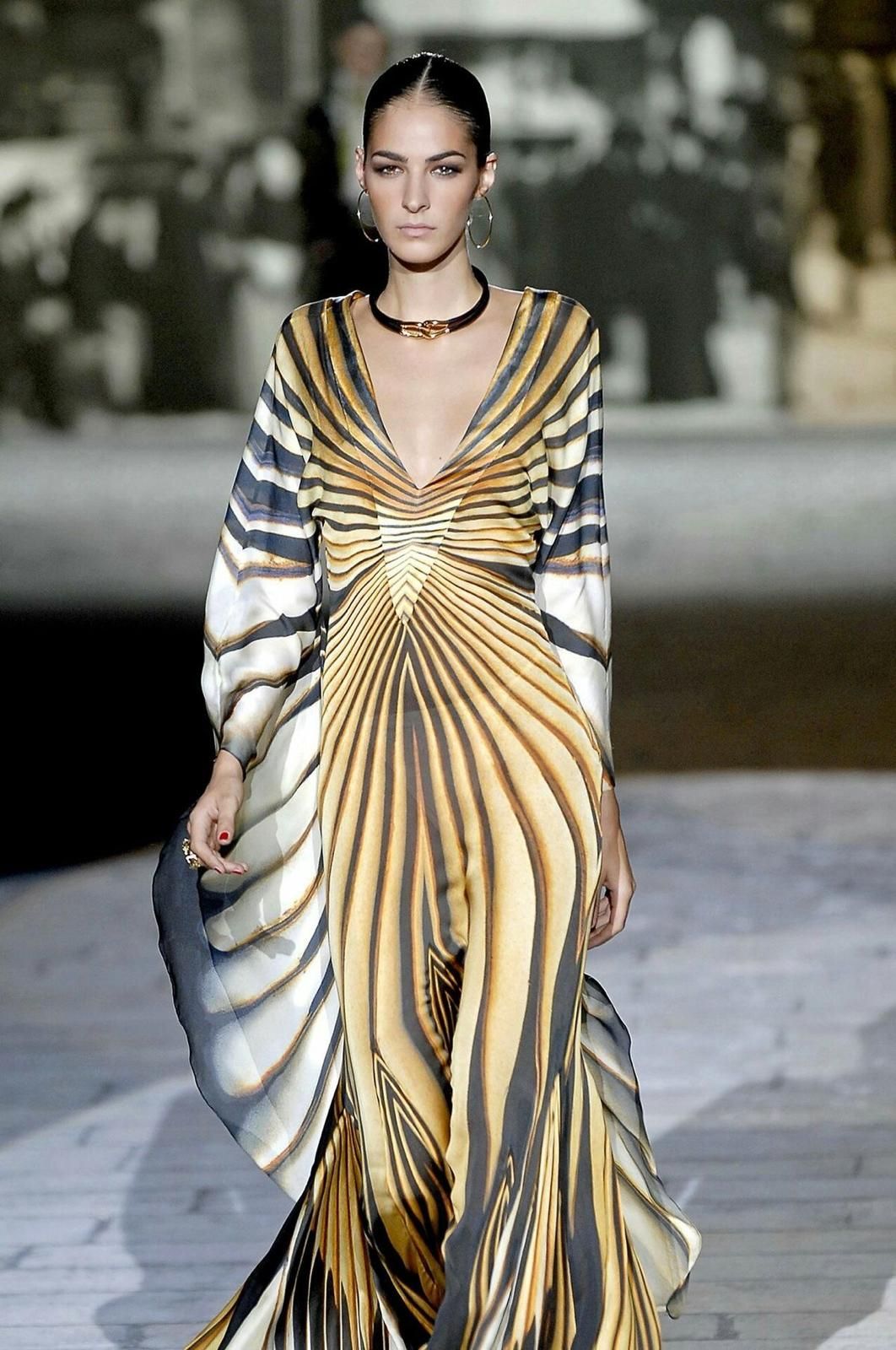
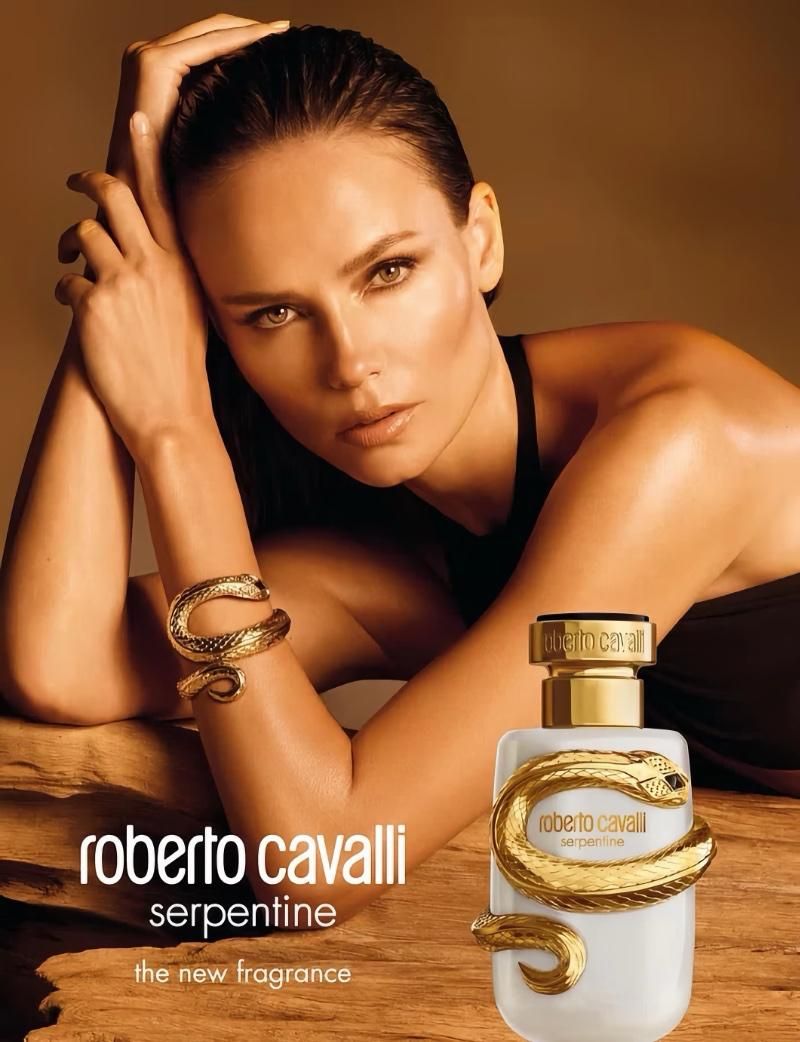
Cavalli's bond with nature is not expressed solely through the abundant use of animal print, but also through other patterns and symbols that have become part of the maison's DNA over time. In the early 2000s, captivated by the reflection of a ray of sunlight caught on the golden surface of his lighter, Cavalli invented the Ray of Gold print. The graphic motif was later reworked drawing inspiration from Art Déco aesthetics and from a historic caftan originally designed for Marta Marzotto. These beams of sunlight radiating across the entire silhouette continue to appear in the most recent collections by Fausto Puglisi and to adorn the pieces in the home line.
Alongside these plays of light, the serpent stands as the brand's totemic symbol. The sinuous, hypnotic form of the snake immediately captivated Cavalli, who came to regard it as a kind of guiding spirit. Over the years, the reptile has taken shape in the metal handles of bags, in the details of furniture pieces, and in the monogram mirror snake, in which two serpents intertwine with the maison's own logo.
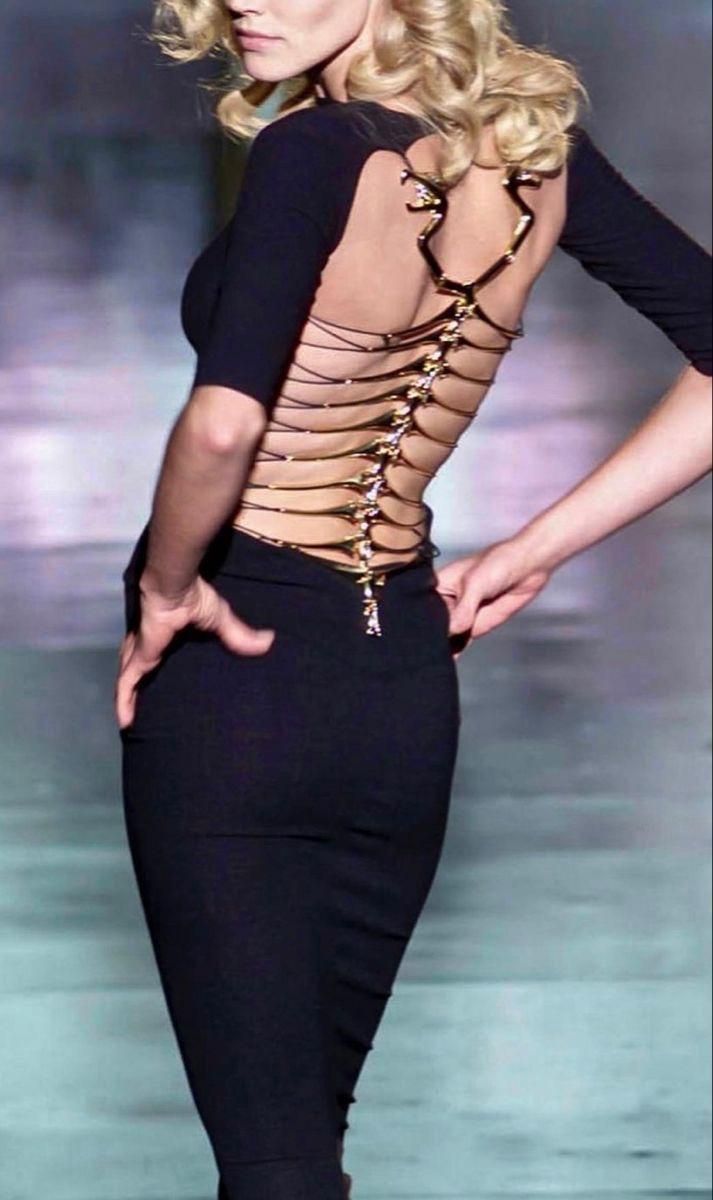
On the runway, the serpent appears in jewel-like details: the most celebrated example remains the iconic black dress from the FW00 collection, its bare back traversed by a majestic golden metal spine culminating in two serpent heads at the shoulder blades. The archival gown was brought back into the spotlight by Zendaya, who wore it in 2021 at the Ballon d'Or ceremony.
Viral edits and denim collections
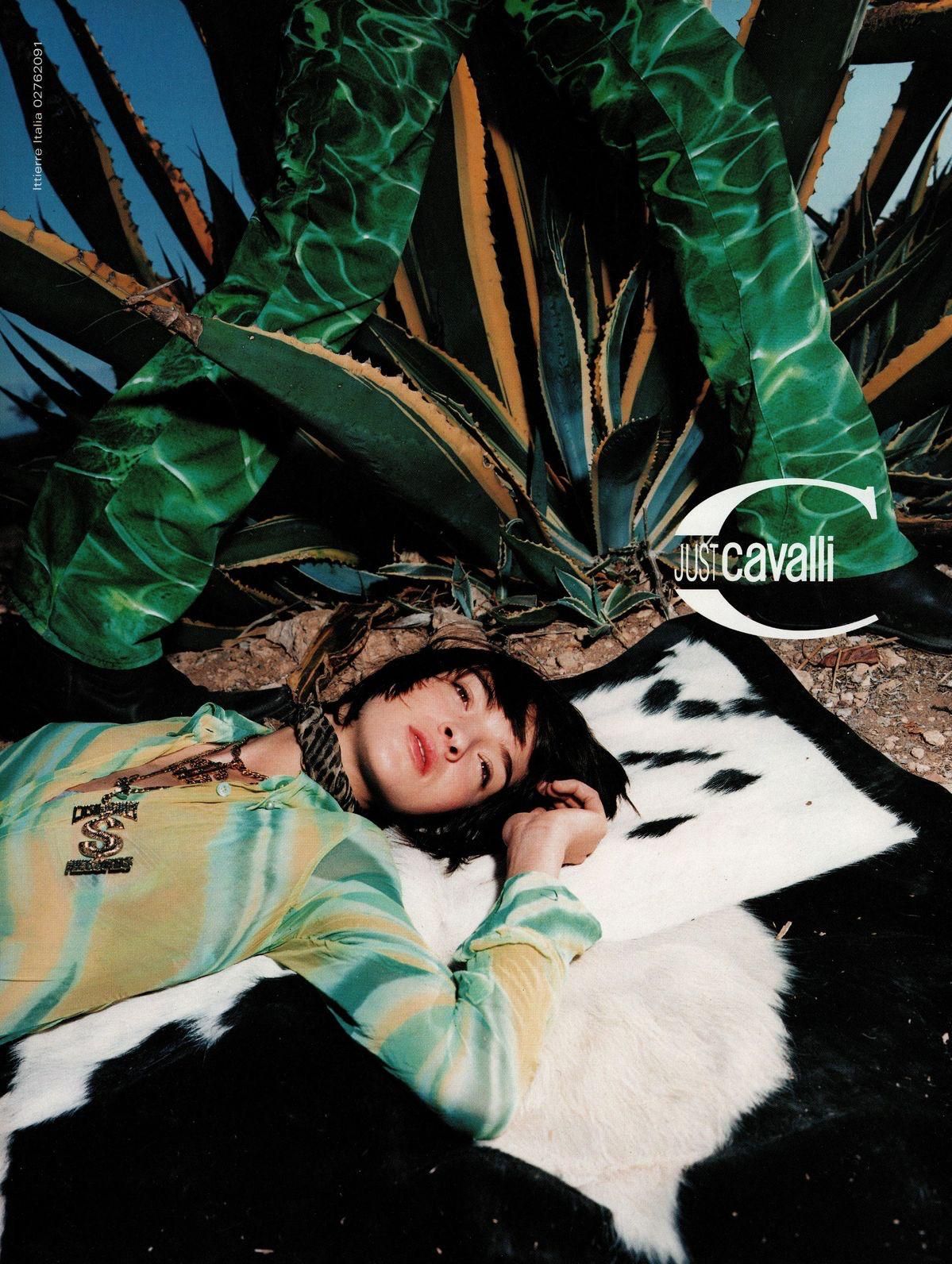
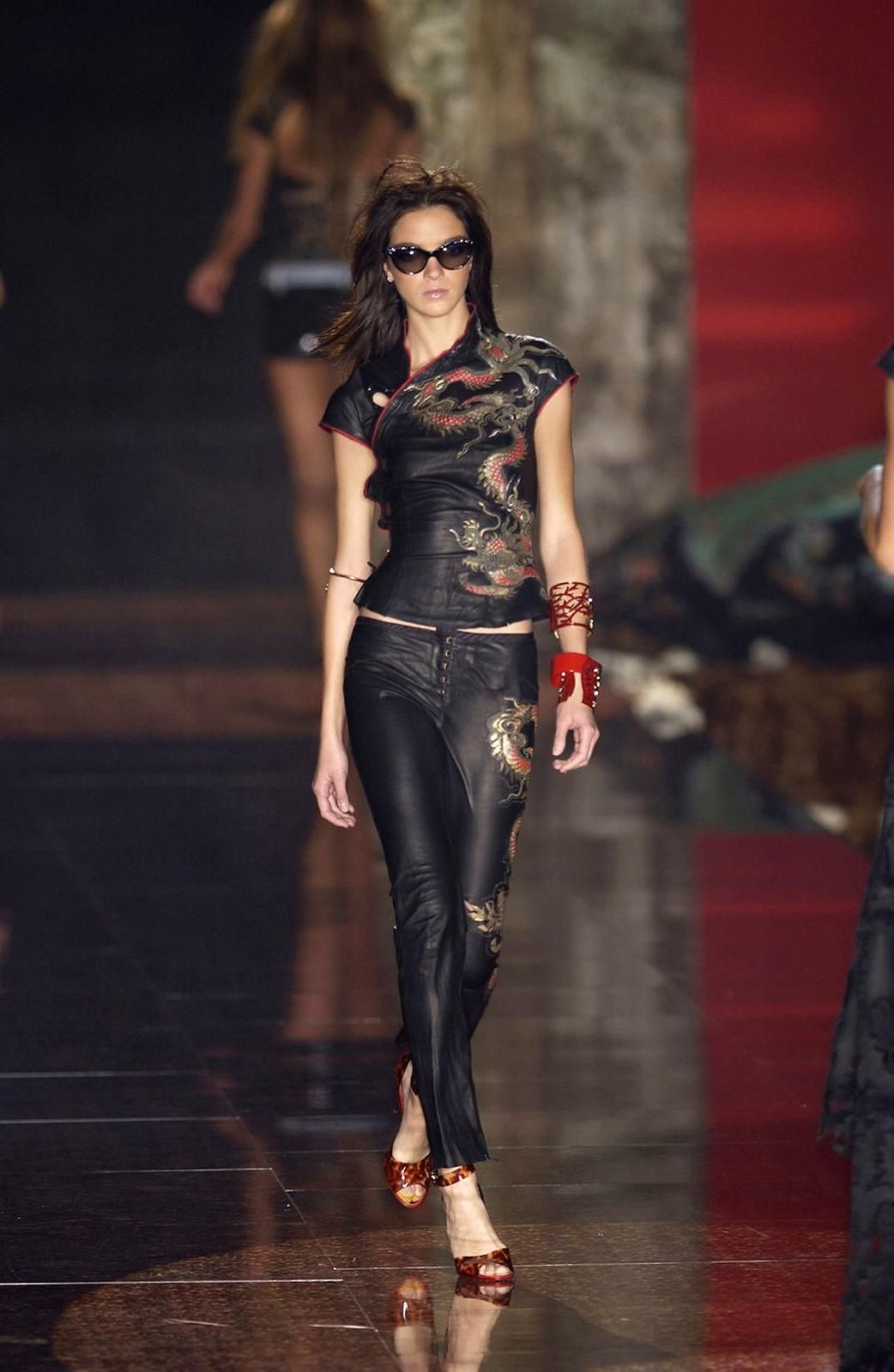
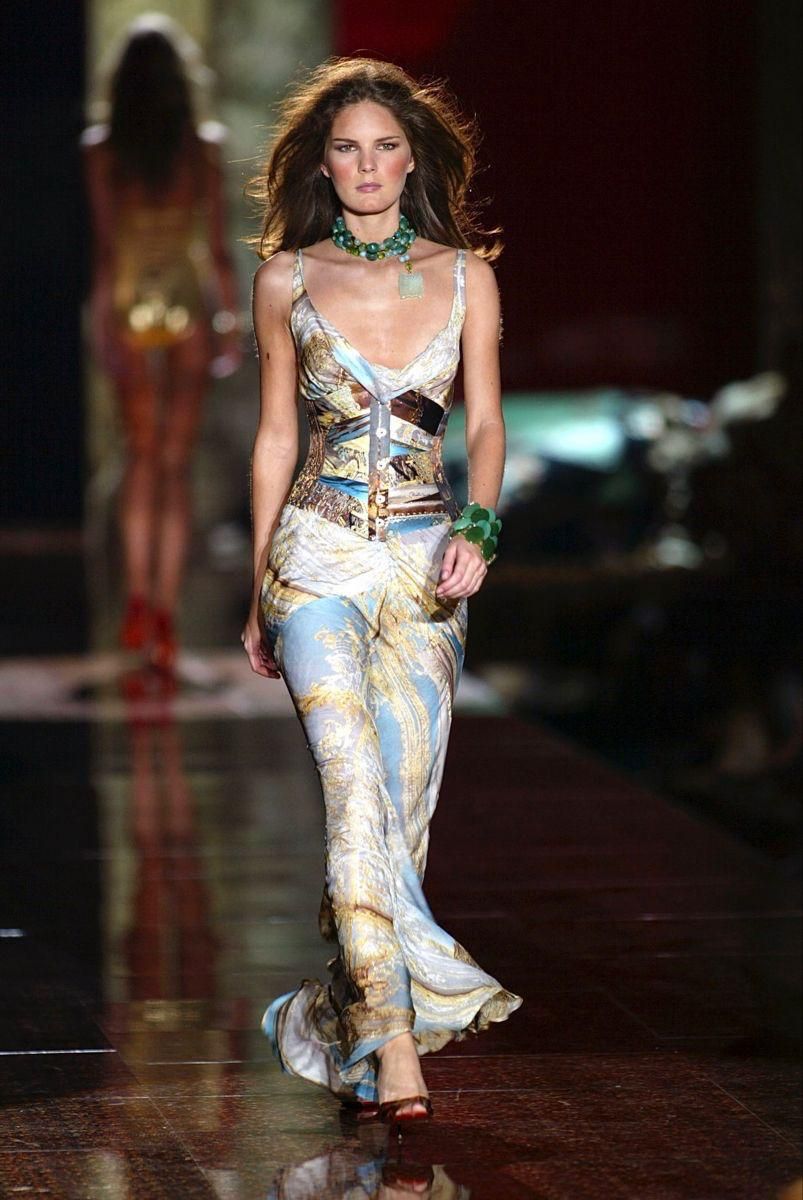
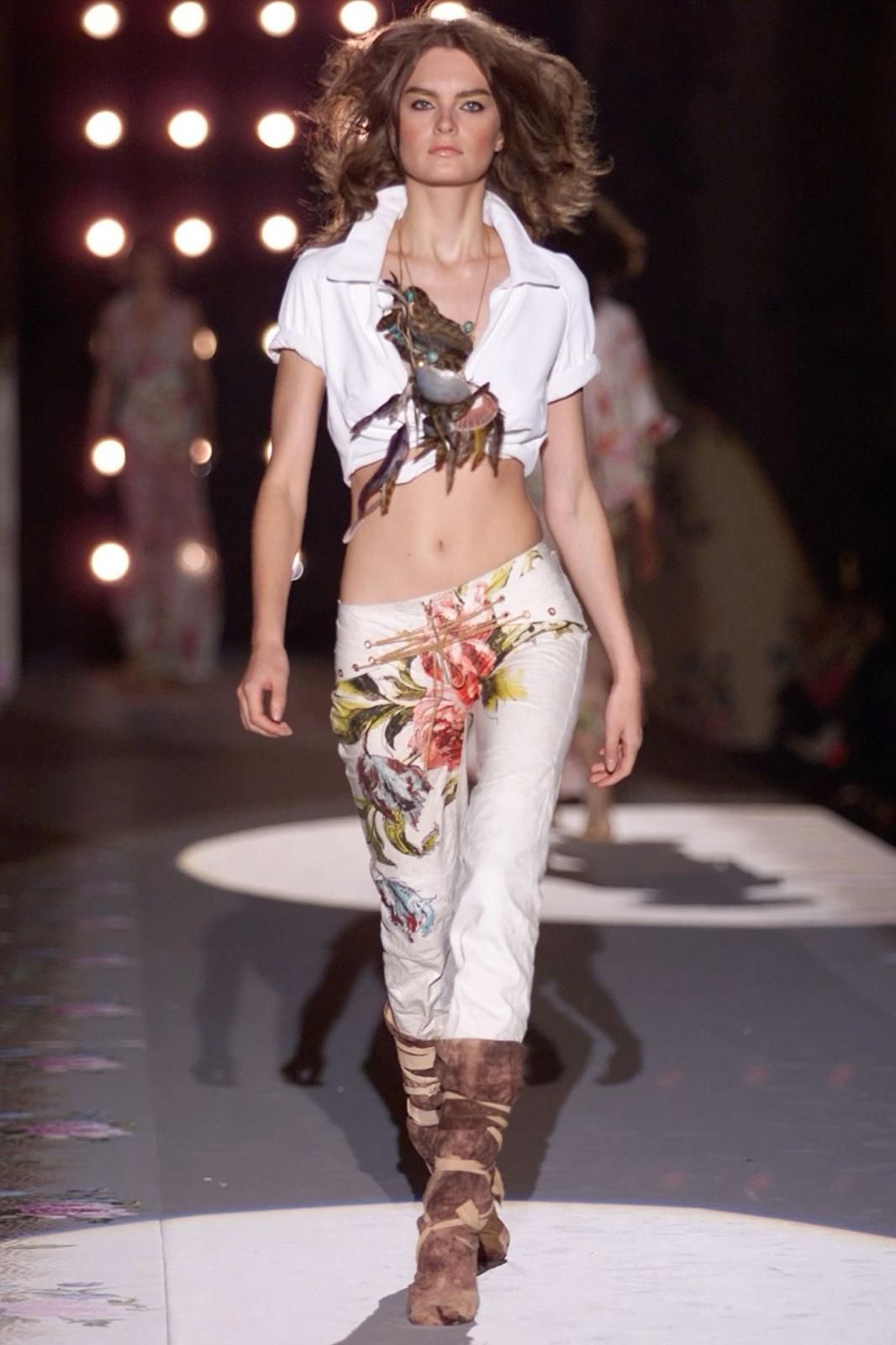
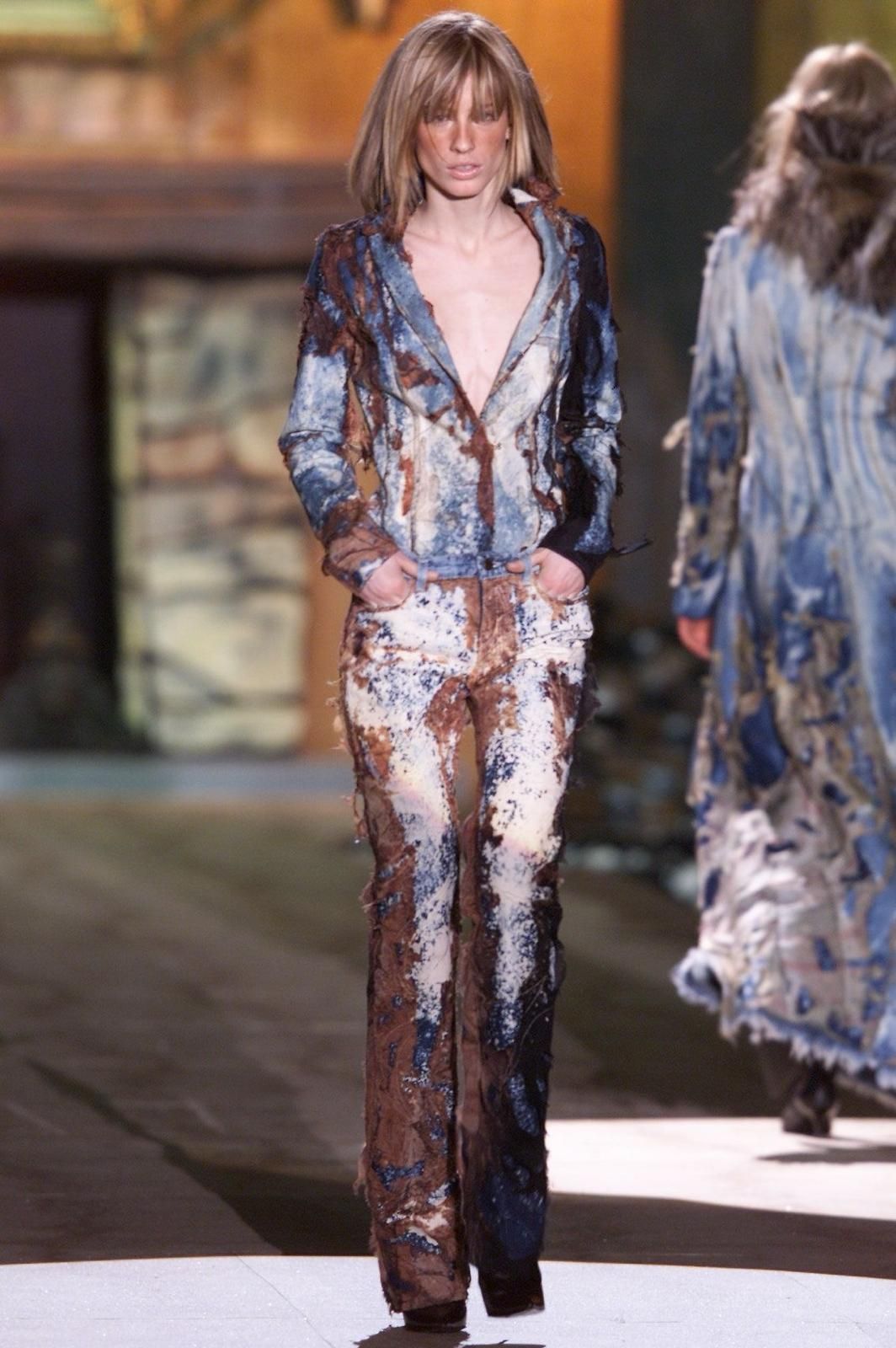
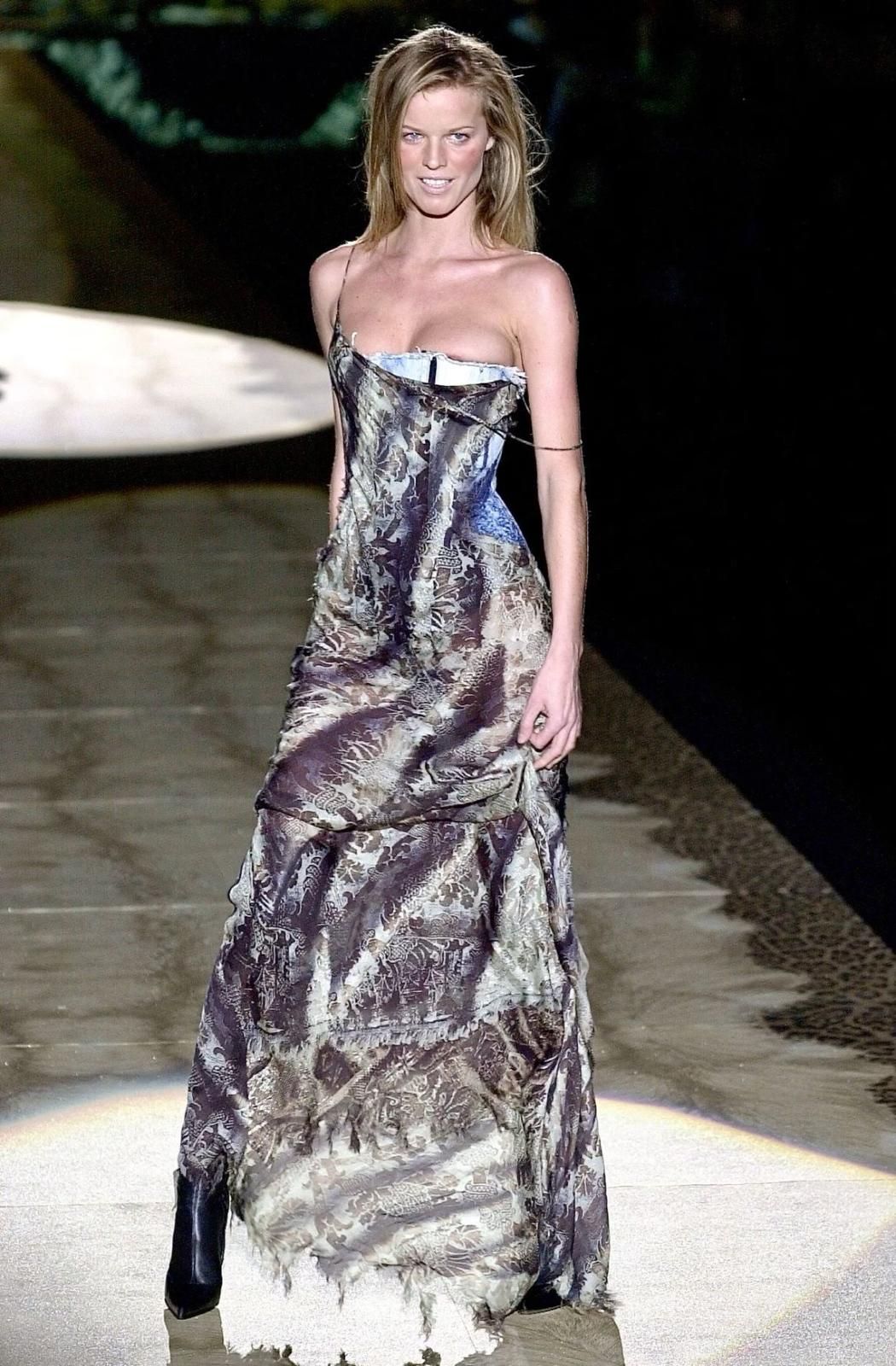
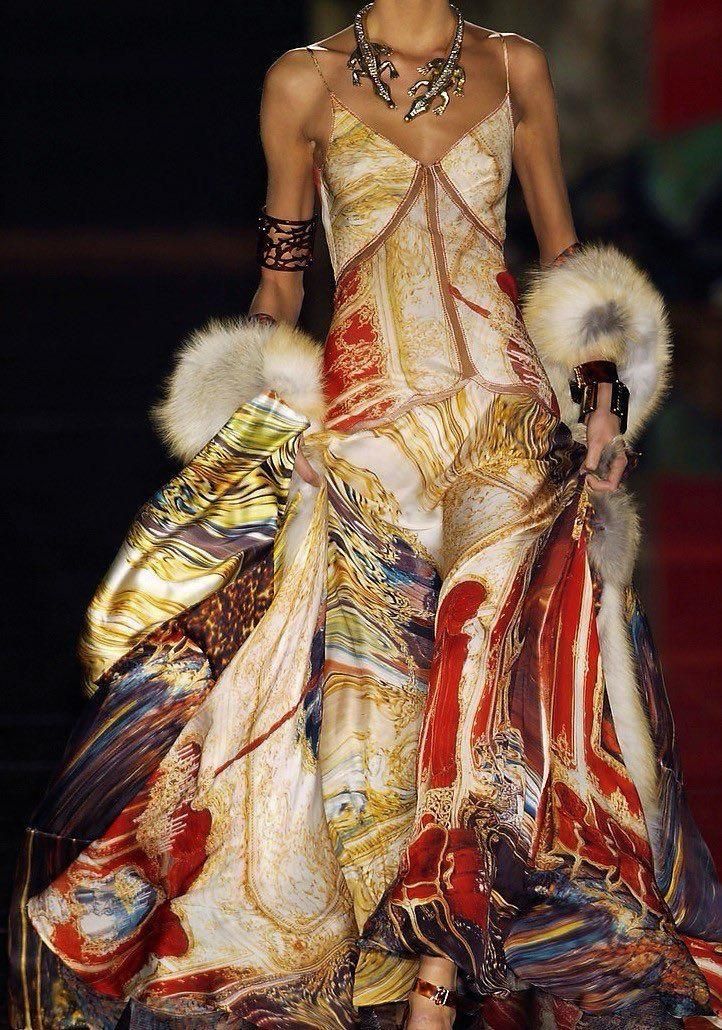
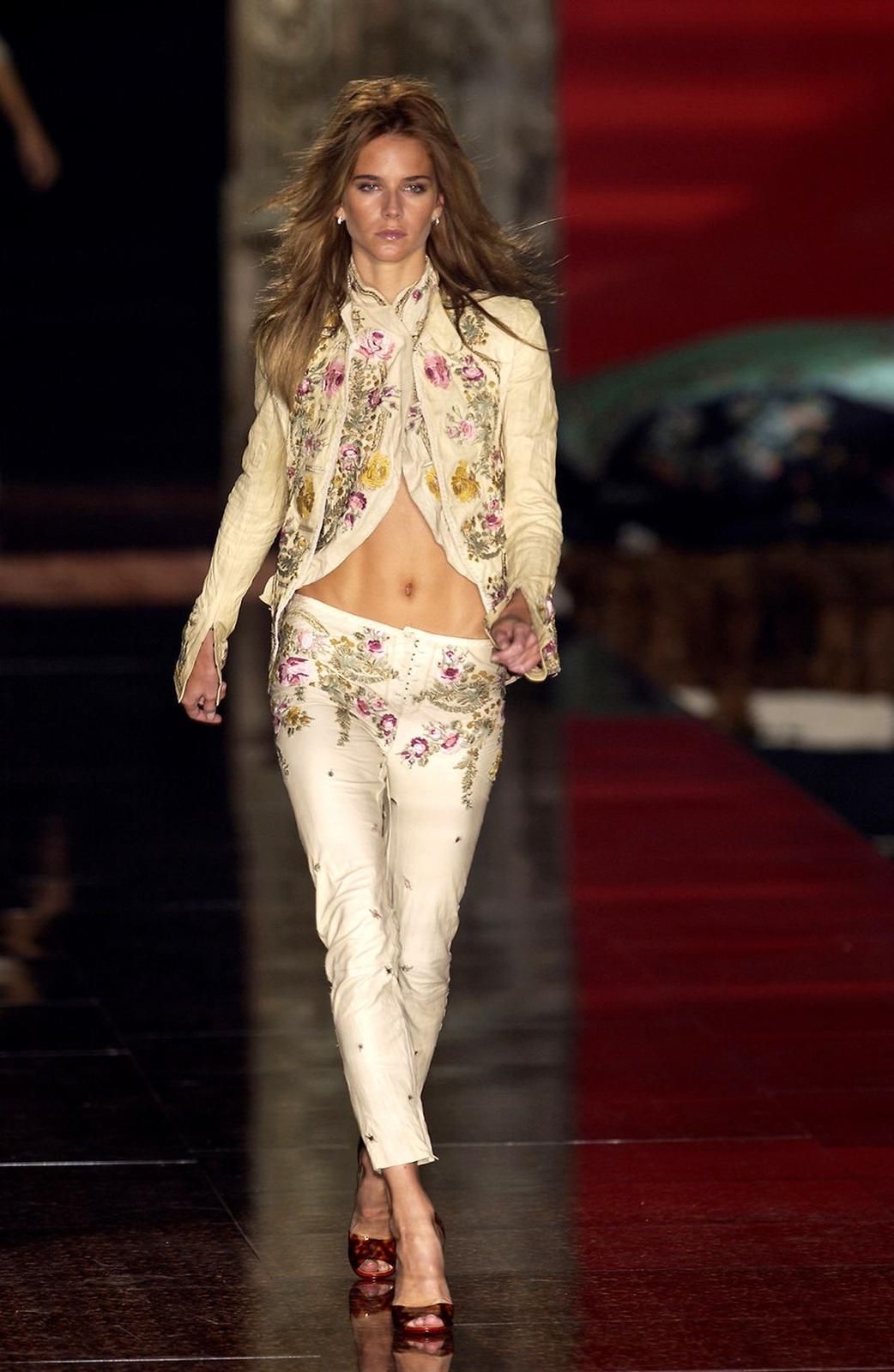
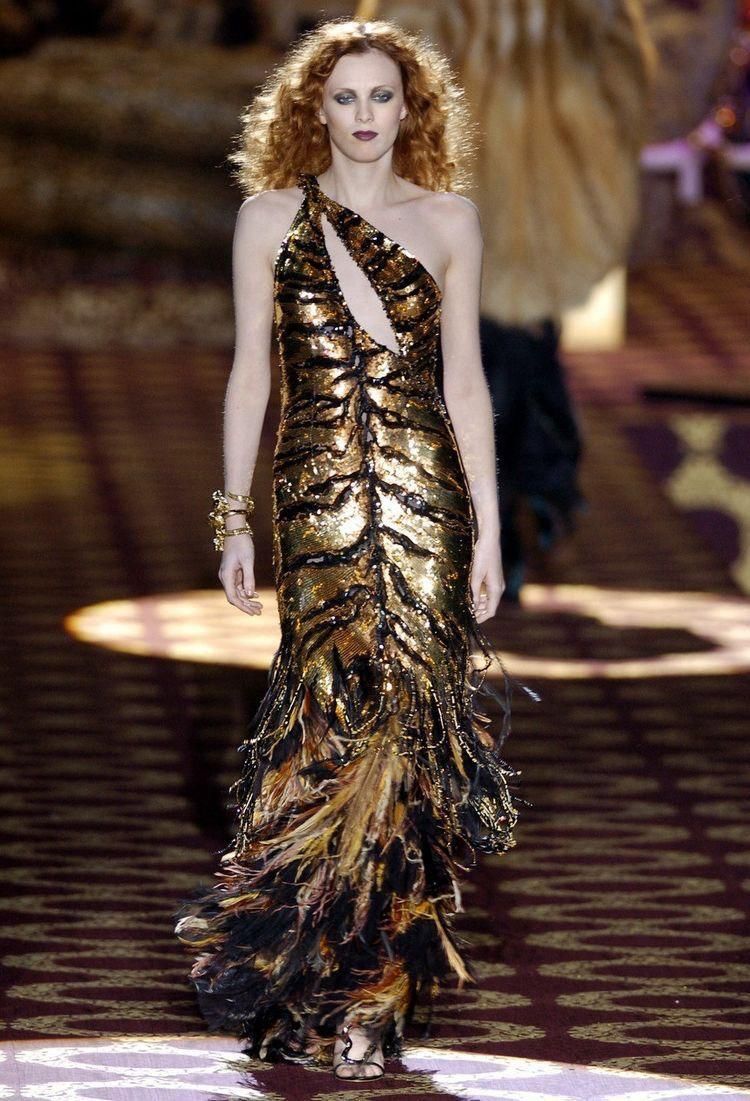
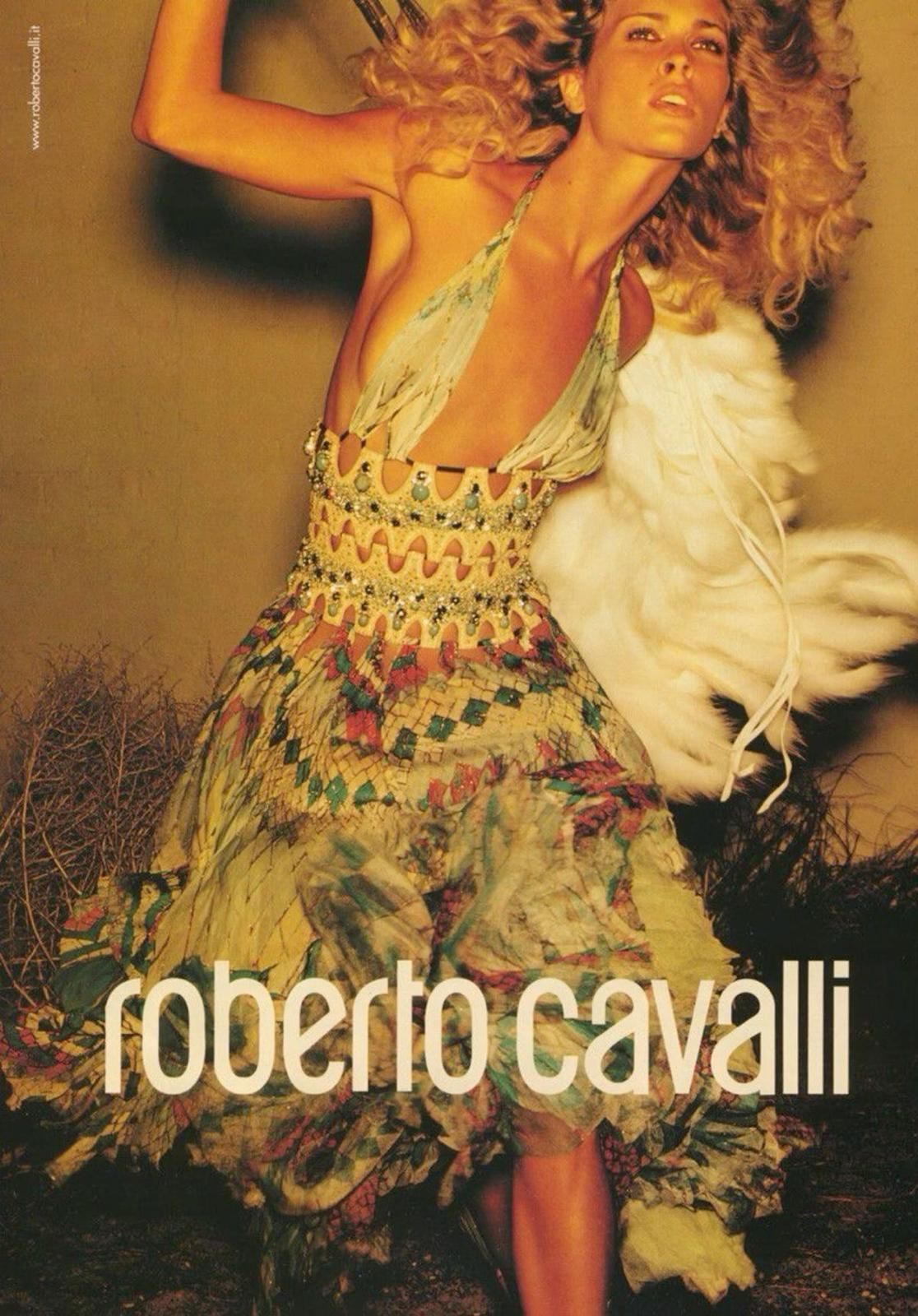
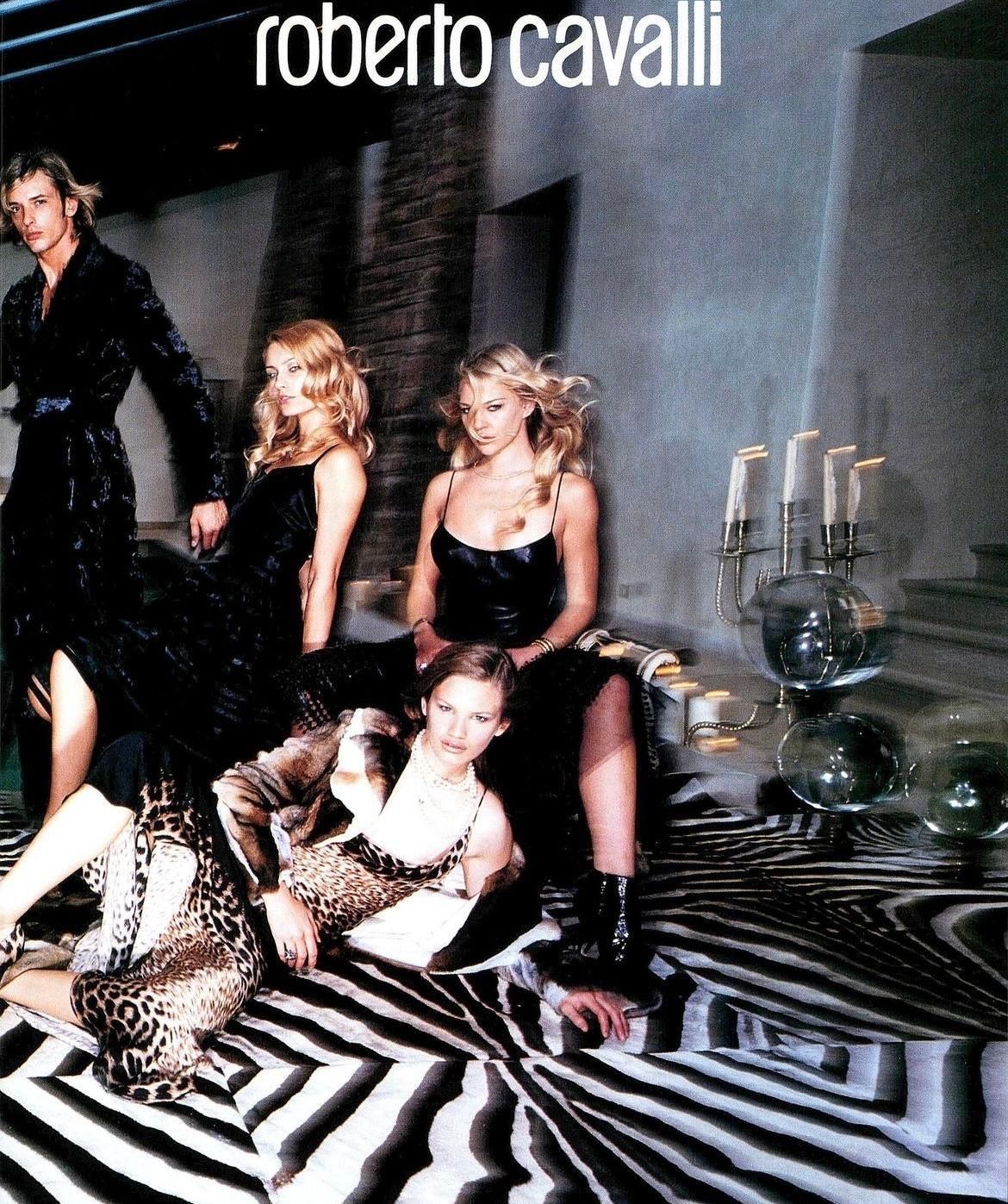
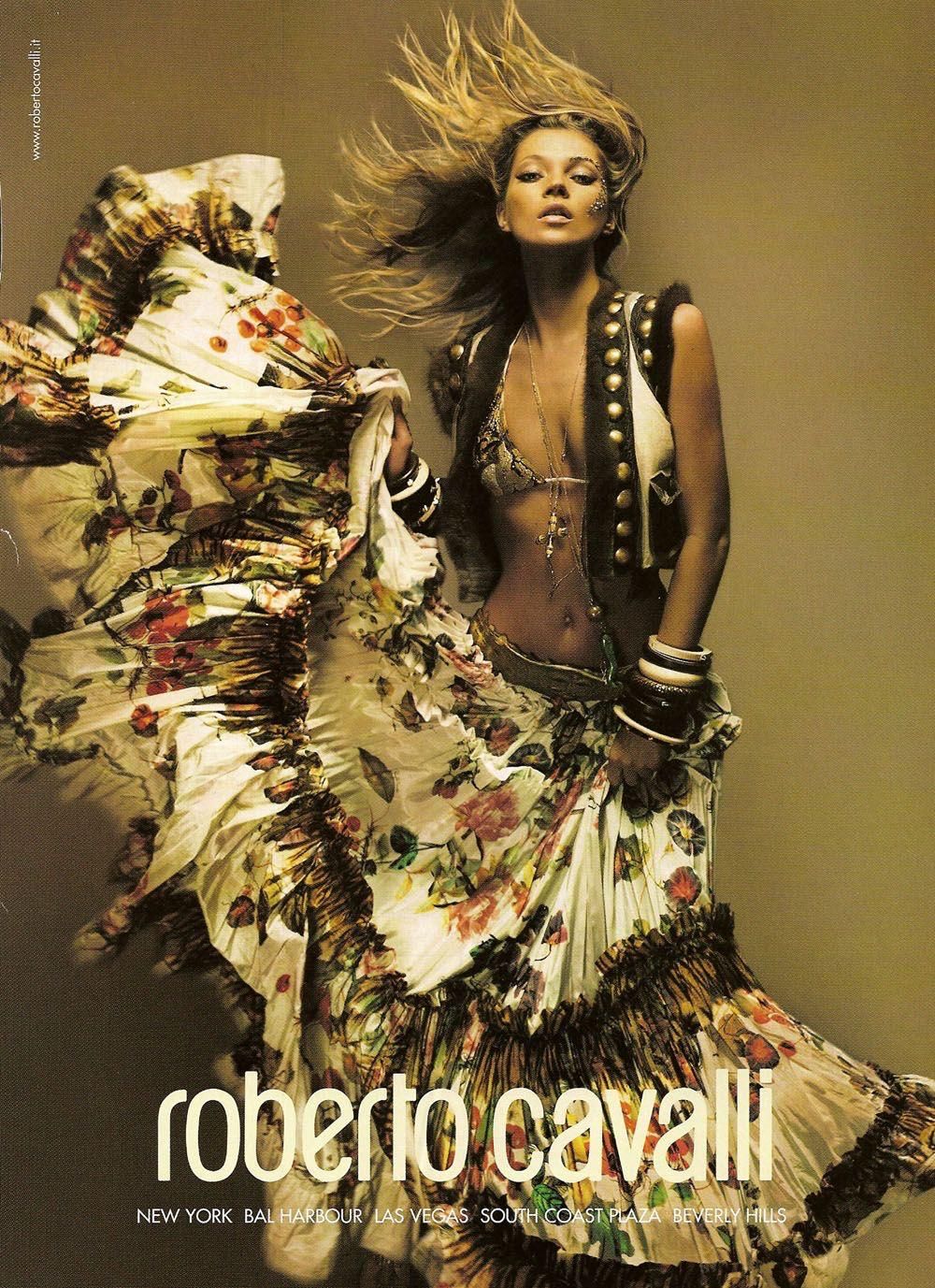
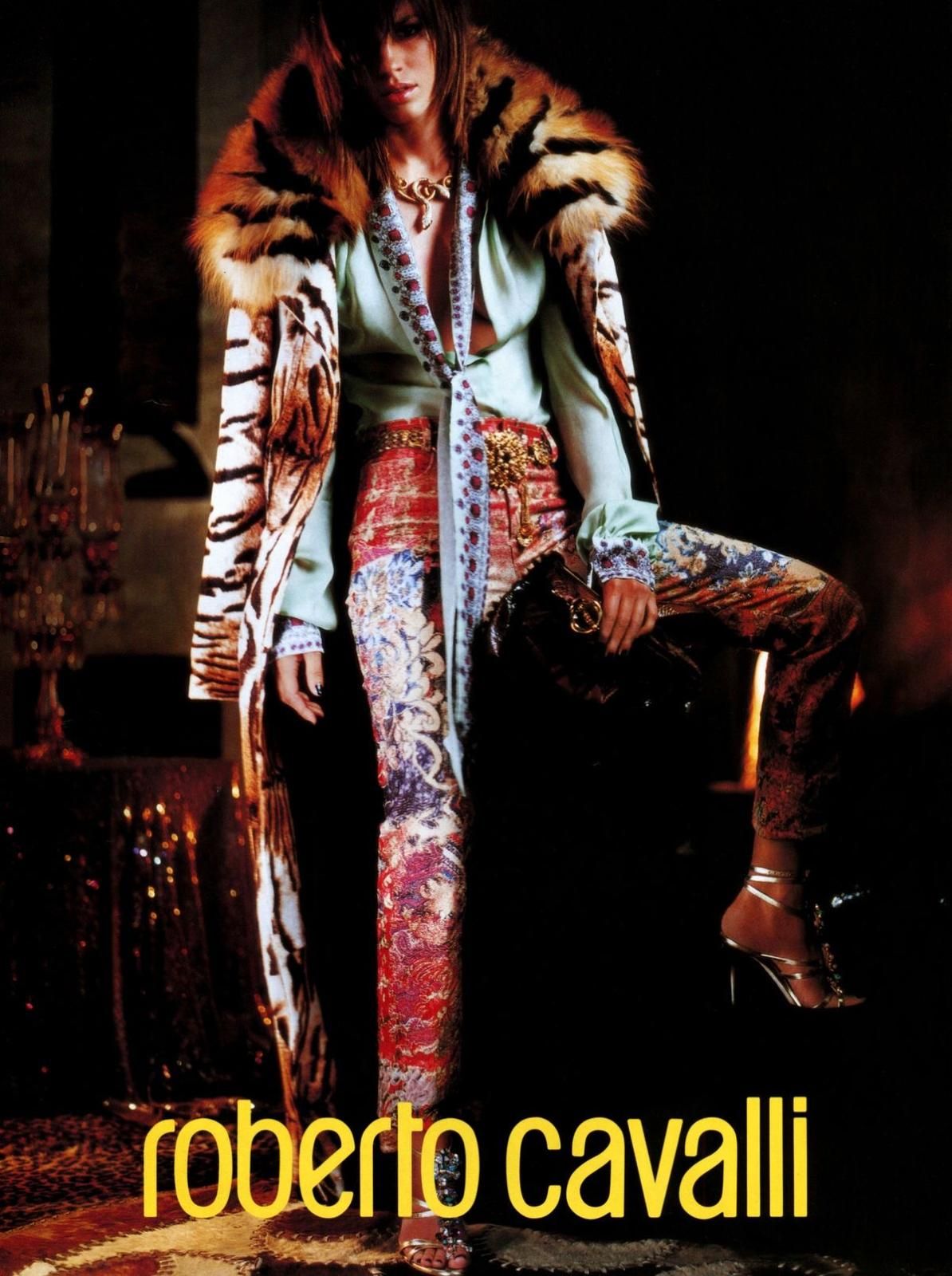
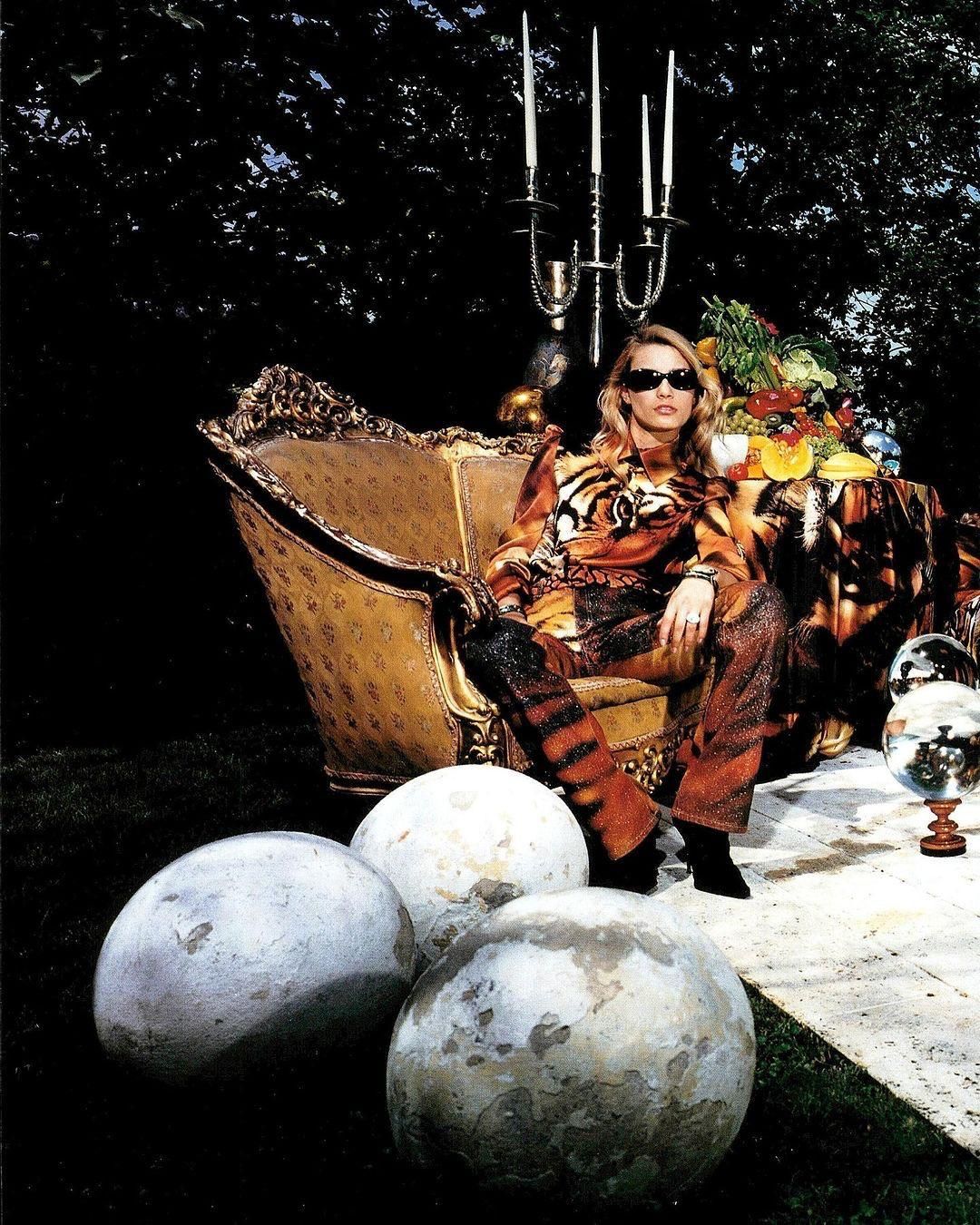
The use of Roberto Cavalli archival pieces by celebrities — Zendaya has been joined by pop stars Charli XCX and Rihanna — has reignited the spotlight of younger generations on the maison's legacy. That Y2K spirit resonates perfectly with the Y2K aesthetic so beloved by Gen Z. On FashionTok, the memory of Roberto Cavalli lives on through viral edits of his most famous runway shows, punctuated by the celebrated strides of Mariacarla Boscono and Bianca Balti, as well as through the archival research carried out by profiles such as Unemployed Vintage and Da mano a mano, which unearth the finest archival pieces from the brand.
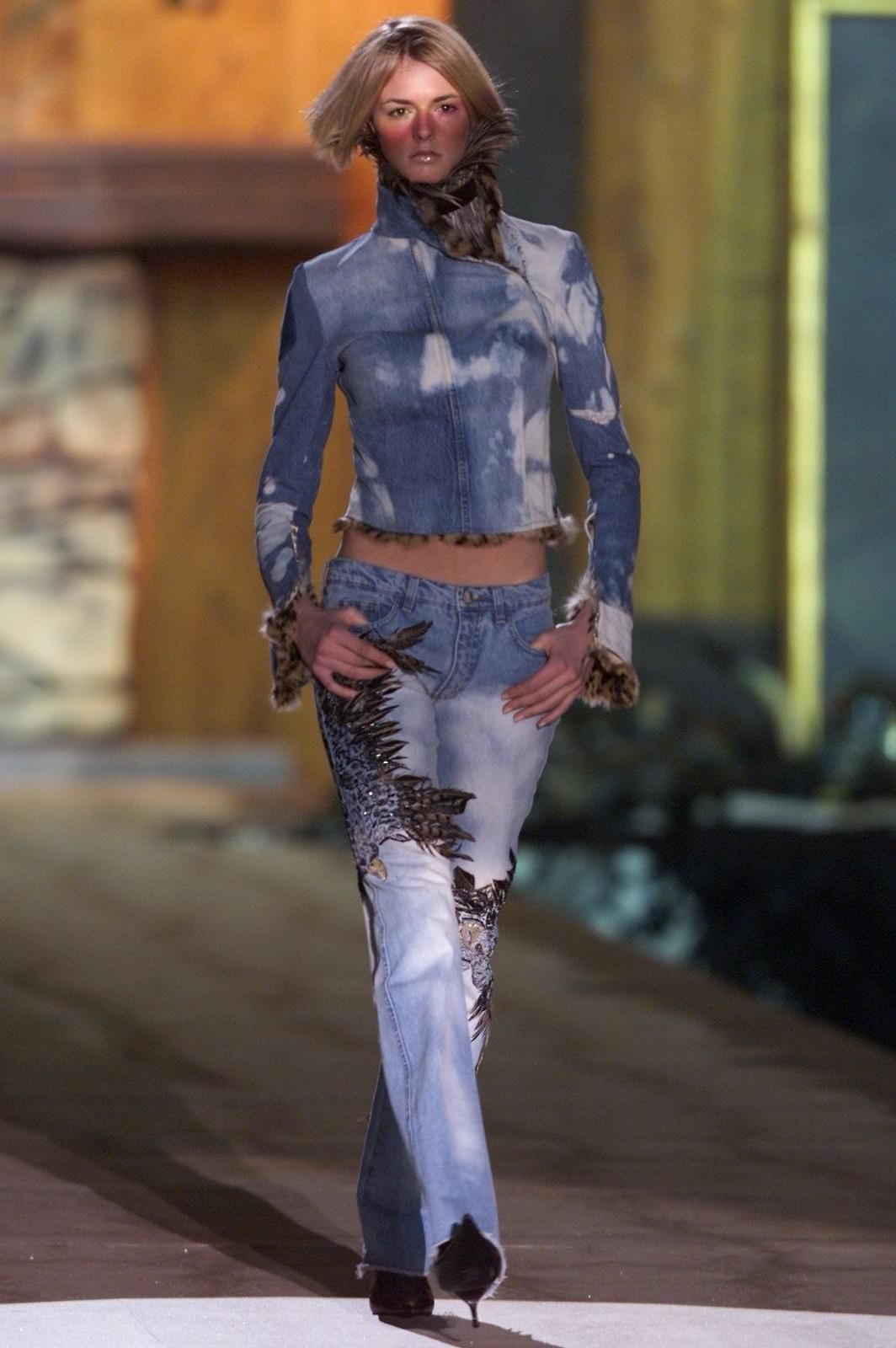
Among the most sought-after pieces is undoubtedly denim, a territory in which the Florentine designer left a technically revolutionary mark throughout his career. Between 1994 and 1995, Cavalli introduced sandblasting (achieved by blasting high-pressure jets of sand onto the fabric to create worn, three-dimensional gradients) and the addition of Lycra to the weave, which gave birth to the first stretch jeans. This experimentation found its fullest expression in Just Cavalli, the accessible line launched in 1998 to reach a younger audience. Interest extends to the menswear universe as well, as demonstrated by creators and collectors such as Charles Passaga, who shares his archival finds from the brand on social media.
The appetite for vintage pieces from the brand fits seamlessly into an increasingly central phenomenon within the fashion system: the digitisation of historical archives. For Cavalli too, the cataloguing and recovery of his creative heritage no longer holds merely cultural or preservationist value — it represents a strategic tool for reading the present, understanding which prints and silhouettes to revive, and building targeted archive capsules.
One wonders whether, following in the footsteps of what happened with John Galliano and the launch of the GallianoFlix platform, a true open and searchable digital archive might soon take shape for Roberto Cavalli as well — one capable of passing on to future generations the full visual power of one of Italian fashion's most audacious maisons.
What to read next

ALO Introduces the Mini Serenity Bag
A new addition to the California brand's first small accessories collection
Donatella Versace to receive the Ambrogino d'Oro
Milan honours the designer with the municipality's highest civic award