





















IED tells the story of its students' creative process with "Drawing the Future" The shooting shows what happens behind the scenes, from the creation of the project to the final result
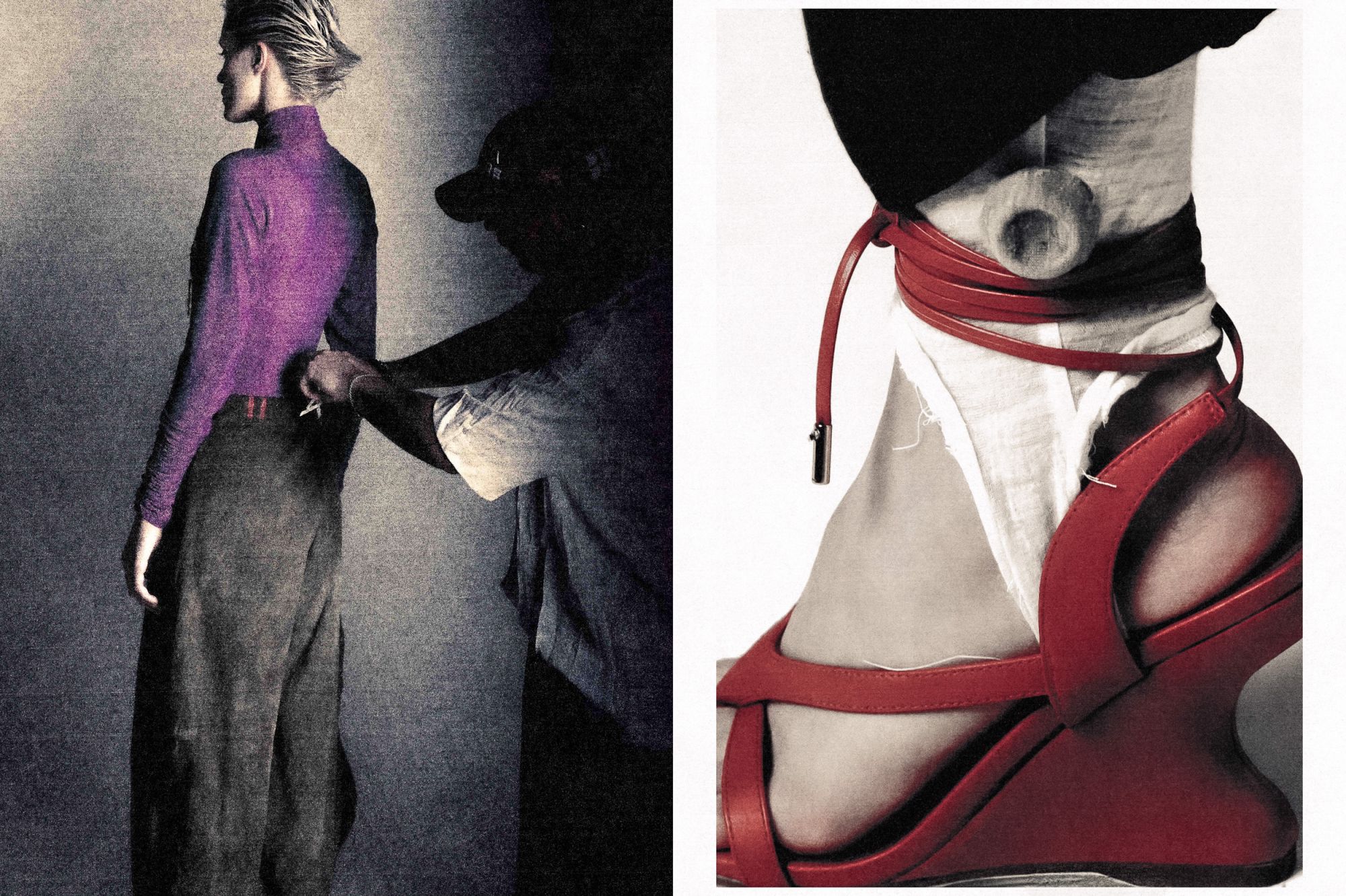
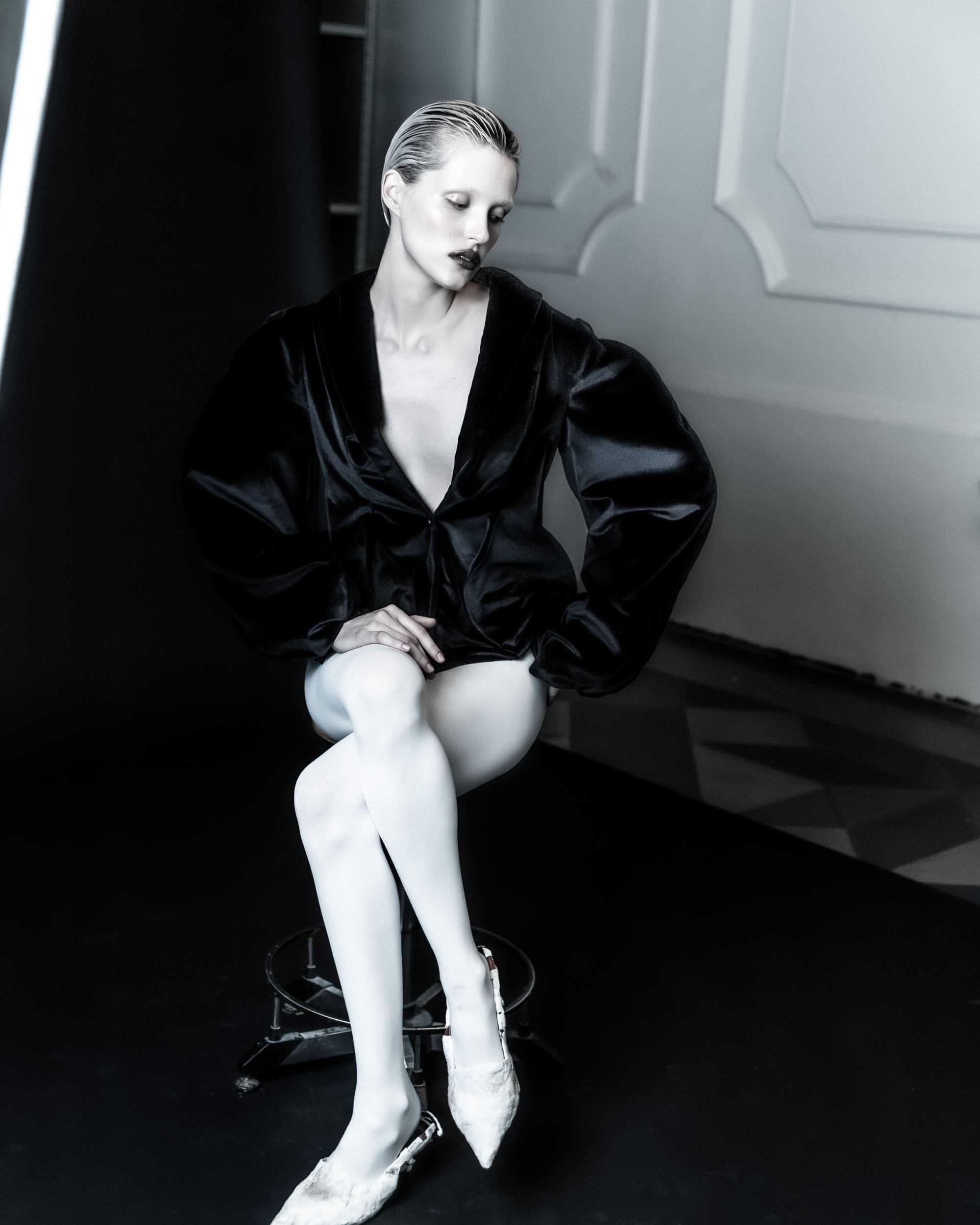
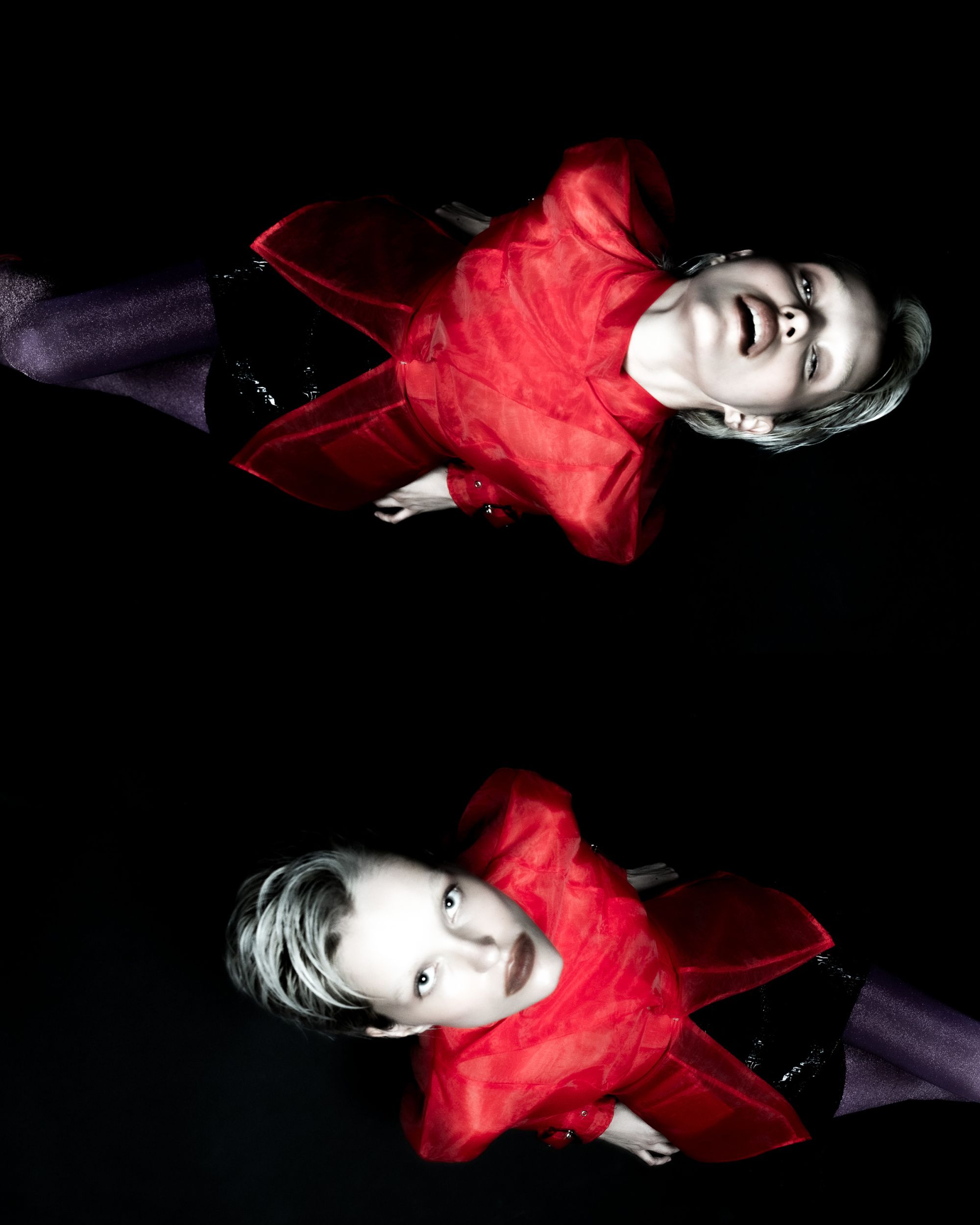
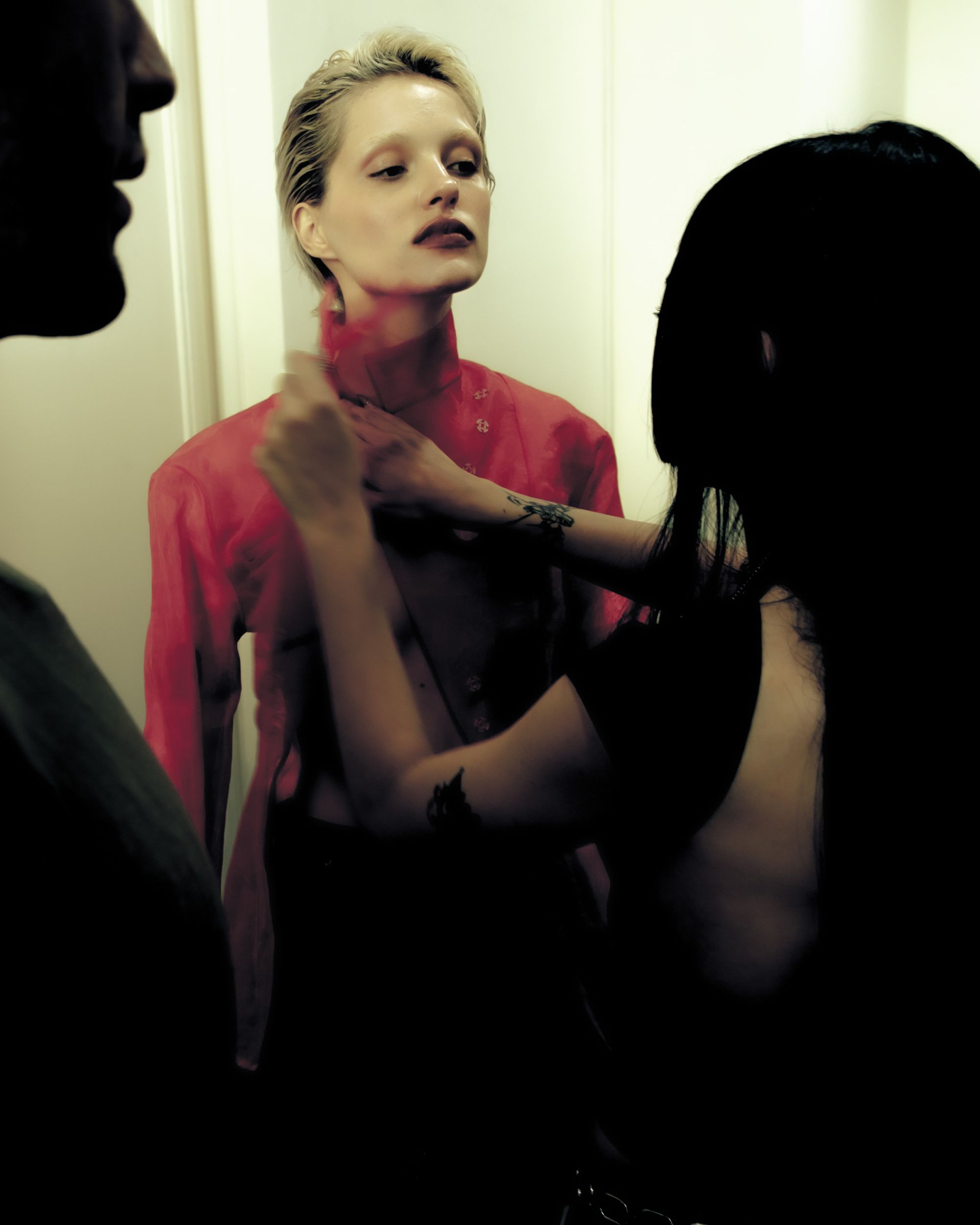
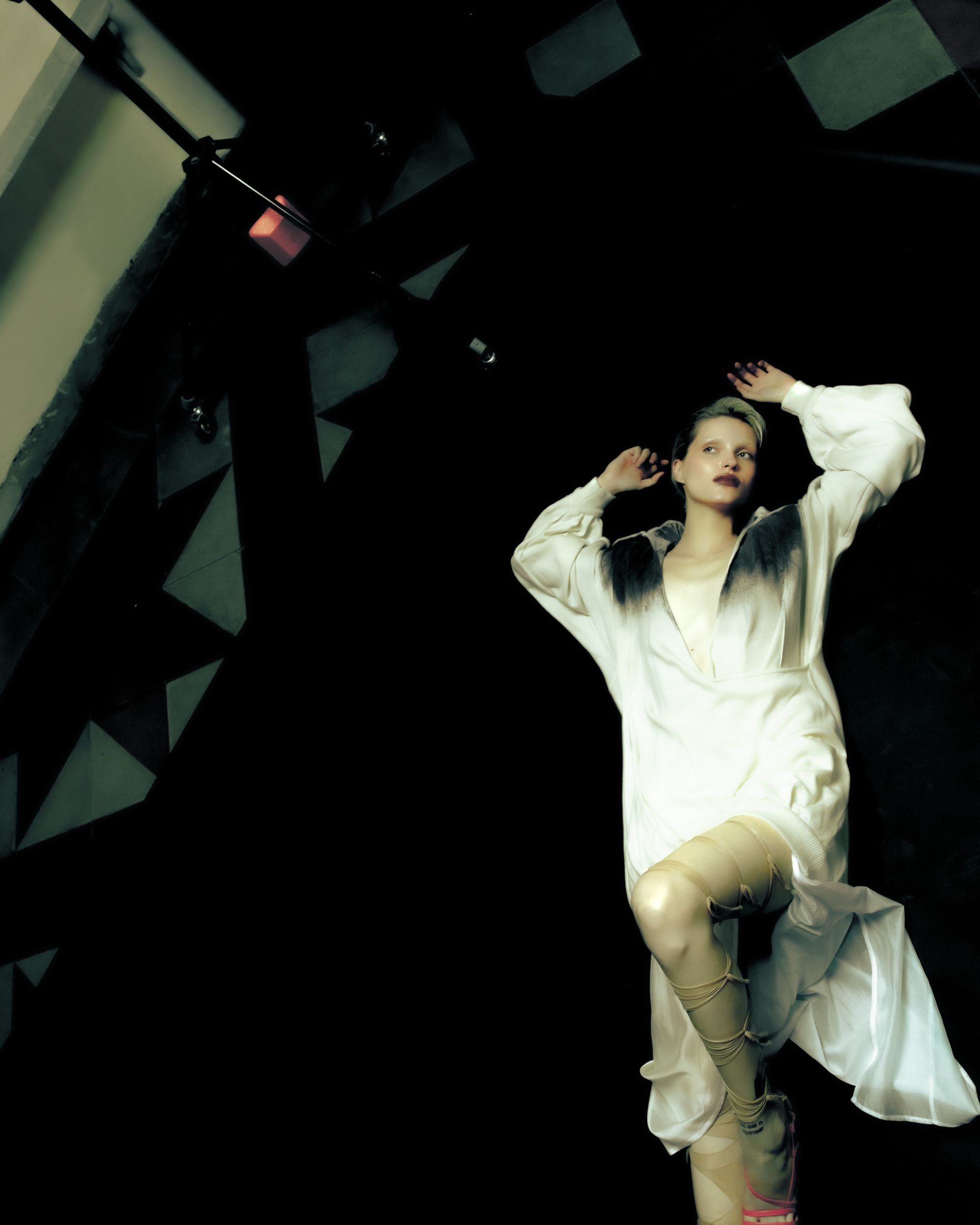
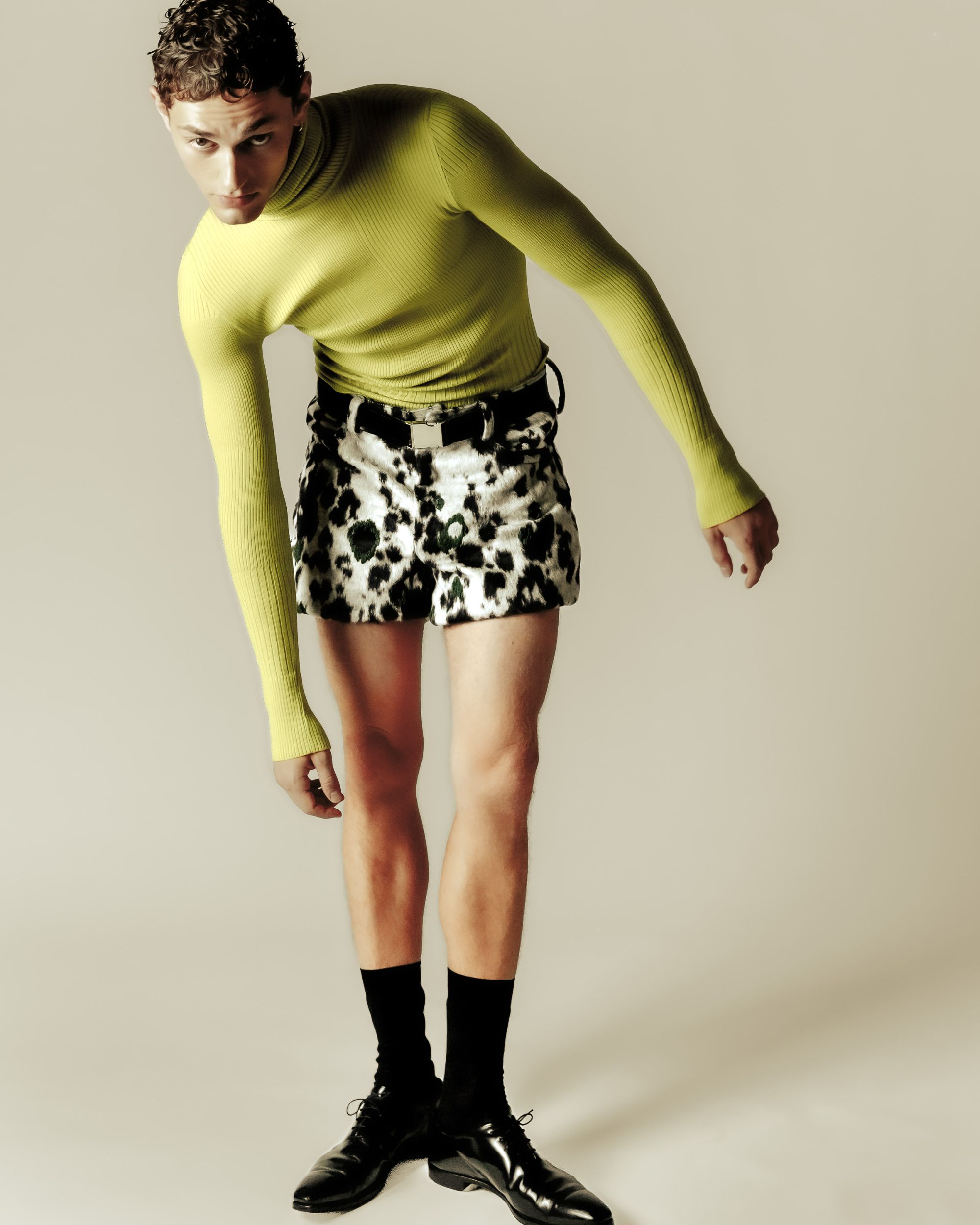
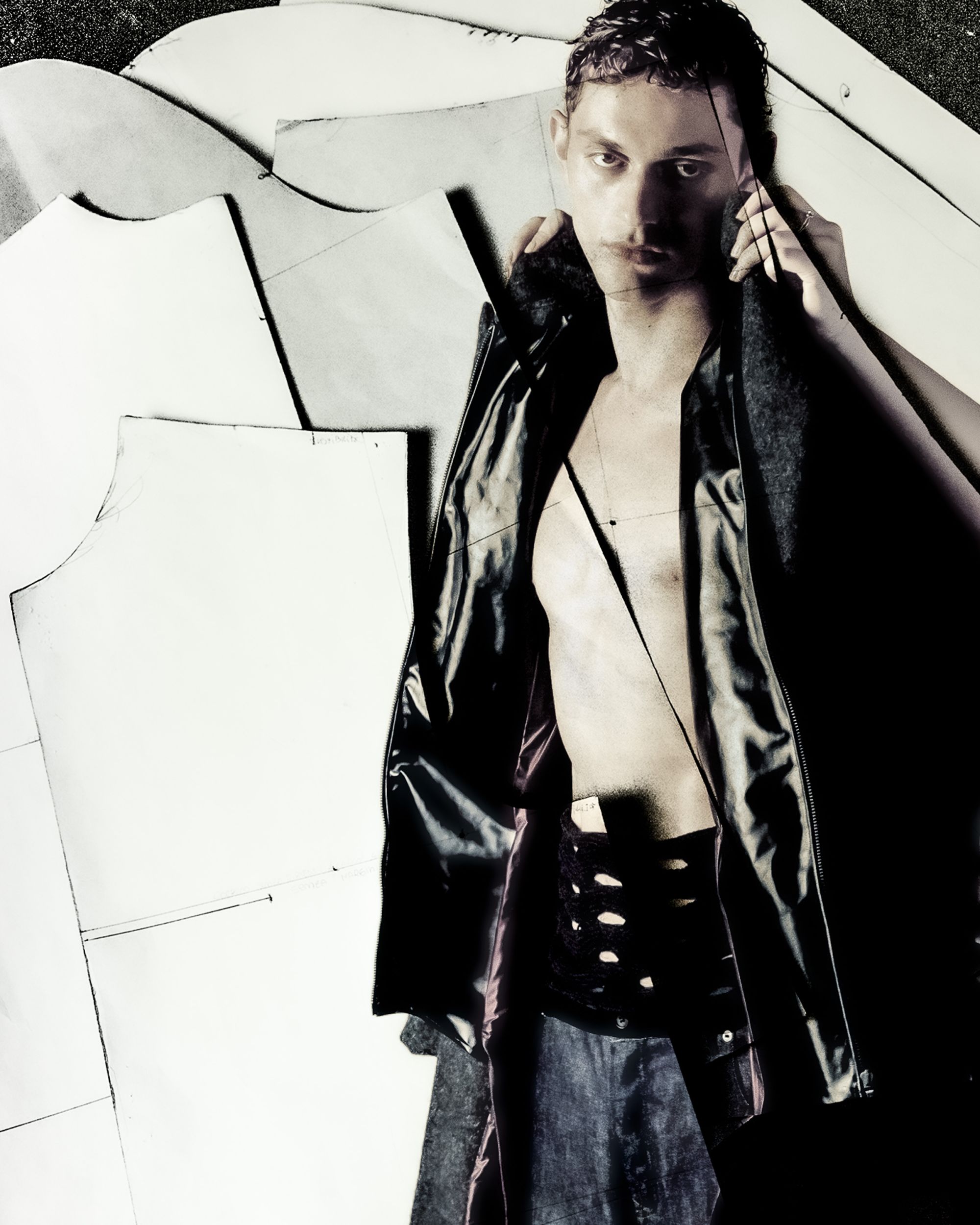
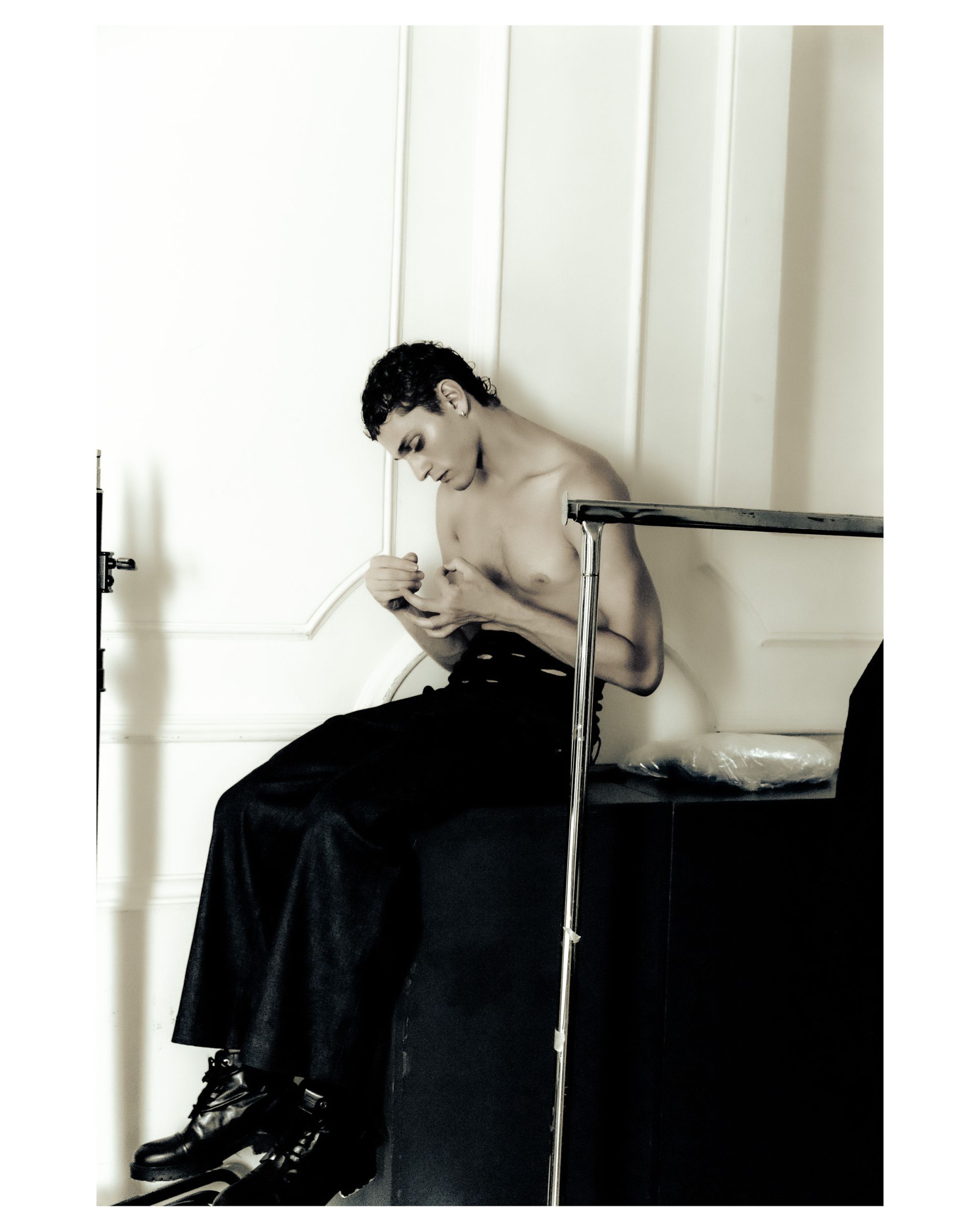
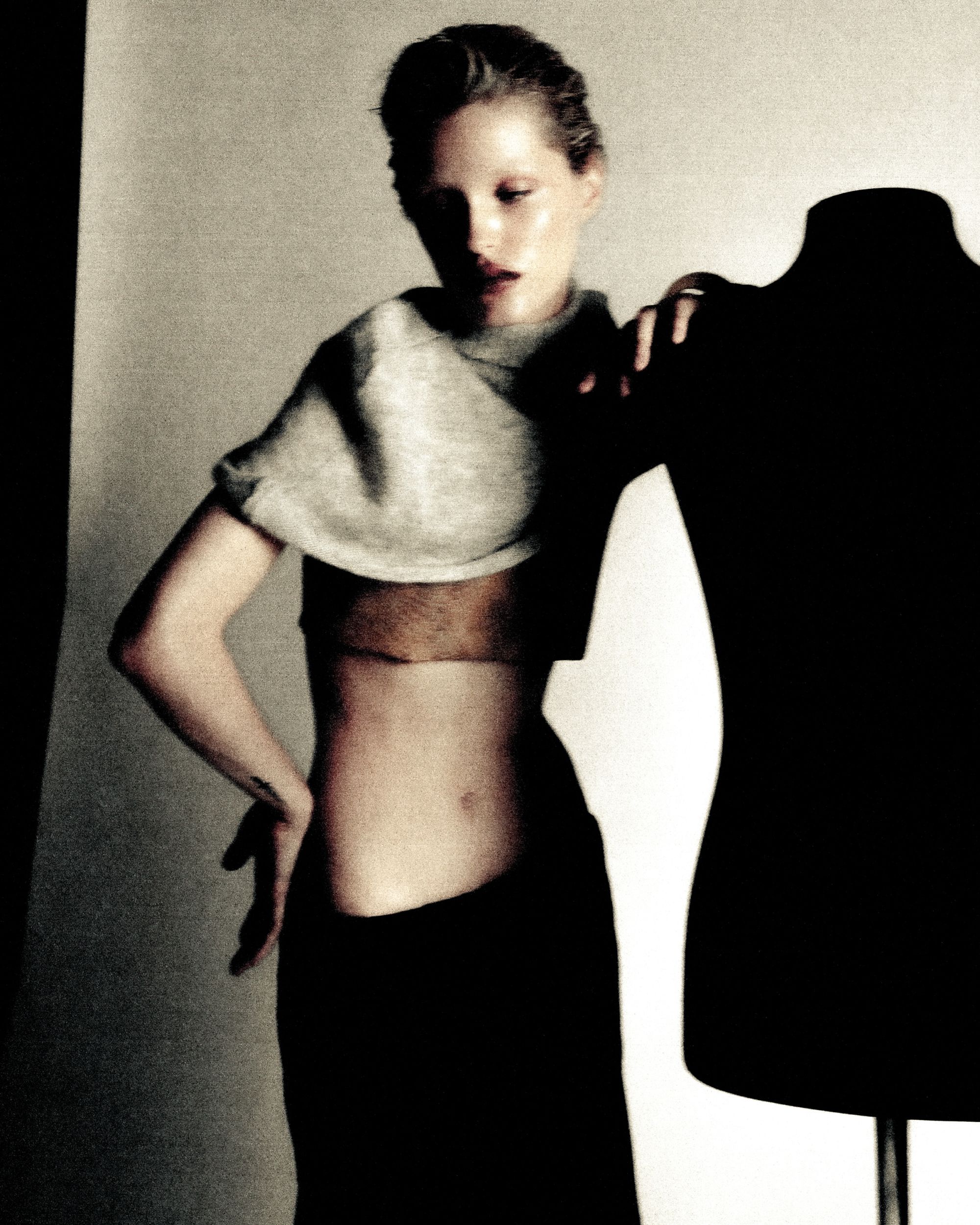
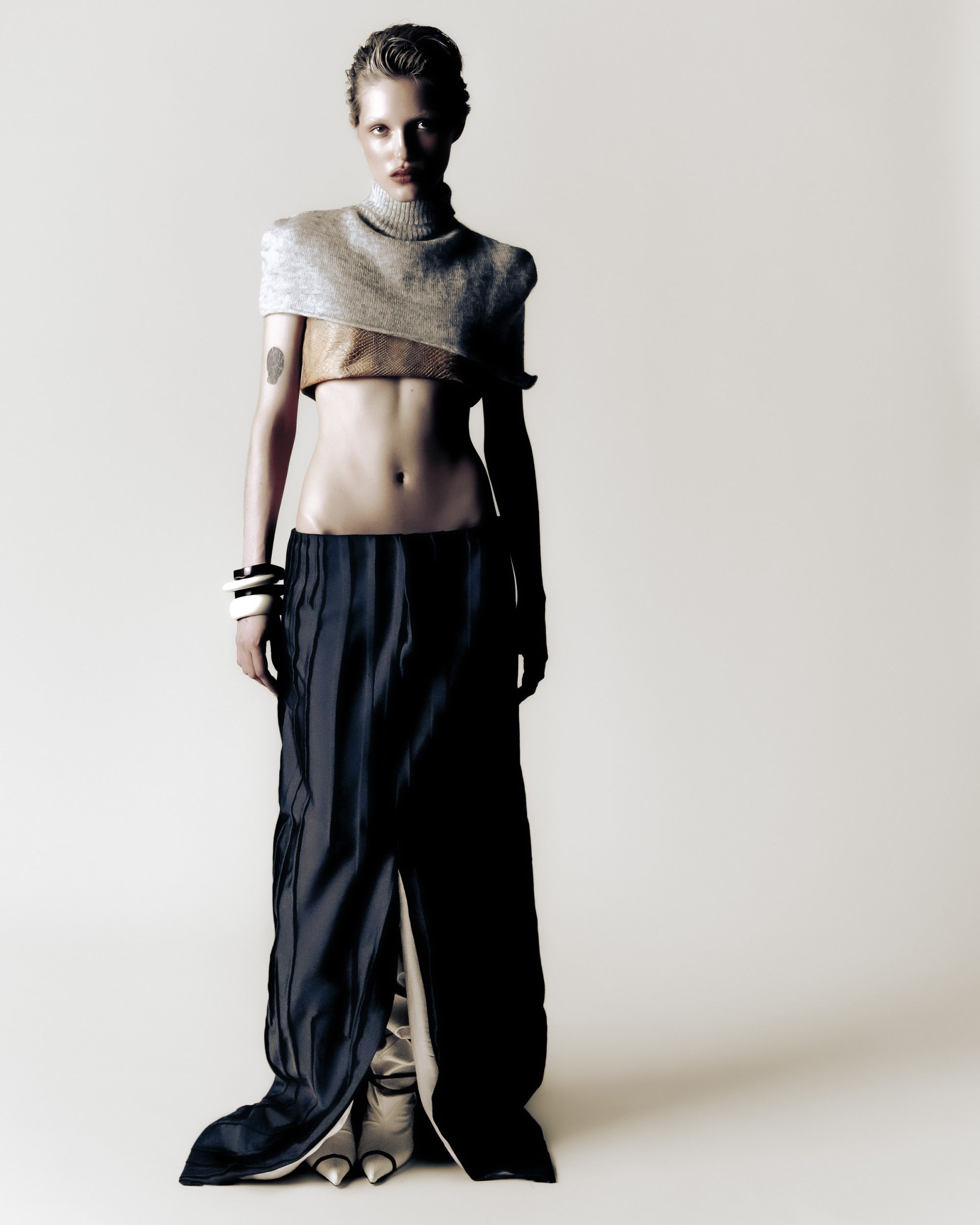
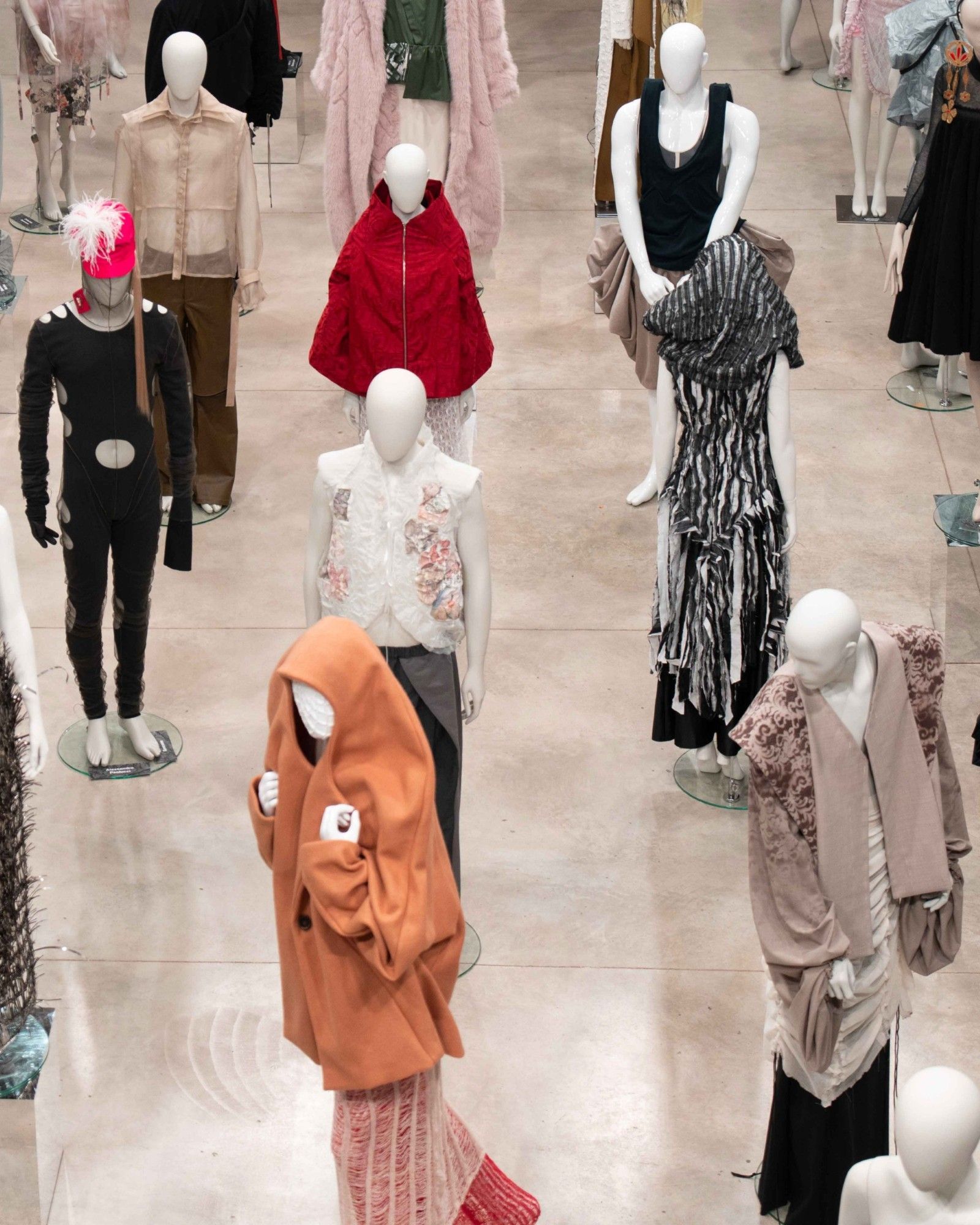
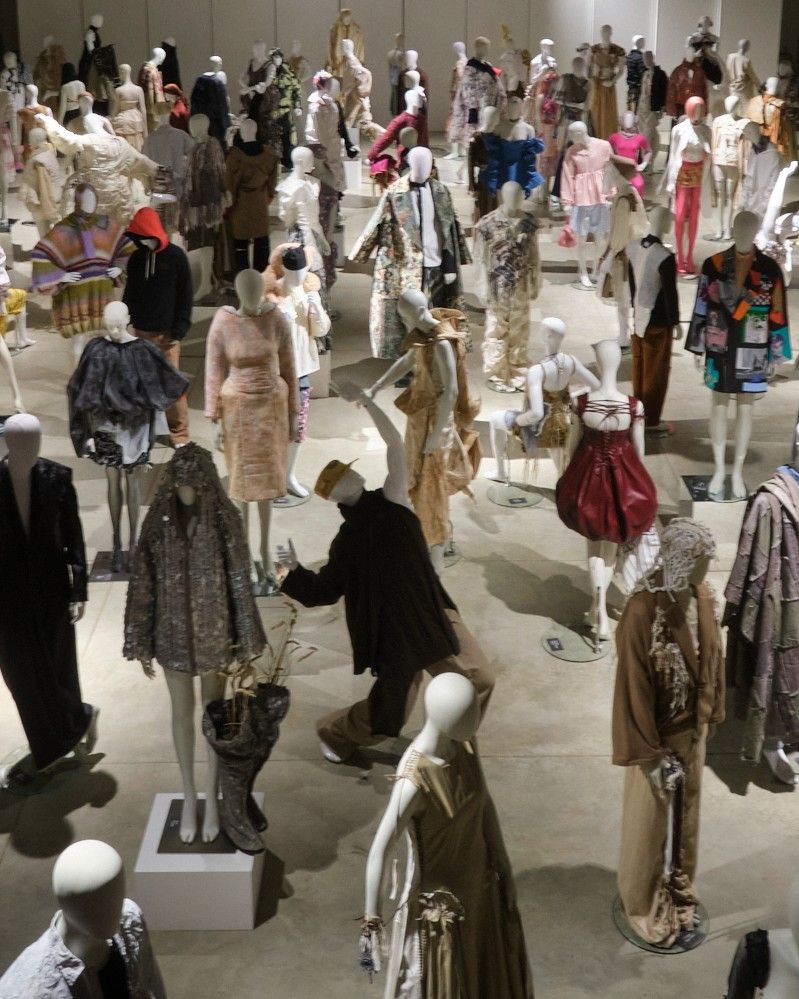
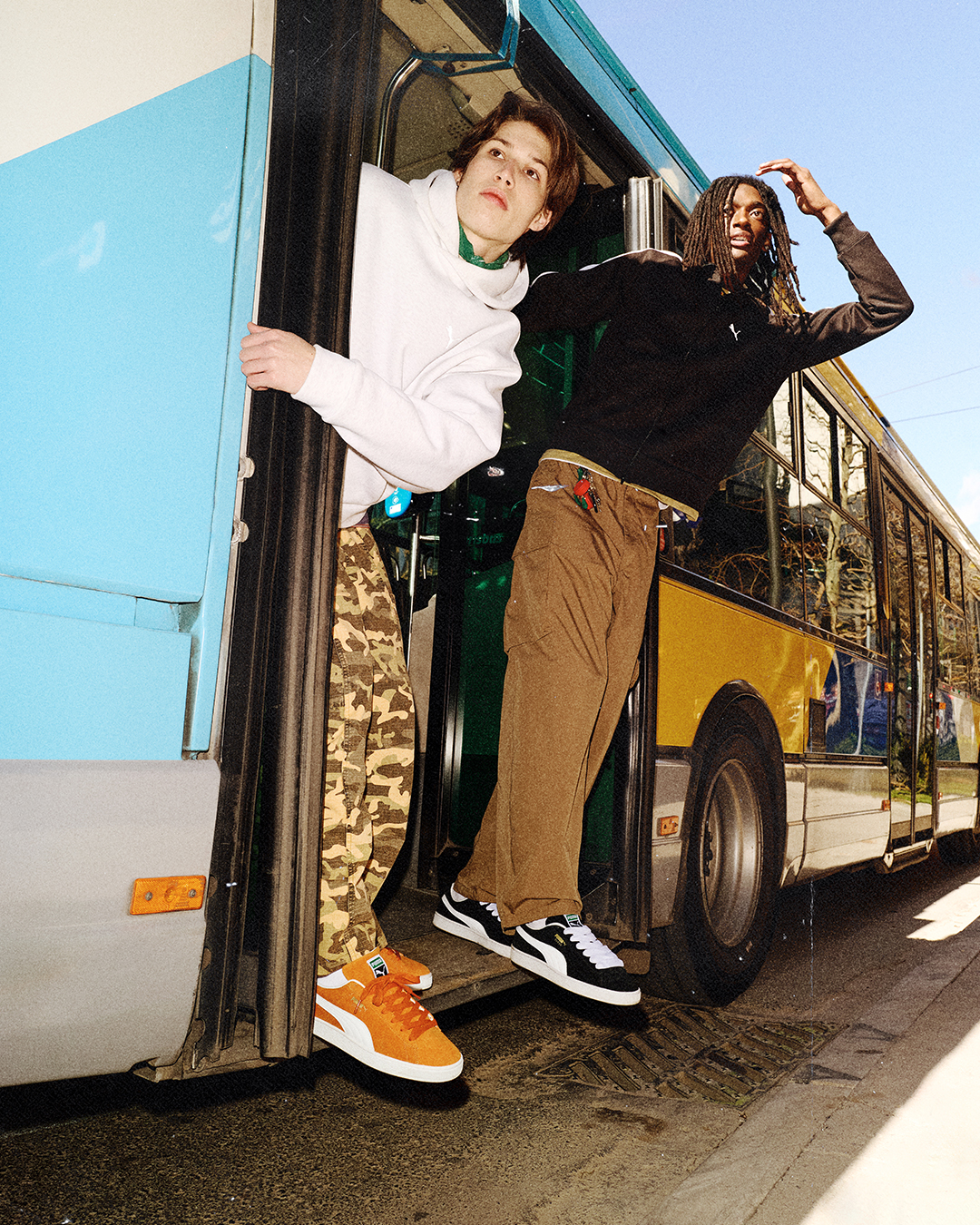
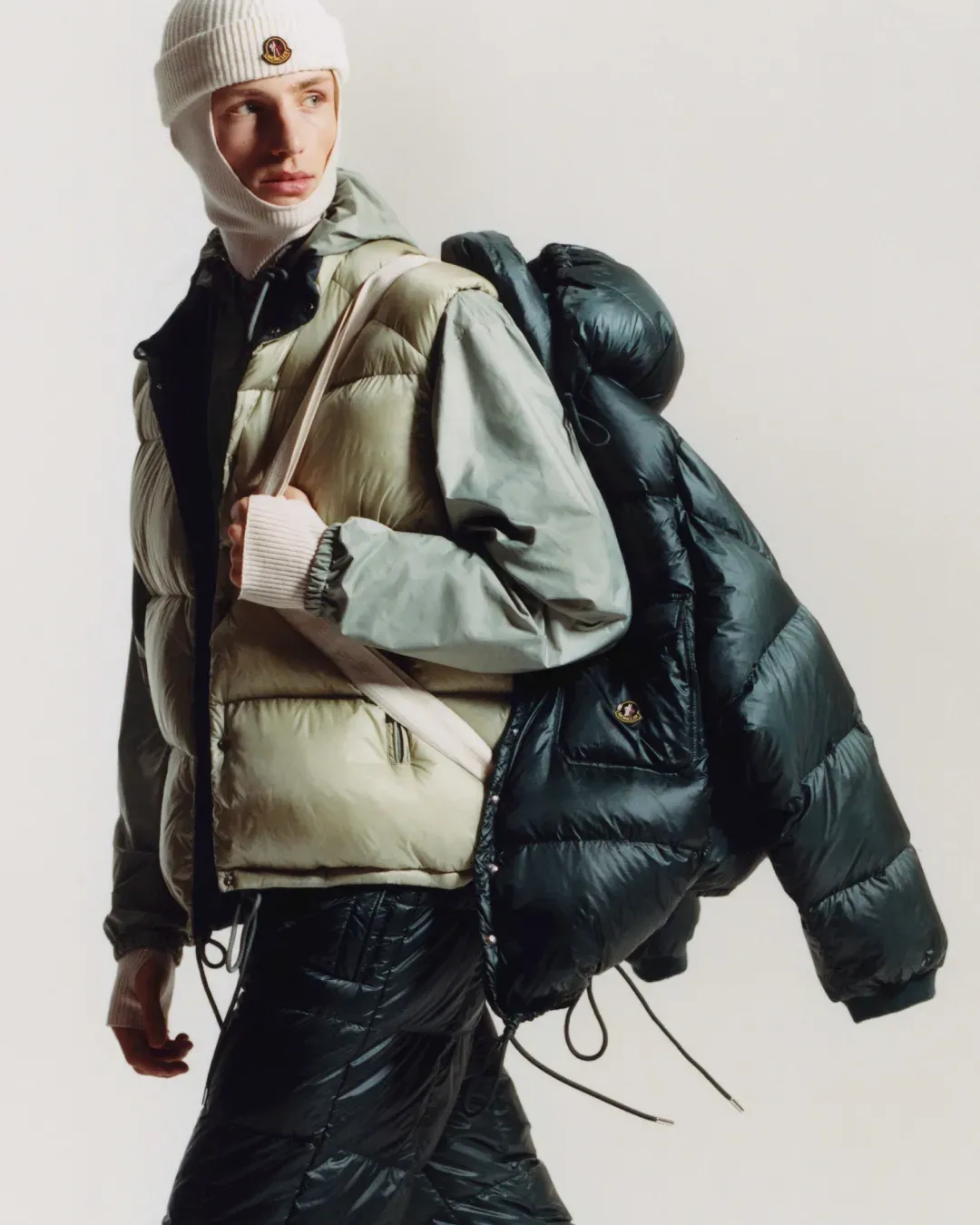
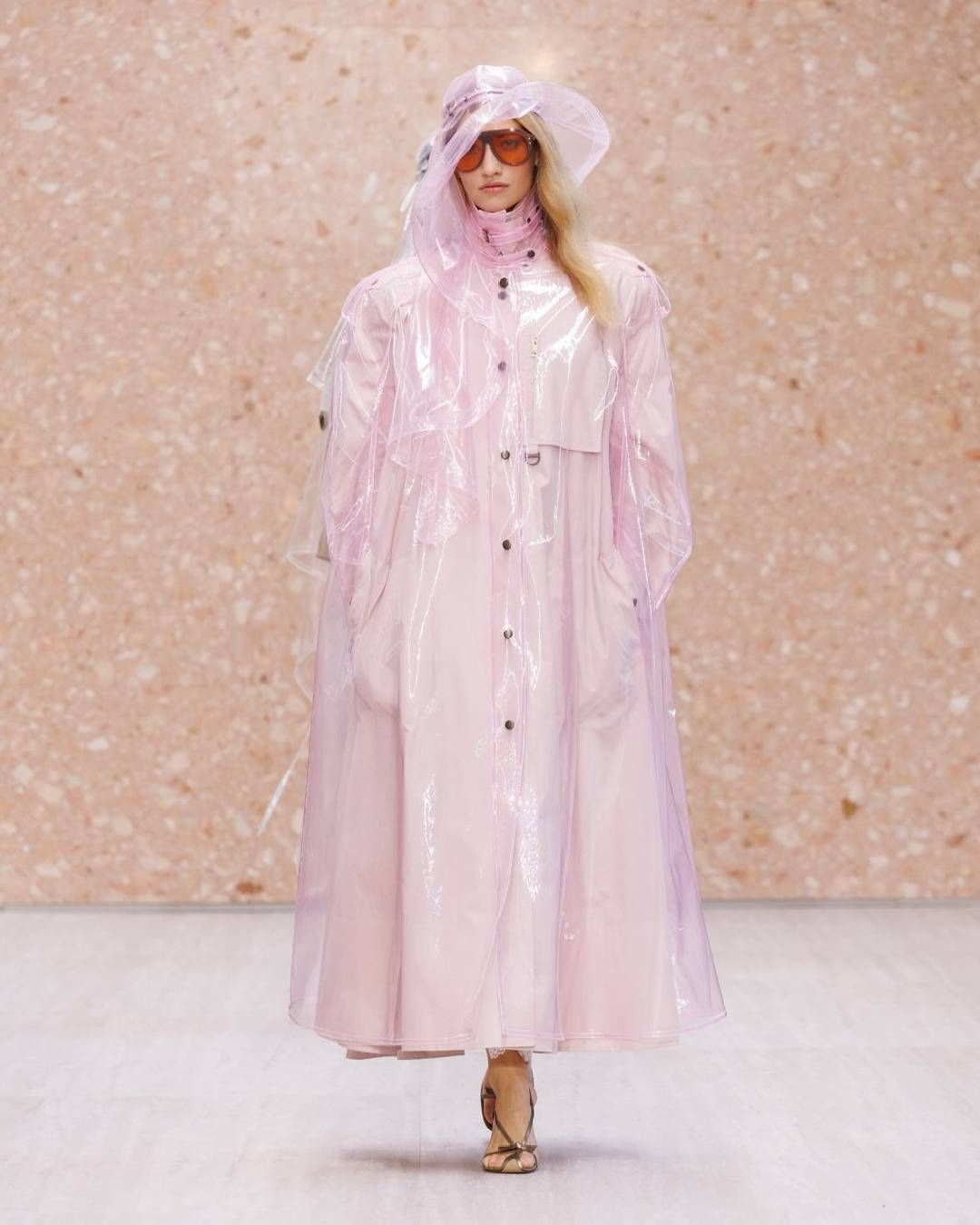
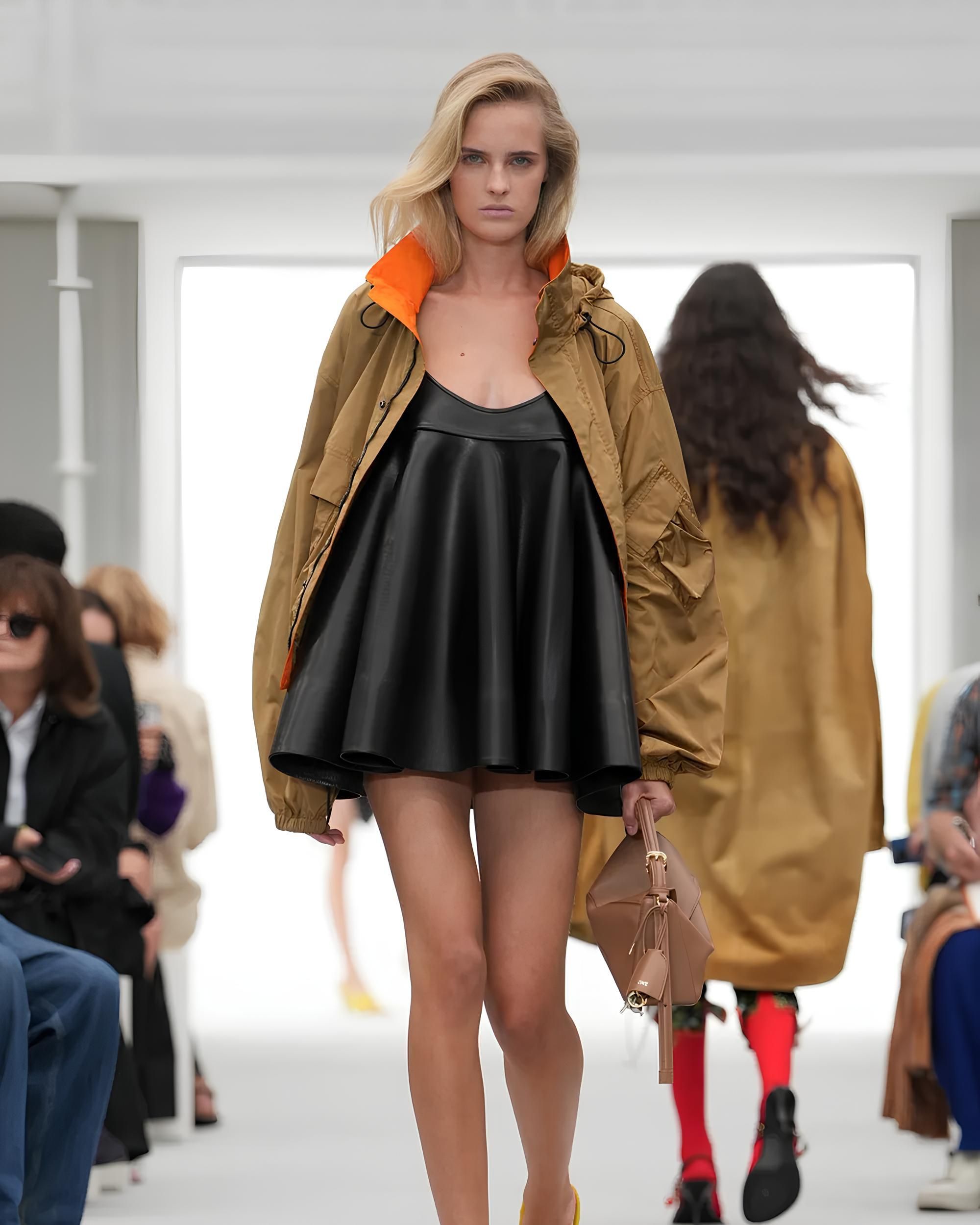
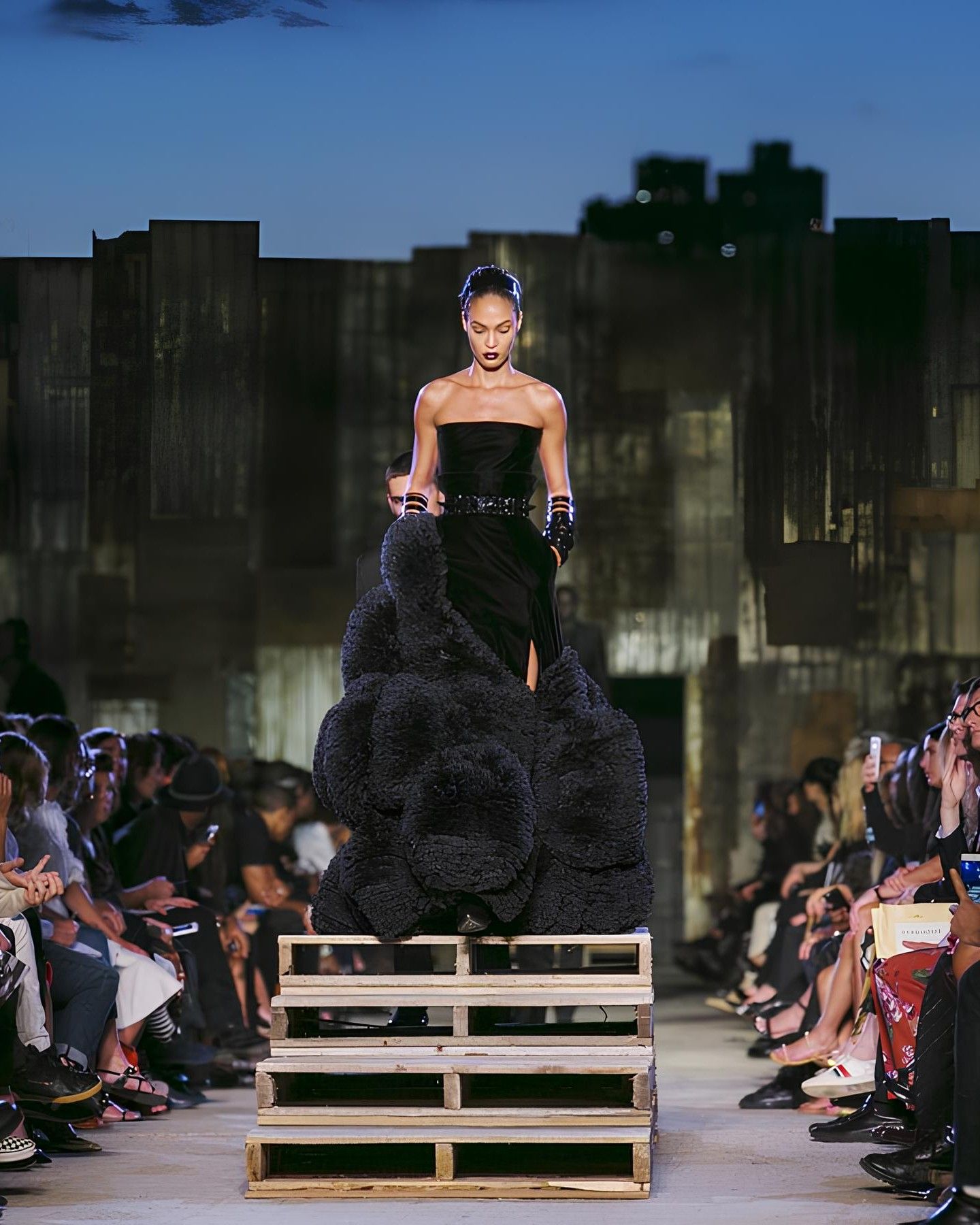
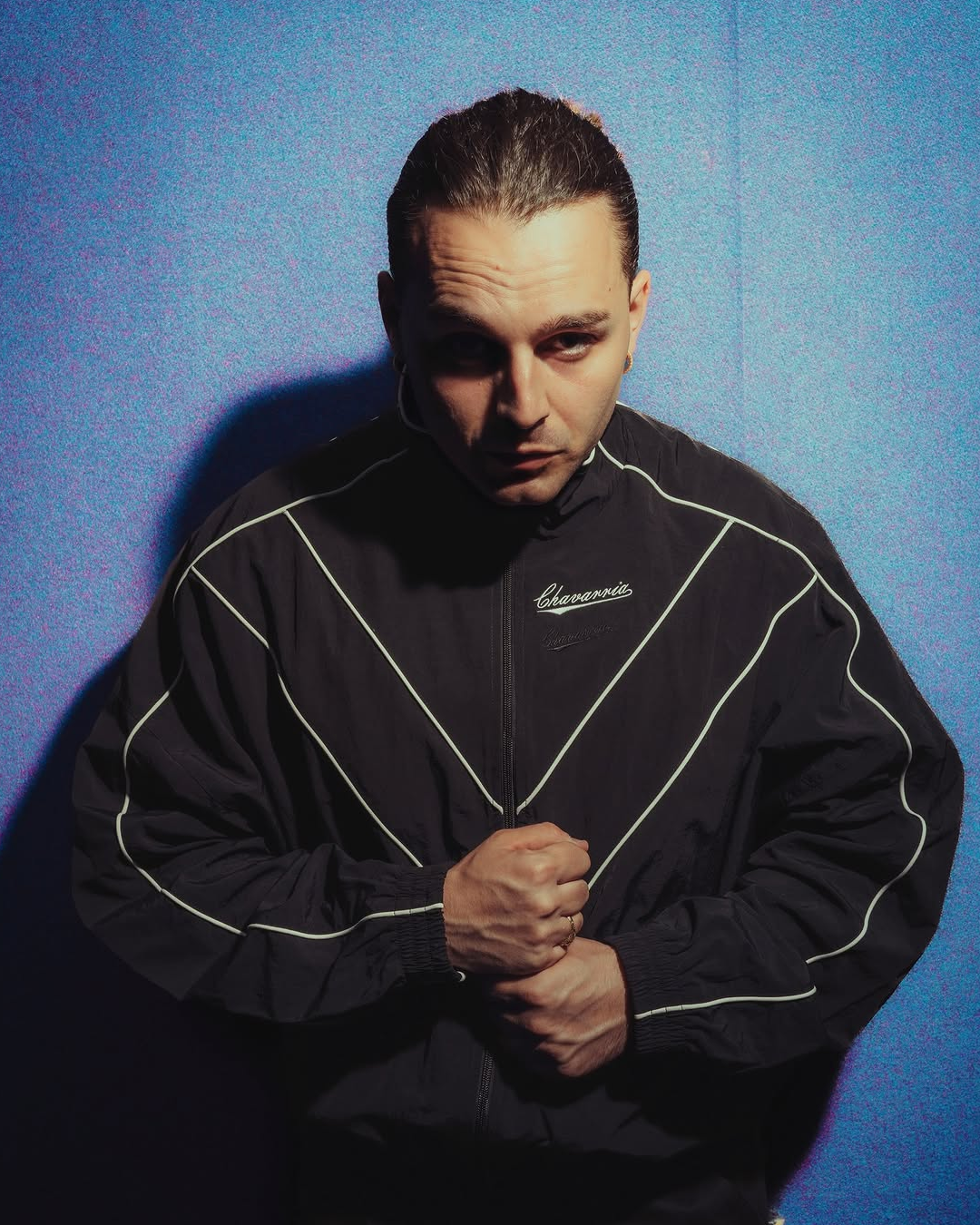
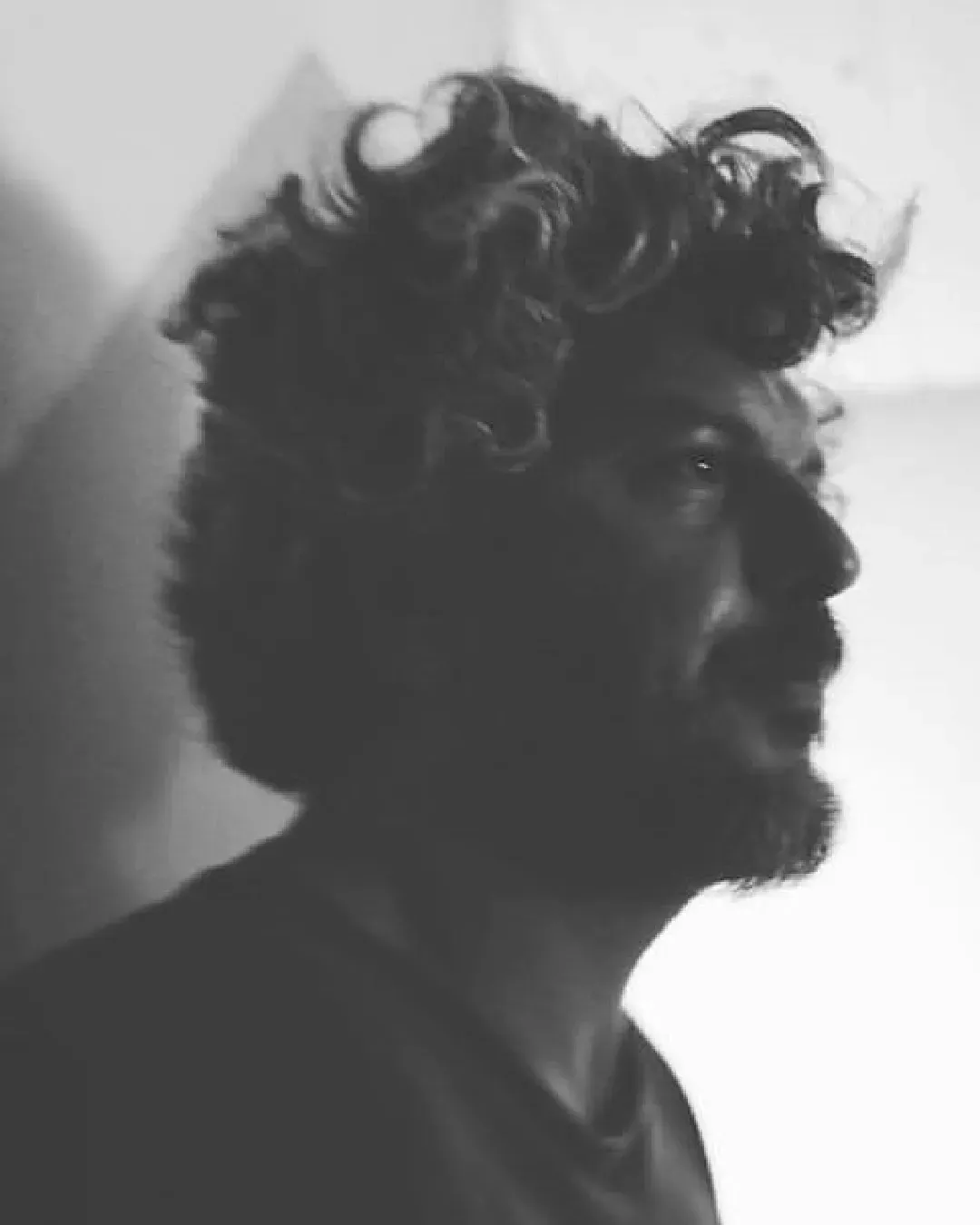
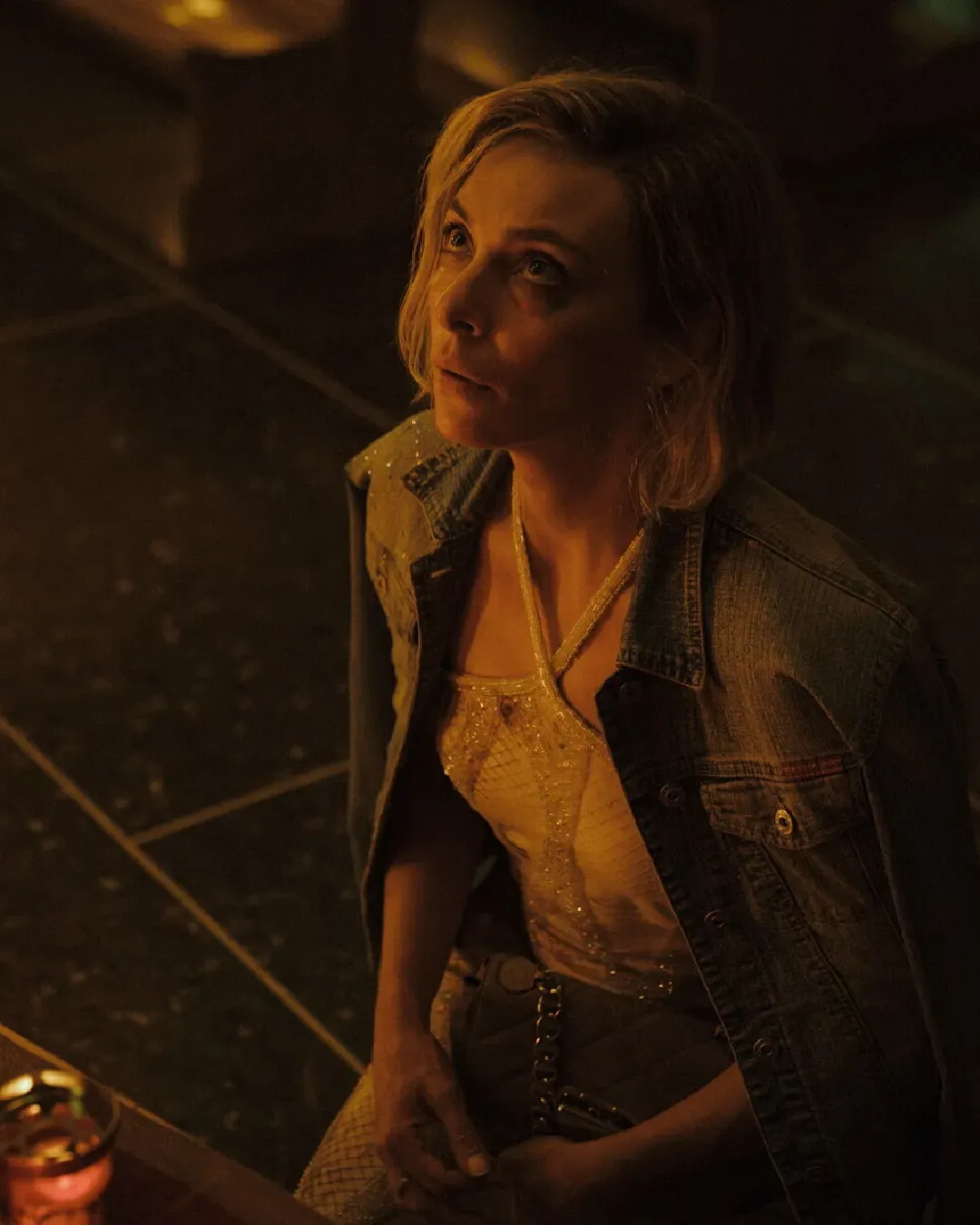
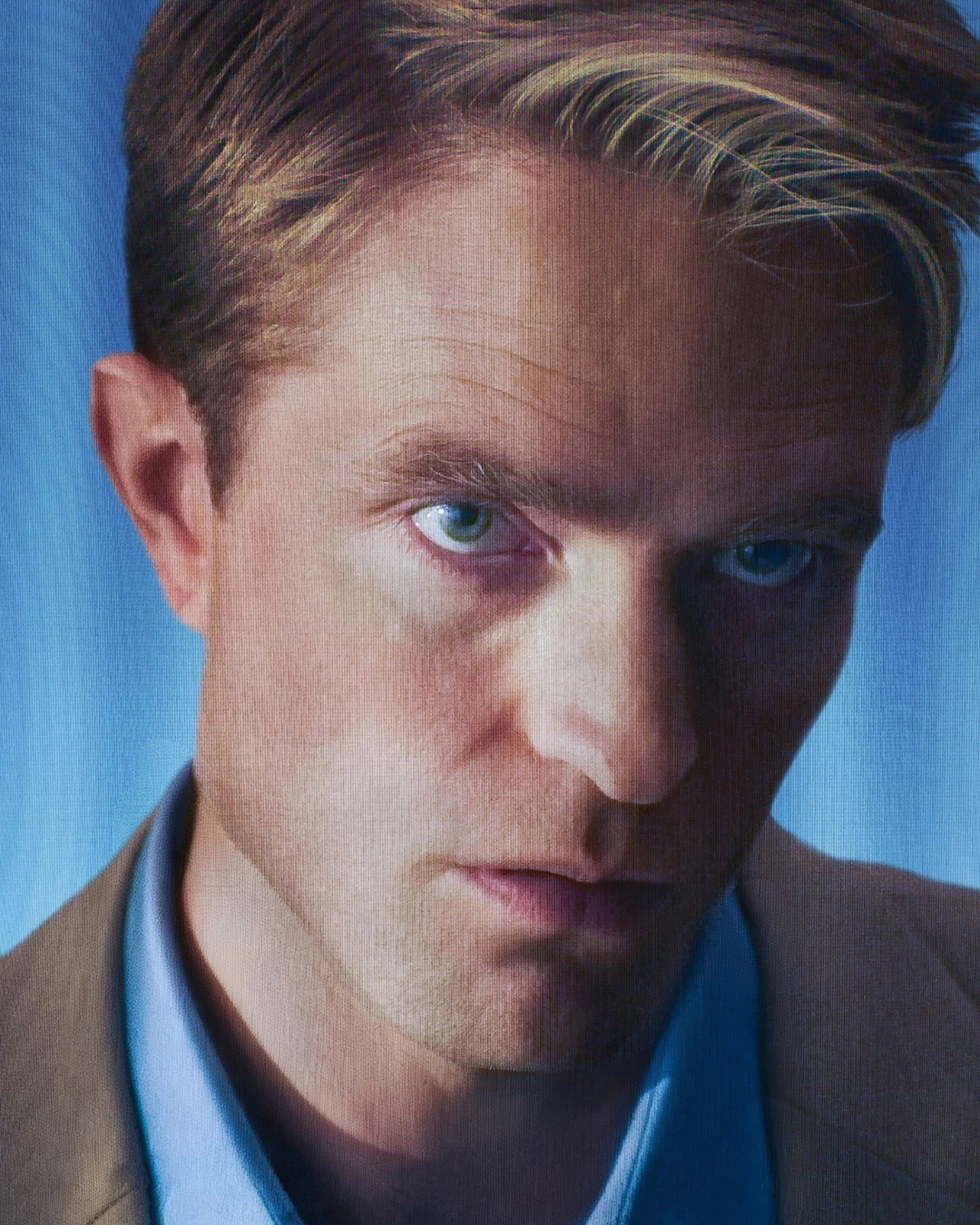
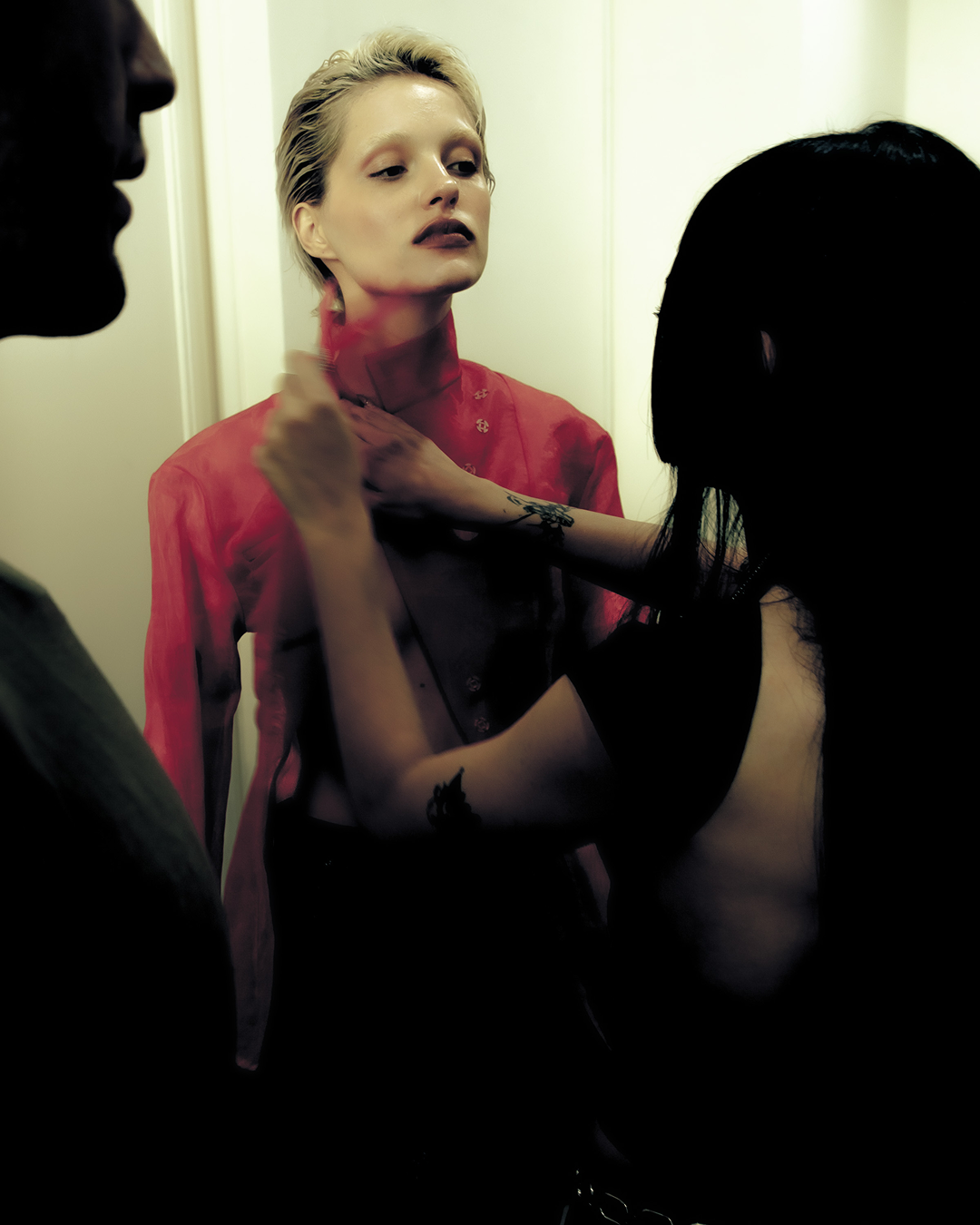
A hand adjusts a look, a body waits beside a stand, the mannequin enters the frame and make-up is touched up in front of the camera. With the shooting Drawing the Future, IED Torino presents the thesis projects developed by sixteen young designers from the Three-Year Programme in Fashion Design and the sixteen young designers who created them.
The project builds around the looks an imaginary world suspended between the photography studio, the fitting room and the atelier, intentionally recreating that atmosphere of trials, gestures, presences and details that accompanies the birth of a collection. It is therefore not a documentary account of what happens before the shot is taken, but a precise visual and editorial choice: one that stages a creative process in the making.
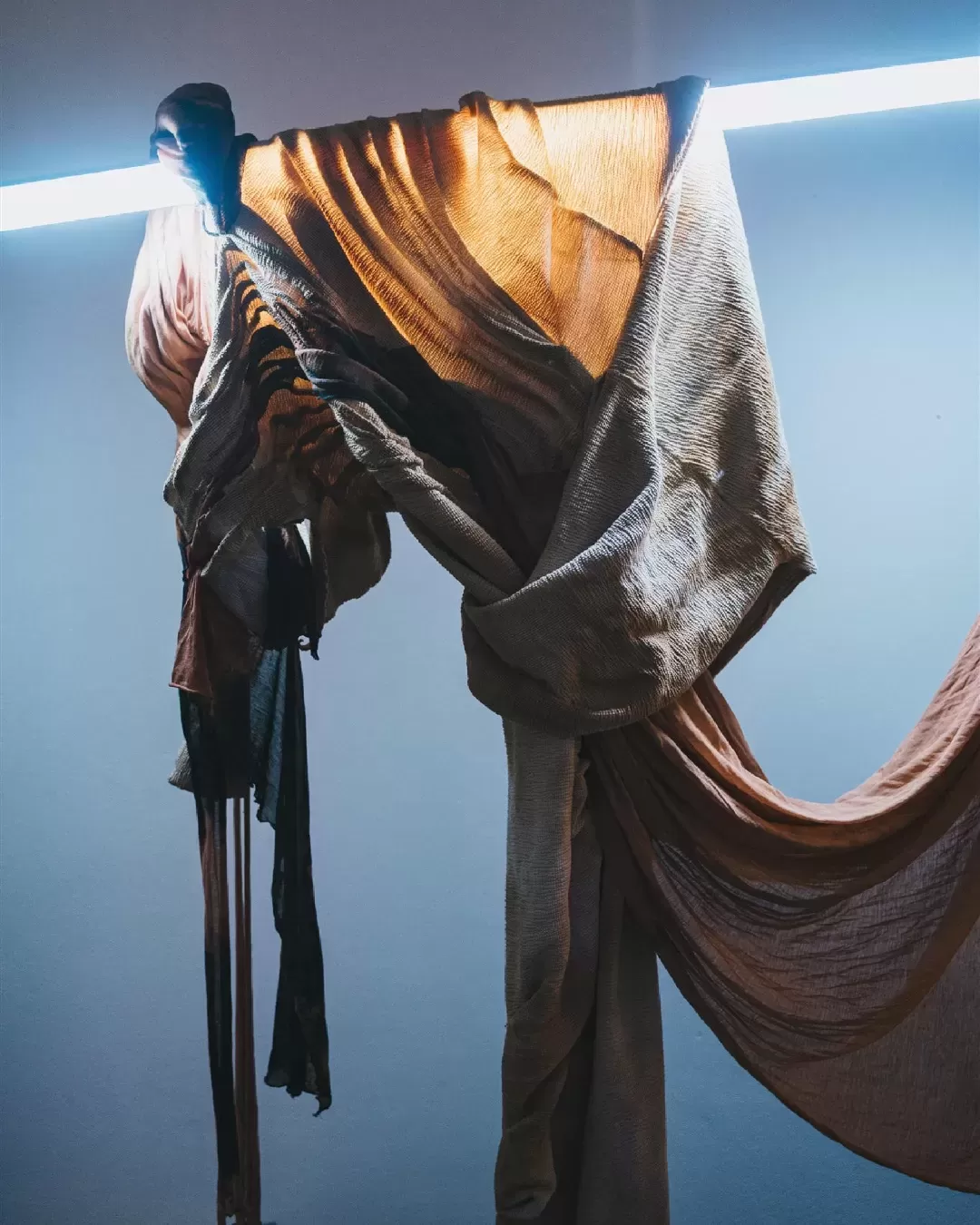
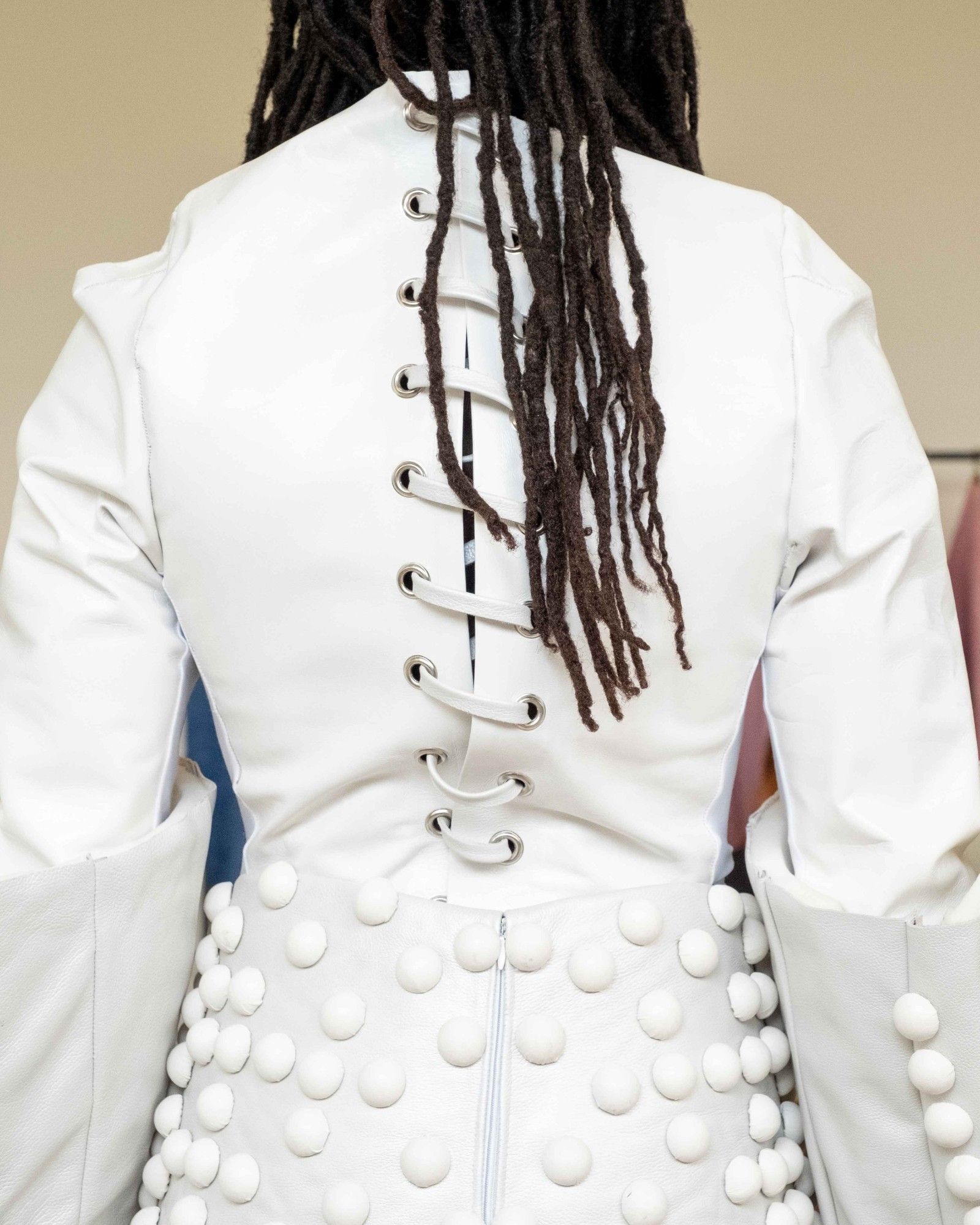
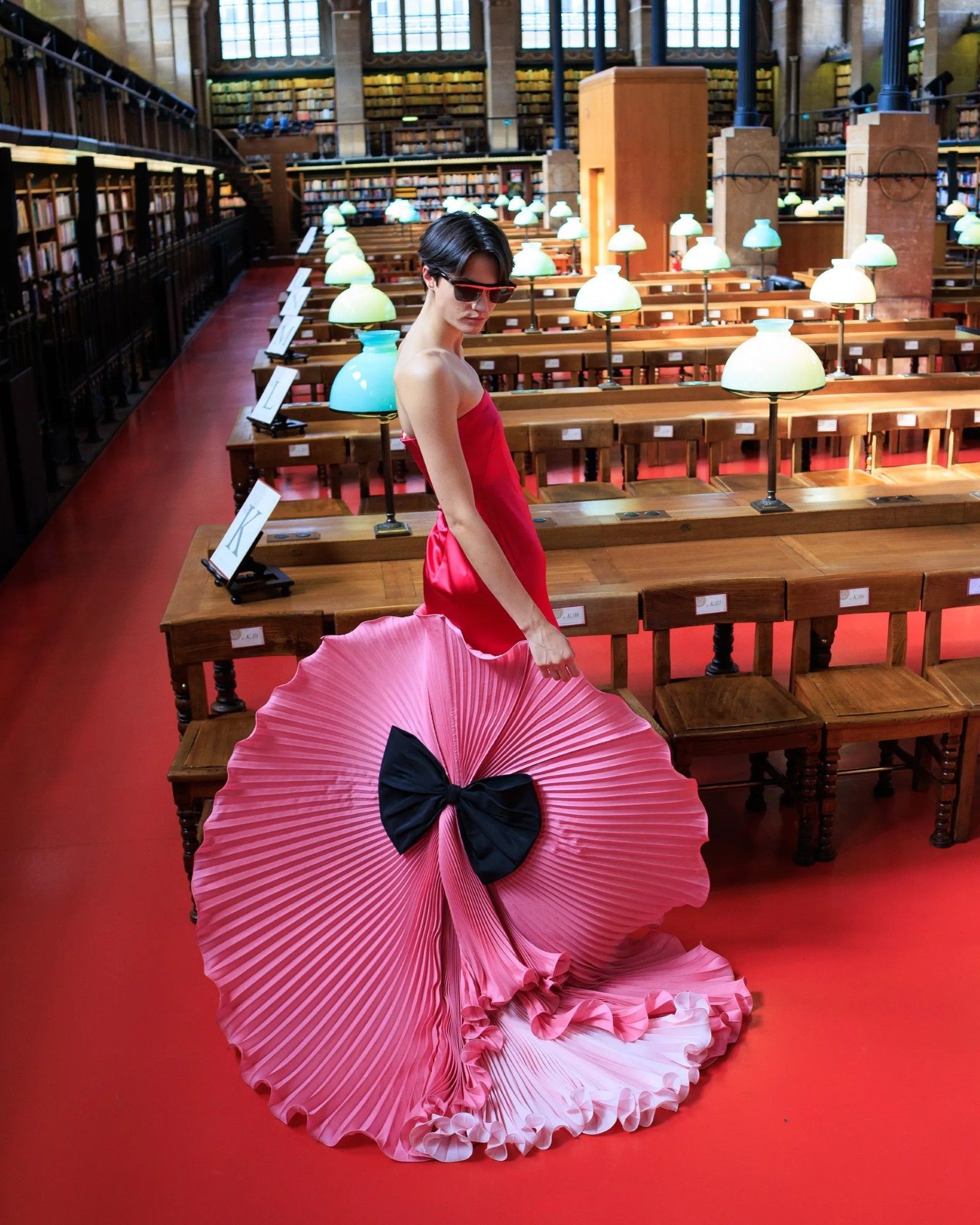
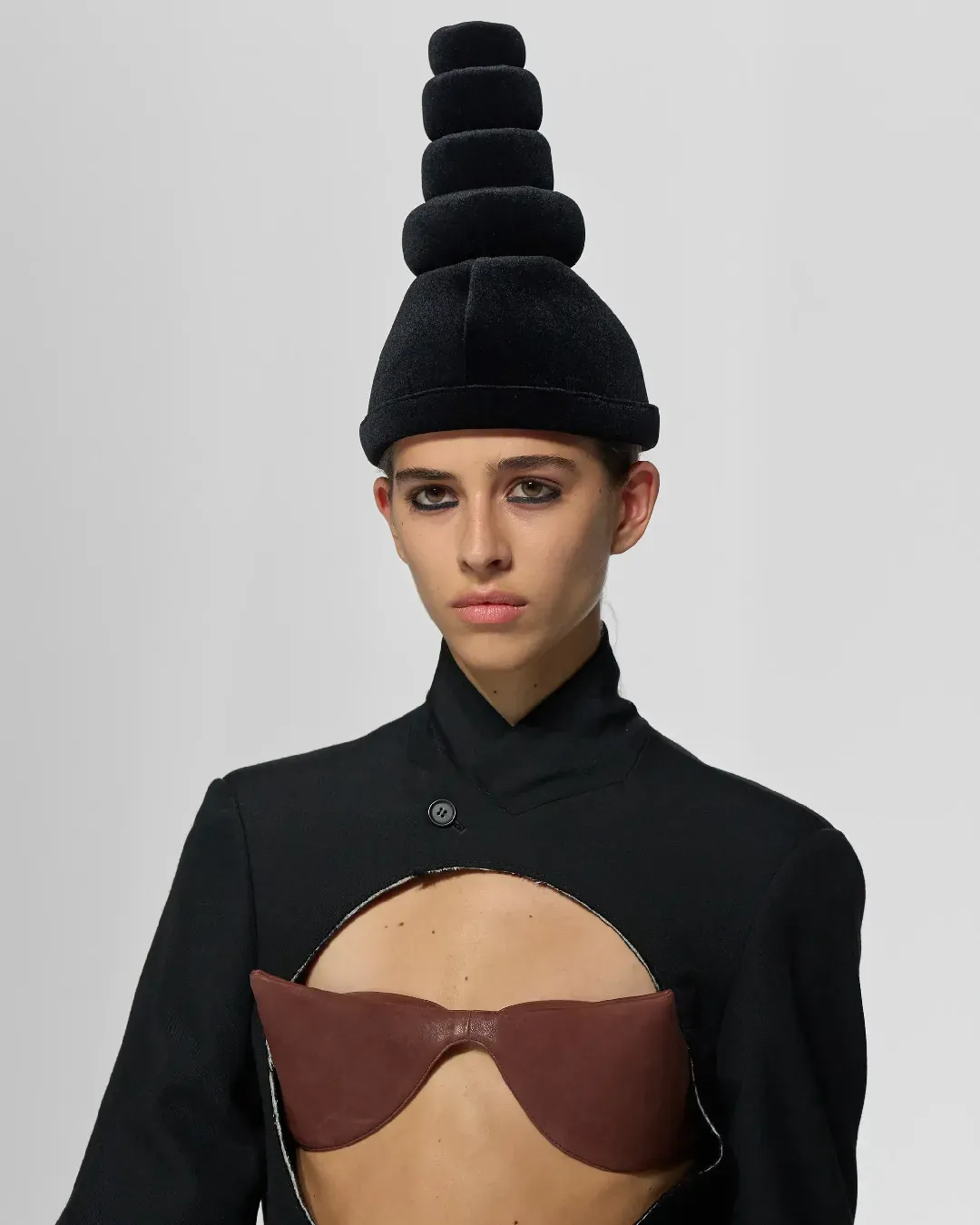
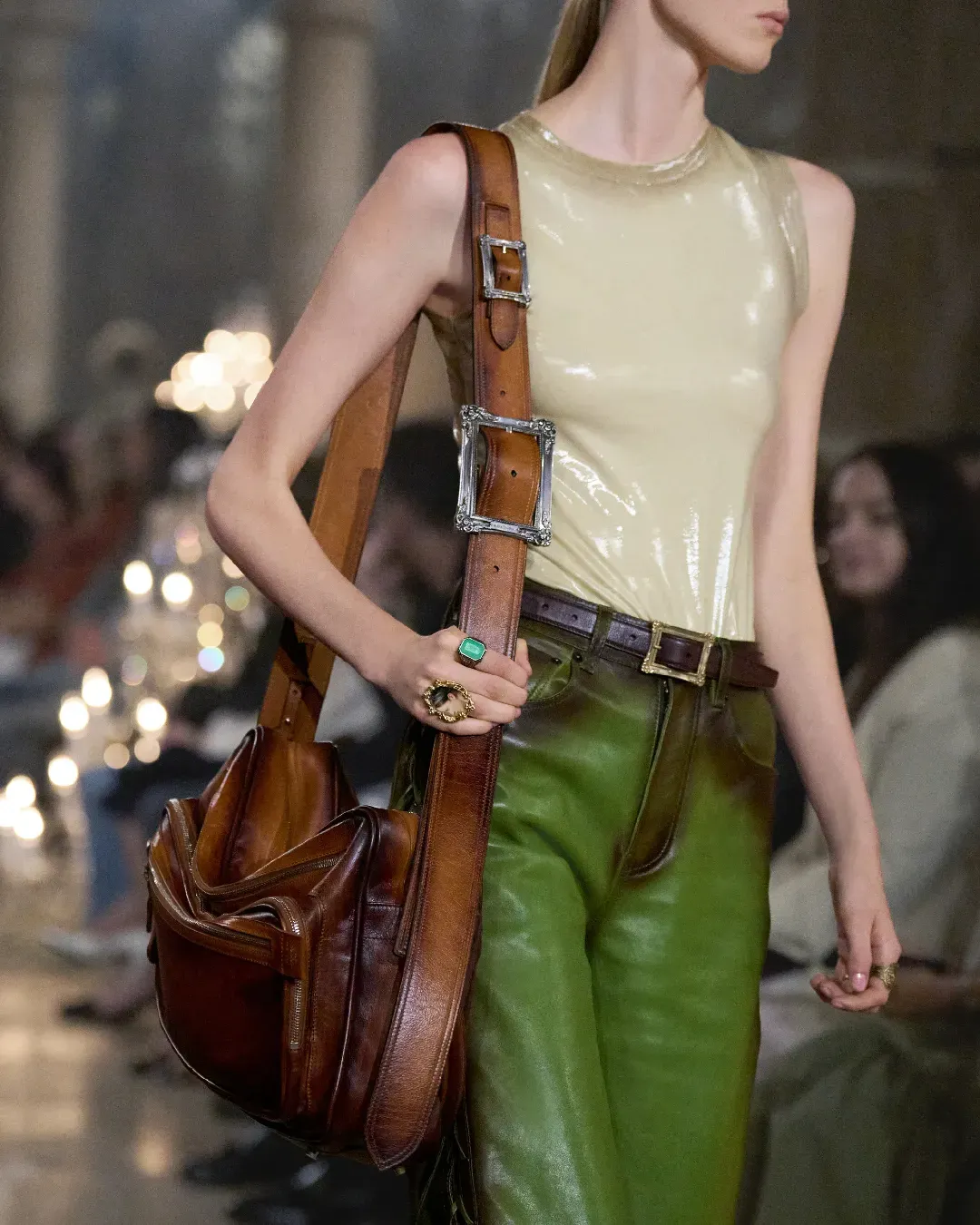
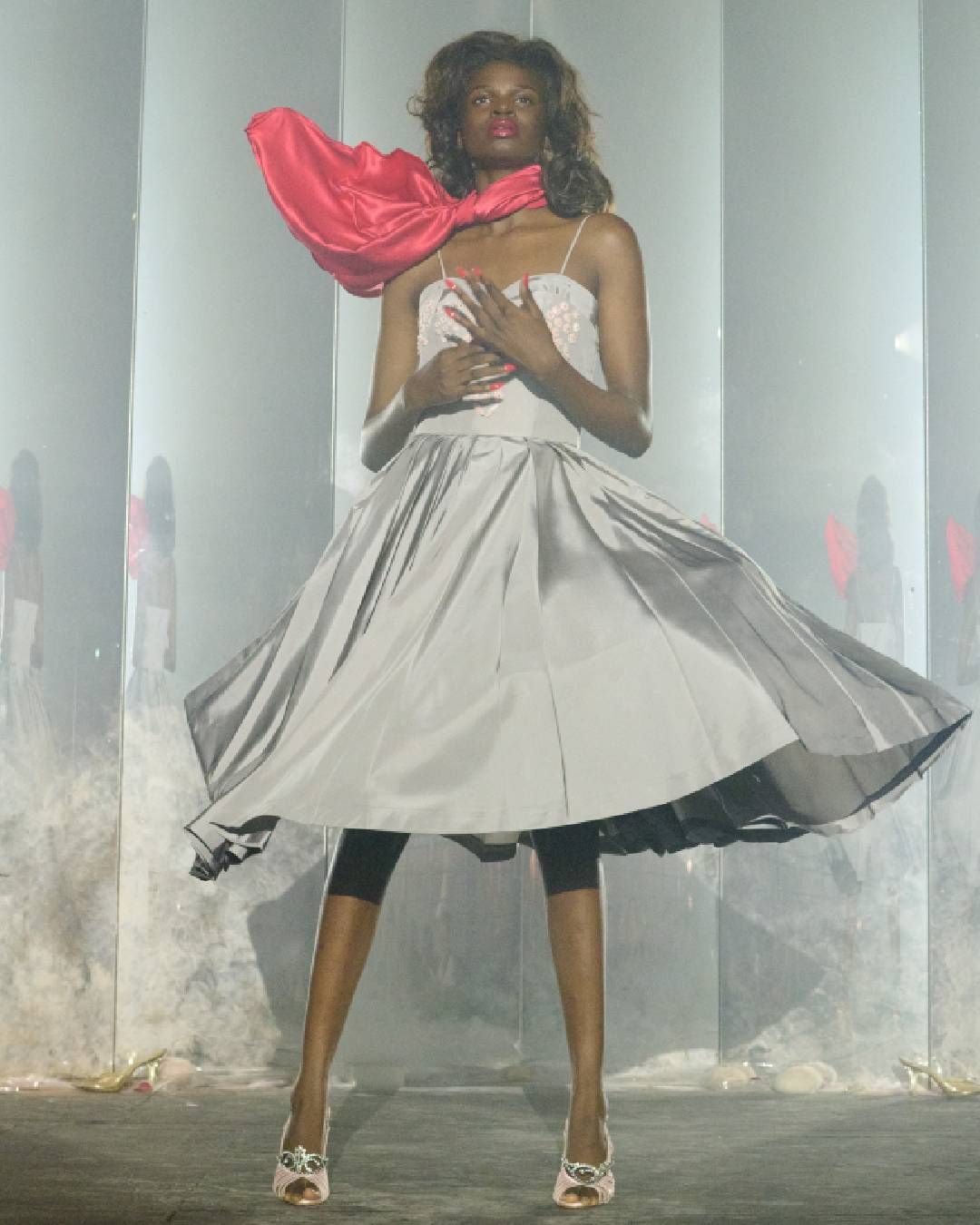
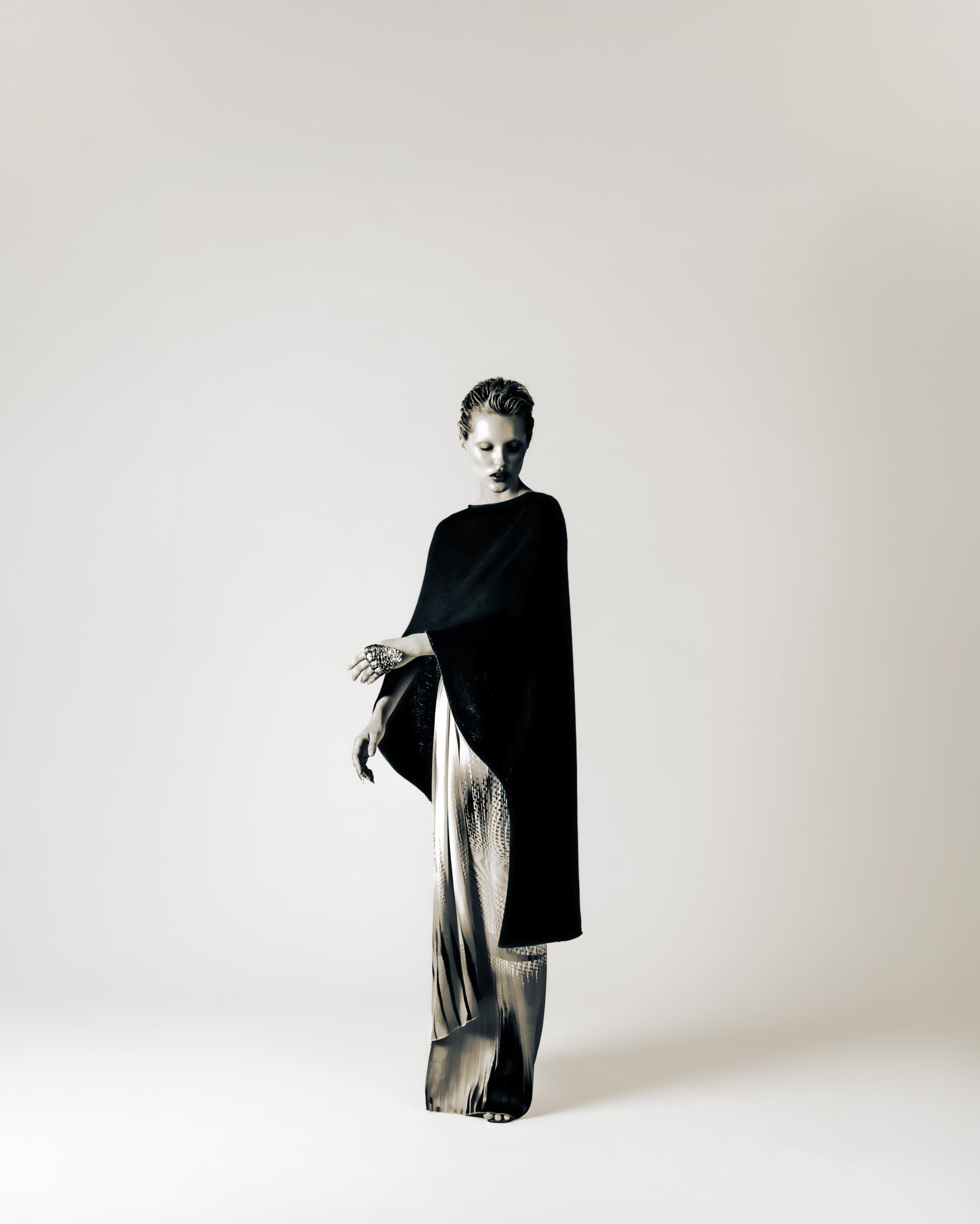
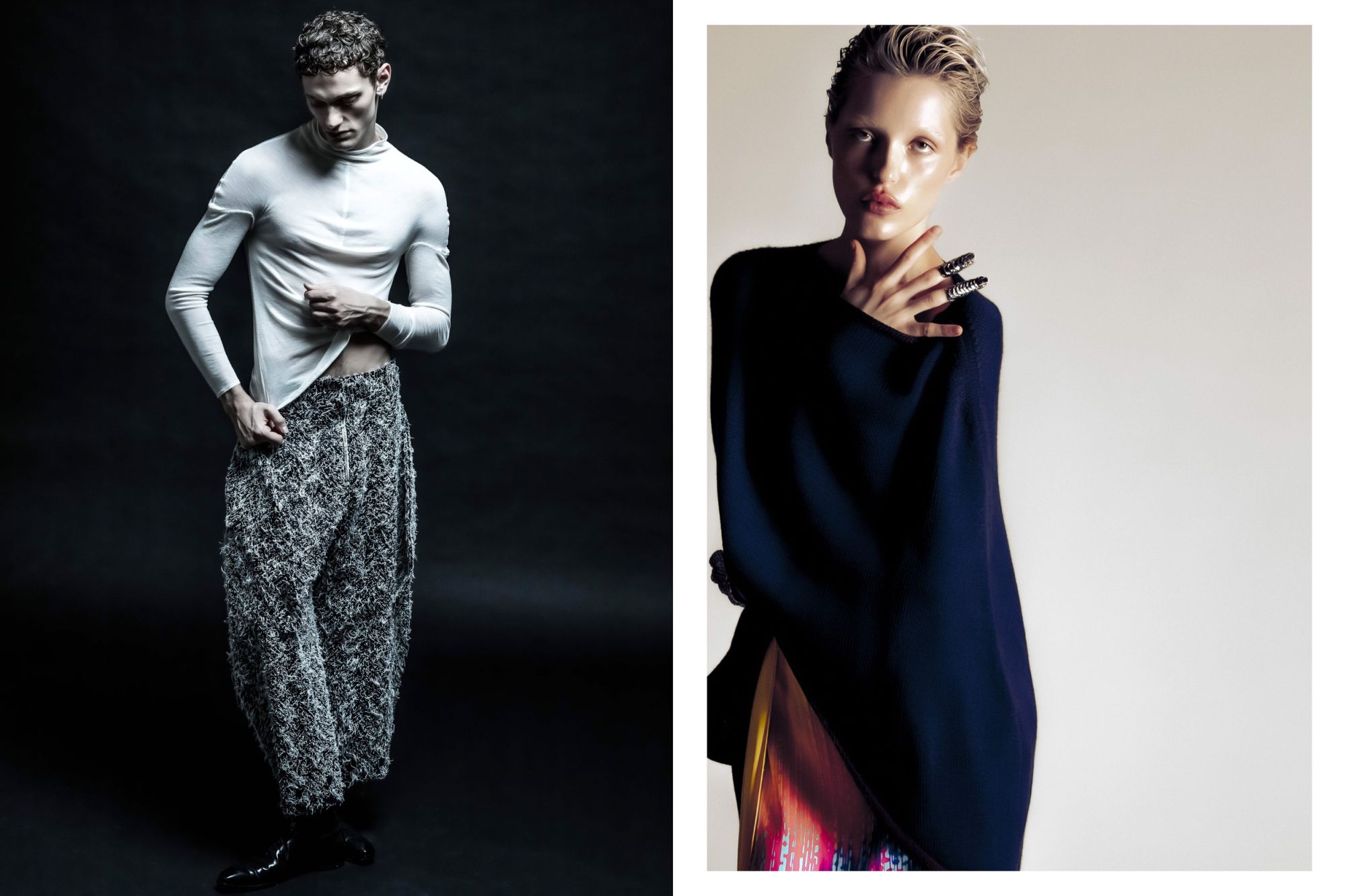
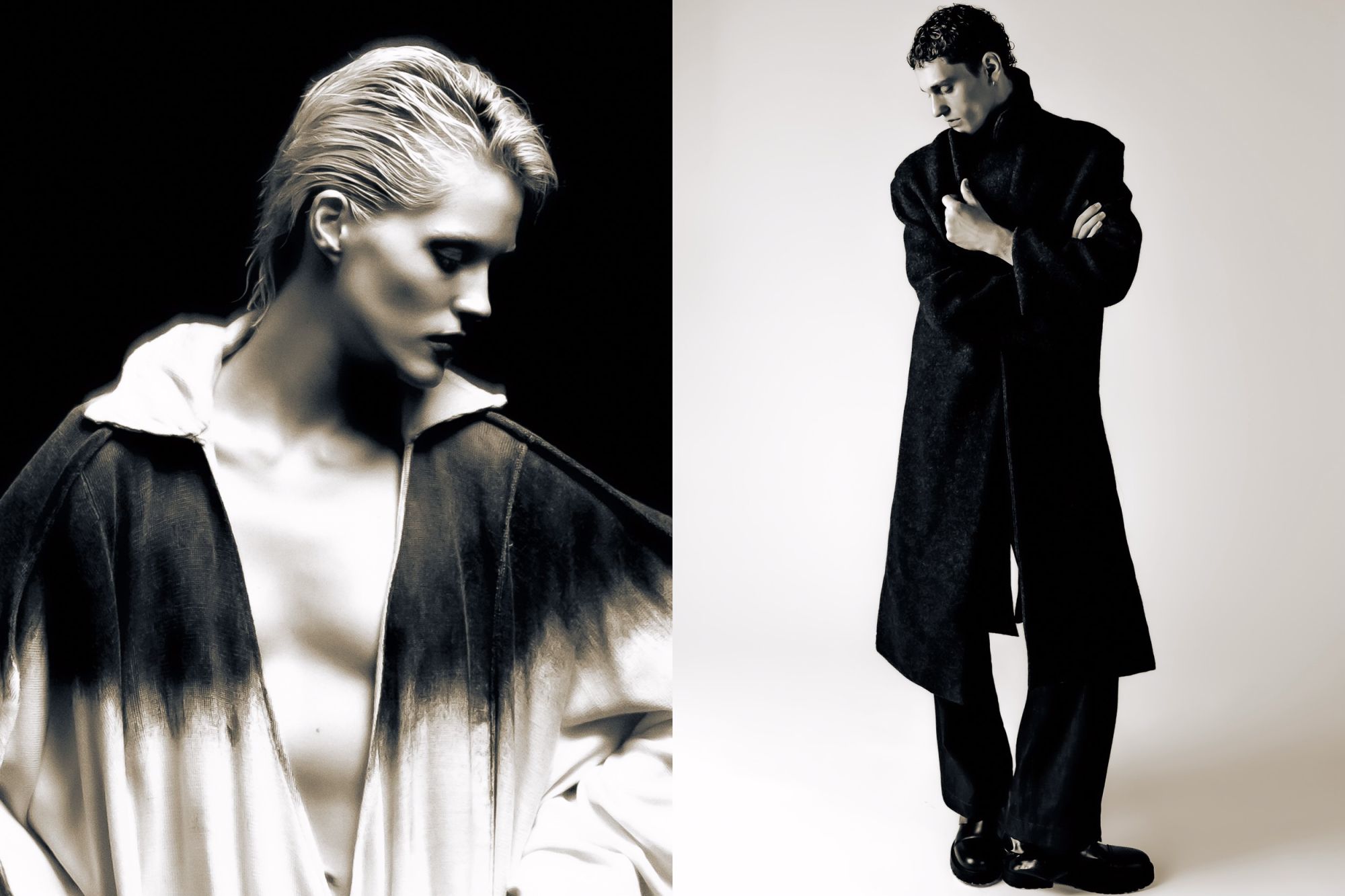
Some shots isolate the garment and highlight its silhouette, construction and materiality; others allow into the image what normally remains off-camera. The image thus becomes a living environment, in which bodies, garments and different languages interact, while the moment of construction becomes an integral part of the final result.
The looks on show are signed by Davide Albesano, Erika Angeloro, Jasmine Bauducco, Sara Bertagnini, Carlotta Bertolino, Gloria Cardia, Ginevra Deorsola, Luca Dessì, Dalila Domi, Giada Ferreri, Asia Lillaz, Raffaele Longobardi, Carlotta Morello, Alessia Mosso, Marta Naso and Denise Patregnani. Their research explores different themes and imaginaries — from memory to identity, from the relationship between control and liberation to the transformation of the body, through to myth, sound, perception, the urban night and the tensions of contemporary life — giving rise to collections that differ in construction, materials and visual language.
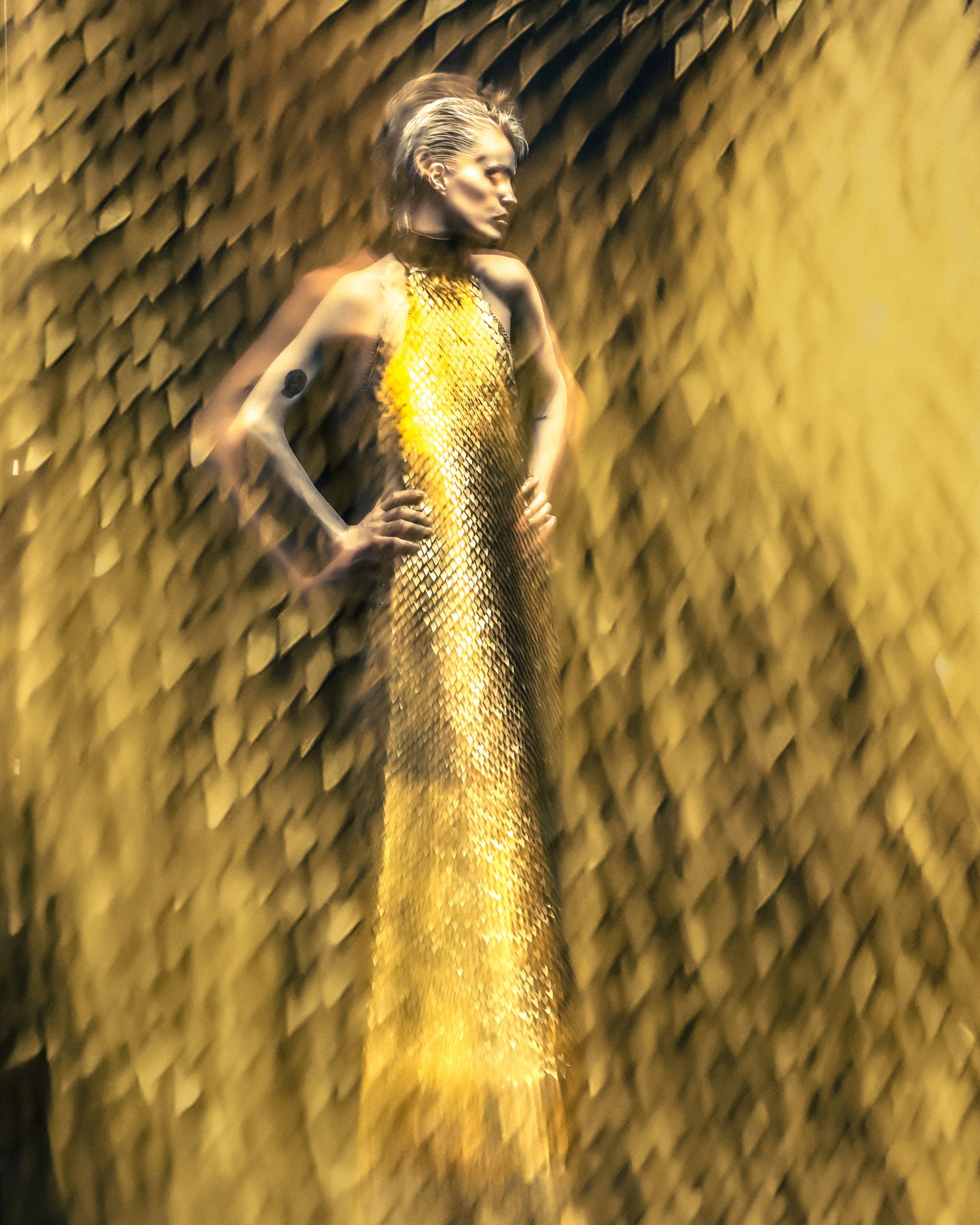
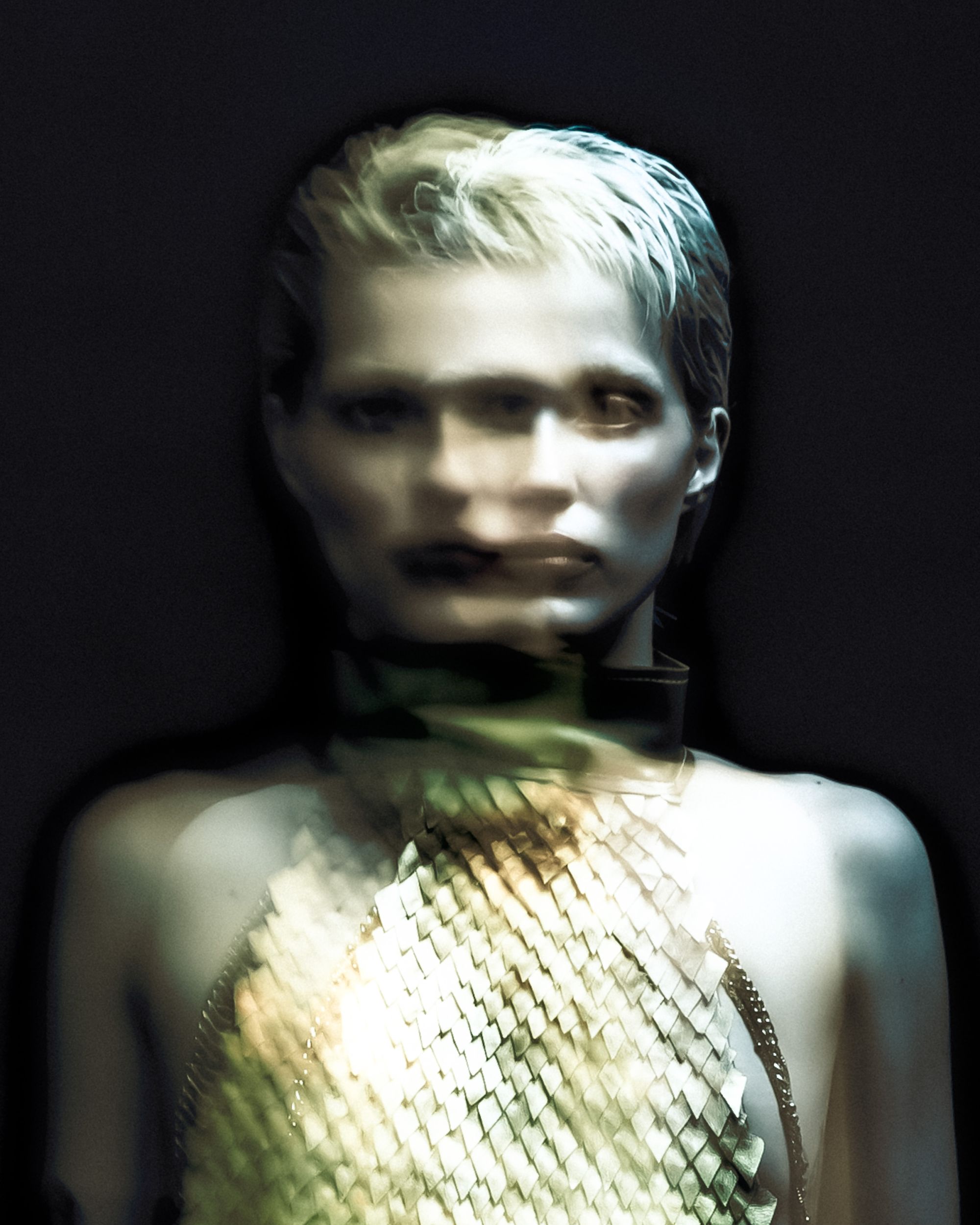
Through styling, these individual journeys are brought into dialogue: garments born within distinct projects are paired and rethought on the body, creating new readings and bringing to light connections that did not necessarily belong to the individual starting projects. Styling thus becomes a tool of interpretation as well as composition. Transparent surfaces, sculptural volumes, knitwear, metallic applications, blurring and layering enter into dialogue within a sequence that alternates affinities, contrasts and cross-pollinations between sensuality and formality, quiet luxury and experimental interventions.
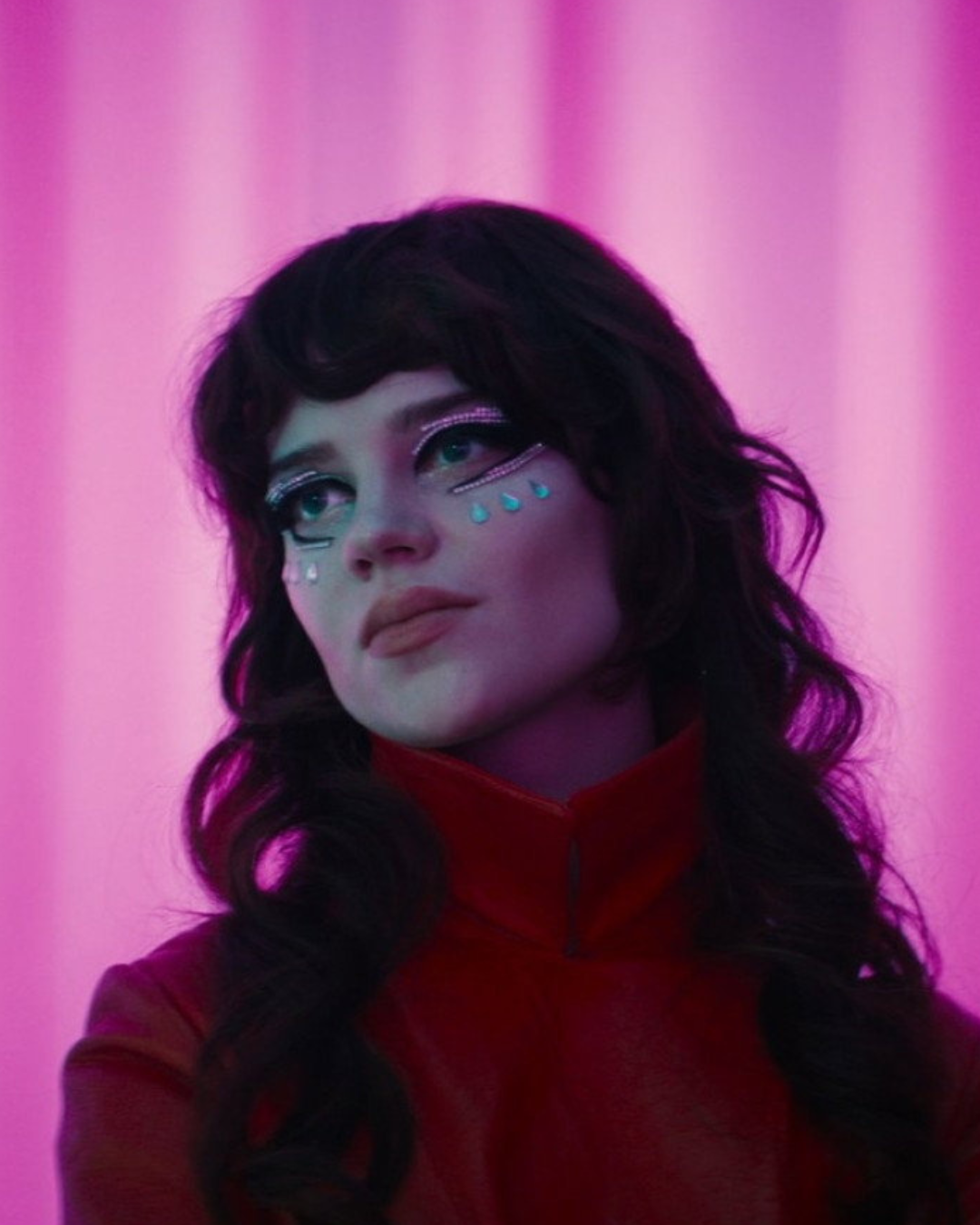
The construction of the looks follows not only criteria of surface, volume or proportion, but brings different design approaches into confrontation and modifies their perception through the body, the pose and the relationship with other garments. Photography also contributes to this process: the brightness of the studio alternates with darker settings, sharp images give way to blurring or overlapping, composed poses make room for a more spontaneous dimension, in a tension that conveys the plurality of the research.
At the heart of the project lies the Three-Year Programme in Fashion Design at IED Torino, which guides the development of a collection from initial research through to the realisation of the garment. Drawing, research and material experimentation proceed alongside pattern-making, prototyping and form-testing, all the way through to construction. The work unfolds between classroom and workshops, placing students in a position to progressively test their intuitions in dialogue with faculty and the partner companies involved in the programme.
Within this process, digital tools also play a precise role. Technologies such as CLO3D make it possible to simulate shapes and volumes and to refine the project before its physical translation, while tools linked to artificial intelligence expand the possibilities of research and visualisation. Yet the digital and the handmade do not represent two opposing phases: they are complementary tools through which an idea is tested and transformed. A silhouette imagined on screen must ultimately contend with the real behaviour of fabric, with the weight and surface of materials, with the movement of the body and with the demands of garment construction.
Fabrics, yarns and surfaces are studied and experimented with directly in the workshop, where matter becomes an active part of the design process. The construction of the prototype makes it possible to verify how a silhouette responds once worn, how the relationship between body and volume shifts, and in what ways the behaviour of the material can alter the initial idea. The project thus advances through trials, corrections and adjustments, in a continuous movement between intuition and verification. Dialogue with pattern-making faculty and partner companies helps to connect creative research with the technical and production aspects required to realise the garment.
It is in this continuous passage between idea and matter that the meaning of Drawing the Future is found. Drawing becomes something more than a creative gesture — above all, a concrete design tool: one through which a vision is imagined, defined and translated into a garment. But it is also a metaphor that looks in two directions at once: while tracing their own professional futures, the young designers imagine possible trajectories for the fashion of tomorrow, in a process that brings together intuition, experimentation and skills. The shooting thus tells of a balance that is born not from the replacement of craft with the digital, nor from a nostalgic return to tradition alone, but from the dialogue between different tools, knowledge and languages.