
"ChiaroScuro" could have been different, but it's the usual Netflix crime show Even if set in the art world
For every one or two decent Italian series that come out on Netflix, there are bound to be some less good ones — even if those tend to be the majority. Heralded as the revolution for the small screen, but revealed to be the younger yet not-so-different cousin of mother Rai, the platform continues to offer serial productions that are far too similar to mainstream television and far too lacking when it comes to narrative and artistic originality. Even when a project had the potential to be so much, so much more — as is the case with ChiaroScuro.
When the actors are the ones saving the writing
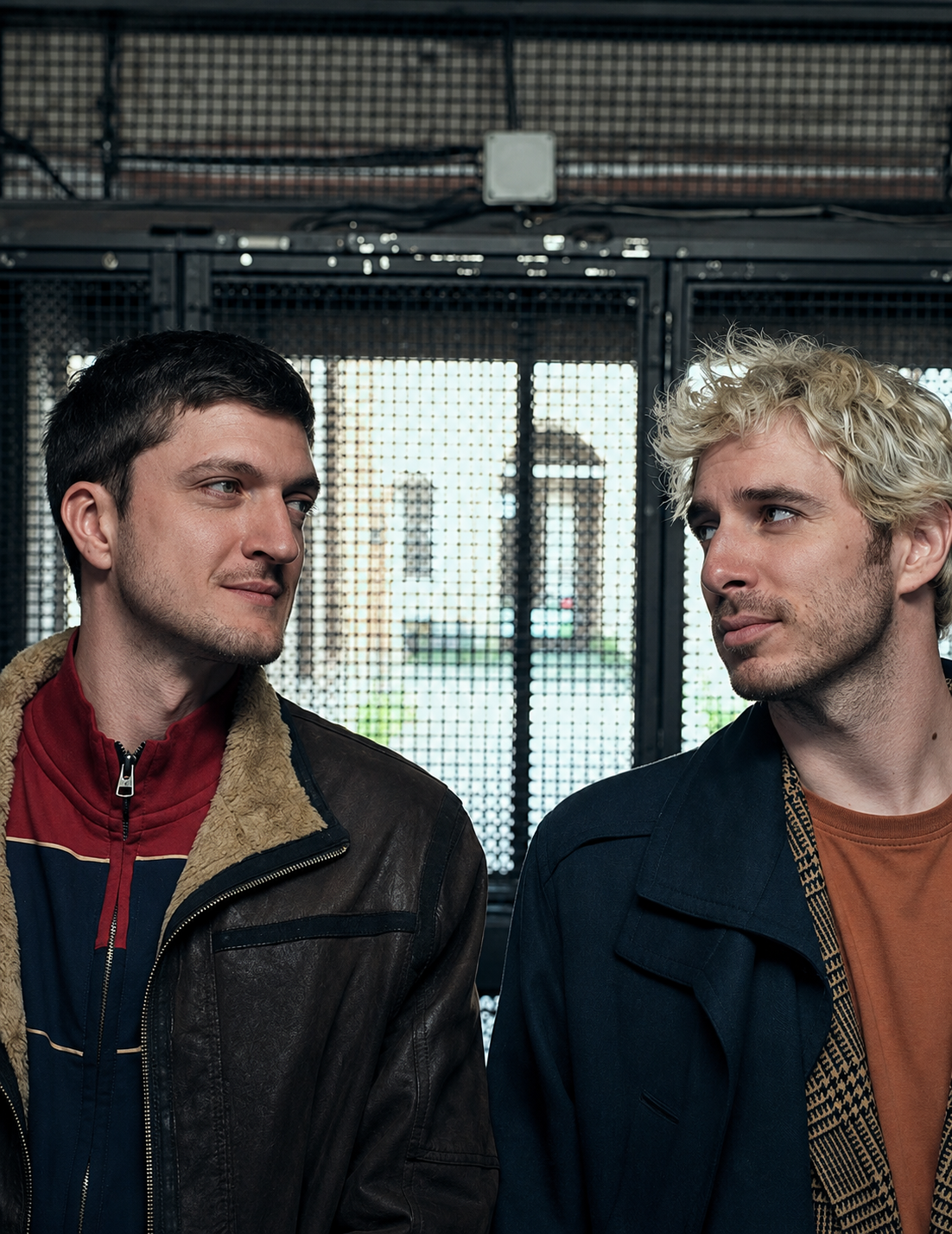
Set halfway between the world of crime and that of art, the story follows a young police officer and an art consultant who are forced to collaborate until they become a well-matched partnership. They are played by Andrea Lattanzi and Pierpaolo Spollon, the latter plucked from the Rai corridors (Doc - Nelle tue mani, Blanca) and transplanted onto the platform, presumably to ease the transition of traditional viewers who also have a Netflix account and might be persuaded to watch the series.
The Lattanzi-Spollon duo works hard to make the dynamic between the rough-around-the-edges cop and the scruffy artist click, and gradually they manage it — though more through their own determination than through any help from the writing or its staging. Even the characters' names, Angelo Tiberi and Cosmo Speranza, make it plain just how performative they are. Perhaps, in Netflix's writing room, the hope was that the names alone would do half the characterisation work.
It is only the commitment of the performers that pulls the protagonists out of their artificial and clunky tracks — and not even always, with Spollon occasionally getting trapped in the recycling of a thoroughly stereotyped idea, that of the rebellious genius, which demands a performance that feels fake and overly derivative of a thousand other titles. On top of that, there is the obligatory trauma haunting the character, the fil rouge running through the episodes: his forger father's suicide and the doubts over whether he truly took his own life.
A missed opportunity between art and crime formulas
The direction of ChiaroScuro is another source of bewilderment. Under the illusion that a few zooms or snap cuts are enough to inject energy, fizz and irreverence into the product, the series is composed of shots and sequences in which the movement given to the images is not electric and dynamic, but excessive and out of place. As though other films or series had been taken as models — ones in which, however, the style was not imitated or unnatural, but well embedded and managed within the visual fabric of the story. Which is not what happens here, with an additional layer of artificiality that passes itself off as freshness, but instead reveals the borrowing of influences the series aspired to without ever managing to live up to them.
The greatest disappointment with a result like that of ChiaroScuro is that an intriguing and uncharted starting point has been squandered — an artistic heritage for which Italy is known the world over, and which it would have been wonderful to celebrate and weave more fluidly into a series that instead turns out to be just like so many others. One that quickly loses its distinctiveness despite the paintings and works of art at centre stage, which remain mere objects rather than genuine protagonists, bent to the demands of the investigation and the crime formulas deployed in the same way as in every other title in the genre. Which makes ChiaroScuro a forgery — just like the ones Cosmo Speranza is so very good at spotting.
What to read next

The price of independence for A24
Would we still watch their films if it were to be acquired?
The choice of James Bond is the cheapest marketing for the franchise
James Bond, Amazon and the "Marvel treatment"
If you're in trouble, call "Un bon avocat"
But only to spend a nice evening on the couch with Netflix's new title