

































"Unabomber" tells the true story of terrorist Theodore Kaczynski The film starring Jacob Tremblay, Russell Crowe and Shailene Woodley fails to live up to the events it portrays
The story of Unabomber, the anarchist Theodore Kaczynski, is among the most terrifying in contemporary America. From 1978 to 1995, an anonymous terrorist mailed packages that turned out to be bombs ready to strike sensitive targets with the intent of involving as many victims as possible. From universities to transportation hubs, the criminal struck at numerous locations over the course of nearly eighteen years.
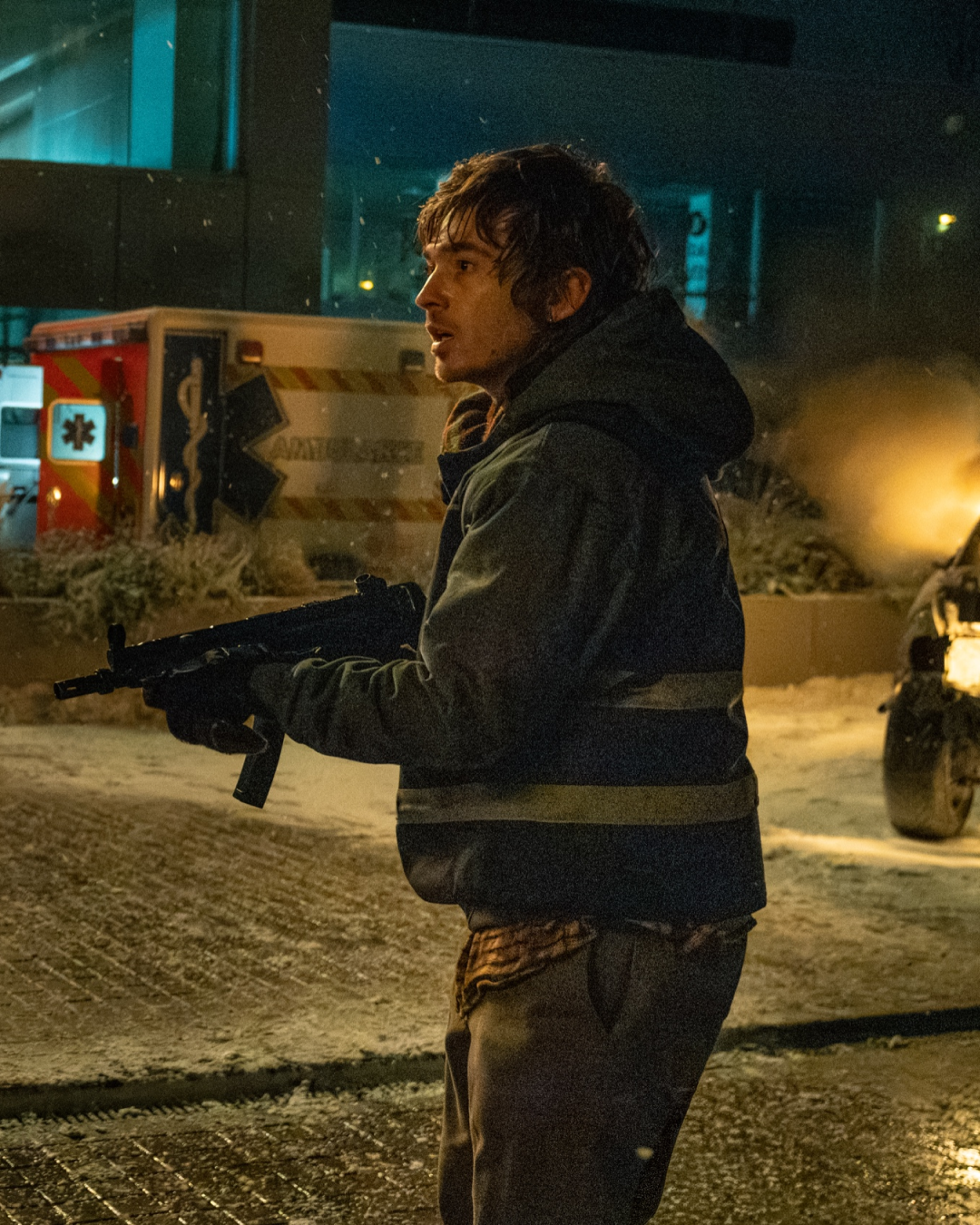
The attacks ceased with his arrest by the FBI in the mid-1990s. Netflix has revisited this manhunt for its new original film starring Jacob Tremblay, Russell Crowe, and Shailene Woodley. The work of Janus Metz Pedersen, written by Sam Chalsen and Nelson Greaves, does not, however, delve deeply into the terrible true events, despite attempting to explain the psychology of the perpetrator.
The film does not justify him, but attempts to reconstruct what happened during the man's university years and how those experiences later led him to his criminal activities. Unfortunately, despite the film's intentions being clear, the result is muddled. Not only that, but it is disjointed in its attempt to offer a 360-degree view of what may have driven Kaczynski to his actions and how this might be connected to the experiment he took part in during his years at Harvard.
A connection that barely holds together
@netflix To understand the hunt, you have to understand the mind. Inspired by true events, UNABOMBER stars Russell Crowe, Jacob Tremblay, Annabelle Wallis, and Shailene Woodley. September 25. #UNABOMBERNetflix original sound - Netflix
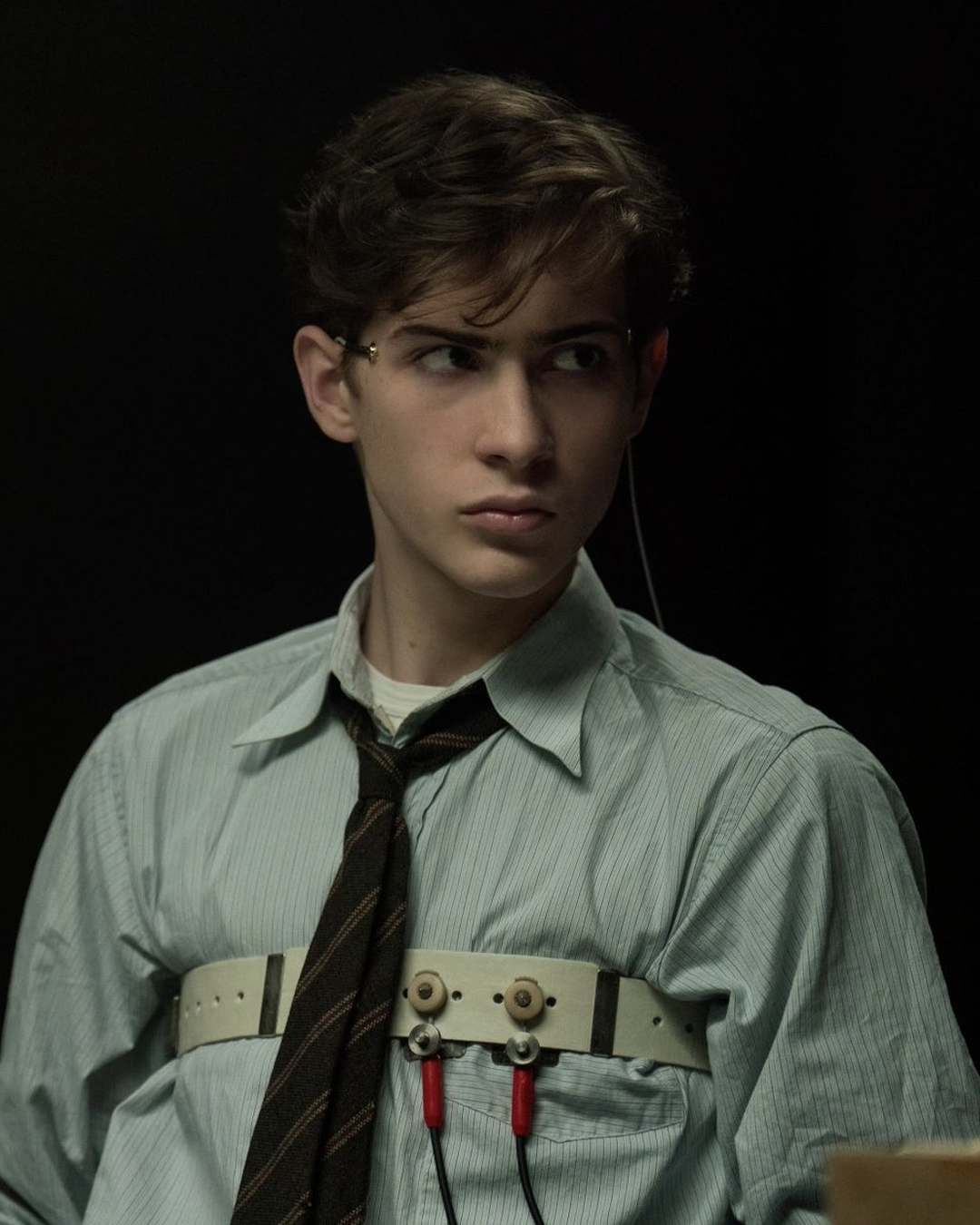
A mathematics student who suddenly developed a passion for philosophy, Kaczynski (Tremblay) agrees to take part in a study that will prove to have damaging repercussions on his psyche and emotional life. The experiment is conducted by Professor Henry Murray, played in the film by Crowe, while Woodley plays the agent who, in the '90s, followed the trail that led her to the man and finally managed to stop him. In this mosaic of information that carries the story and audience back and forth through time, Unabomber loses focus on the figure of this character and his actions. Why did Kaczynski send sixteen mail bombs targeting institutions and public figures? What was his purpose, and what was the seed from which it all grew?
Without even realizing it, the Netflix film links two events in the man's life in an attempt to stage a cause and an effect. Yet if one observes the work in its entirety, stepping back to gain perspective, it becomes clear that very little has been explained about Kaczynski's intentions, why he did what he did, and where his hatred and revulsion toward progress originated.
The manifesto the man wrote is never dissected, let alone explained or examined. It is there, it is evidence, it is a piece of the puzzle leading to Kaczynski's capture, but his deeper motivations — whether tied to some form of mental imbalance or not — are never investigated. This creates a connection that barely holds together between what he experienced at university and what he later carried out. And if this was the actual reason behind his attacks, then the screenplay failed to make that case convincingly.
The film leaves more questions than answers
What Theodore Kaczynski had to endure during his university years certainly had a decisive impact on his life, in addition to causing him considerable harm given the purpose of the experiment: to discover ways to subjugate people, a study commissioned by the CIA. This is precisely what author Alston Chase explores in his 2003 book Harvard and the Unabomber: The Education of an American Terrorist. But while the text offers an analysis of the alienation that may have led Kaczynski to distrust modern society and fear technology to the point of opposing it through his attacks, in the film the connection remains invisible, elusive, making it difficult to draw any meaningful conclusion.
And so one watches Unabomber wondering about the man's motivations, about what drove him to do what he did, left with more questions than the film thought it could answer — questions it only serves to multiply. We discover a chapter of his life from which some of the sparks that ignited the attacks undoubtedly sprang, yet it gives the impression of having been included more to shock the audience than to get to the heart of a figure who revealed yet another troubling and hard-to-stomach facet of the world we live in.