


























What professional figures does fashion need today? We asked three professional lecturers from IED Firenze Postgraduate


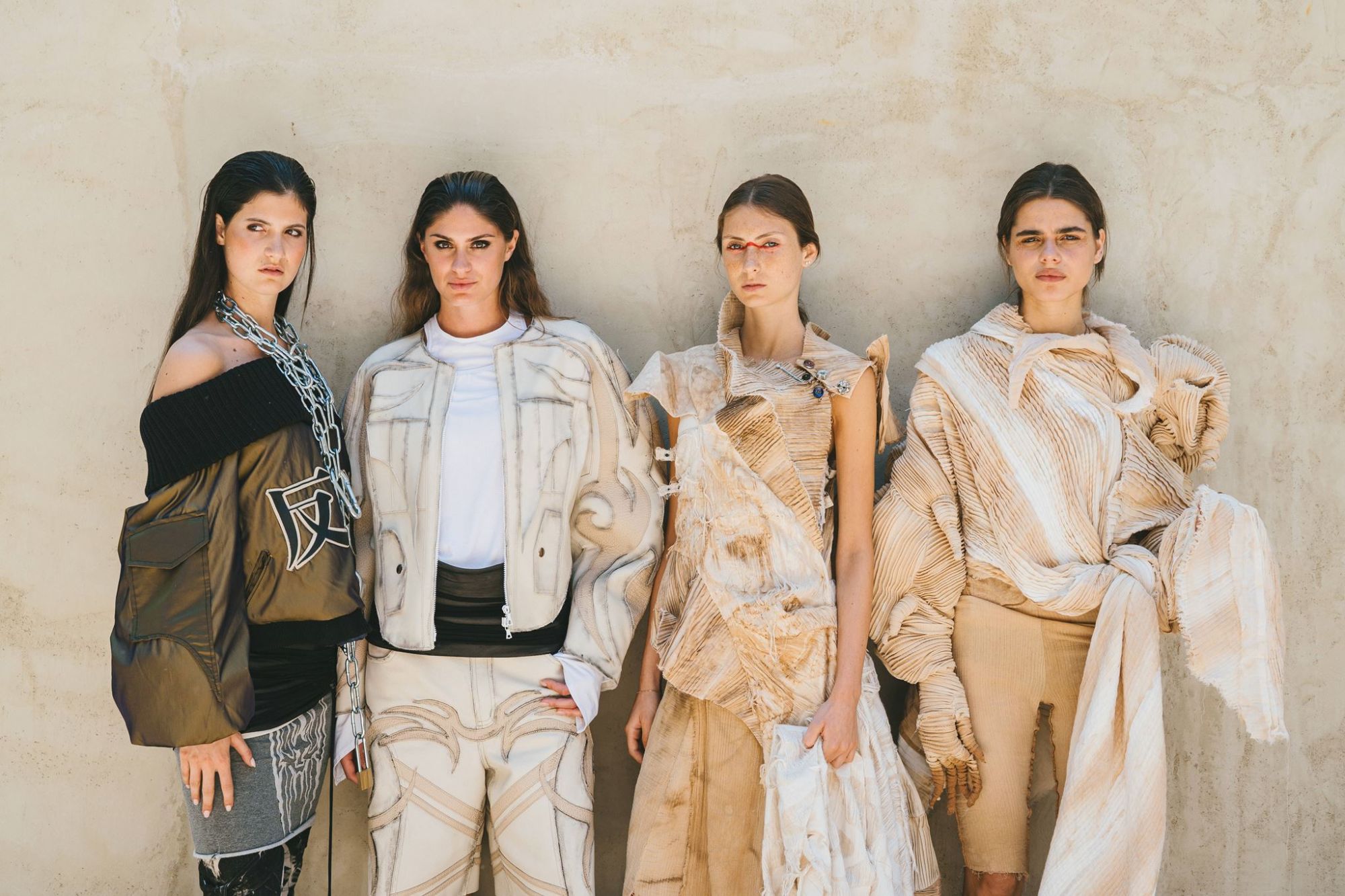
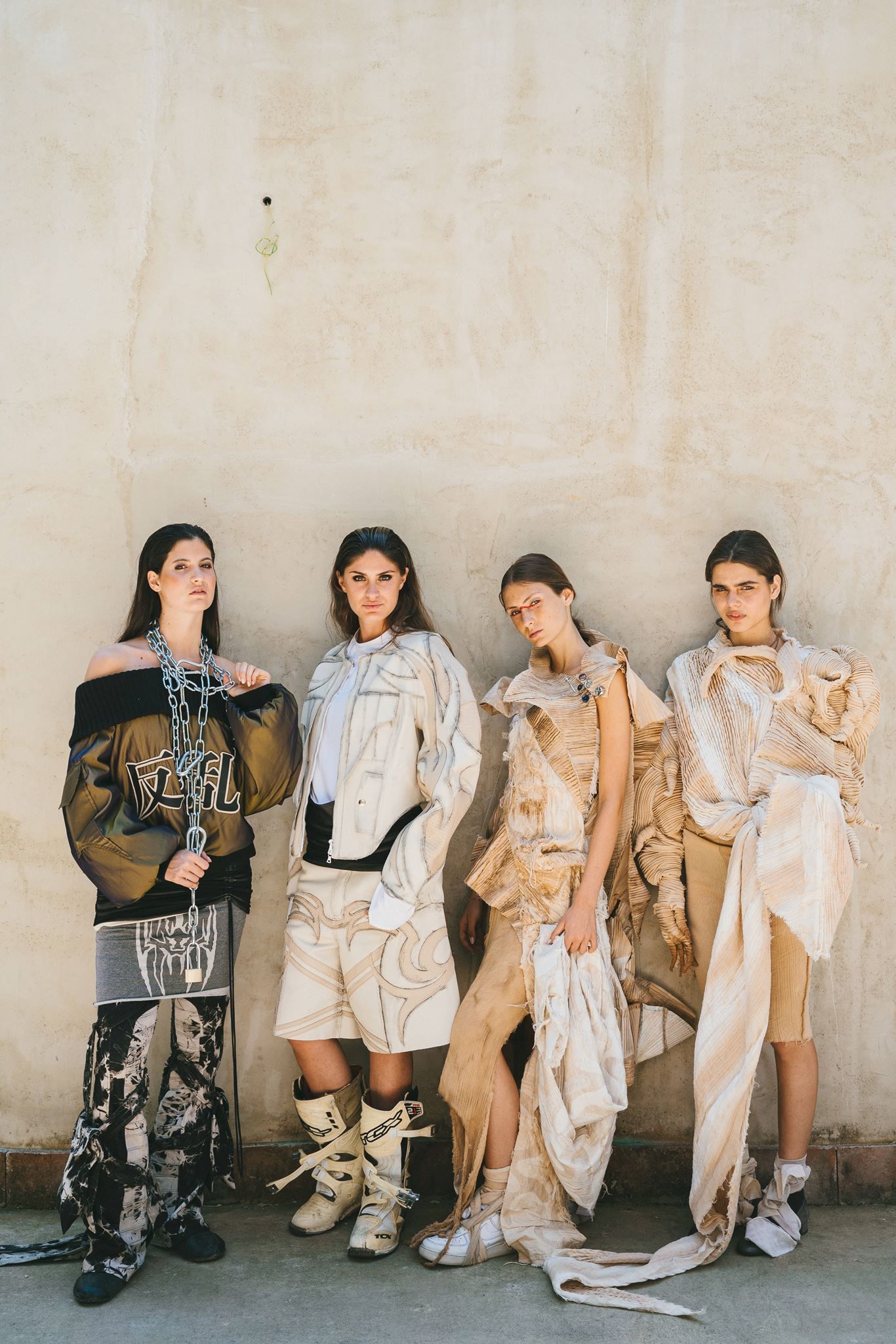

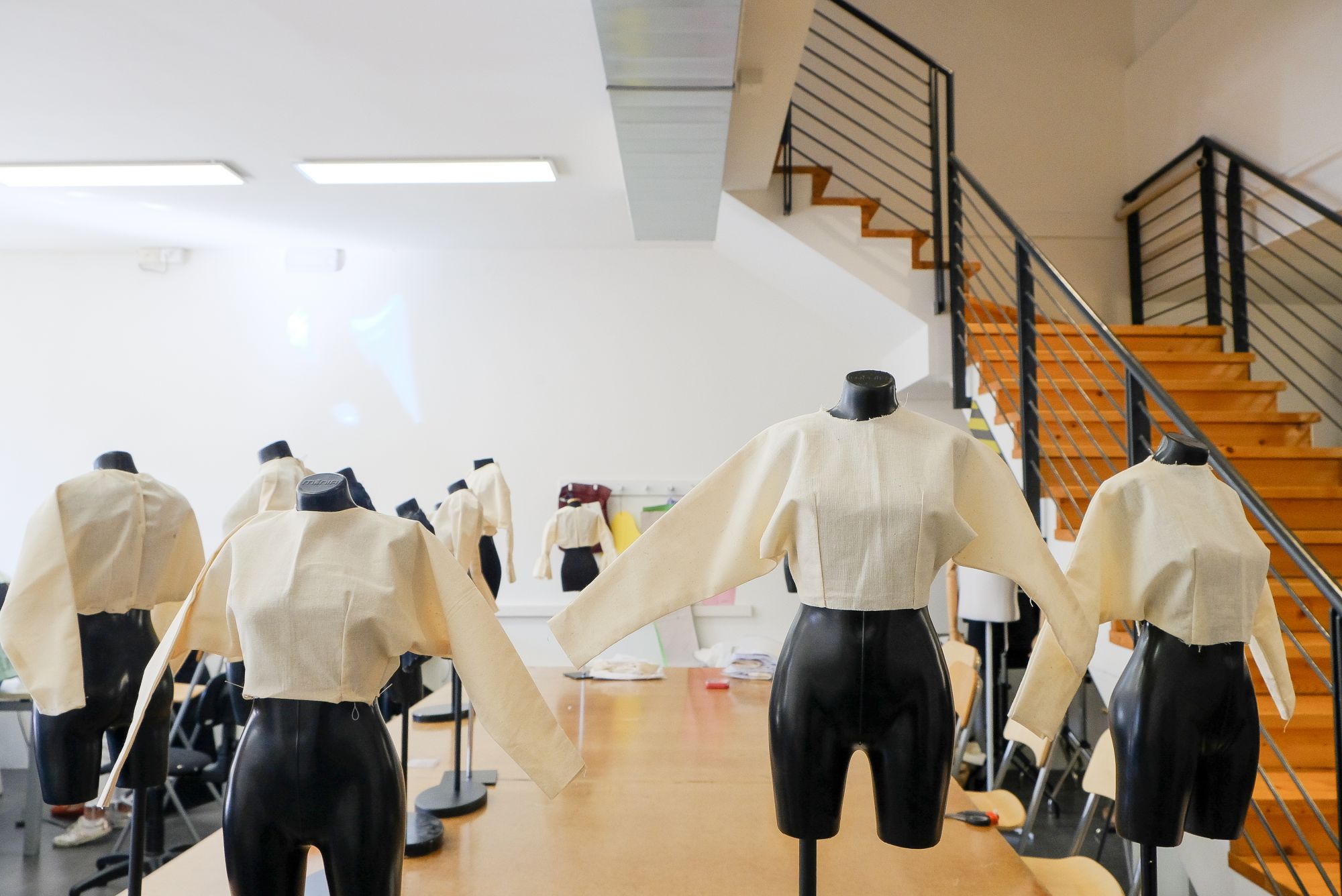
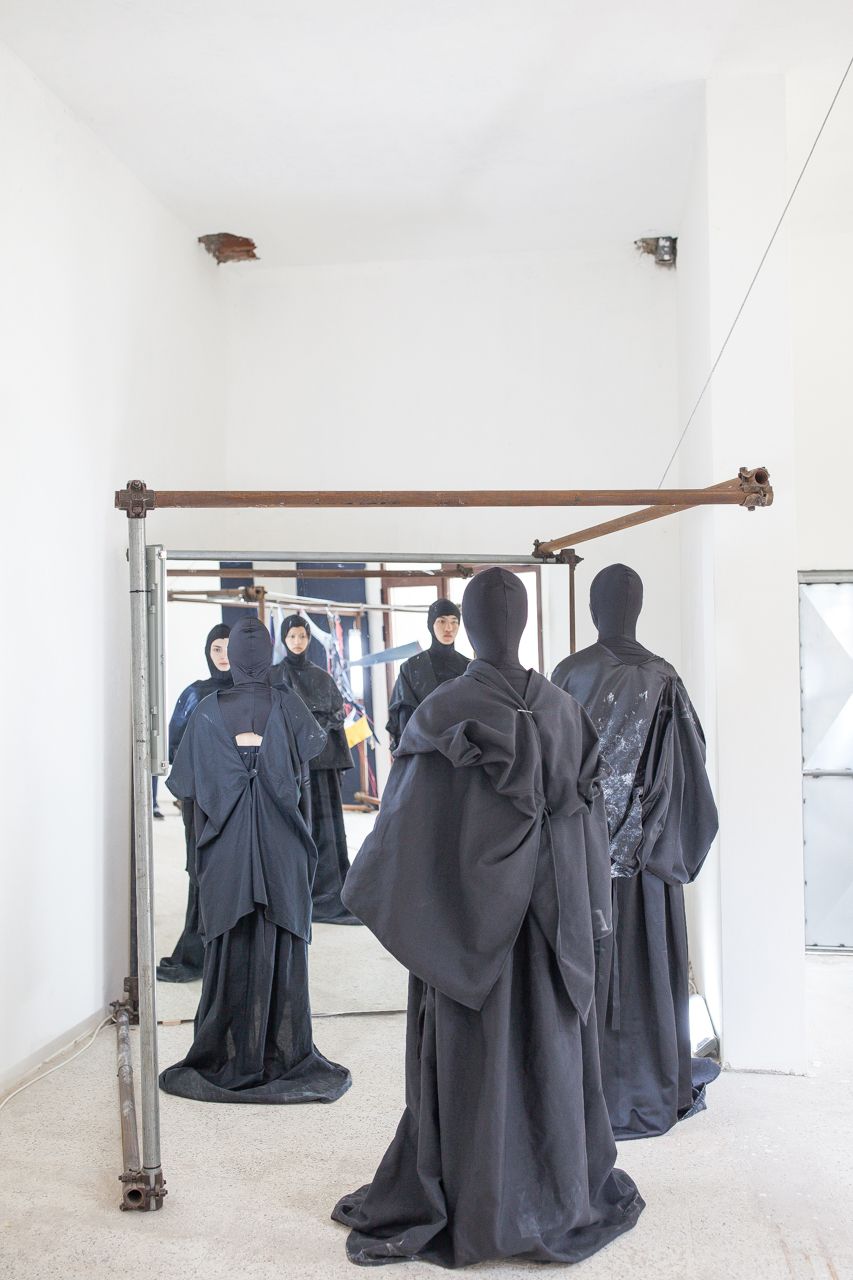
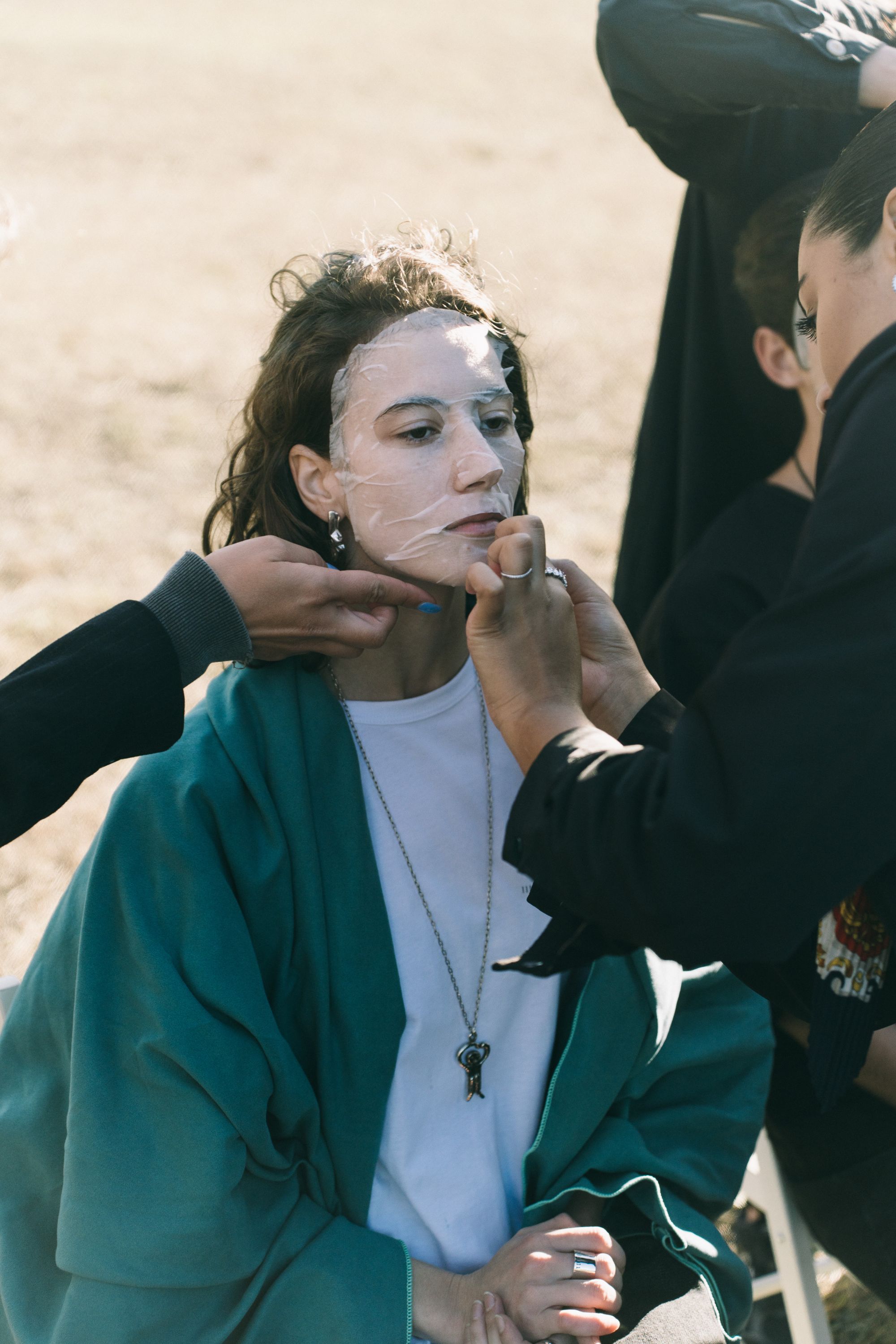
Saying you want to work in fashion is too vague a statement. The industry is a complex organism, traversed by professions that constantly intertwine and depend on one another more than one might imagine. Behind every collection lie long processes of creation and craftsmanship, involving people who contribute at different stages and who each bring their own perspective to shaping the project.
Knowing the industry is therefore now only part of the preparation: professions today are defined with greater precision and, along with them, the skills required of those entering the field have changed. IED's Postgraduate Fashion offering is built on this transformation. The five courses on offer provide a clear picture of the professions and the way they are practised today, bringing training closer to the situations students will encounter once they enter the working world, and seeking to cover every required competency.
A Word from the Lecturers
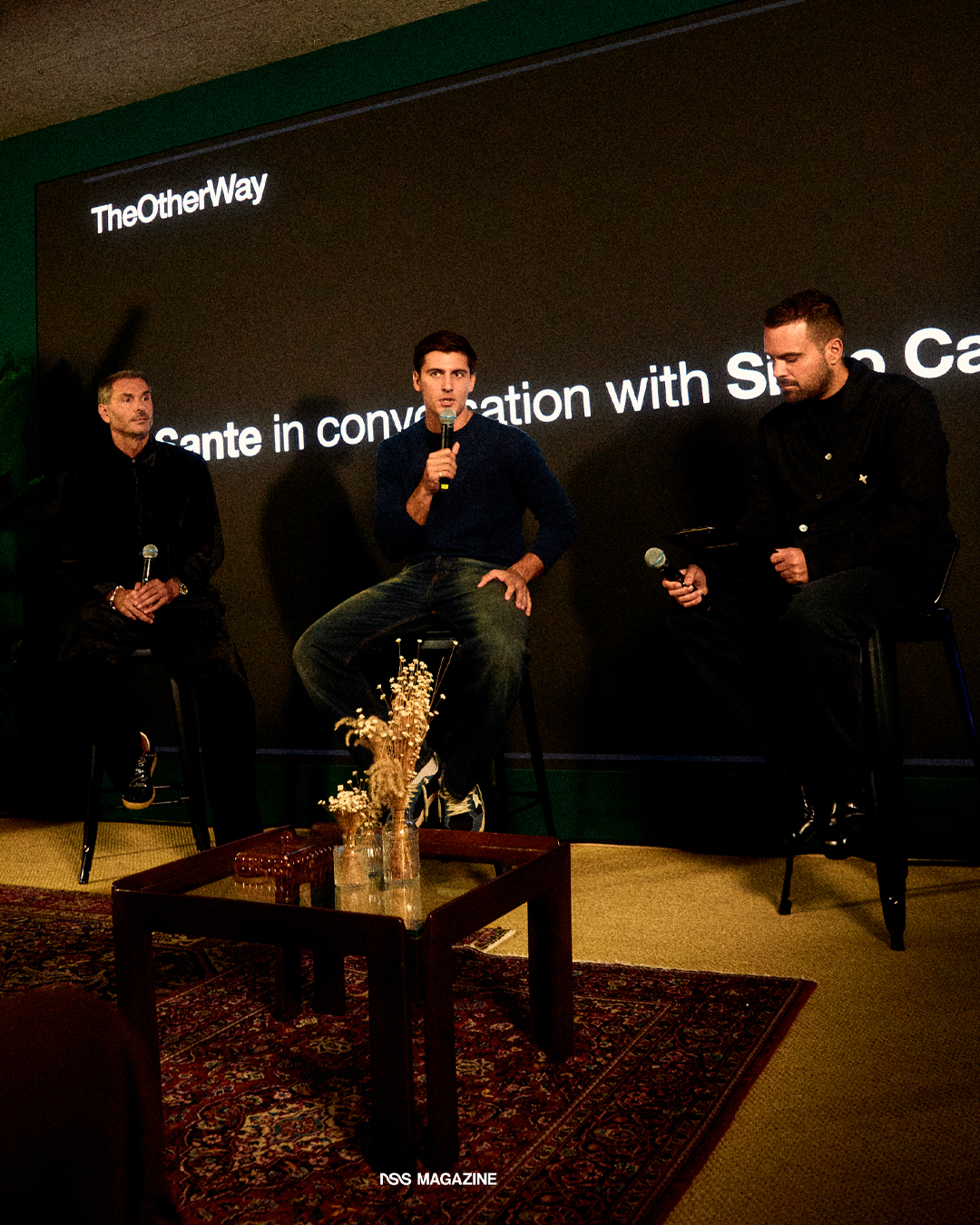
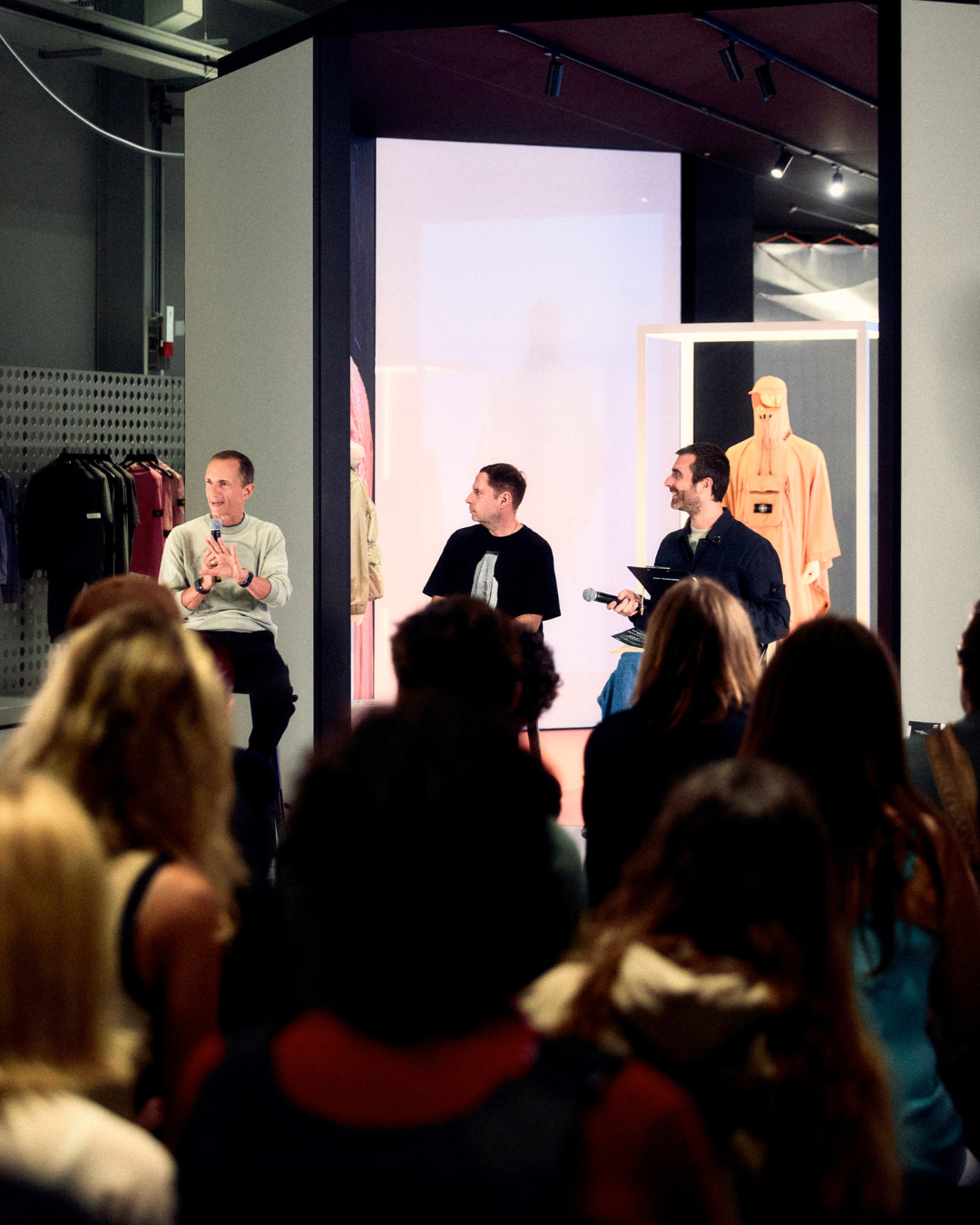
Ahead of the new academic year, Alessandro Maria Ferreri, Svenja Niessen and Giorgio Ammirabile, lecturers on the IED Firenze Postgraduate programme, came to our office to talk about the challenges awaiting tomorrow's professionals. According to the lecturers, increasingly hybrid figures are emerging, capable of moving between creativity, strategic direction, communication, business, merchandising and curation.
«What I tell my students is that they need to develop the ability to adapt», explains Giorgio Ammirabile, MA Creative Direction for Fashion. «The industry changes very quickly: those who adapt, survive». This view is shared by Svenja Niessen, MA Fashion Merchandising and Buying, who adds that, beyond being able to read shifts in the industry, staying one step ahead also requires «knowing how to find innovative solutions».
Alongside this capacity for adaptation comes an ever-greater focus on the economic and strategic dimension of the fashion system. For Alessandro Maria Ferreri, MA Fashion Business Coordinator, it is essential that even the most creative professionals develop greater familiarity with business processes. «Very often, product and style offices are not particularly strong. Right now, it is critically important to keep track of collection development costs. Equally, on the commercial and distribution side, having an aesthetic sensibility is fundamental».
The Five IED Firenze Postgraduate Programmes
Among the postgraduate courses offered by IED, the one in Creative Direction addresses creative direction at the point where design, art, communication, brand identity and business converge. Creative vision is therefore treated as something that must be able to cut across different products, images, experiences and teams, ultimately taking shape in a professional proposal for the launch of a new brand or the restyling of an existing one.
The Fashion Merchandising programme follows the product from market and consumer analysis through to collection planning, buying, retail and distribution. The Fashion Brand Management course takes a different approach, teaching students how to build a recognisable identity and make it economically viable, through simulated client–consultant relationships. The Fashion Curation course, which runs across IED Firenze and IED Milano, examines the relationship between art and fashion. Here, fashion is observed not as a product but as a cultural experience: students learn to conceive, organise and manage exhibitions and installations.
Rounding out the offering is the Master of Arts in Textile Design – Eco-Threads: Materials and Circularity, a second-level academic degree that starts from a precise question: how can textile design contribute to an eco-social renewal? The answer lies in material experimentation, technological innovation and a critical approach to design, always accompanied by an analysis of the environmental and ethical impact of textile production.