
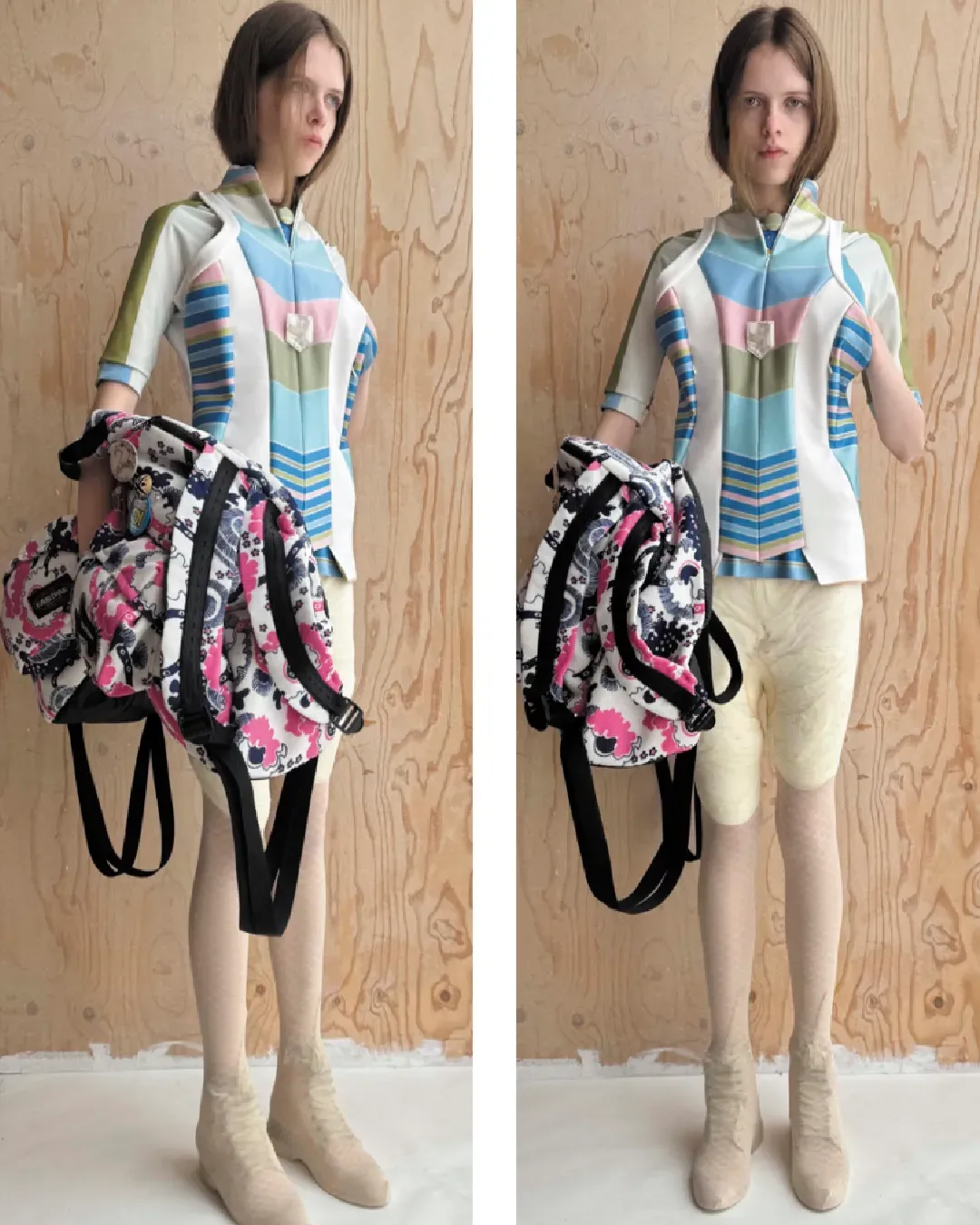

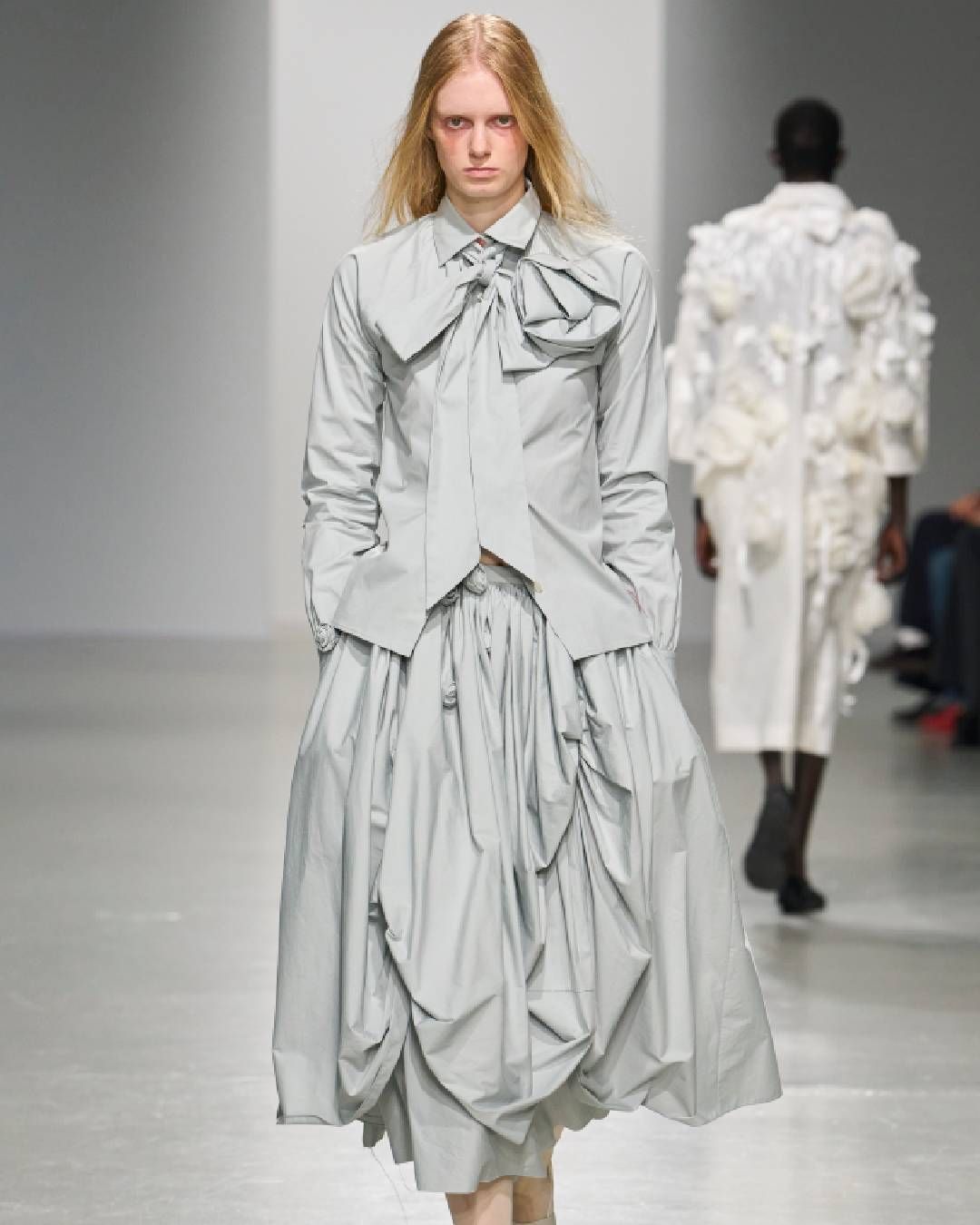




























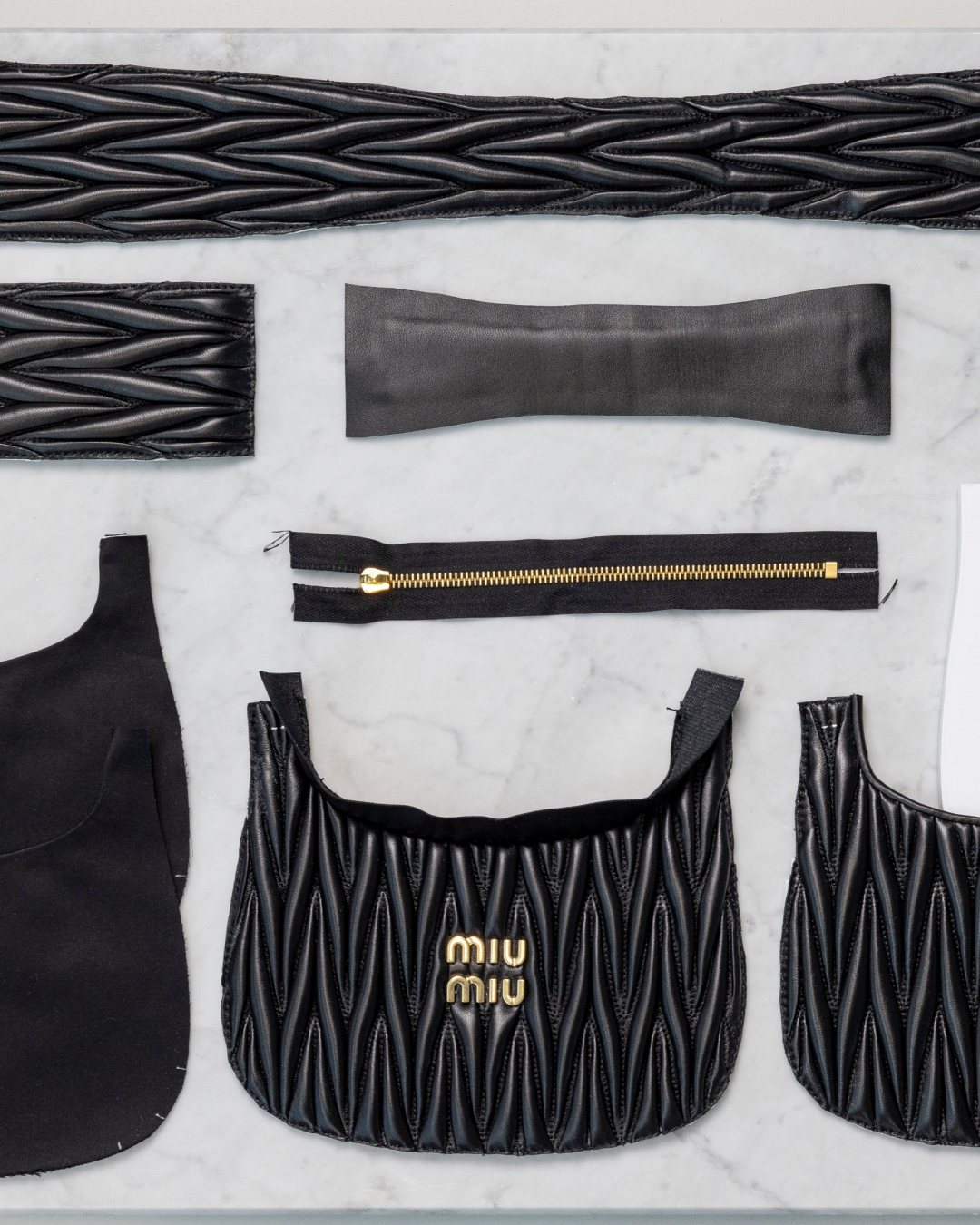
Where an Icon is Born: the Miu Miu Matelassé A day in Valvigna, in the heart of Tuscany, to understand that true luxury is not a logo, but the time, the precision, and the hands that make it possible.
There is a part of fashion that never walks the runway. It never ends up on Instagram, never appears in advertising campaigns, and is rarely talked about. It lives far from the fashion capitals, hidden among quiet hills, bright workshops, and workbenches where time seems to follow a different rhythm.
To truly understand what it means today to speak of Italian craftsmanship, I traveled to Valvigna, in the heart of Tuscany, where one of the most recognizable symbols of the Miu Miu universe is born: matelassé leather. Some journeys exist to see a product. Others exist to change the way you will look at it forever.
Until that moment, matelassé was, for me as for many, simply one of Miu Miu's aesthetic signatures. A soft surface, almost instinctive, capable of evoking lightness and spontaneity. Only by observing the process up close did I grasp the paradox it contains: nothing that appears natural is left to chance.
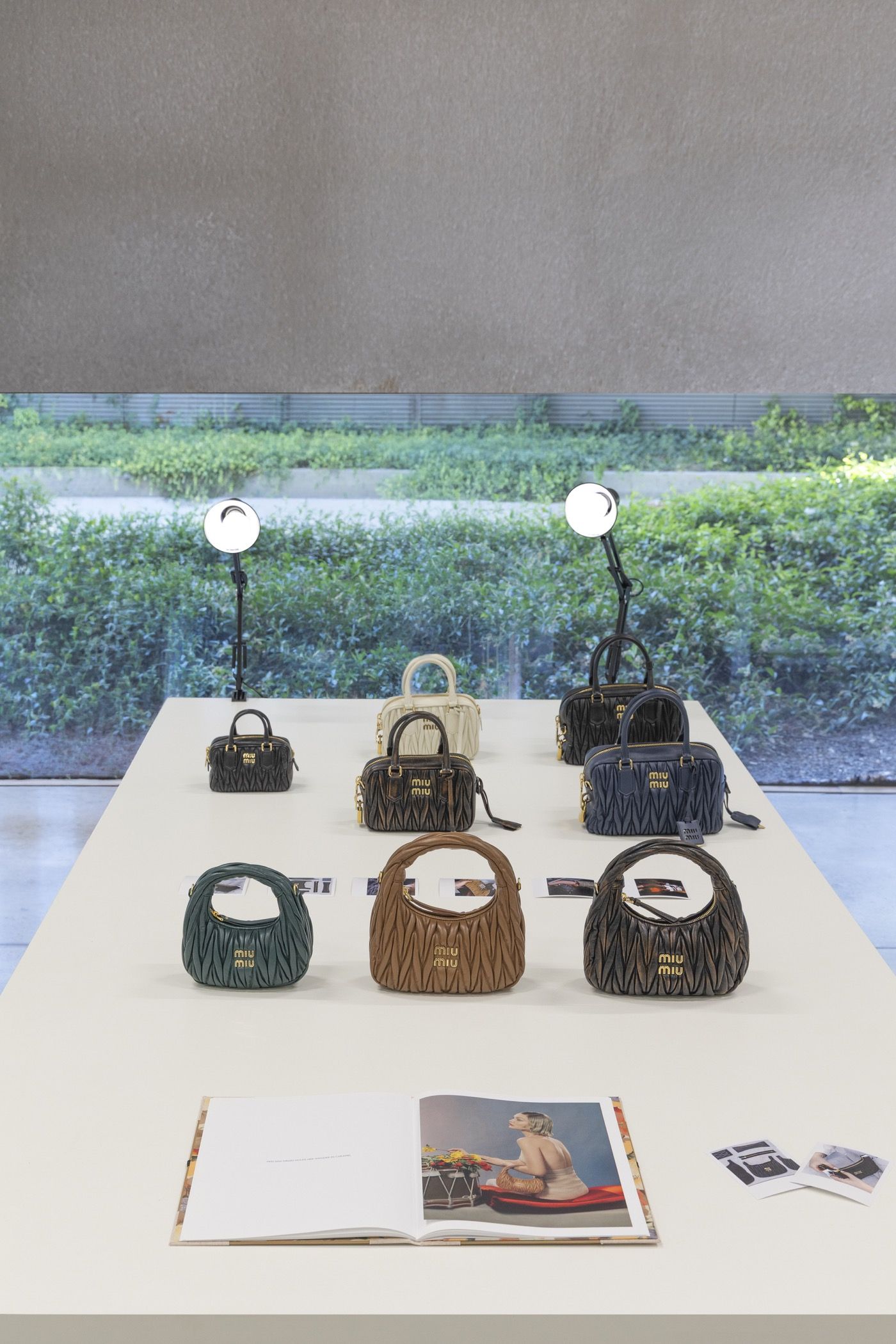
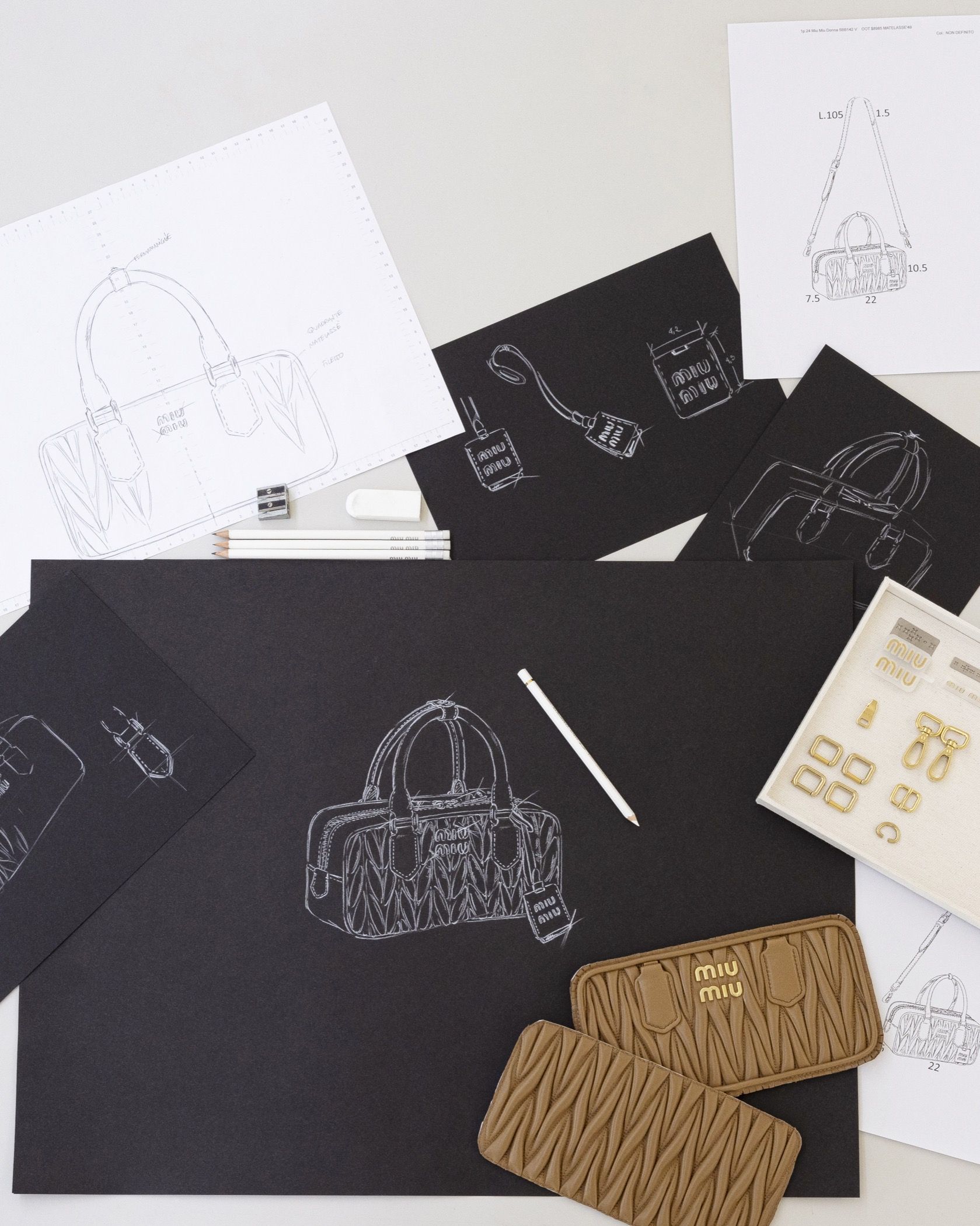
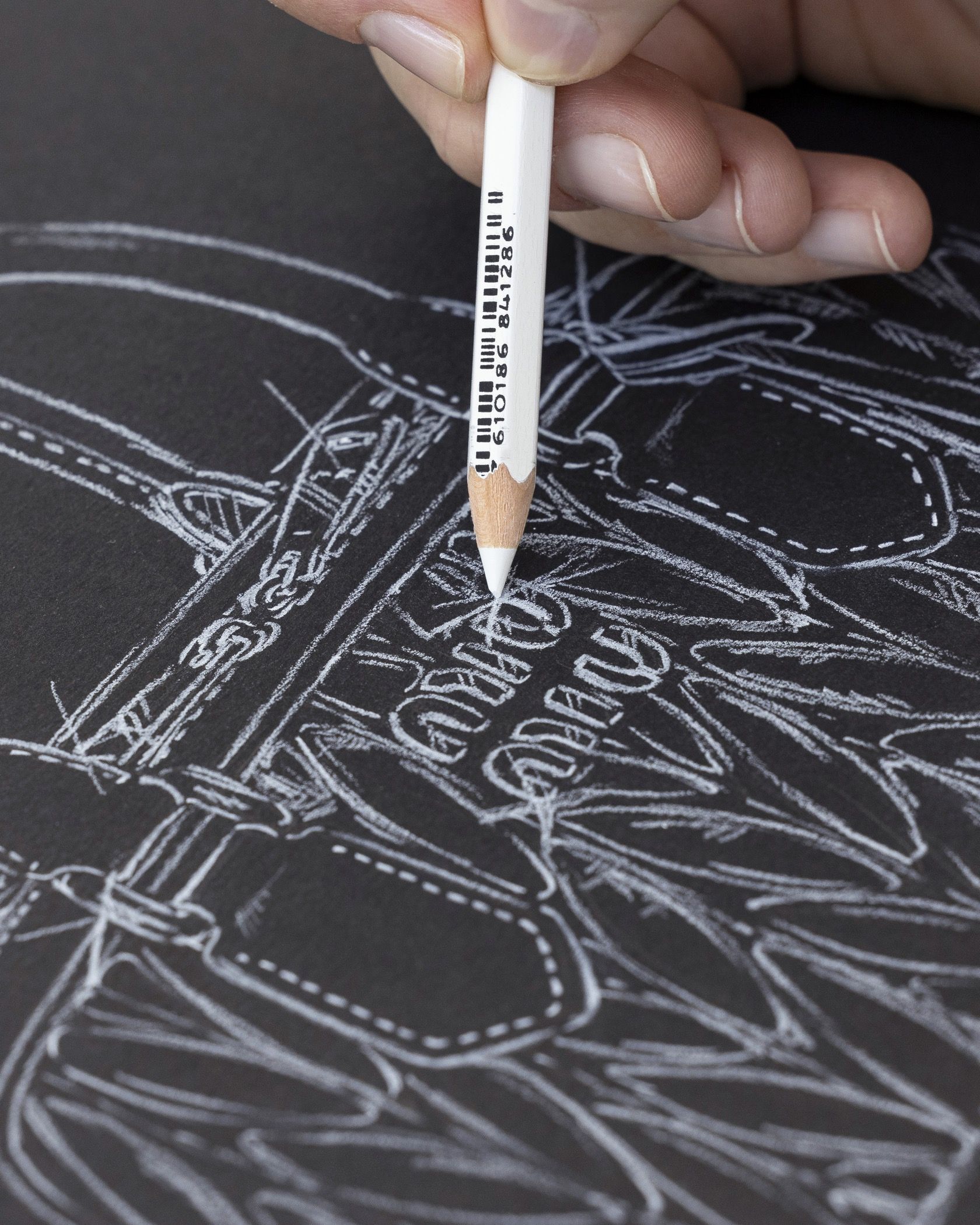
Every hide is selected individually. Its imperfections are not eliminated but welcomed as part of its identity. It is cut using digital patterns with an almost surgical precision, before reaching the phase that truly transforms the material: the quilting. The leather is bonded to wadding and stretch fabric and sewn under maximum tension. Only when it leaves the machine and the tension is released does the surface contract, creating those soft waves we all recognize instantly.
Witnessing that moment is almost surprising. Because what appears to be a decorative technique is in reality a small demonstration of engineering applied to craftsmanship. The part that struck me most, however, was not the technique. It was the people.
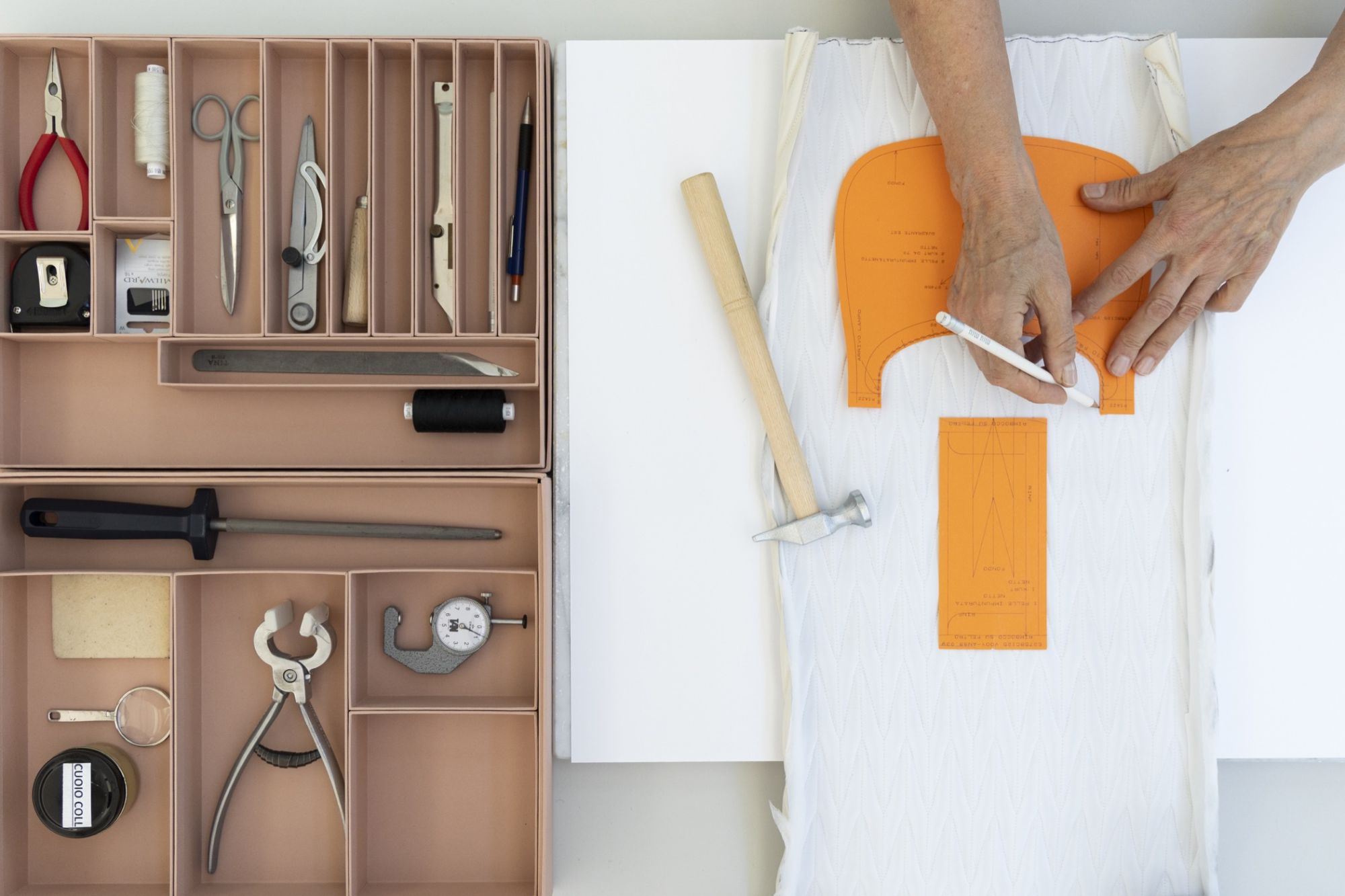
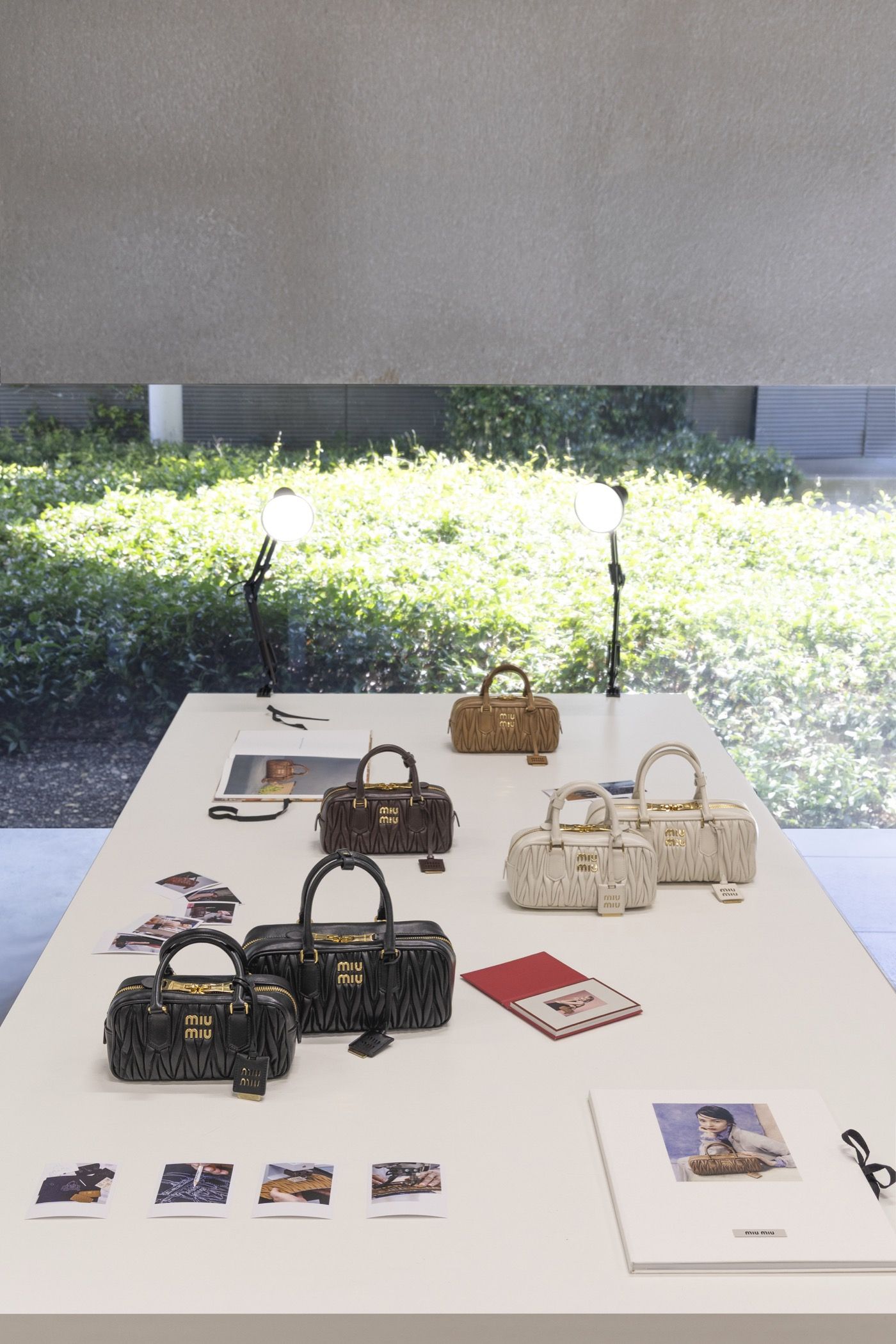
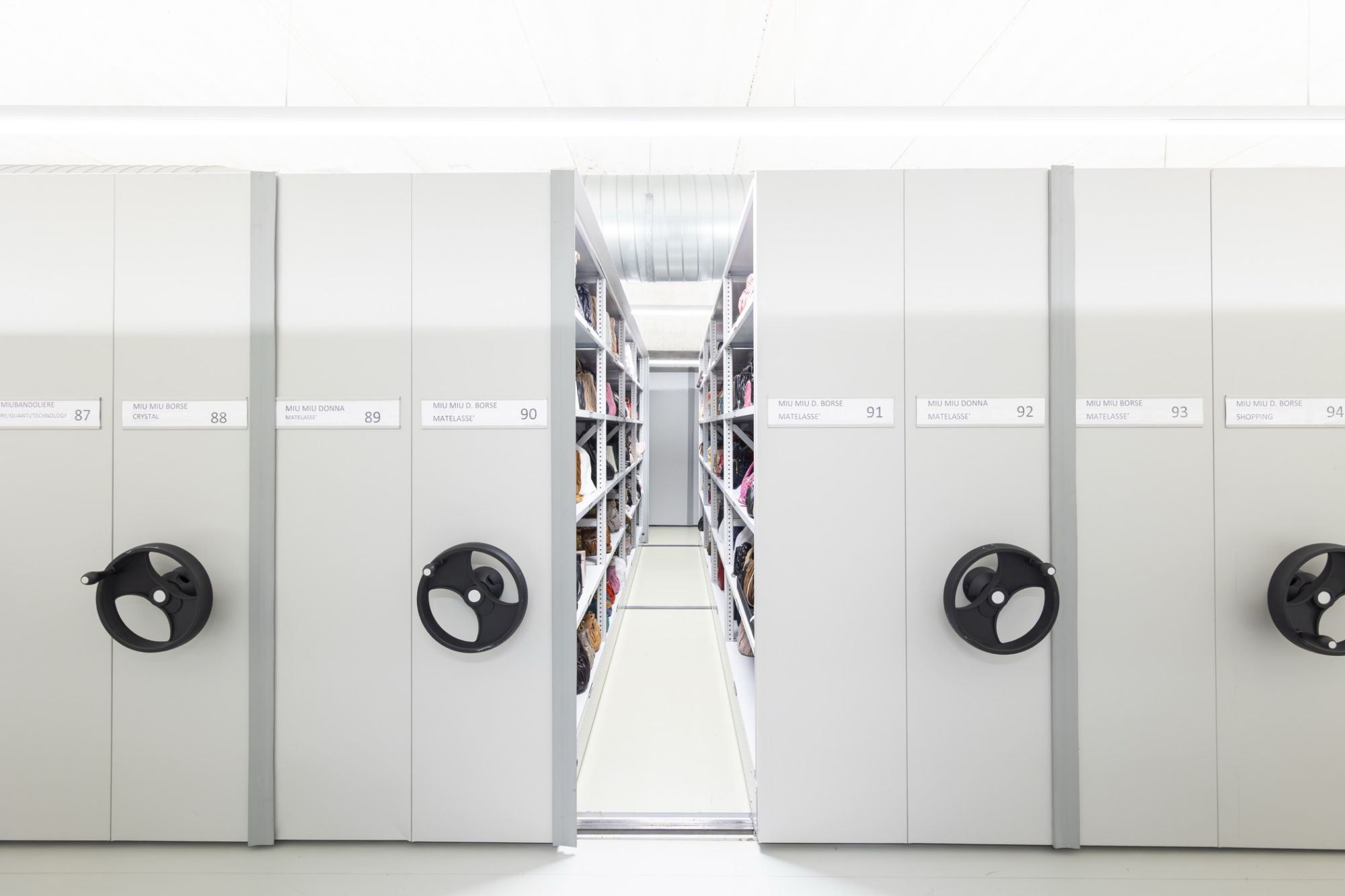
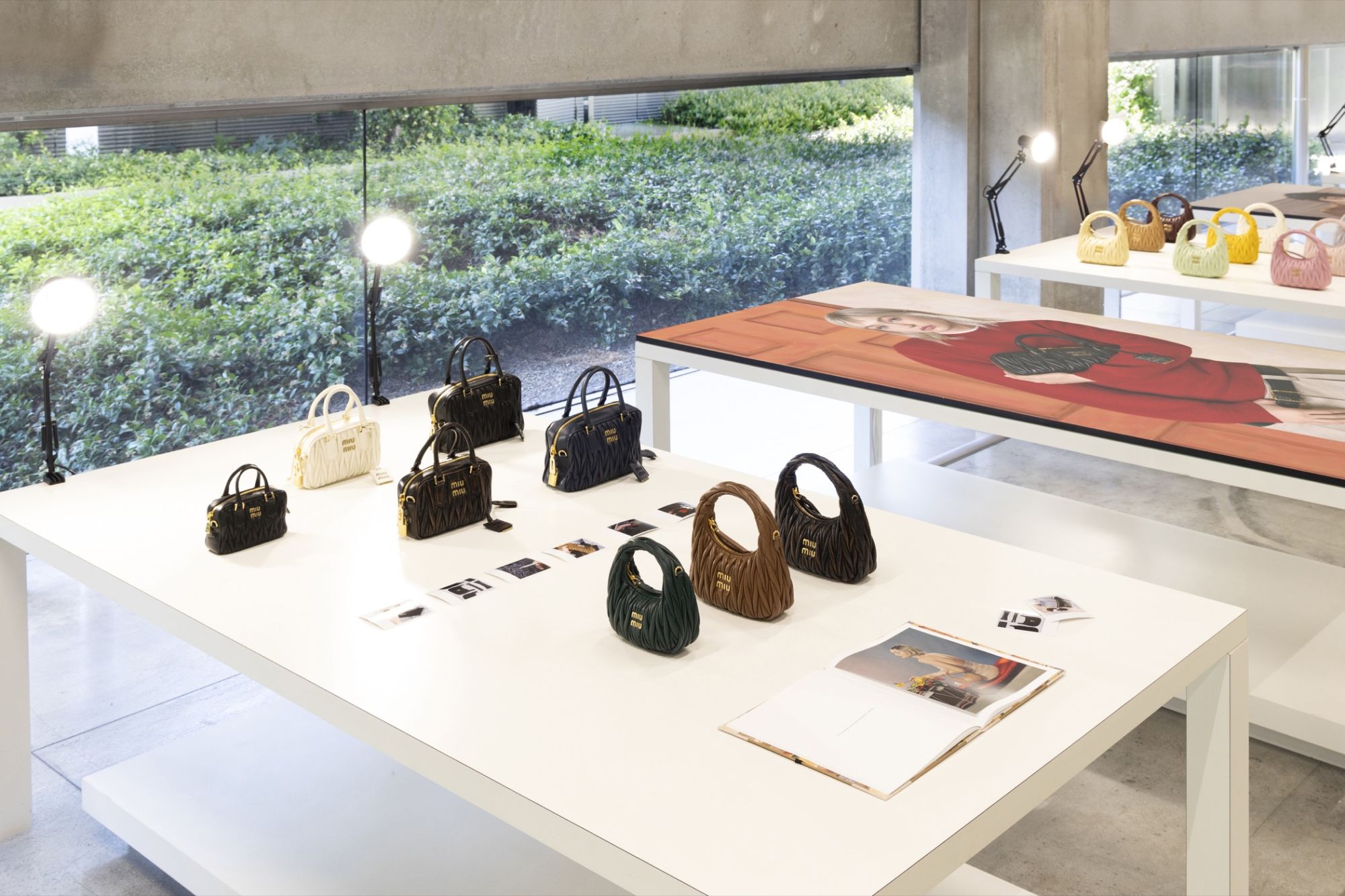
We live in a historical moment in which luxury is often told through numbers, celebrities, global campaigns, and digital strategies. Stepping into these workshops, all that noise disappears. What remains are gestures repeated thousands of times, eyes that recognize a hide before even touching it, hands that move with a confidence impossible to teach in just a few months. These are skills built over decades of experience, handed down and continuously refined, where innovation and tradition do not exclude each other but coexist at the same workbench. This is perhaps the most interesting lesson.
We often speak of heritage as though it were a motionless archive, something to be preserved under glass. In Valvigna I saw exactly the opposite. Legacy is not nostalgia. It is movement. It is a technique born almost twenty years ago that continues to reinvent itself season after season, changing proportions, colors, materials, and silhouettes without losing its identity. And this is probably the true meaning of Made in Italy today.
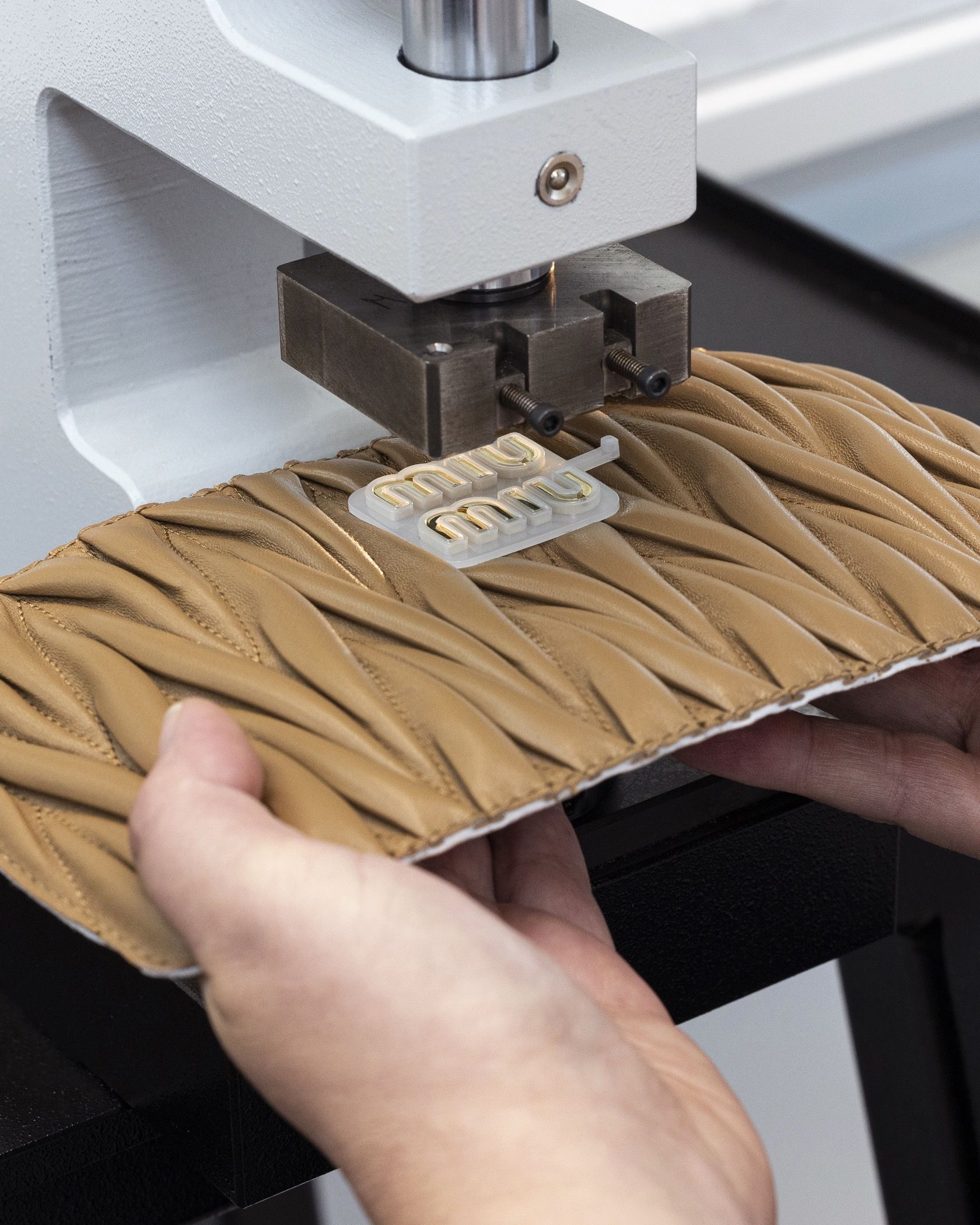
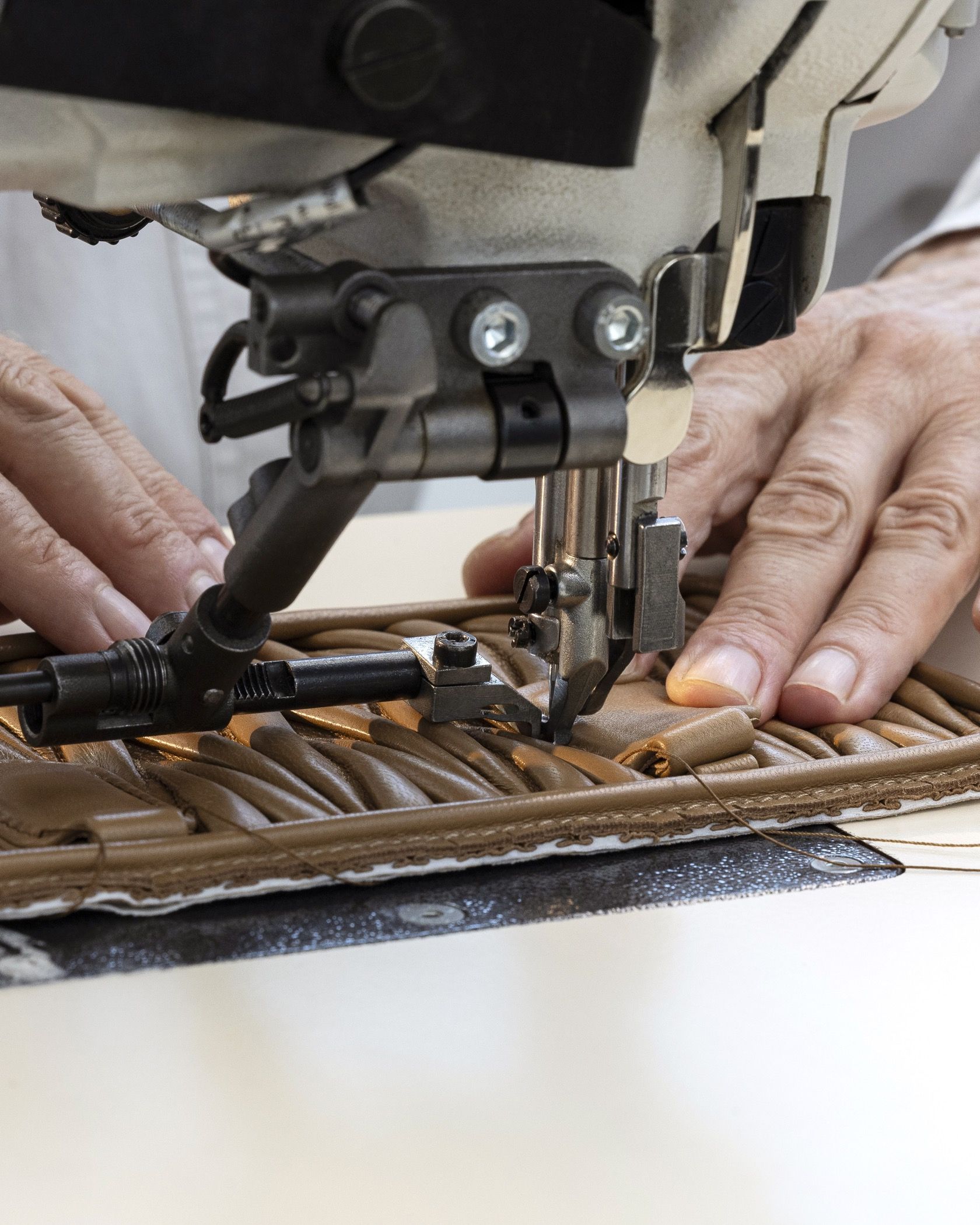
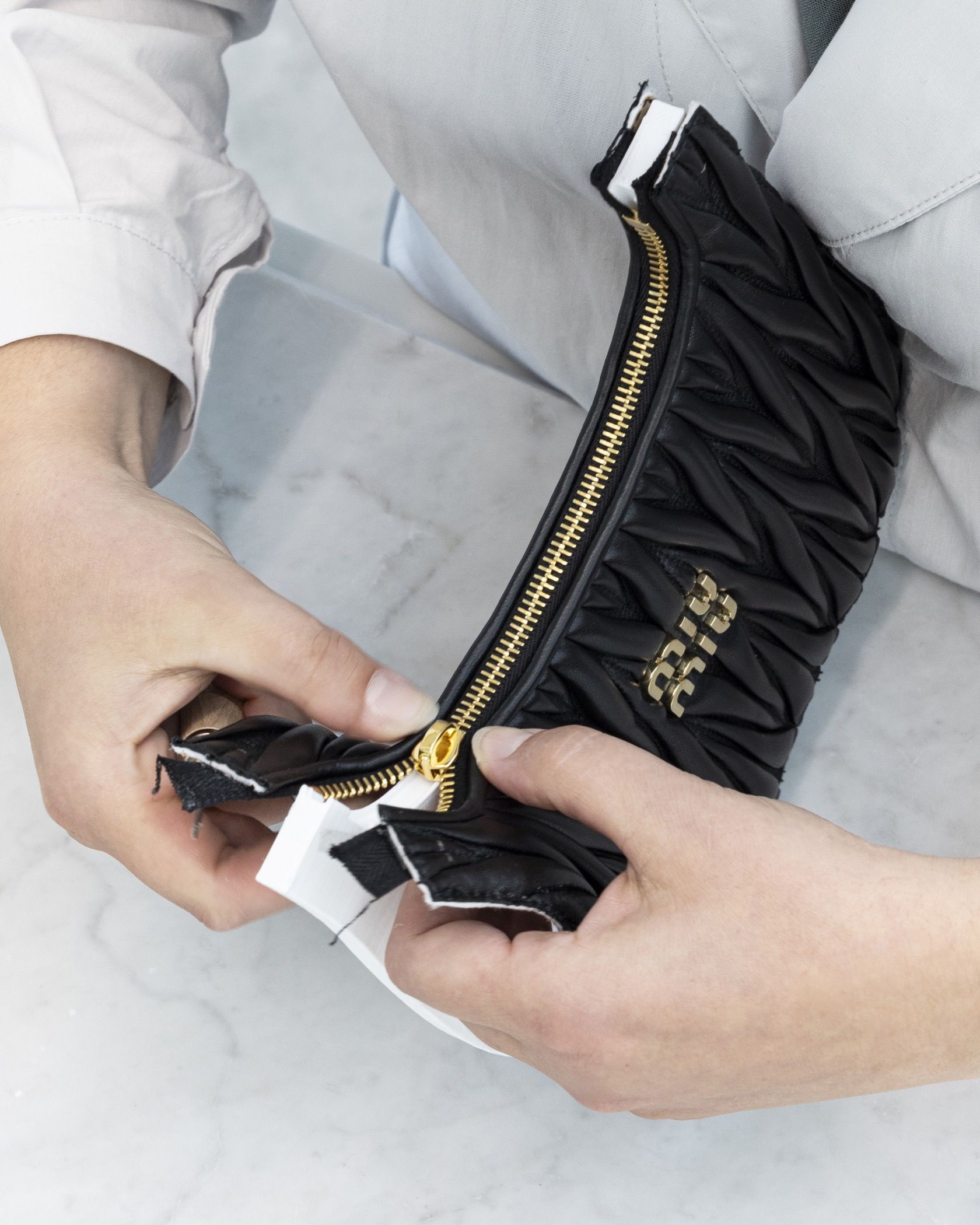
Not a simple geographical indication, but a method. A culture of detail. The idea that every phase of the process carries the same dignity as the final result. Because before a bag becomes an object of desire, it is the meeting point of dozens of different skills: those who select the leather, those who sew it, those who assemble it, those who finish every edge by hand, those who apply the final logo. No single gesture is spectacular on its own. Together, they build something that becomes so.
Leaving Valvigna, I thought about how often, in our work, we are accustomed to telling only what arrives at the end of the journey: the runway show, the campaign, the finished product. And yet the most fascinating part of fashion continues to live long before that. In the constant sound of a needle stitching. In the smell of freshly cut leather. In the silence of those who, every day, build an icon without needing to sign it.