
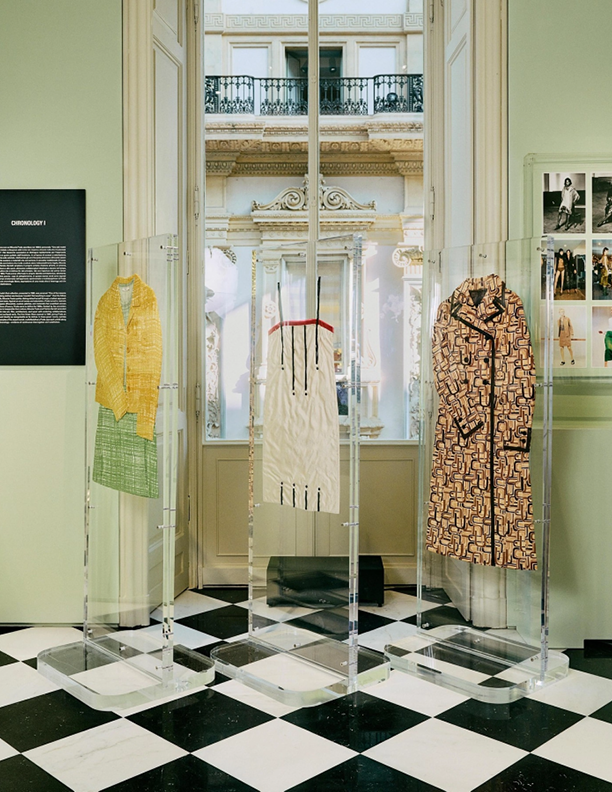
Have luxury boutiques turned into museums? From Prada to Gentle Monster, more and more brands are turning their stores into exhibition spaces
You know that feeling of walking into a boutique in the heart of Milan and, before you've even spotted the fitting rooms or the price tags, finding yourself staring at a concrete installation, a velvet tunnel, or a suspended sculpture? It's not just an impression: luxury shopping has stopped simply selling clothes and transformed itself into a fully-fledged museum experience. And the latest confirmation of this phenomenon comes from the centre of Milan.
This November, Prada inaugurated Pradasphere inside the Galleria Vittorio Emanuele II. This is not a temporary exhibition, but a permanent display spread across eight spaces (including an underground passage connecting the brand's Mens and Womenswear areas) where, alongside the historical archive, visitors can find prototypes of space suits, as well as cinema and architecture. As Associated Press also notes, the choice is not merely a matter of heritage: those who walk through those rooms look at the boutique with different eyes and, in the end, are far more inclined to buy.
The mechanism behind immersive experiences
But why would a brand spend millions transforming a commercial space into an art gallery, giving up precious square footage for merchandise? As The Financial Times also highlights when discussing so-called experiential luxury, the answer rests on three fundamental rules of today's market: the first is beating the convenience of online shopping.
The second is justifying ever-higher prices: in recent years, luxury price lists have shot through the roof. To justify four-figure receipts, the quality of materials is no longer enough. It takes building cultural value and, by positioning itself as an artistic institution with a strong historical legacy, the brand elevates the garment hanging on the rack from a mere item of clothing to a collector's piece.
Finally, among the reasons behind the success of experiential luxury is overcoming psychological resistance: brands know that nobody likes walking into a shop and feeling the pressure to buy. The trick is to use the art-exhibition atmosphere to lower people's defences.
The map of "museum-stores"
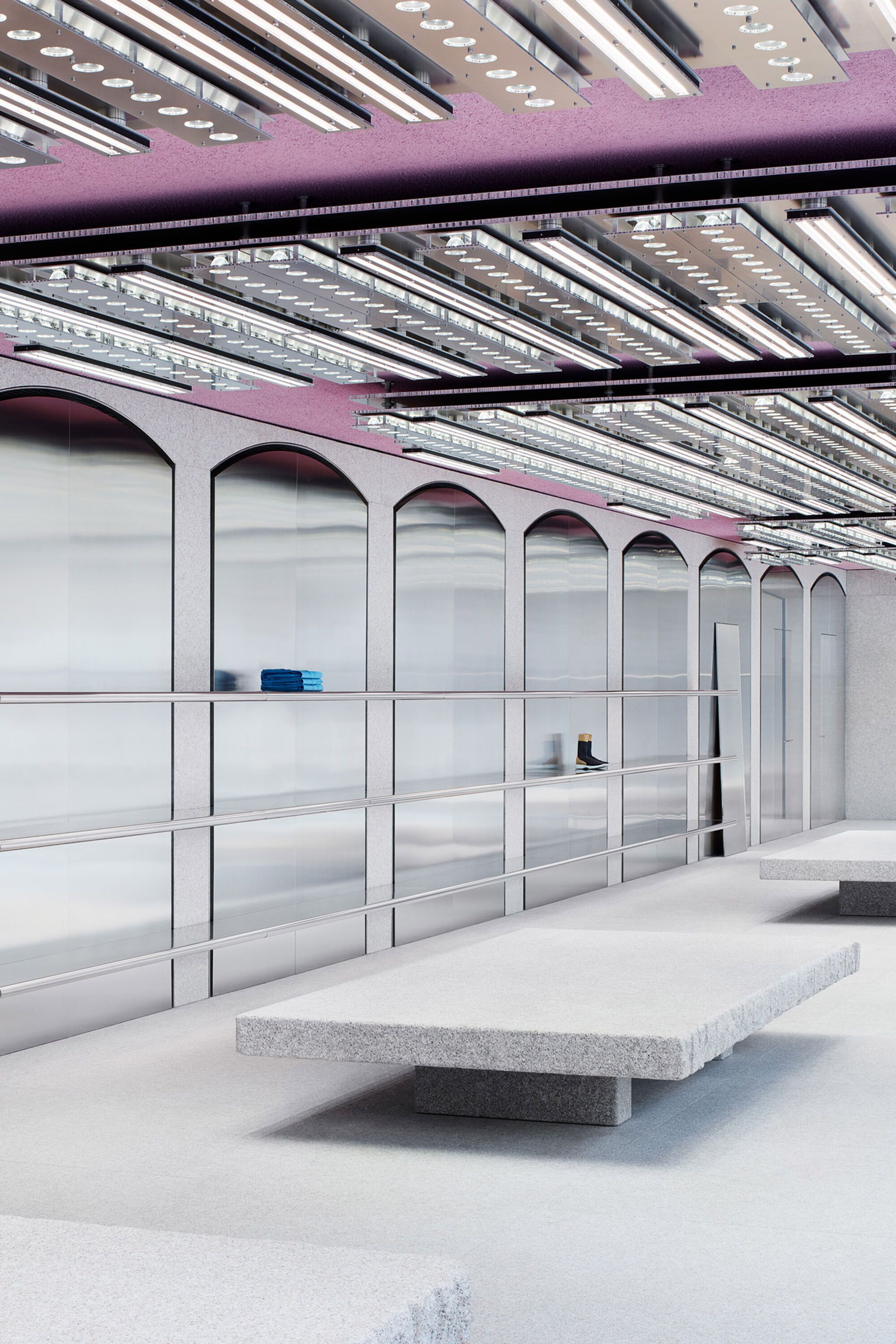
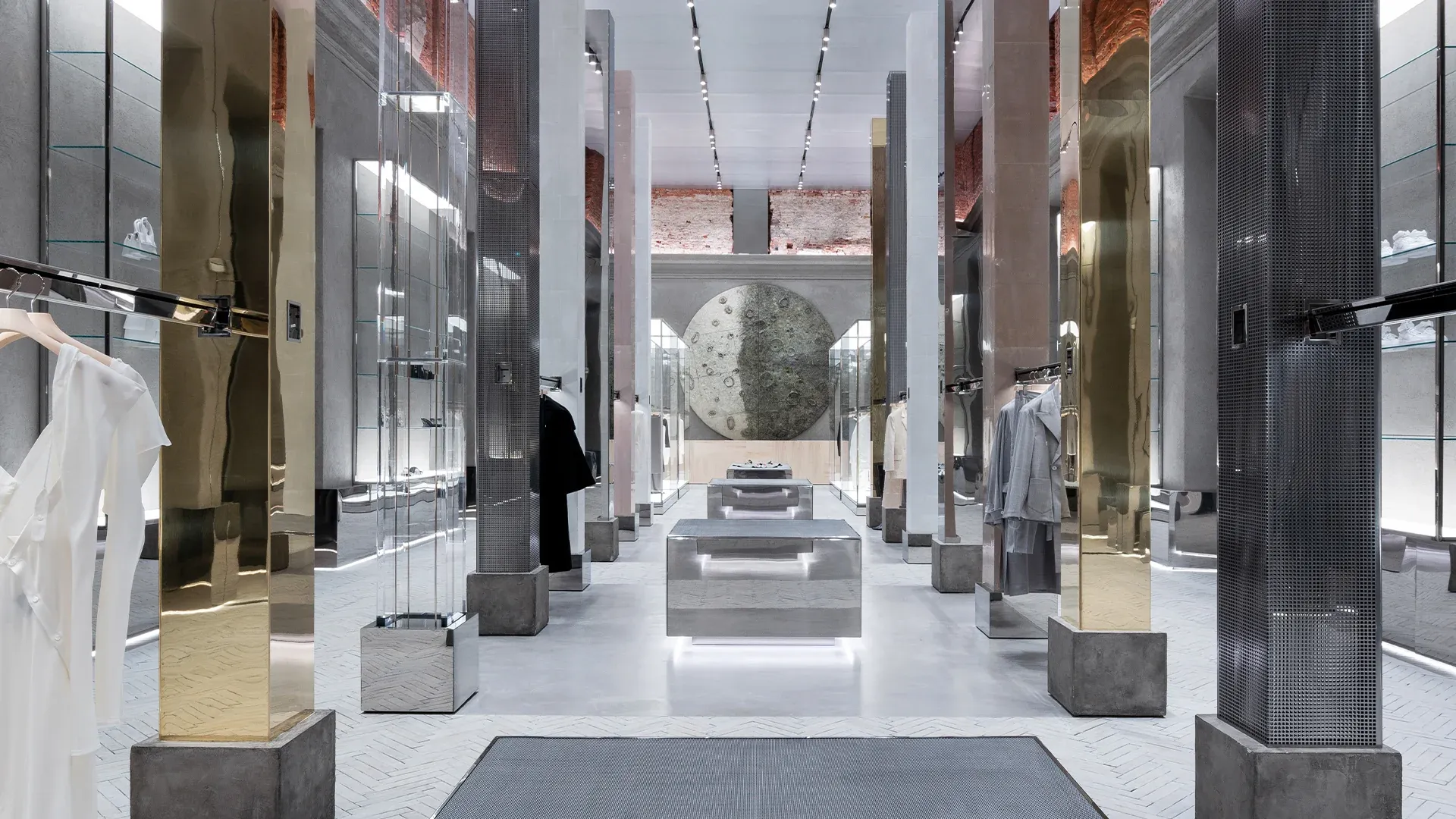
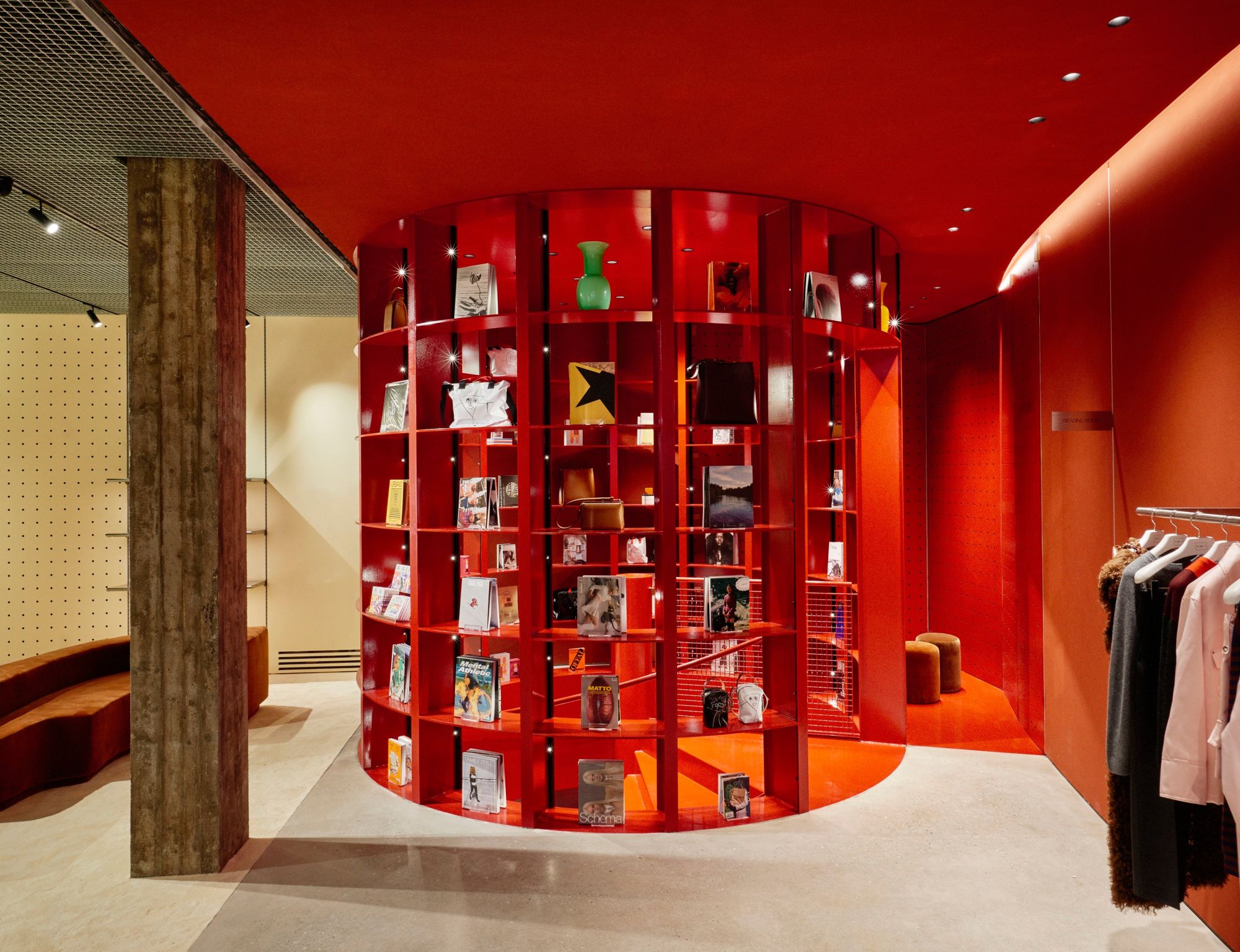
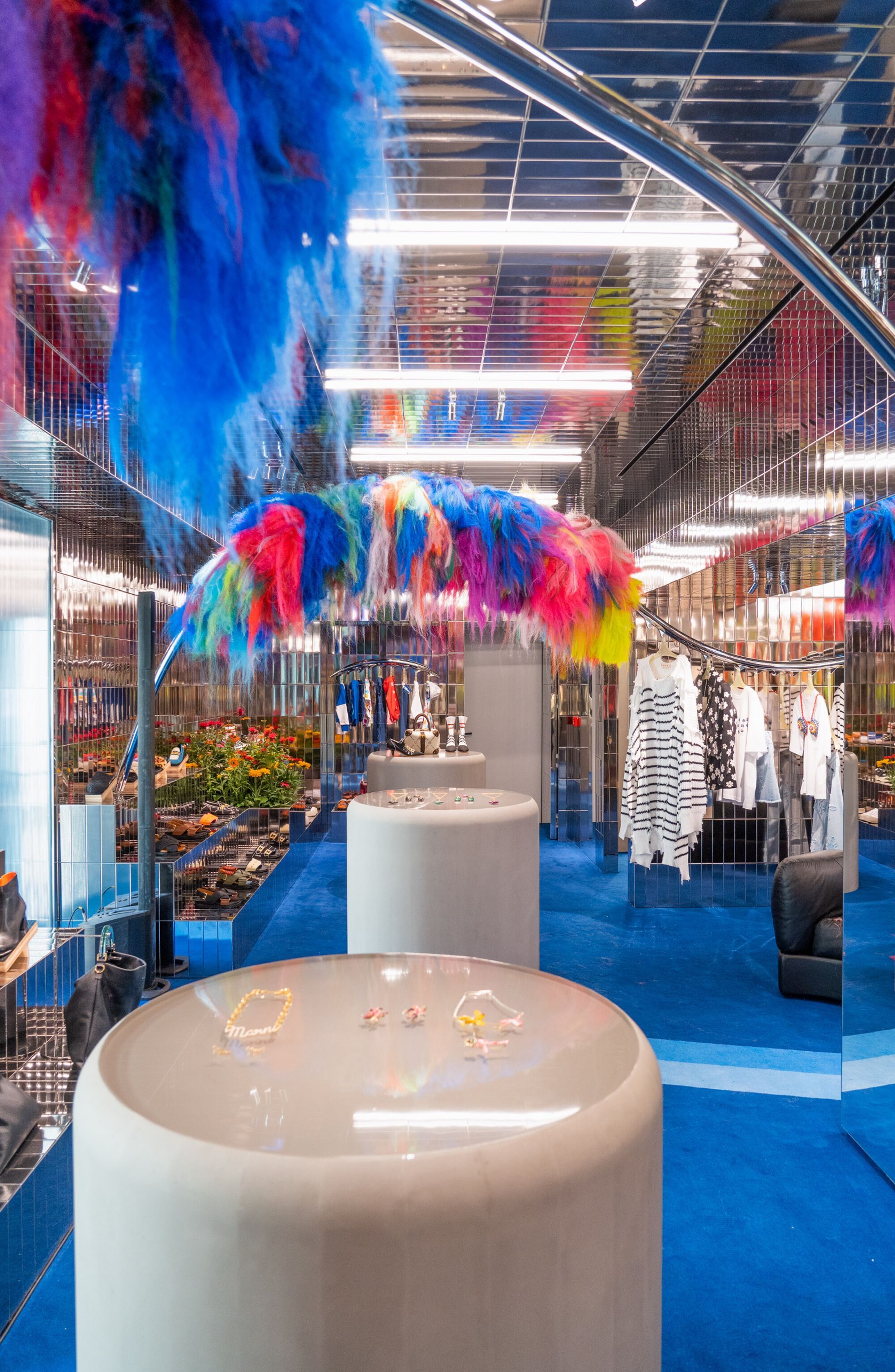
Pradasphere is just the tip of the iceberg. Taking Milan as an example — between the Quadrilatero and Brera — it is clear that the city has become an open-air laboratory for this format. Case in point: Acne Studios, Marni, Plan C Framework, Issey Miyake, and Antonia, brands that have recently updated their spaces to elevate the shopping experience.
The museification of commercial spaces is a global trend. Just think of the Gentle Monster stores in Seoul or Tokyo (where the shops resemble surrealist installations dominated by enormous robotic sculptures), the Fondation Louis Vuitton in Paris, or the exhibition spaces of Dover Street Market, curated by Rei Kawakubo as genuinely subversive art markets.
When faced with immersive experiences that make every purchase feel like a trip to an amusement park, leaving the shop empty-handed becomes almost impossible. This tactic certainly works — but if every brand turns its stores into an exhibition, don't we risk getting used to it and no longer being surprised?
What to read next

Willy Chavarria makes his debut in leather goods
The American designer has unveiled his first handbag collection made in Italy
Prada presents a new publication dedicated to the brand's cultural projects
It's called Prada Index and it's a magazine and map for understanding the Maison's universe